The primordial phase of development is fundamental for laying the inner foundations. We grow like sponges: we absorb everything around us. How much of your attachment to art comes from that stage, and how much is innate? In your view, should more weight be given to this phase in early artistic education?
I feel that this early phase should be given more attention, because at that time we do not really learn facts, we learn how to learn, how to feel, and how to accept reality, even if only intuitively and a bit timidly. For me, nothing is more important than trying to understand things and explore things. Sometimes it is something completely useless at the moment, and sometimes it is something that completely changes the way you see the world. Maybe in my case this attachment to art was something innate, because I clearly remember myself as a child flipping through art books written in different languages and not understanding a single word, but being completely immersed in the images, the scenes, the tones, reading the mood of the paintings, their minimalism or their monumentality. I would say that everyone intuitively thinks they know what is right until they try to do it themselves and discover they were wrong.
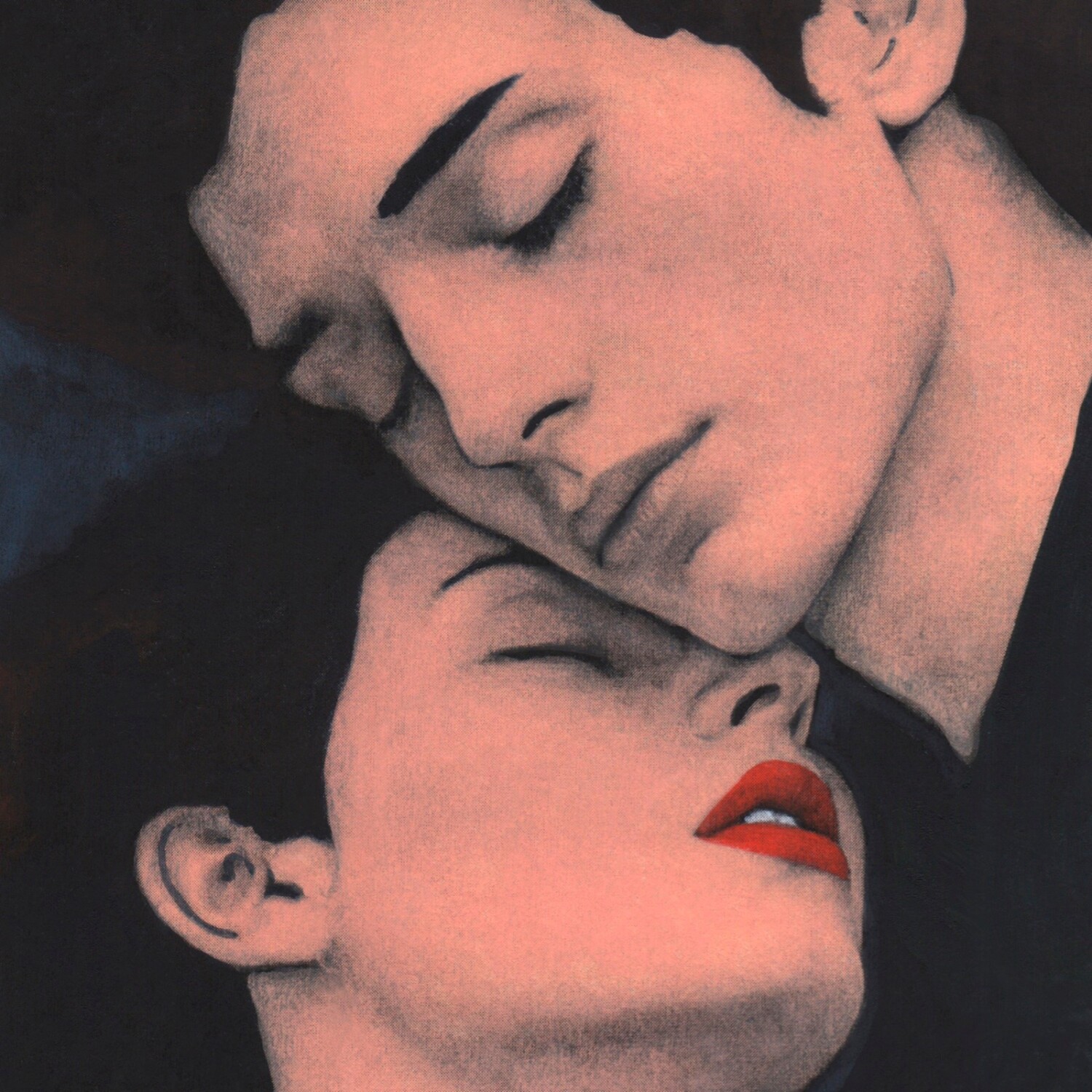
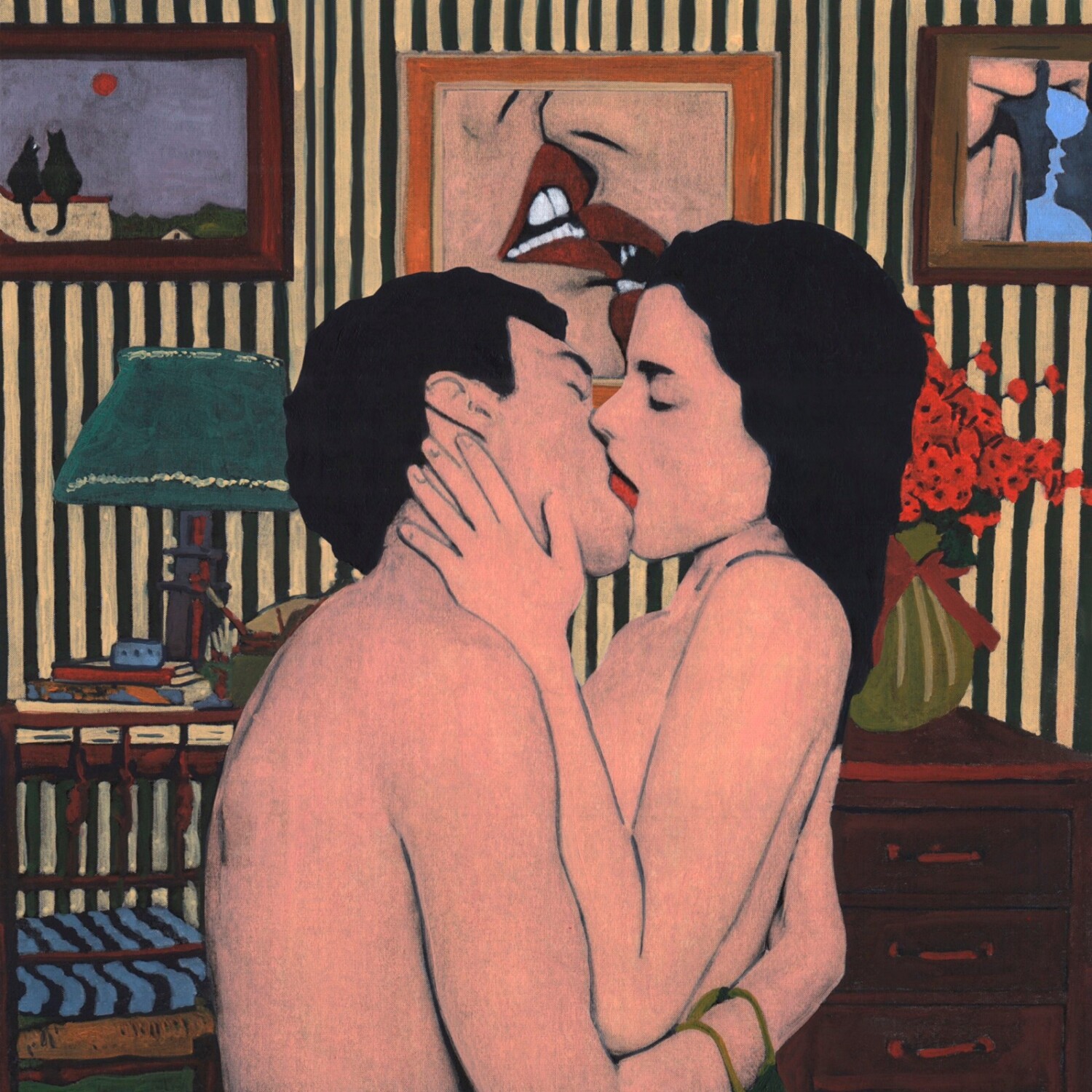
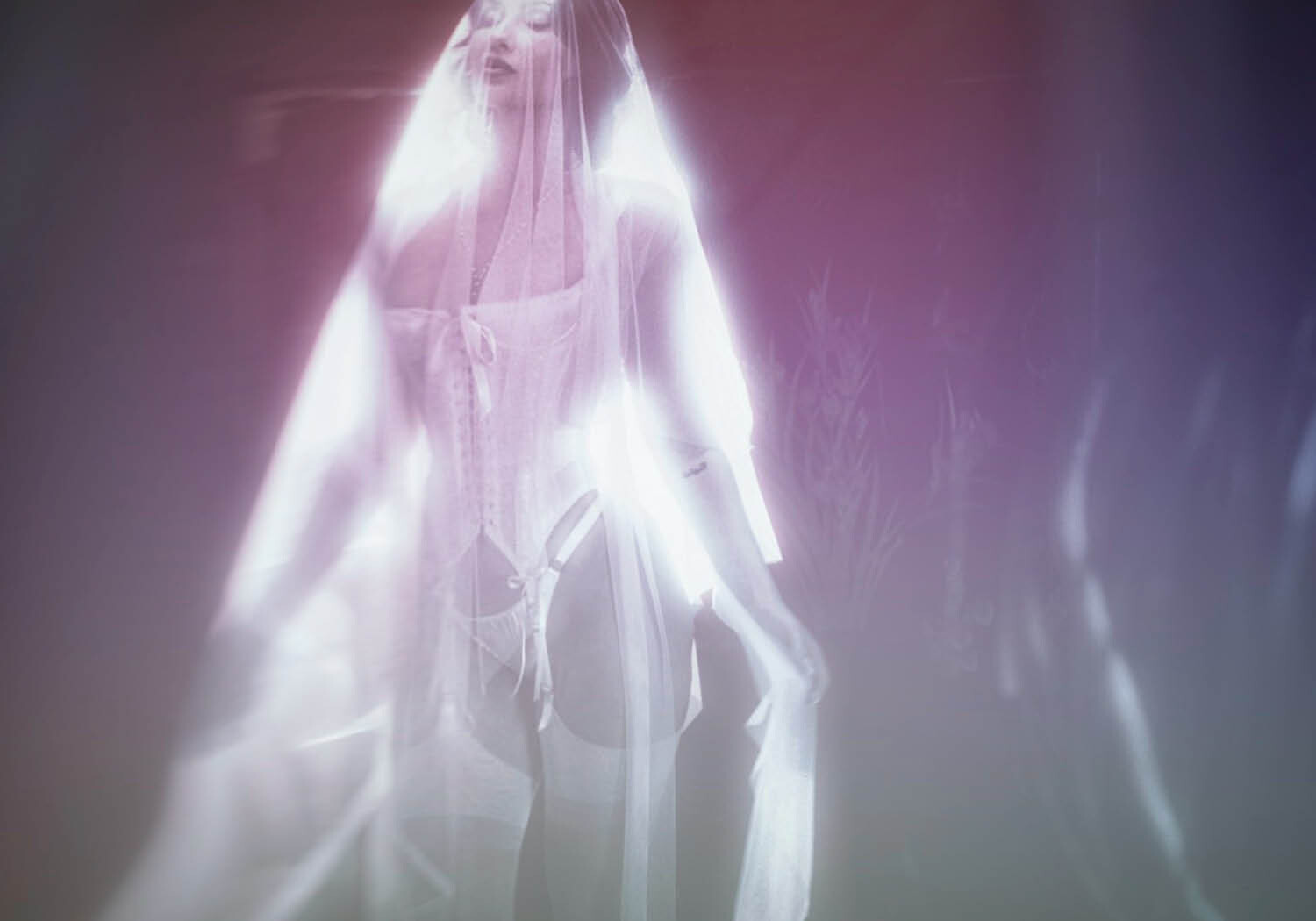
Your work is sweet and sensual. Does eroticism arise from the invisible details or from the whole? What do you consider truly intimate, and what do you decide to show or keep private?
A lot of what appears on the surface of these images, including eroticism and intimacy, is unconscious. At the core of my practice is a simple thought that I keep returning to. How little I understand this world, and how little I understand my own presence in it. The more I think about this, the more these thoughts find a visual form and become images. They are more like a quiet reward for the attempt to understand something, including the attempt to understand what is personal and what is intimate for me. But most of the time I feel that I actually have nothing to hide. Maybe it is the personal that should be shown in images, because that is where some kind of necessary healing can happen. I remember how I used to be afraid of my own helplessness in front of life, and at the same time that helplessness would turn into painting subjects that strangely found a response in the viewer.
Do your music and paintings speak the same language, or do they travel on separate tracks? Do you see your musical production as a backdrop to the artistic scenes, or do you prefer to keep them independent?
Maybe on some metaphysical level they speak the same language. I could easily create a piece of music for a film drawn frame by frame by myself, or the other way around. It is a great happiness to be able to express something that cannot be explained in words, or something that simply wants to come out of you, through completely different practices, just to understand a little better what is bothering you at a particular moment, or maybe your whole life.
You shy away from black and white, yet is there a darker facet of your personality that seeps into your work even when it doesn’t appear overtly?
I like to give my colors completely opposite emotional meanings, as if this is a safe way to confirm the absurdity of existence and to slightly disguise something dark inside or something that looks life-affirming. Very often it turns out that the lighter and cleaner the painting is, the angrier and more dissatisfied I was while making it. And the darker and more bleak the scene is, the happier and more carefree the painting process was, and the more in harmony with life I actually felt.
Do concerns about appropriation or identity comparison ever trouble you, particularly regarding the colors and palette you choose? What is unequivocally yours and irreplaceable, even without color?
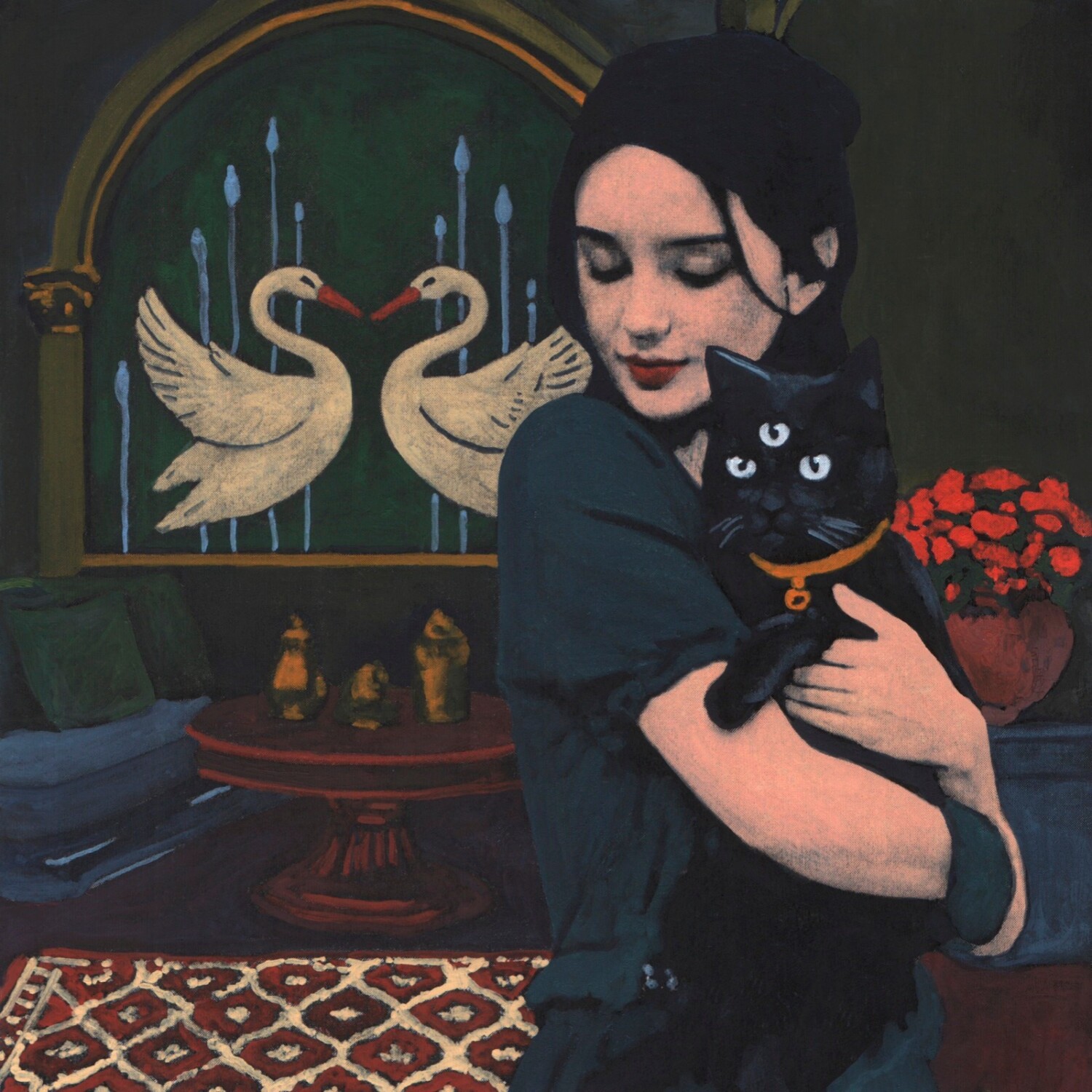
I see my images more like a dream. Sometimes a nightmare, sometimes a half-asleep fantasy. Anything can appear there. A clear dialogue you heard yesterday, or strange architectural details from a street in a country you visited some time ago.
I like to work in kind of realistic surrealism. The feeling that something is wrong does not come immediately. It hides behind intentionally simple and clean colors. Maybe this is what is truly mine, to leave psychological hints, hidden messages, to create a certain tension that does not necessarily need to be discovered, like in the works of old masters such as Dürer or Velázquez. And even when it is discovered, it does not give full satisfaction, because perception itself is too individual. I simply love all kinds of mystifications.
Is there a flavor, a sweetly melancholic note, that today seems to be dissolving, which you strive firmly to protect and keep alive?
It is definitely something pure and primitive. Something universal and timeless. Something that is perceived immediately, like the taste of the first summer fruit. I once realised that this feeling does not really change over the years. It brings you back not to the sweetness or the taste, but to the feeling itself, to the very first impression. And it seems to me that one of the tasks of an artist, working in any medium, could be to try to capture and preserve this feeling, so that years later, when someone looks at the work, this strange and unexplainable impression comes back again and stays with them.
The women in your portraits have sibylline features and an invisible thread that links them. Is it purely aesthetic, or is there something more personal, intimate, and provocative? Are there aspects of femininity that the male side refuses to recognise?
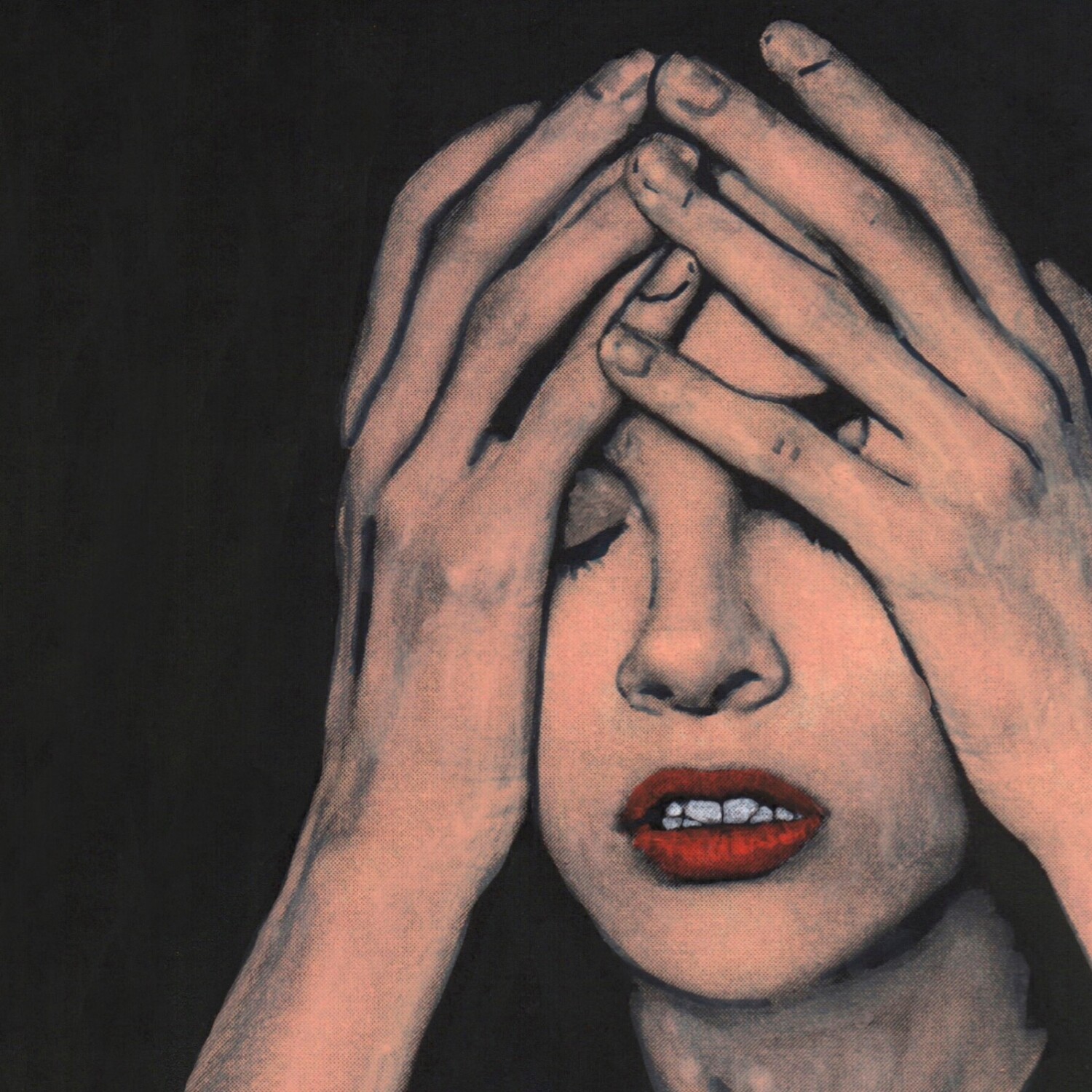
I feel very close to the idea of capturing a moment through a self-portrait. But painting my own face the way I see it every day feels too narcissistic, too boring, too everyday. So I turn to more gentle and more poetic images, sometimes even fairy-tale-like. Not always female, but very often I give these figures my own features, it can be the eyes, the cheekbones, the gaze, or a gesture.
Usually this is enough so that years later I can look at the image, read the mood, and say, yes, that was a terrible time. I have always been very impressed and inspired by classical female portraits. They always seemed a bit demonic to me. I absorbed this feeling in childhood while looking at paintings by the old masters. And it is difficult to say that the male side refuses to recognise something in femininity, because for centuries these women were painted by men, and they were often given the features, the psychology, and the inner life of the artist himself. Maybe that was already a kind of recognition.
Looking ahead, can you unveil the protagonists inhabiting your narratives, or hint at the experiments and threads that currently occupy your creative gaze?
Most of the time ideas and sources of inspiration are very unpredictable and appear at the right moment in life. Everything that is too planned usually burns out quickly or loses its value. So I like when the energy to create comes from very simple and understandable things. Wind, rain, anxiety, reading, meetings, short conversations with new people. I’ll just keep doing what I love, what gives me this strange feeling of strength and joy. And who knows, maybe something big and important, something that requires patience and full dedication, will appear on its own somewhere along the way. But without trying to look too far ahead.