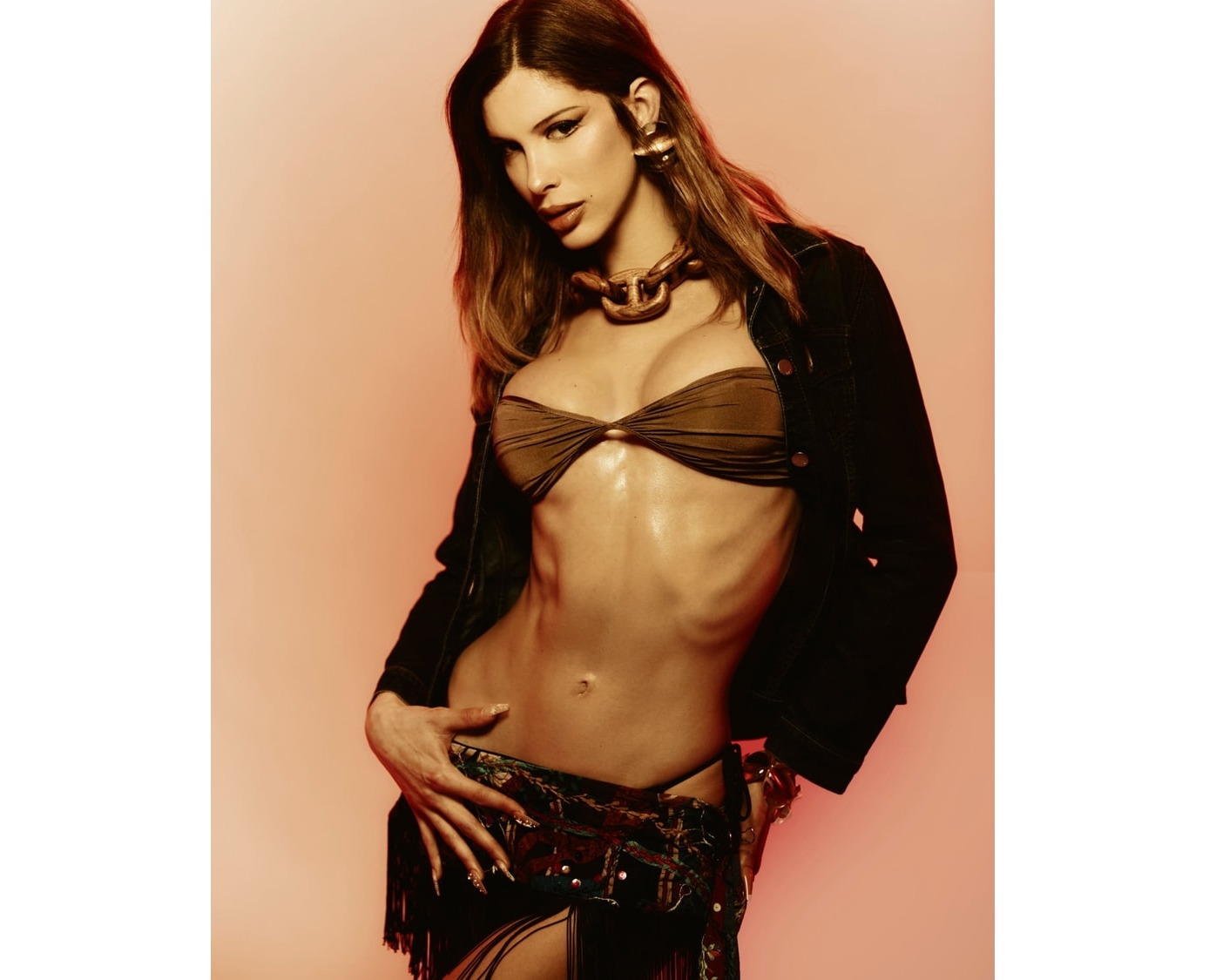
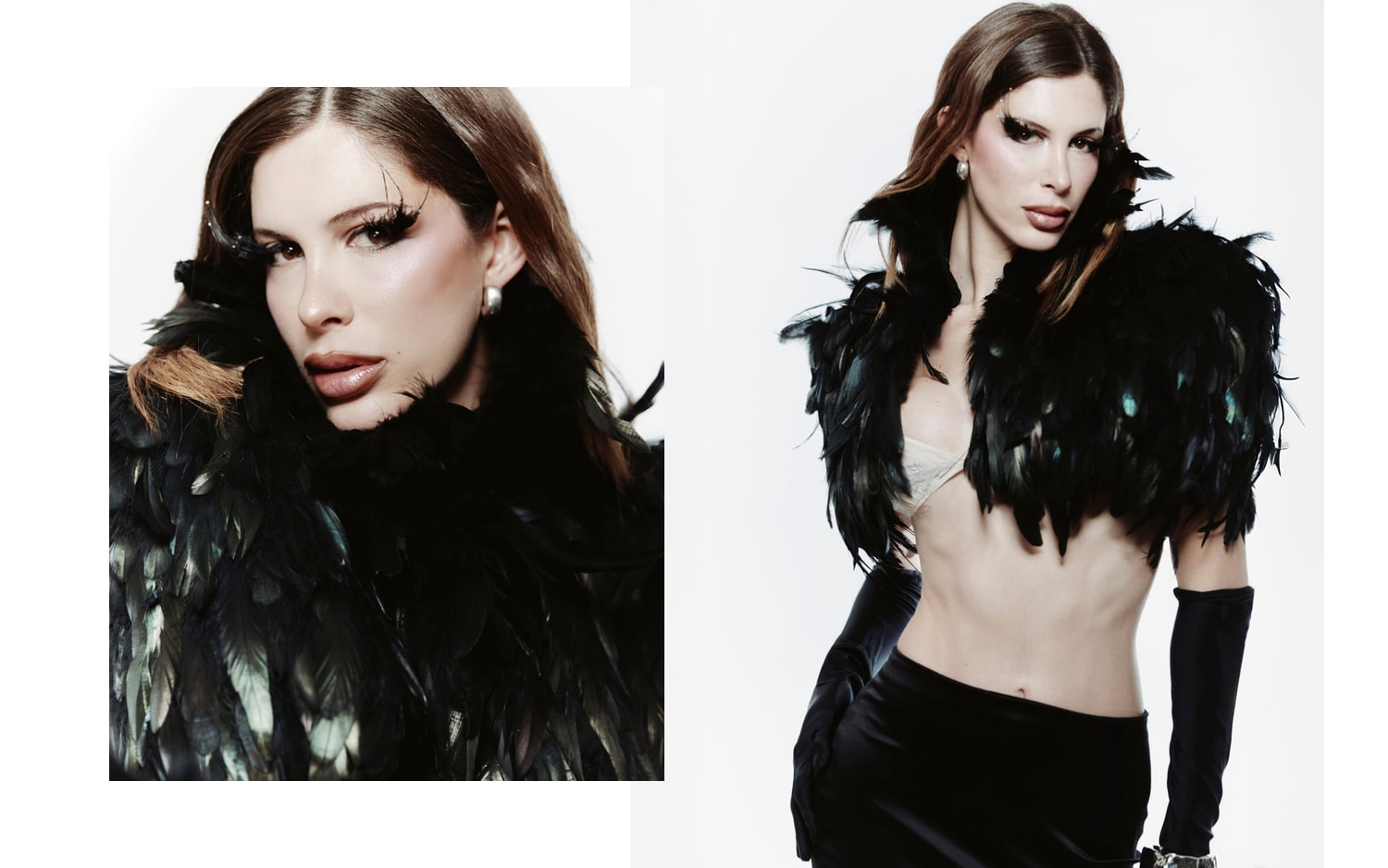
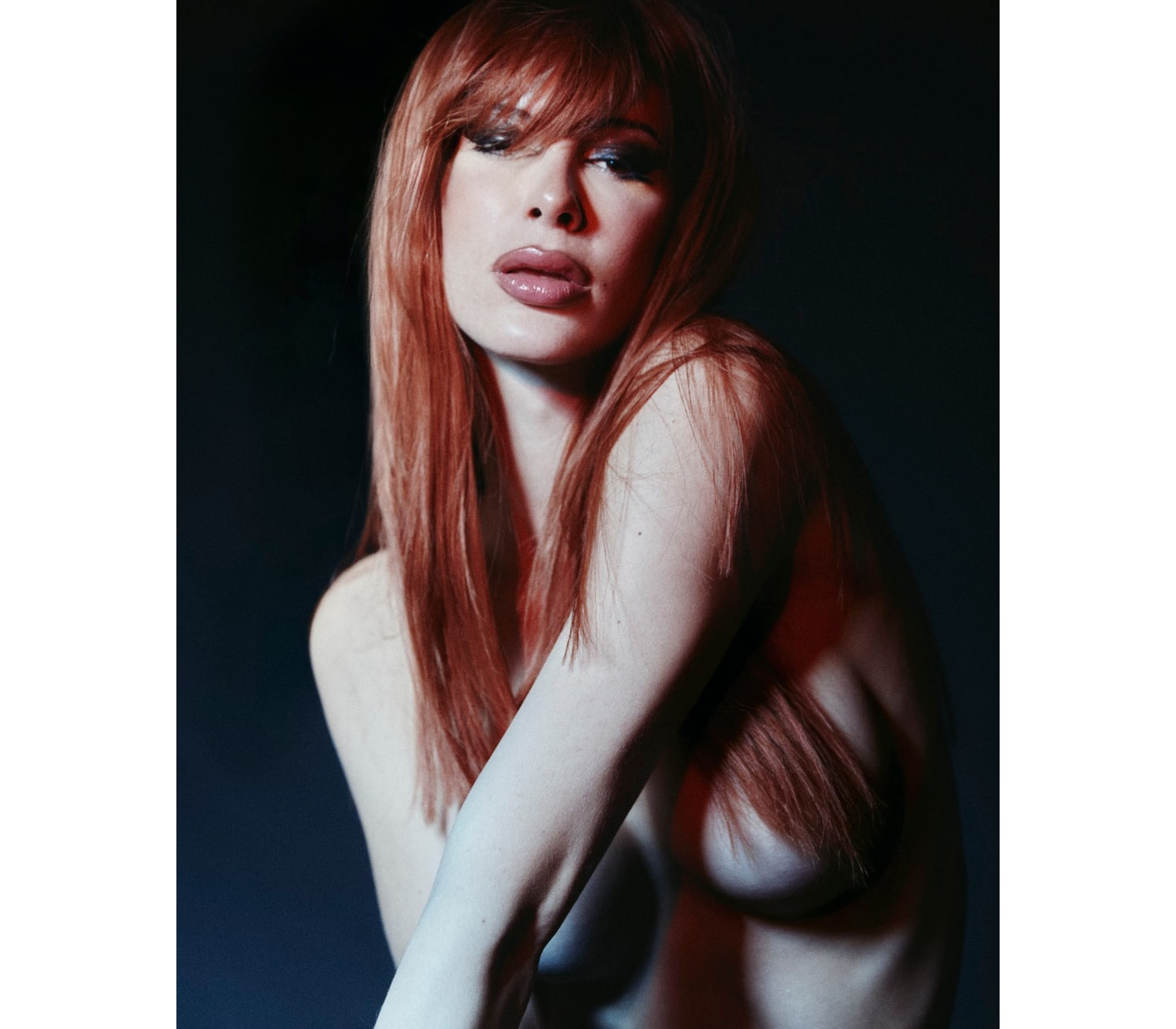
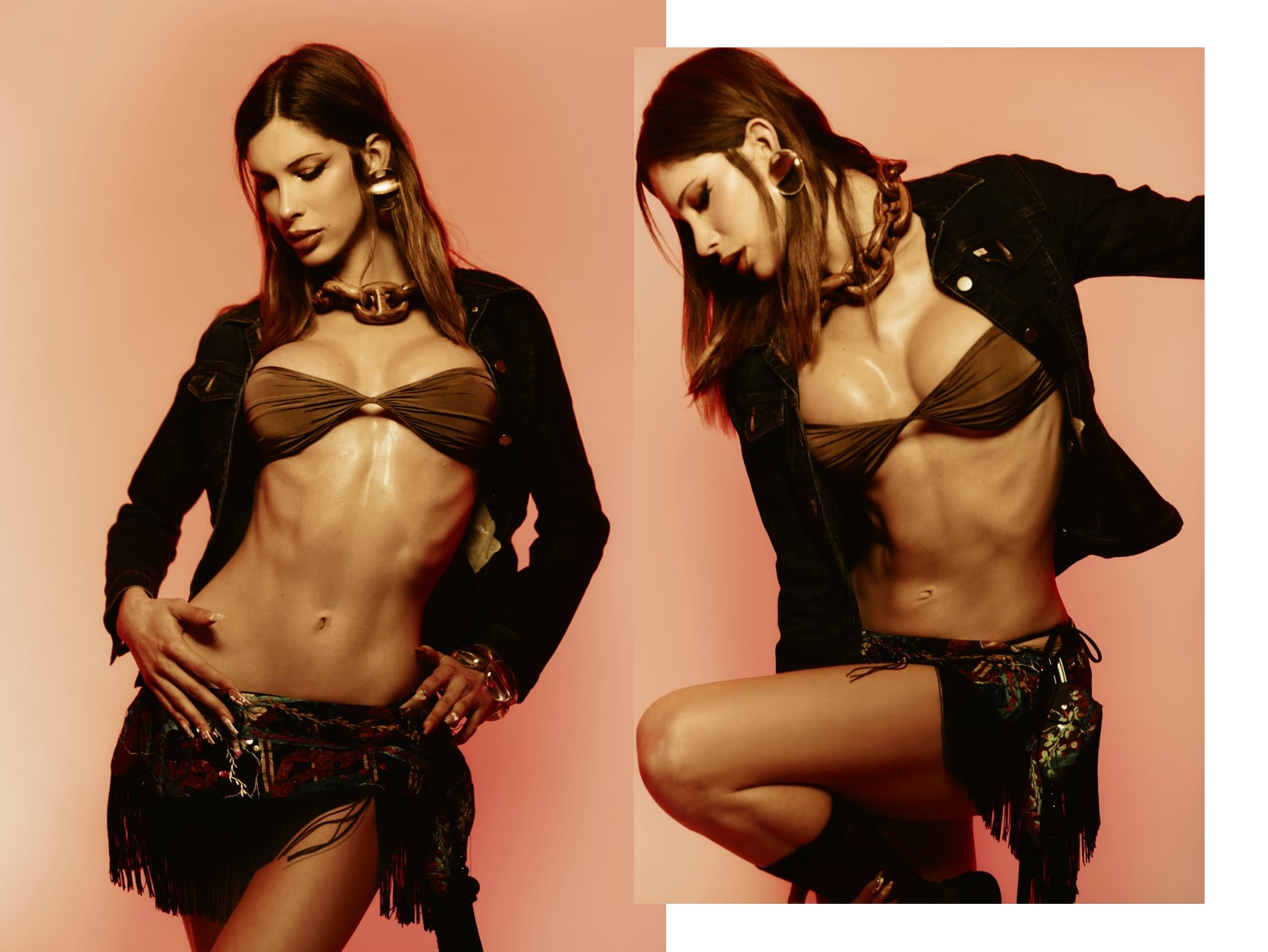
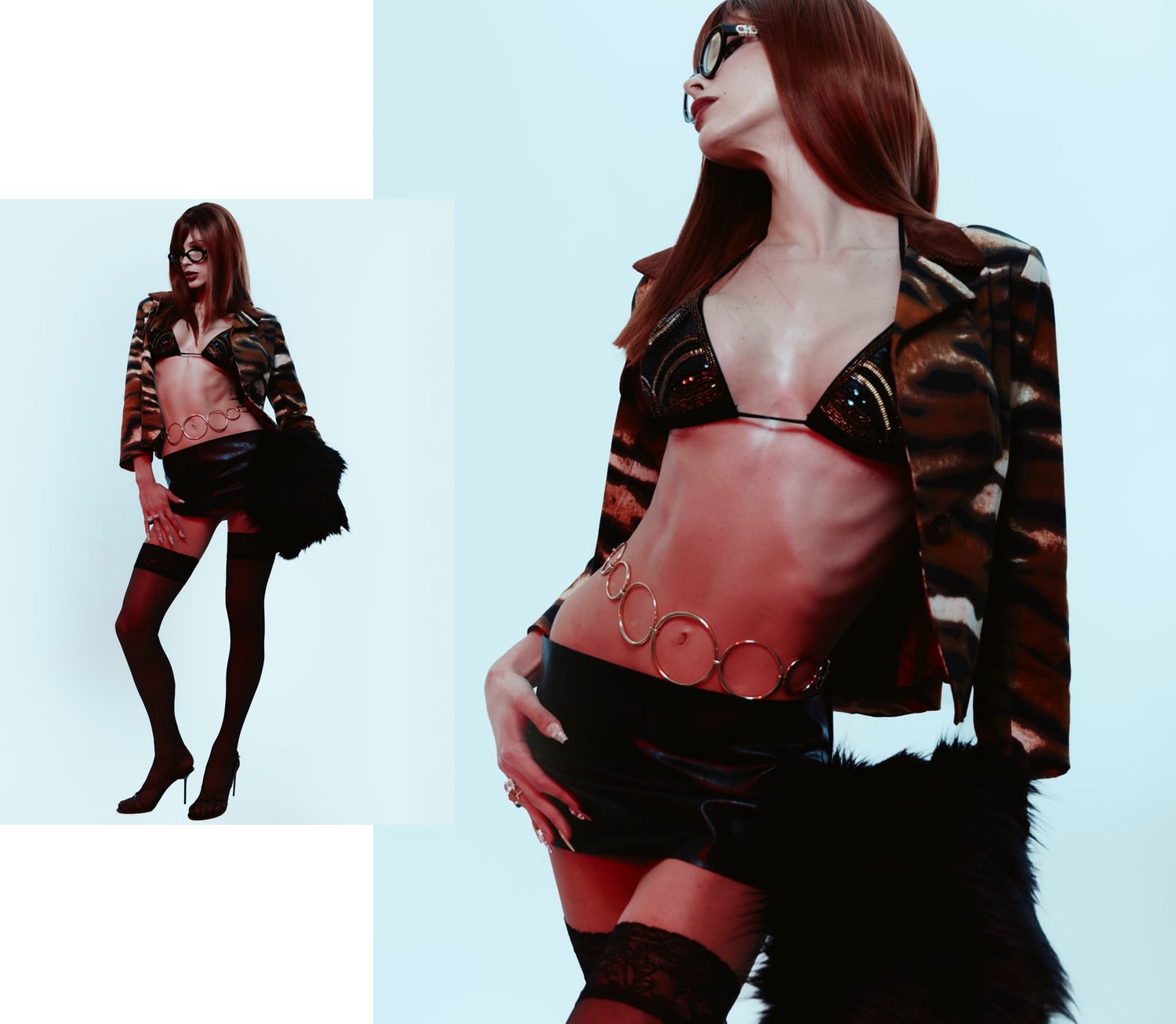
When it comes to LGBTQIA+ activism and representation in Italy, your name is at the top of the list. Do you see yourself in this description?
I am extremely grateful for that, although I always say it’s impossible for one person to represent a collection of lives that are so different from one another, all equally valid. There is no correct model of being who you are: we decide that every day.
That’s why I find these definitions, at times, limiting. By having to testify to a collection of realities, one ends up losing their individuality. My activism, therefore, is being active in my testimony, sharing my story to inspire courage in all those who still struggle to see a goal beyond suffering, without outlining a precise model to follow or emulate.
June is Pride Month: do you notice any changes compared to a few years ago? Is it still necessary?
Pride is our celebration; it’s a tradition. And like any celebration, if you remove the root of testimony—the reason for its existence—you lose focus and purpose. You cannot be proud of who you are if you don’t remember those who die in silence every day at the hands of ignorance and hate. Across the world we’re witnessing a backlash against trans rights and bodily autonomy. In a country that ranks among the lowest in Europe regarding regulations and laws supporting trans people (Trans Rights Index), it is now more necessary than ever to remember who we are and what we fight for; we are not asking for acceptance or even validation but for respect.
Your presence on television in recent years has been quite constant: from current affairs programs debating with various politicians and journalists to entertainment shows like “L’Isola dei Famosi.” Do you think these have been useful opportunities for representation? Would you go back?
I am convinced that there are good intentions in Italian television, but they are scarce compared to the environment of exploitation that many programs foster every day. I would like to return as Carly without the constant obligation to dissect my past and my journey of gender affirmation; true normalization is presence without the obligation of justification.
You have recently started an artistic journey as a DJ. What has inspired you?
My dream has always been to communicate and create. However, I couldn’t find a way to merge these two needs into a single path until music came along.
The clubbing environment has allowed me to exist within it without having to ask for permission. Seeing hundreds of people dancing together, forgetting for a moment who they are and where they come from, is something I find deeply moving.
What inspires me? It’s that feeling, that sense of unity that only music can convey. And of course, the women who have been part of my journey in recent years, the collective I am part of, Aritmia—a feminine movement that pursues inner truth and draws its greatest inspiration from shared art for the sake of collective well-being.
What have you learned about yourself over the past year, and through this apparent change of direction? What are your aspirations now?
I’ve learned that embracing your own complexity and translating it into art means accepting constant change, as well as the instability of the present moment.
Everything changes, and with it, you change too: you evolve, adapt, and redefine yourself. That’s why I aspire to change itself—to create without constraints, to be able to define myself through many different things without reducing my identity to a single title, a single profession, a single success, or an apparent failure.
Even mistakes are essential lessons; they allow us to understand ourselves more deeply and realign with who we are becoming.