A practice this unified where the object, the space, the institution, and the life are all the same project, leaves nowhere to hide. From the outside, it looks like coherence. From the inside, what does it feel like?
From the inside, coherence feels less like certainty and more like exposure.
When every aspect of your life is connected to the same investigation, there is nowhere to hide from your own questions. The advantage is clarity.
The difficulty is that you cannot easily separate success from failure, or professional experience from personal experience. Everything becomes interconnected. But perhaps that vulnerability is necessary.
A practice should not protect you from life. It should deepen your engagement with it.
Claudia has lived inside this work longer than any curator, any collector, any critic. What has she seen and reflected back to you that none of them have?
Claudia has witnessed the intervals.
Collectors see finished works. Curators see exhibitions. Critics see narratives.
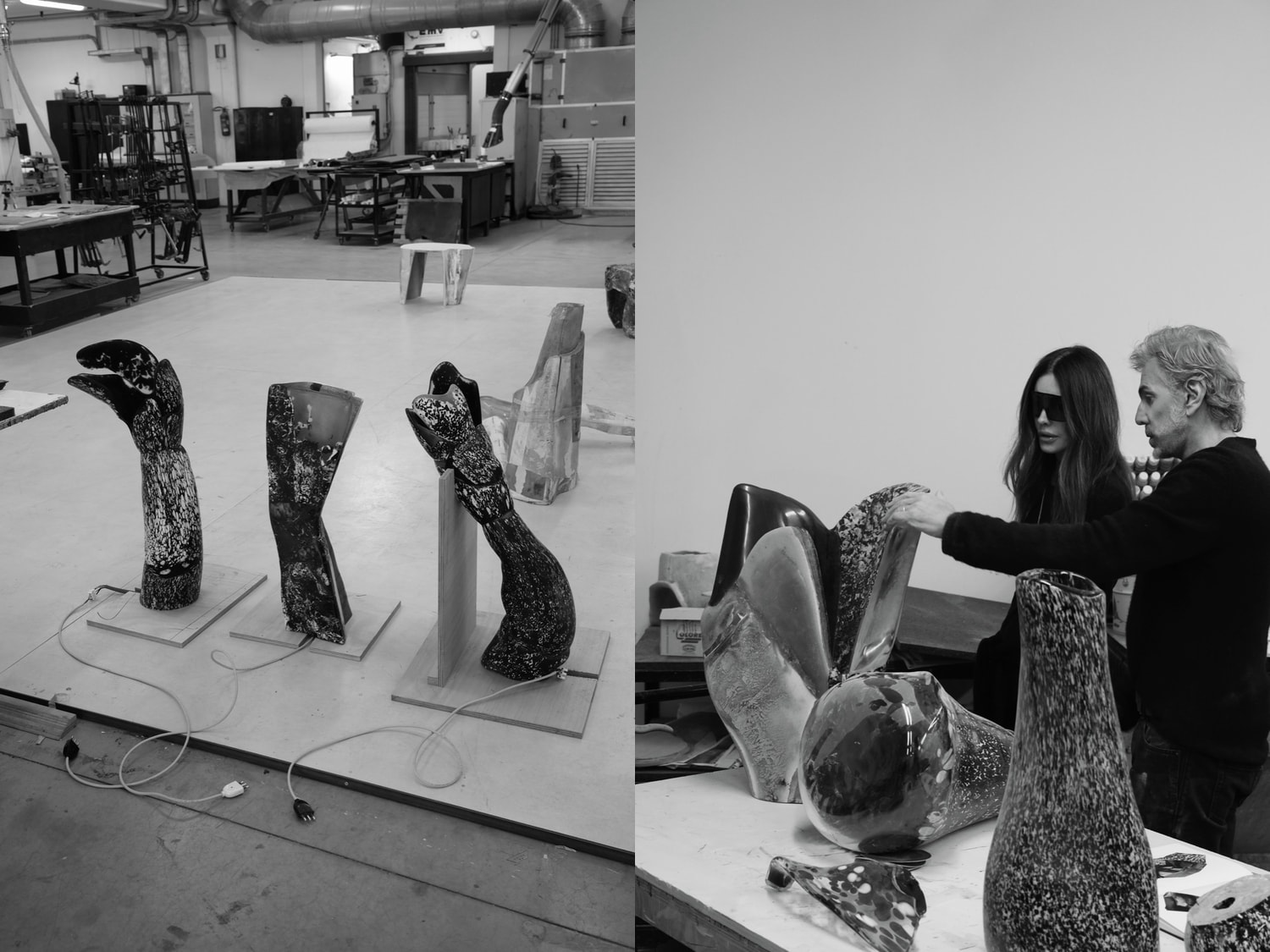
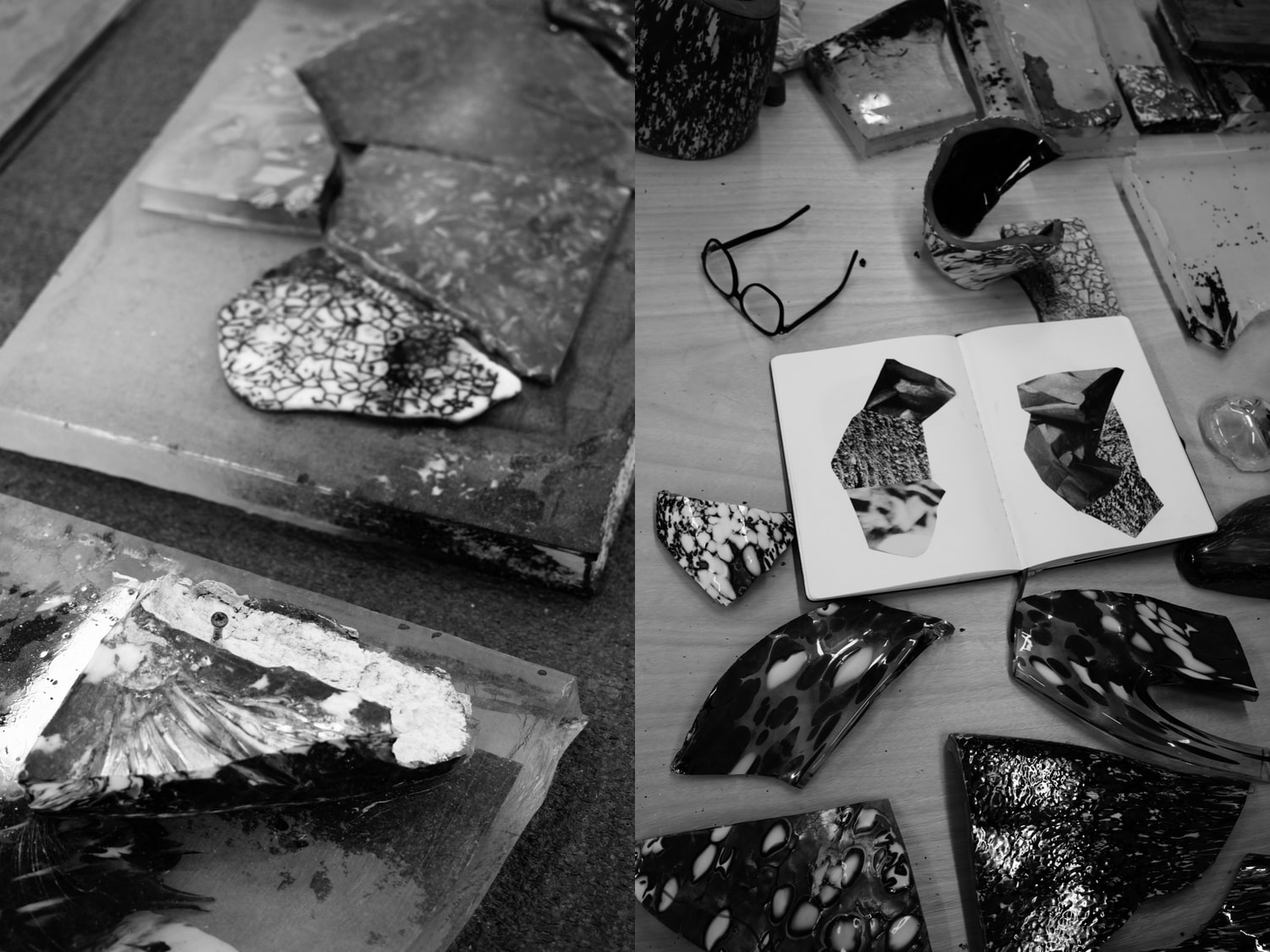
She has seen doubt. She has seen projects abandoned, directions changed, years of research that never became public. She has witnessed the invisible portion of the process.
Most importantly, she has always understood that the work is not about objects alone. It is about a way of thinking.
Her perspective is invaluable because it is neither institutional nor market-driven. It comes from proximity, honesty and time.
That kind of reflection cannot be replaced.
Your solo exhibition titles are in French: En Plein Air, Éternel, Je Marchais Pieds Nus Dans L’Étang. You are Italian, working in Milan, with materials that are deeply Italian: Murano glass, Baroque rhythm, Venetian surface. And yet most of the times you name a body of work, you reach for French. Is that a distance you need — and from what?
French, for me, is not a distance from Italy. It is a distance from certainty. Titles should not explain the work. They should open a space.
French possesses a particular musicality and ambiguity that interests me. It allows language to remain suggestive rather than descriptive.
My work is deeply Italian in its relationship to matter, history and craftsmanship. That identity is unquestionable. But titles belong to another territory. They operate closer to poetry than to geography.
I choose them because they create resonance rather than definition.
Conservation protocol says: arrest the patina, stabilize the surface, document the condition at acquisition and hold it there. That is the opposite of everything your material philosophy is built on. When FENIX took Ode, did you negotiate the conservation terms or did you let go?
Conservation is a fascinating paradox.
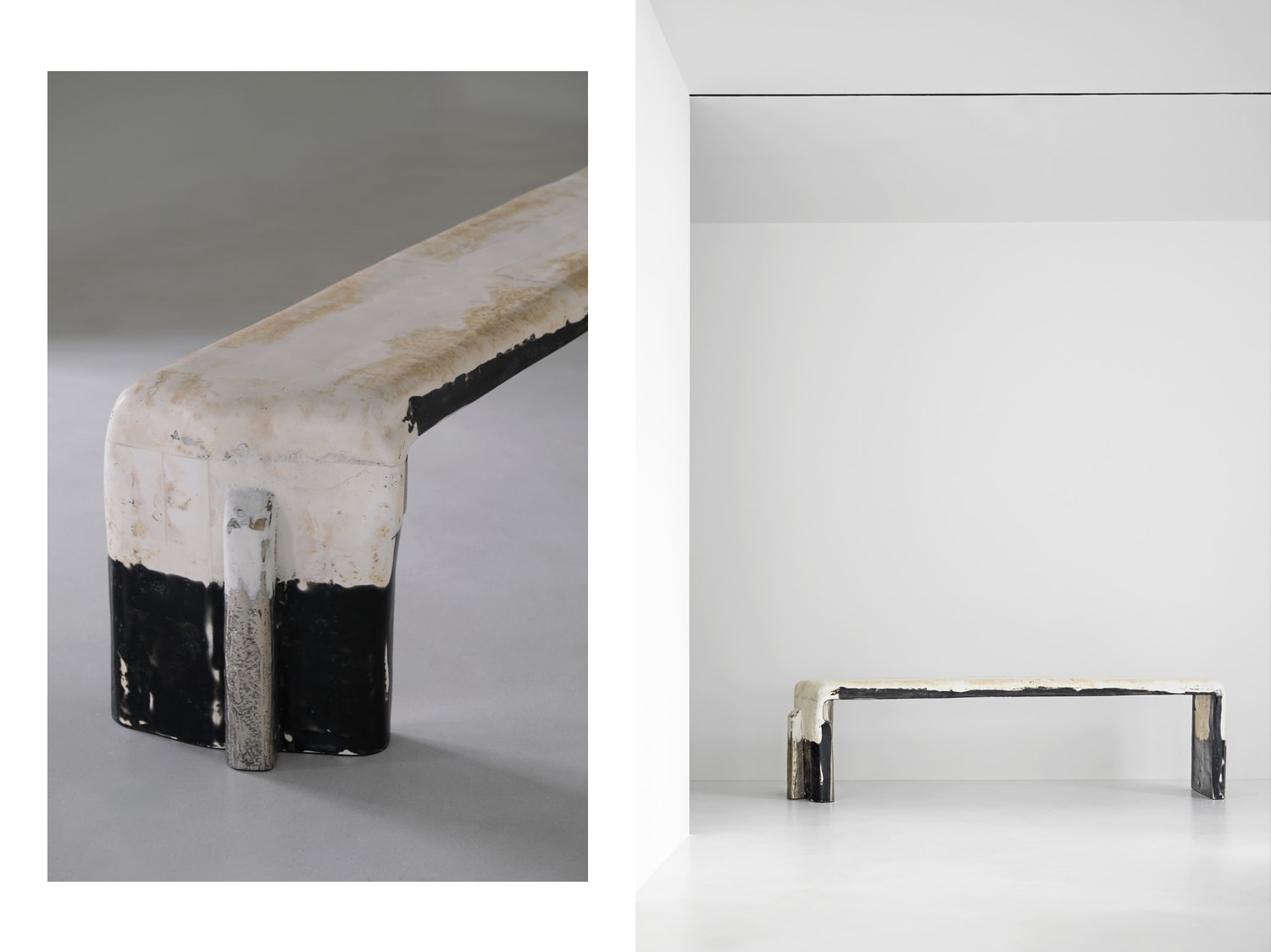
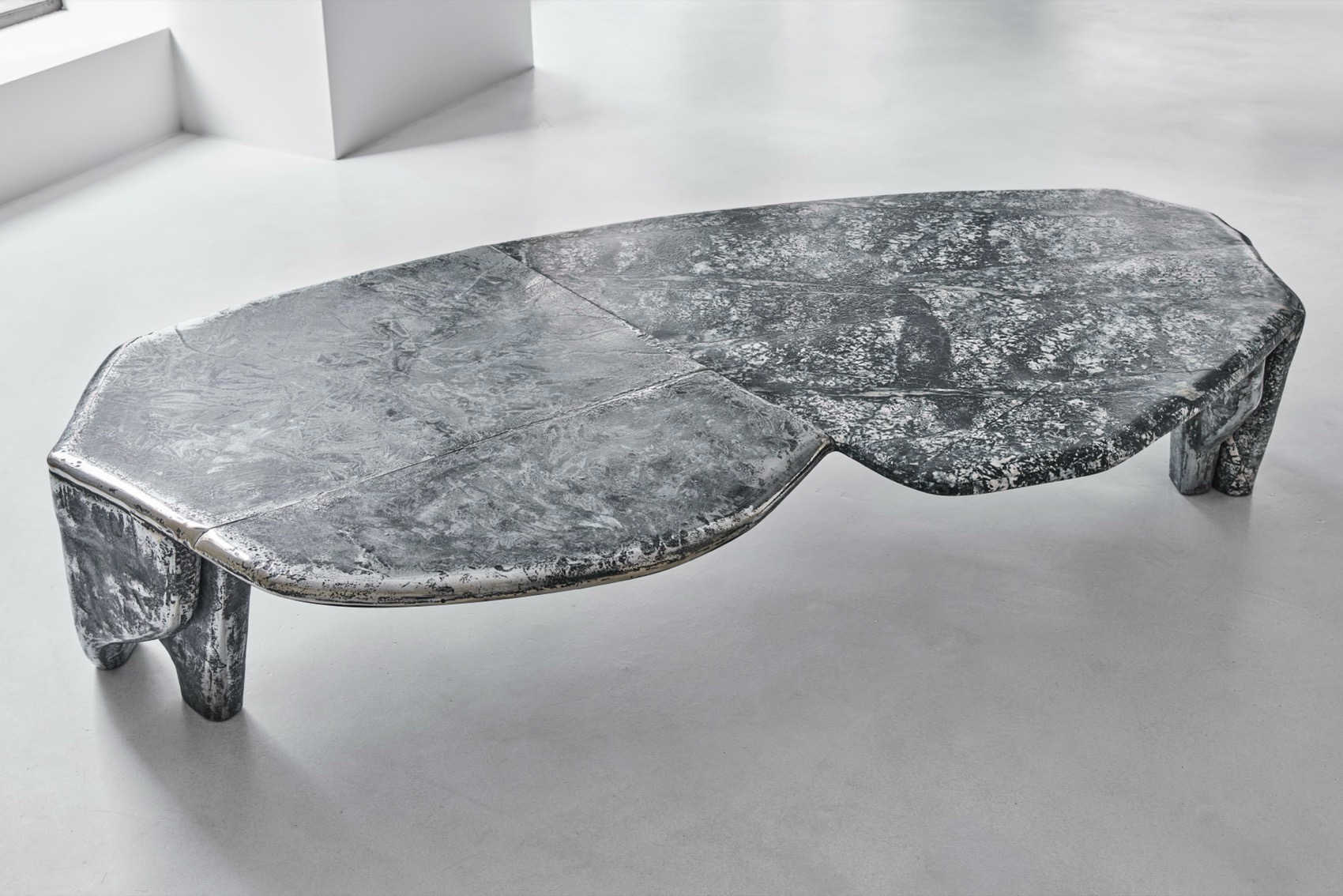
Many institutions are trained to preserve an object by stabilizing it. My work often emerges from the opposite understanding: that transformation is intrinsic to existence.
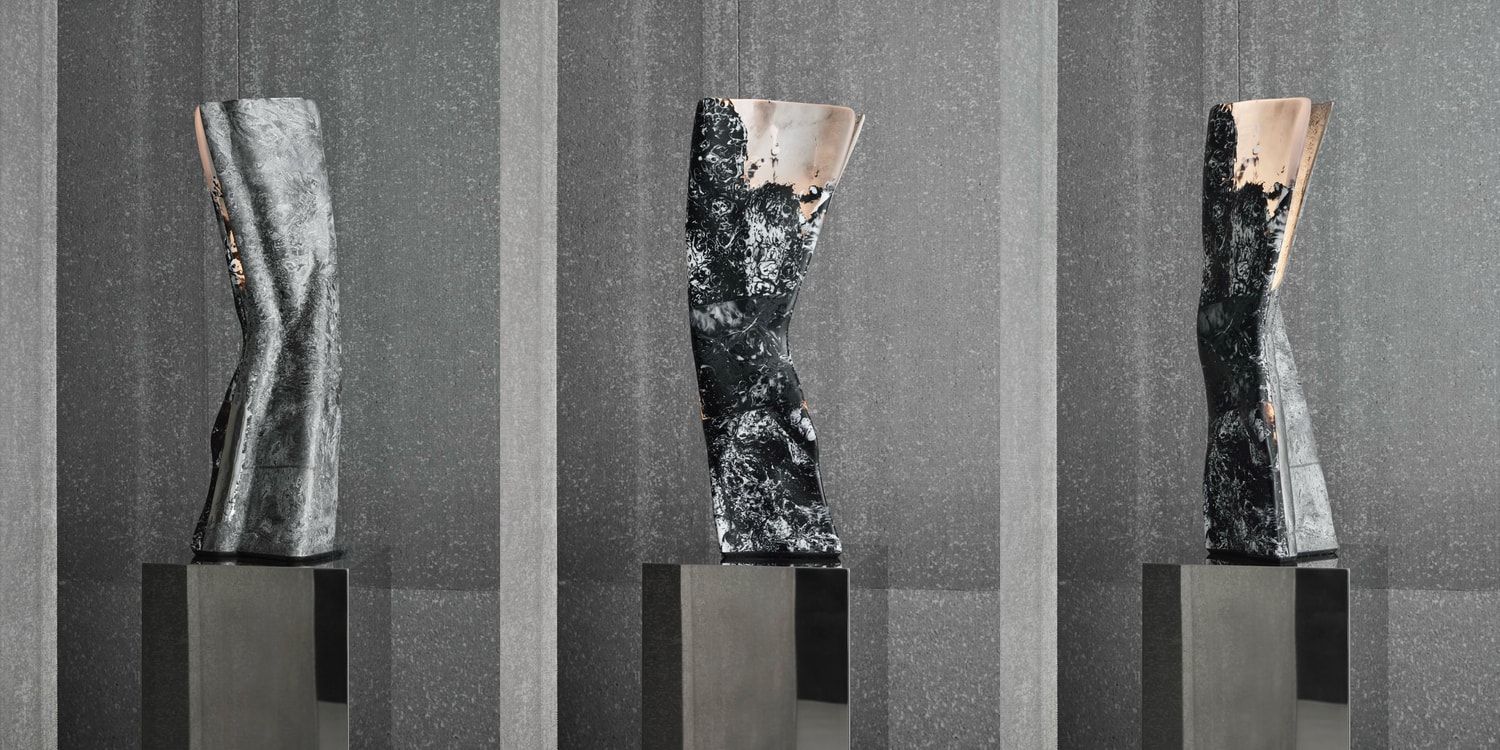
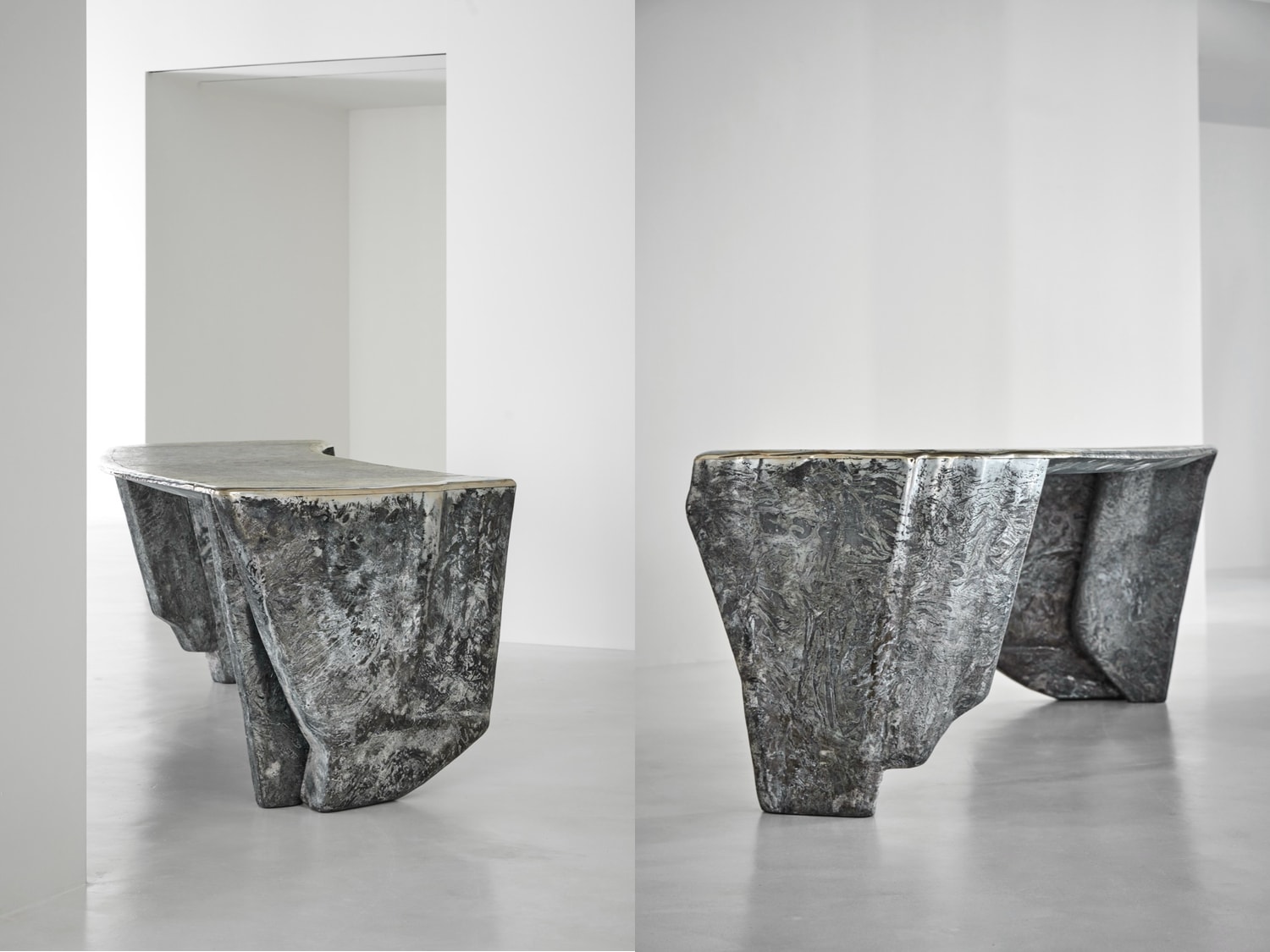
In the case of Ode, transformation was already embedded within the work itself. From the beginning, it was conceived not as a fixed object but as something capable of assuming different forms, functions and relationships over time.
When FENIX acquired Ode, the conversation was not about resisting conservation. It was about acknowledging the nature of the work.
An institution has responsibilities that differ from those of an artist. Preservation is one of them. At a certain point, however, one must let go.
In many of my works, the gradual transformation of a material is not a threat to the work. It is part of its intended life. Patina, change and adaptation are often embedded in the work from the beginning. What I once described as “perfect imperfections” remains central to this way of thinking
The work enters another life, another framework of care, another interpretation.
I believe museums should preserve objects, but they should also preserve ideas. The most important thing is not whether a surface remains unchanged. It is whether the philosophy embedded within it remains legible.
Time is not an enemy of the work.
Time is one of its materials.