You were born and raised in the Netherlands with Turkish roots, and you’ve described Istanbul as a homecoming: your Motherland. But Amsterdam is home. You exist in the space between two cultures, two identities, two ways of being in the world. Has that ever felt like a fracture or has it always felt like a resource? And honestly, is there a version of you that belongs completely somewhere, or do you think the in-between is permanent?
When I was younger it felt confusing sometimes. In the Netherlands I was the Turkish guy, in Turkey I was the Dutch guy. But now I see it as a gift. Both cultures shaped me. I don’t think I fully belong to one place, and honestly, I’ve become comfortable with that.
You have 20% hearing in your right ear, and you performed the Tomorrowland mainstage while battling an ear infection on top of that. You’ve mentioned it once and moved on, the way people move on from things they’ve decided not to think about too much. But you’re a DJ. Sound is the entire thing. How do you actually live with that, not as an obstacle you overcame, but as a daily reality inside the thing you love most?
You learn to adapt. It’s frustrating sometimes, especially because music is my life. But it also taught me to trust feeling over perfection. I’ve stopped focusing on what I don’t have and started focusing on what I can create.
808 STUDIOS is described in your own words as “a community for those without one.” That’s not a press release line, sounds like something much more personal. Were you someone without a community? What does it feel like to have built the thing you needed? And does having built it mean you feel you belong to it now, or does the need still linger somewhere underneath it?
I definitely felt like an outsider at times growing up. That’s one of the reasons 808 exists. I wanted to create something where people could feel accepted without pretending to be someone else. Building it helped, but I think everyone is still searching for connection in some way.
More than 2 million people know your name. You’ve played for 25,000 people at a time. Your fans tattoo your logo on their skin. By any measure, you are seen. And yet, reading everything you’ve said across interviews there’s a persistent sense that being seen at scale and feeling understood are two very different things. Do you feel understood? Not recognised. Not famous. Understood.
Not always. A lot of people know the artist. Very few know the person. I think that’s normal when your life becomes public. The people closest to me understand me, and that’s worth more than millions of followers.
“A lot of people know the artist. Very few know the person”
Your track titles: I Am Not A Whore, Devil Never Leaves, Enter My Simulation, Vampire Empire feel they are asking for something from the listener that goes beyond the dancefloor. What are they asking for? And is there a track in your catalogue that says exactly what you needed to say and nobody quite heard it the way you meant it?
They’re asking people to feel something. Not just dance. A lot of my music comes from emotions, memories and personal experiences. I think Enter My Simulation probably comes closest to saying exactly what I wanted to say.
This is the question nobody asks, so we’re asking it directly. You came from a painful past. You worked through something to get here. The label, the followers, the Tomorrowland mainstage. Did success fix anything? Is there less noise in your head now or just more to distract you from it.
Success changed my circumstances, not my past. Some things healed, some things didn’t. I have more freedom now, but the real work is still internal. Money and success don’t solve everything.
“It started as running away. Away from limitations and frustrations. Now it feels more like running towards a vision.”
You brought your mother to Istanbul twice to attend your gigs. What does a son carry onto a stage when his mother is watching? Not the DJ. The son.
Gratitude. Everything I’ve achieved means more when she’s there. She sacrificed so much for me. Seeing her proud is one of the best feelings I’ve ever experienced.
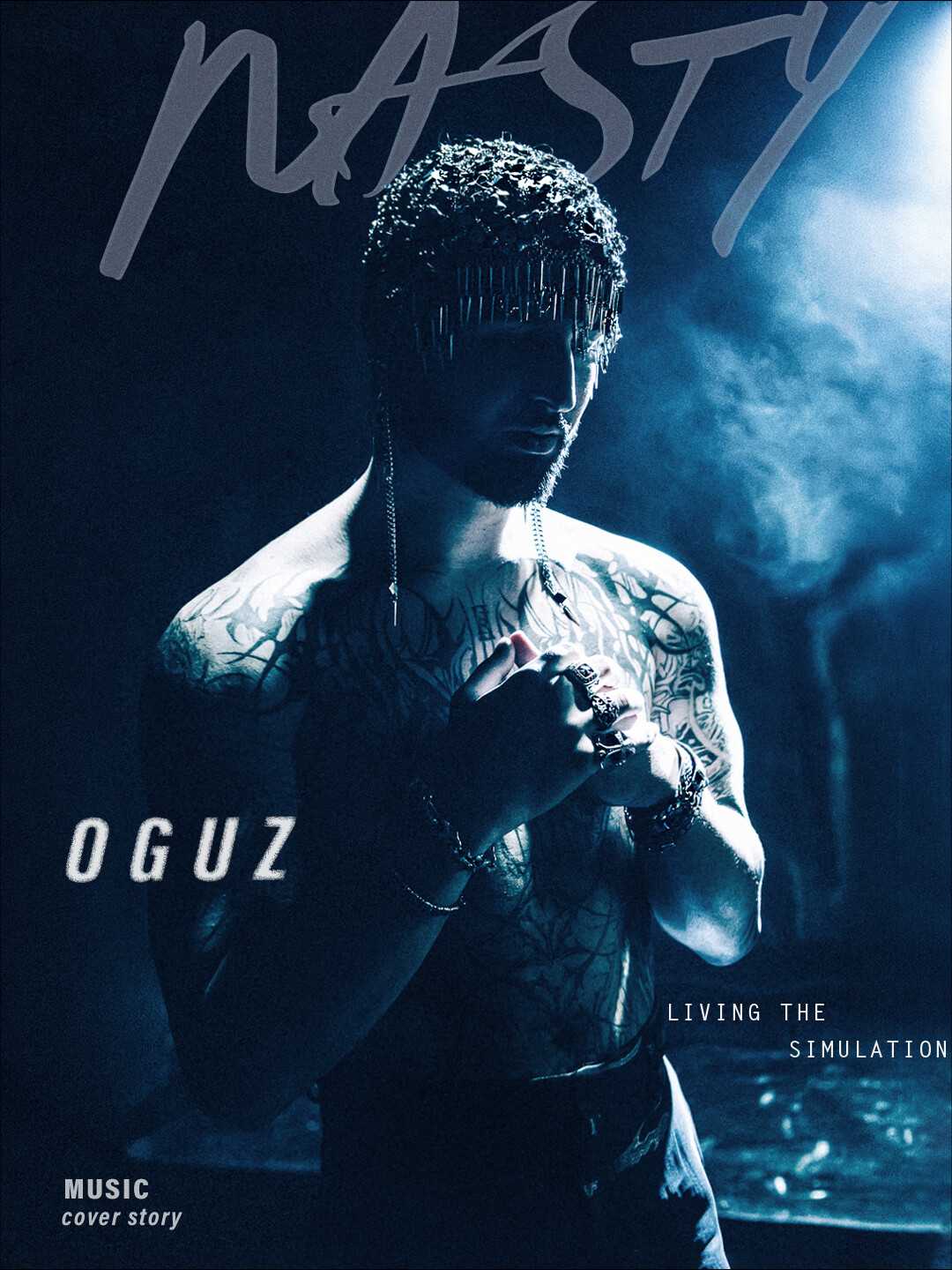
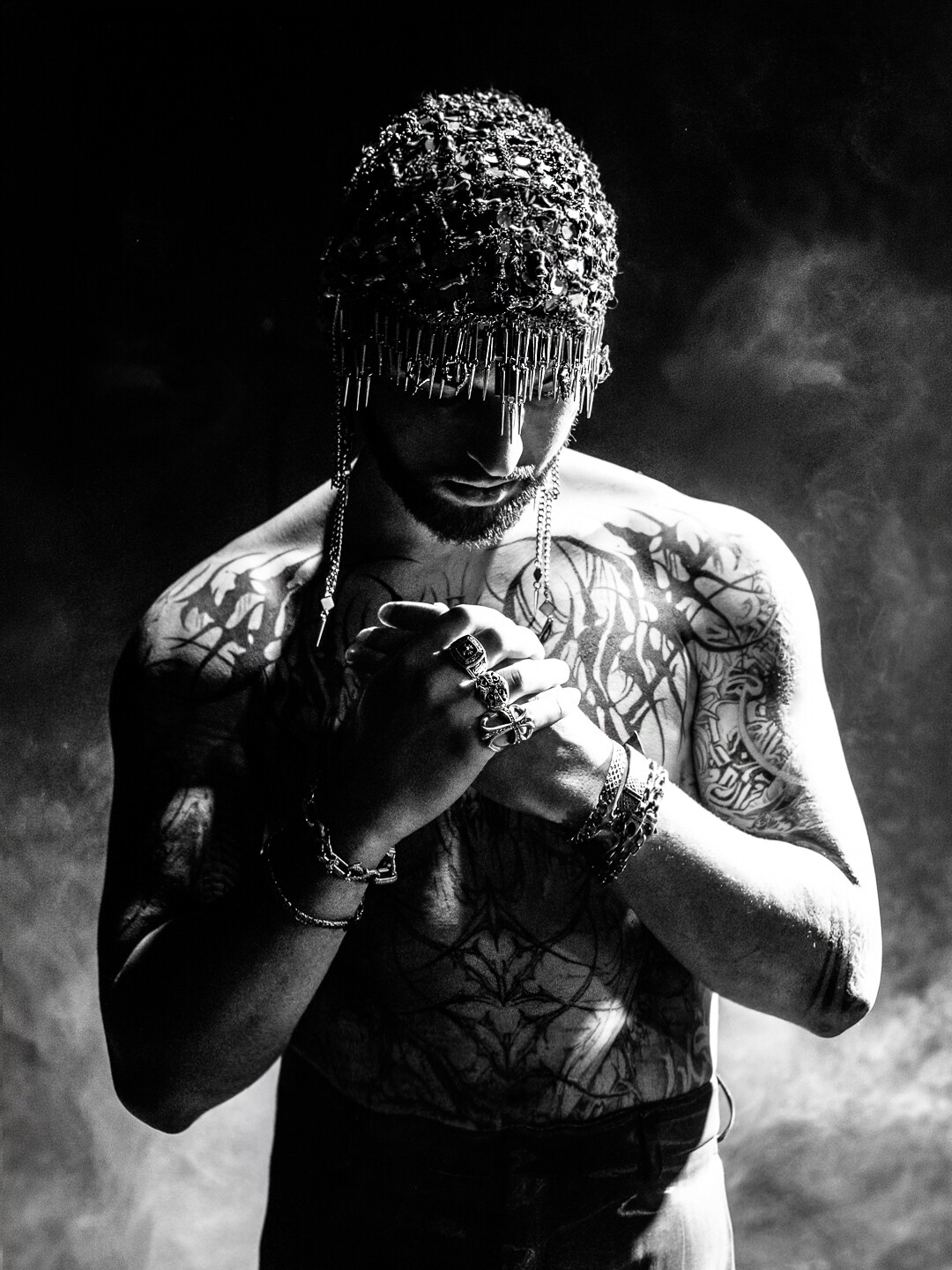
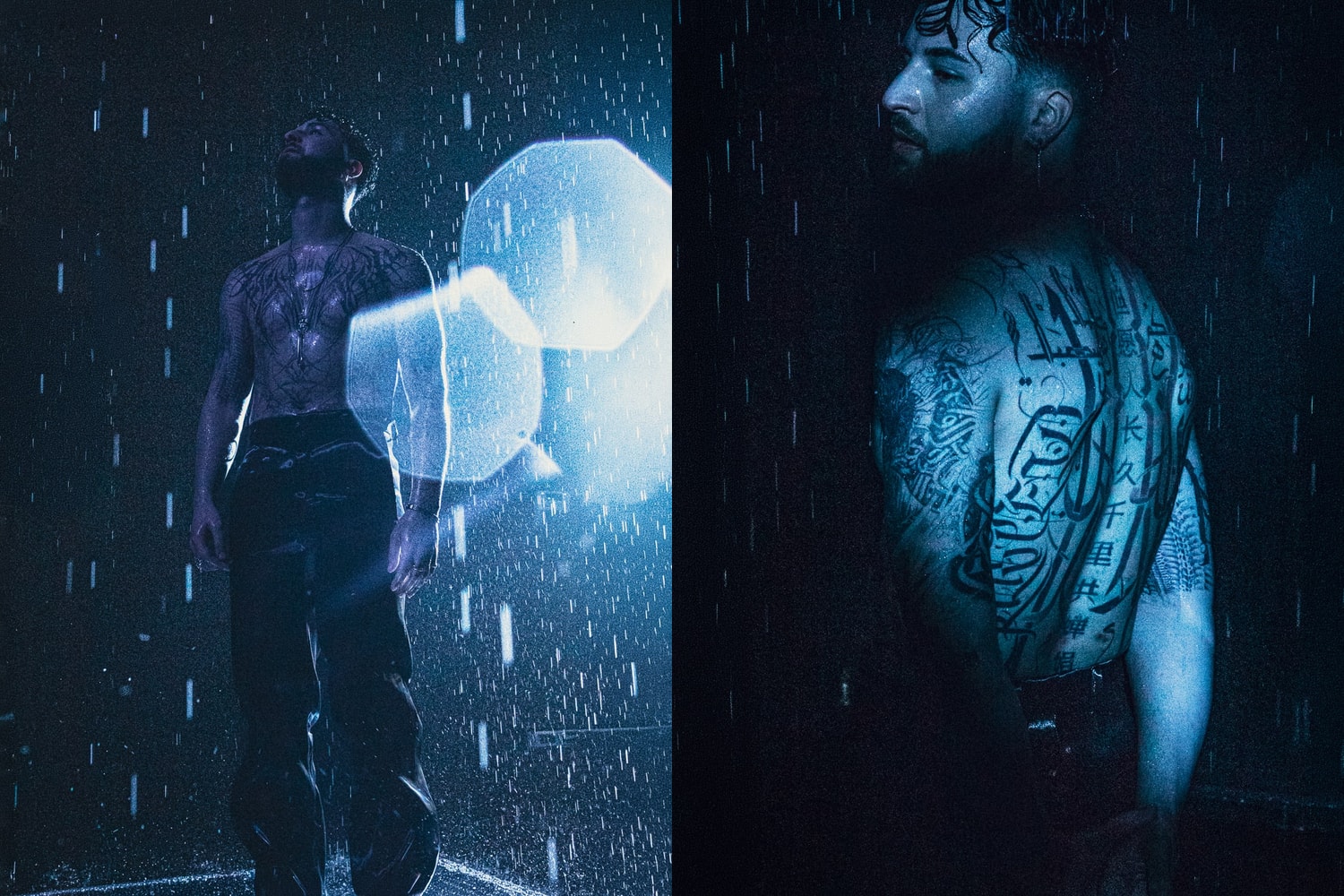
Looking at your back tattoos closely… When you sat down with the artists, what did you tell them you want? The style. The content. The words.
I wanted something that represented different parts of me. Different cultures, different influences, different chapters of my life. Not something people could immediately read, but something they could feel.
Is there a version of 808 STUDIOS that, once complete, means you can finally rest? Or is the building itself the thing that keeps you okay?
I don’t think it’ll ever be finished. That’s the beauty of it. It’s constantly evolving. Building it gives me purpose.
You learned to DJ on a phone app with no money and now you own a vast Chrome Hearts collection. People who grow up without money often have a number in their head. An amount that would mean safety. Did you have one? Have you passed it? And did it feel the way you thought it would when you did?
I definitely had a number. Most people do. Then you reach it and realise safety has much more to do with your mind than your bank account.
Do you produce more when things are good or when things are hard?
When things are hard. Pain has always been one of my biggest creative drivers. A lot of my music comes from difficult moments.
Are you running towards something or away from something? Has the answer changed over time?
It started as running away. Away from limitations and frustrations. Now it feels more like running towards a vision.
What’s the last thing you did that reminded you of the person you were before any of this?
Probably sitting with old friends and talking nonsense for hours. Those moments remind me that underneath everything, I’m still the same person.
Does that old version of yourself still need something from you that you haven’t given him yet?
Maybe reassurance. To know that all those difficult years weren’t for nothing.
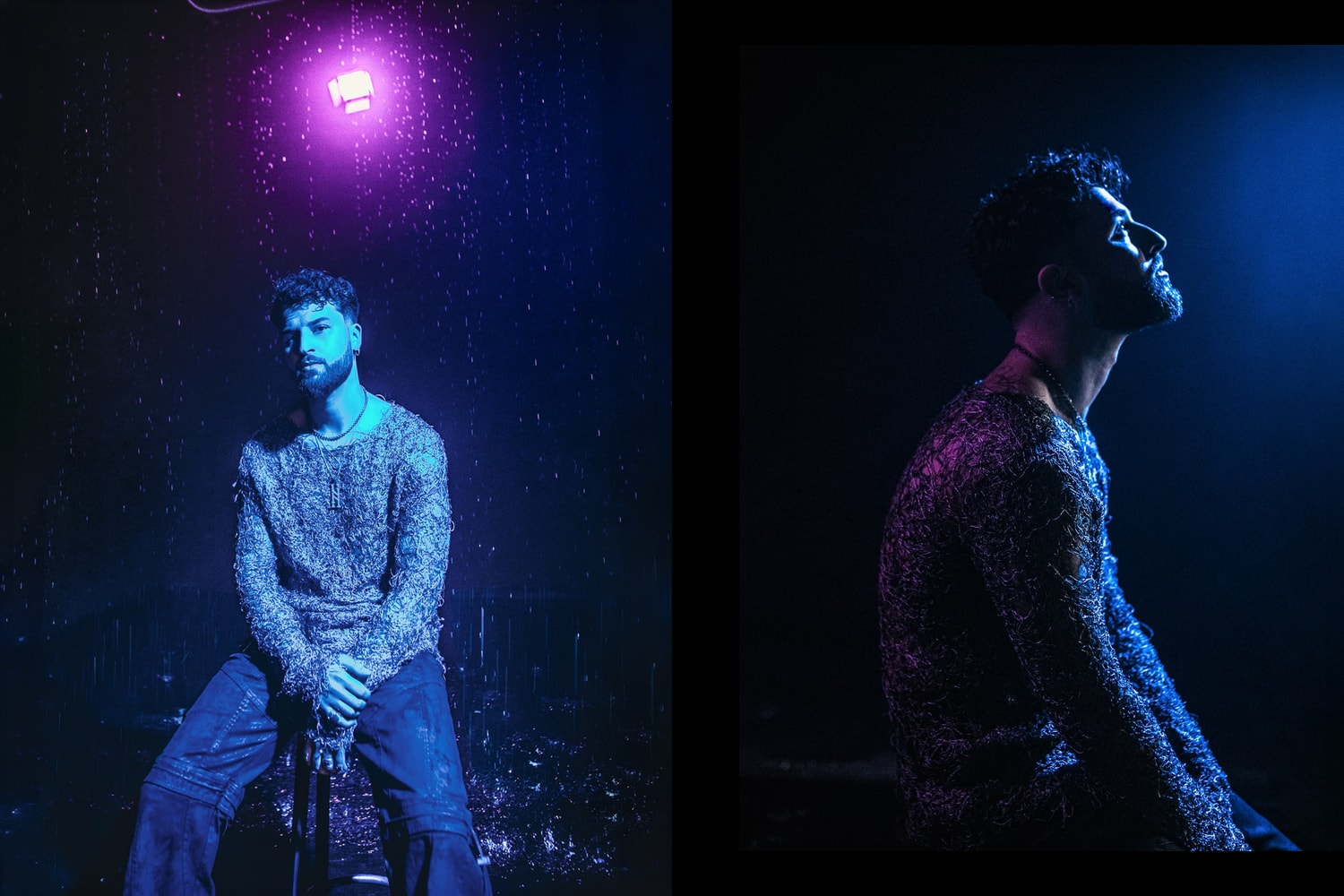
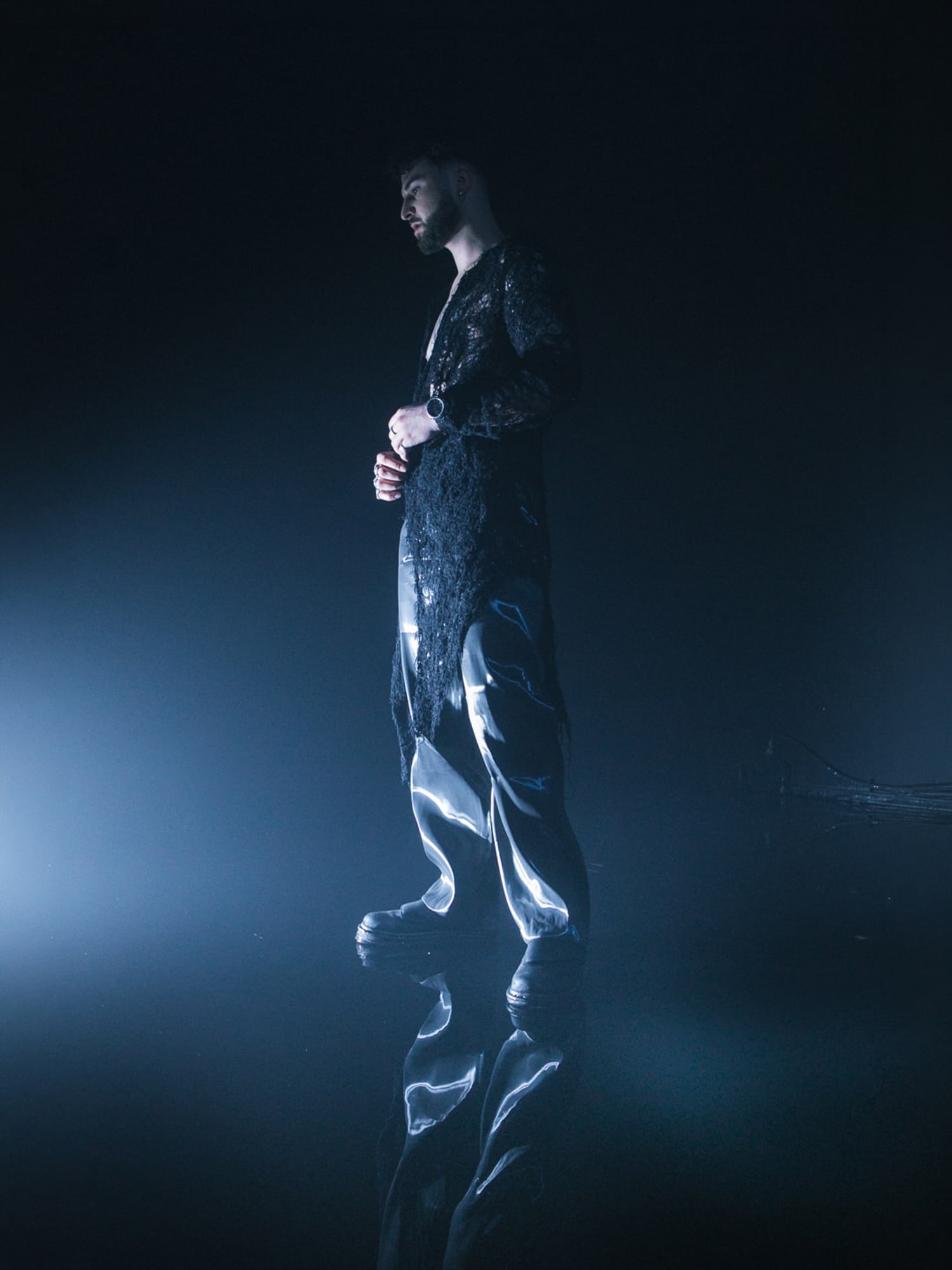
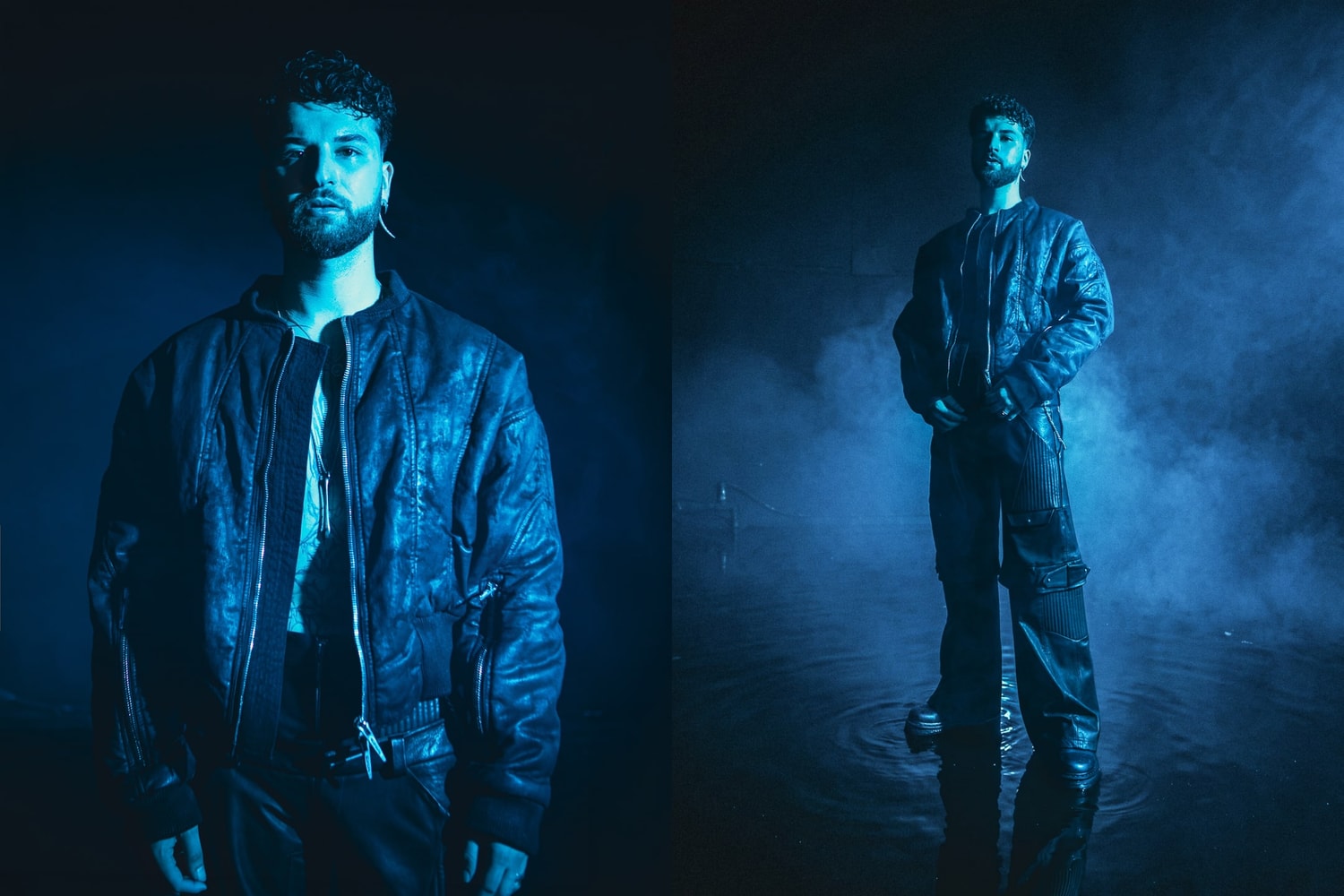
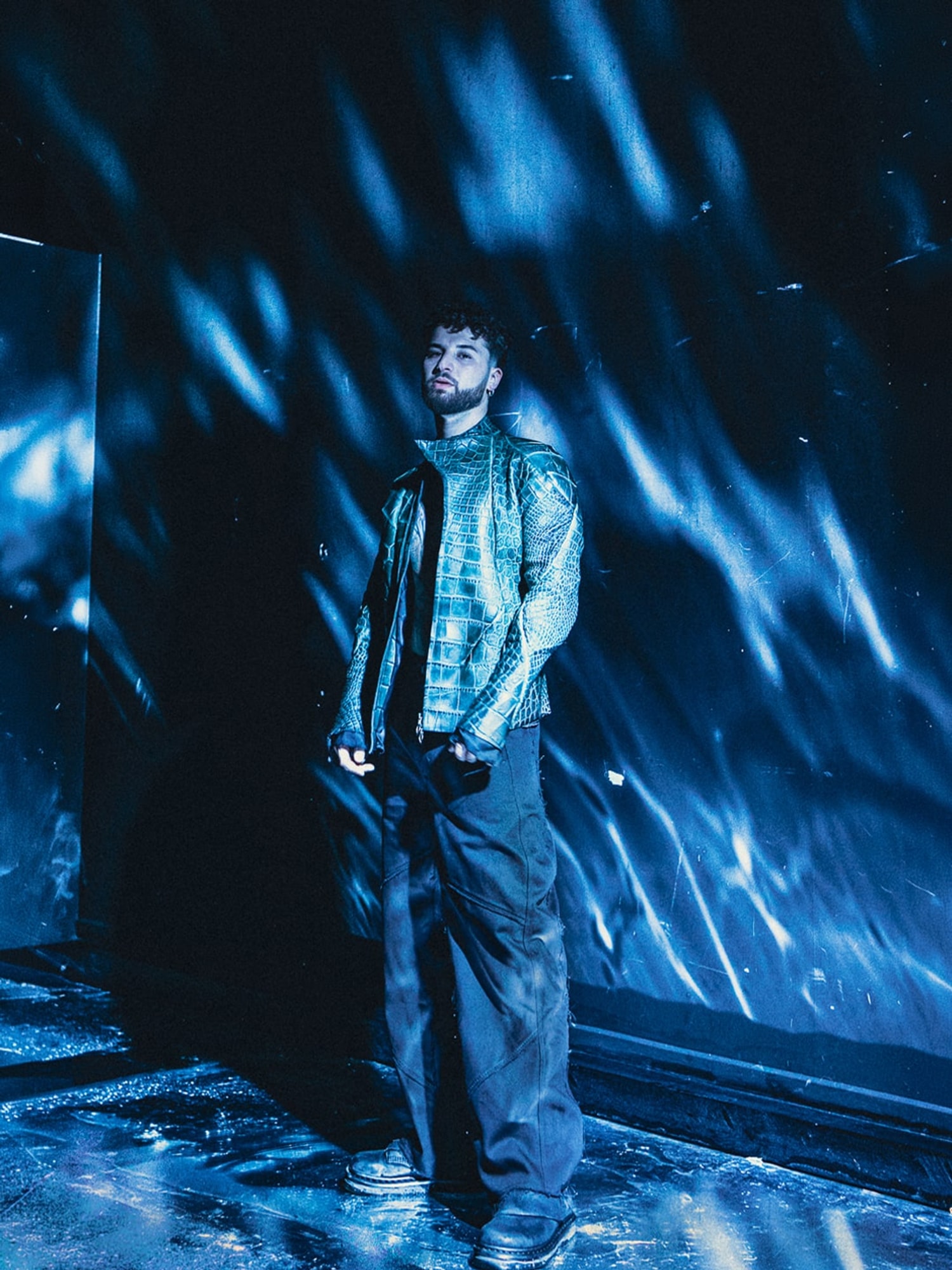
You came to Milan, spent an afternoon with a team you’d never met, and stood under the rain for this cover. We don’t ask artists to perform for us. We ask them to stop performing. Was that easy, or was that the hardest part?
Probably the hardest part. Performing is easy for me. Being completely yourself in front of strangers is much more vulnerable. That’s what made it interesting.