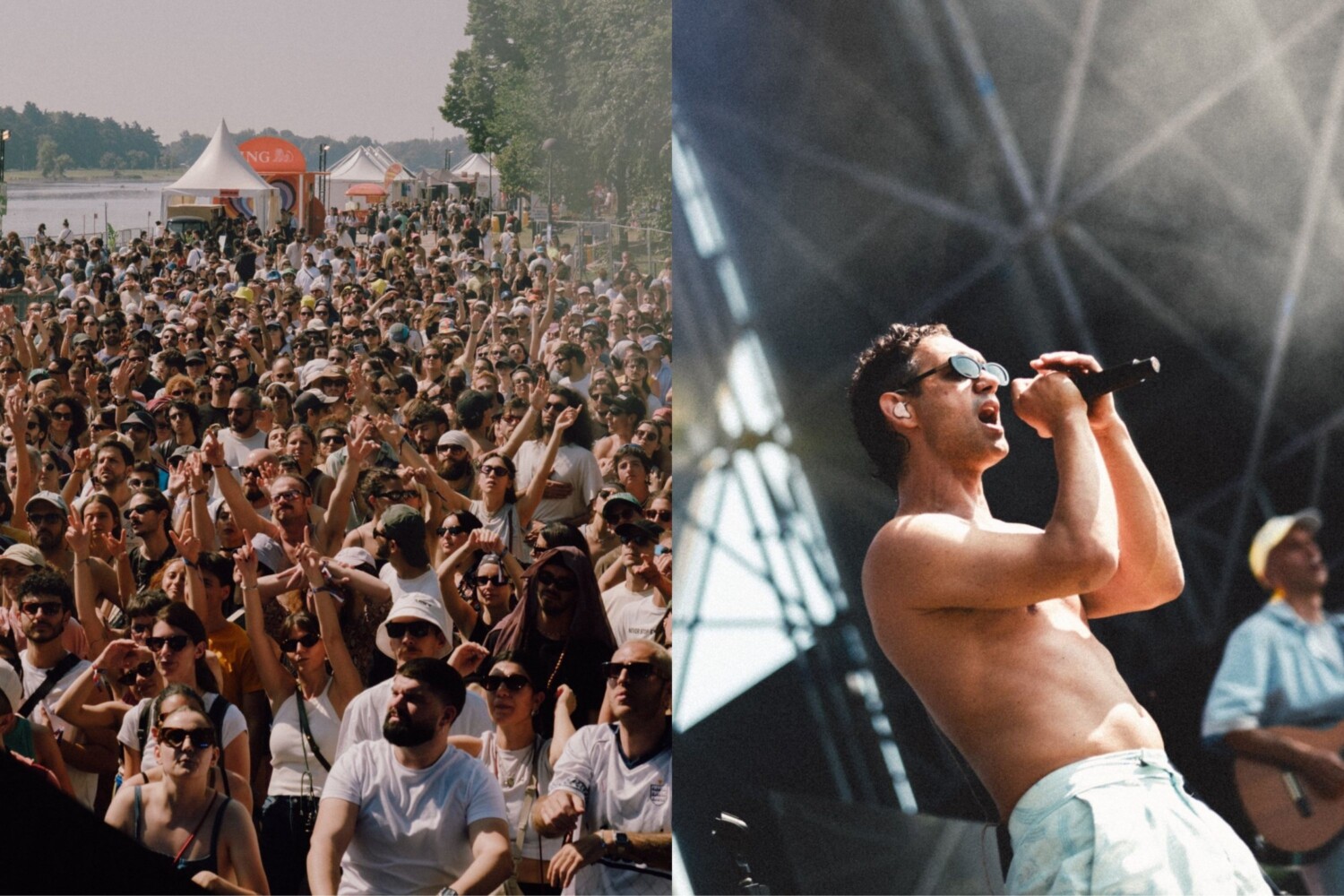
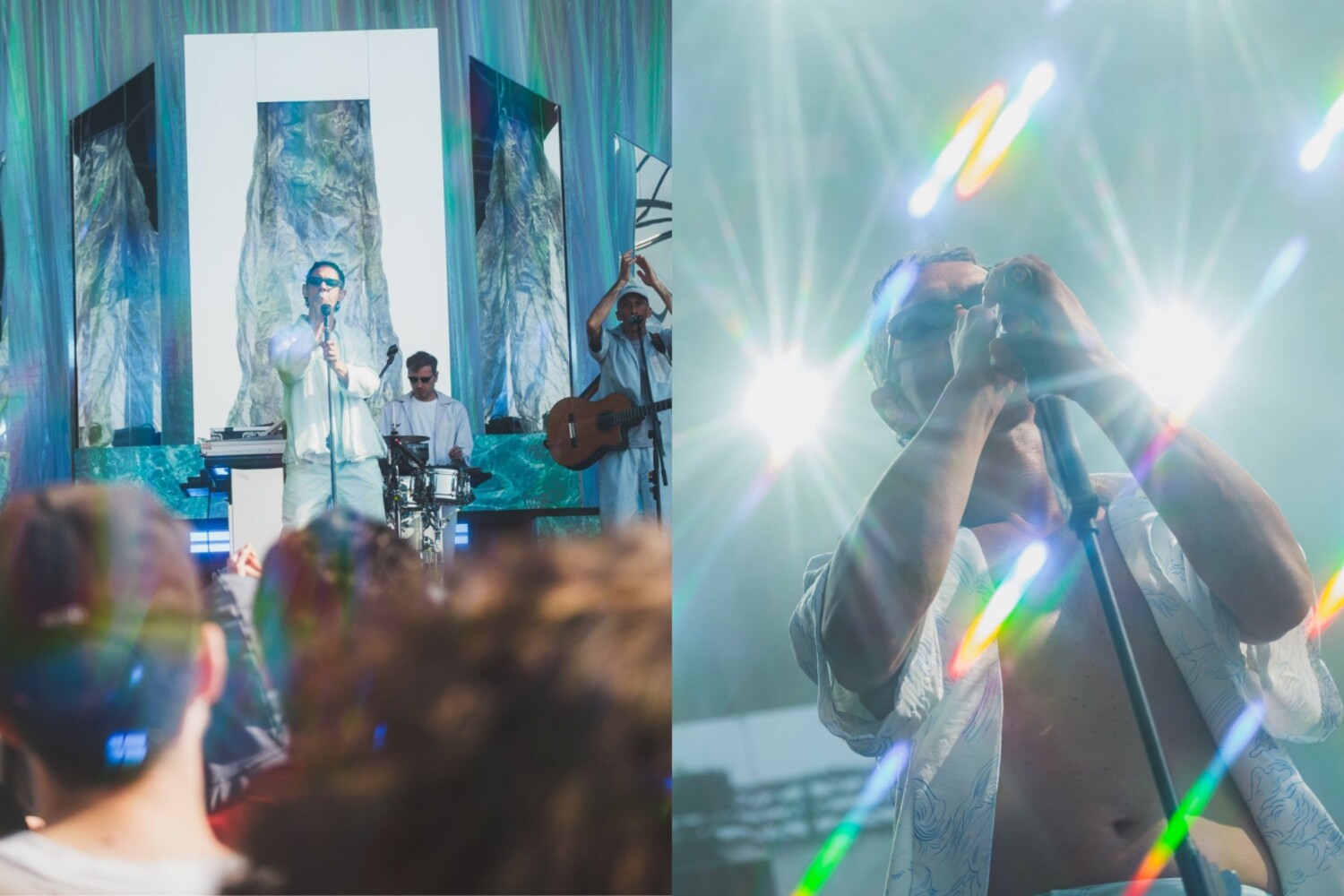
The same hour can mean opposite things depending on who’s standing in it. Seven in the morning outside a club: some people are thinking only about getting home, others read that light as the night continuing by other means. Same sun, different perceptions. Closure or possibility. The Matinée held both without collapsing either one. That’s rarer than it sounds. The timing is easy to misread. It lands at the height of the soft clubbing wave, and it doesn’t take much for a morning concert to get pulled under that label. Morning, in certain scenes, is no longer the extreme tail of the night but a space with its own codes — croissant over beer, arrived rested, dancing as wellness practice rather than as loss and excess. The problem is in the word “soft.” It already carries a pecking order. A more correct, more presentable party exists, one you move through lucid and ready for breakfast. Music becomes a means to an end — a tool for wellbeing, connection, social performance. The Matinée doesn’t tame the morning. It uses it. Arrive however you want. No right posture, no morally superior idea of what a party should look like. The word “Matinée” carries that on its own, the recovery of something that lost ground. Going to hear music in the morning. Standing together in front of a stage. Letting the sound, not the lifestyle built around the sound, decide what happens next.
Cosmo’s idea of music comes from a physical, almost political closeness to the people in front of him. At his shows you can sing, dance, laugh, cry, shout, or stand completely still. Even silence feels permitted. The songs aren’t just sung, they’re opened up, pushed somewhere else, until the live version pulls out something the studio recording kept hidden. That morning it happened with “L’ultima festa”: stripped to percussion, the electronic scaffolding that usually carries it gone, a second voice alongside his that the crowd hadn’t expected. The title changed meaning in daylight. An ending that opened. Maybe that’s why I can now make sense of whoever once called him “the perfect combination of The Chemical Brothers and Lucio Battisti.” An impossible formula. Precisely for that reason, briefly accurate. Midway through the set, Cosmo played “La Collina dei Ciliegi” solo and acoustic. No band. No electronics. Just the song and the morning. Leopardi believed Saturday was the most beautiful day, still full of promise and that Sunday brought the melancholy of return. He was right, maybe. But only because he never saw a Sunday begin like this: sun rising over the Idroscalo, music setting bodies back in motion, a crowd with no interest in deciding whether the night was over or the morning had begun. The question stays open. What the Matinée leaves behind might be larger than a tour.