As someone who’s always embraced chaos and the unexpected, is there anything about normality that you now find suffocating or even unbearable? Is art, for you, a form of escape, or does it represent the reality in which you genuinely find comfort?
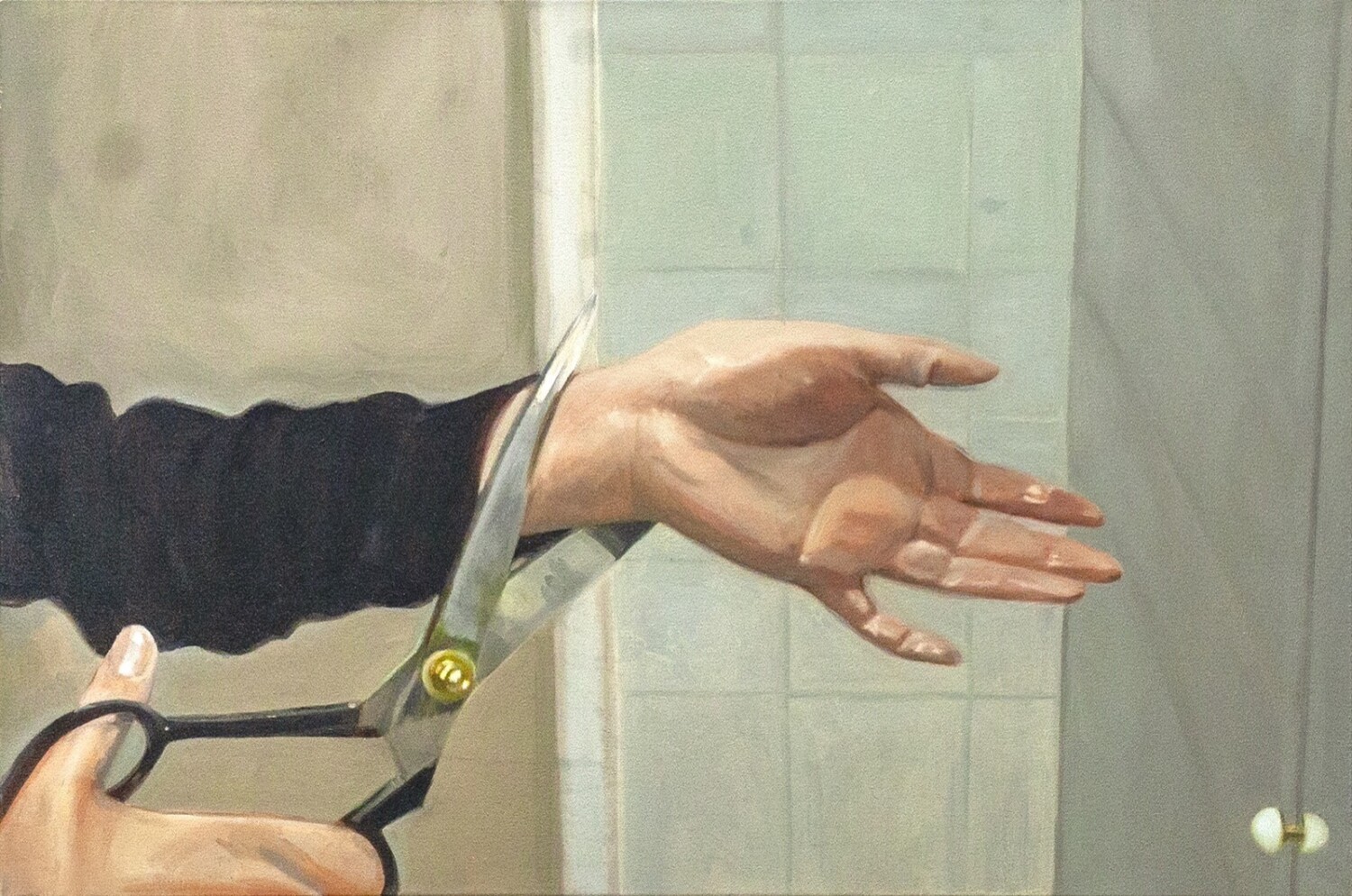
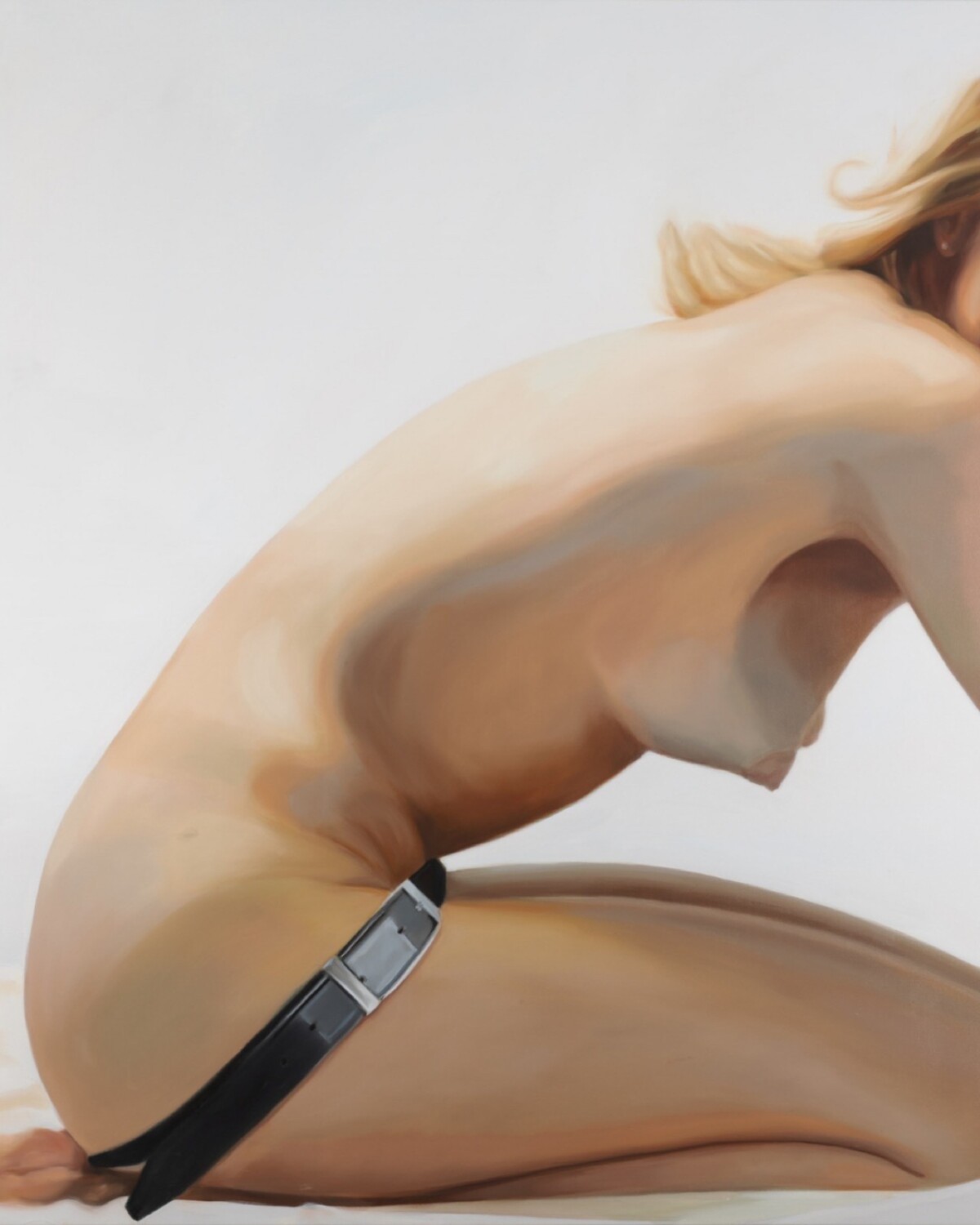
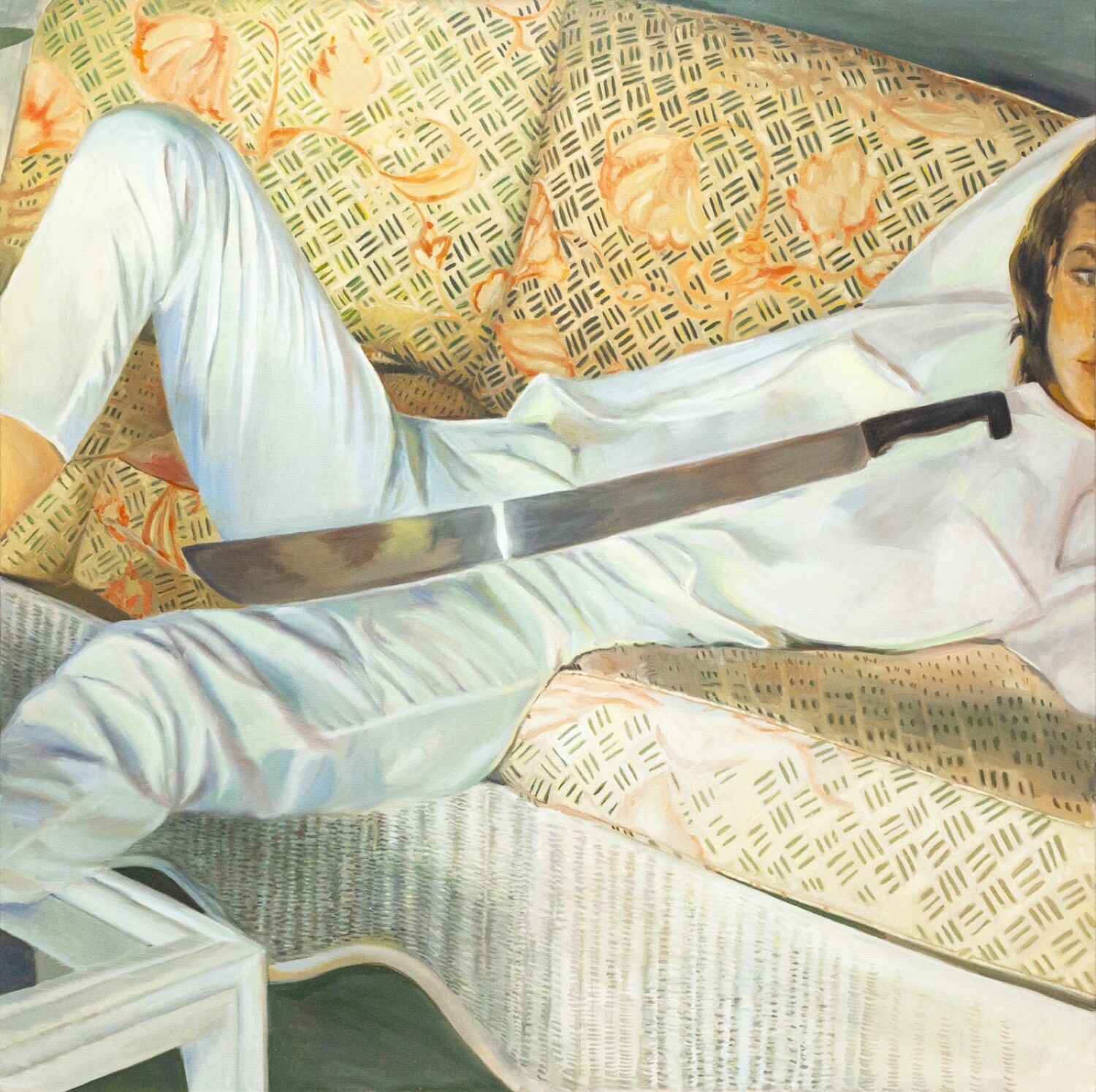
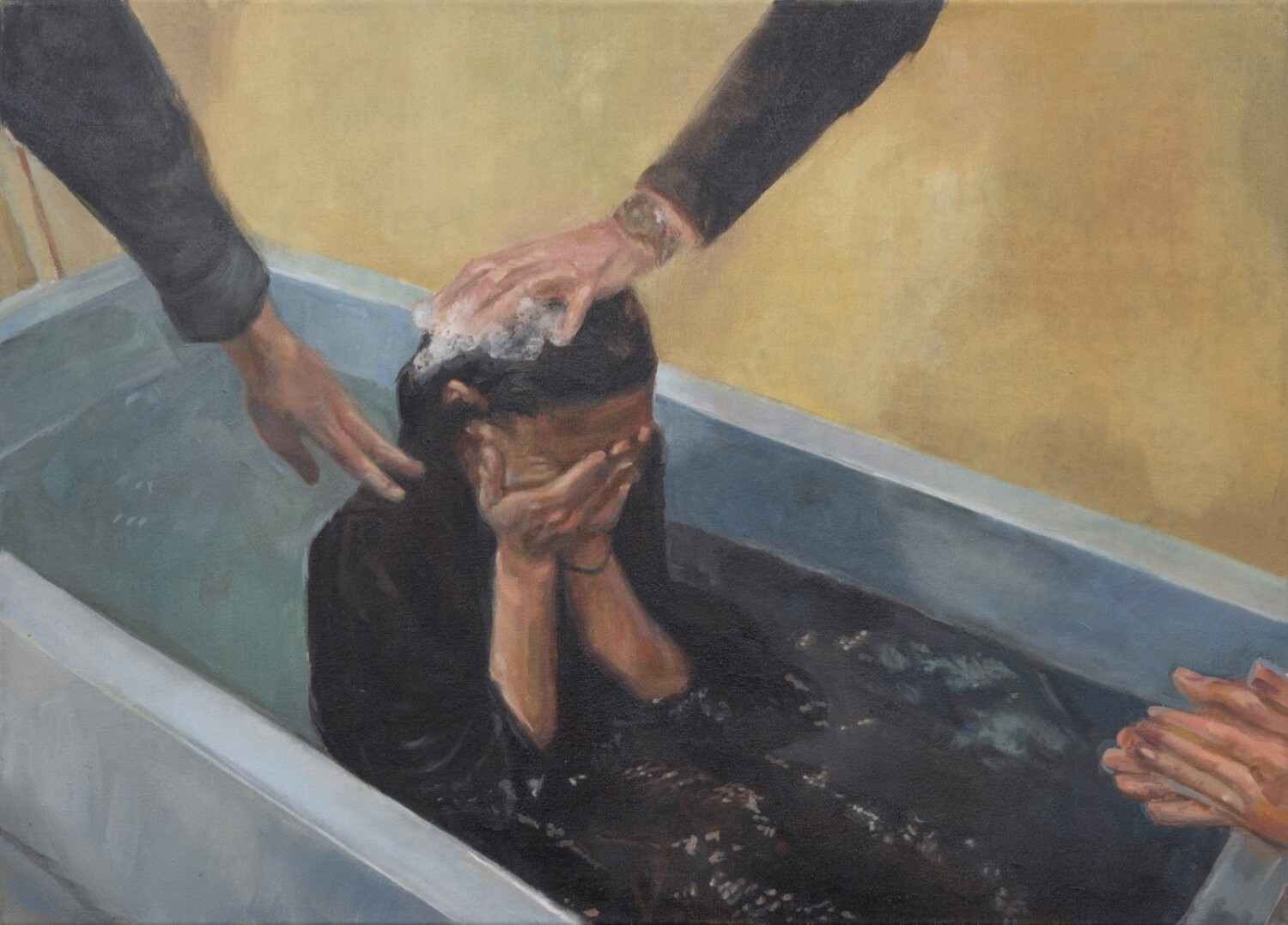
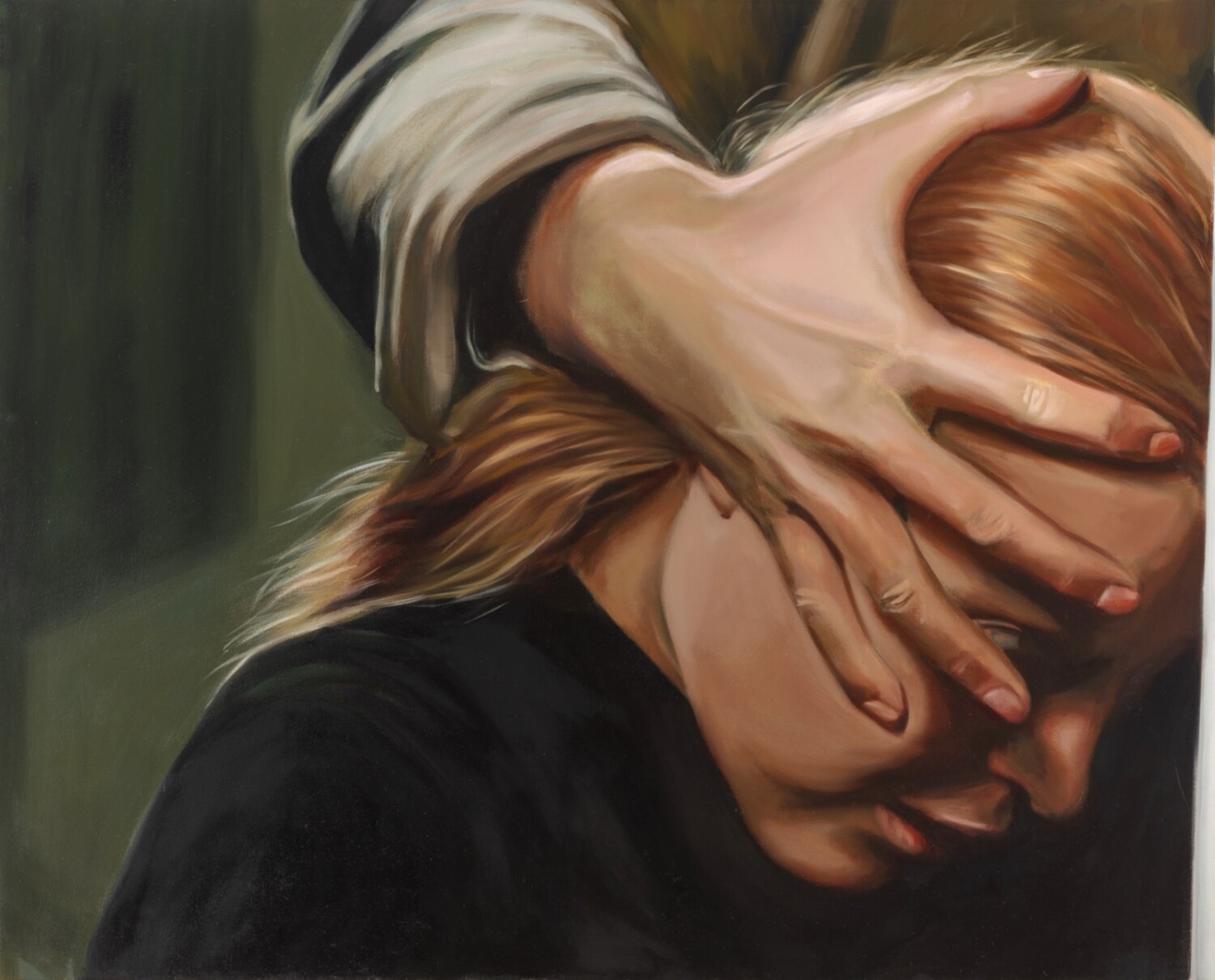
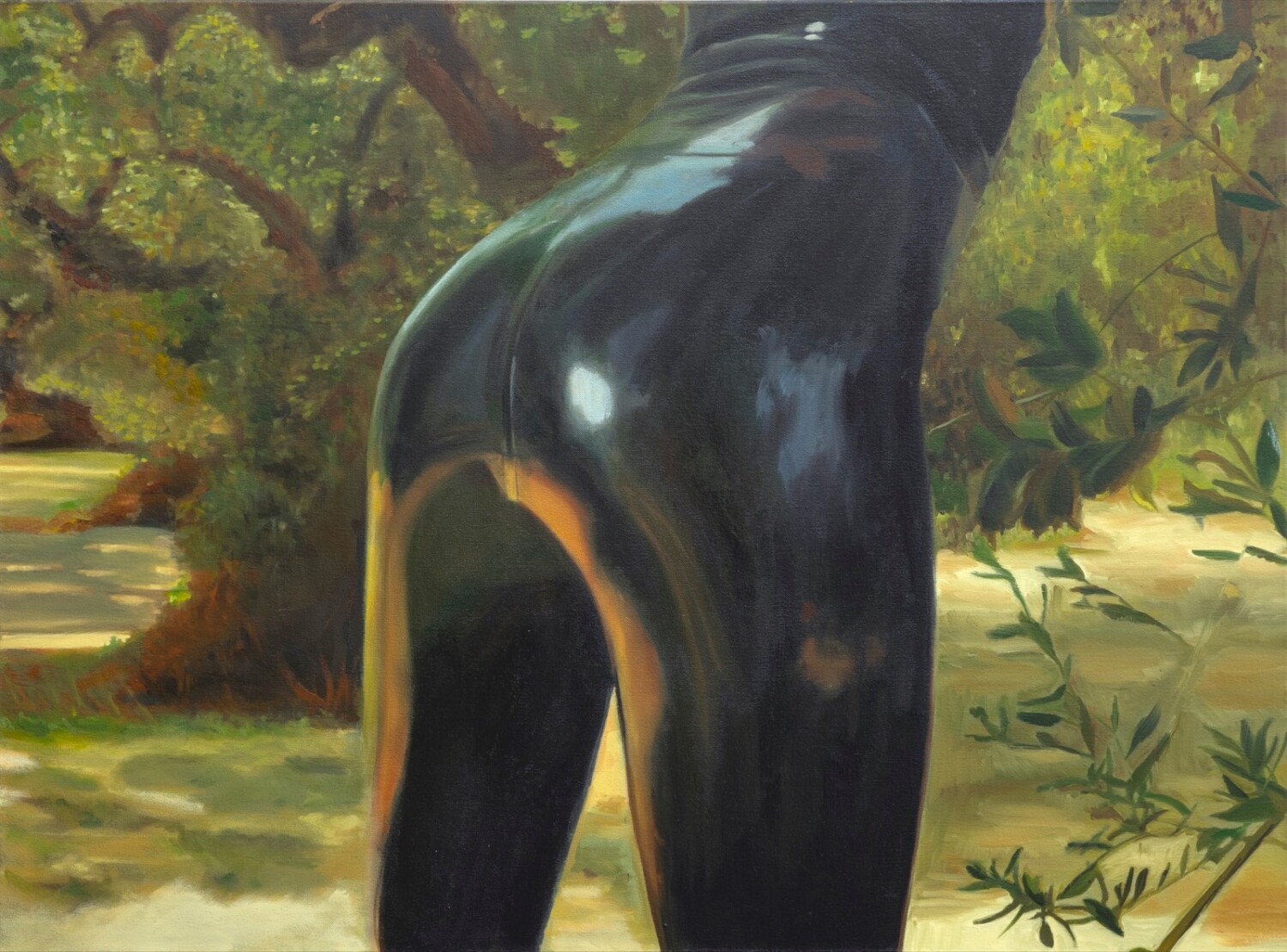
I’m not sure I would say that I find normality unbearable. There are actually aspects of it that I find comforting. I think what can feel suffocating is the expectation that life should make sense in a particular way, that there is a right way to behave, a right way to live, or a version of yourself that you are supposed to arrive at. I’ve always been more interested in the things that don’t quite fit into those expectations. For me, art isn’t really an escape from reality. If anything, it gives me a way of being more attentive to it. Painting allows me to stay with things that are contradictory, unresolved, or difficult to explain
We seem to be living in a time when the bizarre has almost become a convention. How much of the absurdity surrounding us is constructed or performed, and how much stems from a genuine sense of identity? Do you think there is still room for an untamed form of otherness?
I’d agree. I find it frustrating when the bizarre gets absorbed, styled, and circulated, so it stops being a rupture and becomes a look. I don’t think performance and genuine identity are opposites, though What interests me is the difference between the bizarre as spectacle and the strange as something felt. When something resists being legible. Otherness has moved from the frontier to the margins of legibility. It no longer lives outside the system but in what resists translation into its terms: the unmeasurable, the ambiguous, the thing that won’t resolve I look for it in the moment a painting stops making sense in words. Otherness hides in the gaps, in whatever refuses to be optimised.
If normality is merely a perceptual habit, to what extent can art help us unlearn it? Do you believe it can genuinely train the mind to become more flexible, or does the almost sacred distance between artwork and viewer inevitably limit that possibility?
What feels like normal or “just the way things are” may actually be something we have learned to see. Art can potentially interrupt that habit of perception. It can make the familiar strange, slow down recognition, shift scale or context, or bring attention to things we normally overlook. If the powers that be shape not only how we behave but what we learn to perceive as normal, I hope that art can interrupt those habits of perception.
What is it that truly resonates with the viewer on both an emotional and intellectual level?
Rather than telling us what to think, I want the paintings to ask us to recognise something we already know. So, Familiarity.
And, in turn, what continues to move you throughout your own creative process?
Power and longing
Why do you think we’re so drawn to the bizarre? Could it be that what we describe as strange, grotesque or absurd is, in fact, more faithful to the complexity of human nature than conventional notions of realism?
I am drawn to what is real, more importantly, what feels real. That’s the only way I know how to describe it. I don’t think my paintings are grotesque, but might seem absurd to some. I want them to also feel familiar, I want them to resonate. I wouldn’t necessarily say that the bizarre is more truthful than realism, though. In some ways, I think the distinction between the two is artificial. Human nature itself is full of contradictions: we can be rational and irrational, generous and selfish, sincere and performative, attracted to something and repelled by it at the same time. What we call bizarre or absurd can sometimes make those contradictions visible rather than resolve them into a coherent picture of who we think we’re supposed to be.
As an artist, what do you find most absurd about today’s art world? And what still surprises or perhaps perplexes you about the way audiences engage with your work?
What I sometimes find absurd is the disconnect between the experience of looking at a work and the language that surrounds it. A painting can be immediate, visceral, strange, or ambiguous, and then you read the accompanying text and it seems to belong to an entirely different universe. Sometimes the language is so theoretical or specific that it almost dictates a way of experiencing the work that has very little to do with what is actually happening in front of you. I don’t have anything against writing about art, in fact, I think good writing can open up a work in really meaningful ways. But I’m wary when the language becomes more complicated than the work itself, or when it seems to substitute for the experience of looking. For me, painting is partly about what happens before we have the language to explain what we’re seeing. I think that uncertainty is valuable, and I don’t necessarily want to resolve it.
What do you look for in a curator to ensure that your practice is truly understood rather than simply displayed?
As a painter, I need contact with something the ordinary linguistic order can’t necessarily process.So I’m looking for a curator who is comfortable with that gap and doesn’t rush to close it.
Your paintings seem to leave the viewer suspended in a space of unresolved tension. What do you hope stays with them after they leave the exhibition?
I hope they leave with an image they can’t quite shake, for whatever reason.
And is there anything you still feel you have yet to express through your practice?
I’m not sure what exactly I am trying to express, and maybe that’s the reason I keep doing it? Painting and I have broken up before. I tried other things, I even trained as a psychotherapist. At this point, Artist, for me, is less a choice than a diagnosis.