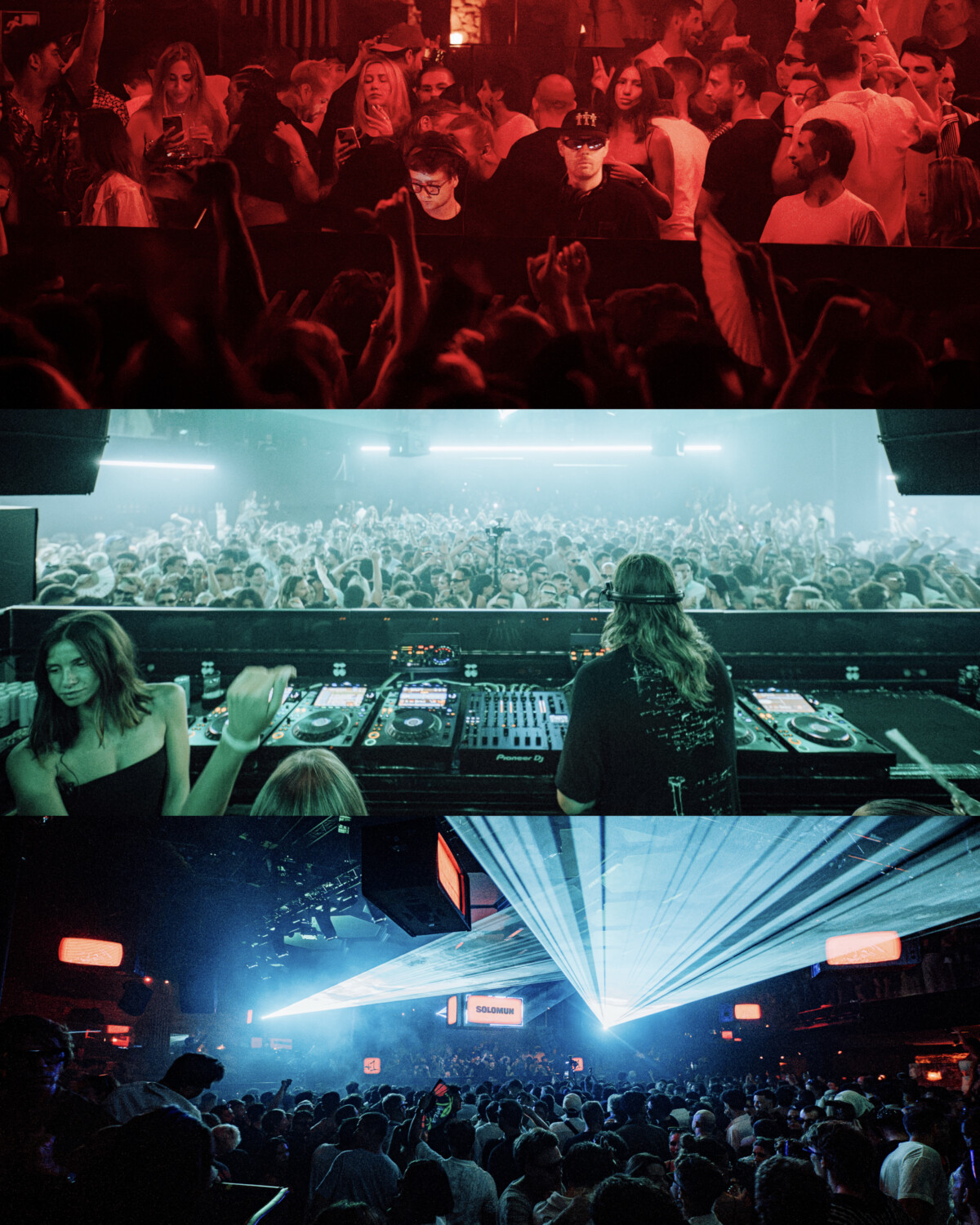
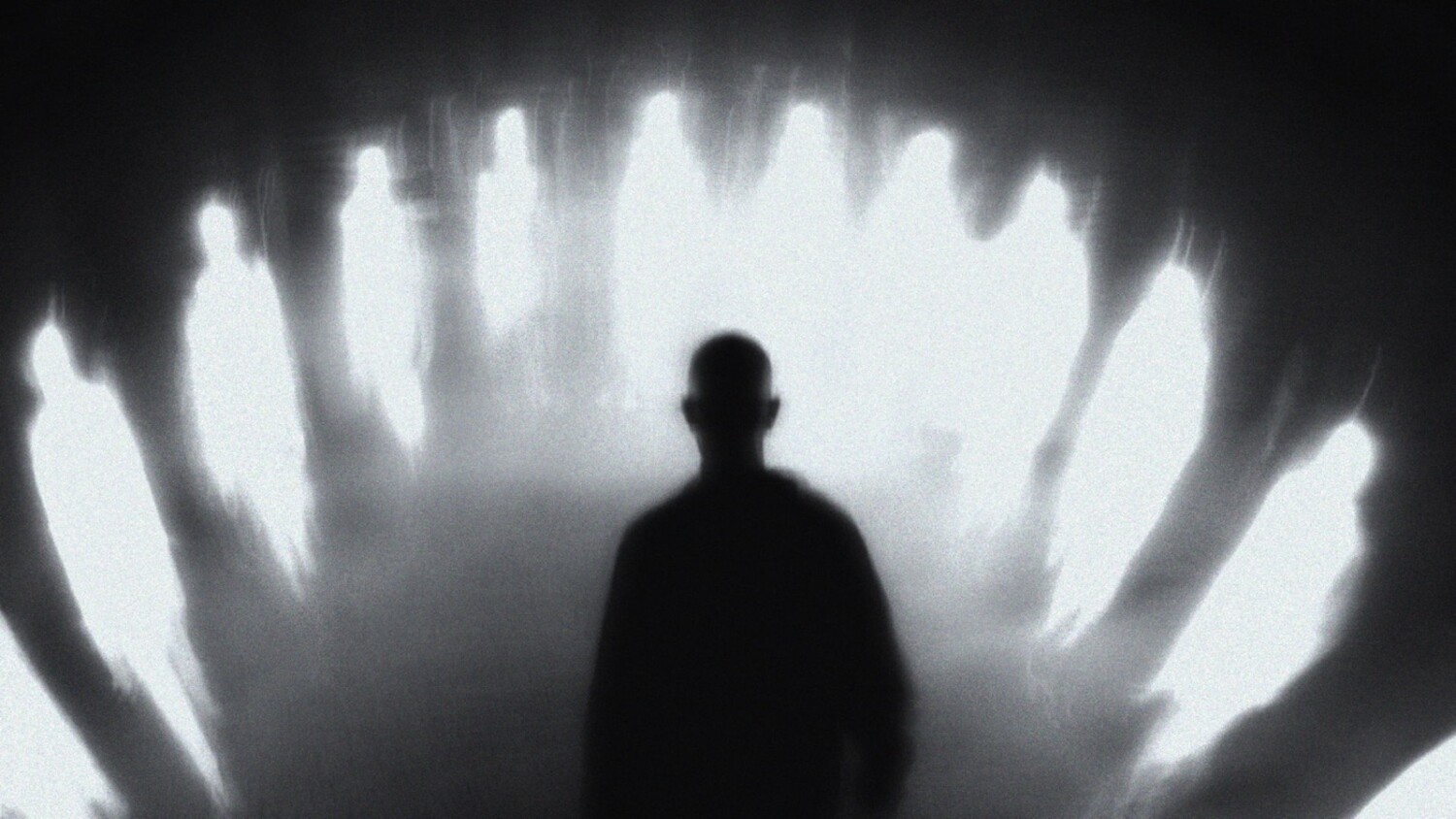
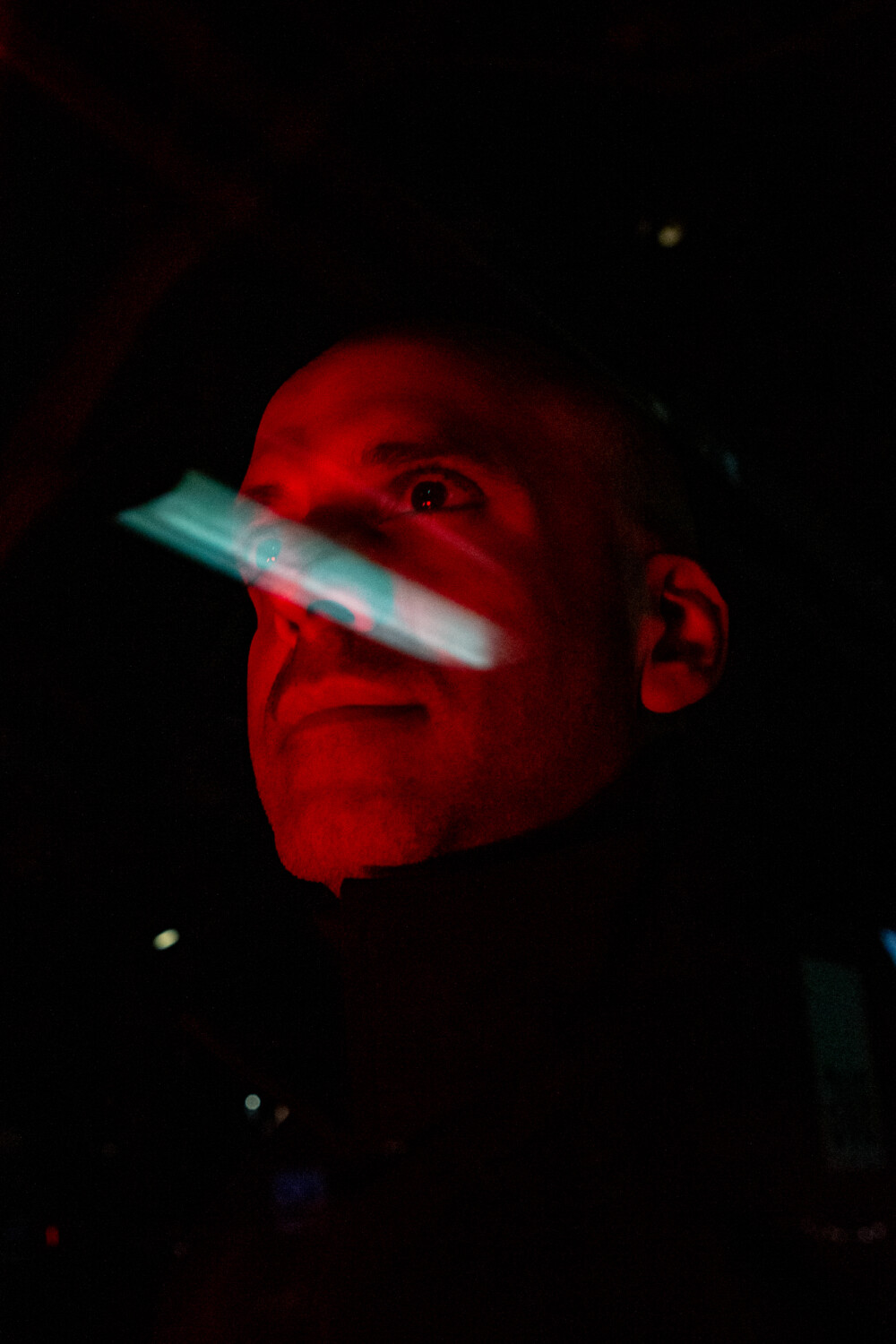
It is difficult for me to talk about Pacha without starting with its imagery: the two cherries, the red, the lights, the dancefloor, decades of Ibizan nights compressed into a single visual language. But once I was inside, I realised that all of this was only the surface. The real strength of the club, at least from my point of view, lies in the people it manages to bring together in the same room. That night, however, Pacha had only one name. Solomun. For years, his Sunday residency has become one of the most recognisable appointments of the island’s summer. Most Sundays here follow the +1 format, Solomun alongside a single guest, splitting the night between them. But a handful of dates each season are kept for something else: Solomun alone, in full control of the room, from open to close. This was one of them. What interested me was not simply the name on the lineup, but what happens when an artist decides to carry an entire night on his own shoulders, with no second name to lean on.
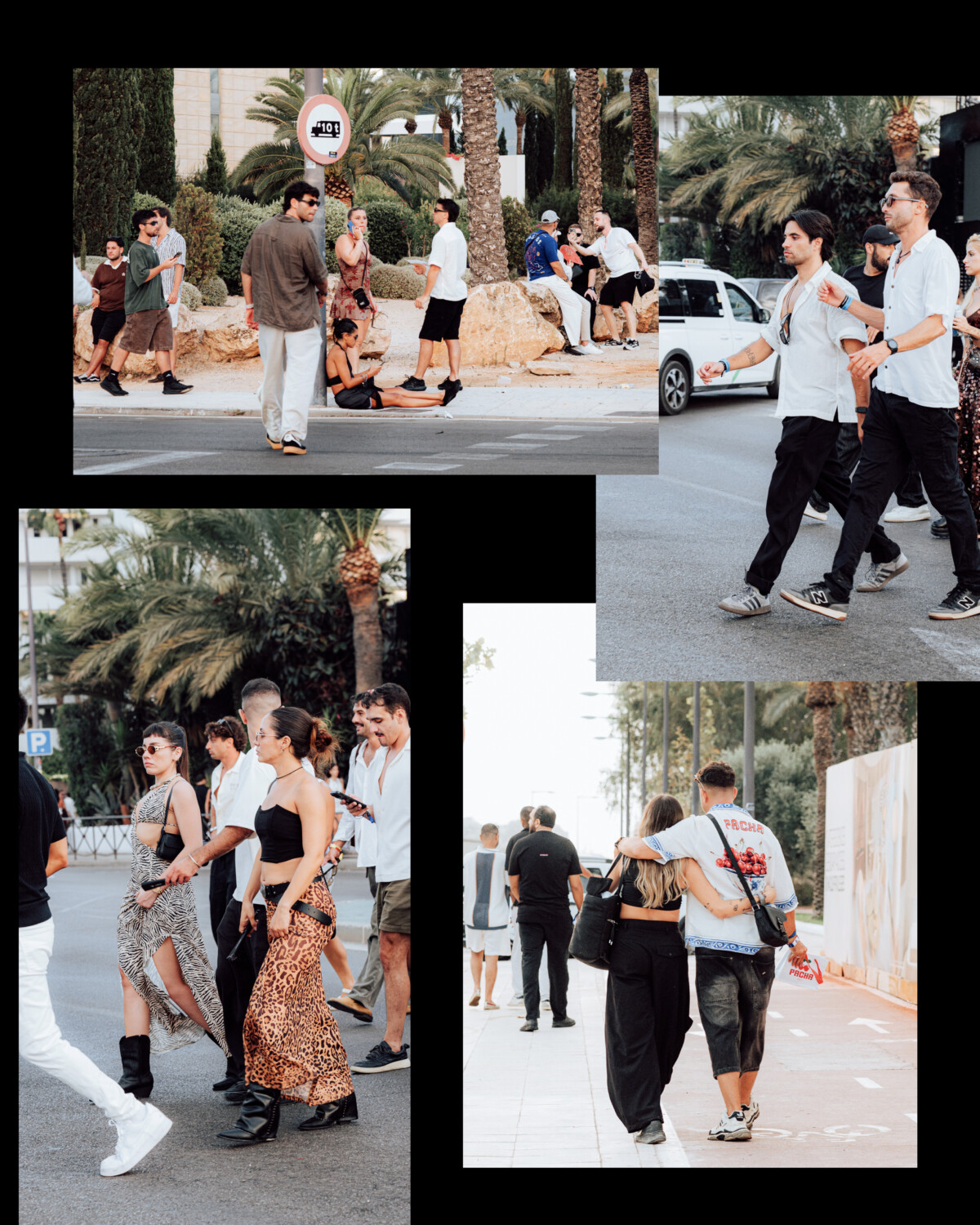
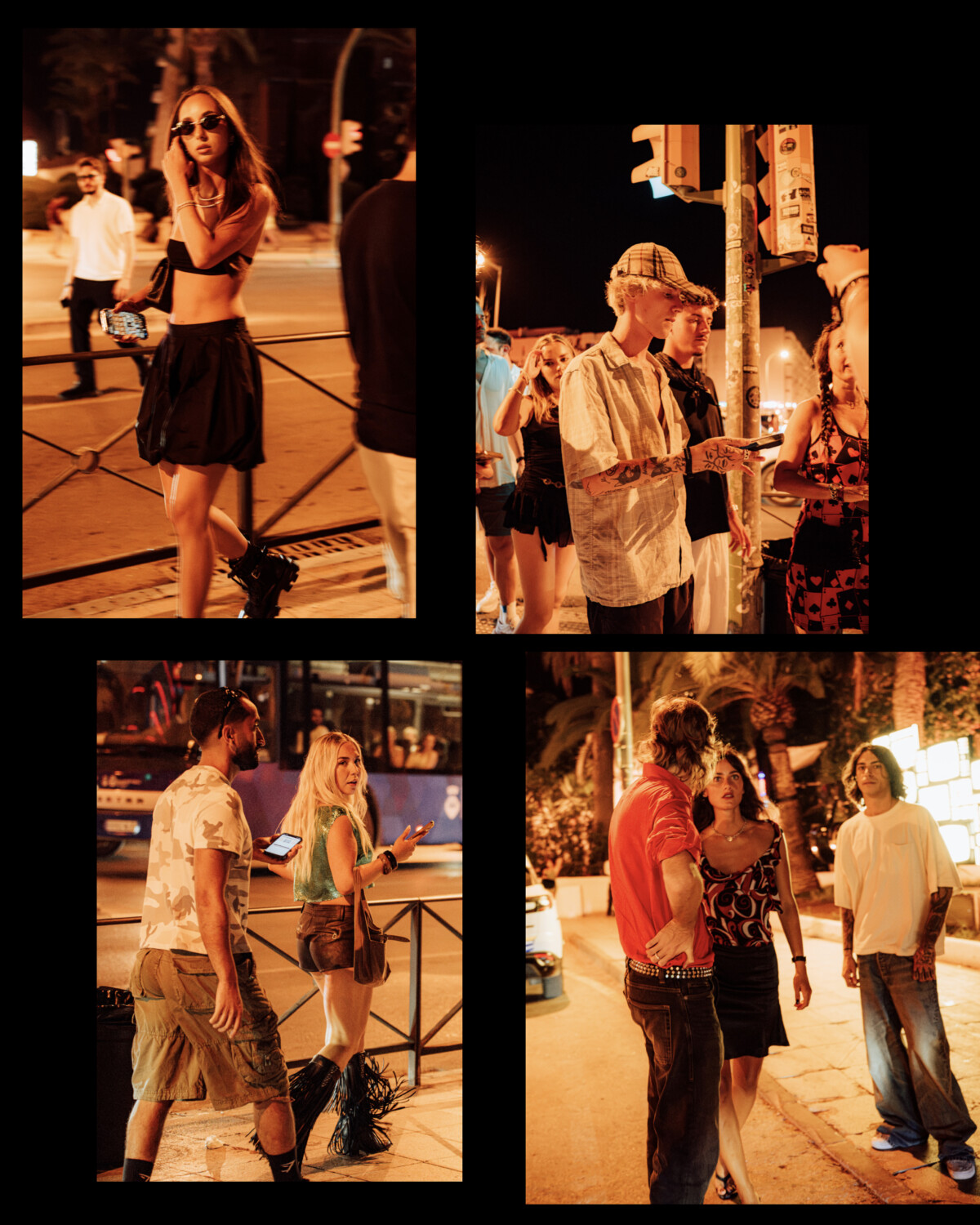
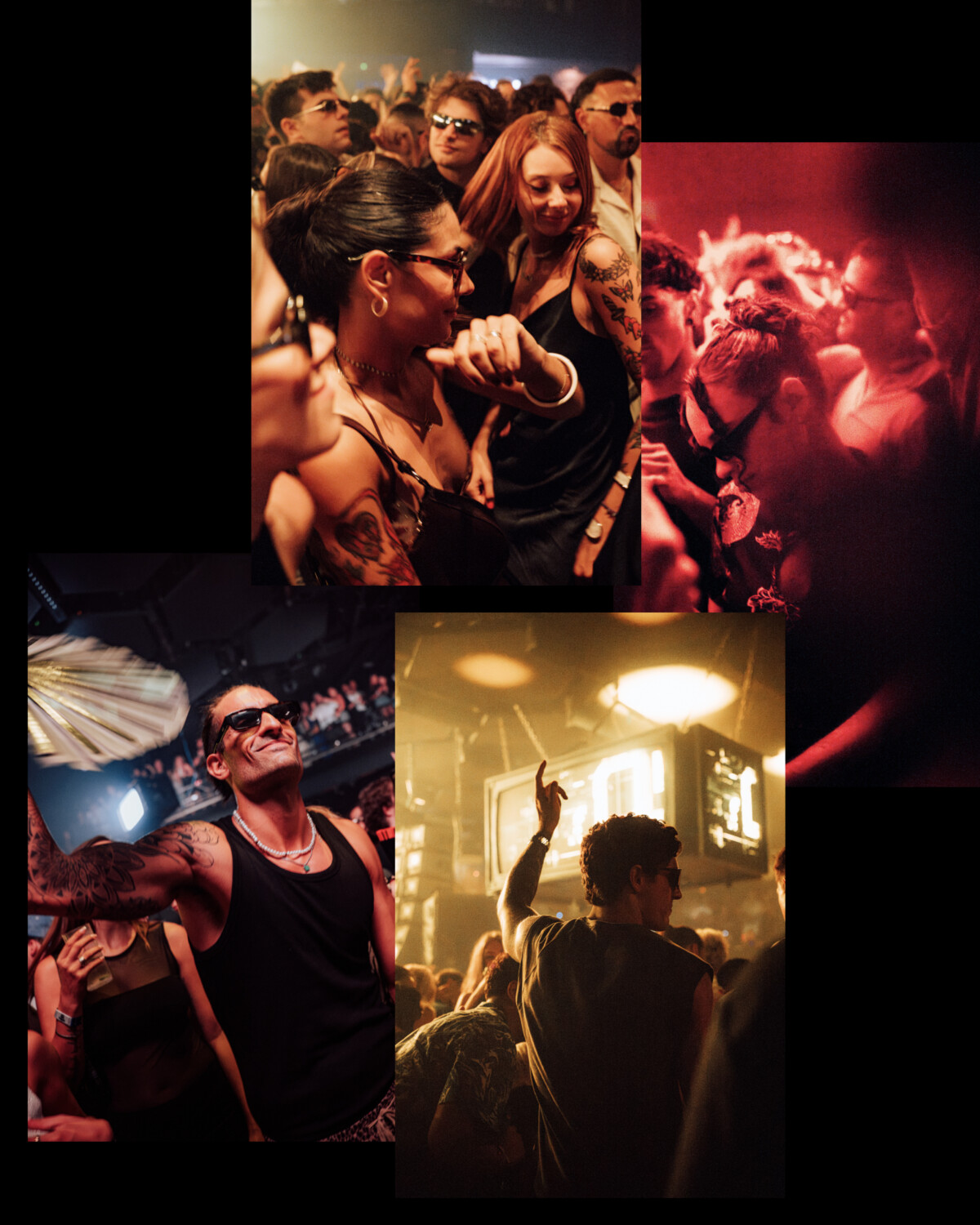
But when I walked into Pacha, I did not feel as though I was waiting for a show that was about to begin. I felt as though something had already started. HalfPint and NYRA were already behind the decks, easing the room in, long before Solomun would take over the booth. People were arriving, looking around, finding their place. Some were dressed to be seen, others seemed to have left home simply to dance until their bodies told them to stop. Different faces, different ages, different languages. Ibiza was already doing what Ibiza does best: bringing together people who, anywhere else in the world, would probably never have had a reason to end up in the same room.
Then the volume rose. When Solomun took control of the booth, my perception of time changed. There was no longer any real difference between one hour and the next. There was only the continuous movement of the dancefloor, the transition from one track to another, the feeling that every record was simply another chapter in the same story. That is what struck me about the long set: it did not accompany the night, it built it. I did not need to know every track or understand what was happening technically. At a certain point, I stopped listening to the music and simply started living it. I noticed the people around me, the ones I had just met, the ones I may have exchanged two words with five minutes earlier and was now finding again on the other side of the dancefloor. It was a very Ibizan kind of socialising: fast, instinctive, almost without explanations. And perhaps that was exactly the point. Solomun did not seem interested simply in filling a dancefloor. His music became the way that dancefloor started functioning like a single organism. It no longer mattered where I came from, what language I spoke, what my job was or what I would be doing the next day. For a few hours, everything else fell into the background.