In the stretch of your career you have previously worked as a professor of sculpture and directed the Summer Academy Gardena, what emotions and connections have arisen in comparison to back then, and your recent experience exposing, introducing your practice and your work to the guests of Sensoria?
Teaching at the academy unfolds over five years, and even the Summer Academy, although limited to two weeks, addresses aspiring professionals who arrive with years of training and clearly defined ambitions.
The encounter at Sensoria operates on a different register. During the “Artist for a Day” experience, conceived for the Sensoria Art Edition Days, I observed a genuine willingness to step beyond familiar patterns of thought. The atelier became a temporary threshold, a pause within the rhythm of daily life in which ideas could surface, settle, and take form.
At the same time, Sensoria and Art create a distinct space of encounter. The hotel is not merely a backdrop but a lived environment in which art is experienced beyond the conventions of the gallery or museum. The guest arrives without the institutional distance of a traditional viewer. The mindset is quieter, more permeable, less shaped by expectation and more responsive to nuance.
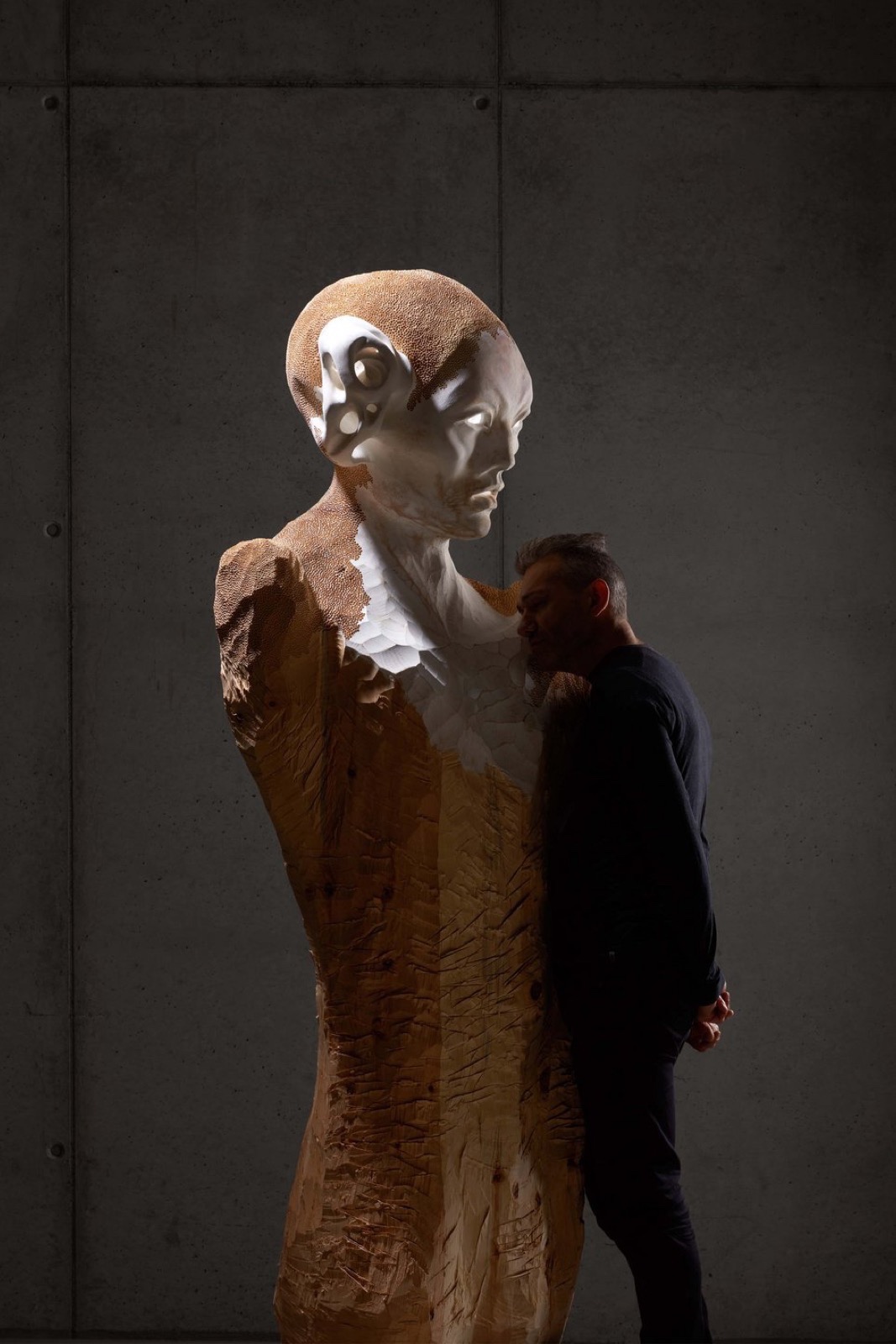
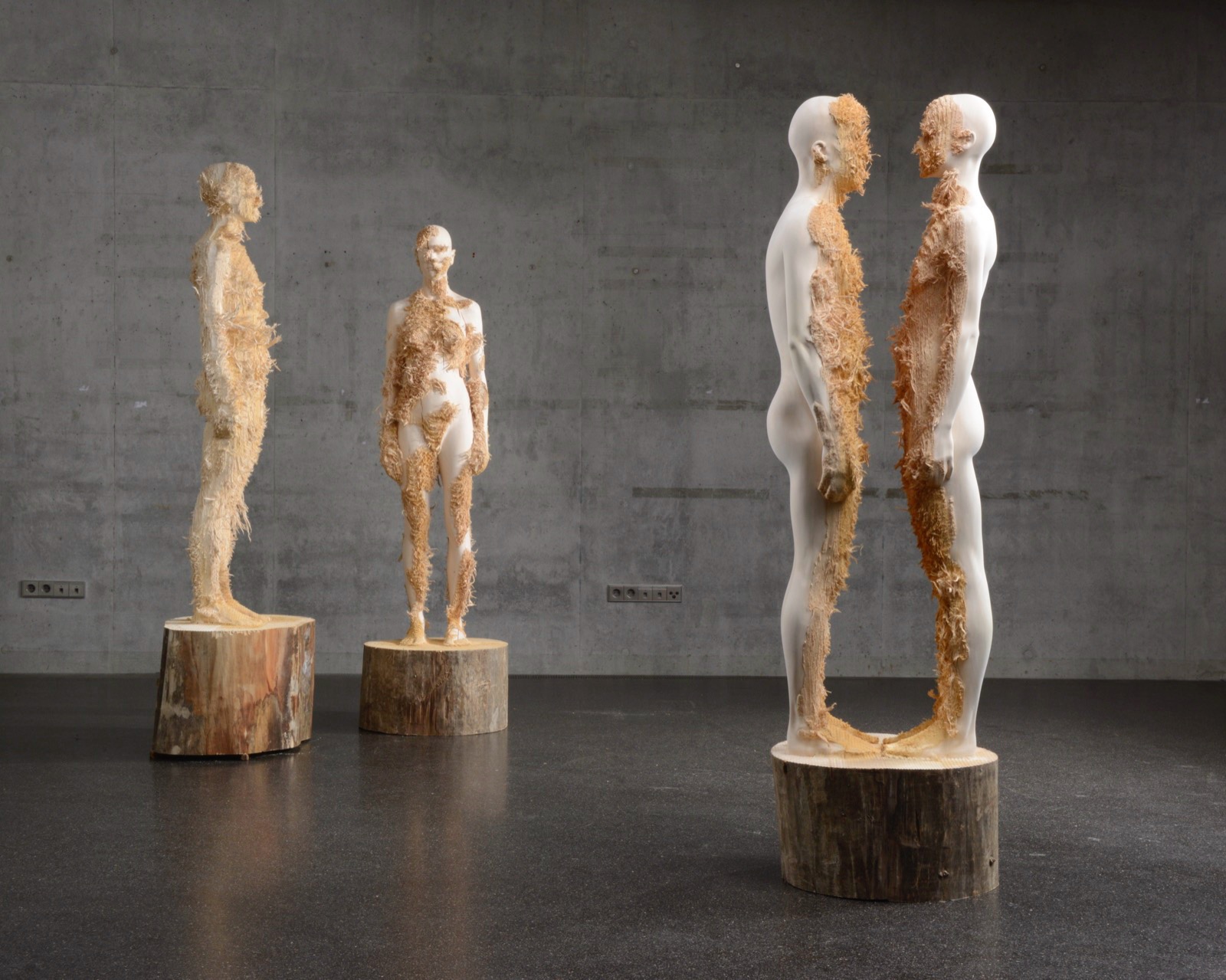
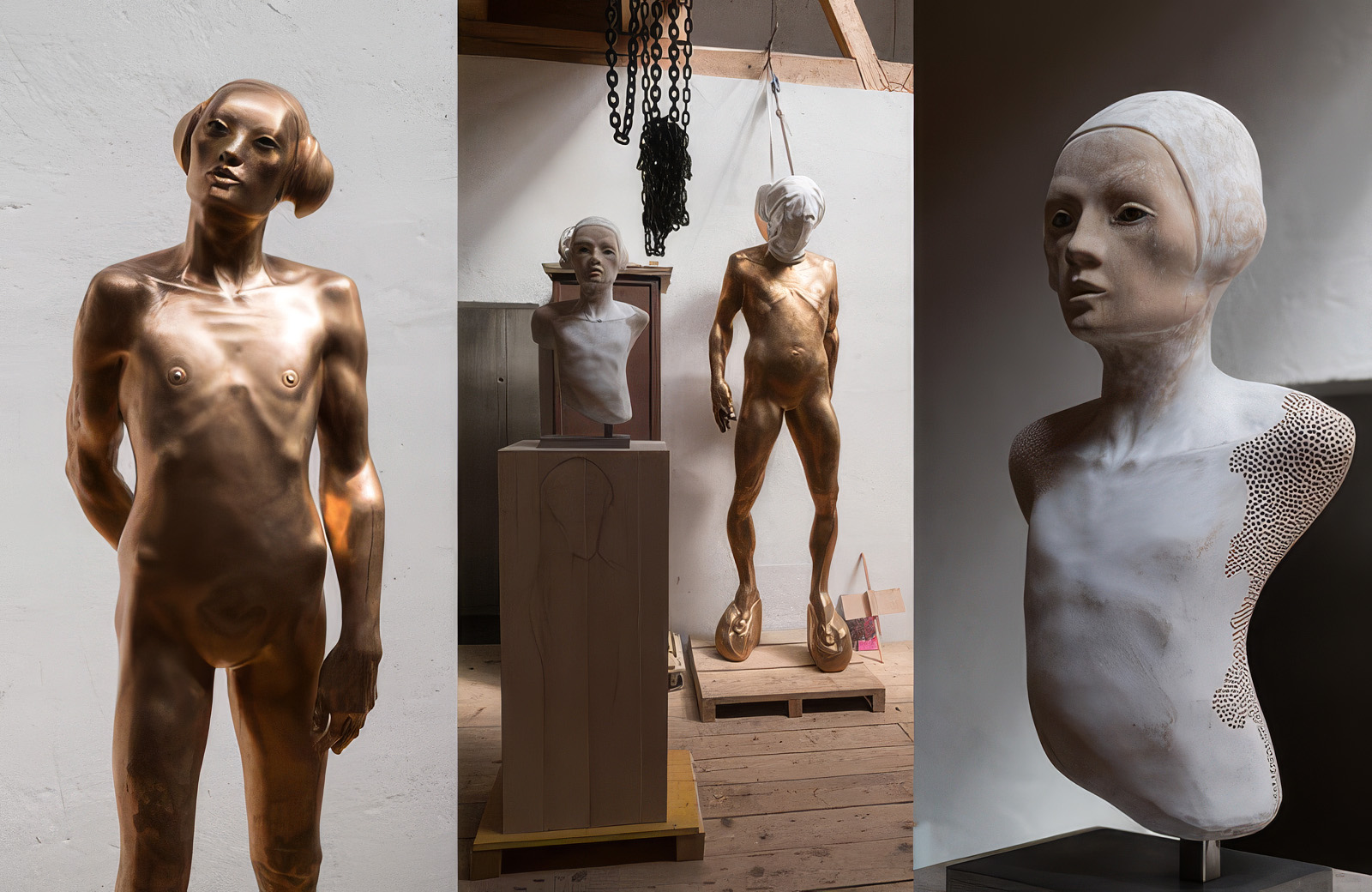
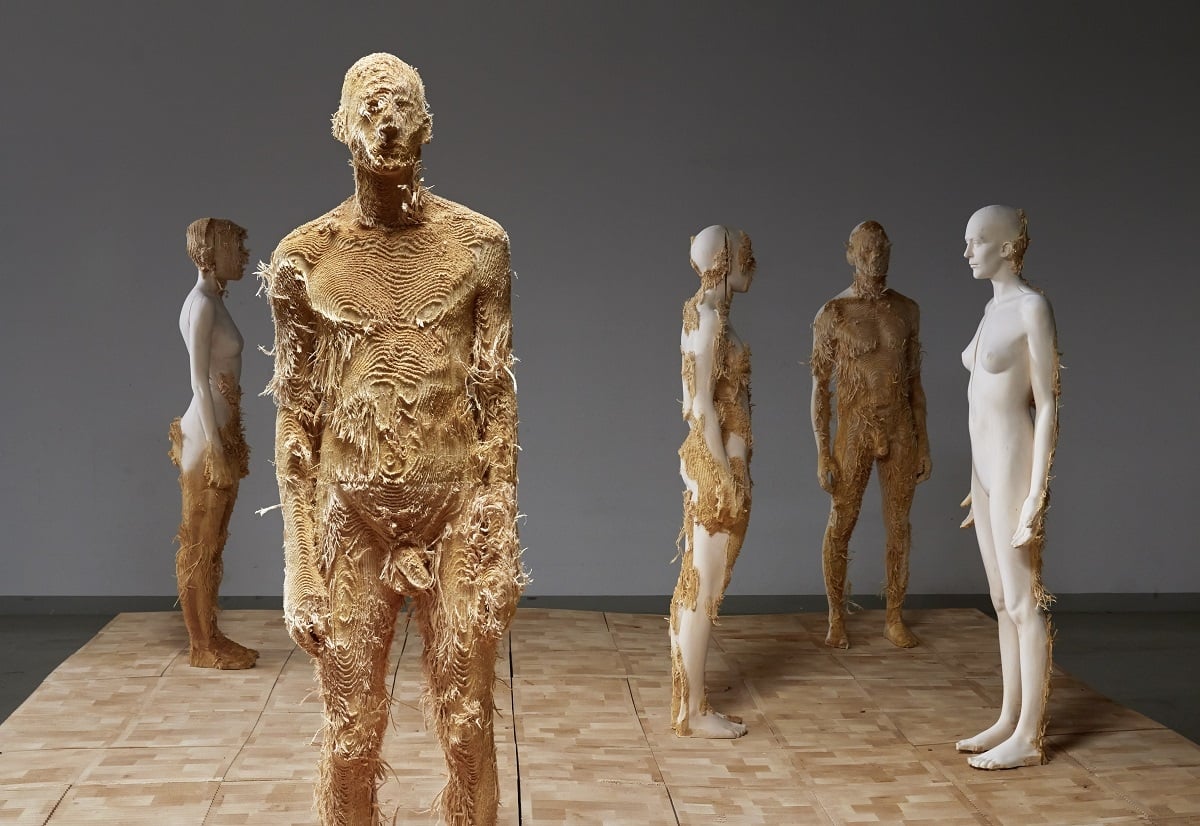
In this atmosphere, the dialogue with the work shifts. The sculptures are not approached as objects to be analyzed, but as presences within space. Perception becomes less declarative and more intuitive. What emerges is not spectacle but resonance, a measured openness to the unfamiliar and an experience that lingers beyond the immediate moment.
What force has motivated you to share a new perspective of your craft via teaching? As an artist, what have you taken out of this experience and applied to your work?
Working with young people is profoundly inspiring. They perceive things with a freshness and directness that is both honest and demanding. They carry doubts and questions about their path, yet they also give a great deal in return.
For me, teaching has always been a constructive and enriching experience. It is not only about sharing accumulated knowledge, but about walking a path together and understanding what might help a student discover their own direction and make conscious choices. These young people are adults with thoughtful and valid perspectives. With them, one can truly work, exchange, and share a meaningful period of growth.
Do you believe that having been brought up in a natural environment cultivated a sense of patience that eventually has guided you through your artistic endeavors?
Growing up in Val Gardena has undoubtedly shaped the way I work. Had I grown up in another city, my artistic language would certainly have evolved differently. Not everyone is influenced so directly by their surroundings, but for me this connection has always been essential. I have never wished to deny where I come from.
Being aware of the woodcarving tradition means understanding that one must find a new point of entry, a contemporary way of communicating. The means of expression may change, but one’s origins remain present. They cannot, and perhaps should not, be concealed.
In your experimentation with new mediums and techniques in order to fully develop your pieces, what material or process have you found intimidating to approach? Do you usually approach each new medium or technique with confidence?
Intimidation can be a valuable companion, much like fear or uncertainty, a quiet presence that accompanies the creative process. Curiosity and resilience have taught me that these feelings deserve attention rather than avoidance.
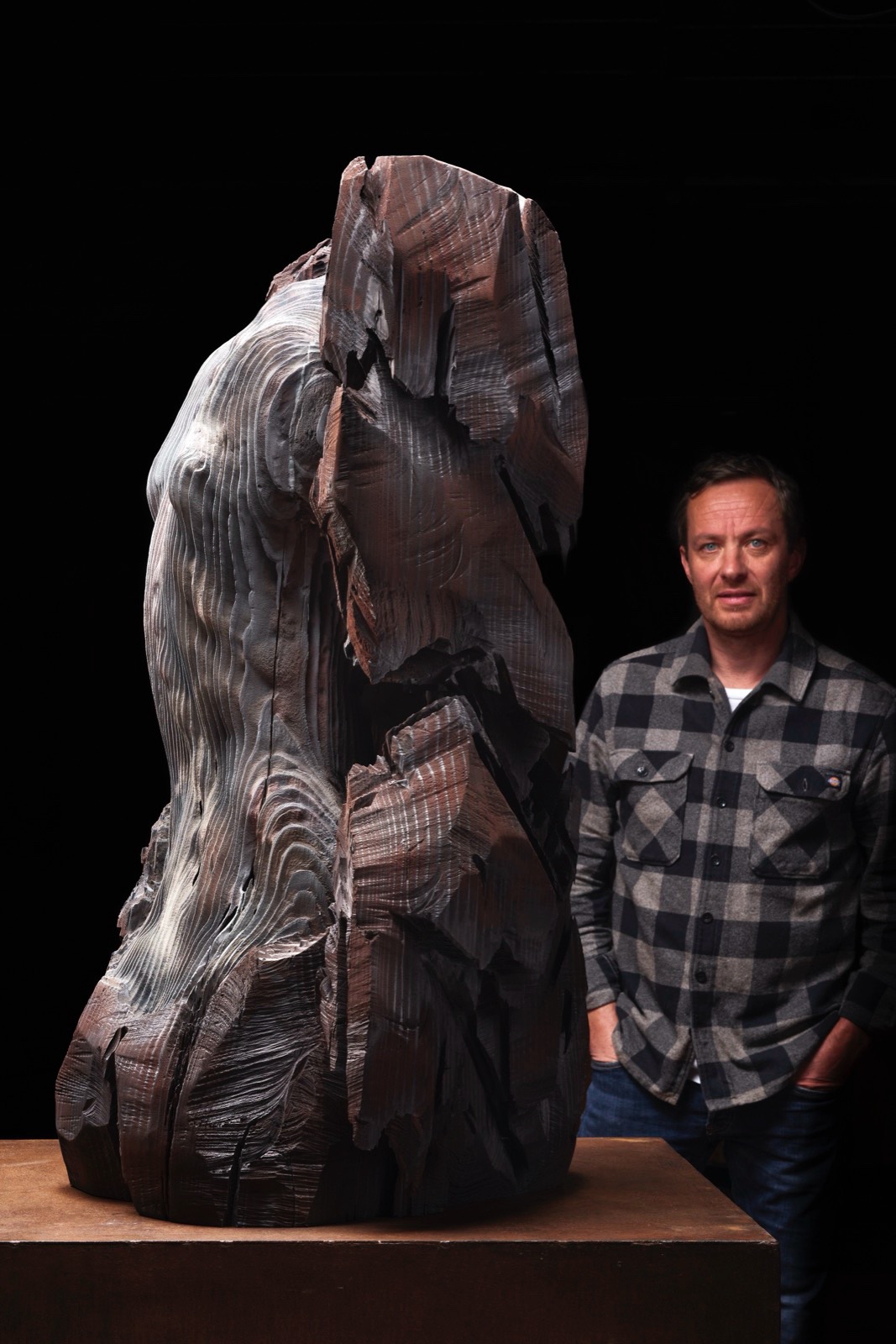
Every material carries its own qualities and its own memory. Each responds differently and reveals itself only under certain conditions. It is precisely through this tension that new perspectives emerge and sculpture continues to evolve.
Your art explores the relationship between human and nature, the immersion of living beings together, accompanied by their reaction and adaptation to external factors. How do you connect these principles to the project developed at Sensoria Dolomites?
The relationship between human beings and nature, and the subtle processes of adaptation between the two, lies at the core of my work. I am interested in coexistence, in presence, and in the quiet dialogue between body and environment.
At Sensoria, this approach found a natural resonance. The architecture and guiding philosophy of the house are rooted in attentiveness to landscape and atmosphere. The hotel positions itself within nature rather than in opposition to it.
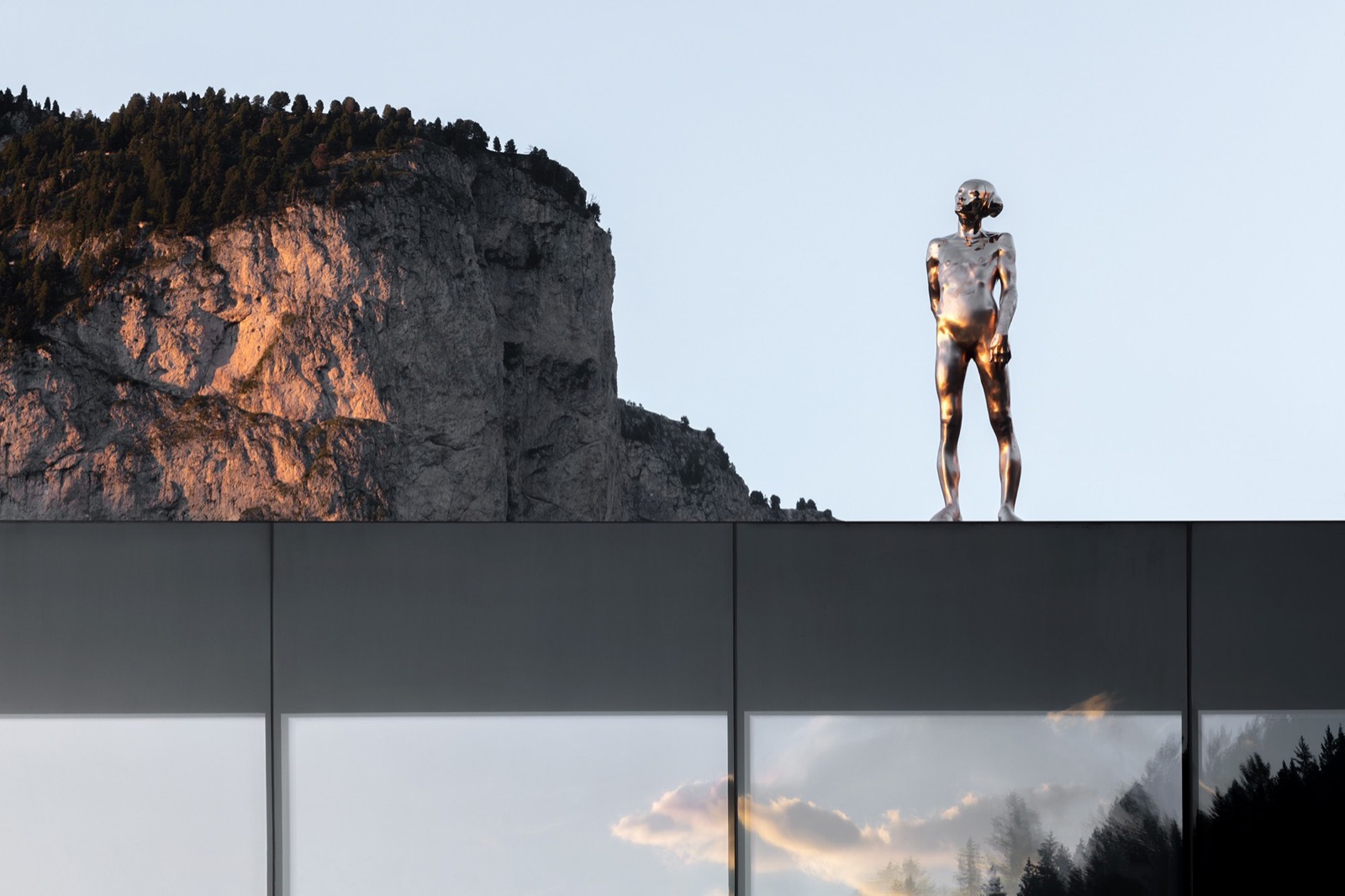
For this project, the sculptures were conceived as part of a broader spatial composition. They do not dominate their surroundings but engage with light, material, and silence. In this context, the relationship between human and nature is not illustrated but experienced. The guest moves through a setting in which art, architecture, and landscape form a restrained and coherent unity that reflects the essential principles of my practice.
What is your argumentation or reasoning behind the particular sculptures erected in this venue? How does each backdrop or location relate to the piece in itself?
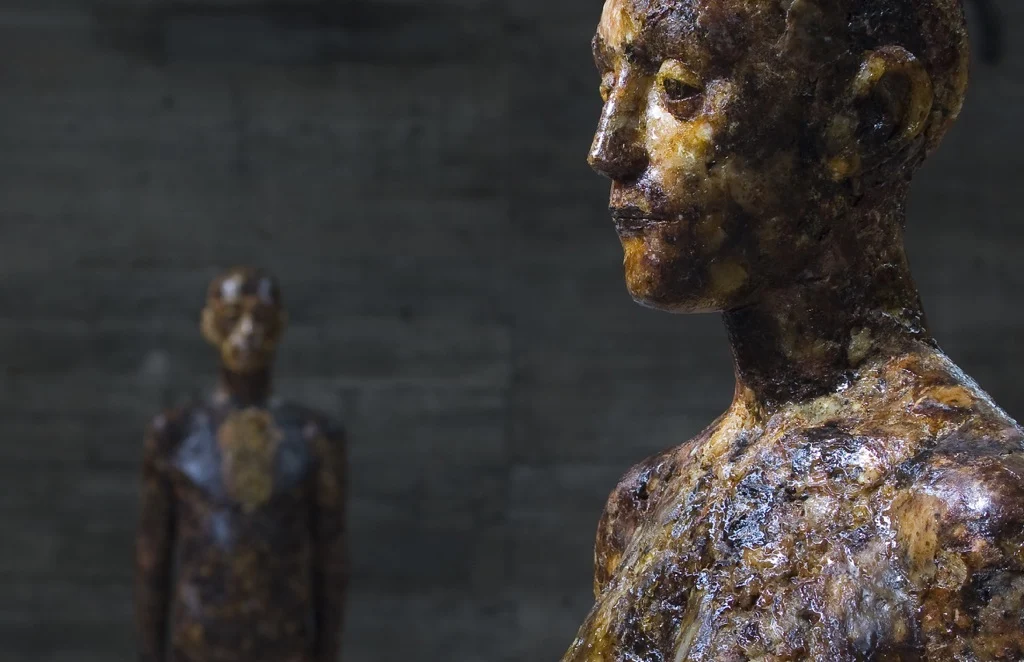
The sculptures chosen for Sensoria emphasize a sense of calm and inwardness, closely connected to nature and to the human figure in contemplation. They invite reflection rather than assertion.
Placed in dialogue with their specific surroundings, each work responds to light, proportion, and atmosphere. They function as subtle mirrors for the guest’s introspection. Those who wish may find themselves reflected within a slightly altered perspective, accompanied by the quiet philosophy of Sensoria.