Organic Matter

Biomaterials and the slow collapse of fashion's permanence.

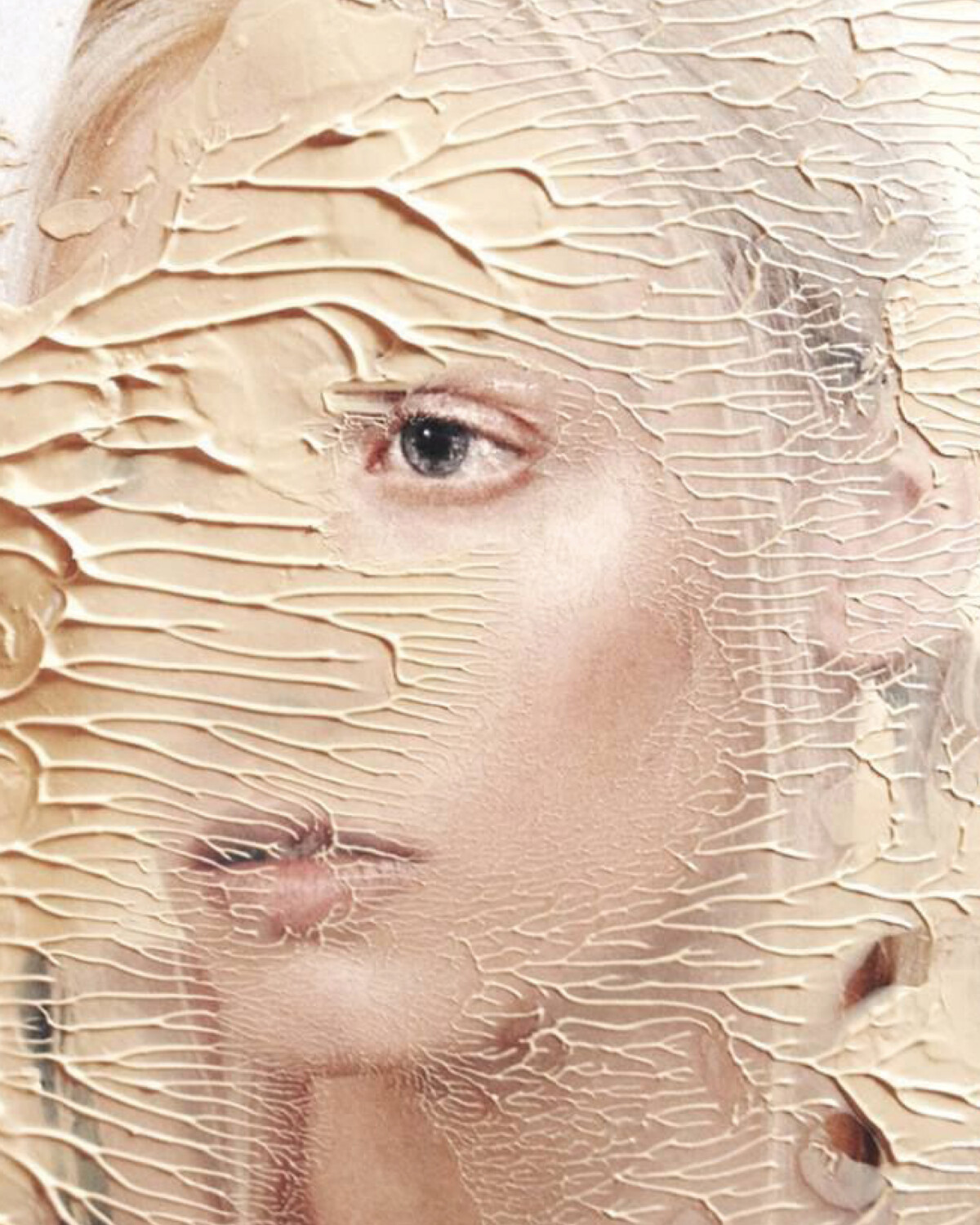
Something is shifting beneath the surface of the clothes — not a trend, not a cycle, not the industry correcting itself toward virtue. A different logic is growing inside the production model, literally. It decays. It records. It refuses to be finished. Fashion has not decided yet whether that terrifies or seduces it.

Fashion has always known how to use guilt. It names the problem — pollution, extraction, exploitation — then aestheticises it into a new product cycle. Sustainability became a marketing category before it became a structural change. What biomaterials introduce is something more uncomfortable than a solution: a different relationship to control. And the industry doesn’t know yet whether it wants that.

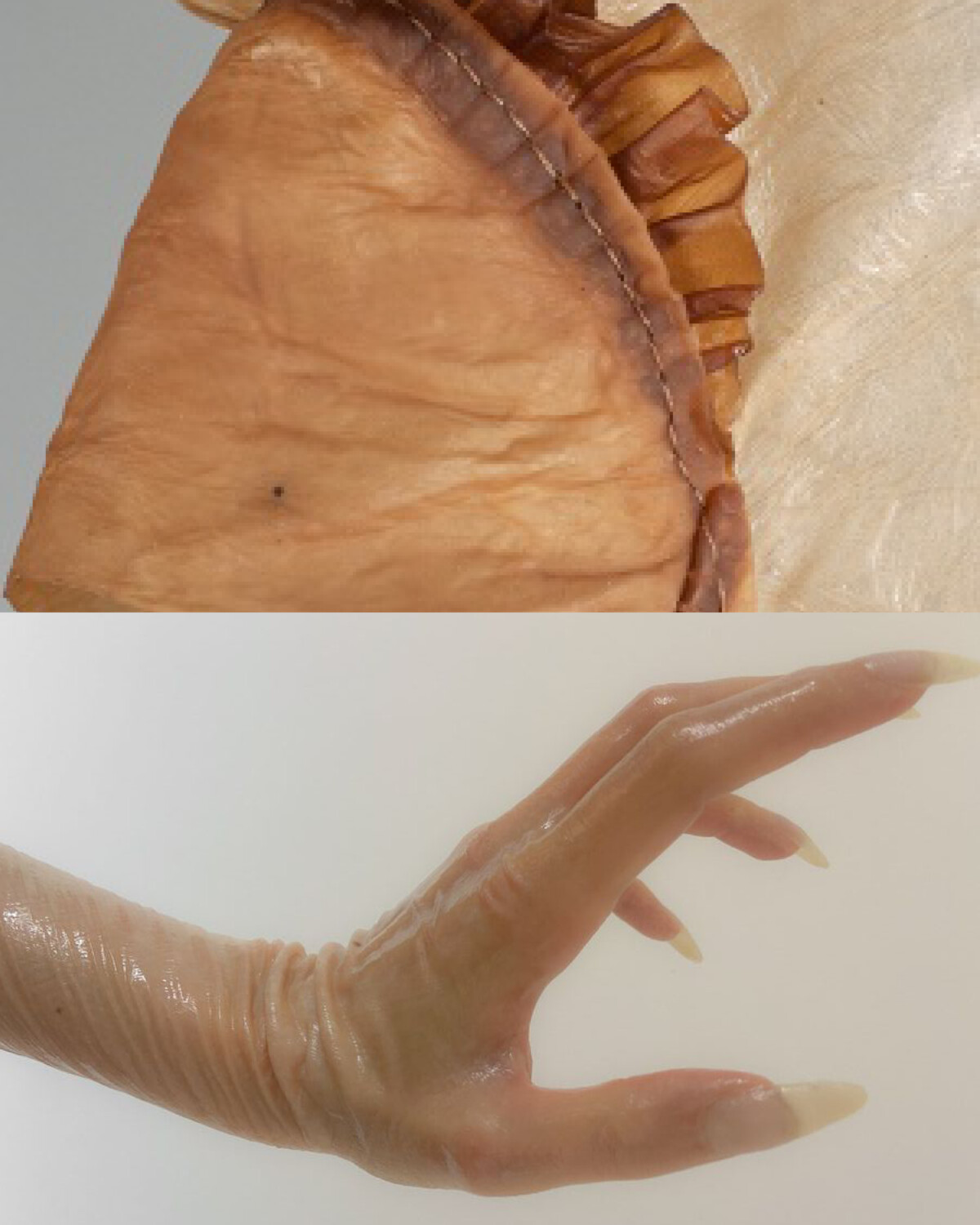
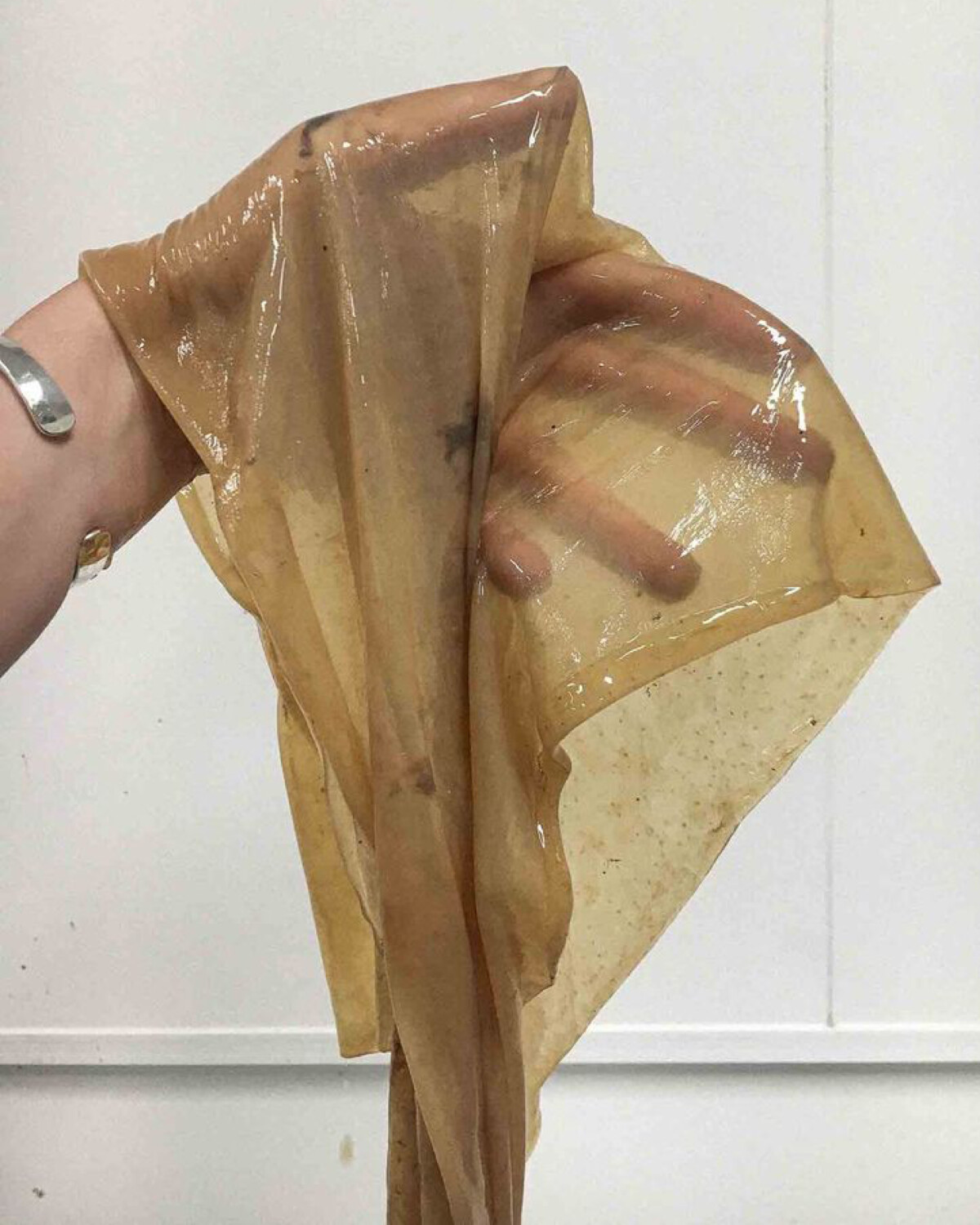
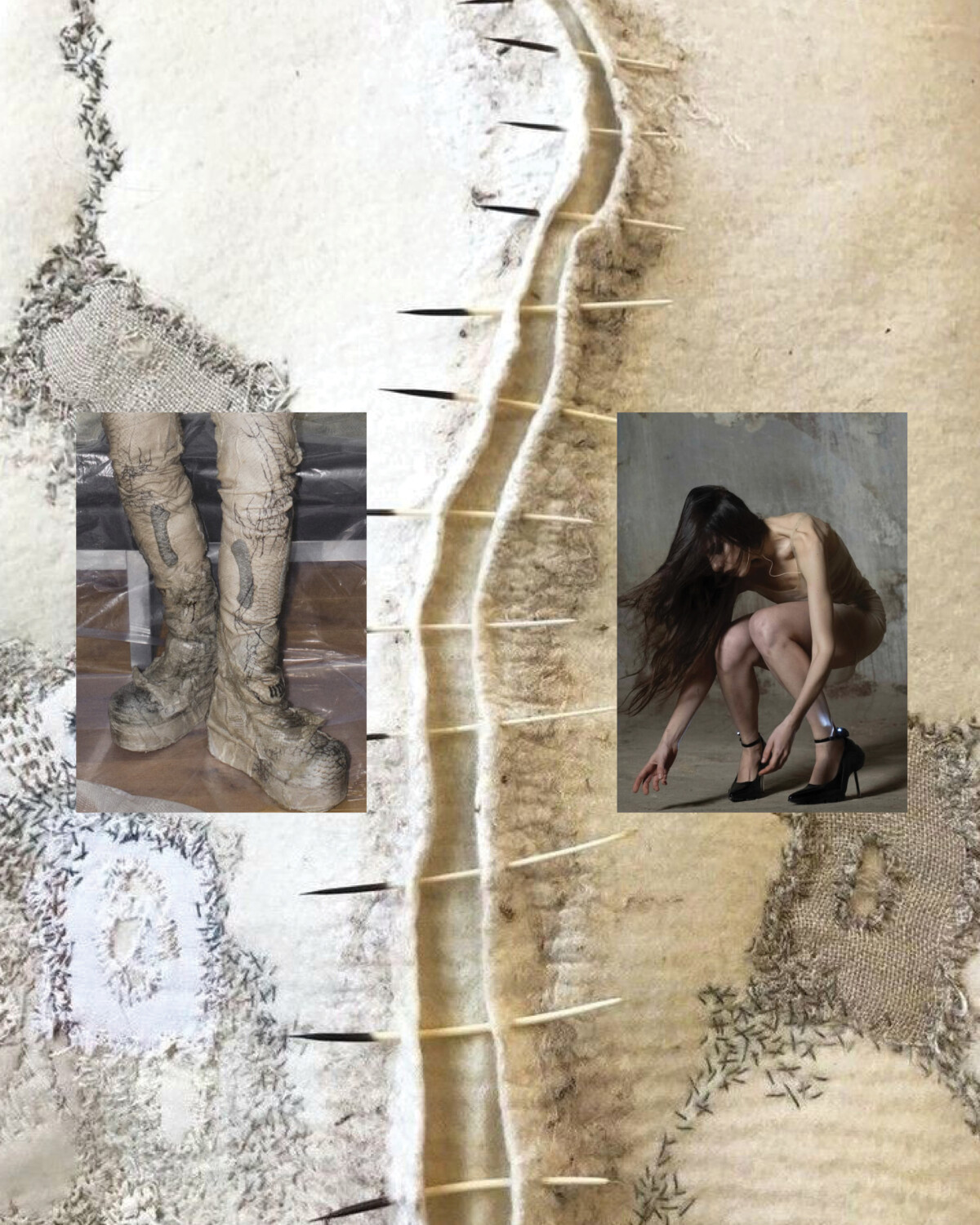
The logic of conventional production is ownership. You extract material, stabilise it, own it. The garment is an endpoint — finished, fixed, ready to circulate. The supply chain is designed to eliminate contingency. Biomaterials operate on an opposing principle. Kombucha leather ferments in three weeks; the timeline is biological, not industrial. Cellulose sequins are poured, dried, cut by hand — each disc slightly different from the last. Nettle fiber, lifted and layered into something that reads as fur, is spun from a plant that grows as a weed. The process is not scalable by design. Contingency is the point.

The honest question the biomaterial movement has not answered is whether that difficulty translates into structural change or into a new premium. A kombucha jacket is still a jacket that most people cannot afford. A made-to-order cactus bag is still a luxury object. The supply chain that makes fast fashion possible is not touched by any of this. Biomaterials are, at this moment, a design practice — a set of designers working with different conditions, producing different objects. Whether that scales into a different industry, or whether the industry absorbs it as it absorbs everything — rebrands it, prices it up, smooths out the contingency — is not yet determined.

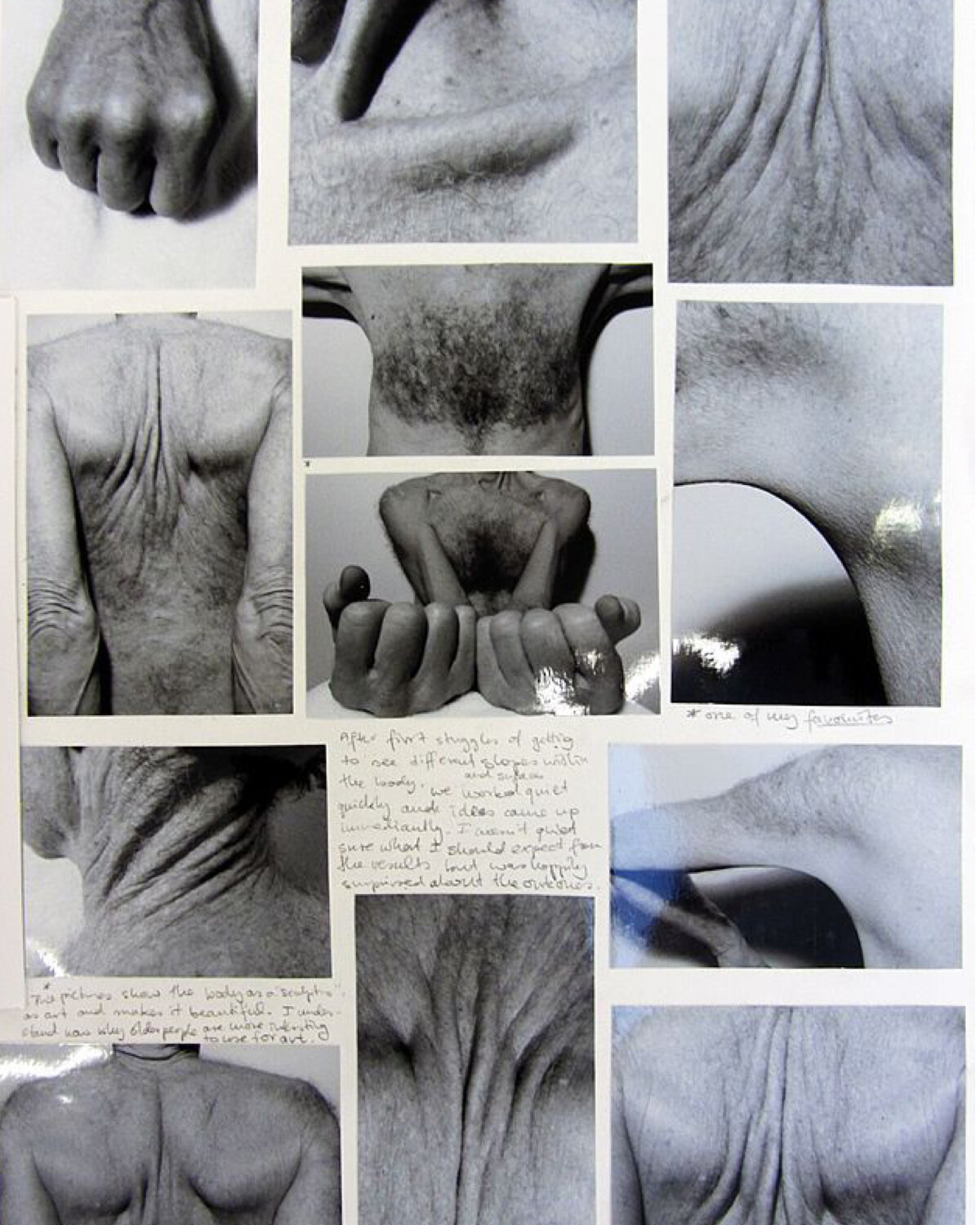
What is already clear is that the garment has changed shape. It is no longer an endpoint. It is a process that the wearer enters partway through and exits before it finishes. The culture has not caught up with that yet. Fashion — the industry, the consumer, the press — still wants the object. What biomaterials offer is the opposite: something that insists on being more than an object, over time, against the system’s preference for things that stay still.

Organic Matter

Credits:

Artist: Suzanne Lee, Janine Gorsche, Lobke Beckfeld, Johanna Hehemeyer-Cürten, Monica Santos Gil’s Santos / @biofabricate, @path_by_janinegrosche, @lobkebeckfeld, @monicasantosgil
Words: Isabella Chiocca / @bambina___0
Visual Editor: Elena Murratzu / @elena.murratzu

You may also like

Clay Muse

Fashion | Exclusive
Suddenly we feel so fragile as we are sculptures made out of clay. Classic art and photography perfectly melted in this series by Julia Morozova styled by Maryna Zadaura.

Static Cold

Fashion | Exclusive
Your mouth, these words and finally silence. A fashion story photographed in Tokyo by Hiroaki Aoi.

Powerdrive

Fashion | Exclusive
Power shines the moon while light ain't all that fast. Sofiia at Brave Models shot by Marco Giuliano and styled by Anca Macavei.