In 2026, anyone can exhaust a body in a car park with a six-figure watt system and call it a festival. The question was never where to dance , it was always why a specific place changes what the music does to you. This is not a travel guide. It is a map of tensions: architecture against body, isolation against mass, industry against nature. We selected. Everything else is noise. The electronic music festival has always been a convenient alibi for escapism, for excess, for the vague promise of something more. In 2026, that alibi is no longer sufficient. What remains, stripped of the hype and the algorithmic curation, is something more fundamental: the encounter between a body and a space, mediated by sound. The location is the argument. A former coal and coking plant, a baroque garden, an alkaline desert, a motorway flyover each one imposes its own logic on the music played within it and on the people who come to listen. The best festivals understand this. The rest are logistics operations with a lineup attached. Our selection is built around a single premise: that the where and the why are inseparable and that choosing where to dance in 2026 is still, despite everything, a decision with consequences. We have mapped the season by tension, not geography. Seven categories, thirty-five events, one position. Take it or leave it.


The Pulse of the Night / Helang
Music | Interview
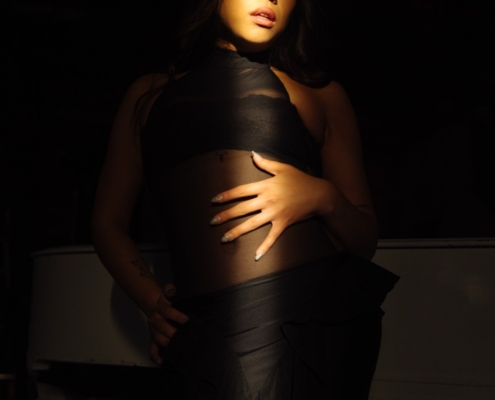
Helang is part of a new wave of electronic artists who balance vulnerability with power, drawing on her cross-cultural upbringing between America and China to create music that is both fiercely independent and emotionally charged. A classically trained pianist turned DJ, producer, and label founder, she has carved out her own lane in a scene that often resists definition.