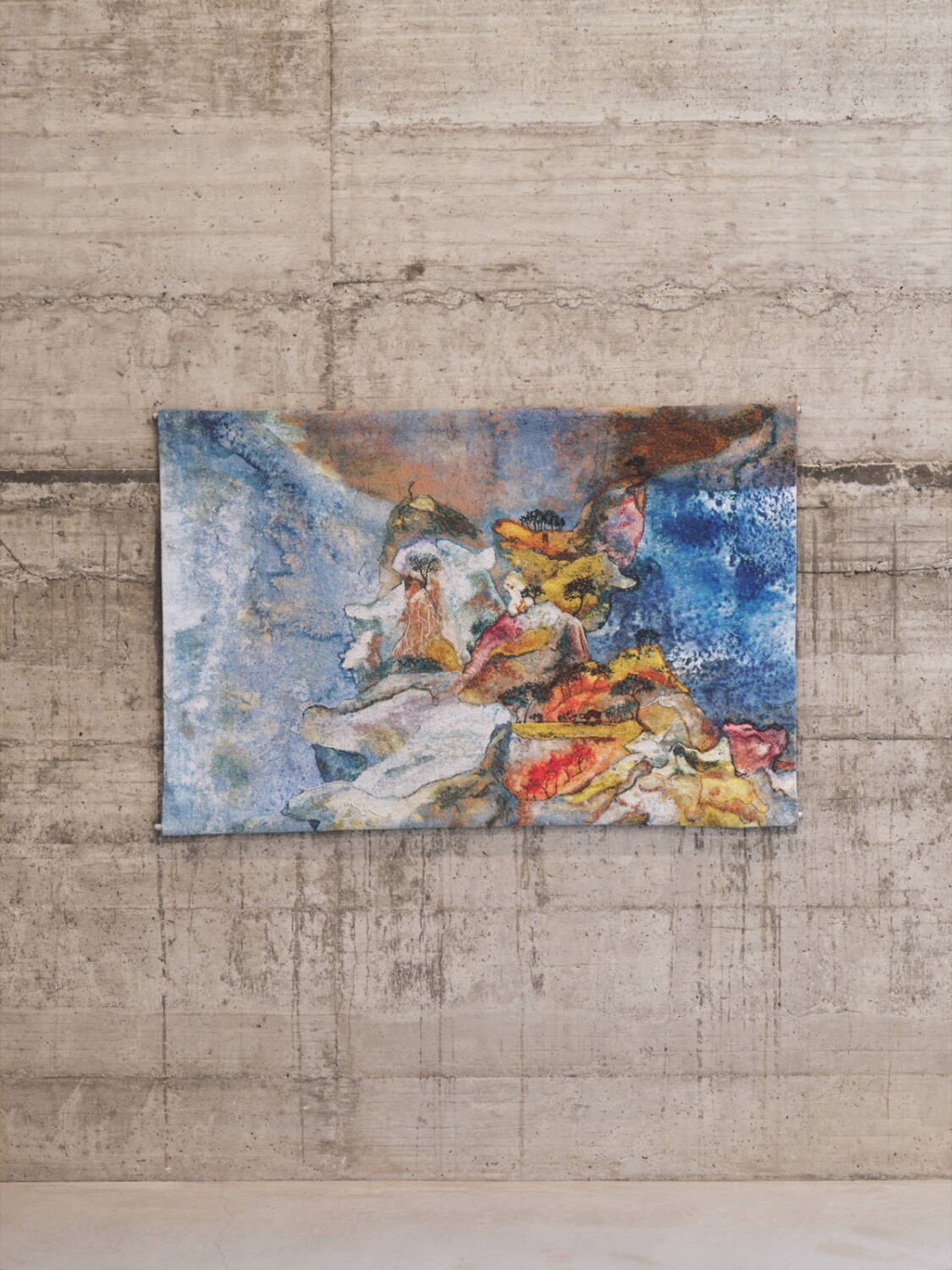
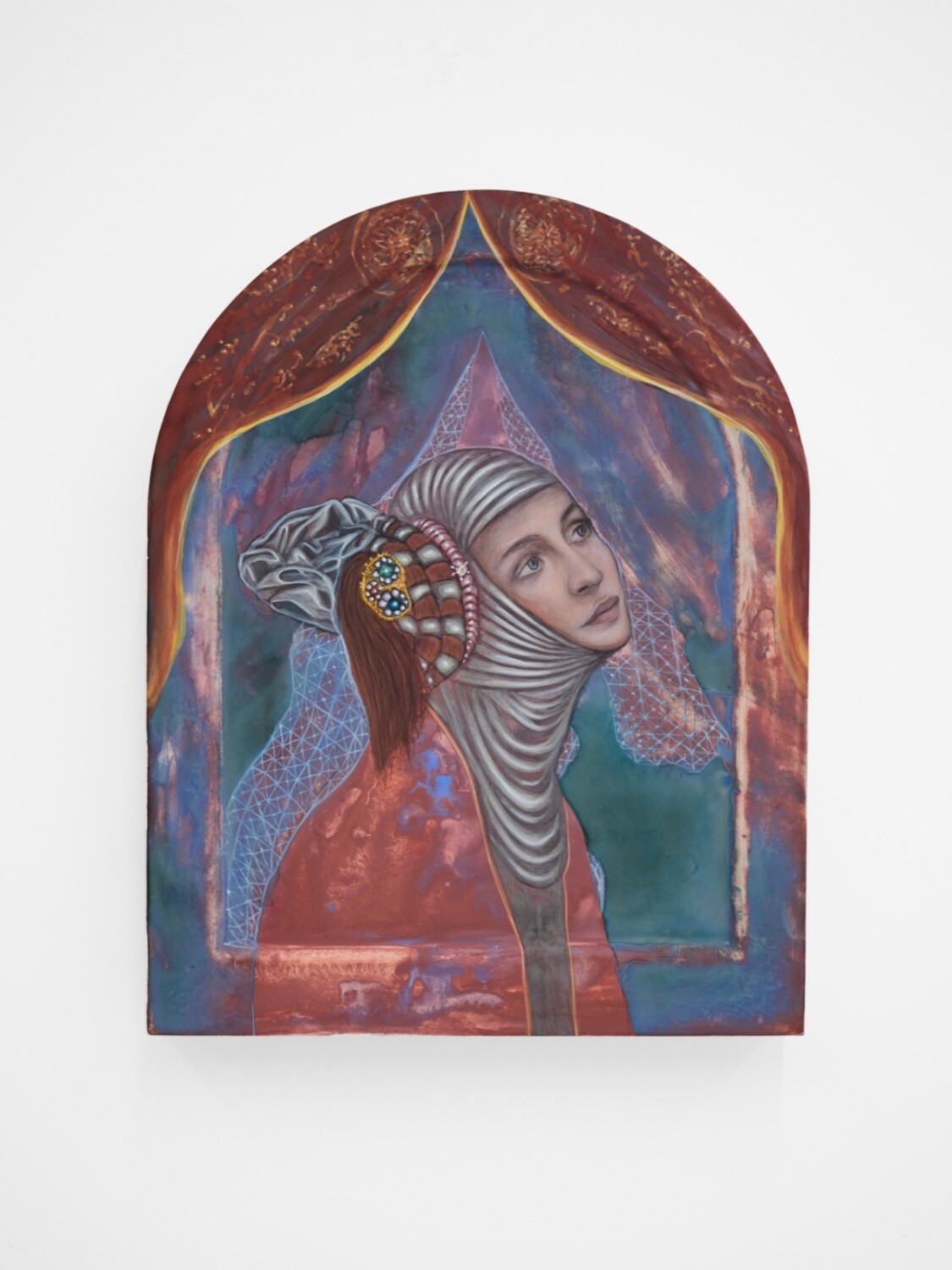
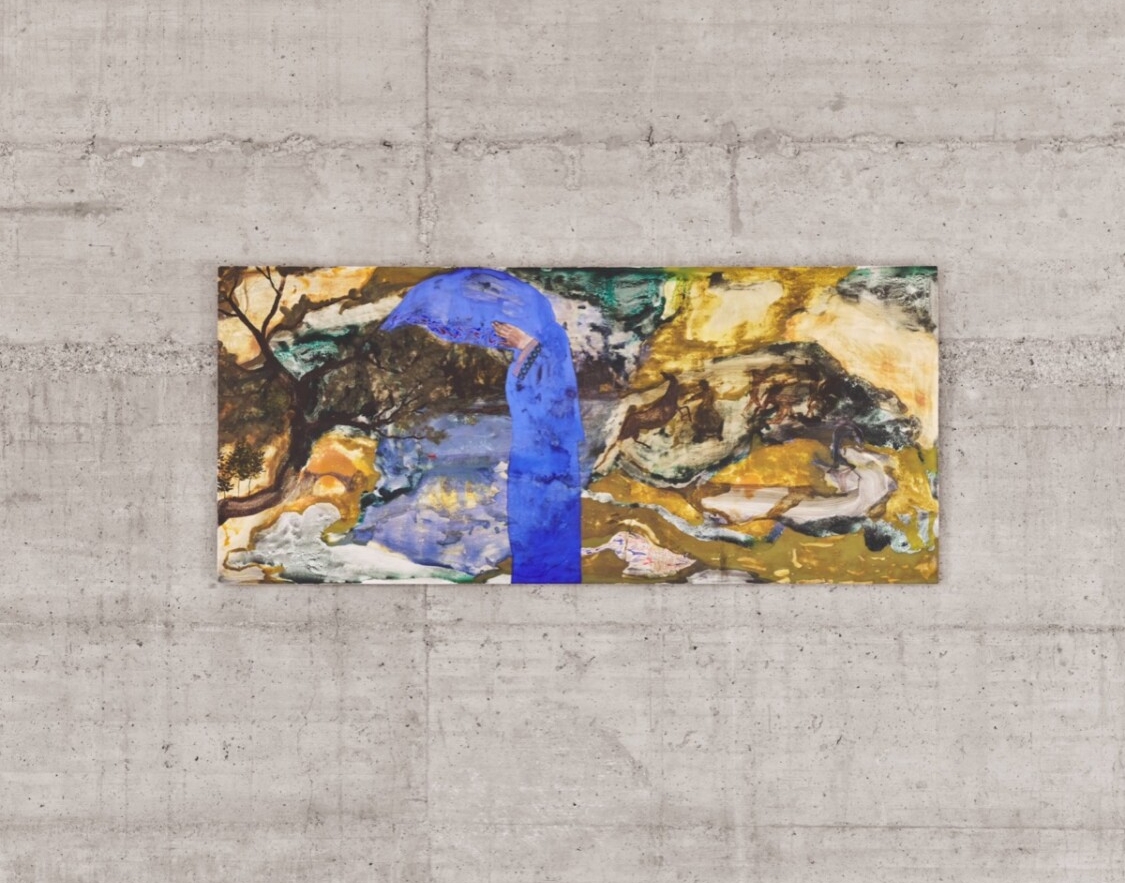
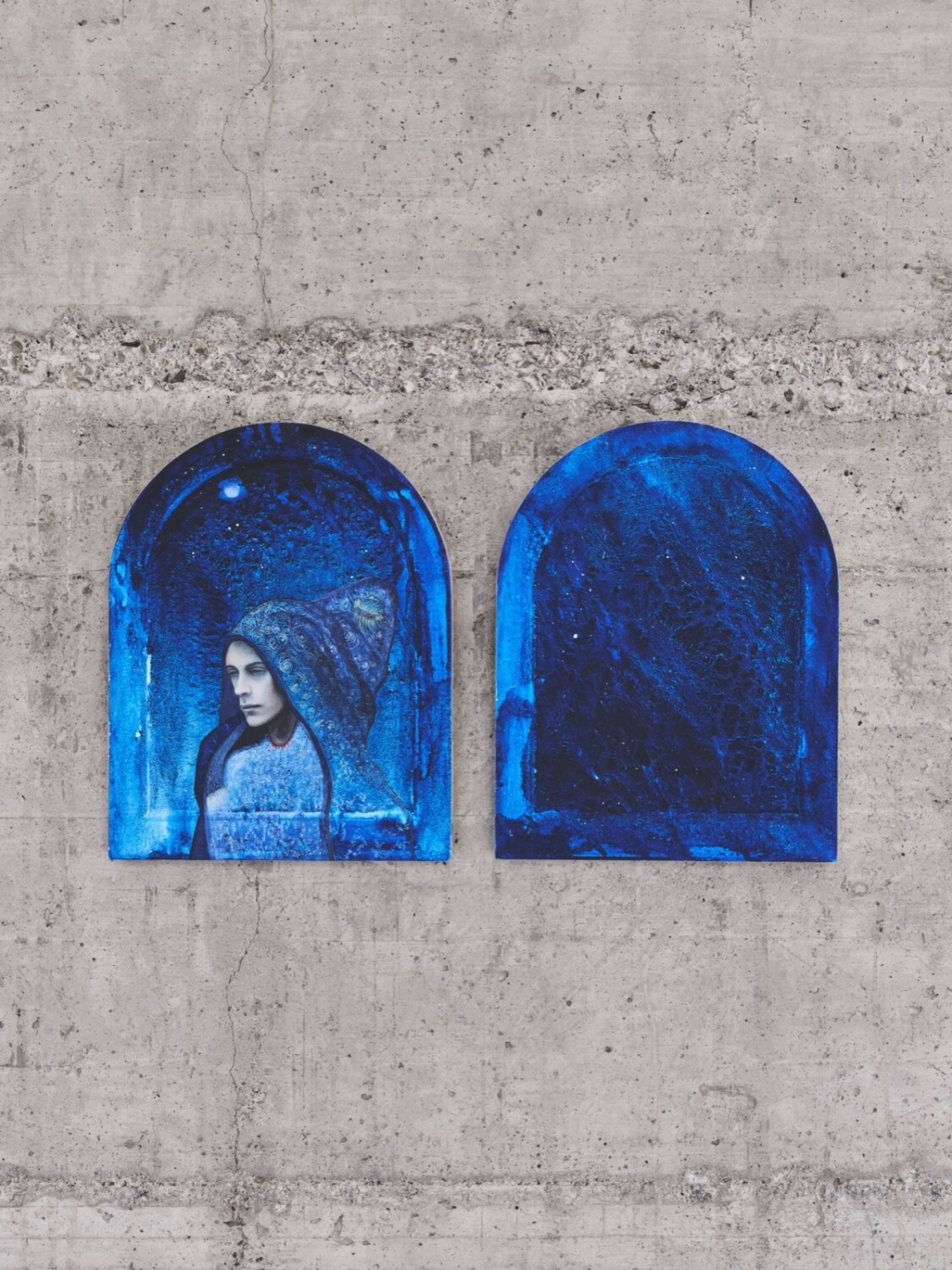
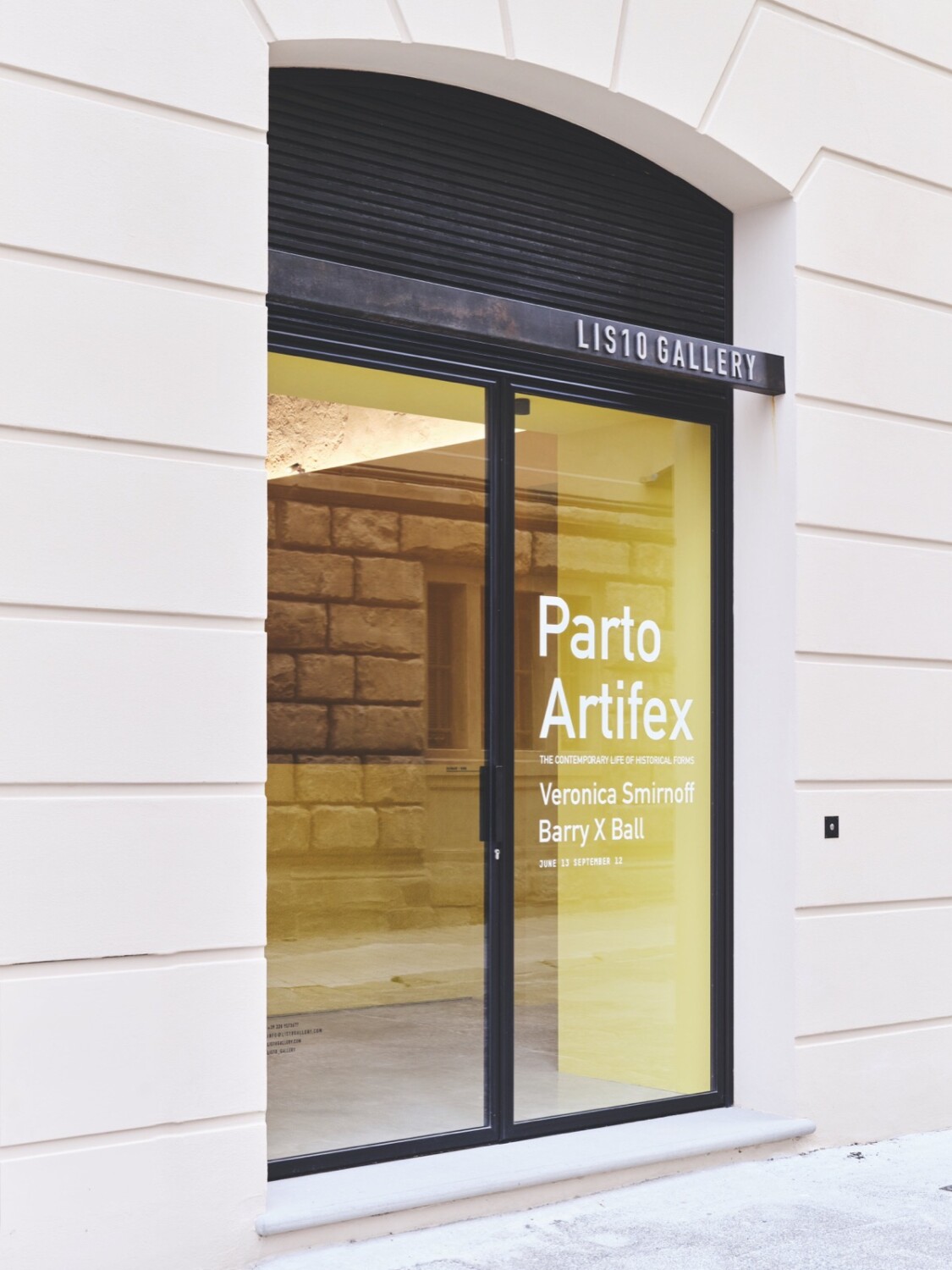
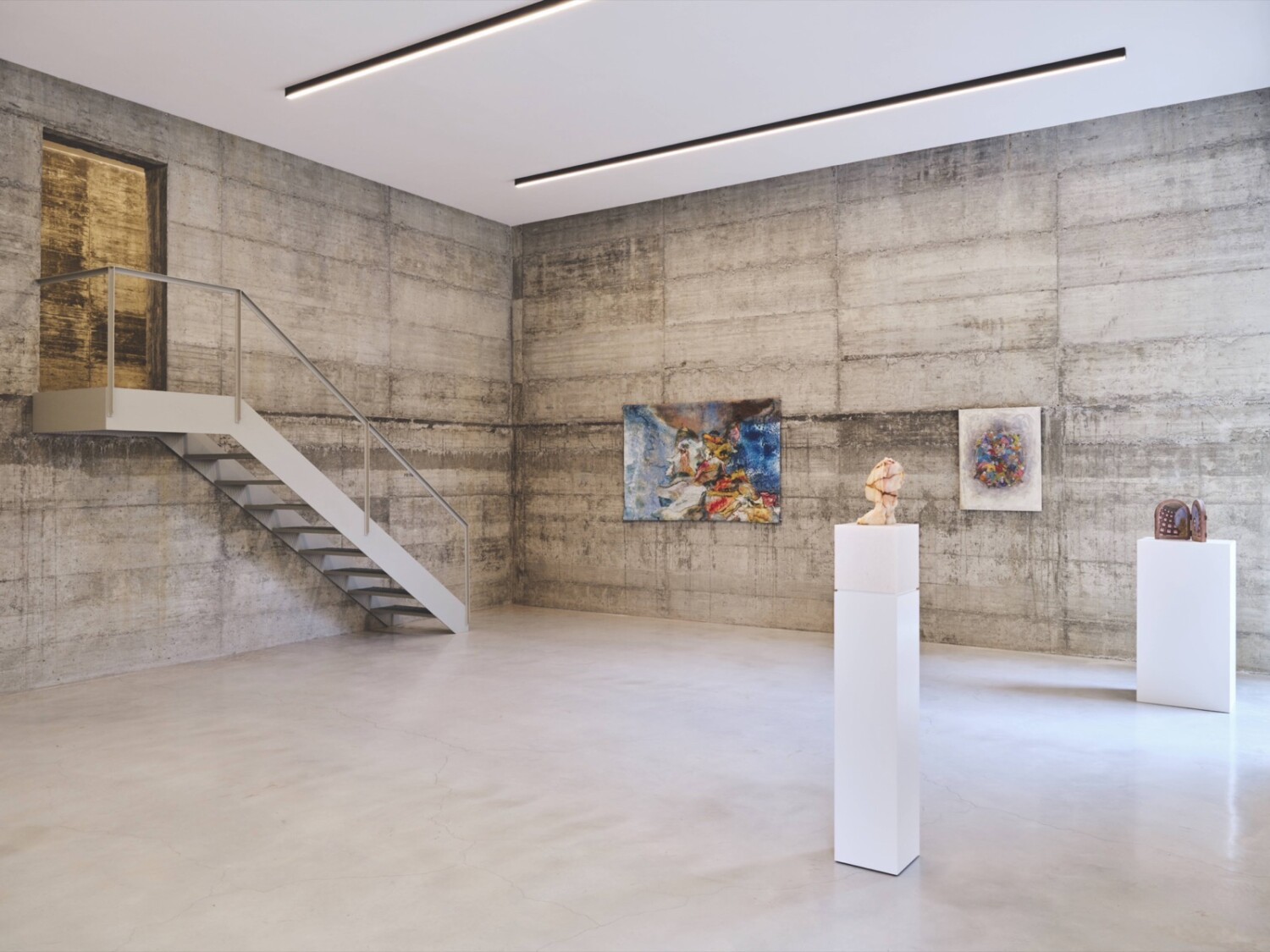
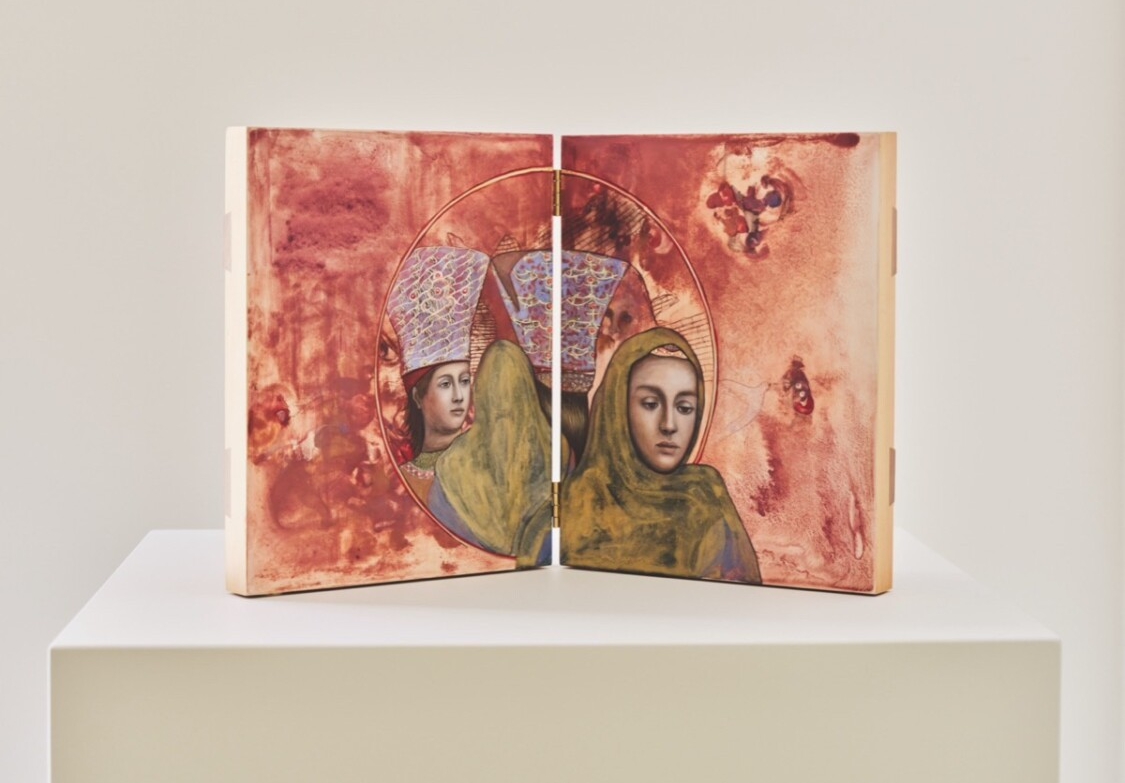
In Arezzo, centuries-old history has not frozen in time. It looks down at us from the heights of ancient buildings, breathes through stone walls, and returns to us through every detail of the city. AT LIS10 Gallery, the exhibition Parto Artifex: The Contemporary Life of Historical Forms, curated by Maria Abramenko, stages this return with unsettling elegance, bringing together Veronica Smirnoff and Barry X Ball in an exhibition where the past is neither quoted nor revered from a safe distance, but becomes alive and mutable once again. The show places Smirnoff’s paintings and tapestries alongside Ball’s sculptures as if they were two different facets of the same passion: an exploration of how form survives, mutates, and continues to speak after centuries of use. The persuasiveness of Parto Artifex lies in its refusal of the deathly polished art-historical homage. Instead, it is built on friction: permanence against ephemerality, scientific precision against mystical possibility, canonical inheritance against artistic invention. Here, nothing settles for long into a stable interpretation. The viewer is denied the luxury of certainty; looking becomes a state of constant recalibration, a slow acceptance of ambiguity. And this instability is not a flaw in the exhibition’s logic, but its central temptation. Smirnoff appears like a light gust of wind that somehow rearranges the entire space. Her practice, shaped by deep and ongoing inner dialogue with Piero della Francesca, does not so much imitate Renaissance clarity as haunt it from within. Her fascination with Piero’s geometry, perspective, and restraint goes hand in hand with the artist’s desire to turn the viewer, through her works, into an active participant in the very act of seeing. In Arezzo, where The Legend of the True Cross is literally only a few steps away from the gallery, and where the Madonna del Prato emerges as a spiritual predecessor, Smirnoff’s figures seem like a continuation of a centuries-old story: veiled women, archetypal bodies, fragments of sacred theatre resurfacing through blue mists and compressed spaces suspended somewhere between icon and dream.
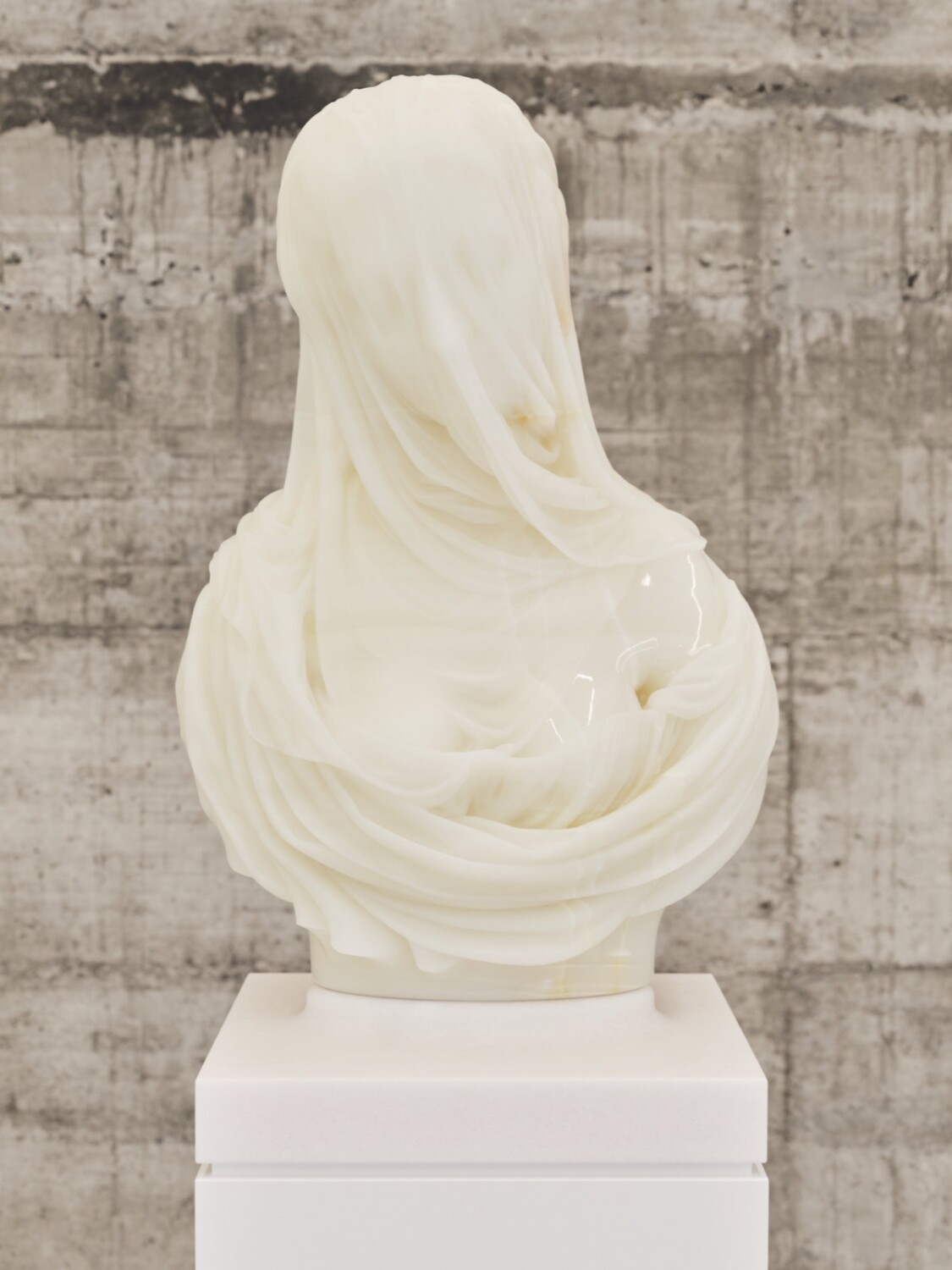
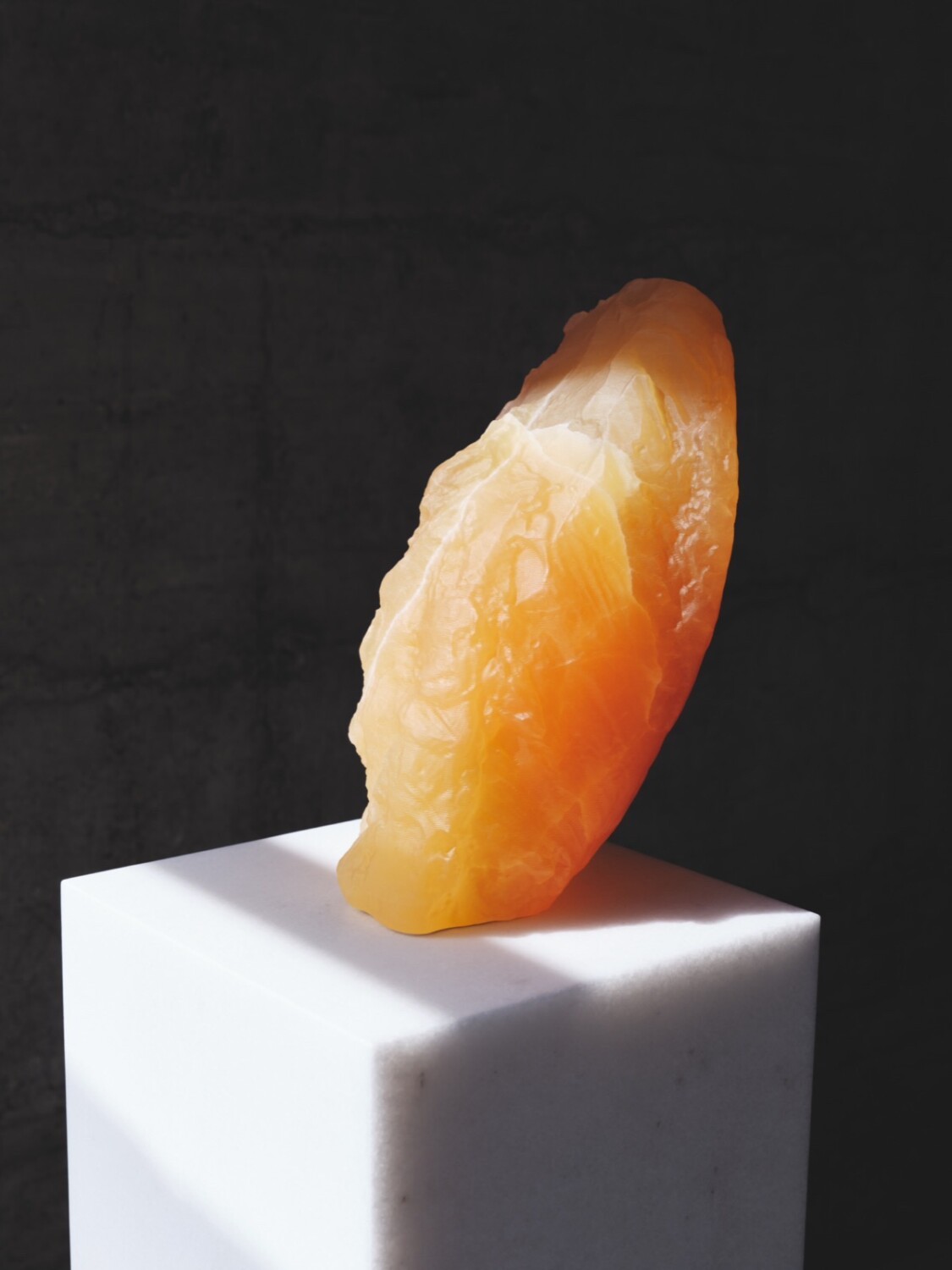
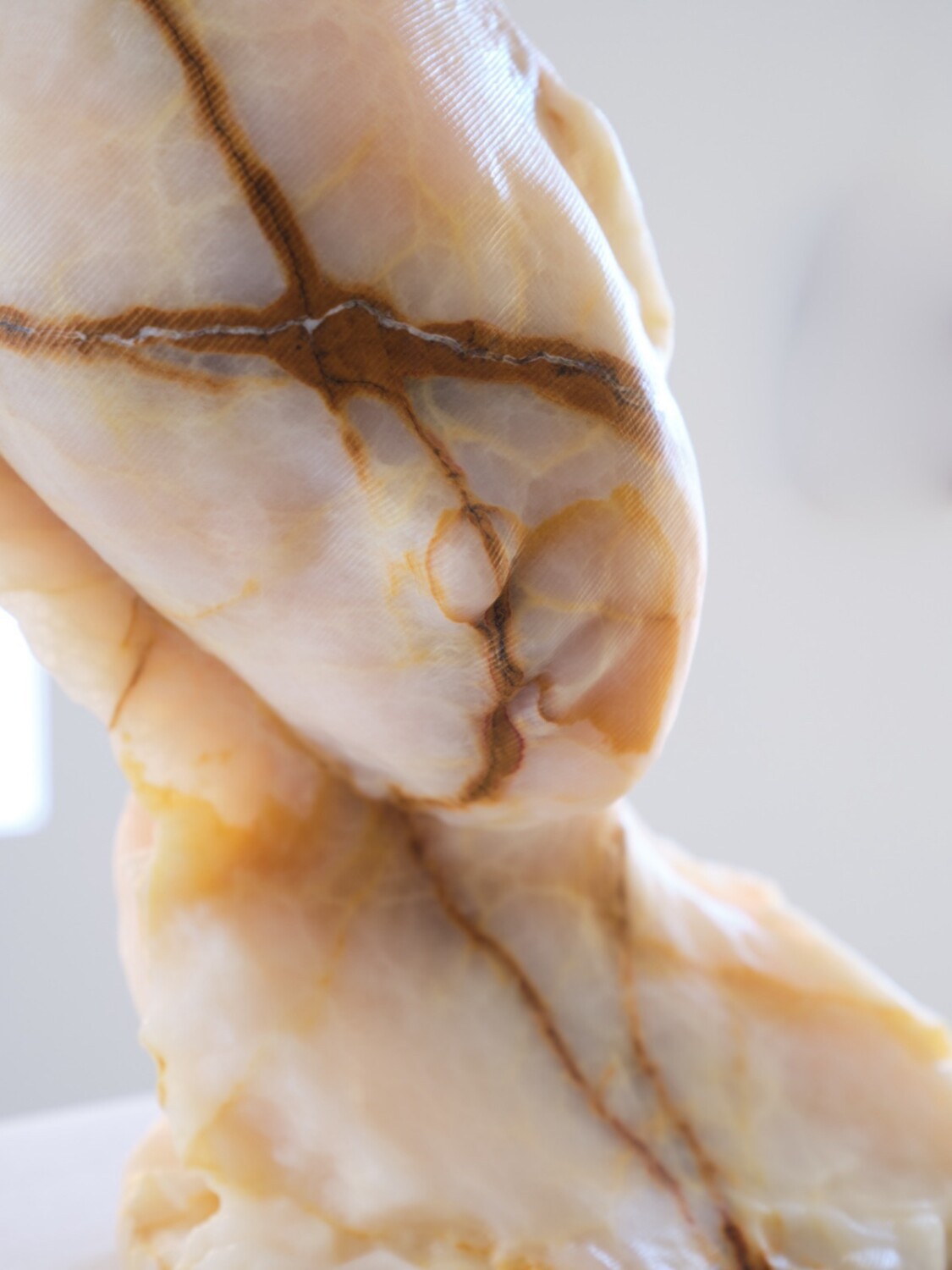
There is something exquisitely controlled in her refusal of emotional exaggeration. And yet emotion is everywhere here, built into the architecture of the image. In The Girl, the body opens simultaneously toward metaphor and maternity, becoming a flower, an egg, a mandorla, or a prophecy. In other works, such as Evening Annals and Strecosa, Smirnoff weaves personal mythology into the grammar of the Quattrocento, preserving its archetypal calm while allowing psychological weather to gather beneath the surface. Her paintings do not demand attention by force; they hold it by creating a silence powerful enough to technological acceleration: images that ask not to be consumed, but contemplated. If Smirnoff softens the visible world into a metaphysical threshold, Barry X Ball cuts through matter until it begins to tremble. His sculptures in onyx, calcite, and marble are born from a hybrid process combining photographic archives, 3D scanning, digital modelling, robotic milling, and obsessive hard-finishing. Such a fusion of ancient mineral and post-industrial precision could have resulted in something merely spectacular. Instead, Ball creates objects whose beauty feels unstable, as if their surfaces were still deciding what they should remain: flesh, data, or light. Ball’s dialogue with Medardo Rosso is especially revealing: if Rosso dissolved form through layering and blur, Ball removes matter until certainty itself begins to dissolve. And yet his sculptures are not cold demonstrations of technical mastery, despite the almost mythical control with which they are made. They are intimate, wounded, and unbearable in their vulnerability. In Sick Child, veined Mexican onyx becomes both scar and mineral memory; the material seems ot so much to contain the figure as to have grown it over geological time. In Madam X, the portrait shifts toward landscape, relic, ghost. Ball’s engagement with Michelangelo, Bernini, and Rosso never feels like quotation for quotation’s sake. He takes canonical bodies and sends them through a digital afterlife, where perfection is no longer stable and virtuosity becomes a way of exposing fragility.
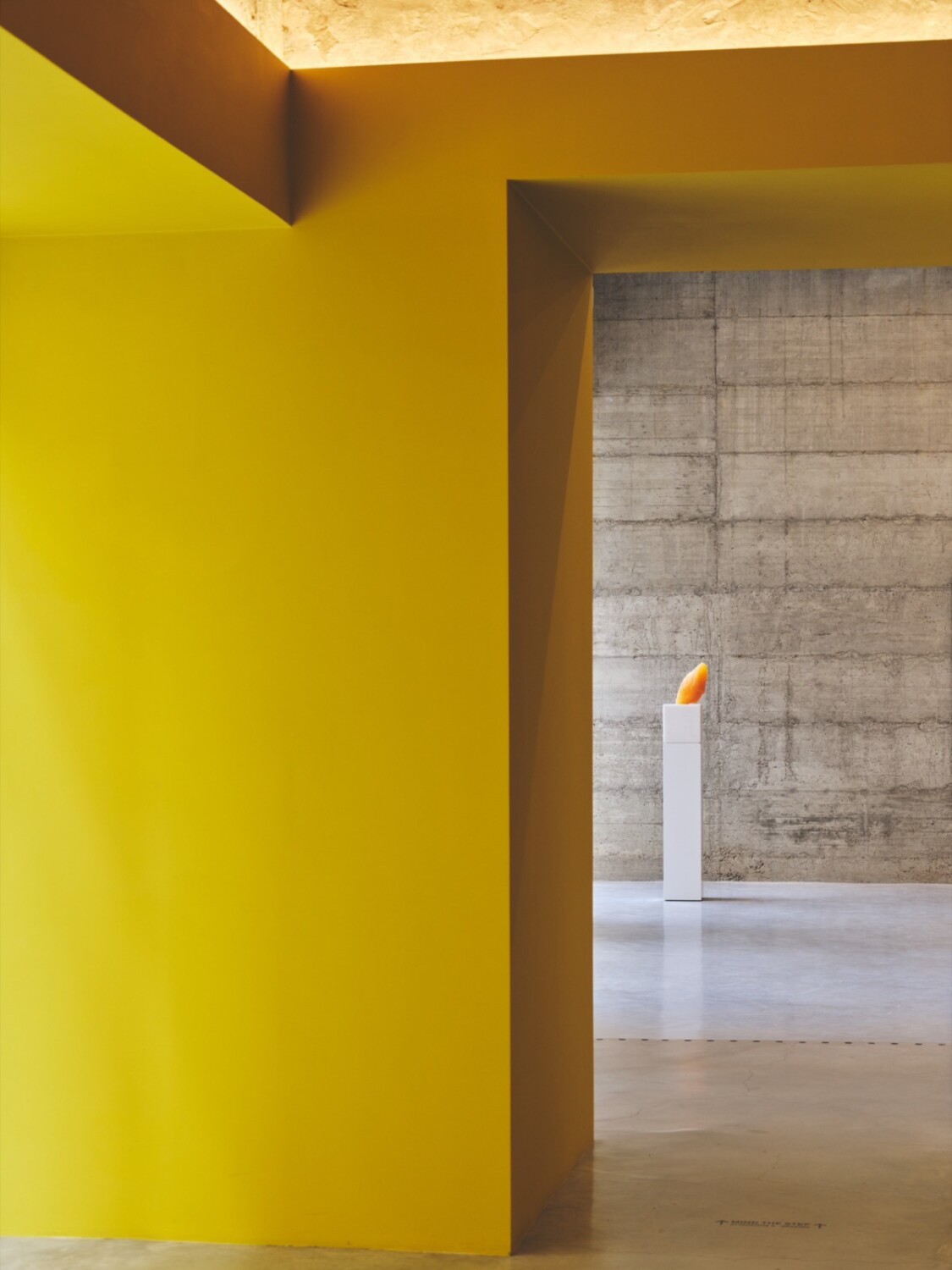
What lifts Parto Artifex beyond the level of an elegant dialogue between two artists is the way Arezzo itself becomes an active medium of the exhibition. The interiors of LIS10 Gallery, with their exposed concrete, function not merely as a backdrop: they act as a severe contemporary shell, reconnecting the exhibition with Roman engineering, Renaissance order, and the monumental line of Italian art. In this space, Smirnoff’s layered tempera and Ball’s digitally carved stone appear less opposed than mirrored in one another. One is a beautiful anachronism; the other, a techno-spiritual rupture. Together, they create what the exhibition originally conceived as a kind of parity. Their works meet in concealment, in veils, in reflection, in the elimination of everything superfluous. Both artists create images that seem to withhold something from us, and this is precisely why they make us stay. This is the true achievement of Parto Artifex: the exhibition understands that historical form is not a corpse to be preserved, but a living instrument that can still be tuned to the present. Smirnoff and Ball revive the past not out of nostalgia. They subject it to pressure, intimacy, technology, maternity, devotion, and alienation. They allow it to crack and shine. In a cultural moment exhausted by speed, irony, and an overabundance of images, this exhibition offers something rare: concentration. Not reverence alone, but activation. It stays with us because it knows that the most contemporary gesture may not be invention from nothing, but the dangerous act of listening closely to what history has not yet finished saying.