On 11 September, Voodoo Village opened under a New Moon.
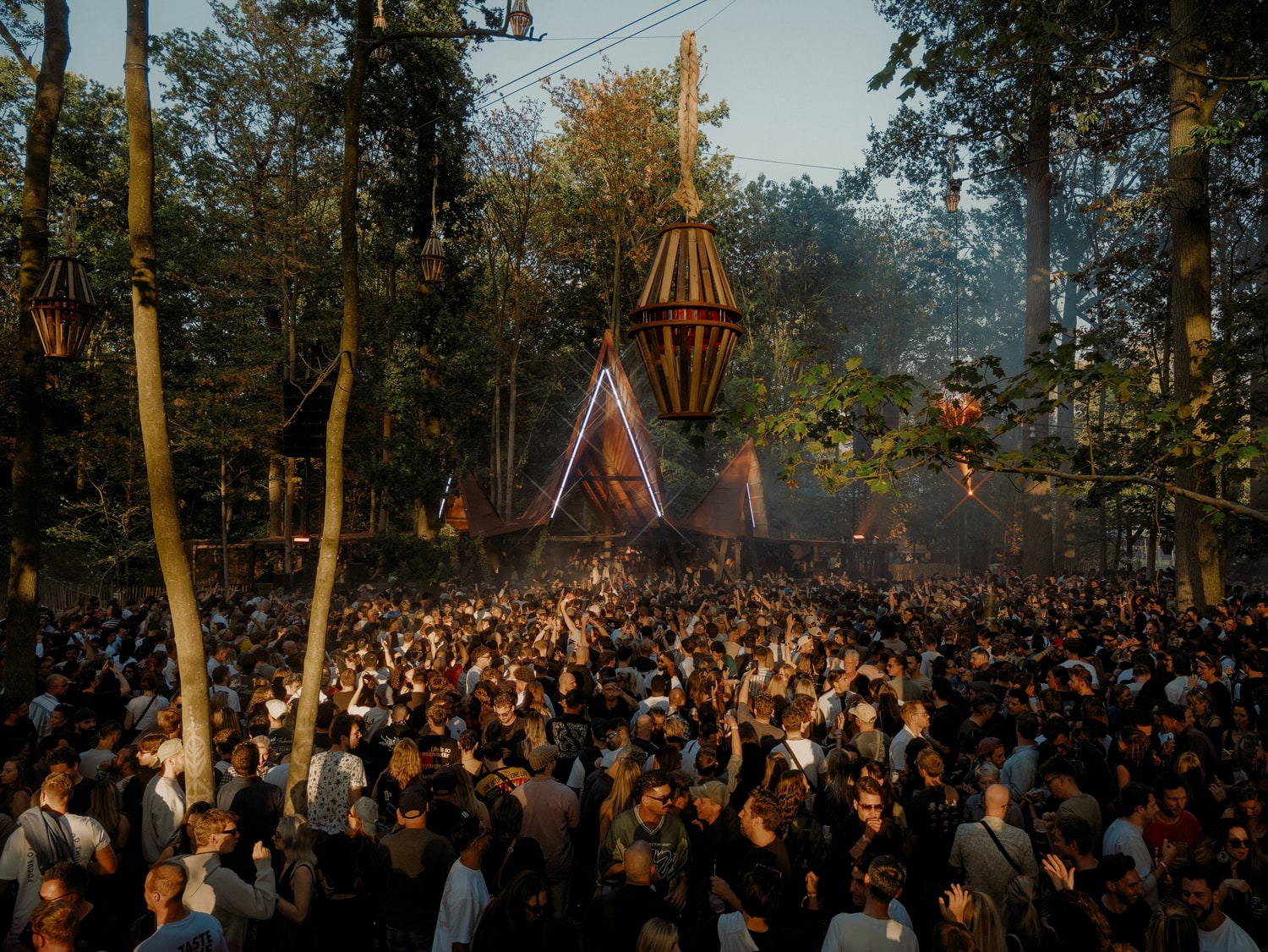
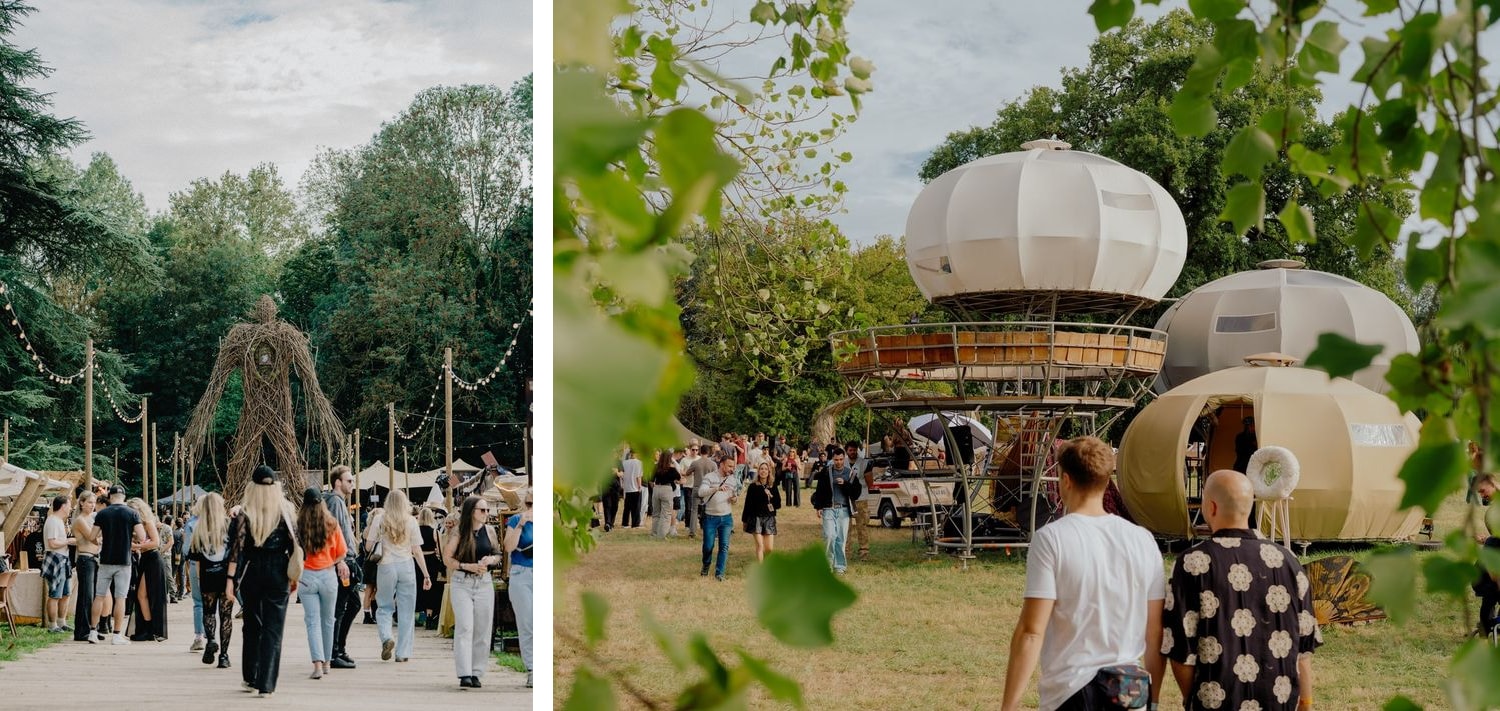
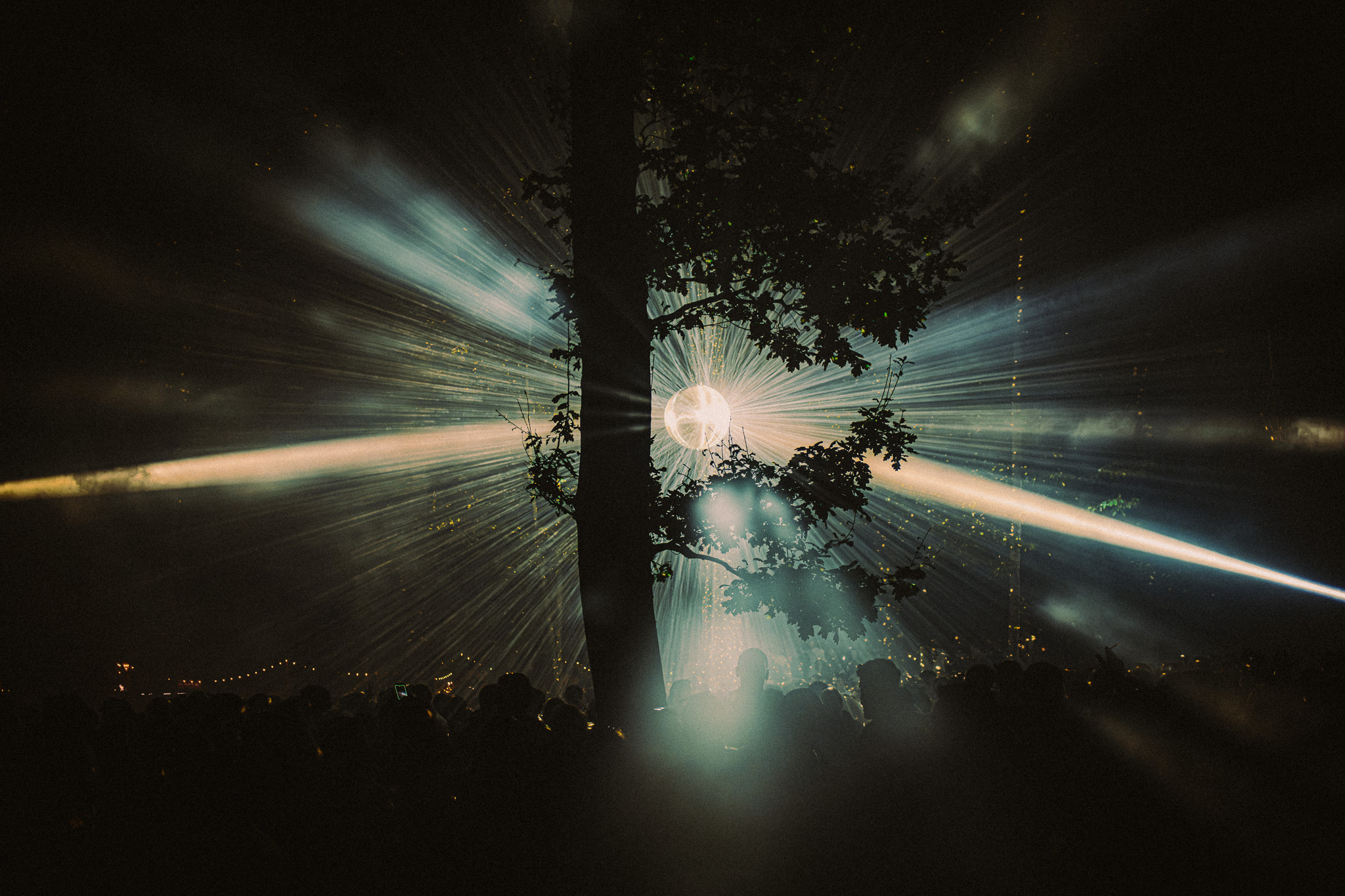
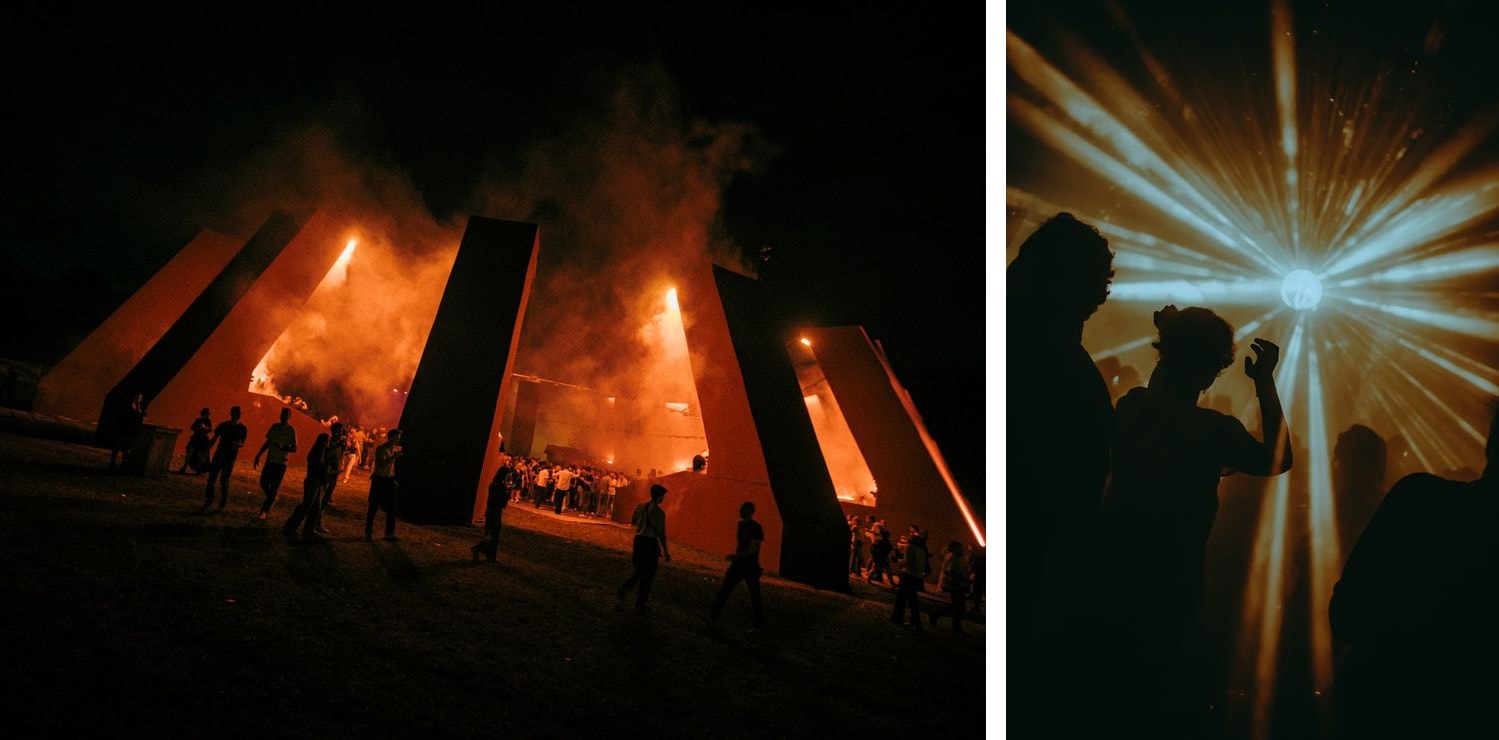
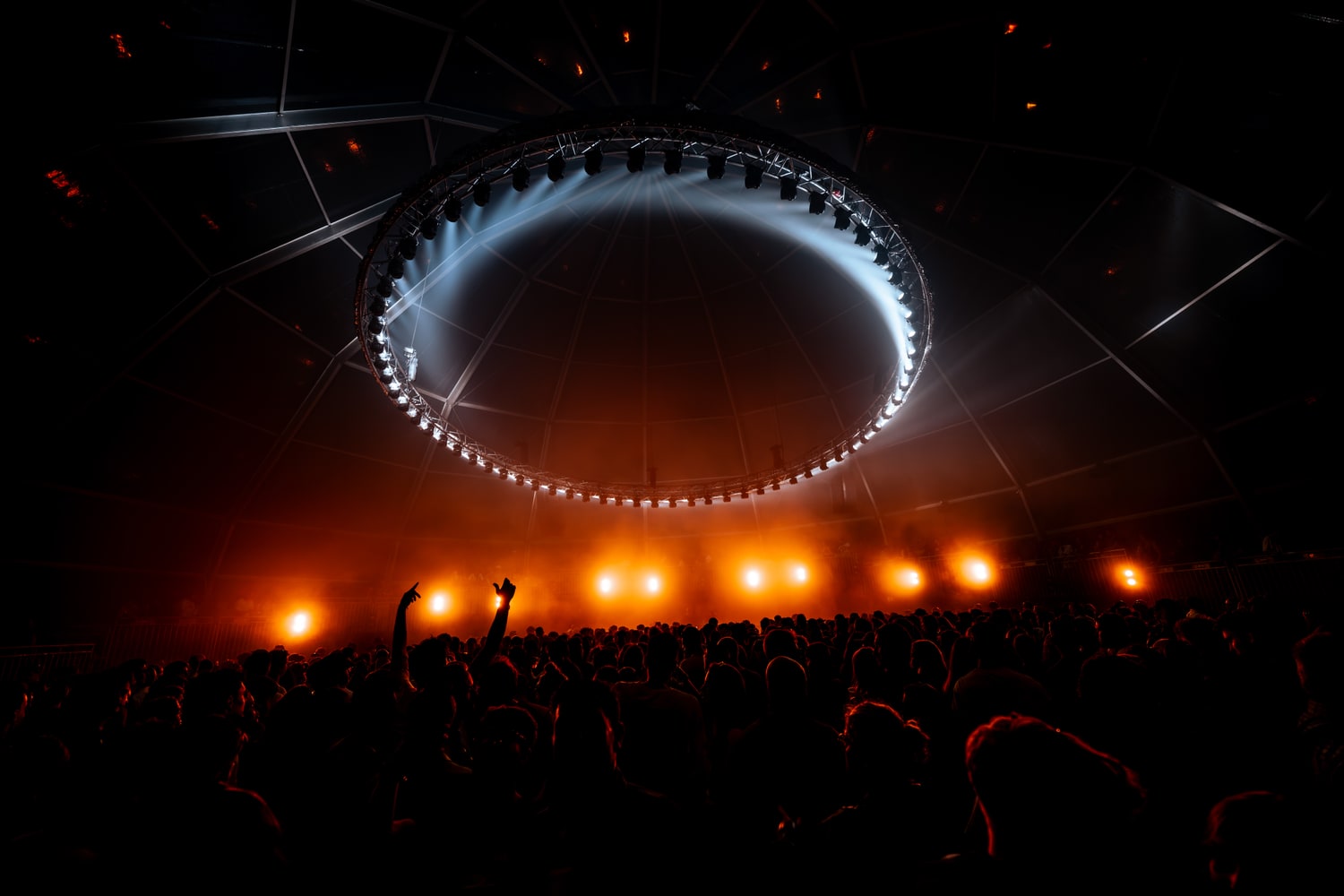
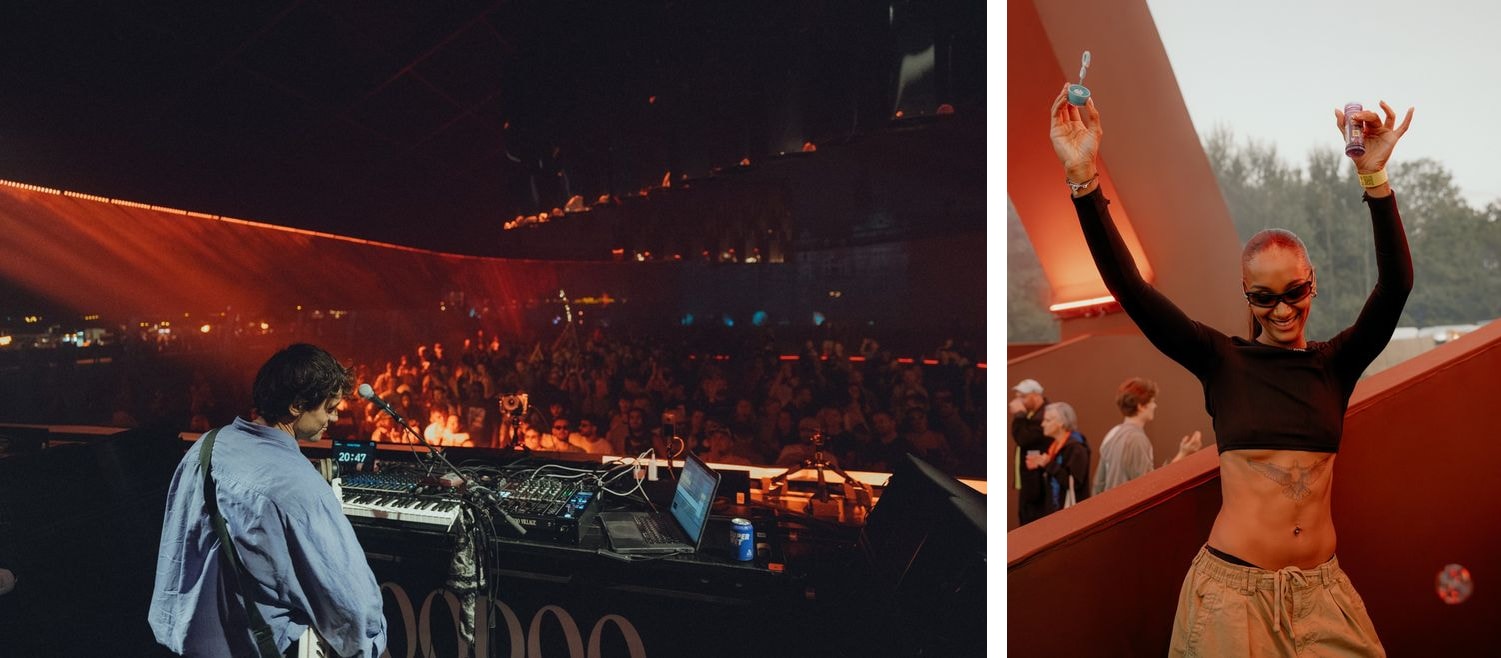
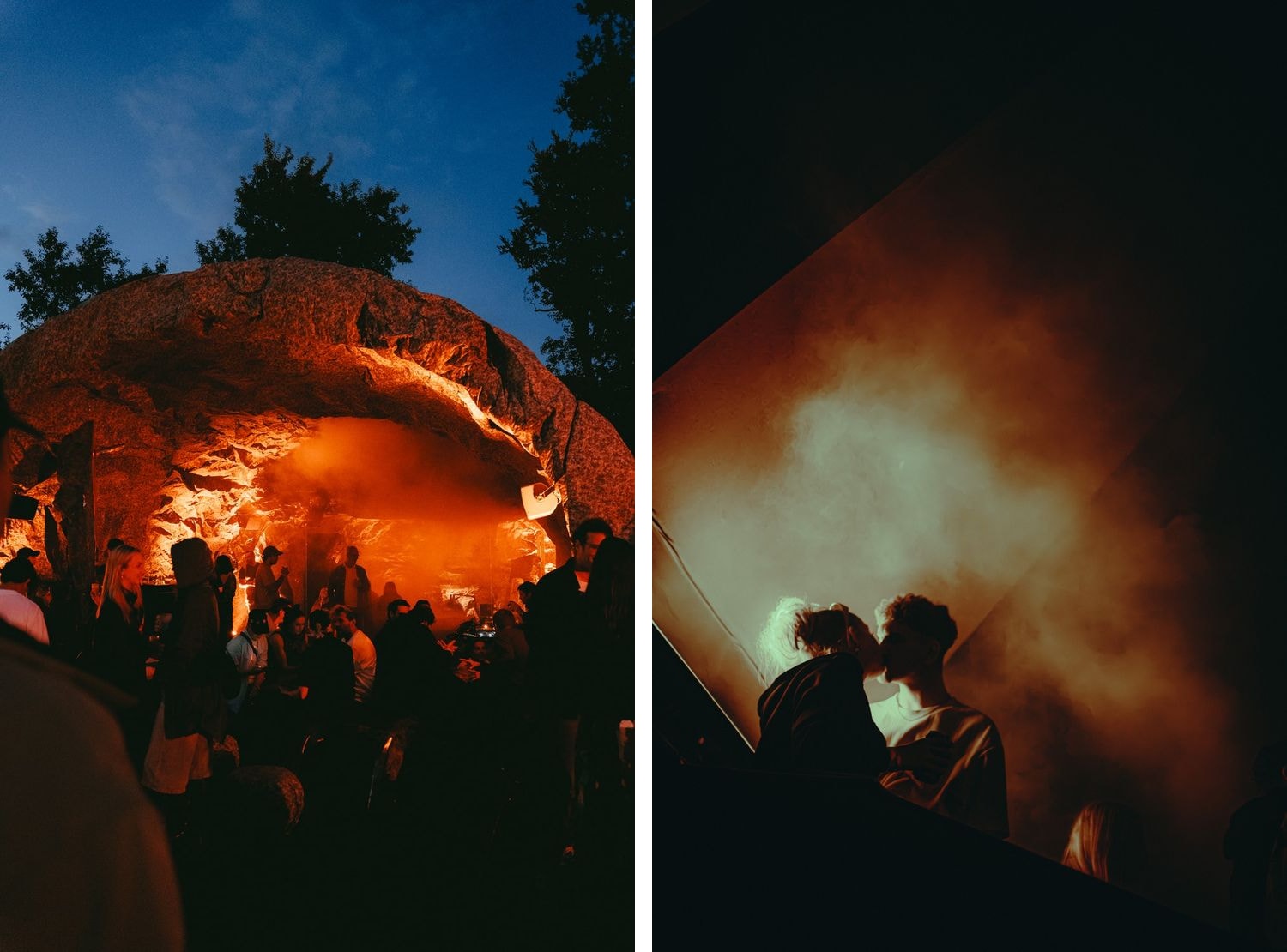
The sky was dark. The forest was awake. For three days, Kasteel van Humbeek became a temporary territory with its own rules. The calendar outside continued to move, but inside the gates, time became something else. Daylight, darkness, bass, bodies, trees. Repeat. The setting did half the work. Golden light cut through the woods during the day before fog, projections and artificial light altered everything after sunset. A giant figure made from branches stood along the pathway, somewhere between forest spirit and guardian. Saddles, tunnels, sculptures, smoke and ritual objects appeared throughout the grounds.
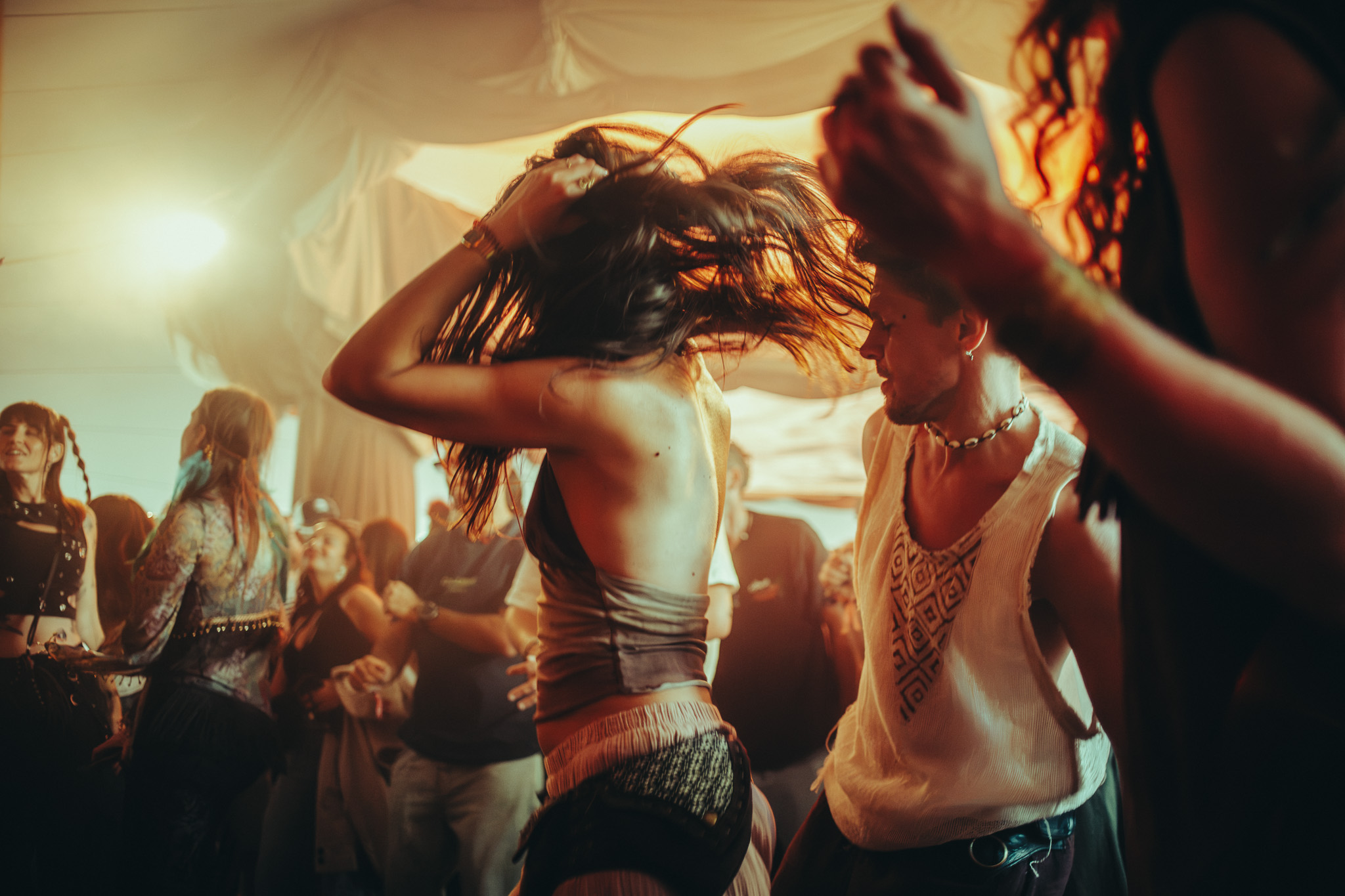
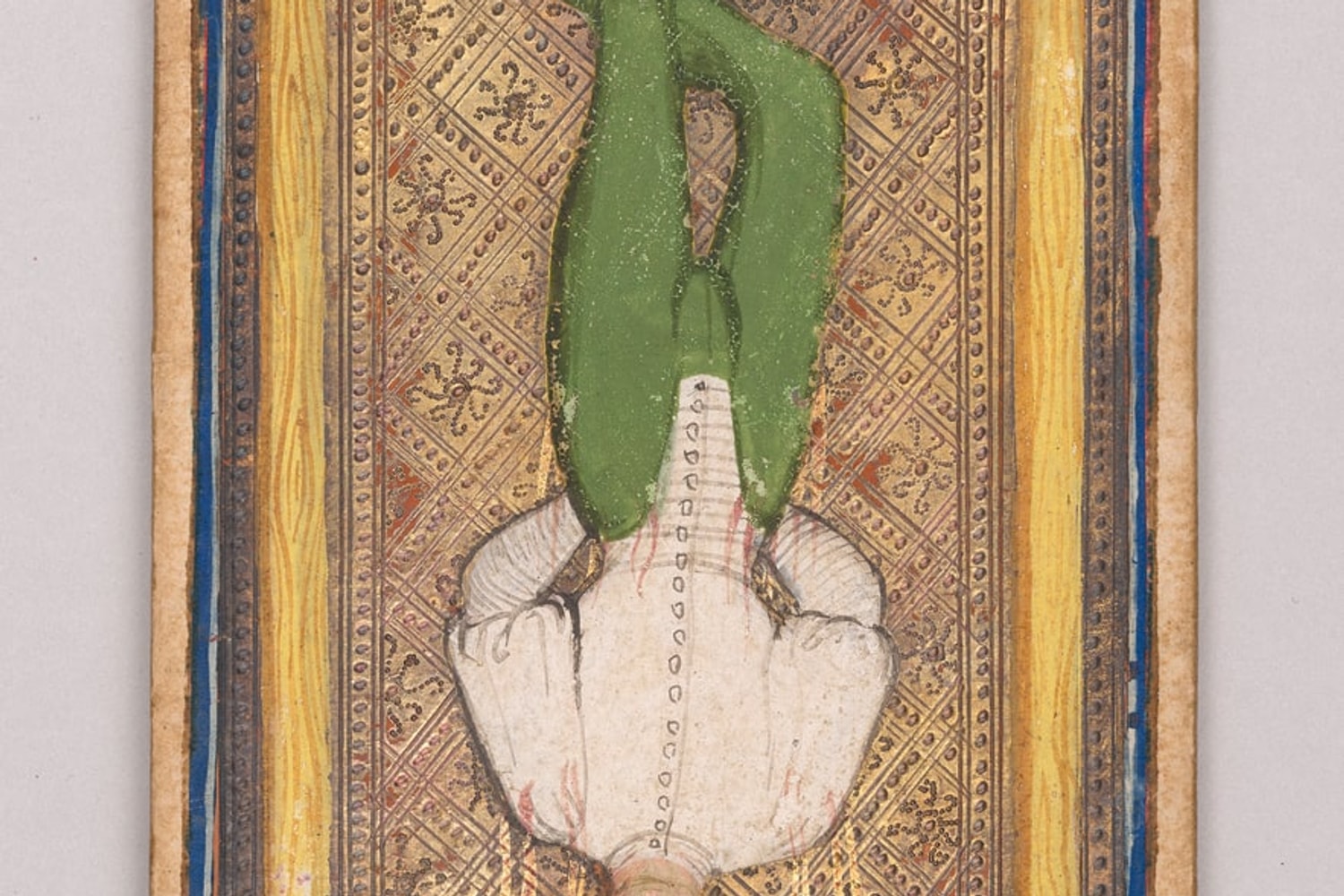
It felt deliberately pagan without pretending to be ancient. A festival built a mythology and invited thousands of people to inhabit it. The Voodoo Market extended the world beyond the stages, with handmade clothing, jewellery, fabrics and objects. Tarot readings and henna introduced smaller rituals. At the Memory Altar, people stopped long enough to preserve a fragment of the weekend. At The Oracle, music and performance moved into a more intimate territory, with Sinego and Mushina creating a space for slower attention.