A New Mythology
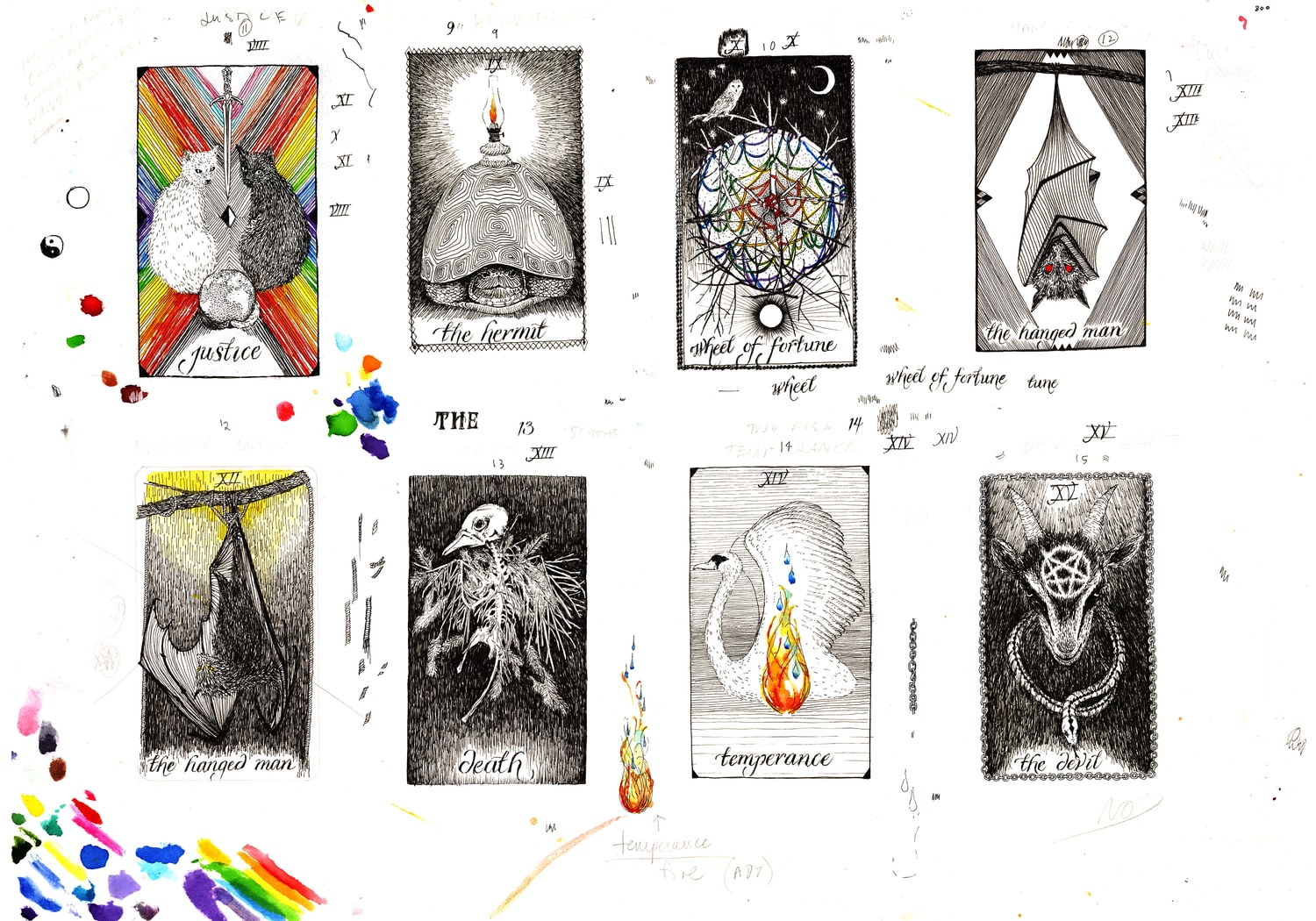
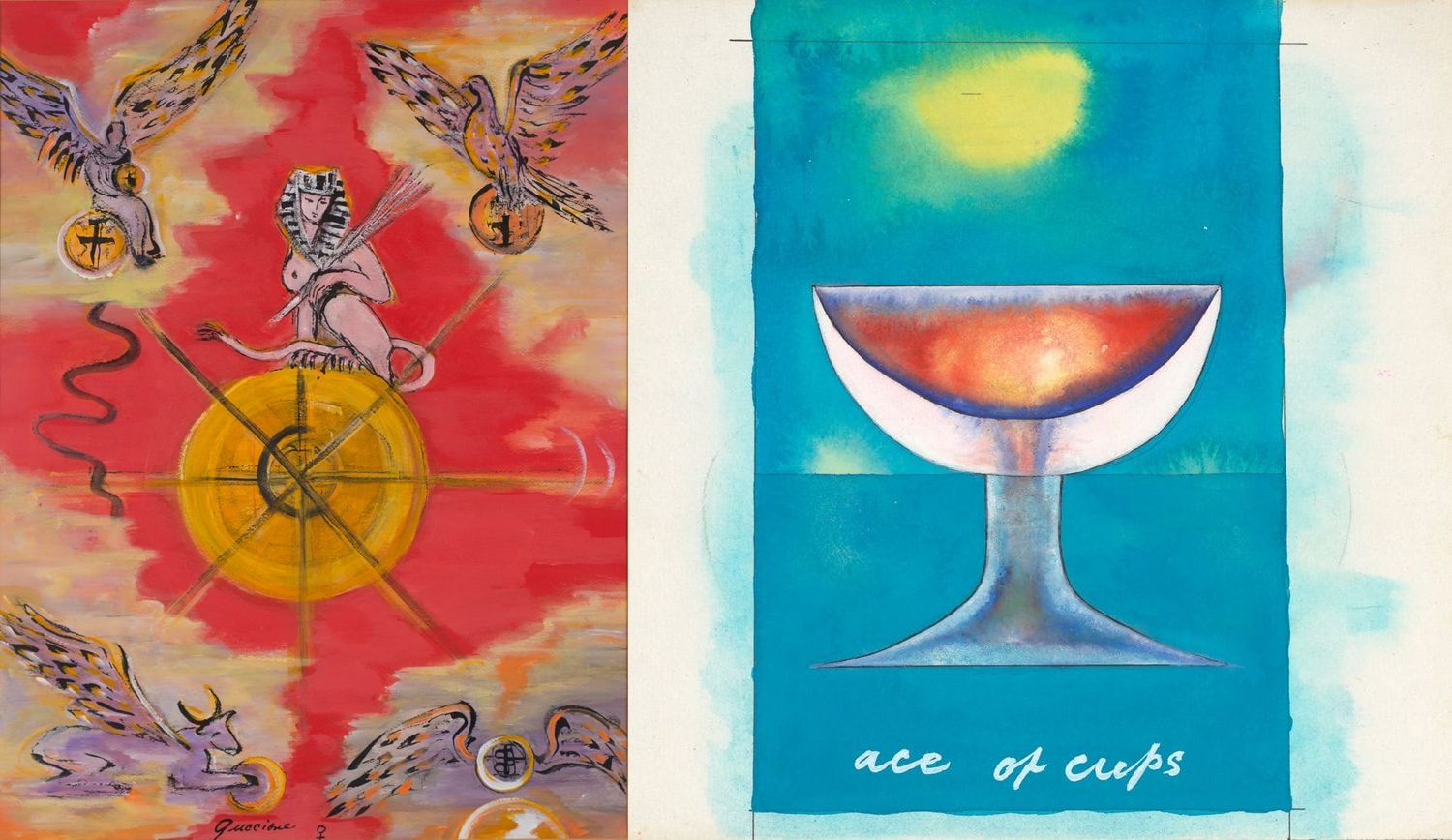
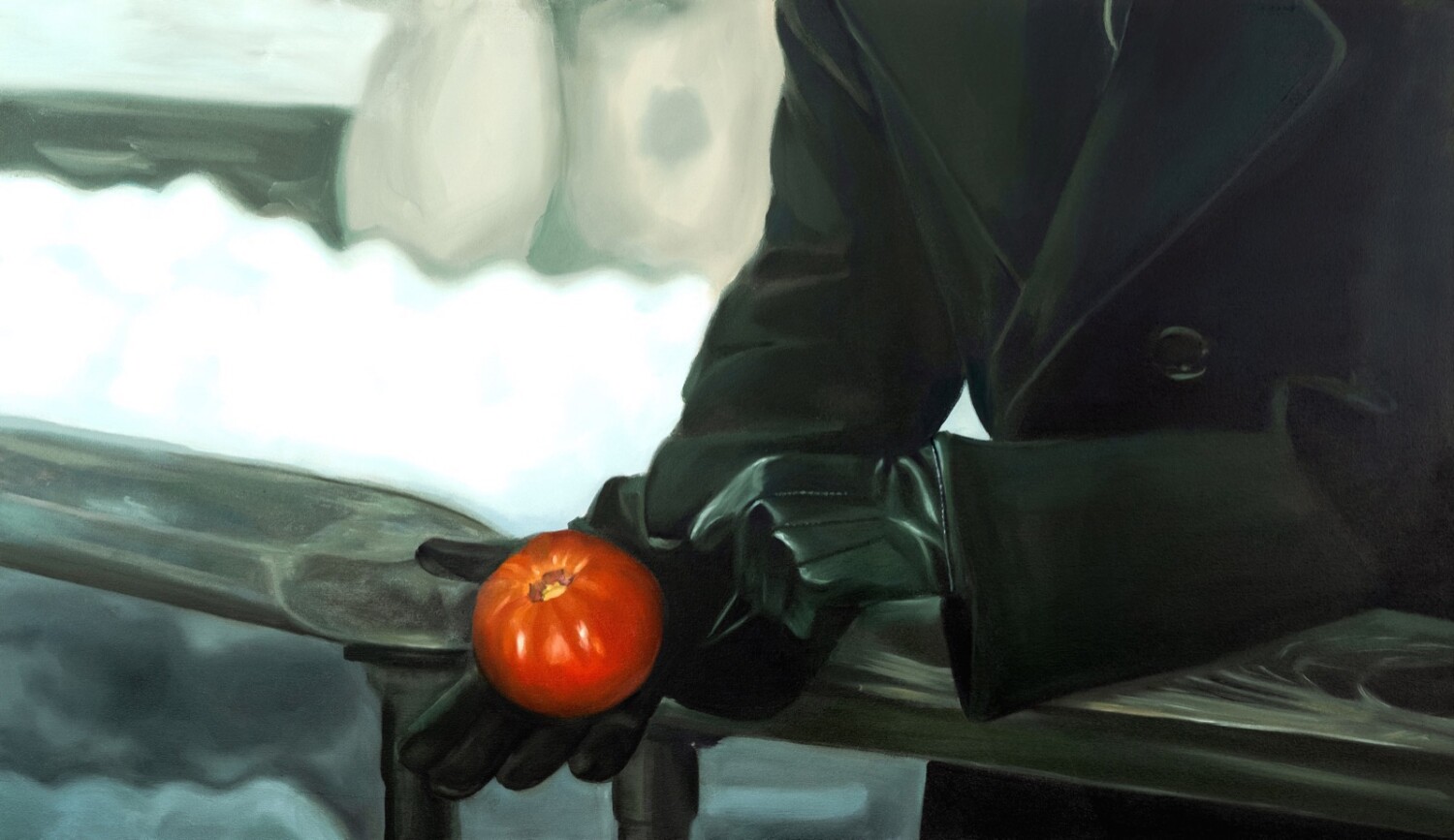
The final galleries refuse nostalgia. Marcel Dzama, Alison Saar, Elizabeth Colomba, Elijah Burgher, Kerstin Brätsch, Edie Fake, Kim Krans, Hilma’s Ghost and Chris Ofili inherit tarot without preserving its rules. Some redraw archetypes through queer mythology. Others dissolve them into abstraction. Ofili does not simply reproduce an existing tarot archetype. He merges the Renaissance Conjuror with Trinidadian Carnival’s Midnight Robber, creating a hybrid figure that belongs simultaneously to tarot, Caribbean cultural memory and his own visual mythology.
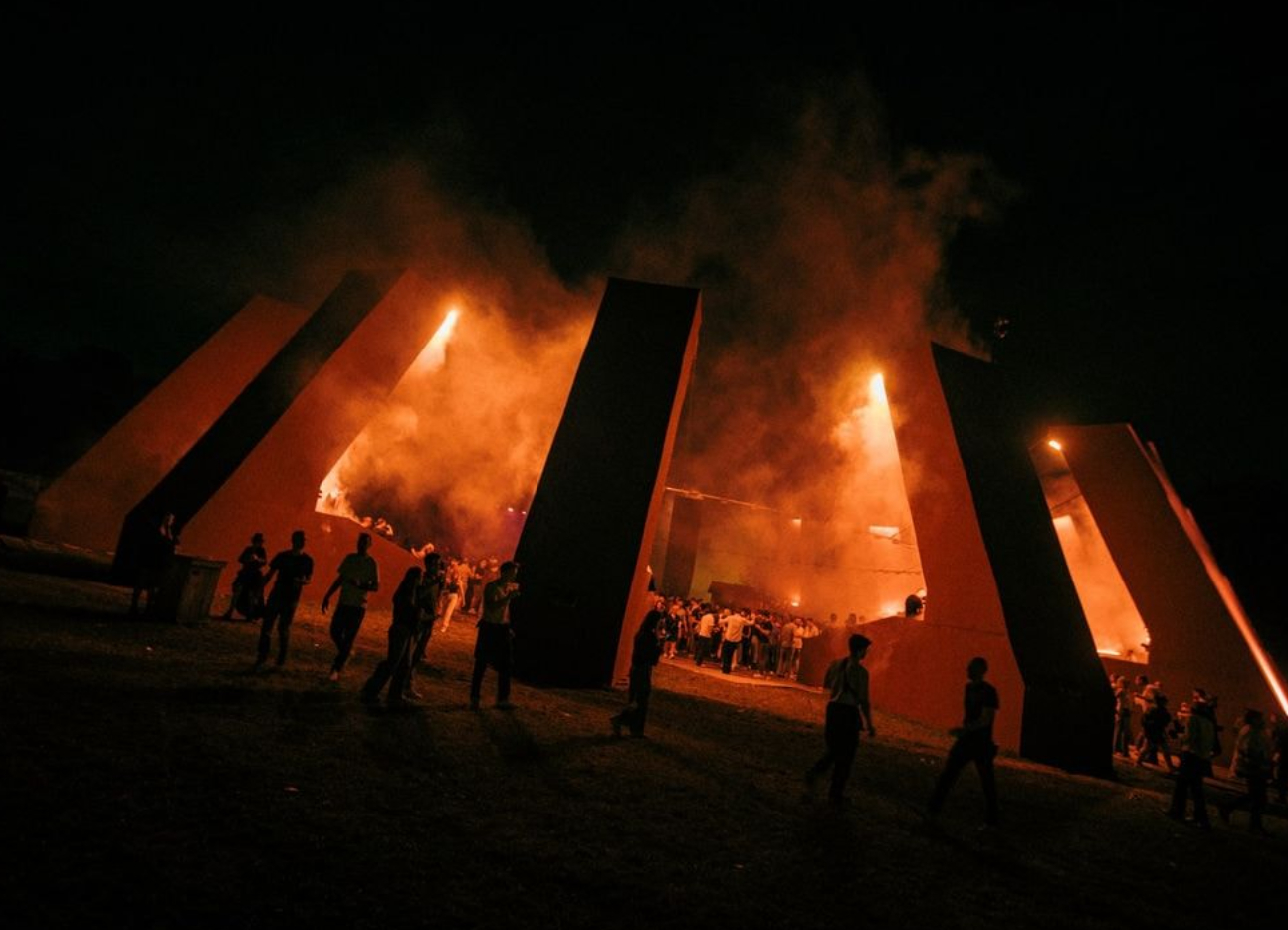
The gesture matters: a new archetype can enter an ancient symbolic system. The mythology remains alive because it can still absorb something that did not exist before. These artists are not simply interpreting tarot. They are building worlds from its fragments. Cinema tells the same story. Agnès Varda, Alejandro Jodorowsky and decades of filmmakers borrow tarot because its imagery has become instantly legible even outside occult culture. Tarot now moves effortlessly between museums, fashion editorials, experimental cinema, underground club graphics and contemporary painting. It no longer belongs exclusively to esotericism. It belongs to visual culture. The cards have become part of the atmosphere of contemporary culture even when the deck itself is absent.
The Infinite Life of the Arcana
Renaissance Symbols, Modern Visions ultimately proposes something every serious tarot reader discovers sooner or later. The cards have never carried one fixed meaning. They have survived because they remain structurally incomplete, open enough for every century to inhabit them differently. Perhaps that is tarot’s oldest secret. A symbol survives because it never exhausts itself. It leaves enough space for another philosophy, another religion, another revolution, another artist to recognize something unfinished inside it. Tarot was never a container of answers or simply a tool to predict the future. It was more like a vessel for correspondences. For six centuries, it has expanded whenever culture enters a period of uncertainty. The Renaissance produced allegory. The Enlightenment invented its occult genealogy. Industrial modernity built ceremonial systems around it. The twentieth century opened tarot to psychology, surrealism, feminist spirituality and new forms of personal mythology. Each crisis generated a new reading. Yet the twenty-first century is different. We are watching the decline of inherited belief without the disappearance of spiritual desire.
People assemble meaning from astrology, tarot, neuroscience, mythology, therapy, ancient philosophy, AI and digital practices instead of belonging to a single doctrine. An age of personal cosmologies. Tarot is uniquely adapted to this shift because it has never required one mythology. It allows us to build one. The High Priestess can become hidden knowledge. The Fool can become potential before identity. Death can become the reconstruction of the self. The Tower can become collapse as revelation. The Moon can become the unstable territory between dream and reality. The meanings change because we change. Tarot survives not because it gives us a fixed map of the world, but because it gives us a symbolic architecture inside which we can keep rebuilding one. For centuries people asked what the cards meant. Perhaps the more interesting question now is what kinds of worlds they are still capable of imagining. Perhaps tarot has survived six centuries for the same reason identity do
The Forces That Transform Identity
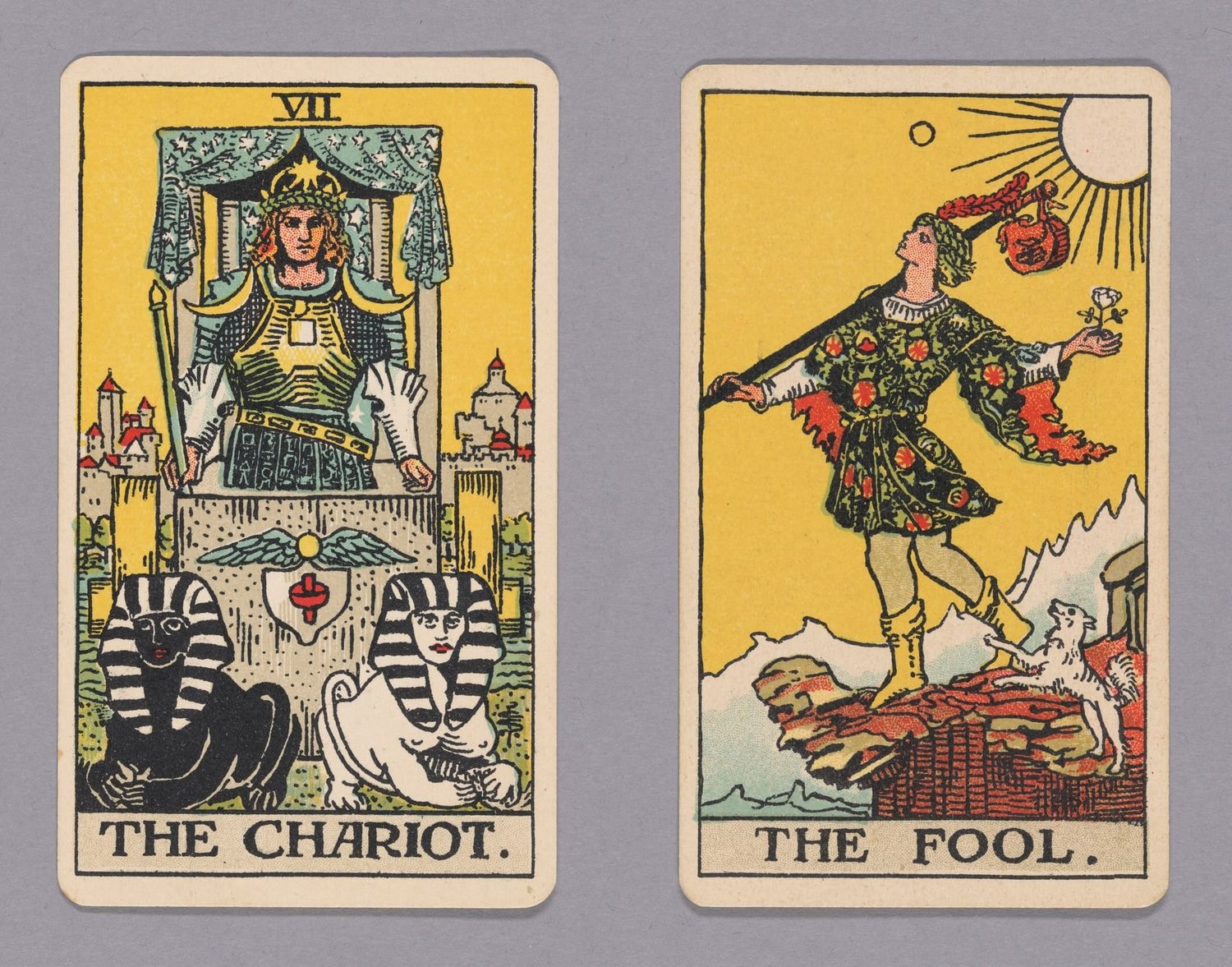
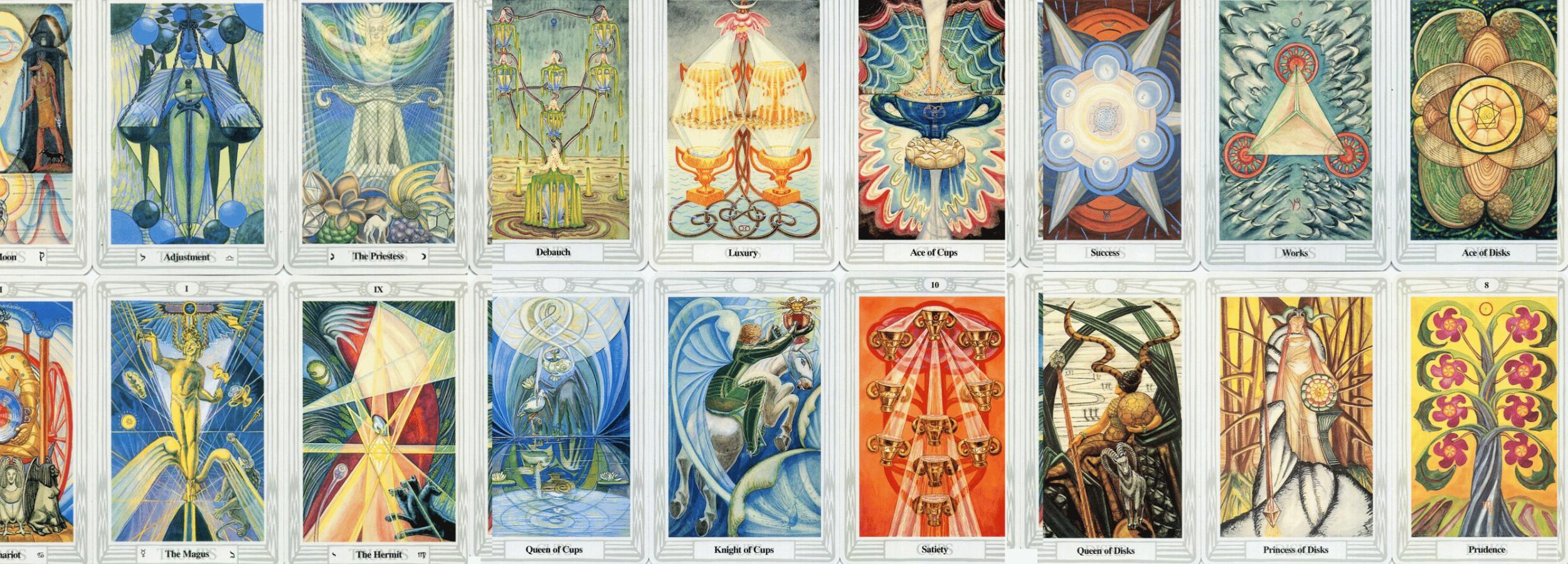
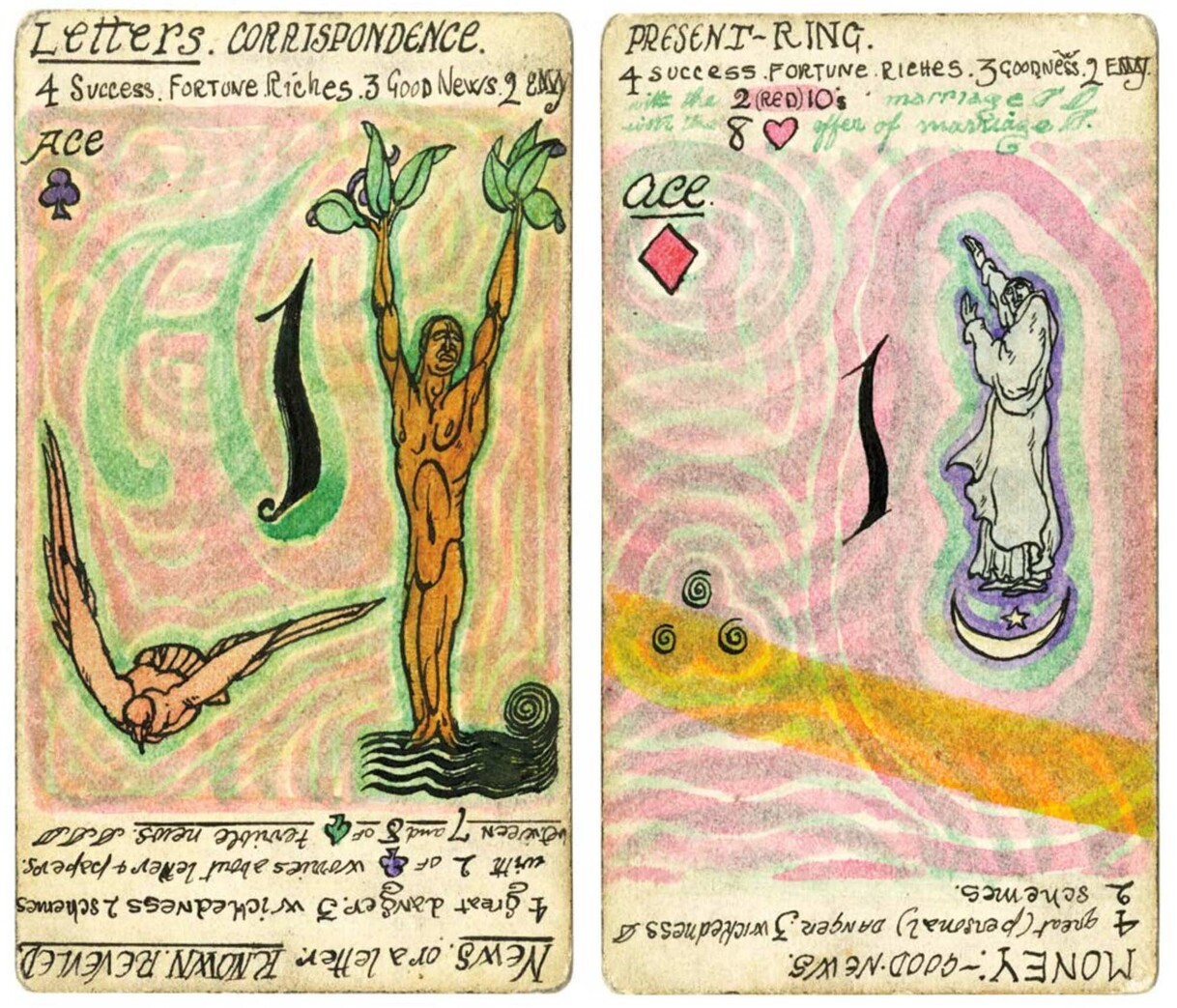
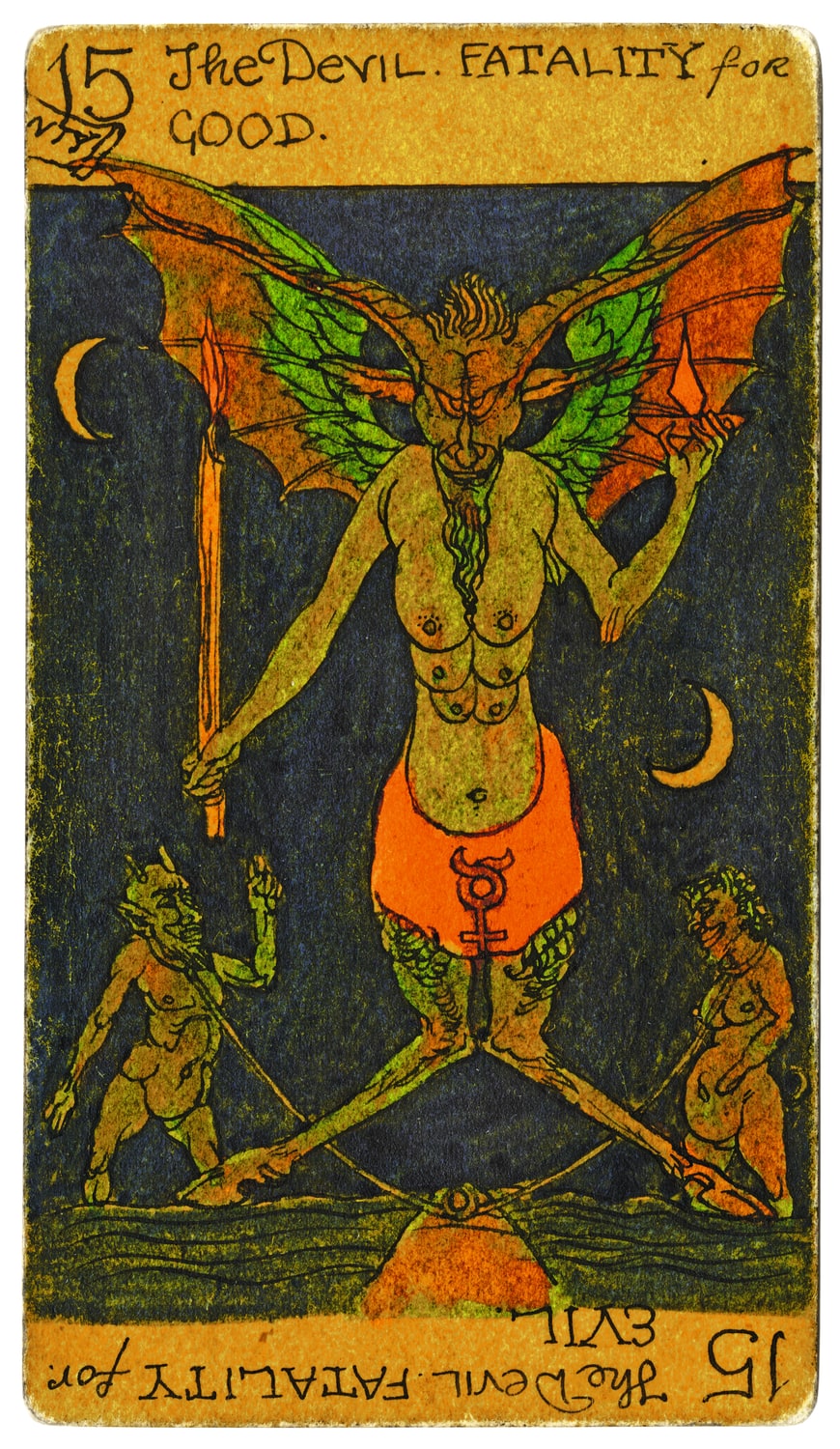
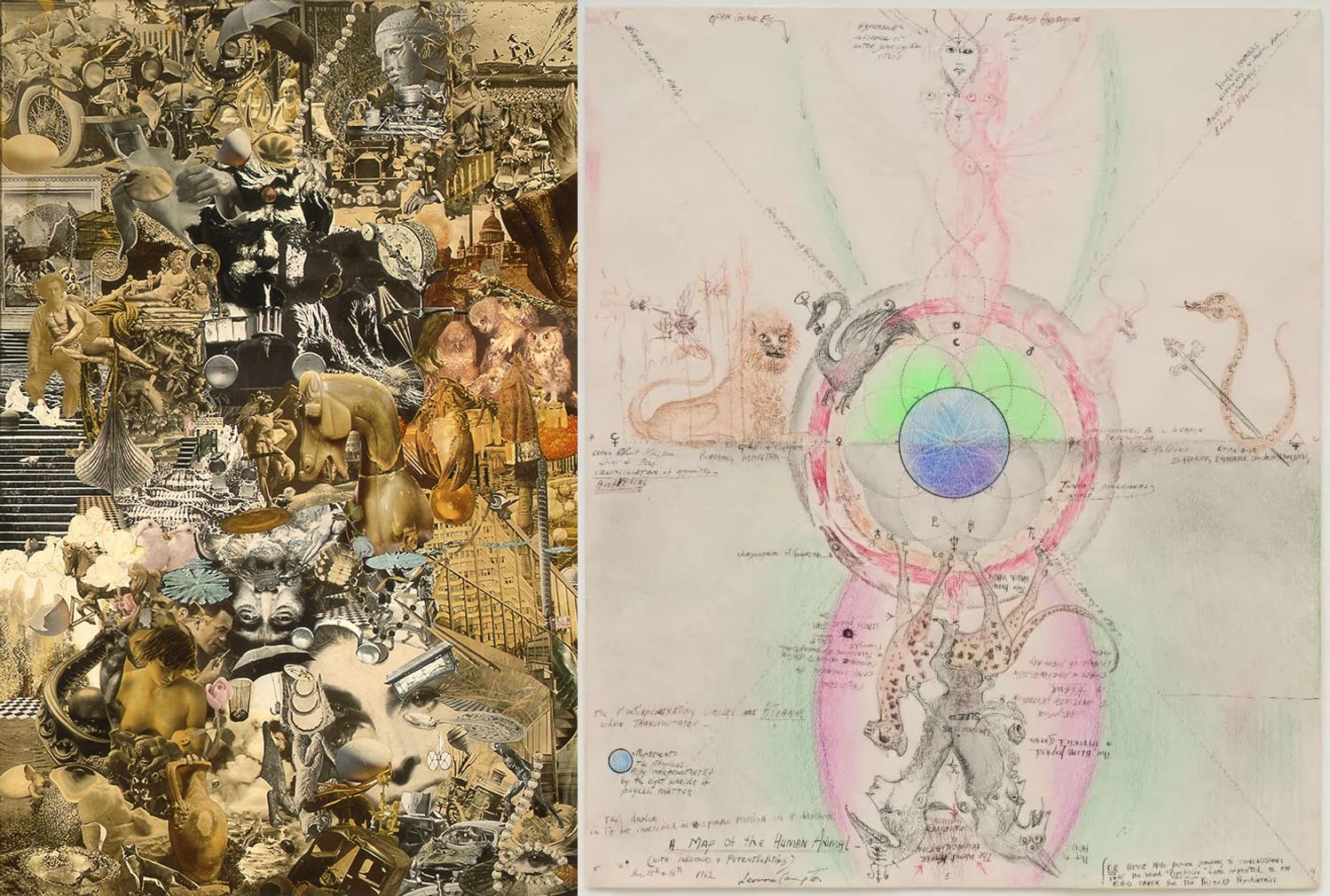
Perhaps this is the deeper story hidden inside the exhibition. Every transformation of tarot corresponds to a transformation in the way people understand themselves. The Renaissance gave the cards a language of hierarchy, morality and fate. Occultism turned them toward hidden knowledge and initiation. Pamela Colman Smith transformed them into emotional experience. Crowley built a cosmology. Spare turned the system inward. Carrington and Varo used symbolic language to construct worlds after exile and rupture. Feminist and underground cultures turned the deck into a space for rewriting inherited structures. Contemporary artists use it to construct new mythologies around identity, desire, memory and the body. The cards change because the world around them changes. But something else changes too. The person looking at them. This is why tarot remains culturally useful beyond divination. It provides a symbolic architecture through which people can negotiate uncertainty, transformation and becoming. It is not simply a record of what cultures have believed. It is a record of what cultures have needed to imagine themselves becoming.
“The Tarot is a language. If you speak it, it will speak to you.”
— Alejandro Jodorowsky