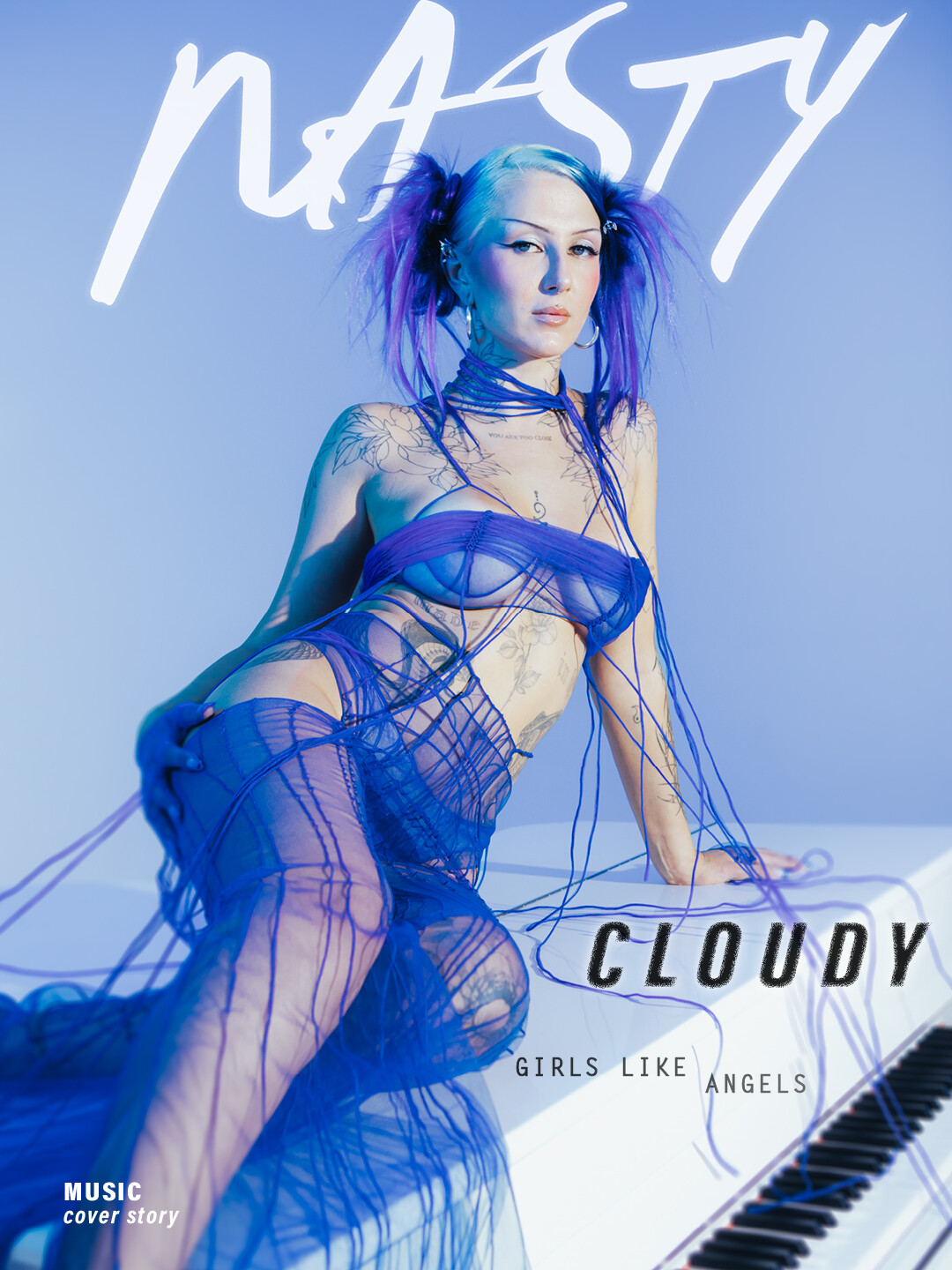
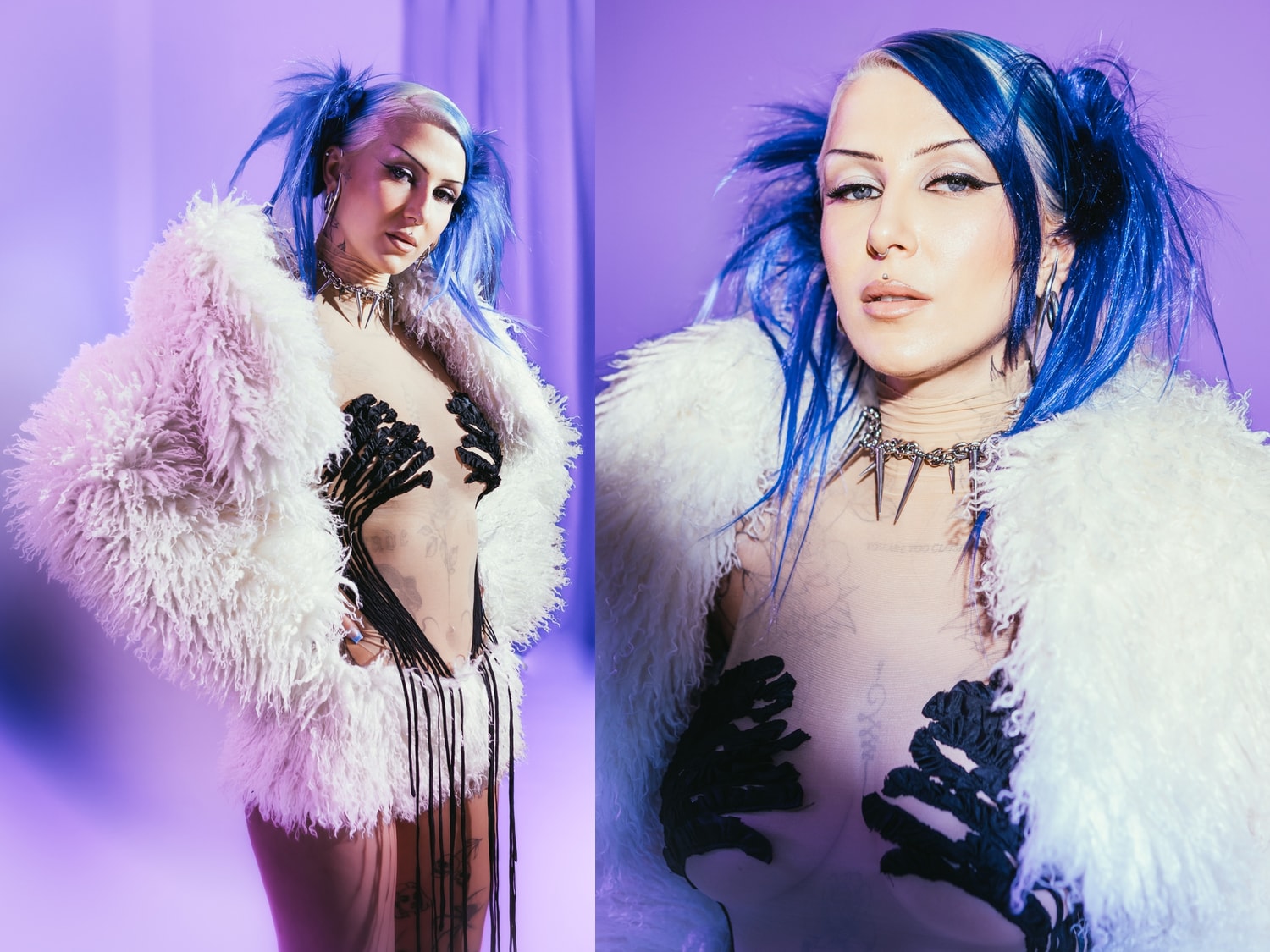
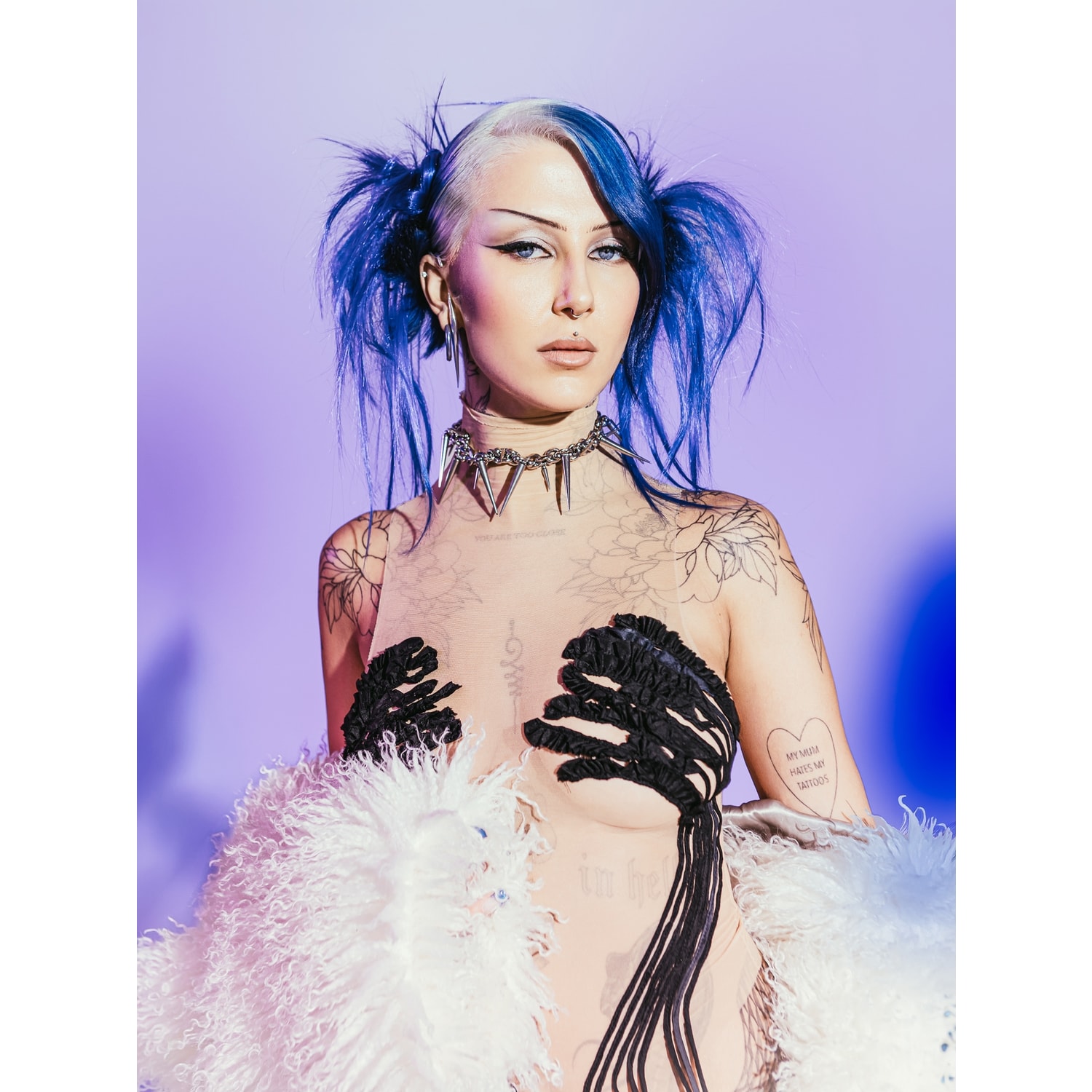
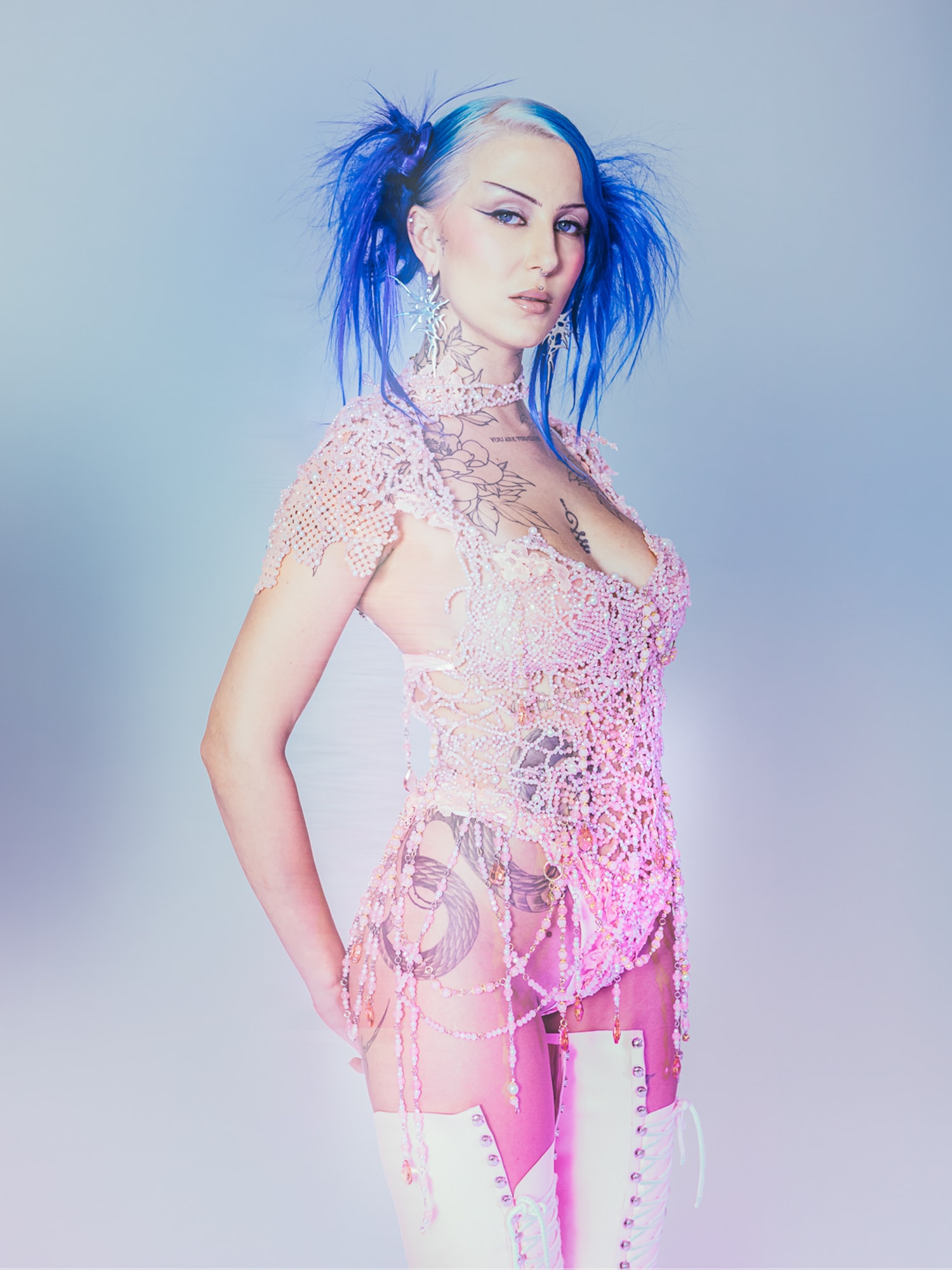
Most artists make music until they feel ready to tour. You toured until you felt ready to make music. What did those years teach you that you couldn’t have learned inside a studio? Looking back, was this EP waiting for confidence, or was it waiting for your life to catch up with your taste?
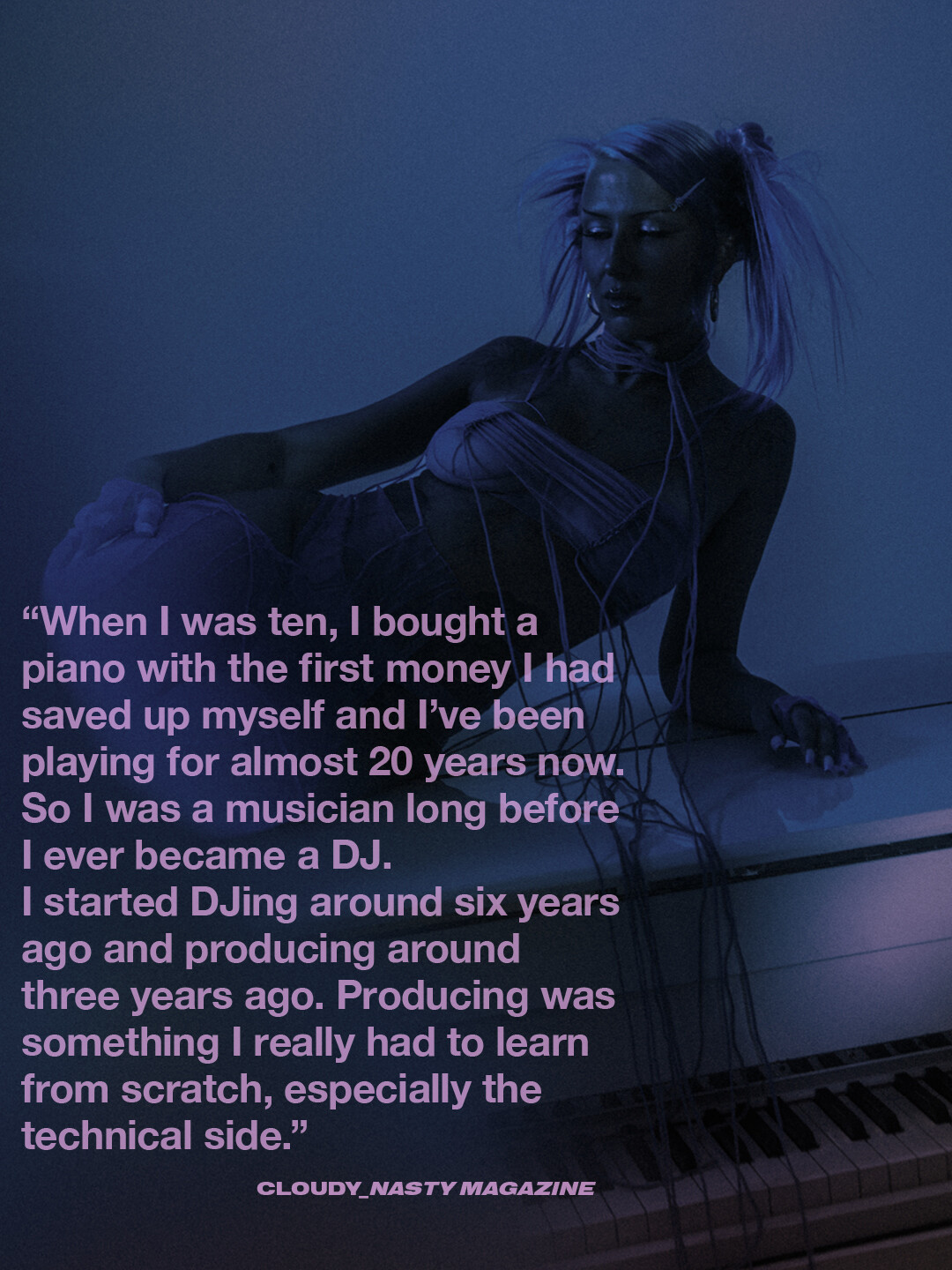
Music has been part of most of my life, much longer than people have been able to see me DJing. When I was ten, I bought a piano with the first money I had saved up myself and I’ve been playing for almost 20 years now. So I was a musician long before I ever became a DJ.
I started DJing around six years ago and producing around three years ago. Producing was something I really had to learn from scratch, especially the technical side. I barely used computers growing up, so suddenly working with all these programs and figuring out how to turn an idea into an actual track was really difficult for me in the beginning.
So I wouldn’t say the EP was waiting for confidence. I knew what kind of music I wanted to make and how I wanted it to feel, I just couldn’t translate that into a track yet. I only released my first single last year, but I had already been producing for years by then. There was a lot of learning, experimenting and getting things wrong before I could actually create what I was hearing in my head. If anything had to catch up with my taste, it was my technical ability.
What all those years of DJing gave me was a much deeper understanding of my own taste. When you’re constantly searching for music and playing it in completely different situations, you start noticing what you keep coming back to, what still excites you after hearing thousands of tracks and what actually feels like you. So even before I could fully translate my ideas into my own productions, I already had a pretty clear sense of what I wanted my music to feel like.
And playing in front of people teaches you something you really can’t learn inside a studio. I’ve played so many different crowds, stages and time slots in different countries over the years and no two dancefloors react exactly the same. A track can feel completely different at a festival in the afternoon than it does at three in the morning in a club. Something you expect to have a huge reaction sometimes doesn’t and something you never thought much about can suddenly become the moment of the whole set. You can understand a lot about music, but you can never completely calculate how people are going to feel it.
That experience is definitely somewhere in GIRLS 001 as well. While I was making the EP, I was always thinking about how the tracks would actually feel when I played them in front of people. Not because I wanted to calculate their reaction, but because experiencing music together with a crowd has become such a big part of how I understand it myself. Sometimes you only really understand what you’ve made once you play it to people.
You’re launching “Angels” while releasing your own music in the same season. It feels like two different acts of authorship happening at once: Girls says, “this is my voice.” Angels says, “this is my world.” Which one feels more vulnerable?
I actually see “Girls” and ANGELS as much more connected than the question might suggest. They come from the same values, I’m just expressing them in two completely different ways. So for me, “Girls” can say “this is my world” just as much as ANGELS can say “this is my voice.”
With “Girls”, that happens through my own music. I made a conscious decision to only use female voices throughout the EP. And that didn’t start with this release either. The voice on my first single last year was female too, so there’s already a connection between the music I release and what I want to represent.
ANGELS takes that beyond my own music and turns it into something physical. The lineups consist exclusively of FLINTA* artists, with the first editions featuring women only. But for me, it’s not just about who is on the lineup. It’s about creating a space that reflects the things I’m constantly asking for in the wider scene.
That comes directly from what I see through my own bookings. Very often I’m the only woman on a lineup and my team and I regularly have to push for more women to be added. The fact that we still need to have that conversation so often already says a lot.
ANGELS gives me the opportunity to do more than ask someone else to change their lineup. I can build the kind of lineup I want to see myself, give other artists that space too and hopefully show that you don’t have to compromise on the music or the quality to do it. It shouldn’t feel exceptional to see a lineup like that.
And this is probably where the vulnerability becomes different. With “Girls”, I’m releasing music I produced myself after spending years learning how to do it. Once it’s out, it’s no longer just mine and everyone gets to have an opinion on it. There’s something vulnerable about that no matter how confident you are in what you made.
ANGELS carries a different kind of responsibility because it involves more than my own work. There are other artists involved, there are people coming to these events and I’m putting my name behind something that represents my values. Saying what you believe in is one thing. Building something around those beliefs and making sure it actually lives up to them is another.
So I couldn’t really say that one feels more vulnerable than the other. They show different sides of me. “Girls” is something I created. ANGELS is something I’m building.
*FLINTA is a German acronym for women, lesbians, intersex, non-binary, trans and agender people.