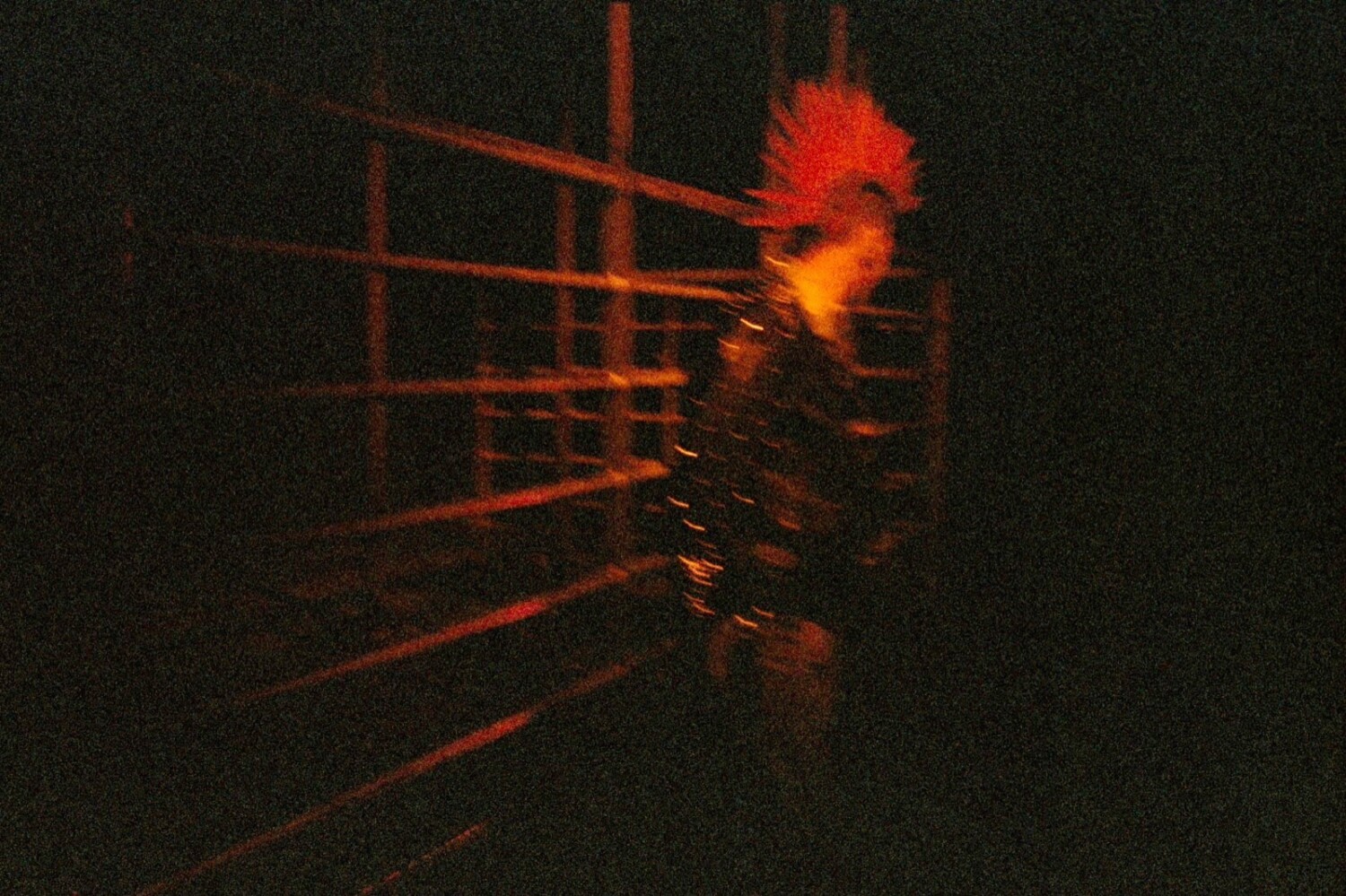
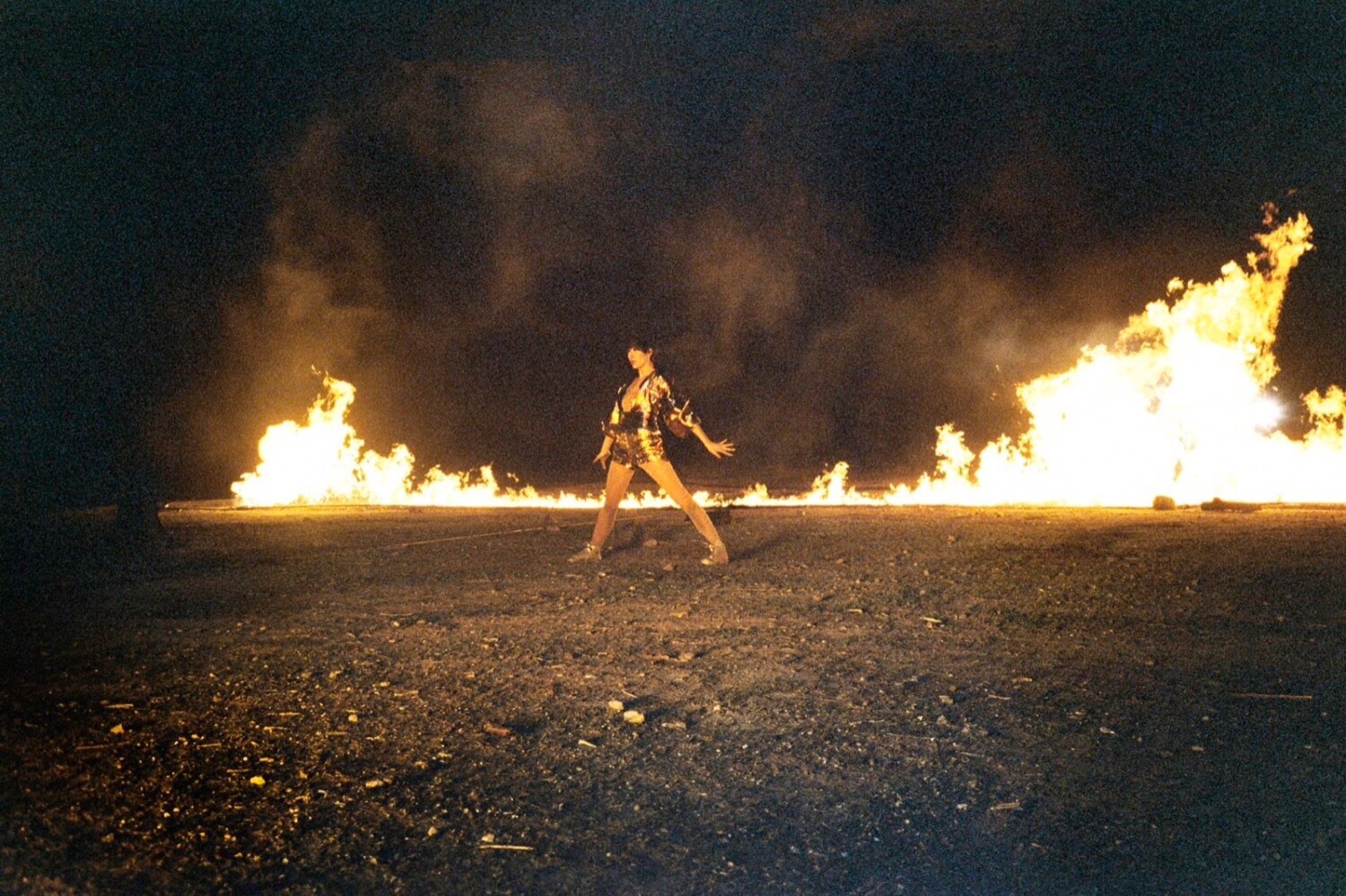
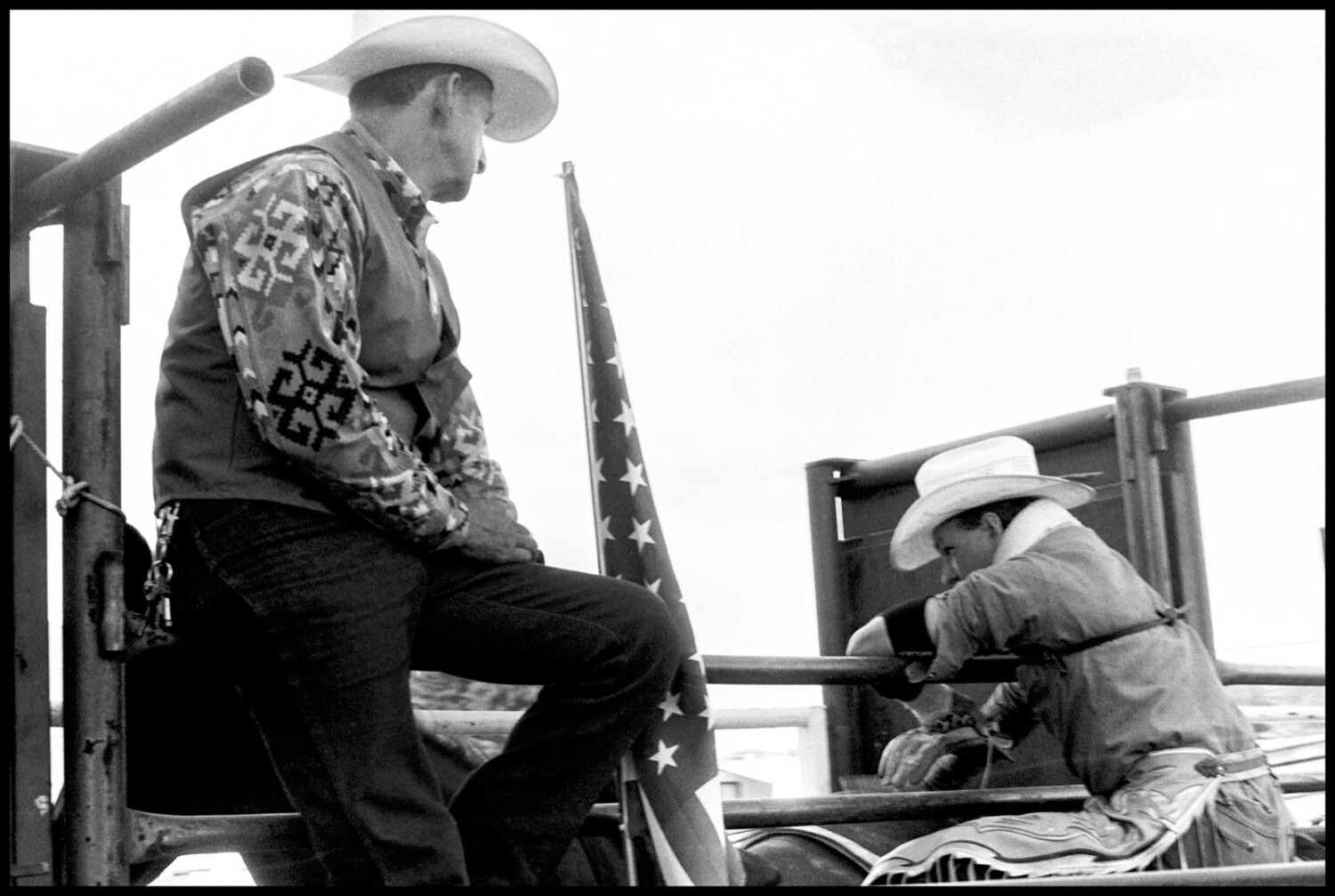
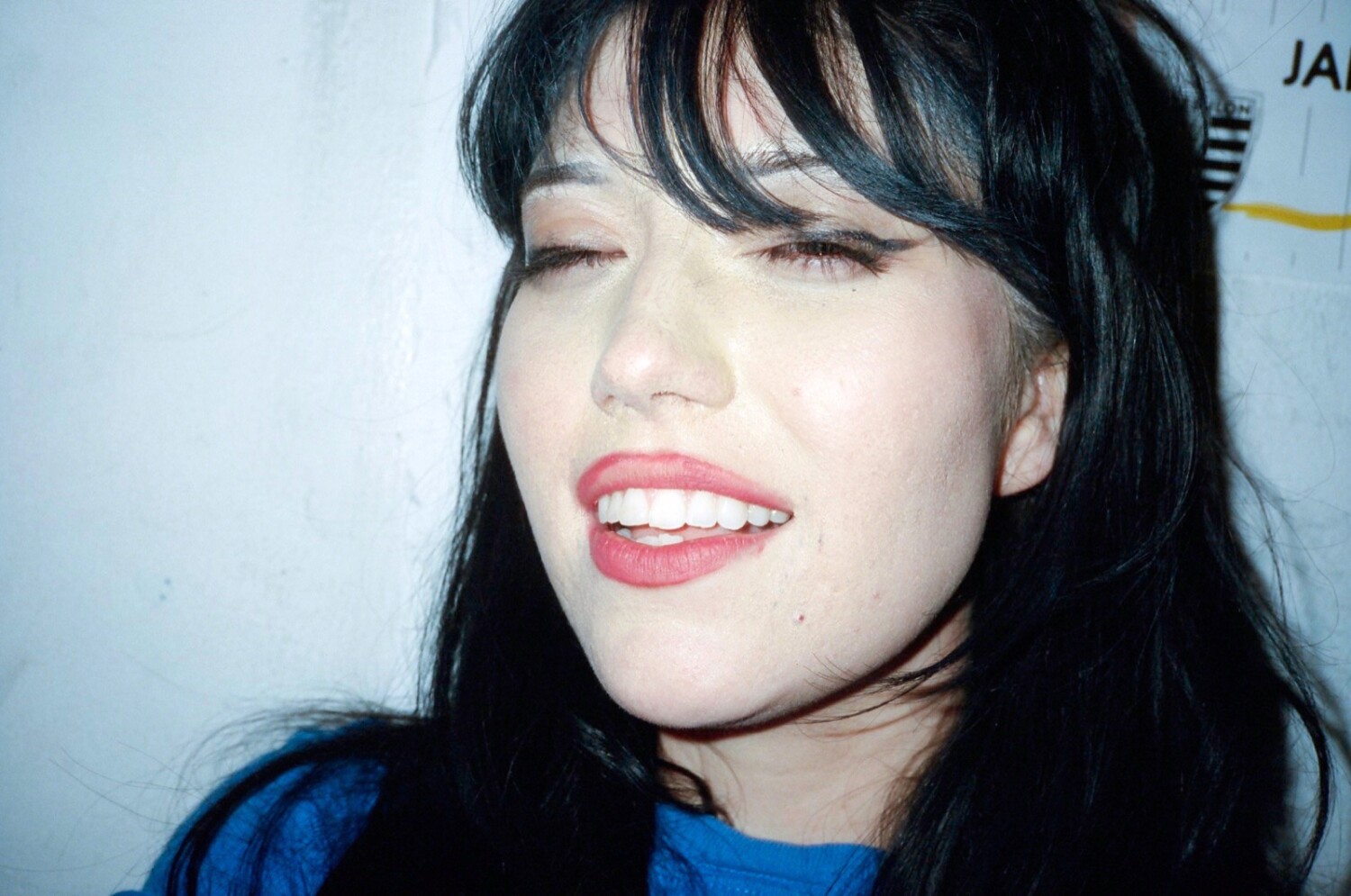
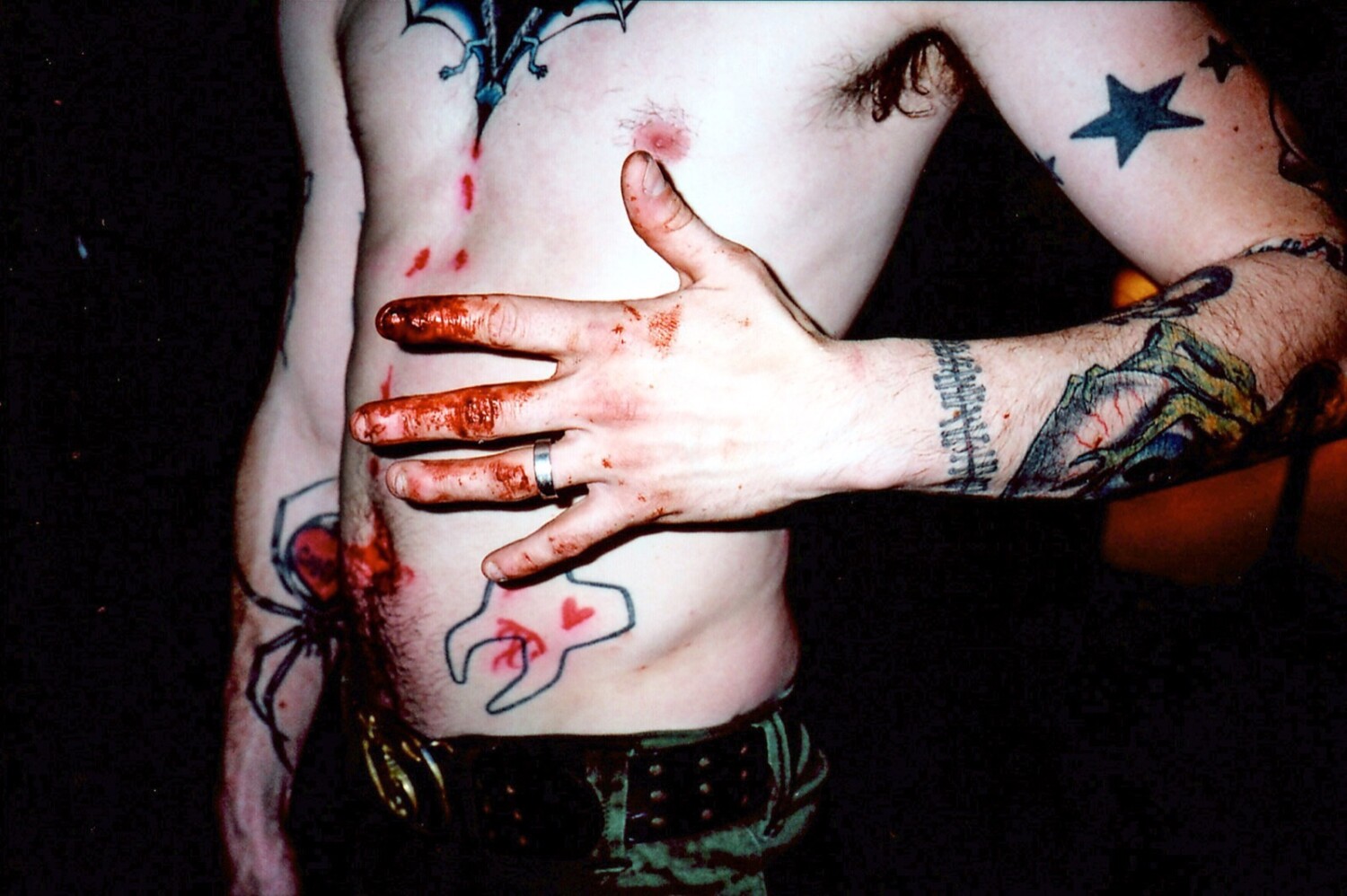
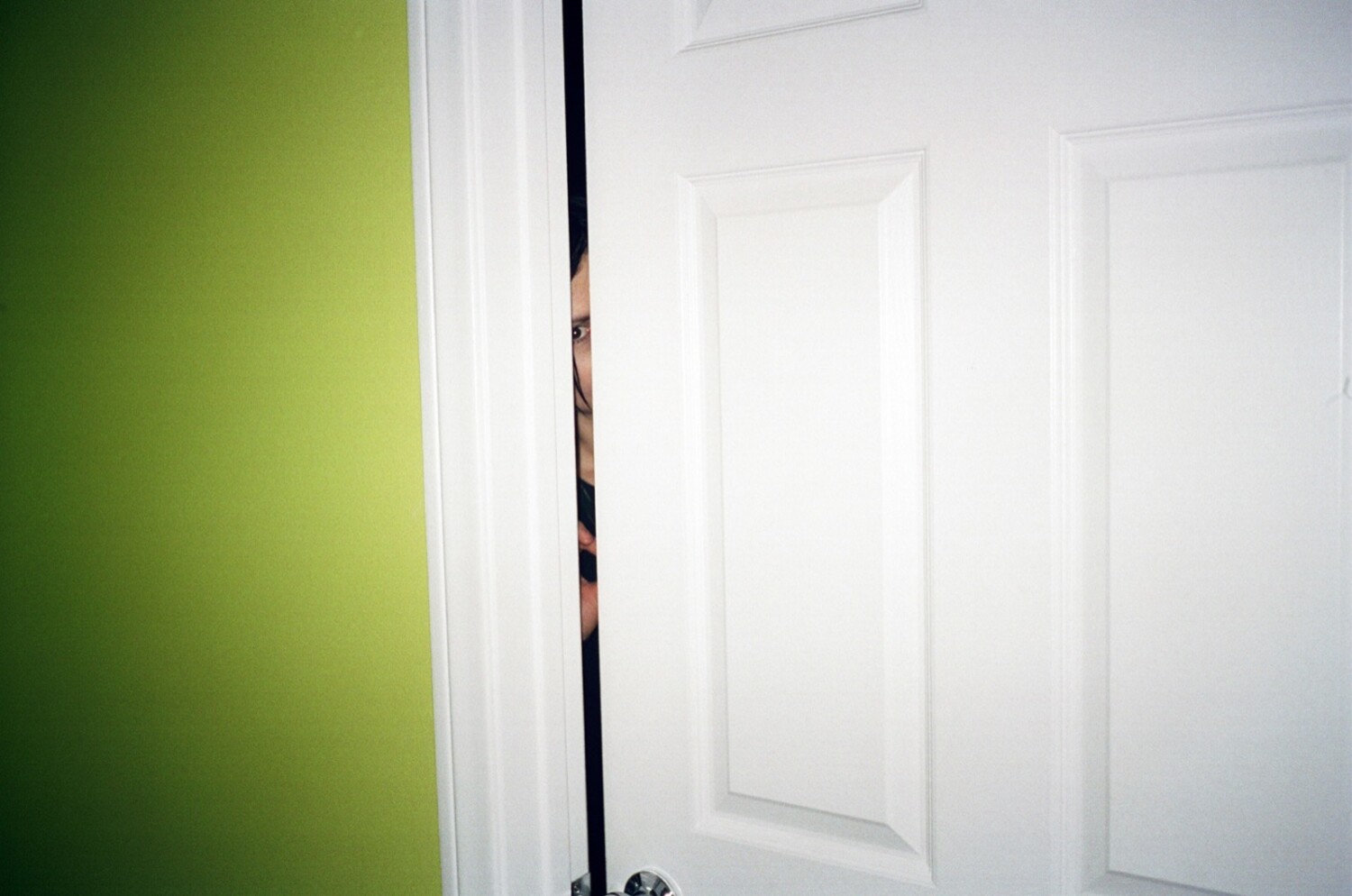
Your very first Yeah Yeah Yeahs show was opening for the White Stripes at Mercury Lounge. Both bands were still at the beginning of what would become much bigger stories. What do you remember about that night? If you had your camera with you now, what would you want to photograph in that room?
I had a camera with me, but for some reason I didn’t really take any photos, maybe because I didn’t grasp how important it was at the time, our ambition was just to play that club. We were the first of four bands and there were maybe 25 people there. I wish I could have documented them. I remember people liked it and it felt like it was over in an instant. And Meg asked to borrow Brian’s snare drum.
You were shooting film as the New York scene was changing around you. When you look at those photographs now, what do you see that you didn’t know you were seeing at the time?
I was aware of New York in the 70s for music enough to know that time, whatever it was, was fleeting, and I had been trained in documentary photography, so that was just something I did. And it took a few years to realise it was a significant movement, and movement – we always felt like outcasts, so it was impossible to see everyone as being in it together, which it seems like looking back now, especially in the first few years. But now I see it as an impassioned and super creative time, still naive and moderately hopeful, before iPhones and social media completely transformed everything. And I also didn’t know that I was creating my future memories, I don’t remember much that I can’t reference visually now.
You had a degree in photography, worked in a darkroom, and were a photographer long before most people knew your name. Did the band become the wrong headline? ;)
I couldn’t get anywhere with photography professionally, but that never stopped me.
You’ve said that when you were younger, having a camera gave you a way to interact with the world instead of being the shy kid in the corner. Do you still feel like you’re using the camera to enter a room?
To some extent I do, but it’s more about entering and exploring a new place or city. Nowadays I don’t trust anyone with a camera inside, so why would anyone trust me? If anything, I’ve had to become an expert in distraction now.
You call yourself “Little Vampire.” What do you think you’re taking from the people you photograph? And what do you think they take from you?
My friend Tristan gave me that nickname because we were playing softball 20-plus years ago and I was hiding in the shade.
But I’m just trying to take small moments that I find intriguing or moving, I’m not trying to capture any souls.
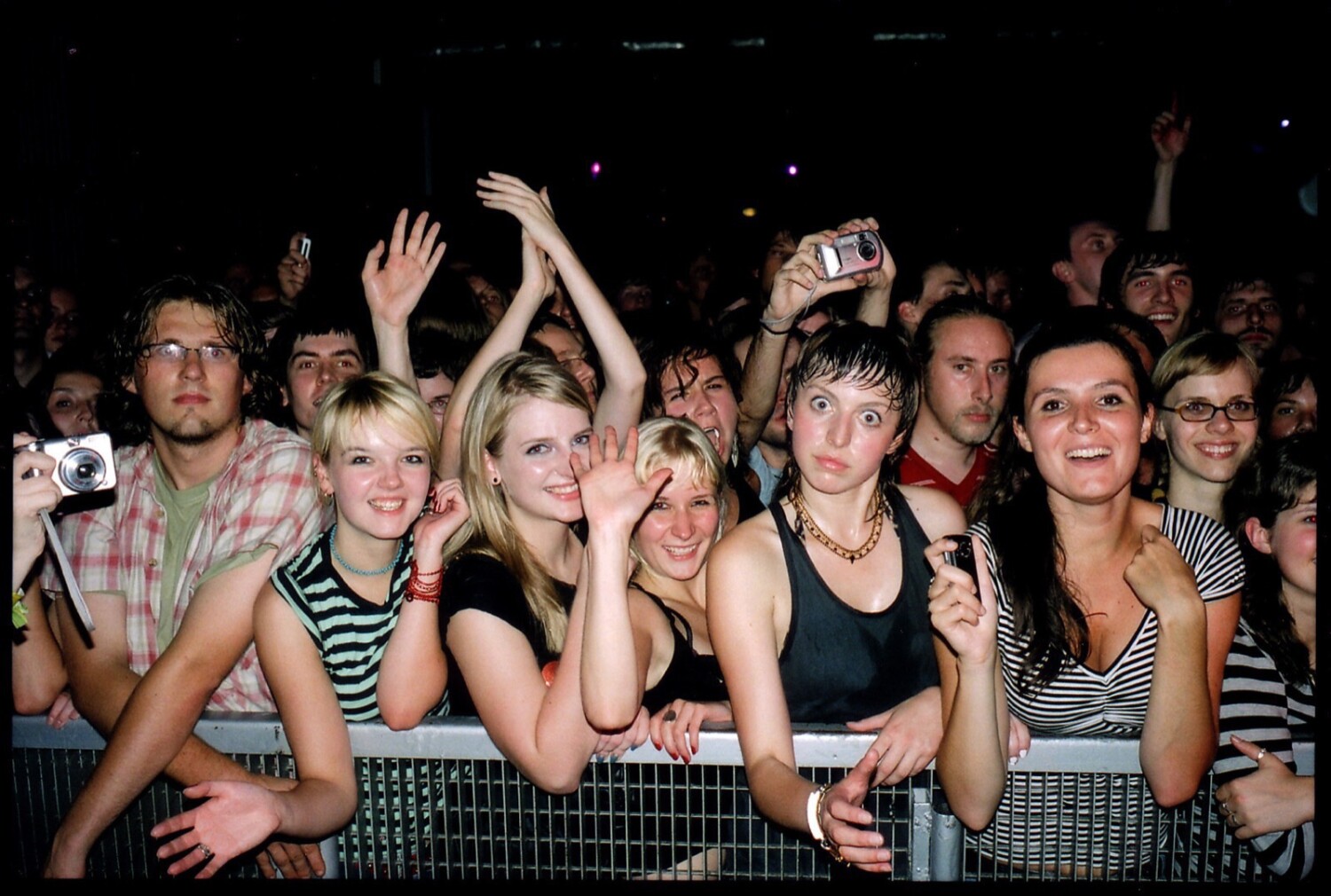
When you’re on stage, thousands of people are looking at you. Then you turn the camera around and look at them. For a moment, the person being watched becomes the watcher. What do you see from the stage that the audience never sees?
I see a grouping of people who are together and united in a moment for that time only. I really liked William Klein’s photos where there would be a lot of people filling up one frame. I also never used to look up and look at anyone, so it was and is a chance to do that.
Your guitar sound is very distinctive. How did you develop it? You also make music for film. Does working with images change the way you approach sound?
In the beginning it just sounded great with only drums and vocals, I was just trying to fill the space as much as I could. I took a lot from my heroes like Rowland S. Howard. And then I felt like I’d taken it as far as I could without changing. Nowadays it doesn’t matter to me what sound or instrument I have to use as long as it’s effective for the medium – song, film, or exhibition space.
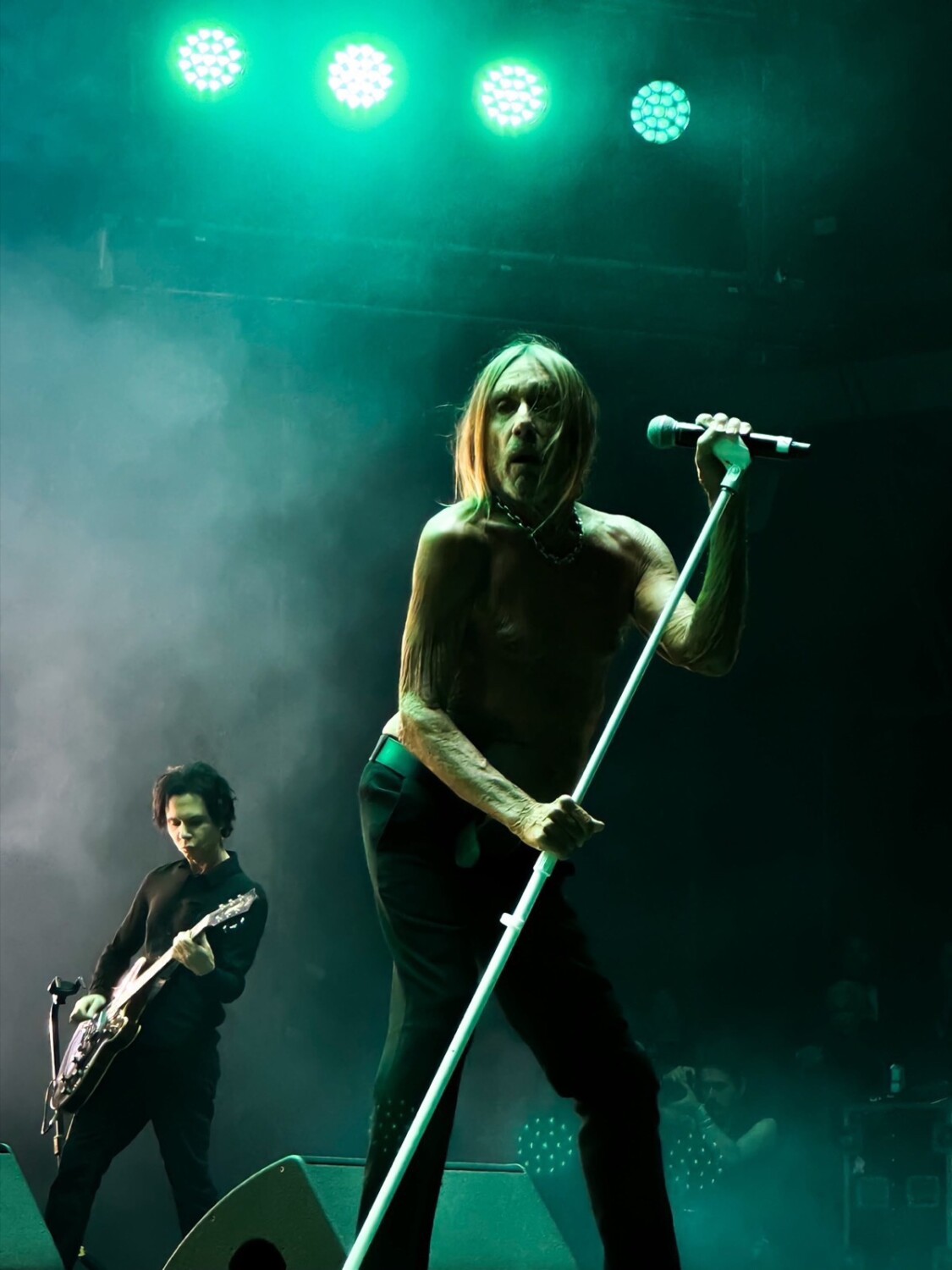
When you talked to me about touring with Iggy Pop, I noticed that the fan was still very present underneath the musician. Does admiration change when someone you’ve looked up to suddenly becomes someone you know?
My admiration for Iggy has only grown since I’ve been lucky enough to work with him. I feel that way about my yyys bandmates as well. I’ll always be a fan.
When you helped Richard Hell remix Destiny Street, you were returning to a record that already carried so much history and mythology. What was it like to work on something with such a strong identity of its own?
I was talking to my friend Jehnny Beth about working with Richard and she said, “we are all his children”. He was one of the first guys to do this, and he had always been unhappy with the original mix of that record. When he asked me, I felt it was my duty to help him put that record together again purely as he wished. I told him I would have done it for free, me and all of us owe him for all the inspiration he’s given us. Like I have to help make Richard Hell happy if I can. It was a huge honour and super fun too.
You make noise with a guitar and silence with a camera. What does the camera let you hear that the guitar doesn’t?
The space in between the sound.
A hotel bed is where a day disappears. You wake up somewhere, leave, and the room is reset for the next person. What made you want to leave a trace of those rooms behind?
Originally, I was inspired by Sophie Calle and the Bechers. I started out doing all-night exposures with a pinhole camera of me sleeping. Then it just started to be about cataloging all these liminal spaces that are sort of designed to be forgotten.
If photography is the way you remember your life, is there anything you deliberately choose not to photograph? You’ve said you hate nostalgia, even though your photographs bring you back to the past. You’ve described them instead as a way of being appreciative. What makes the difference for you?
There are a few subjects I never take photos of, out of respect. I think I’m sentimental about the past more than nostalgic. I’m so glad I photographed all that time for so many reasons, but mostly because it’s a record of it all that I and sometimes other people can appreciate. I’m not looking for inspiration or wishing I could go back (mostly). I’ve found that the images get more interesting and change in importance over time, it’s never the ones now I thought at the time would be cool, it’s usually the opposite actually.
Do you think a photograph knows what it is before you do?
This is kind of a Zen question, but sometimes I see something that’s disappeared by the time I try to take a photo, and sometimes it’s just there literally waiting for me or anyone to shoot it.
What remains after the photograph is taken and the sound has disappeared?
Maybe it’s the feeling that it was worth it all.