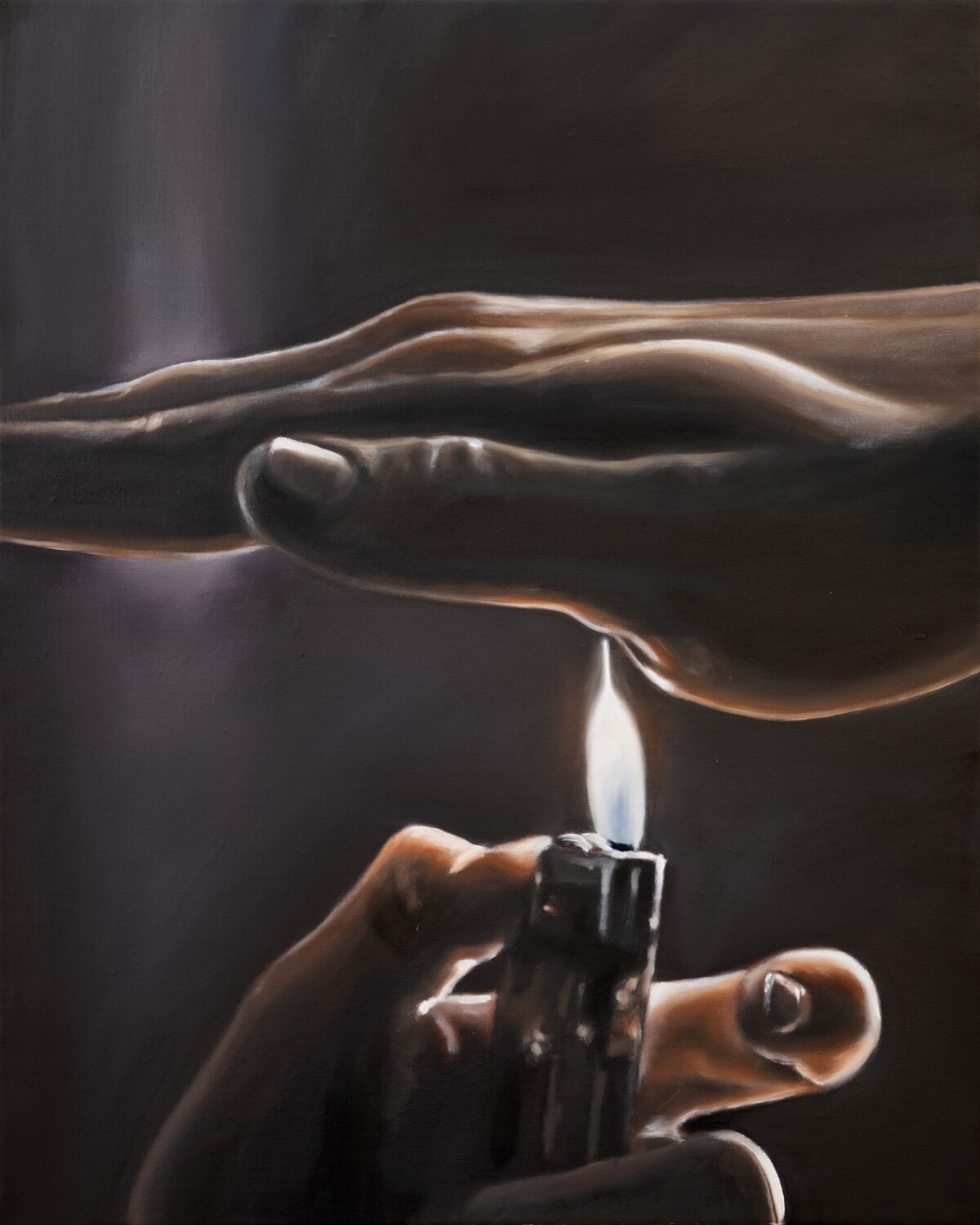
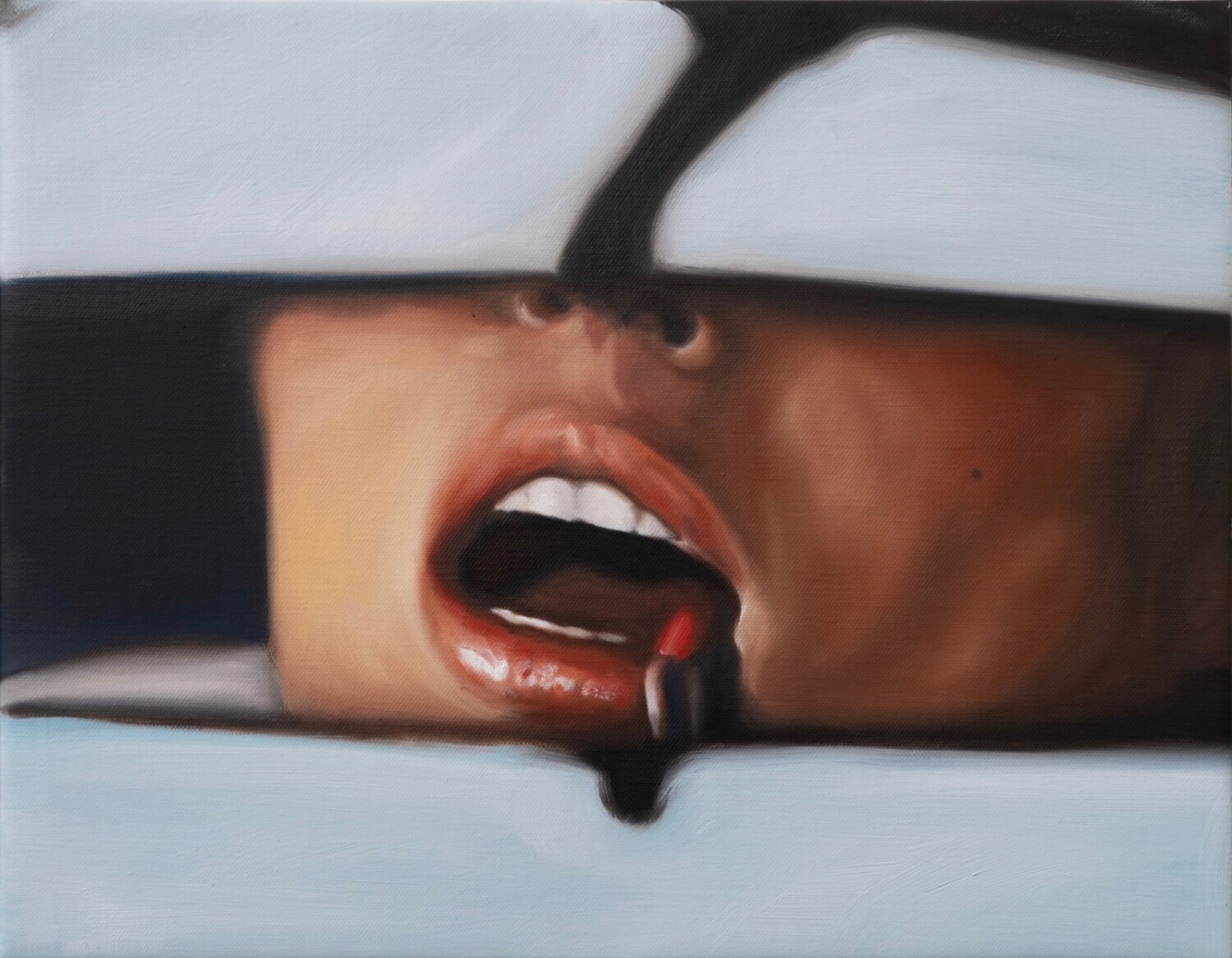
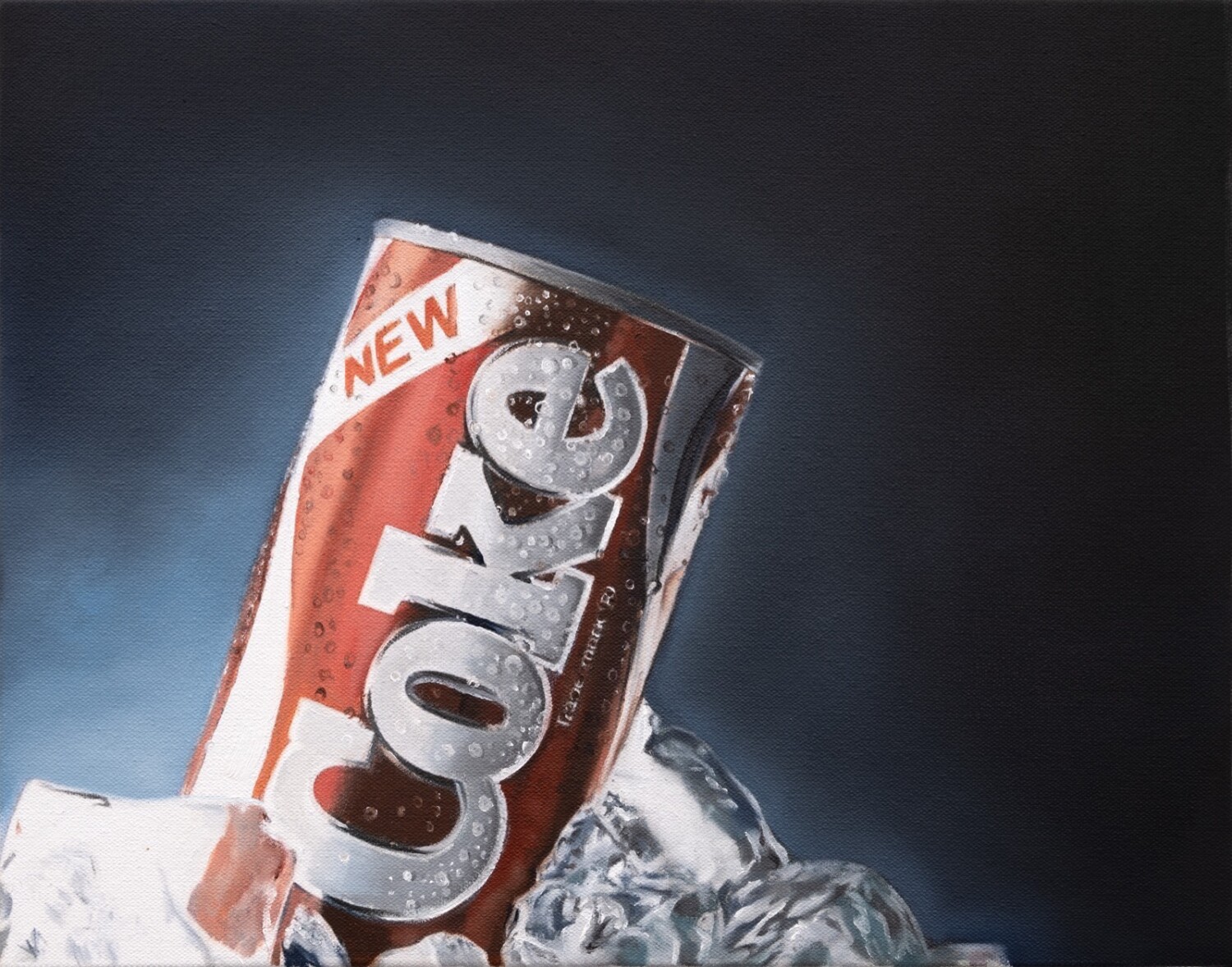
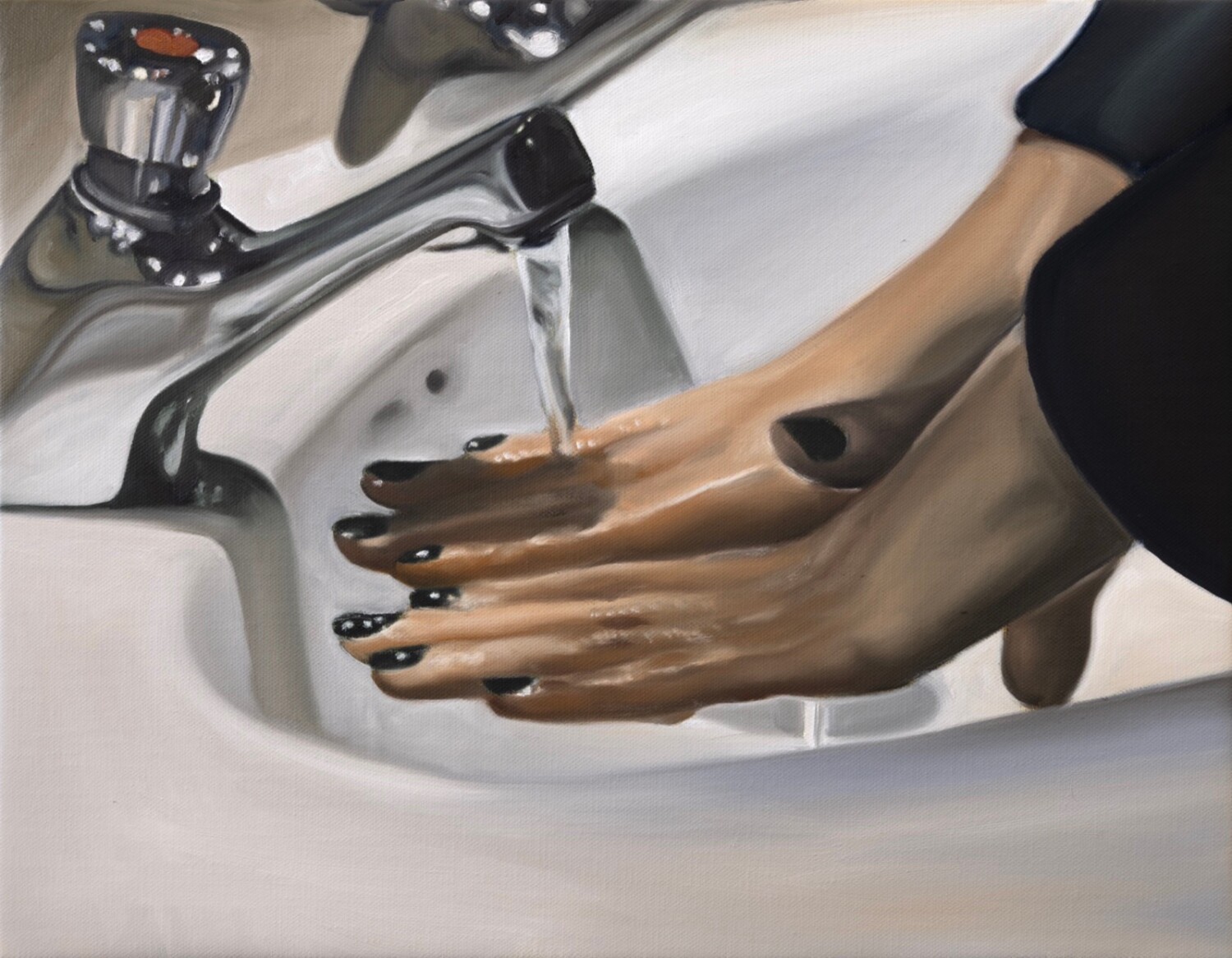
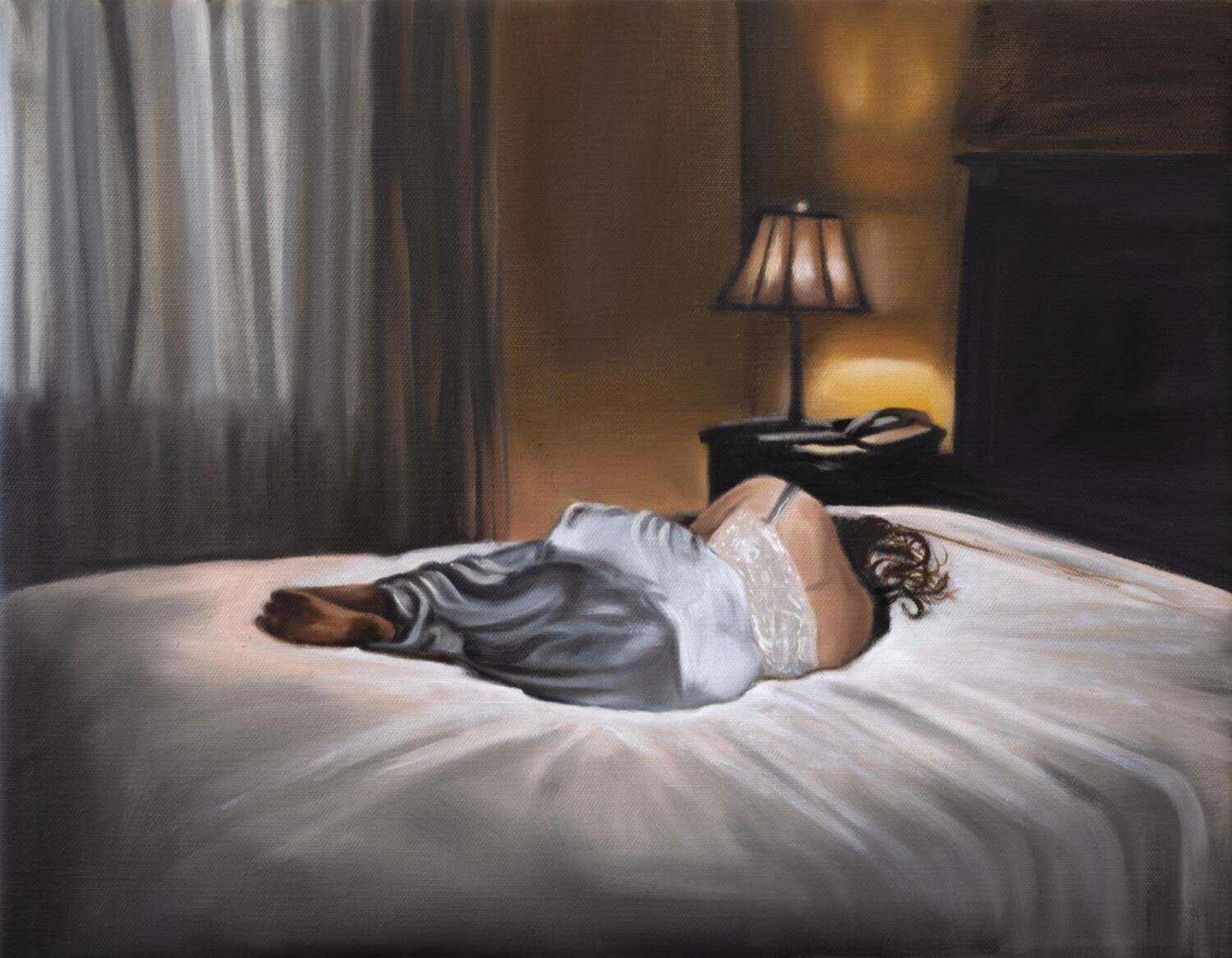
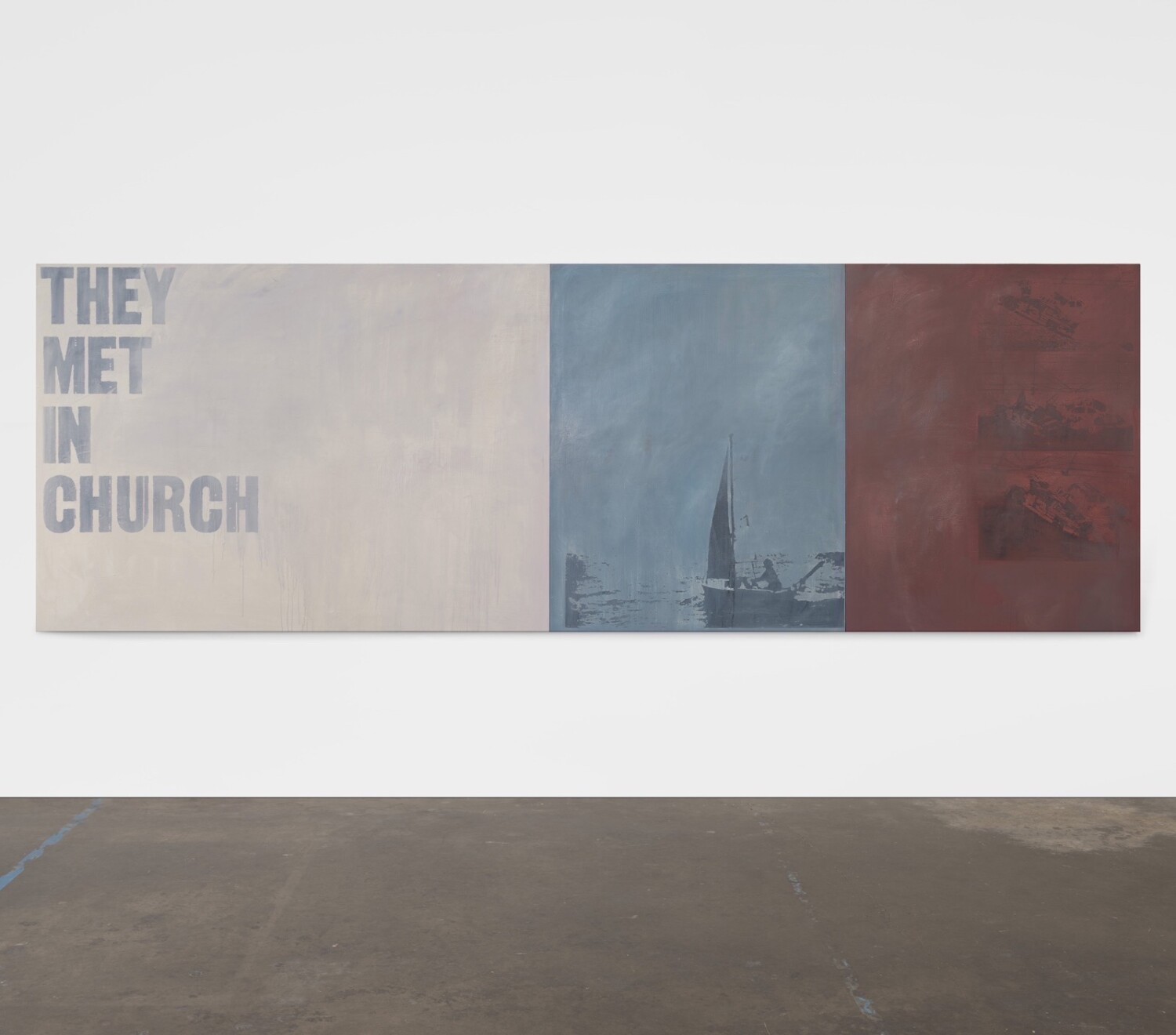
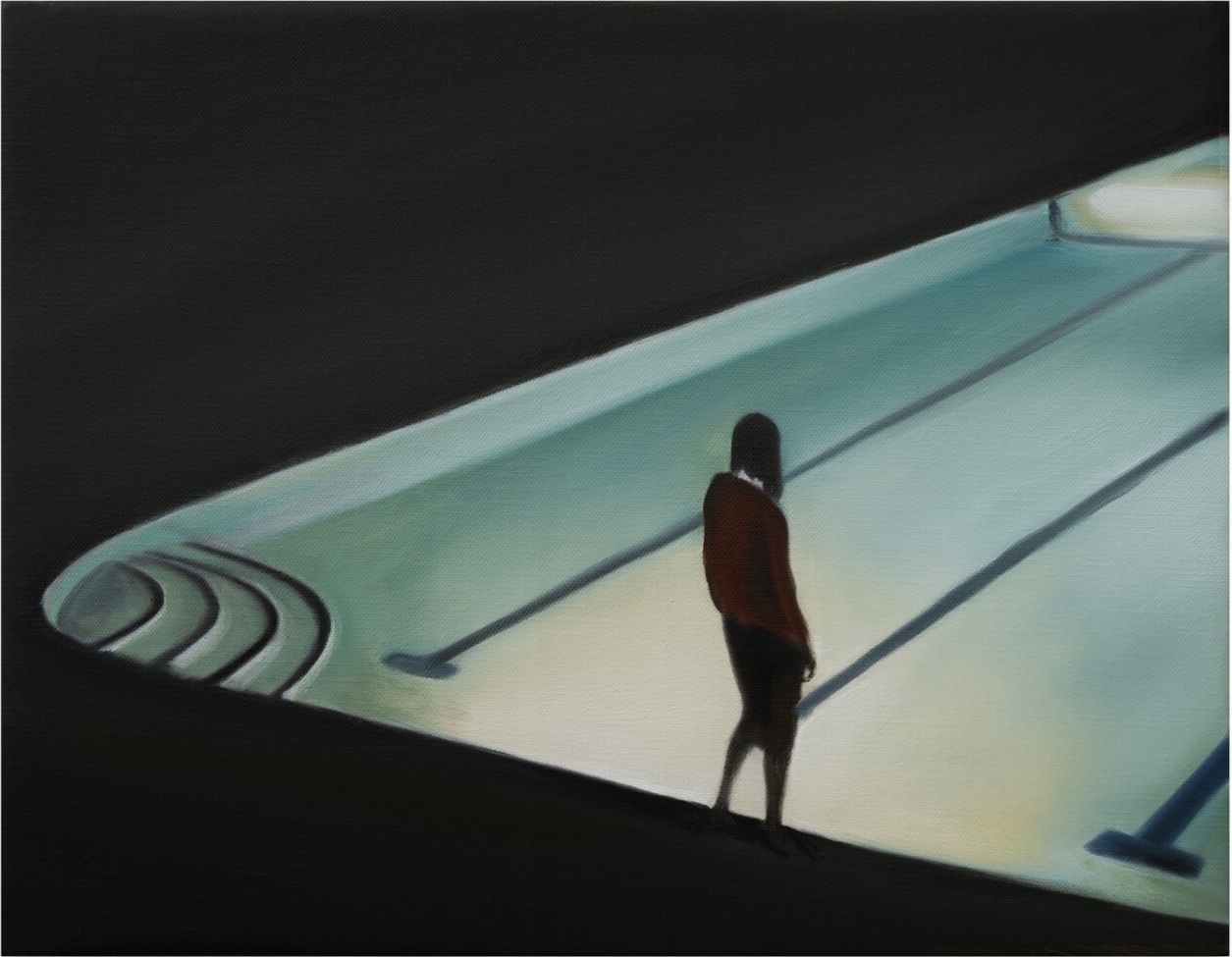
Your work seems to embody both memory and the fracture of the American Dream. Do you feel closer to a nostalgic, almost softened visual representation, or to a more explicit and direct reading of its contradictions?
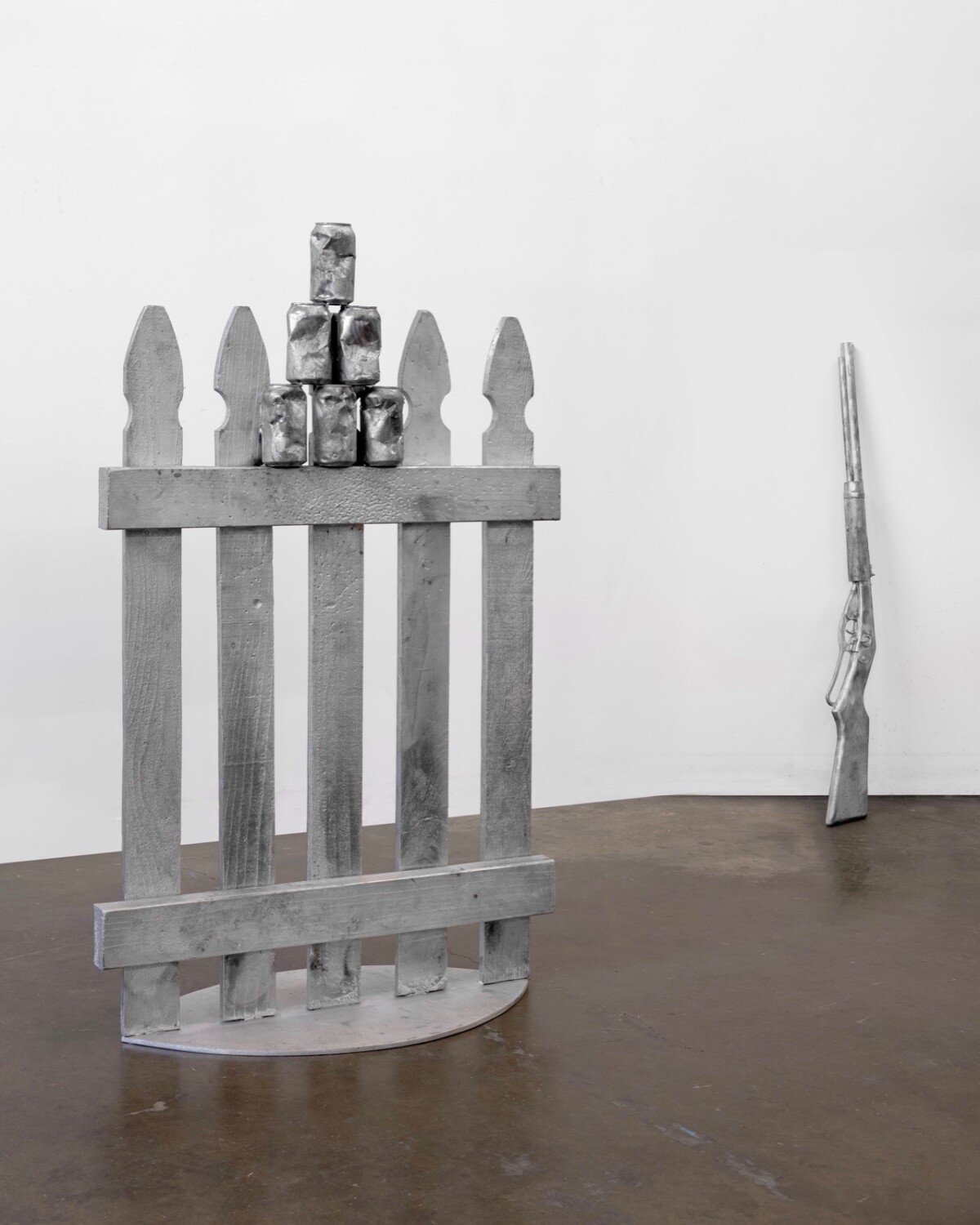
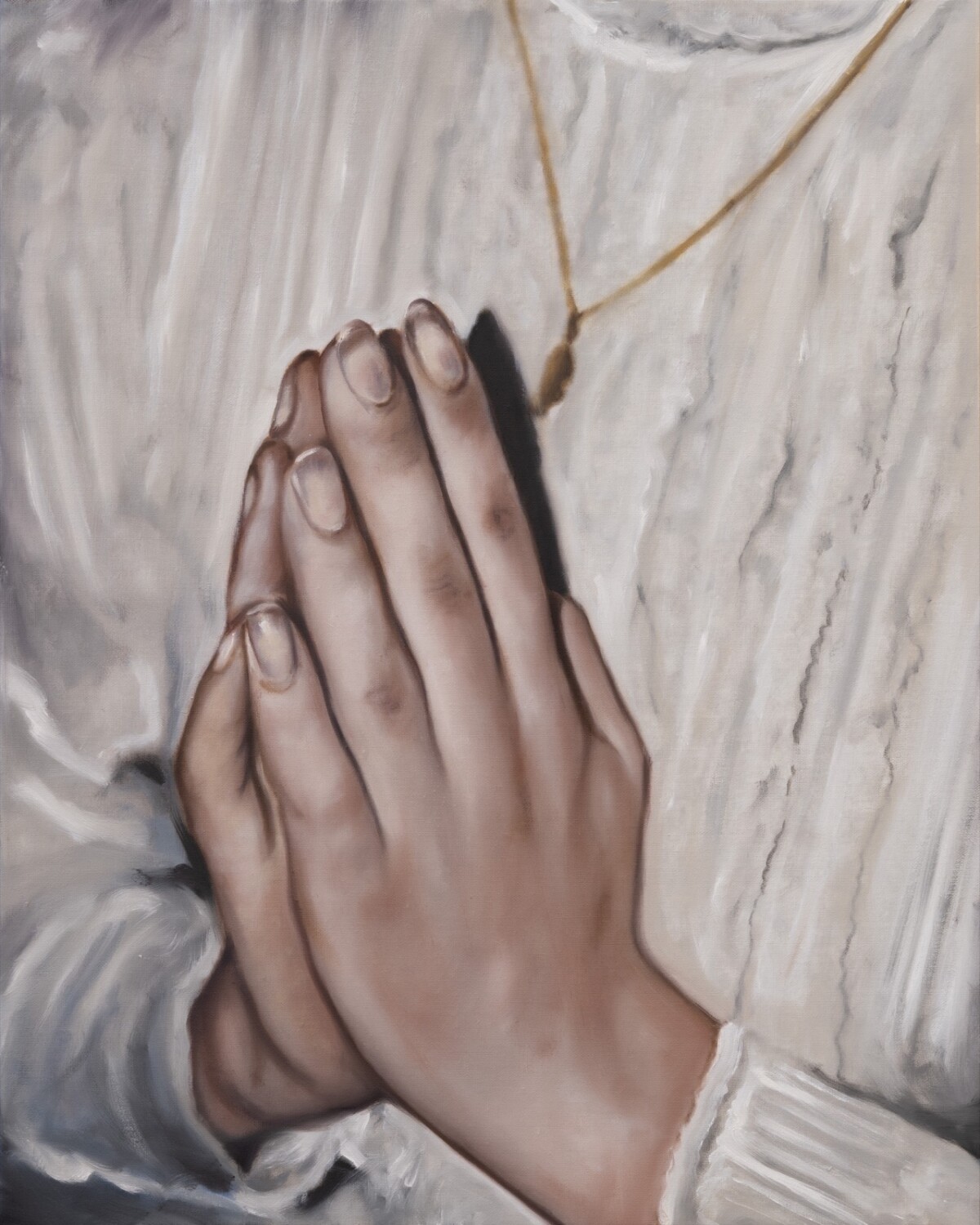
Finding ways for those readings to rise to the surface of the work without having to shout at whoever is engaging with it has always been my approach, both consciously and unconsciously. This has always been curious to me in a way, because so much of the work I love and am attracted to throughout history has existed in the opposite manner. The fracture of the American Dream is something I have observed throughout my entire life, and that is more what the work aims to present: continued observations of a reality splintered. I envy the artists that can be so direct and to the point, but there also isn’t necessarily an agenda to convince anyone of anything. I have my ideas that I’m exploring to get to the next work, but having a choose-your-own-adventure for the audience makes for a fun game of cat and mouse.
The concept of mutation and evolution, applied to this country and its imaginary, in your work, is it meant more as a critical gesture against the speed and superficiality, or as a device to observe continuous cultural transformation?
Both can be true. I don’t think you can critique something unless you’ve fully engaged with it and let it shape you in some way. My relationship with this country is complicated. There’s love, frustration, awe, anger, pride, and disappointment all existing at once. I’m constantly moving through it physically and emotionally, and that lived experience gives me permission to question it. It’s less about standing outside and pointing fingers, and more about wrestling with something I’m still inside of.
You have explored painting, tattooing, sculpture, and fashion. Is this movement between practices a direct reflection of your identity? Today, do you think an artist’s strength lies more in disciplinary versatility than in deepening a single language?
It is definitely reflective of me as an artist. I jump between disciplines or creative languages because that’s what I want to do. It makes sense to me. Not every idea works in every medium. Also, not everyone speaks every one of those languages. I have a friend that I get into friendly disagreements with over that. They subscribe to art being for those who really seek it, and although I agree on a fundamental level with that sentiment, I also like the idea of the work existing in many places. Those subtle ideas and observations have a better chance of creating dialogue and asking questions that way.
‘Learning from Las Vegas’ framed surfaces and signs of the built landscape as key tools for communicating American identity. How does your artistic practice engage with this legacy, and what do those surfaces communicate today?
Those surfaces are the remnants of the myth of the American Dream, so they act as a record and also a cautionary tale. I engage with it as a participant in that human experiment. The story isn’t over yet, so the work chooses to ride alongside as it continues, on a personal level and in a broader sense as well.
Tattooing was your first creative field: a practice of direct contact, body-to-body, and shared culture. How did it shape your vision and distinctive expression? Is there an experience from that period that you still consider a formative influence on your work today?
It was definitely the first creative field I had success with. My experience and journey with tattooing was something that is more commonplace now, but at the time it was significantly more frowned upon. I never had a formal apprenticeship, although respecting those that came before me was always at the forefront of my tattoo practice. Within the creative side of my tattooing, though, my experience was abnormal in that I pretty much only ever tattooed within my own personal style and worked in my own private studios. I traveled and worked at plenty of amazing shops with some of my favorite artists, but day to day I was tattooing out of my art studio, so I would flow between the two practices throughout the day. The most formative parts of that time were building a work ethic and a hunger to keep exploring and growing, but that was less dictated by tattooing as a practice and more by that period of my life.
The imagery of the American West and its symbolism runs through your work and collaborations. Which artists, even from different fields, do you feel a kindred affinity with, and which have instead created critical or productive friction?
There are lots of artists that I am inspired by and many whose work I bring into my own, but naming those that I feel a particular affinity with is challenging, because as a typical overthinker and respectful student of those who came before, the thought of placing my name alongside those I would mention feels underserved currently. I always draw a line of inspiration back to Warhol for many reasons, like career choices and a wide creative output, but that line weaves through many artists between me and after him. There’s endless inspiration and affinity from music, friends, and other disciplines.
When One of These Days was founded, how did it position itself relative to your artistic practice? Is it a coherent extension of your visual language, or a space where you explore aspects you wouldn’t in your art?
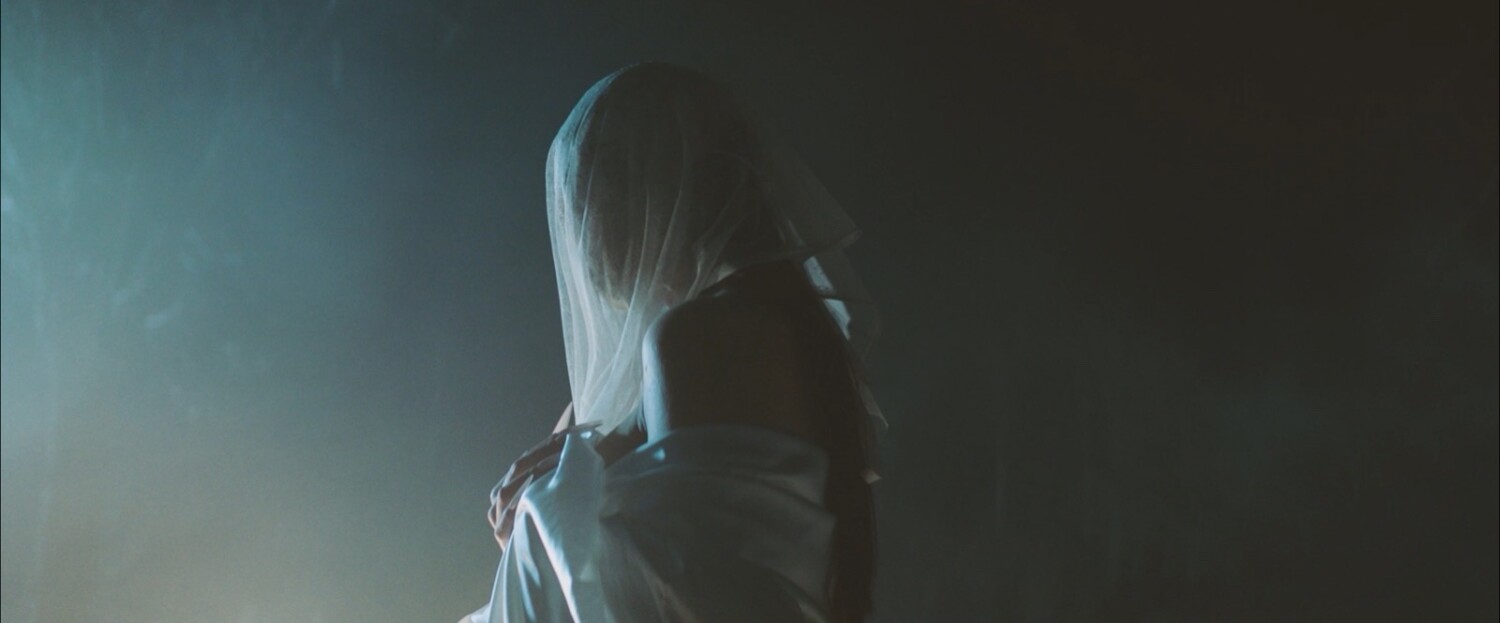
At first I enjoyed it functioning separately, but at a certain moment it made more sense for it to blend more cohesively. At this point it acts as an ongoing conversation that allows me to connect other parts of my practice as well as create new avenues to explore. We’ve done videos that act as “ads” for the brand that allowed me to make short-form narrative videos, which for me is something I would love to explore more. The brand was a great excuse to actually make it happen. It allows me to build more of a world that others can contribute to and become part of.
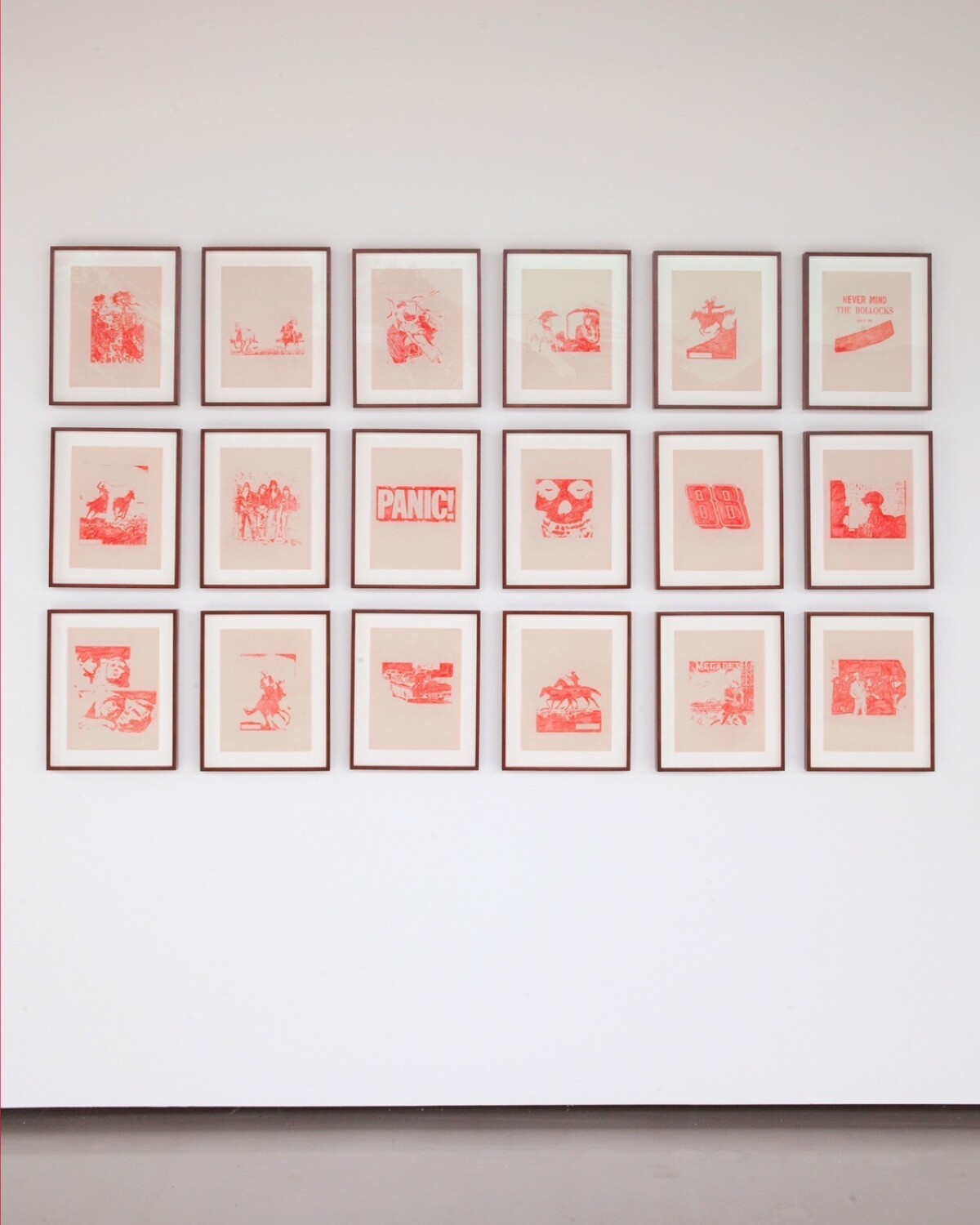
‘In Running On Empty’, detail becomes a narrative device and a lens on contemporary adolescence. In a society that pays little attention to detail, what can be rediscovered in the fragment? Is there a reference the viewer must necessarily grasp?
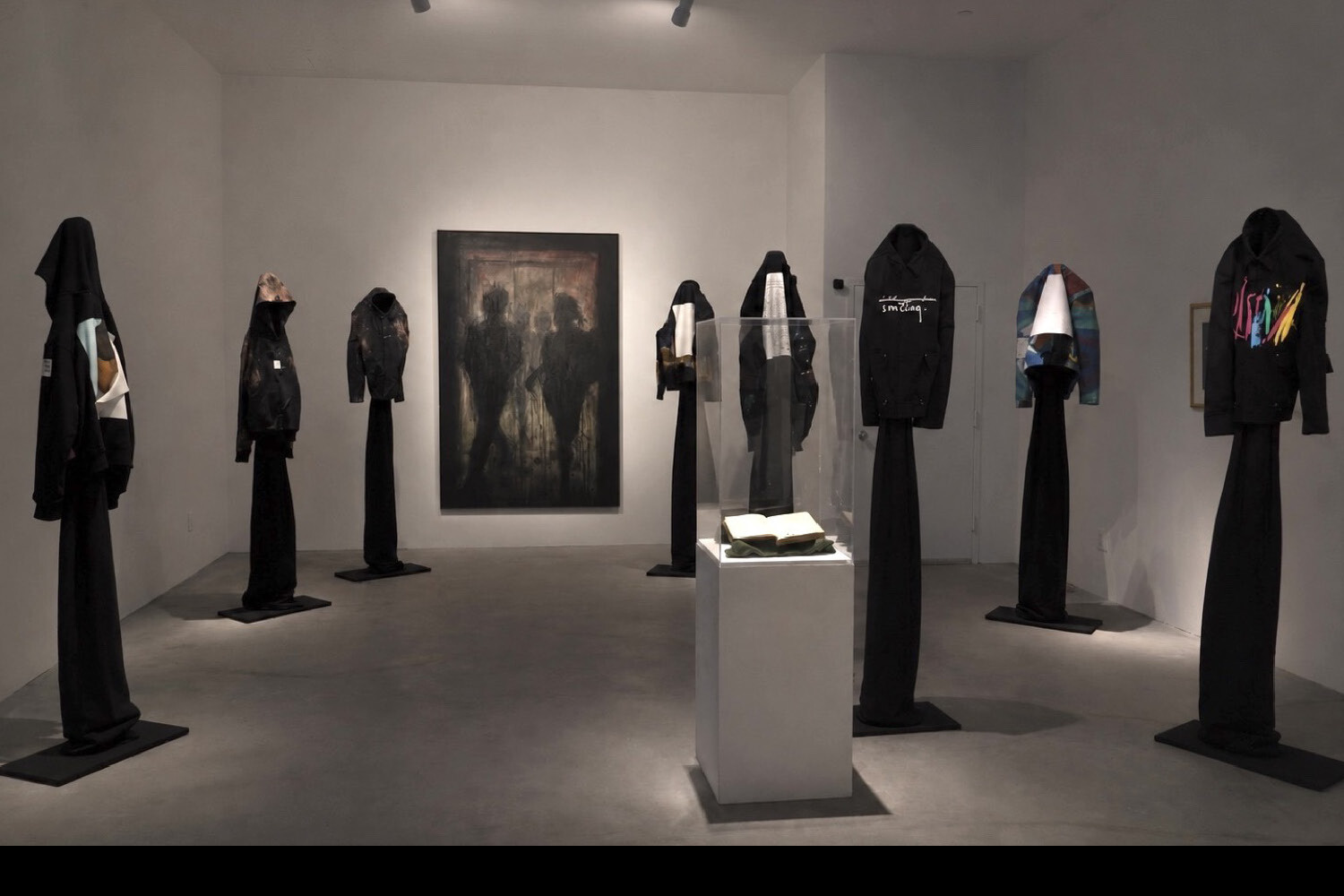
There’s nothing specifically that the viewer “must” grasp, but rather moments that may cause them to dig into their own experience and reflect upon it, or not. We’re told what to do enough, especially during adolescence, but while making that show I was reminded of the immense freedom of youth, and how it also acts as a microcosm for the rest of life. I was interested in confronting that reality and maybe in some ways recontextualising my own experience through the found images used in that show.
Looking ahead, what tensions or directions are you currently exploring? Is there a project you feel represents a shift in language or position, rather than simply a new chapter?
I’m currently in a moment where I just finished a show that is opening in Japan in a month, where I more deeply looked at a series of historical events starting in the 20th century and sought to take a similar approach that I did with the foray into adolescence. Right now I am ideating two different shows for later this year and early next. One I am completely up in the air on, but I am considering going way inward with some of my more minimal paintings. For the second show I want to take a big creative swing. I can only say so much now, but the plan is to really do a show that must be seen in person to truly be experienced.