An innocence that isn’t entirely innocent: many of your images exist in a delicate balance, suspended in an ambiguous atmosphere. How does this tension connect to your personality? What is your relationship with the unspoken, the subtle, the ambiguous?
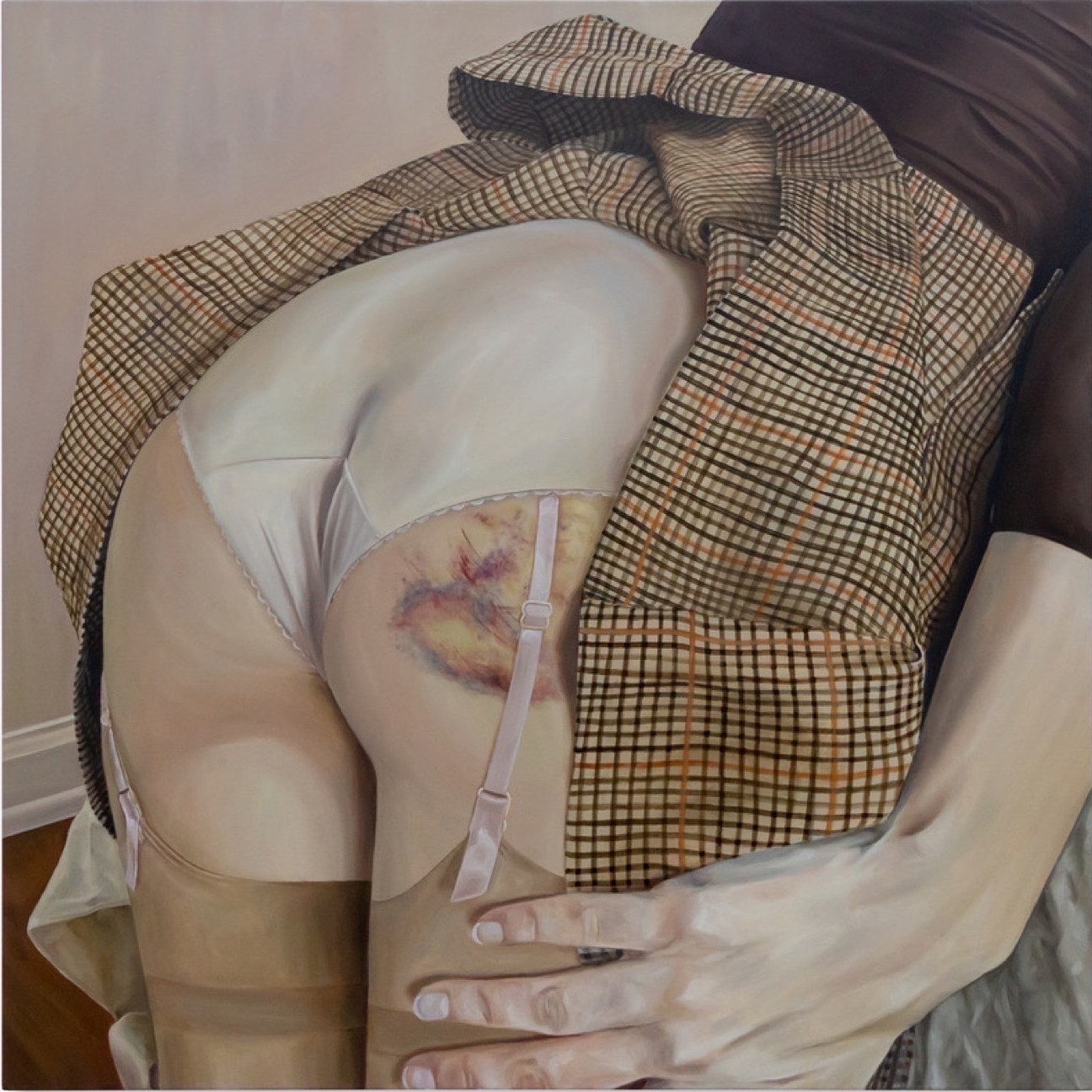
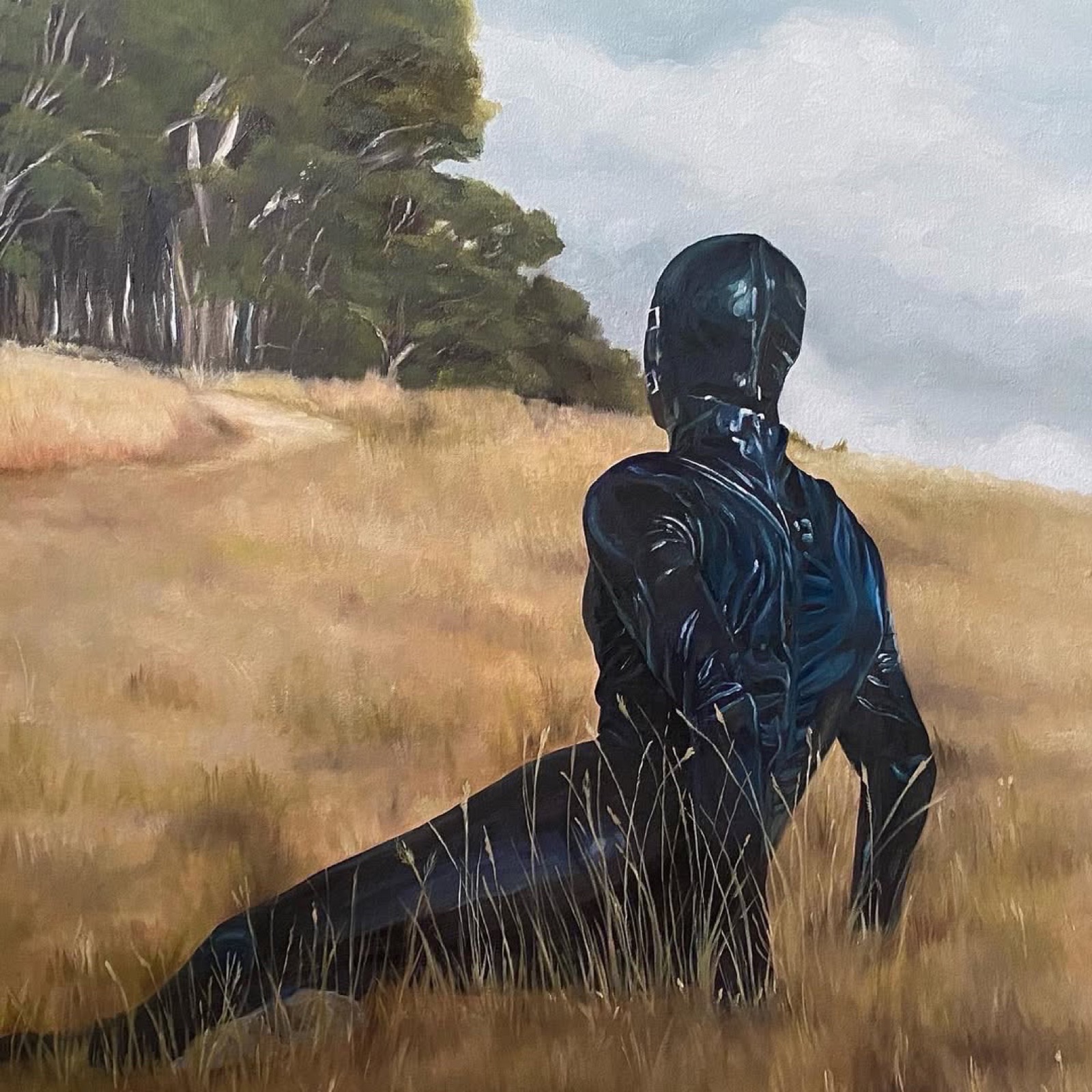
I feel like I have really committed myself to narrating personal histories in a way that feels somewhat universal to the broader experience of girlhood/womanhood, which can be quite audacious considering how different that experience can be depending on many factors like race, ethnicity, class and other geopolitical variables, however I still believe there is something very primal and fundamental in my work which I try to accomplish by means of rendered ambiguity. I feel challenged by the things I want to share without giving away too much, faced with the dichotomy of my own privacy vs what I am willing to reveal. Maybe that’s where the tension lives.
In your subjects, do you portray parts of yourself that reflect your inner world, or are you drawn to what is other than you, to what doesn’t belong to you? What captures your attention in others? Is there a physical detail, a gesture, an invisible vibration that triggers the desire to portray it?
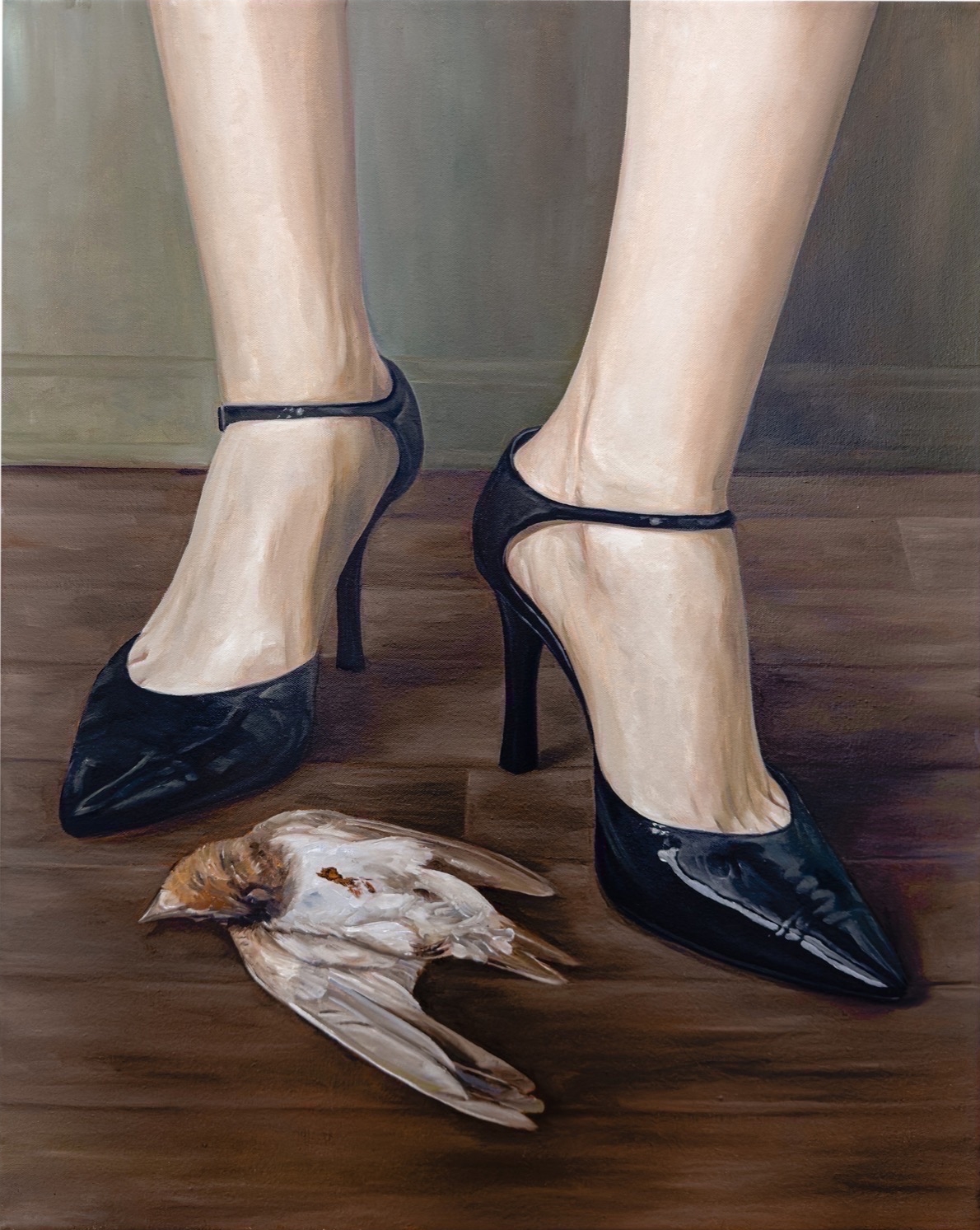
Sometimes certain works feel very instinctual and not plainly self explanatory. It’s more of a feeling, a guttural reaction rather than clearly resolved visual storytelling. I am drawn to that in which I can find some sort of relatability, things that speak my language or things that help create and build my own language, which is why my work is made up of sourced or found images and self portraiture. It’s very hard to point at what it is exactly that compels me to turn something into a painting but I figure it out as I go and then in retrospect you can see the patterns. There are things that become meaningful upon completion, it’s part of this world building exercise. I am always attracted to a certain ambivalence hidden in simplicity.
Do you have an obsession with a particular category of details, micro-elements, symbols, or “flavours”? A certain aesthetic or sensory pleasure that becomes a refuge, where you feel completely yourself, both as a person and as an artist? Are there hidden elements, small fetishes, without which neither your art nor your self could fully exist?
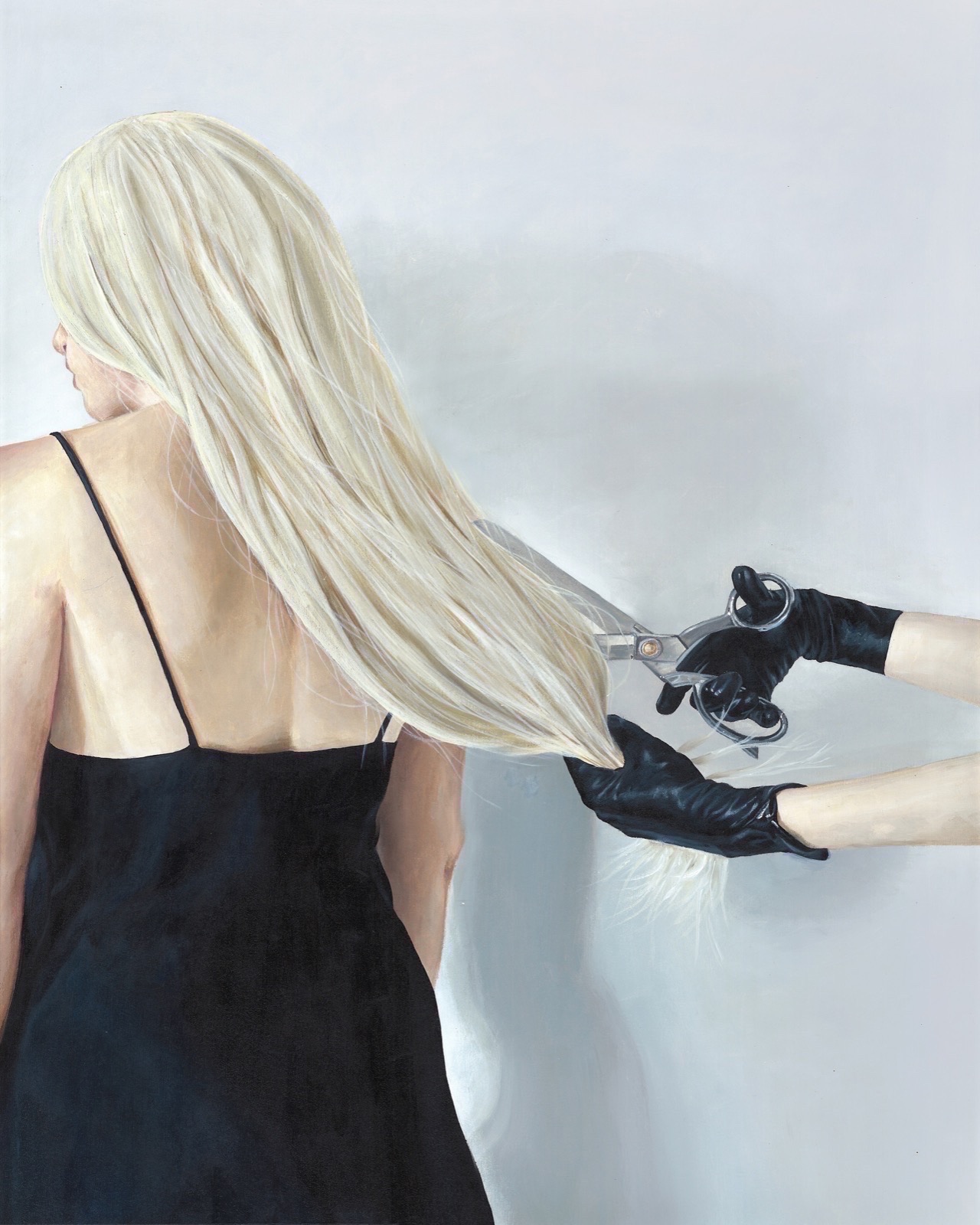
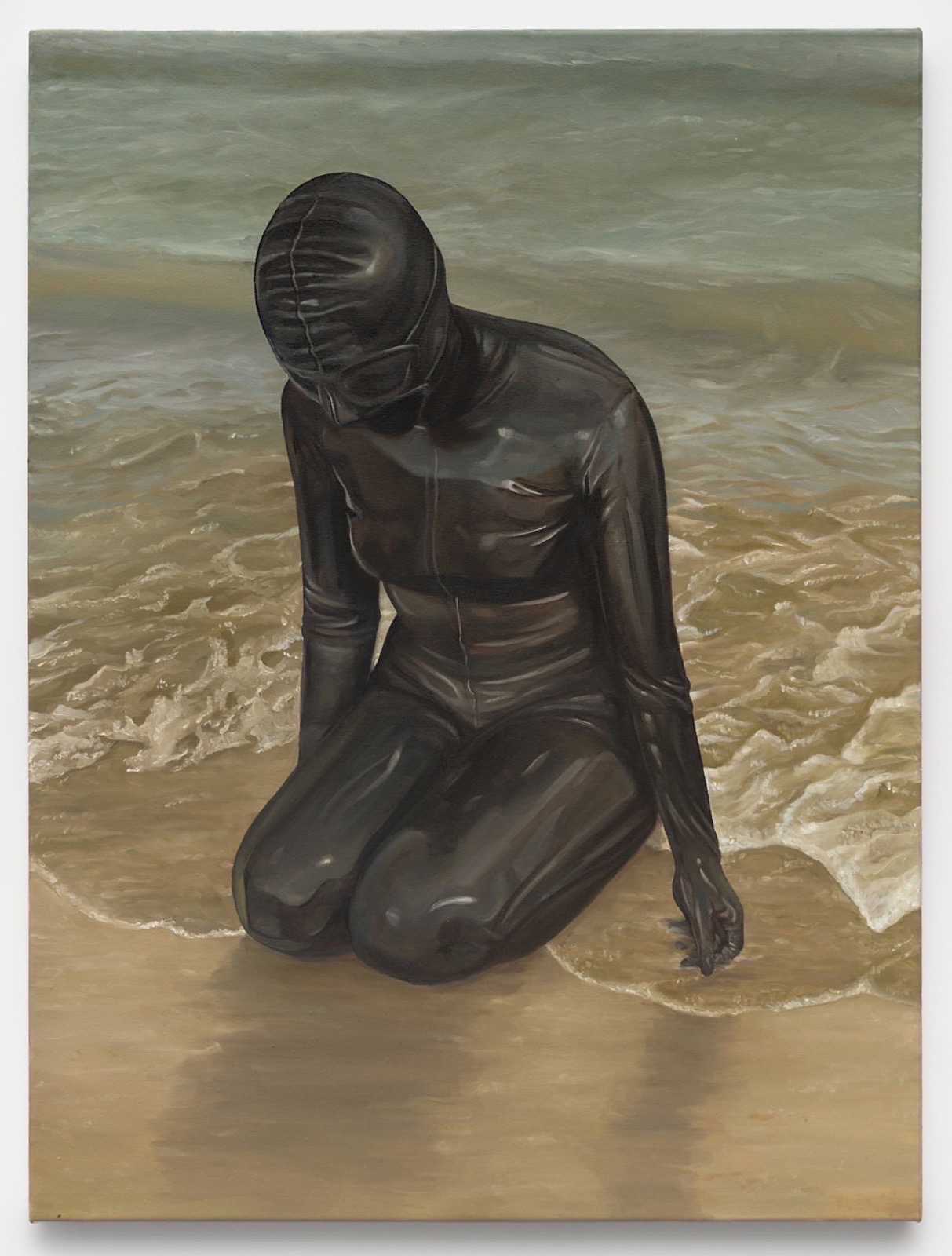
Maybe I intentionally or unintentionally do, it’s part of this language building aspect of creating something. I am going to paraphrase Tolstoy (sorry I do not mean to butcher his words) but he said that art is an activity humans do consisting of sharing feelings one has lived through by means of certain external signs and symbols, so that others can also experience them. I’m drawn to the symbols that repeat in my work almost unconsciously, certain colors, textures, or objects that feel charged: muted palettes, something painted in a bright color demanding attention, obscured faces, the almost voyeuristic nature of the works themselves, these things are a big part of my identity which is ever expanding and being informed by internal and external factors. The act of making work is a refuge in itself because you are creating a whole universe.
Your world often offers a sweet taste, only to sting , like a puppy that suddenly bites. Has this sensitivity always been part of you, since childhood? Did you express it through other languages : literature, cinema, music? Could you share a list of suggestions or “flavours” that profoundly represent you?
All forms of creativity are so interconnected and I’ve been practicing many of them since early childhood. I played in bands when music had a bigger spotlight in my life. I love writing and reading, I love taking photographs, I love it all but sometimes one creative endeavor takes up more time and requires more focus which for me is my painting practice I guess. All of them are still very big parts of me and I think there’s a confluence of all these things that shows in what I do.
Is there a personal symbolism behind certain colour choices or chromatic nuances in your work? Do you maintain a constant emotional or conceptual relationship with specific colours?
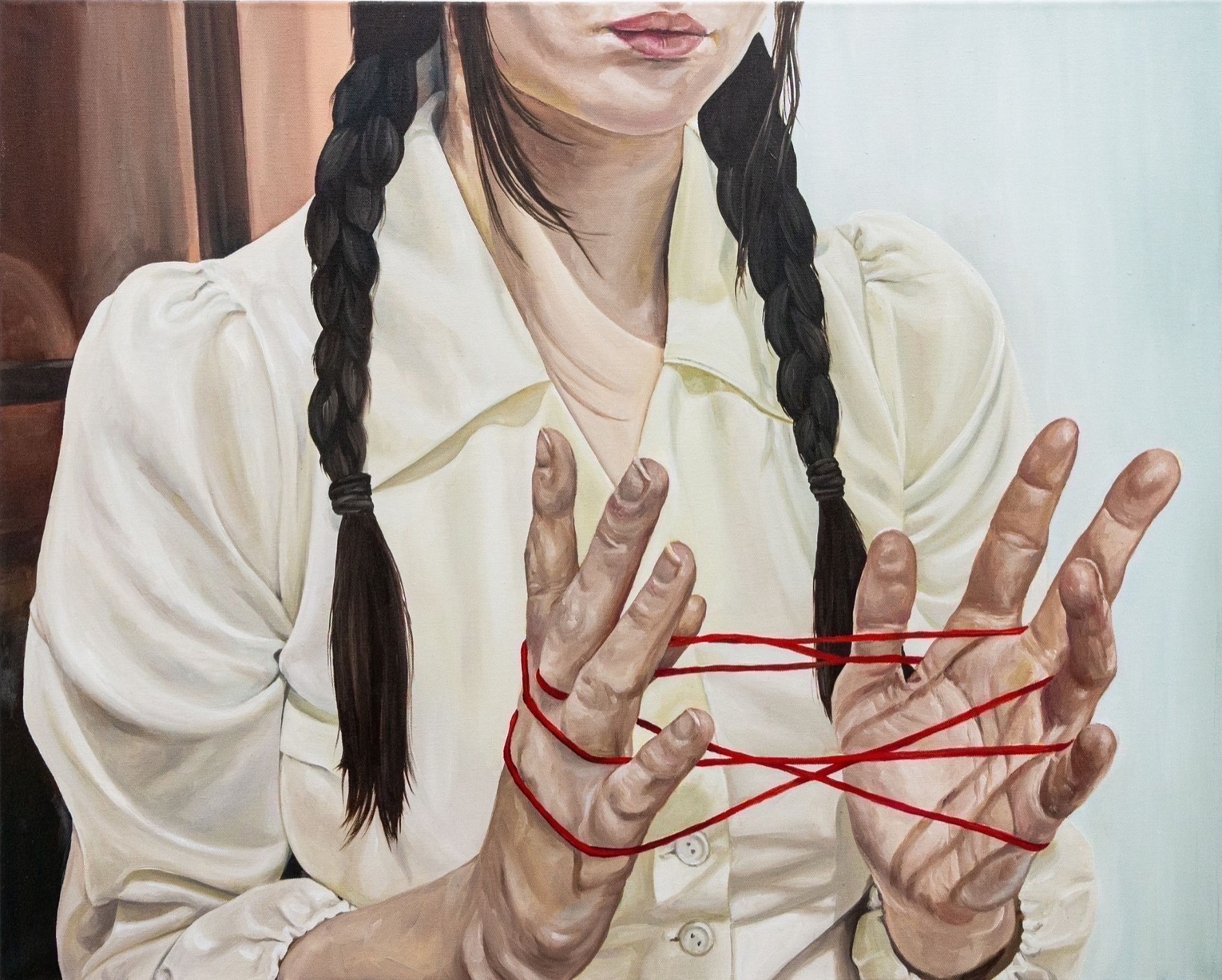
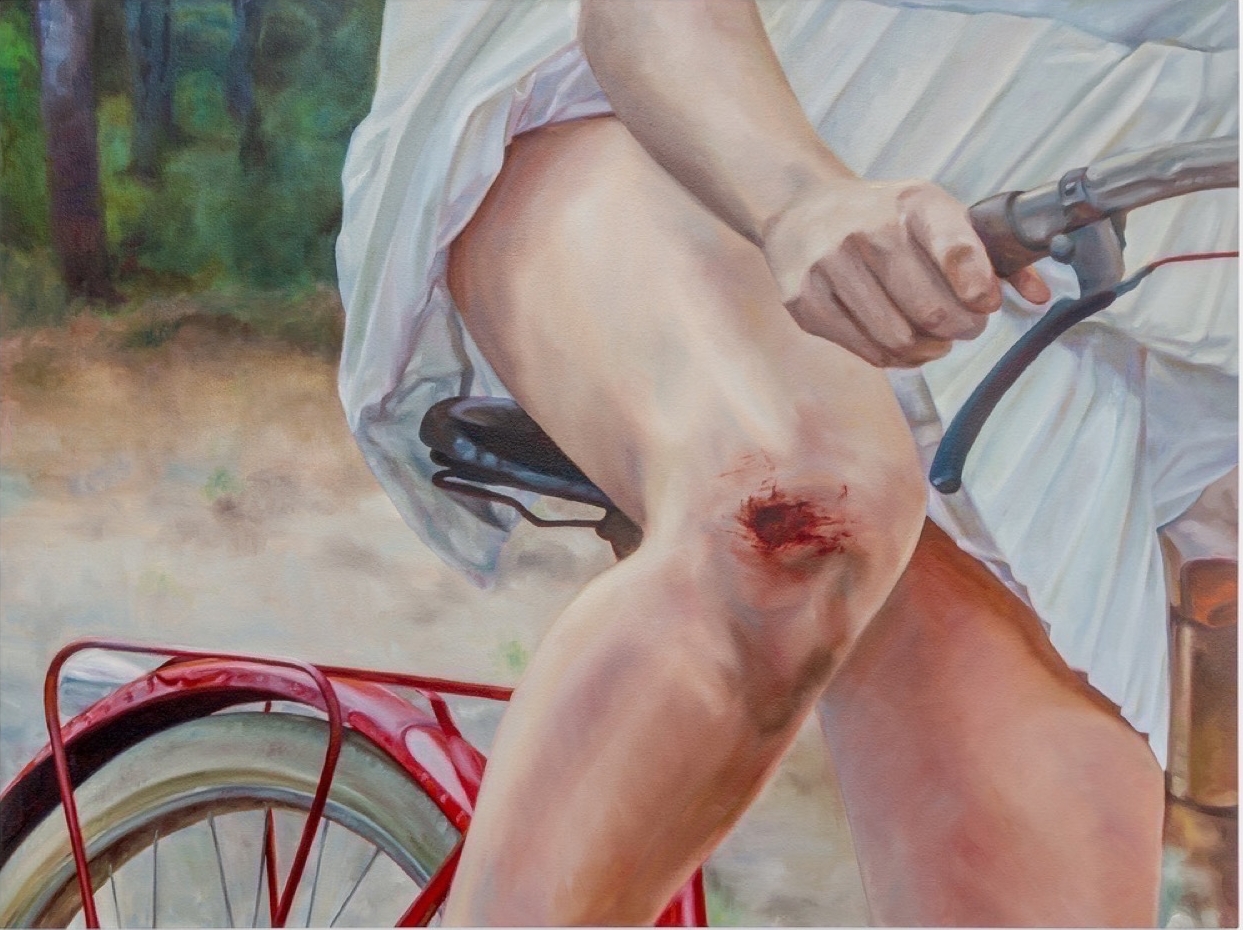
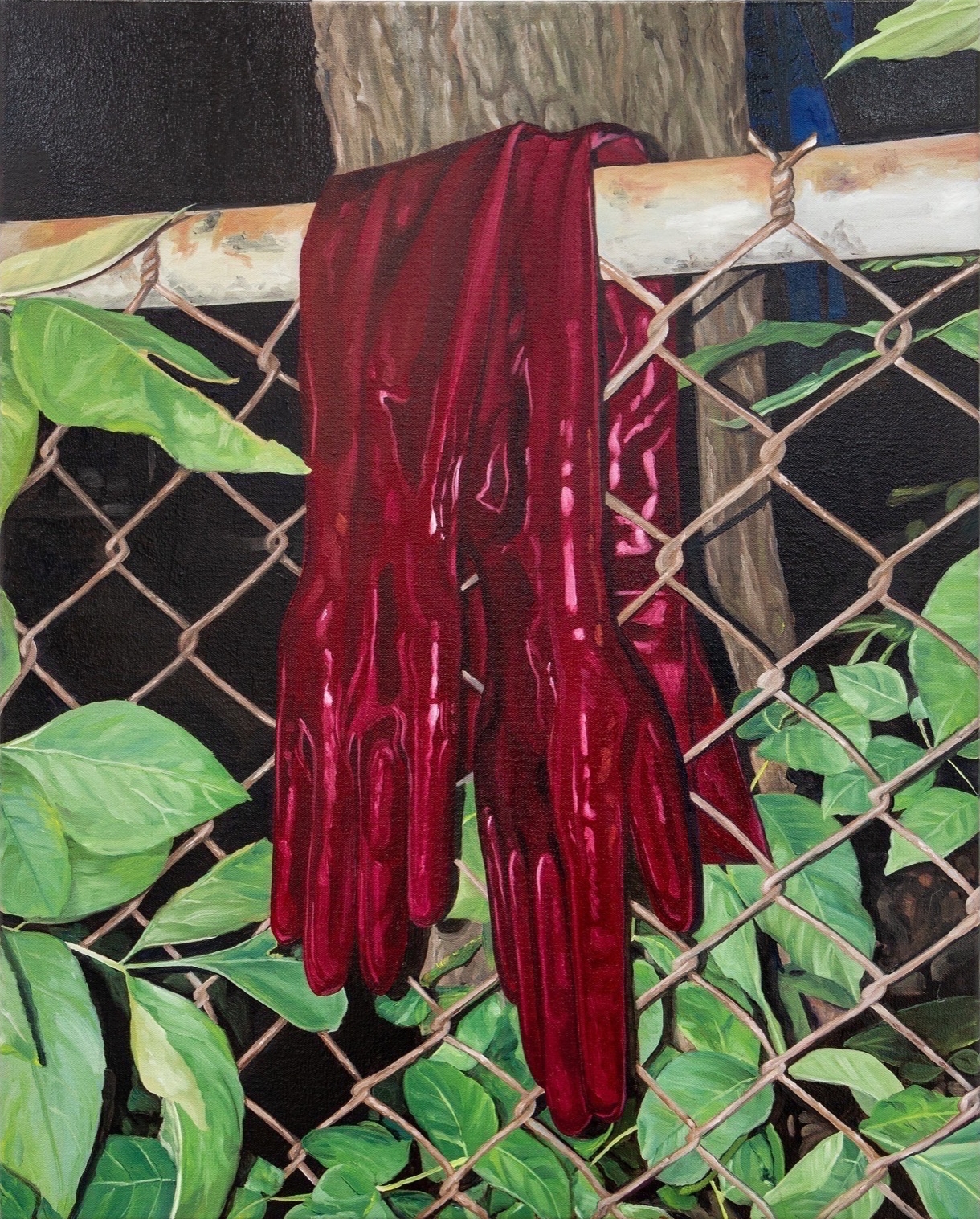
Sometimes I emphasise certain objects in a painting by introducing a strong, saturated color that stands apart from the rest of the palette. I might use a vivid red or another bold tone, but that doesn’t necessarily mean it’s the element I want you to linger on. In fact the intense color often serves as a decoy, like a kind of visual misdirection that ends up isolating the quieter details. Sometimes what I really want to focus on are those subtle and understated areas that surround the bright object. In many cases, those “quieter” parts hold the essential meaning of the work.
The exploration of female pleasure, obsessions and sexuality is still a slippery terrain for many viewers. Do you feel that a true expressive freedom has now been achieved in the art world, or do you still encounter resistance, moralism, or judgemental gazes?
To be honest, I don’t think an artist should concern themselves too much with whether a viewer finds the work uncomfortable. Art shouldn’t be made to appease… In my experience we do, for the most part, enjoy expressive freedom, and artists tend to do whatever they want regardless of how provocative or unsettling a subject might be. That said, we’re also living in a moment where some aspects of society are clearly moving backwards, especially in relation to the feminine body. There’s a growing conservatism and moralism that can turn even the most nuanced or personal exploration of female pleasure or sexuality into something controversial. At the same time, I find that this subject is widely used. It doesn’t feel new, I do not find anything groundbreaking about the portrayal of women in any shape or form (and yes, that includes my own work! I don’t think I am doing anything ground breaking but I am allowed to express myself regardless)
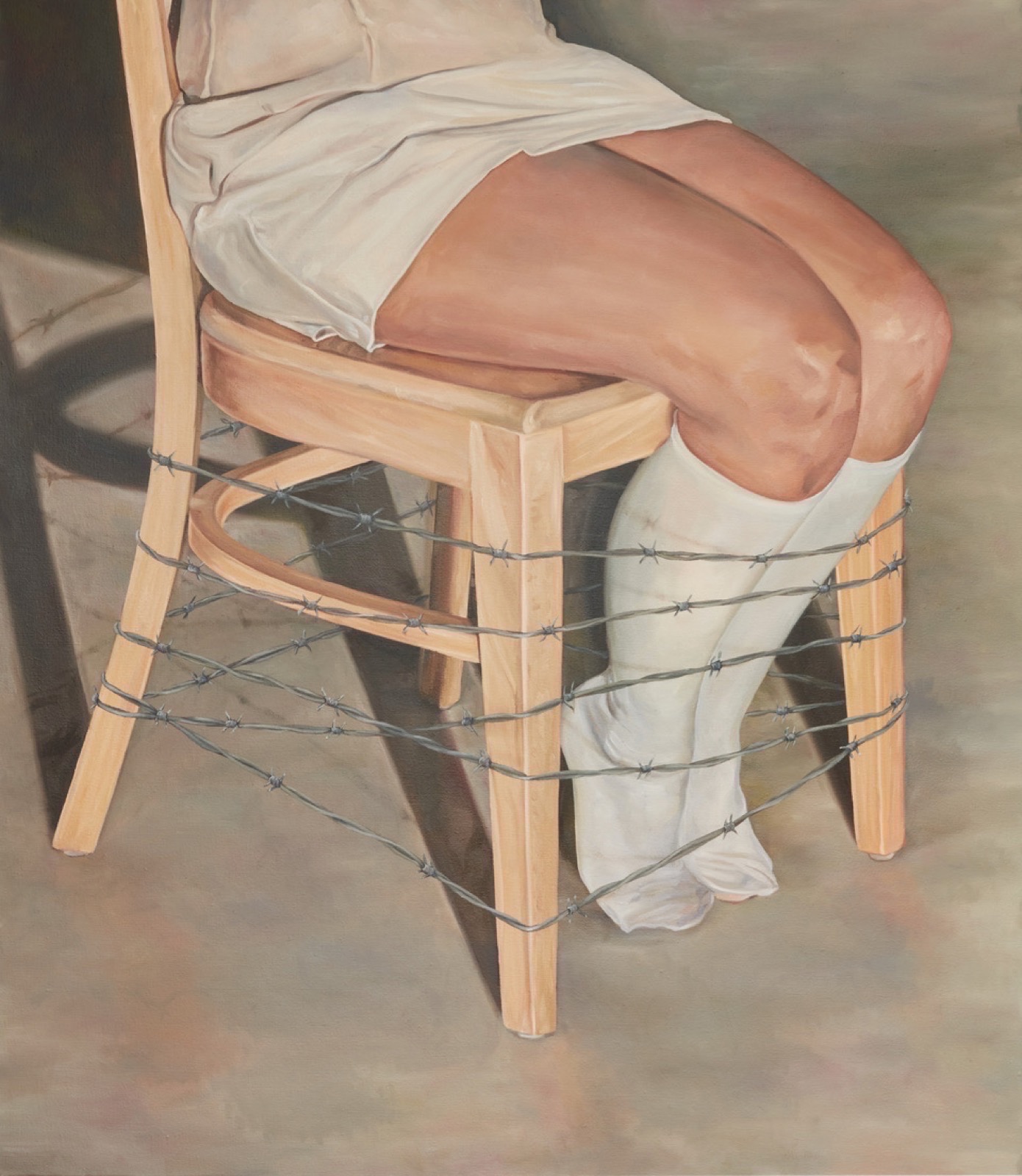
. My only reservations regarding this would be when I can tell the difference between an artist working from a place of real lived experience and someone using feminine imagery simply to shock or provoke. For instance, I genuinely don’t understand why so many male painters center their entire practice around depicting the feminine body. What business does a man have in painting a girl in frilly socks, braids and ballerina flats with a babydoll dress? Respectfully but these men need to be stopped! The work becomes a spectacle rather than a language. When it comes from a personal place, though, even if it’s going to make some people uncomfortable, it’s still necessary and valid.
How has your art changed as you have changed, in your body, your desires, your lived experiences? Have adolescence, maturity, and lived experience left visible traces in your work?
I definitely feel like I am constantly evolving, incredibly influenced by the media I am exposed to and what I voluntarily consume (the books I read, the movies I watch…) and as my knowledge expands so does my creative output after being informed by new concepts. That said, my adolescence, which was tumultuous, traumatic, and marked by a kind of premature loss of innocence, has remained a central source of inspiration through the years. Much of my practice continues to orbit around that transitional space between youth and adulthood, and the discomfort of not fully fitting into either. I’m interested in how the body carries and somatizes emotional distress, and how despair quietly accompanies us through different rites of passage. Those traces of experience, especially the darker or more fragile ones, are what most visibly shape the work as I move through different stages of my life.
Are you currently working on something new? In which direction is your gaze shifting today? Is there a new thematic world, or a desire that’s waiting to take shape?
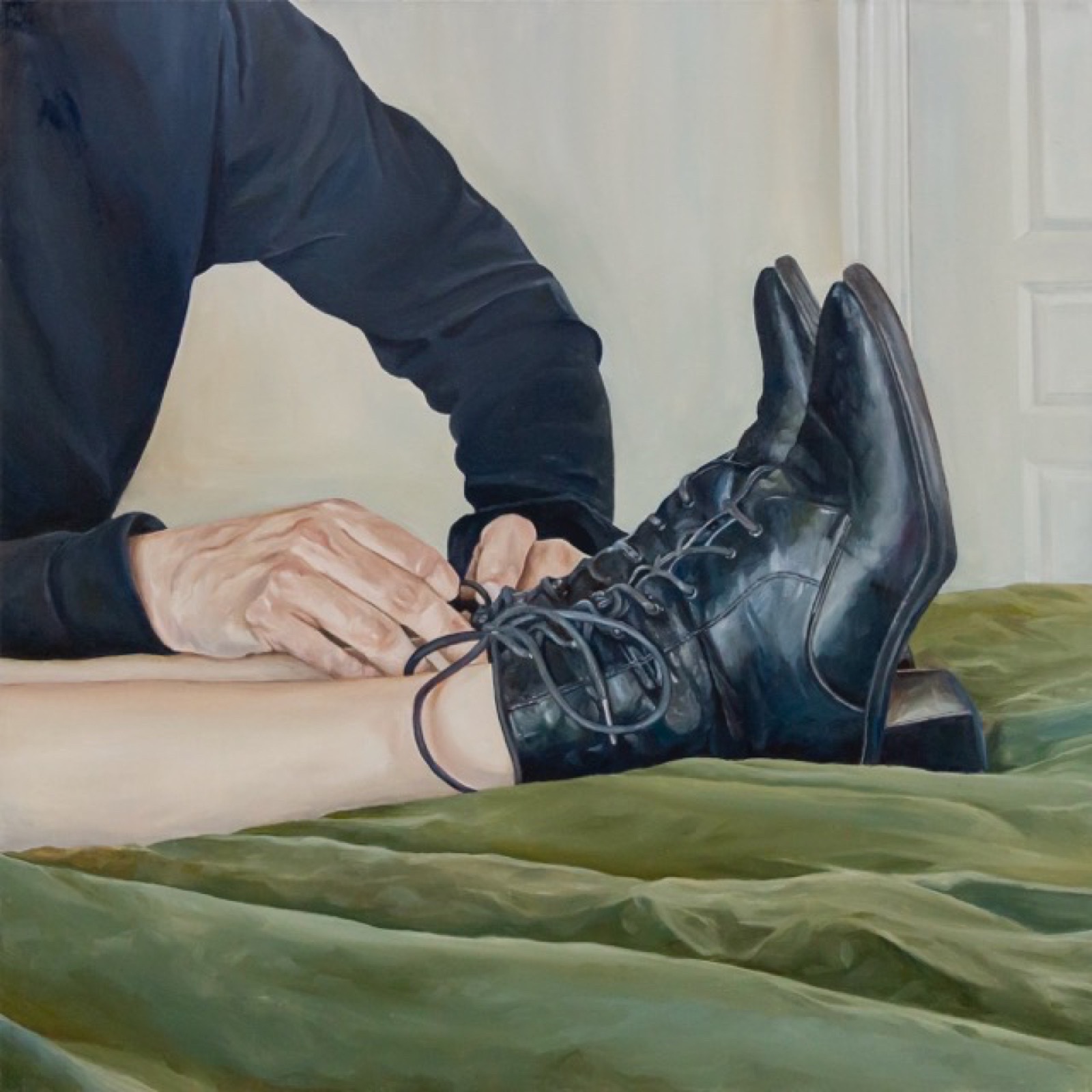
I’m currently preparing for my next exhibition, and the new body of work feels more voyeuristic than anything I’ve done before. These paintings position the viewer as a quiet observer, catching a glimpse of intimate domestic scenes, moments that are private, sometimes ambiguous, and intentionally unresolved. What I’m interested in right now is how women continue to perform even in solitude, and how that performance becomes embedded in everyday gestures and environments.