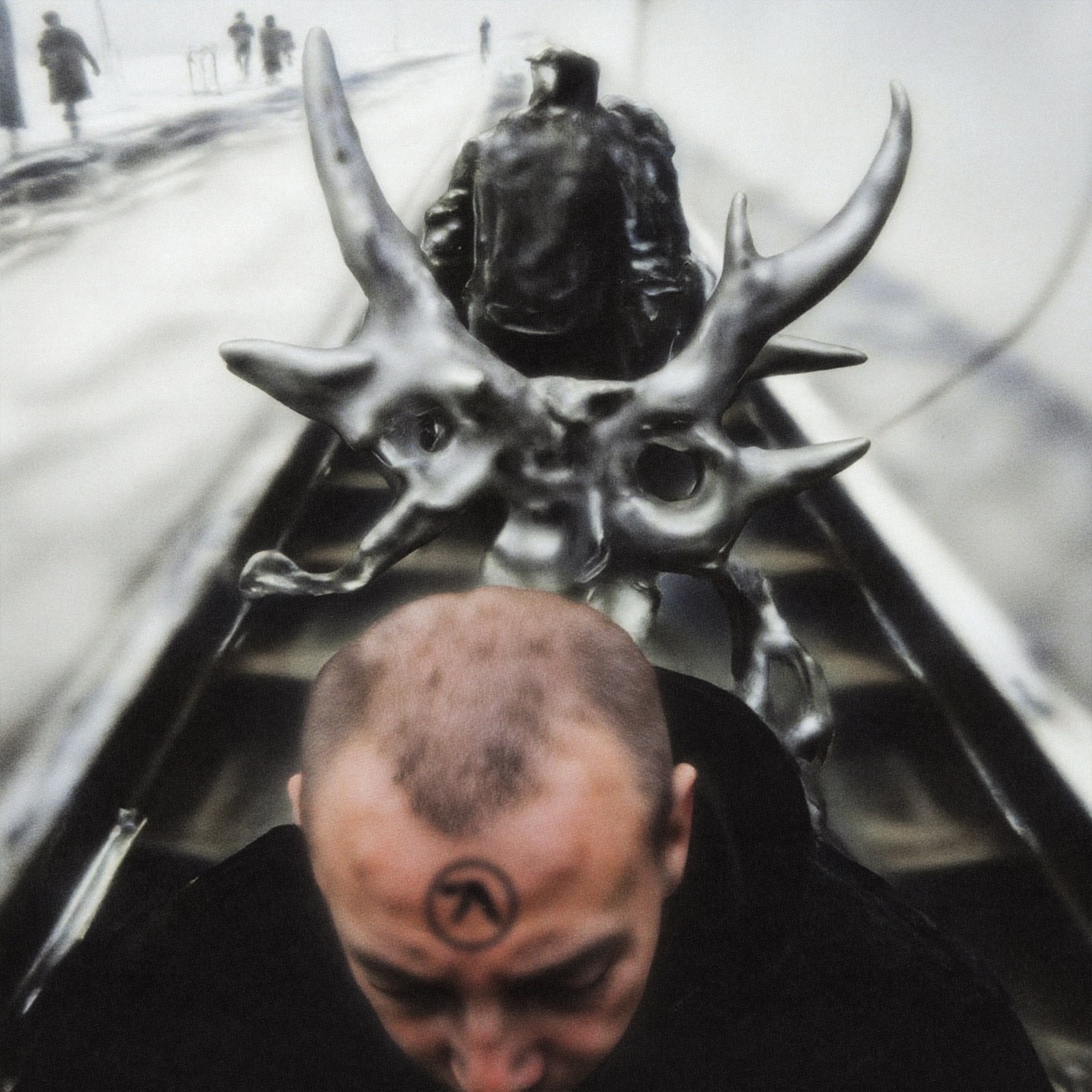
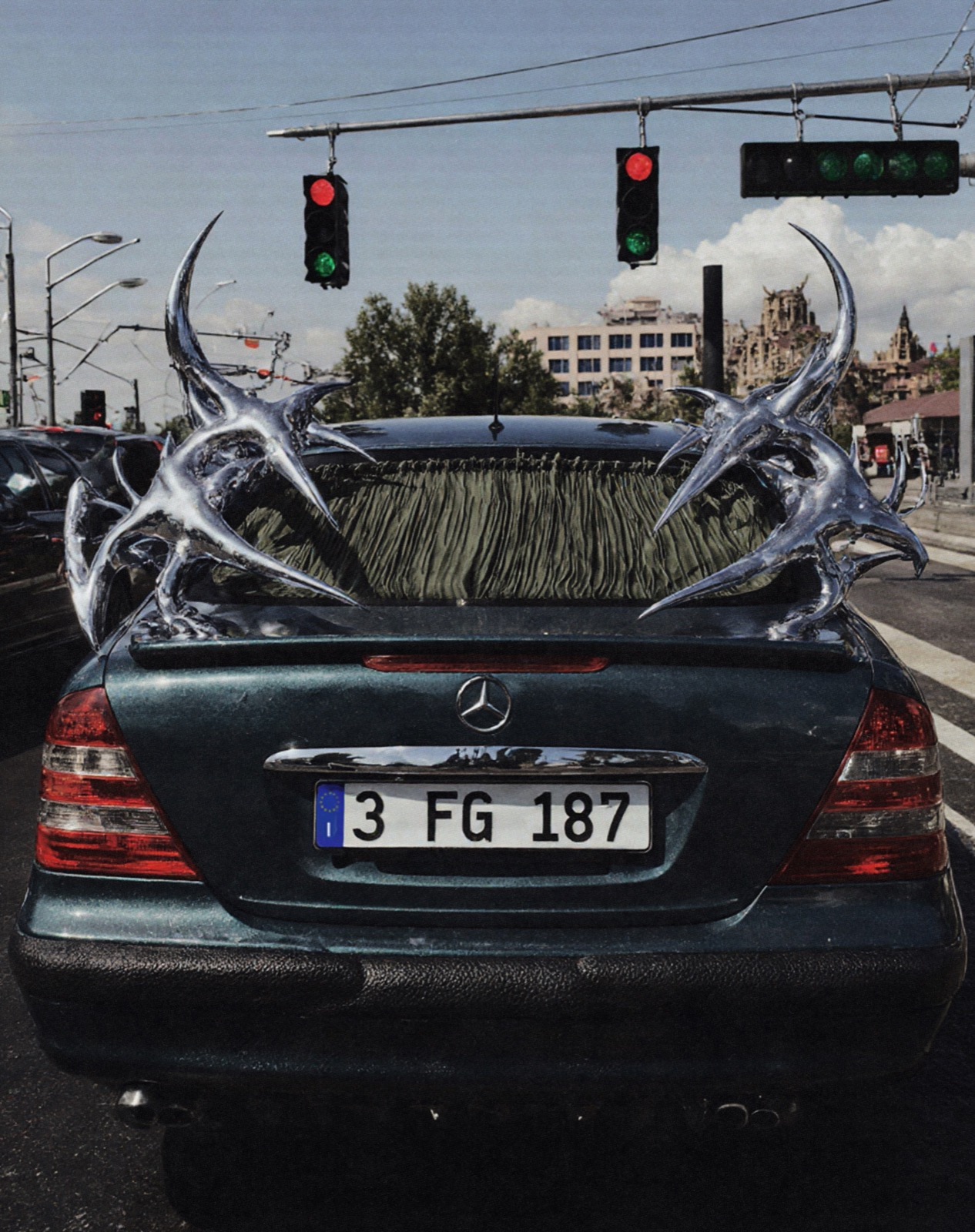
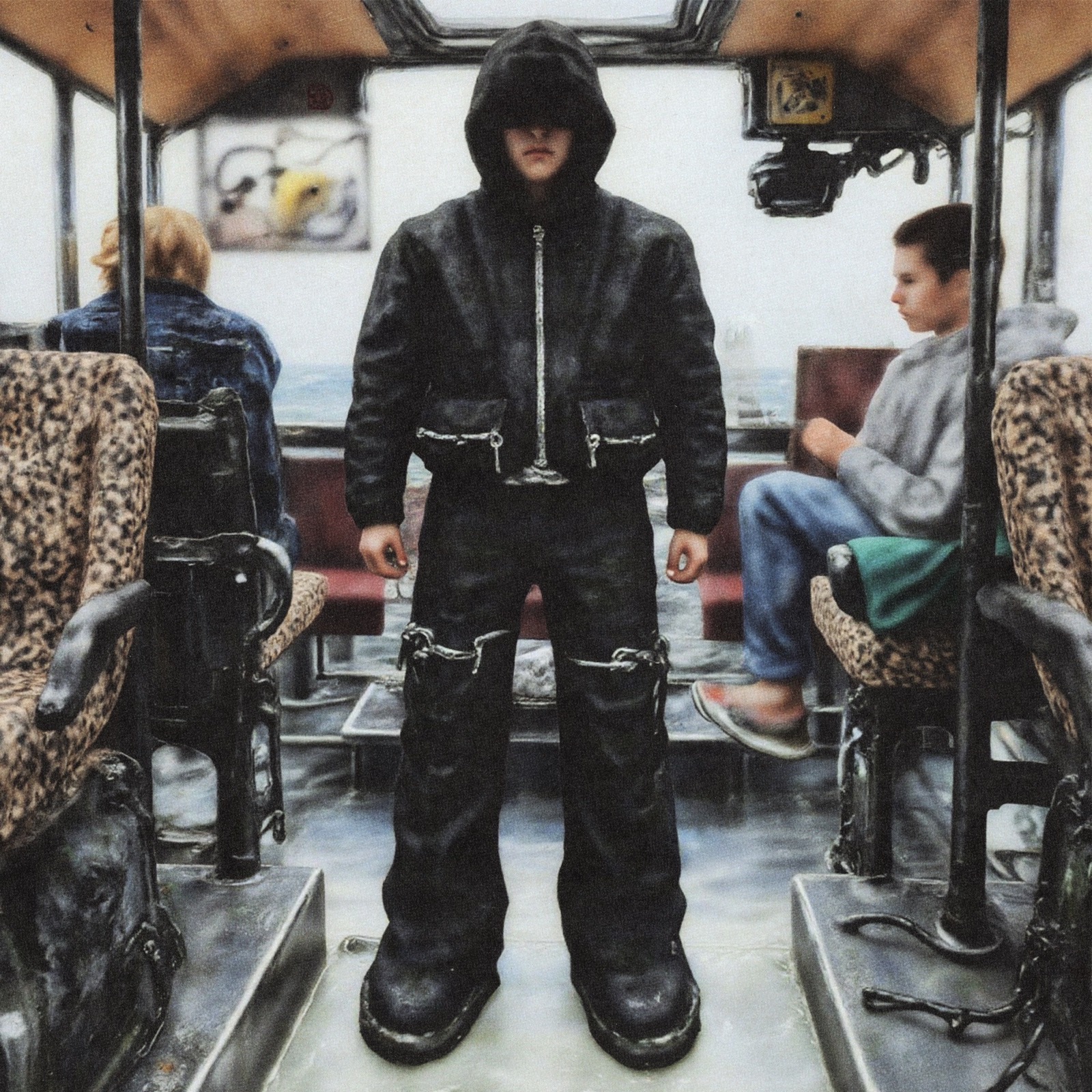
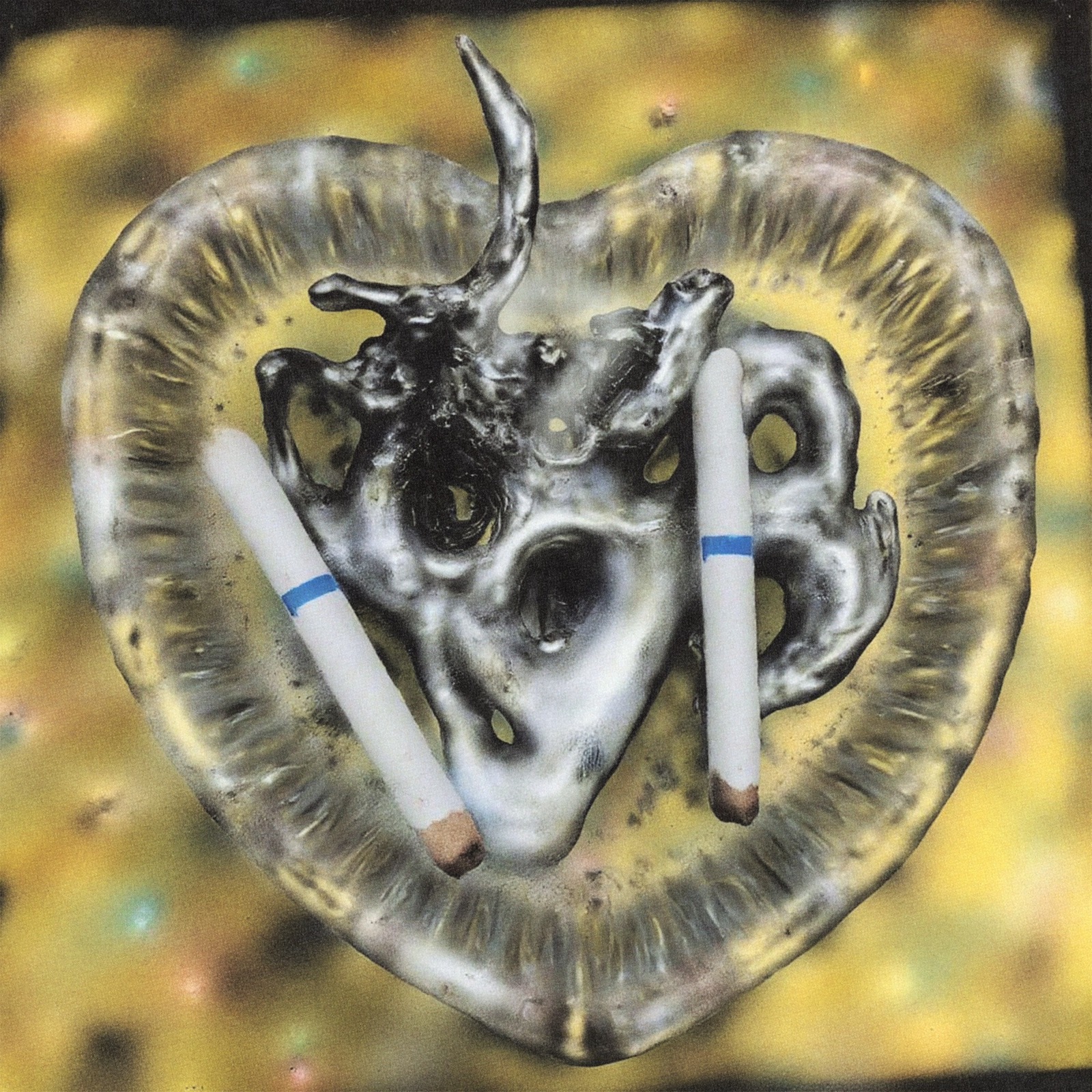
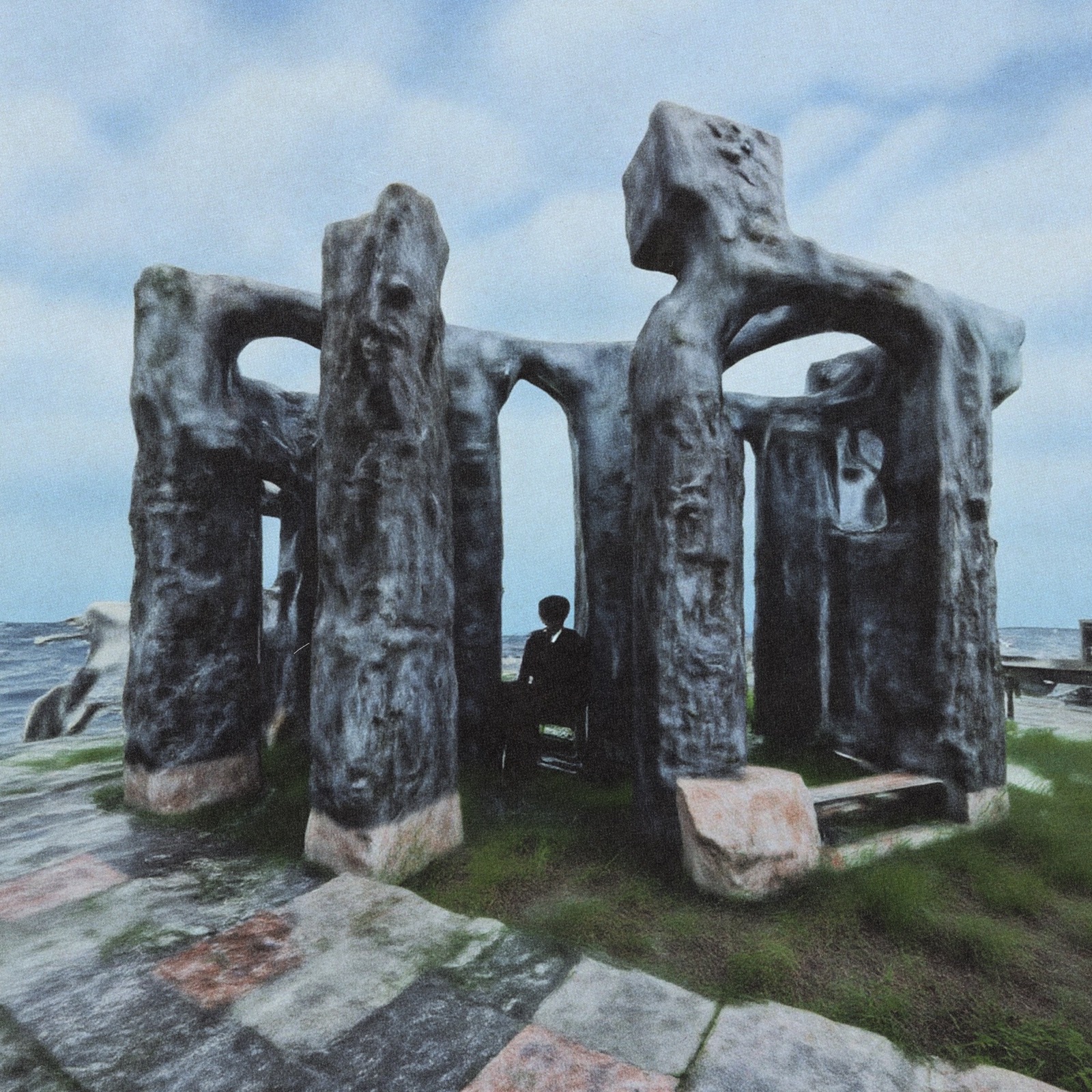
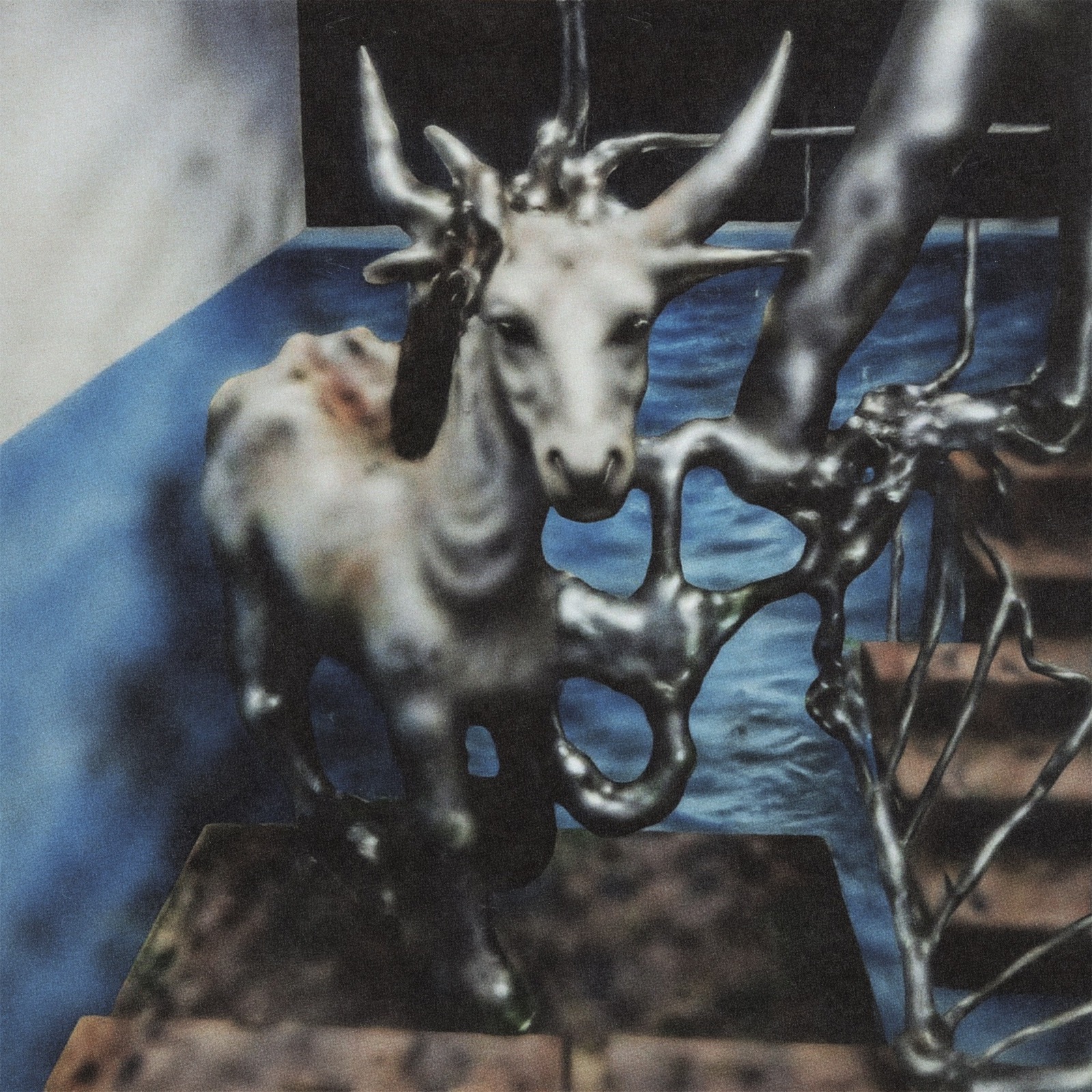
In what way did the scarves from your childhood give birth to your artistic language? Do these immaterial, sometimes destabilising worlds represent a transposition of what you experienced on your skin?
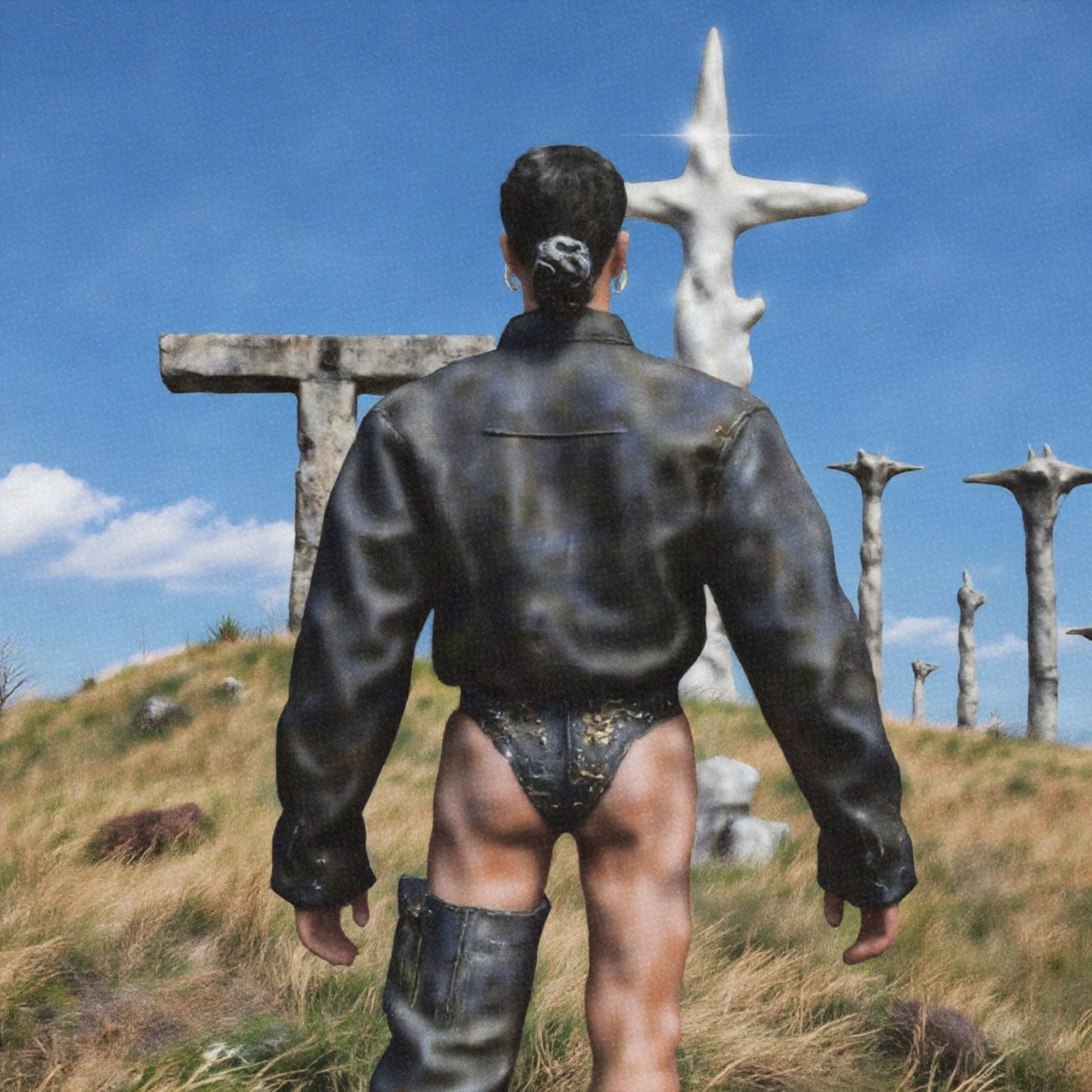
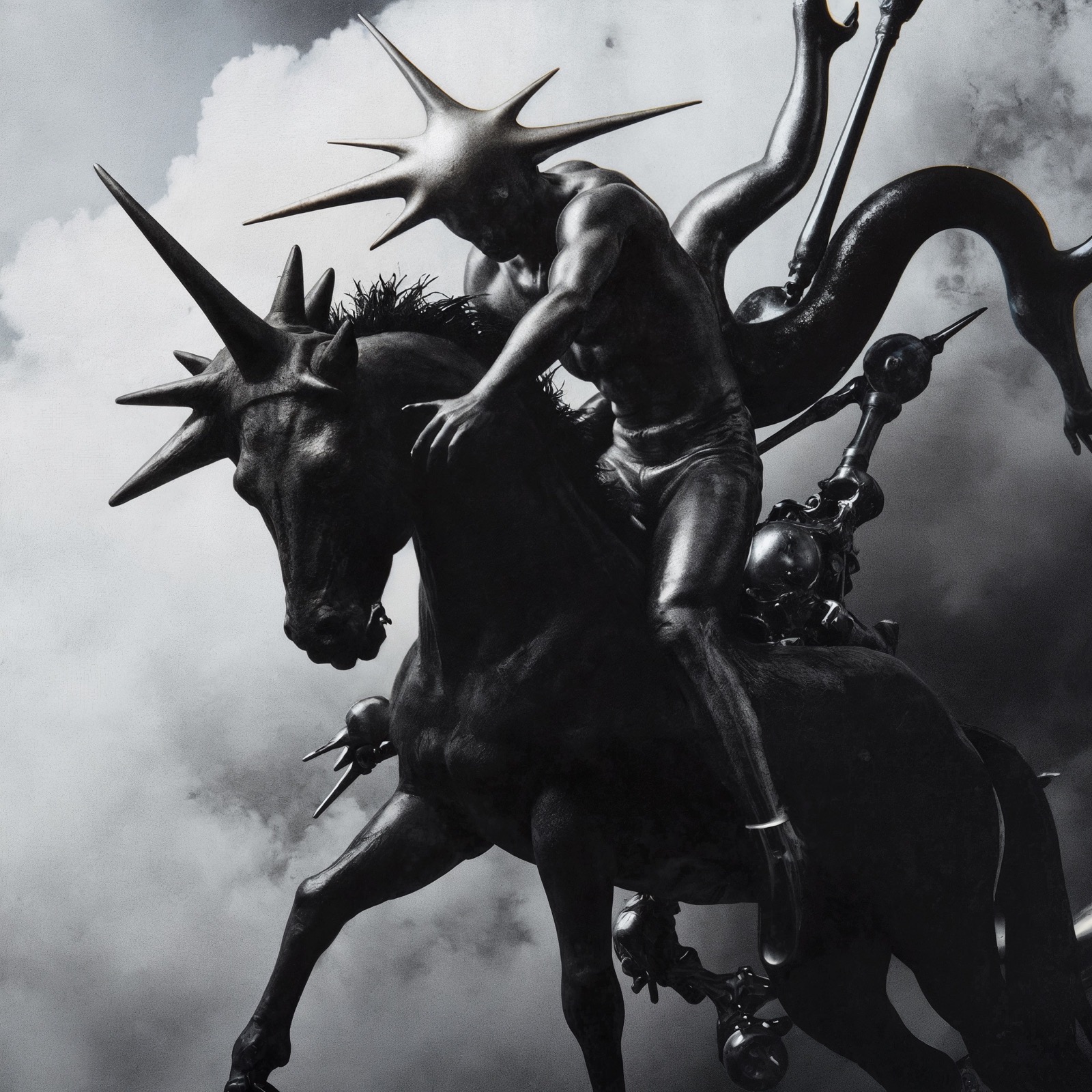
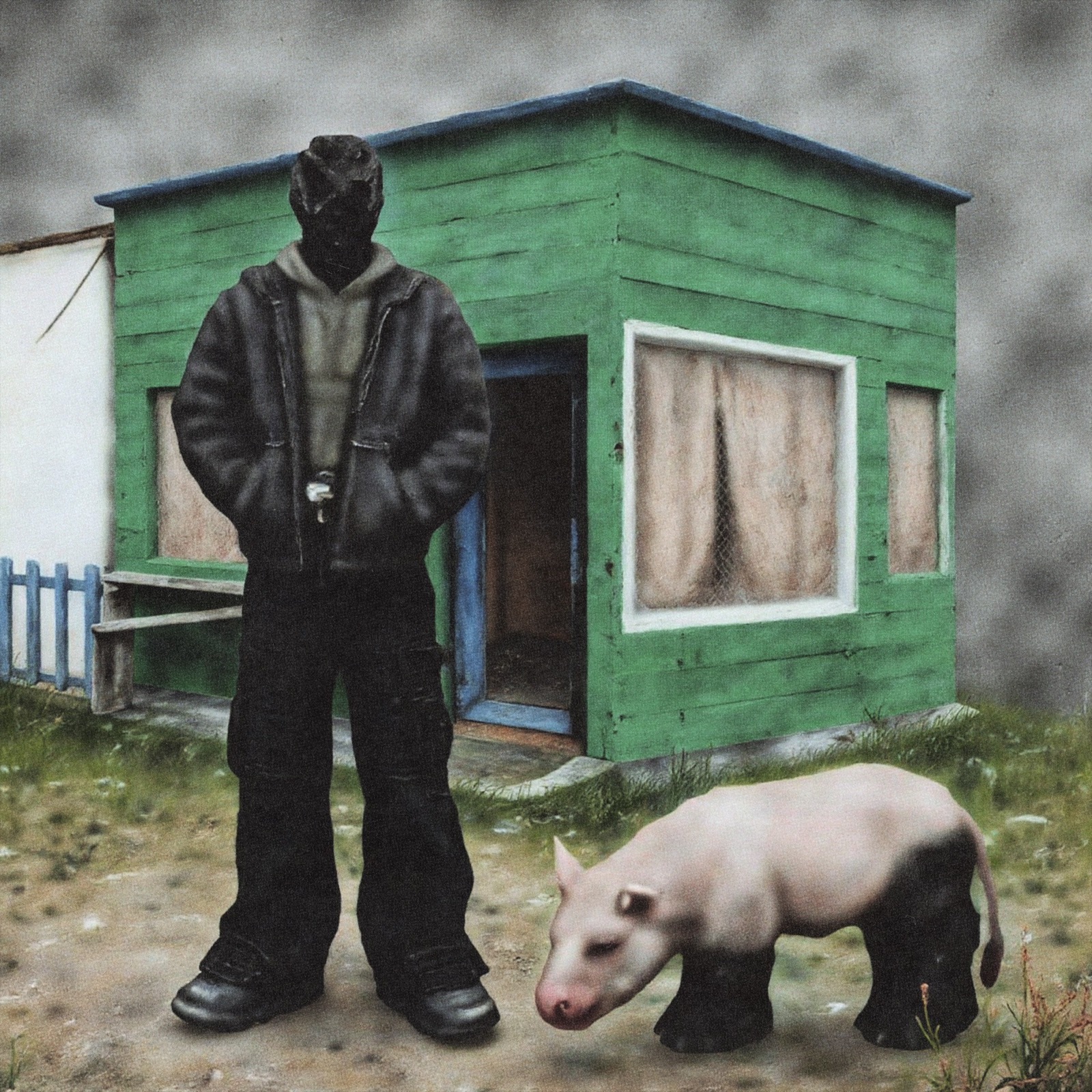
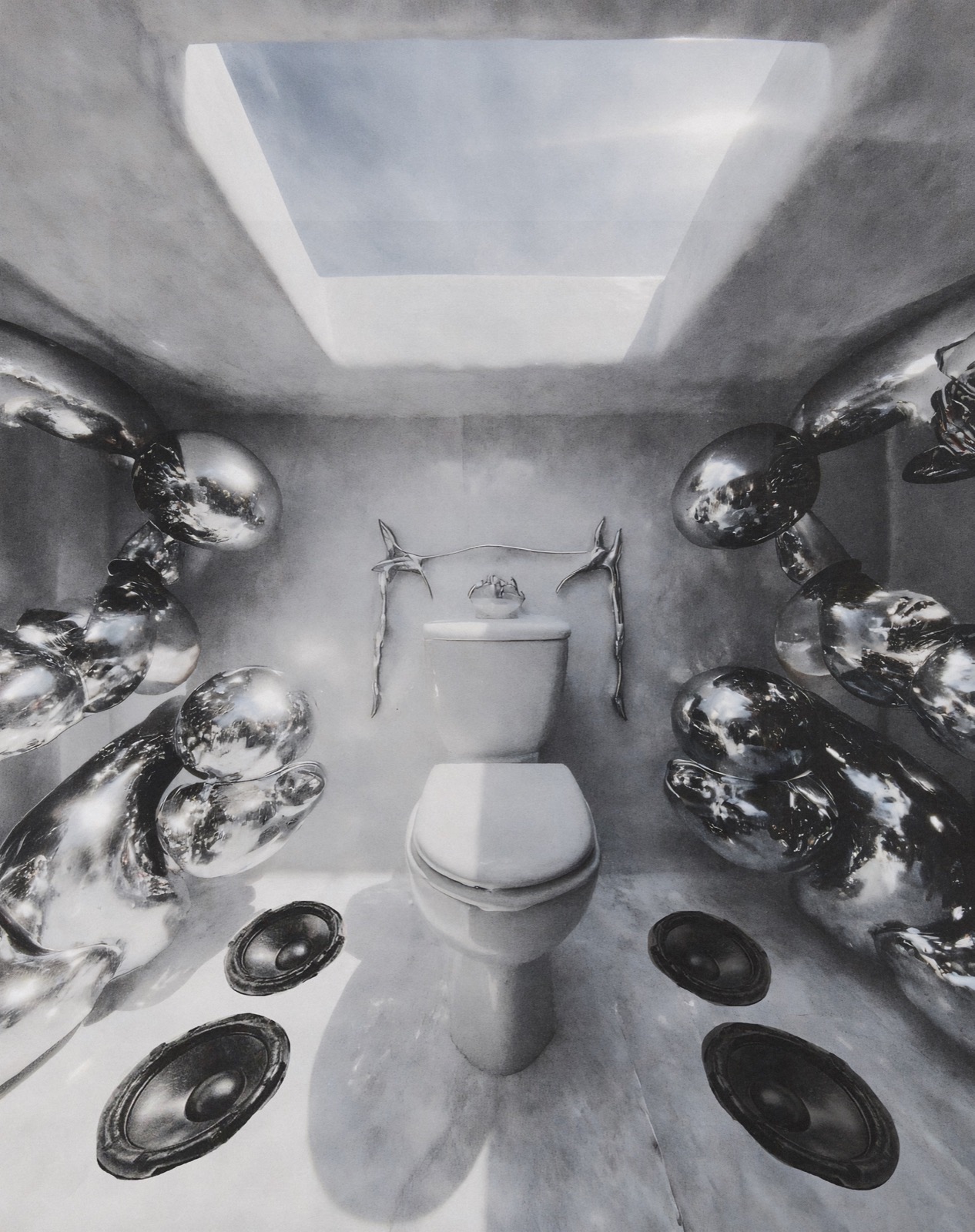
Childhood taught me to perceive the world not as something stable, but as an environment that can change and break. This feeling became the foundation. I don’t try to tell specific stories; what matters to me is conveying a state. The immaterial, sometimes destabilising worlds in my work are a reflection of what I’ve lived through internally. Not events but sensations: tension, pauses, distortions, silence. This is not an attempt to make sense of the past, but a way to honestly record how I feel reality now.
Among the many qualities that have shaped your practice, which one proved most pivotal in defining your path in the early stages of your career? What do you feel truly helped you establish your presence within the art market?
The most important quality at the beginning was persistence without illusions. I didn’t expect quick recognition and didn’t try to play by someone else’s rules. I just kept doing my own thing, even when it didn’t bring immediate feedback.
What helped the most wasn’t uniqueness in itself, but honesty toward my own taste and experience. I didn’t copy trends; I reworked what I saw or drew from memories of the past. What’s truly close to me is technology, noise, form, and the feeling of a digital environment. Over time, this is what set me apart.
Being self-taught: has this been more of a strength for you, or do you feel there is something you missed, something you might have achieved differently or more fully with a formal education?
Being self-taught ultimately became an advantage. I didn’t have predefined frameworks or “correct” paths, so I built my practice intuitively through mistakes, observation, and personal curiosity. This gave me freedom and allowed me to develop my own visual language faster, without constantly looking back at “how it’s supposed to be done.” Of course, formal education could have provided more structure and a stronger theoretical foundation, and saved time. At times, that absence is noticeable. But I don’t see it as a loss; rather, as a different path. A self-taught artist learns more slowly, but internalises knowledge more deeply. Everything I use now has passed through personal experience rather than a system. And in the end, that turned out to be the most valuable thing for me.
Digital art offers the possibility of shaping simulated realities. Do you see your work as a form of escape or refuge in another dimension, or rather as a vehicle for investigation, something that helps reveal what lies behind the veil of a “normal” reality, like a crack in the mirror?
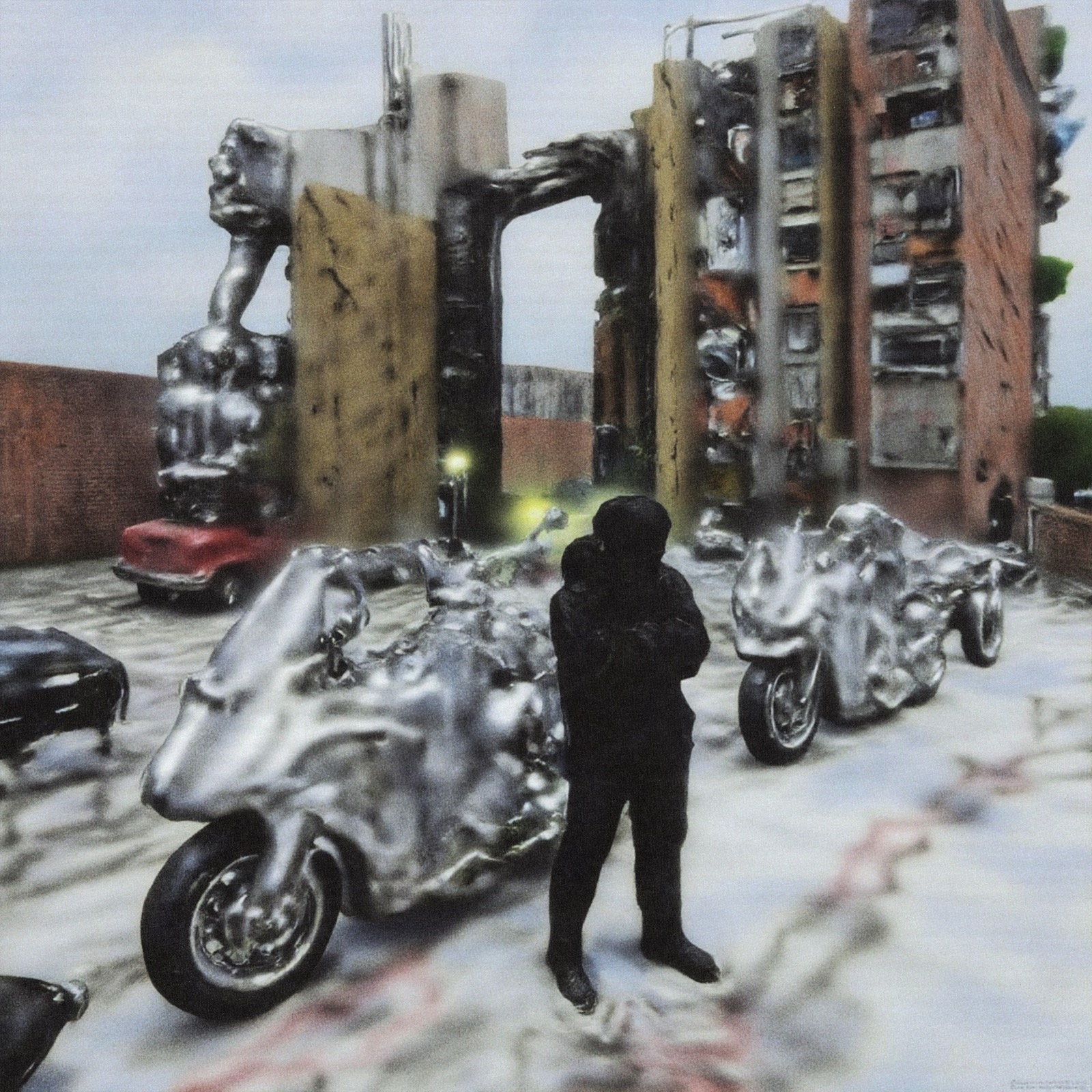
I don’t see digital art as an escape or a refuge. For me, it’s more of a tool, a way to look at reality from a different angle. Simulated worlds don’t replace the real one; they help to reveal it. My work is closer to a crack in a mirror: through distortion, noise, and artificiality, the structure of reality becomes visible, its tensions and failures. So I’m not moving into another dimension. On the contrary, I bring the viewer back to reality, but without illusion.
You once described your work as “phantom bridges between the past and the future.” Is there something that still haunts you, something deeply embedded in your soul that you feel will remain part of you in the future? And can this presence be perceived by details in your works?
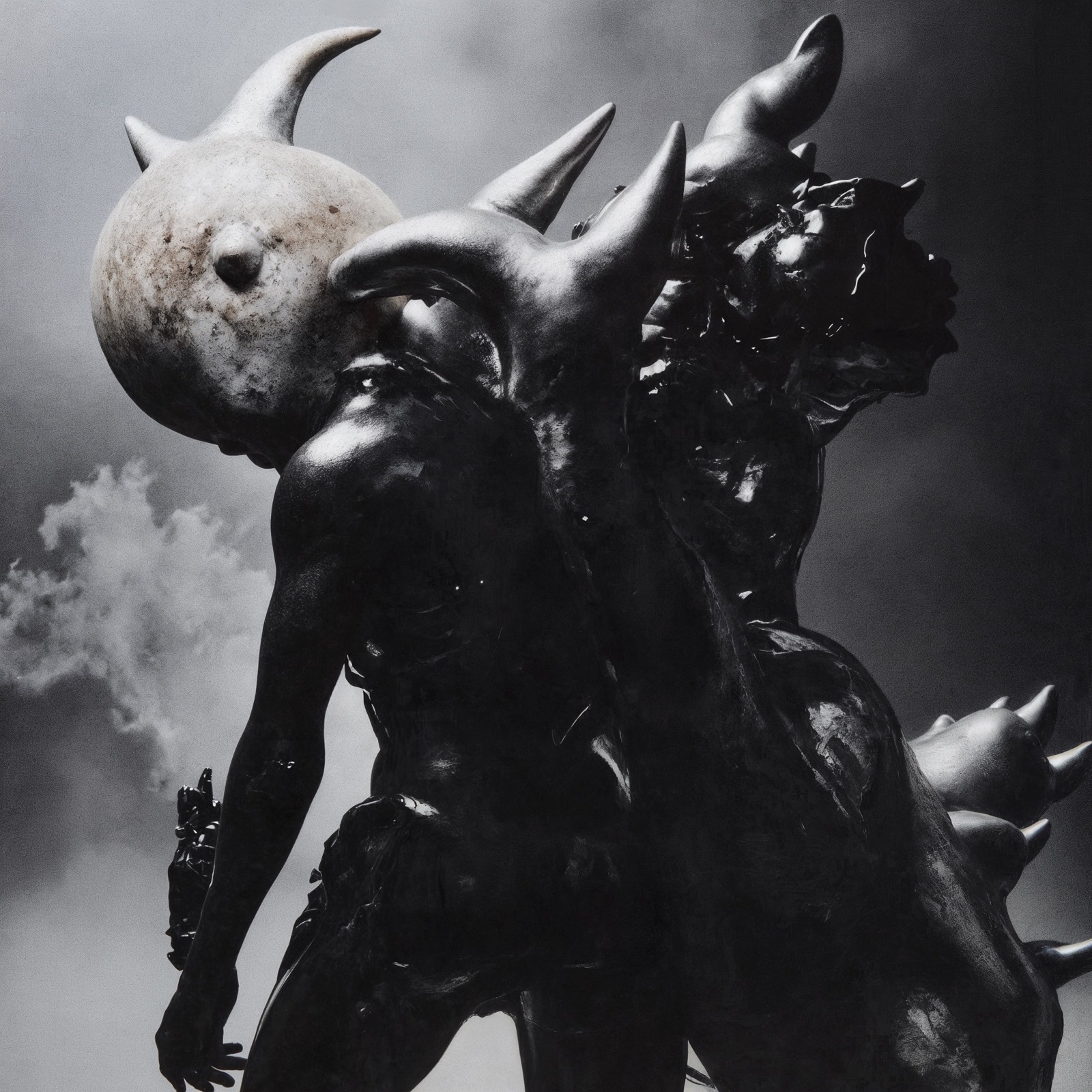
What accompanies me is not a memory or an image, but a sense of transition, as if I’m constantly between stages. This state doesn’t pull me backward, and I think it will stay with me for a long time. In my work, this is felt on the level of details: imperfect surfaces, pauses, a sense of temporariness, as if the form could change in the next moment. Nothing is ever fully fixed. That’s why “phantom bridges” are not, for me, a connection between the past and the future as events, but a connection between states something that can’t be put into words, but can be felt visually.
Your diverse backgrounds and early experimentations led you to define a new mode of expression. How far ahead can you envision the next evolution of your practice? What do you think could still be added in the world of digital art?
I develop my practice gradually, deepening and expanding the language I’ve already found. Right now, I’m continuing to experiment with 3D and AI to understand how these tools can work in a meaningful way, rather than just as visual effects. Going forward, it’s important for me to make the work more precise and emotionally clear, without unnecessary complexity. I believe digital art needs more awareness and meaning, not just new technologies.
Across its many forms, art has the capacity to shape value systems, identity, and collective consciousness. How do you position your practice in relation to contemporary geopolitical issues? Do you feel art is still underestimated as a medium for critical knowledge and transmission?
I don’t make direct political statements. I’m more interested in working with the states created by the contemporary world, anxiety, instability, and a sense of shift. I believe that art is still underestimated as a way of transmitting critical knowledge: it doesn’t explain things directly, but it allows people to feel the problem.
Could you identify a crucial moment in your career, one that fundamentally altered your trajectory? And conversely, is there a threshold you have not yet crossed, a future achievement you feel could mark a decisive transformation in your practice?
A turning point came when I was working in a clothing store and making collages on my phone during breaks. At some point, I realised that I wanted to treat this not as a hobby, but as something more serious and to share it with others. The threshold I haven’t crossed yet is the stage where I feel complete confidence in my work and a clear understanding of where my practice is heading. Above all, I believe that valuing time and freedom is the most important thing in our field and in life in general.