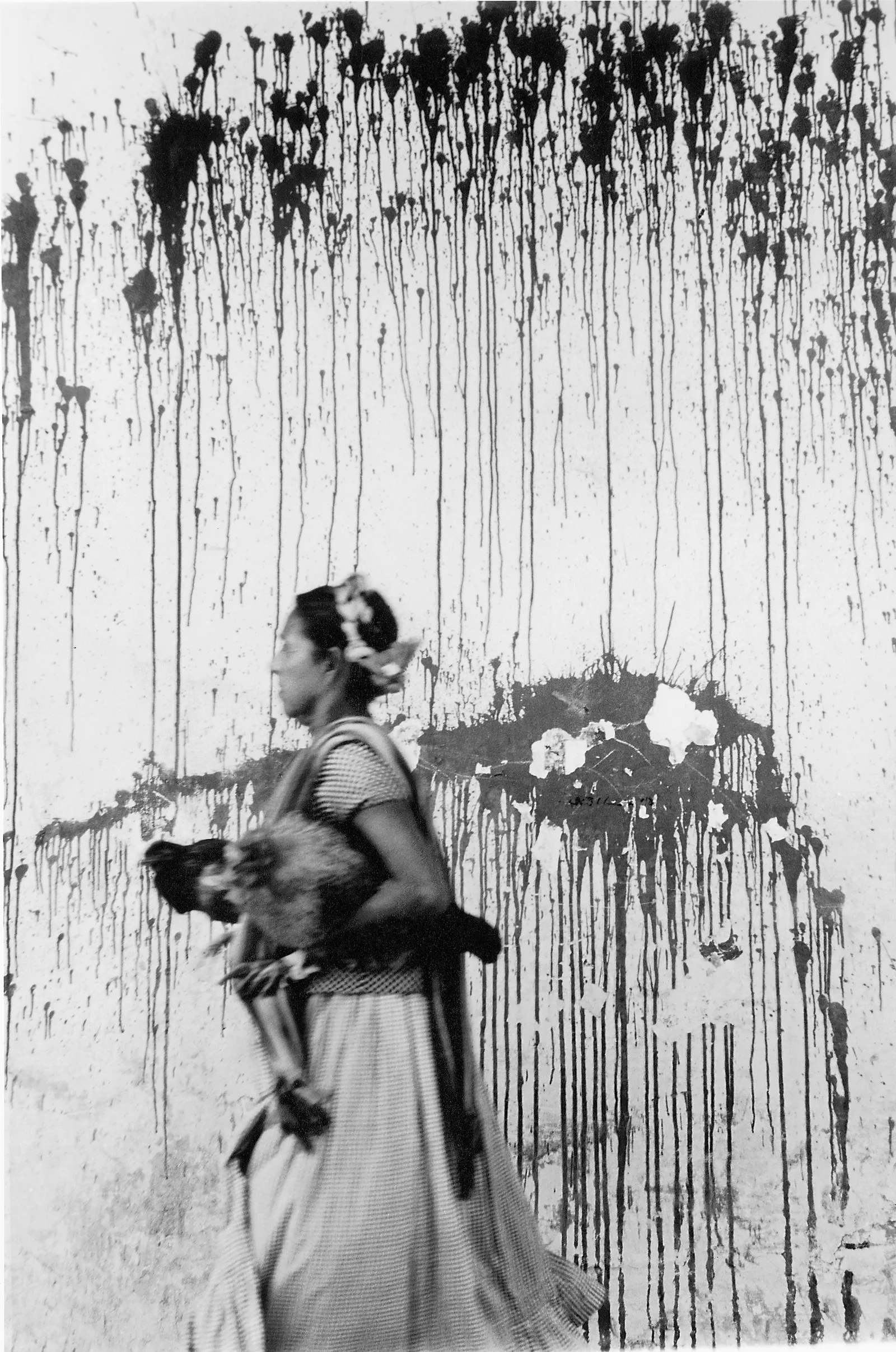
As humanity, as social and spiritual beings, in our search for a greater purpose, a more precise answer, some form of explanation, we have always returned to belief. Faith. Faith in oneself, in energy, in the universe, in karma, in spirits, in institutions, in invisible architectures of power. Faith is structural. It is the spine behind civilizations, whether embodied in gods or projected onto governments. It is something literal and conceptual at once, embedded in our genetic and cultural code. In our coexistence we take and give, we build and dismantle, we justify and redeem, always under the assumption that belief serves the personal, communal, or spiritual good, even when ethics blur.
Mexico has for centuries been a charged terrain of sacred spiritualism, ritual practice, and metaphysical density. Belief here is not marginal. It is cultural infrastructure. From the cosmologies of the Olmec, Aztec, and Maya, systems that positioned deities as active forces structuring reality, to the colonial imposition of Catholic monotheism, spirituality has continuously reconfigured itself without dissolving. Ancient polytheism did not disappear; it recalibrated.
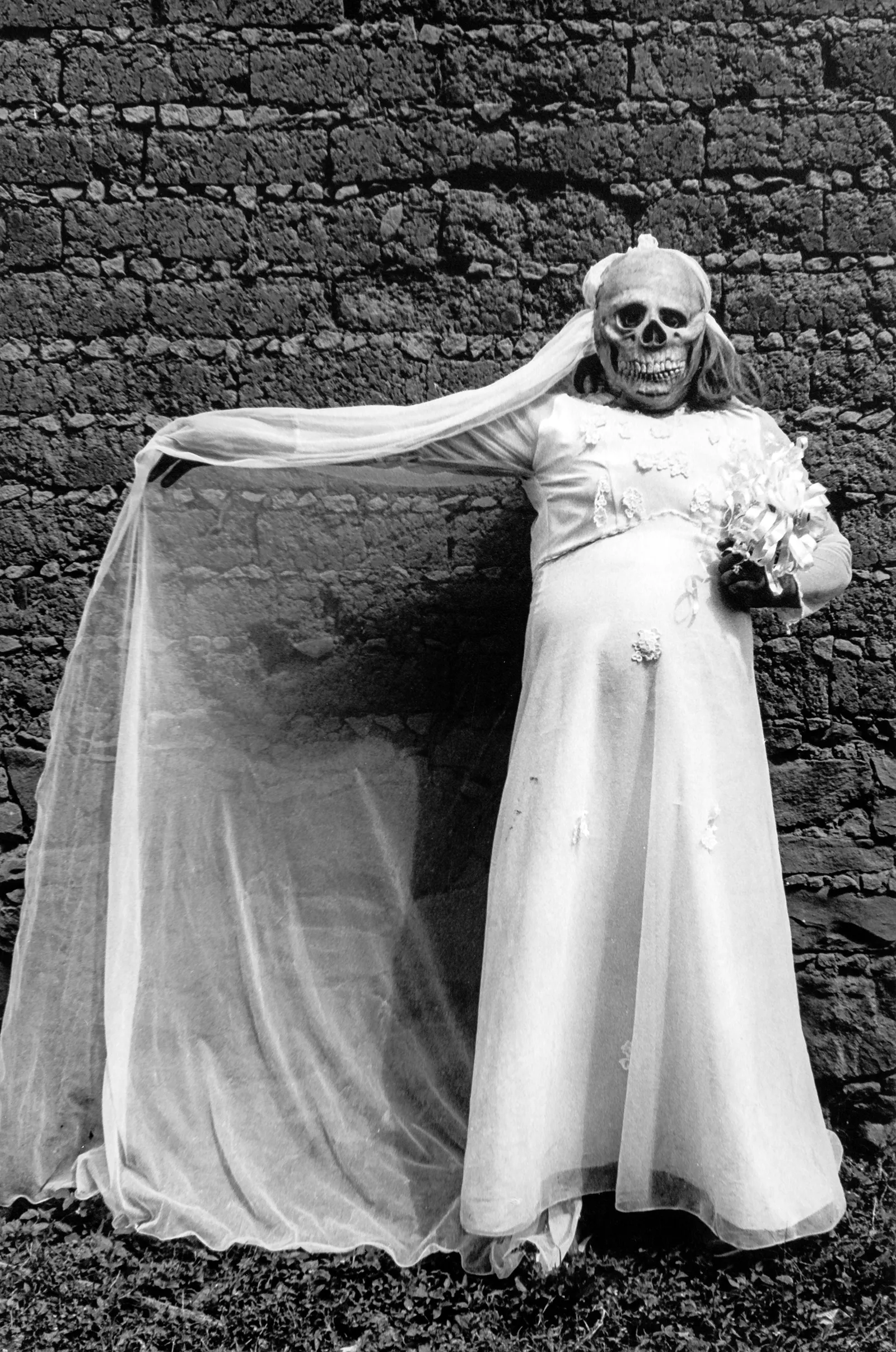
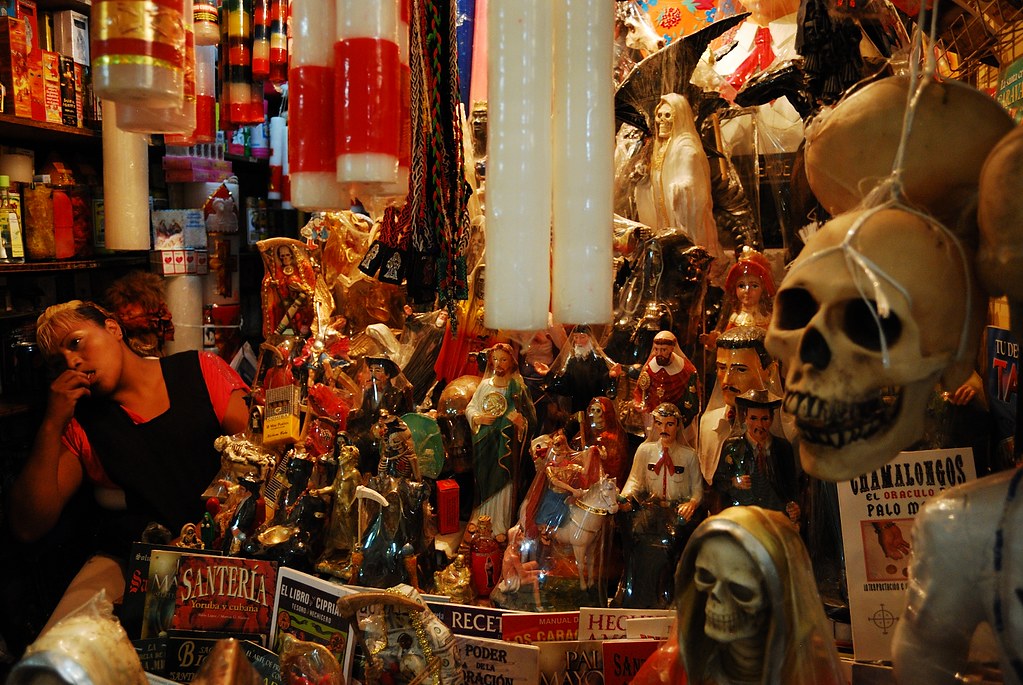
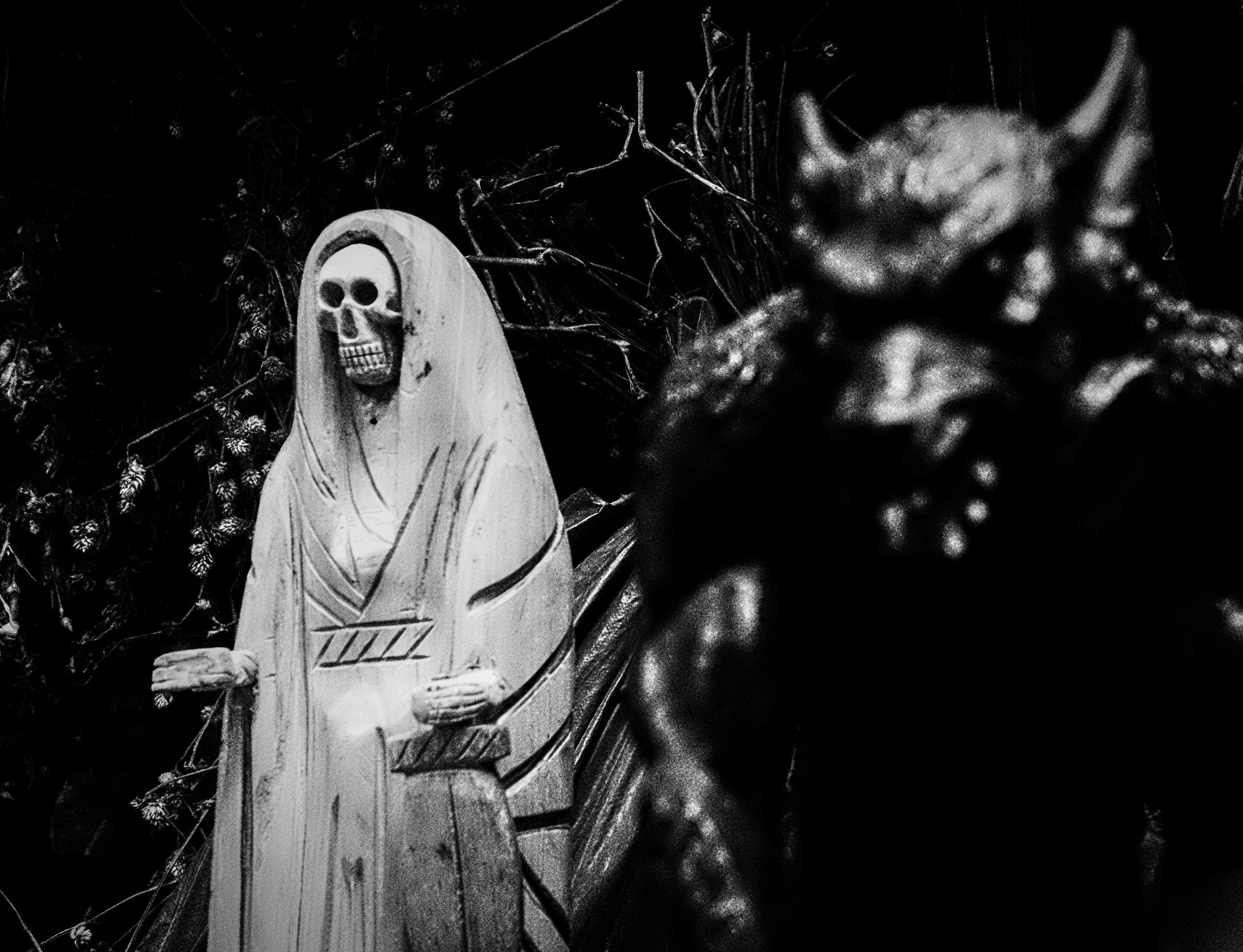
The figure of the Virgen de Guadalupe became not only a Marian symbol but a Mexicanized axis of identity, devotion and nationhood. For some, she eclipses the distant abstraction of God. For others, devotion gravitates toward Santa Muerte, a skeletal saint of protection, risk, and survival. Parallel to both, pre-Hispanic deities remain present in ritual memory and symbolic language. Mexico does not replace its gods. It layers them.
As Mexican society modernized, belief did not retreat into private life. It adapted. It urbanized. It became aesthetic, political, intimate. The sacred connection with the unseen was never fully severed. It simply changed codes of expression.
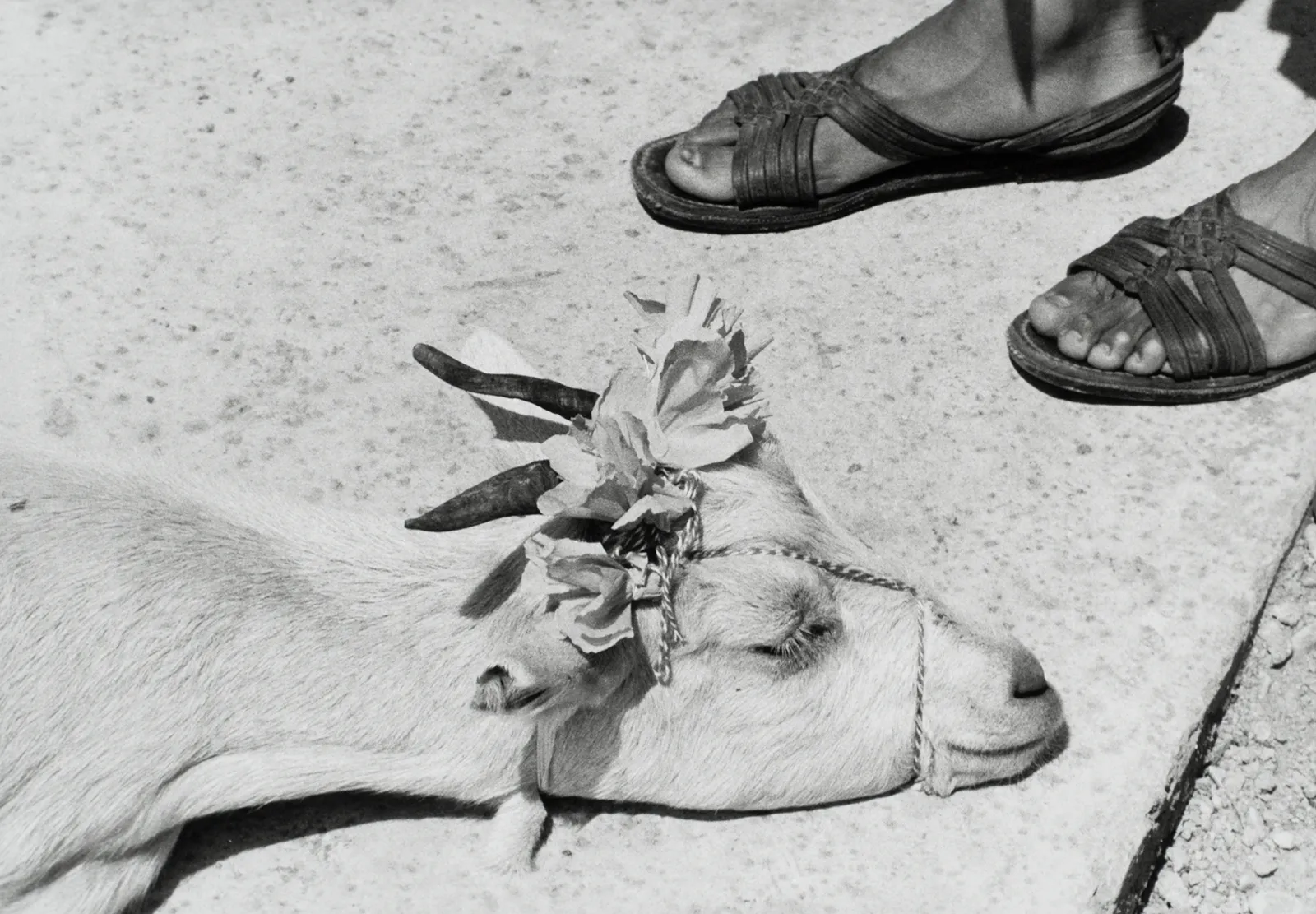
This brings us to one of the oldest and most persistent practices in the region: brujería. Once embedded in agricultural rites, protection spells, healing ceremonies, and appeals to higher forces, brujería operated as applied metaphysics. It mediated harvests, war, love, revenge, and protection. It has followed Mexico through conquest, poverty, revolution, celebrity culture, and digital modernity. Sometimes hidden in marginalized neighborhoods, sometimes visible in mainstream iconography.
Today, brujería exists in a paradox. It is widely known yet cautiously approached. For many, it represents forces of nature and energy that feel powerful, ambiguous, and not entirely explainable. It commands respect, often from a measured distance.
Casa Círculo de Brujas positions itself within this lineage while reframing it. Located in Mexico City, it identifies as a cultural and spiritual center devoted to study, practice, and community. Its mission is not to sensationalize the occult but to normalize ritual as discipline. Ritual as self-care. Divination as spiritual research. Magic as embodied literacy.
The space offers tarot readings, birthday rituals, love rituals, communal ceremonies, study groups, and workshops. It incorporates herbolaria, holistic practices, yoga, and other traditions that intersect with broader global wellness movements. It houses literature, both physical and digital, and extends its pedagogy online for those unable to attend in person.