The Meritocracy of Disaster / Oscars 2026

Our spotlight on this year’s edition.

2025 was the year of makeup: a final, desperate attempt by Hollywood to conceal the necrosis of its dreams with the powder of narrative reassurance. But on Sunday night at the Dolby Theatre, the mask finally melted under the merciless light of 2026. This metamorphosis of the Academy is not a simple shift in aesthetic direction or a fluctuation of taste; it is a collective neurological surrender. If this was the best edition in decades, it is because it was the most ruthless: a meritocracy of damage where prestige is no longer measured by beauty, but by the clinic precision of the wound.

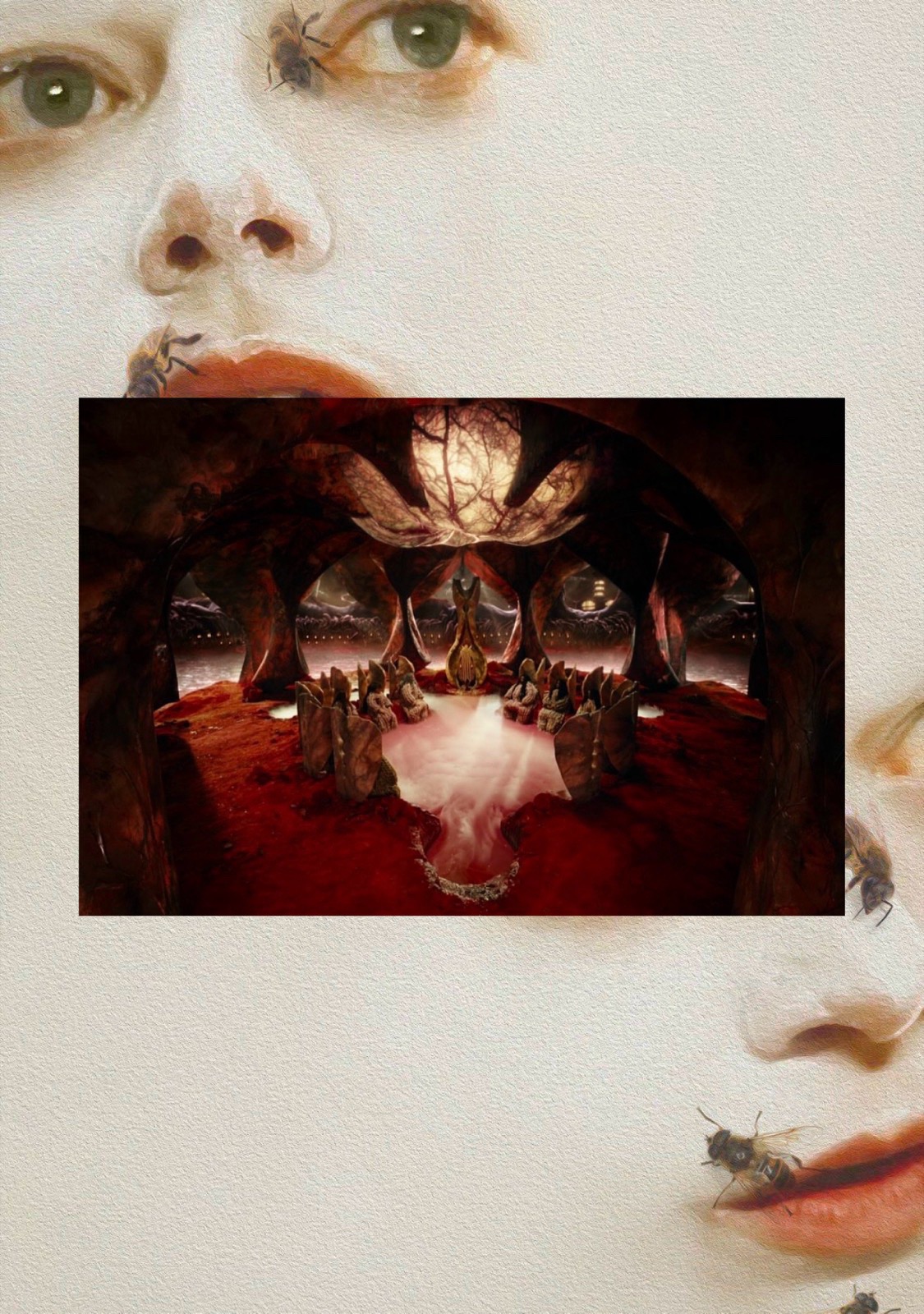
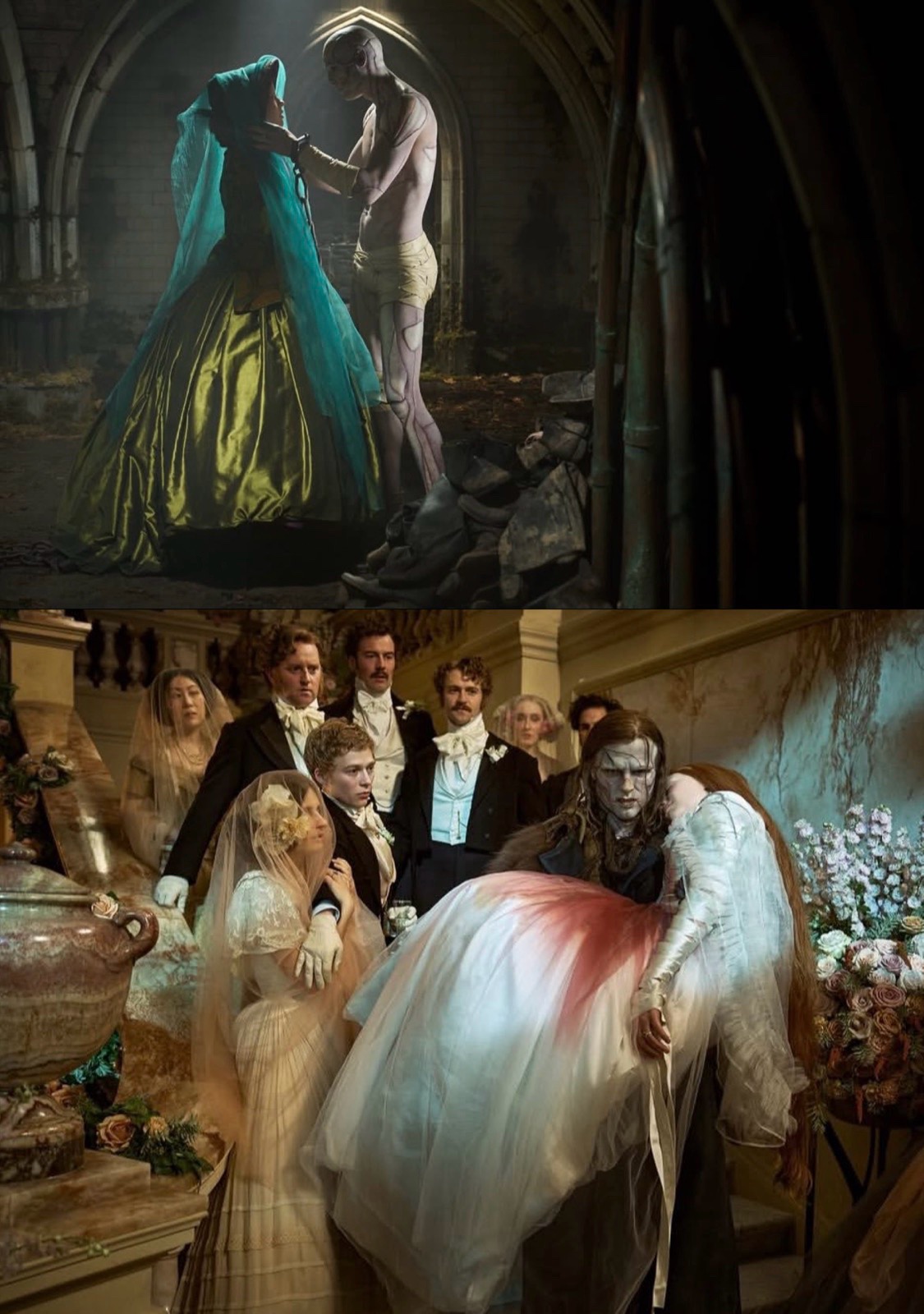
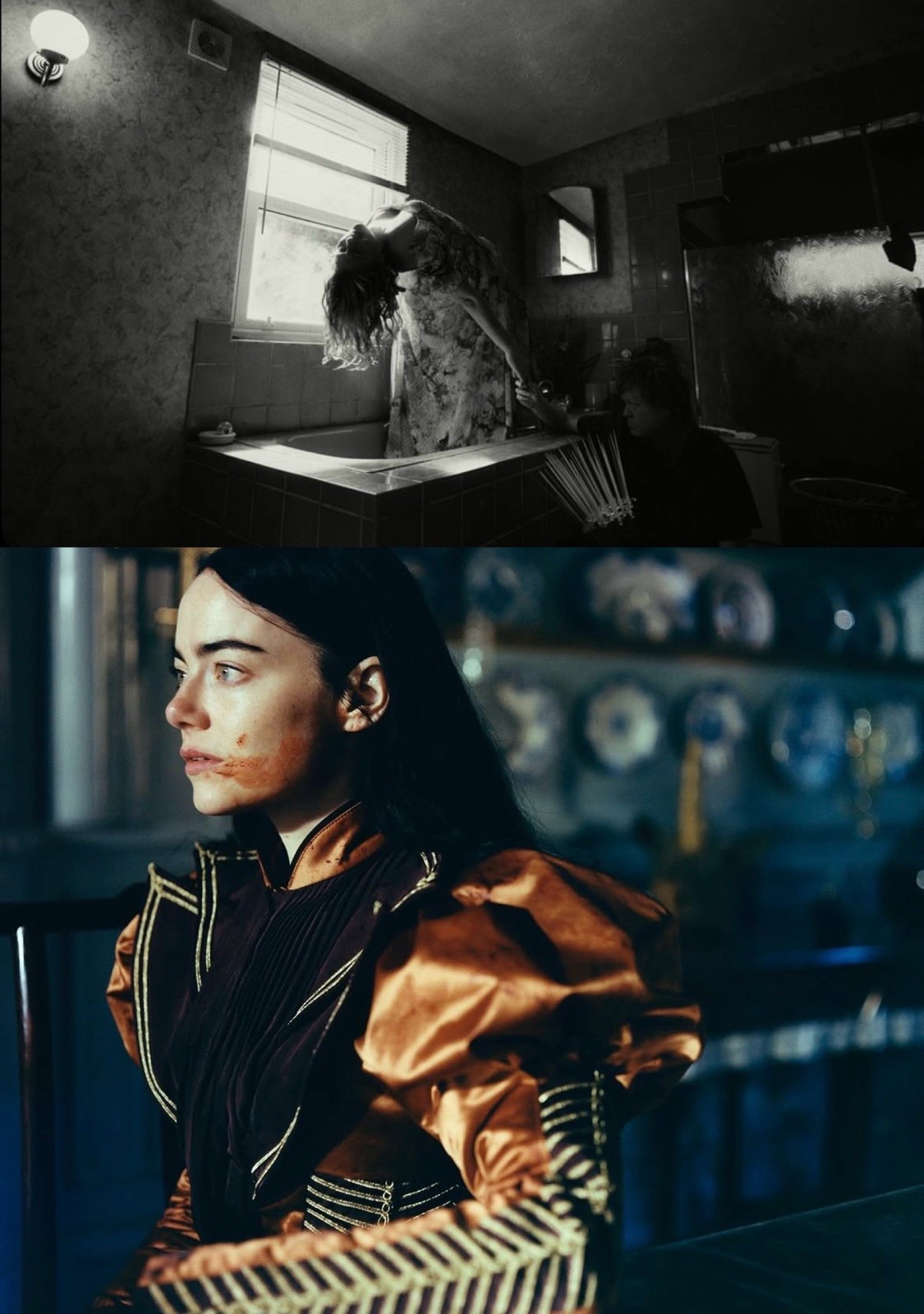
The are phrases that serve not to say something, but to reveal it. “And the Oscar goes to…”. The ritual pause at the Dolby Theatre this past Sunday did not have its usual spectacular effect; it was a diagnostic moment. For decades, the Academy used its authority as a moral anaesthetic, legitimising a window-dressing progressivism that skimmed the wound without ever sinking the blow. Safe choices dressed as braves ones. In 2025, this pretence reached its grotesque peak with The Substance, a work that tore open the skin to show the necrosis of identity, was exiled to the technical categories so as not to disturb the reassuring decorum of Anora. But in 2026, the dynamic broke. Hollywood stopped medicating and decided to enlarge the plague.

“This edition was the best in decades because it finally aligned technical excellence with a brutal psychological truth. It is a meritocracy of disaster, where the value of a work is measured by its refusal to offer an exit.”

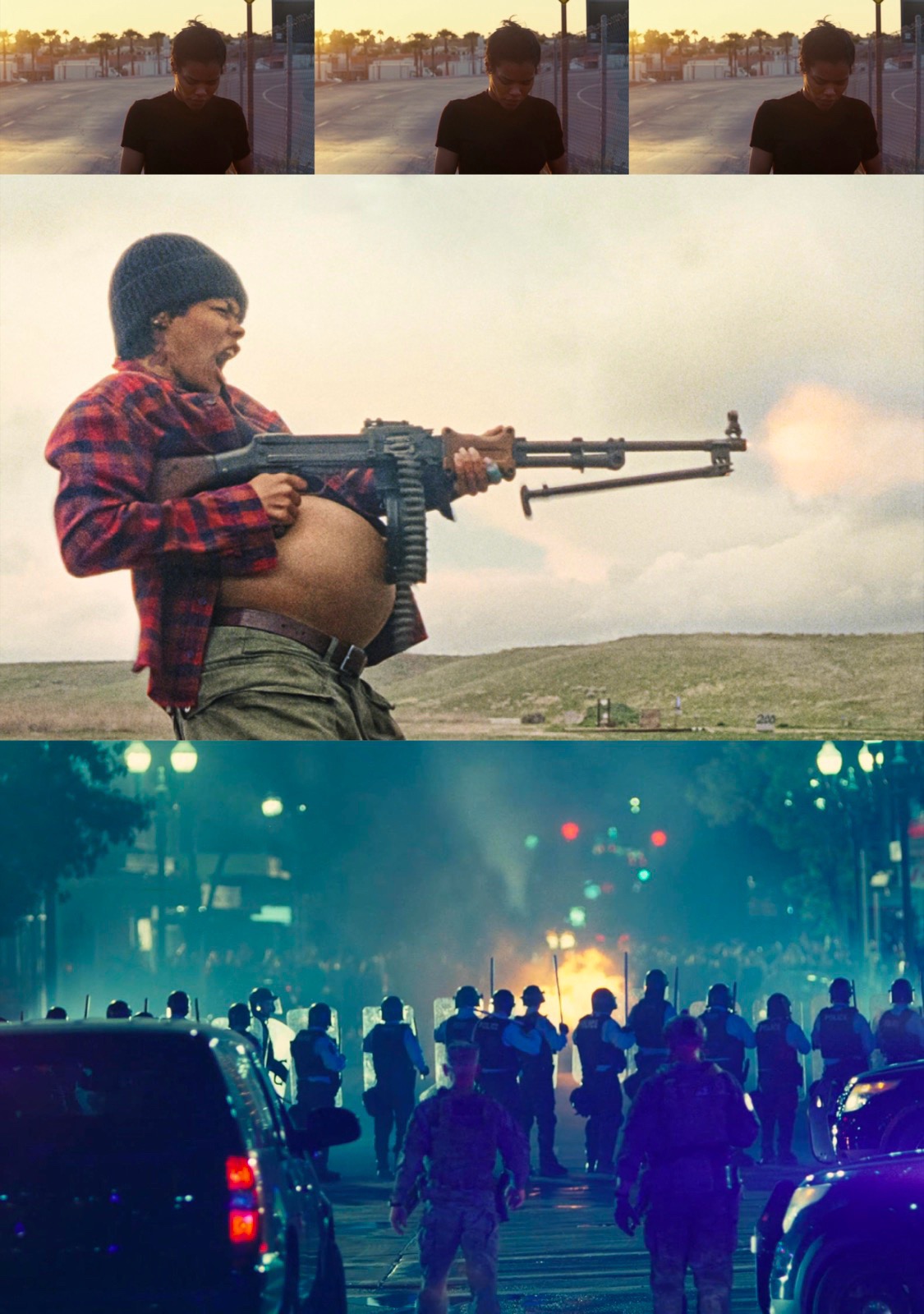
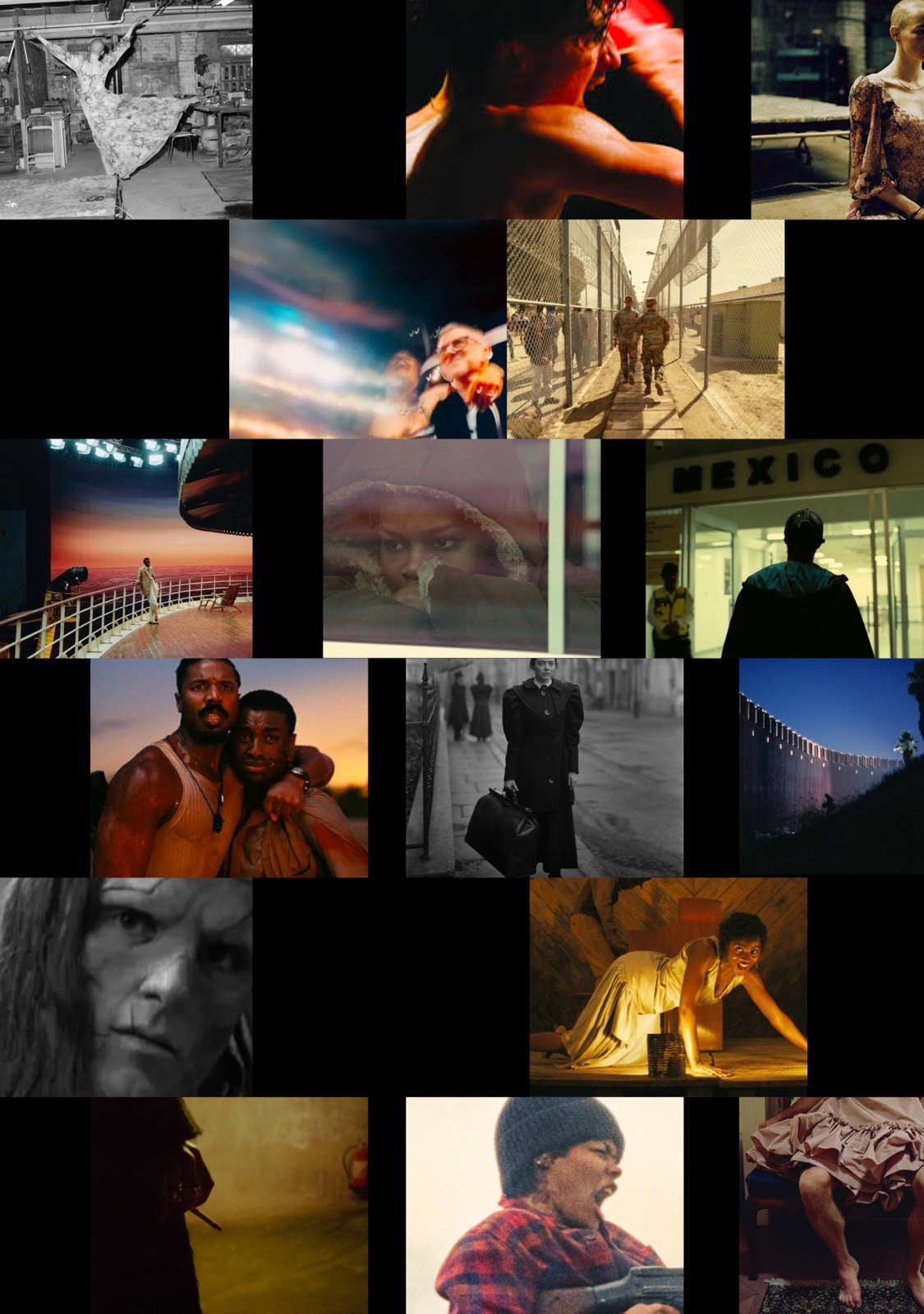
The absolute triumph of One Battle After Another was not, therefore, a tribute to the genius of Paul Thomas Anderson, but the validation of a pathology of shared space. PTA constructed a device of suffocation where the camera does not follow the action, but besieges the faces of the characters as they lose the ability to articulate a common meaning. What the film transmits is an absolute linguistic claustrophobia: every dialogue is an act of aggression or a strategic retreat. There is no political message; there is the physical sensation that the word is dead. The tension is never resolved; it persists in the protagonists’ bodies like a metallic vibration, in their nervous tics, in the white voice that fills the voids of meaning. The film tells us that in 2026, division is not an event to be narrated, but the very air we breathe, a collective trauma that has become atmosphere.

This fragmentation finds its biological root in the success of Sinners, where identity stops being a right and becomes a parasitic infestation. The historic record of sixteen nominations and Michael B. Jordan’s victory signal that we are no longer trying to “find ourselves”, but to survive who we are. Jordan portrays two brothers as a single unstable organism, projecting a cultural schizophrenia that transcends the horror genre. The film communicates the horror of being unable to trust one’s own inherited nature; every look from Jordan alternates between hunger and self-loathing, projecting onto the screen the image of a society preying Upton itself just to feel alive. It is the consecration of predation as the only remaining bond, an emotional vampirism that the Academy rewarded because it mirrors our own inability to recognise ourselves in the mirror.

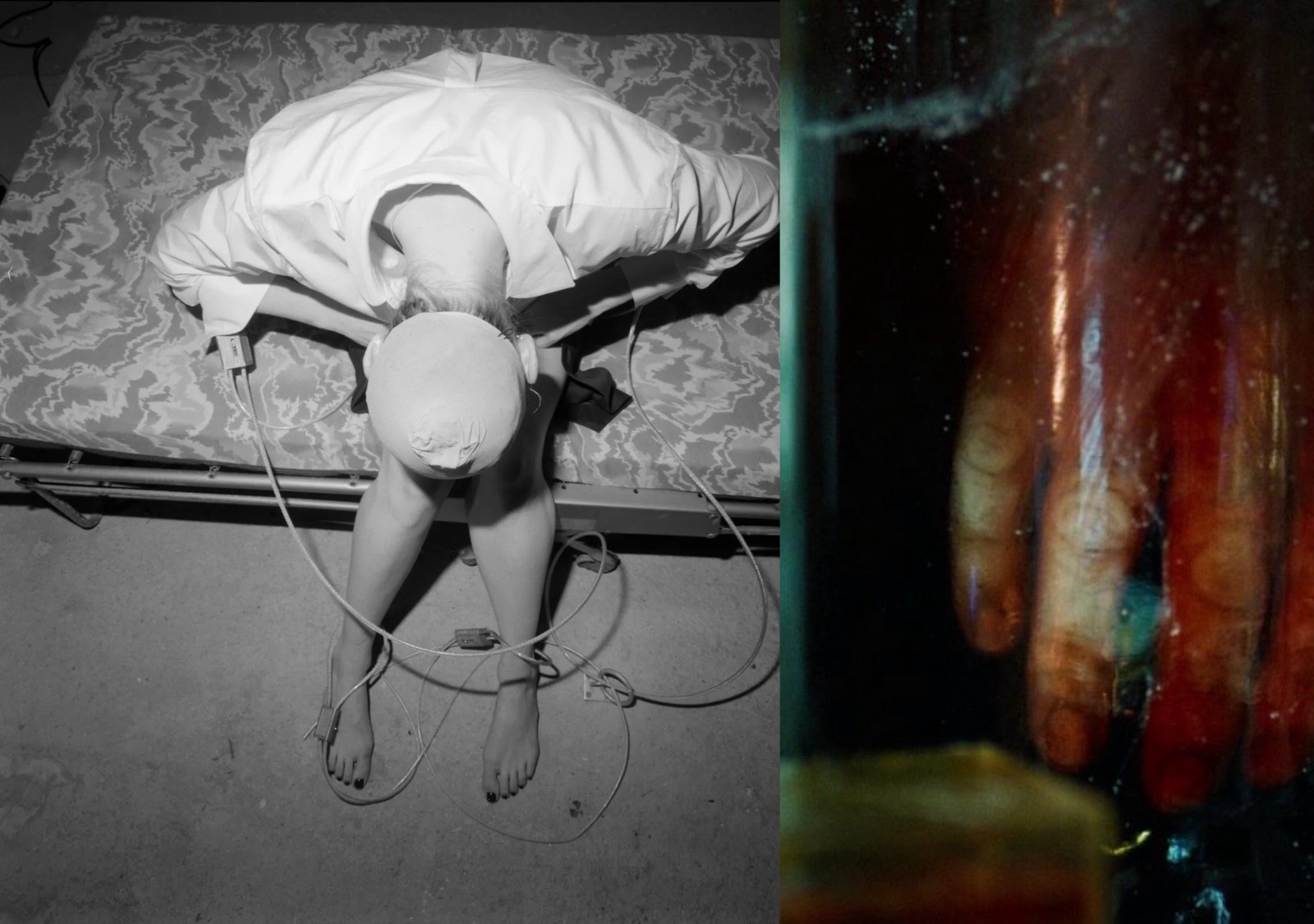
Where identity shatters, grief takes over, not as an event, but as the architecture of space. The statuette for Jessie Buckley in Hamnet recognizes that pain has ceased to be a narrative arc to become a permanent physical condition. Buckley transmits a tactile weight of loss: through the coldness of stone, the smell of dervish sweat, and silences that literally consume the frame, the film communicates that pain does not ennoble, it hollows out. There is no trace of consolatory empathy. The death of Shakespeare’s son becomes the measure of all the invisible losses of 2026 (the conflicts and famines eroding the world far from camera) finally carried within the body. Buckley transmits the radical loneliness of the survivor, suggesting that every human bond is merely a loan with atrocious interest. It is the autopsy of a heart beating by sheer mechanical inertia.

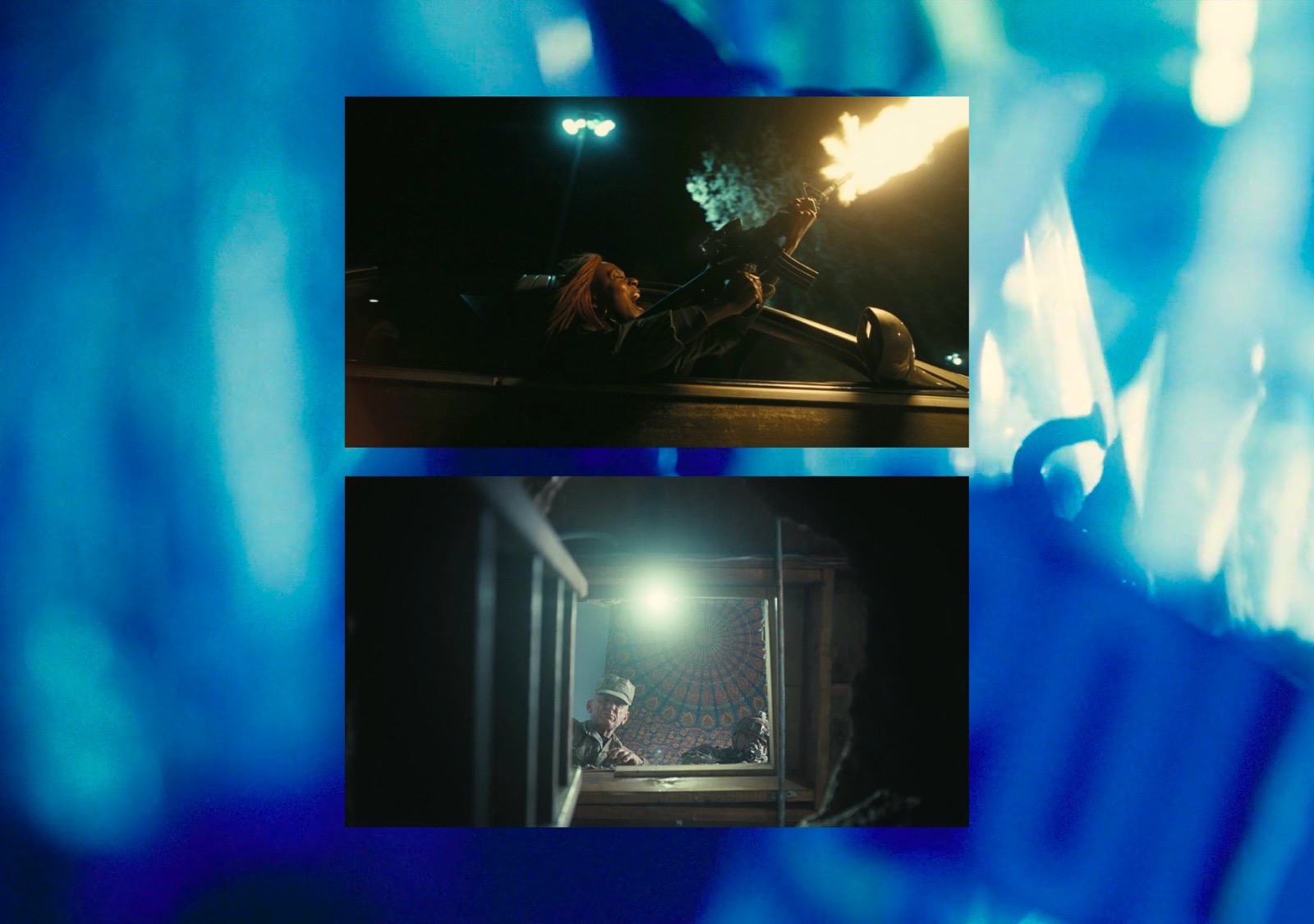
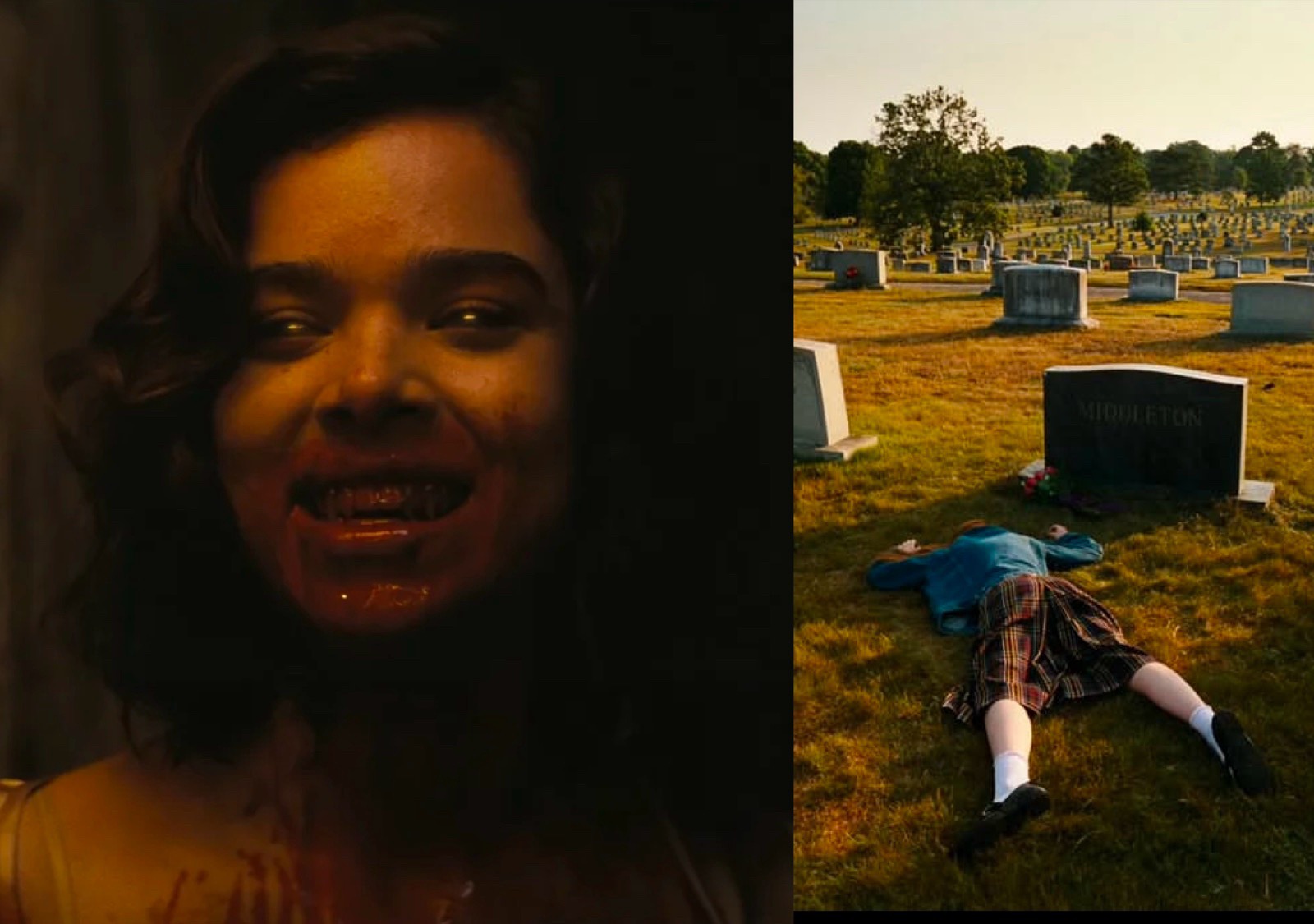
This emotional atrophy turns into bureaucratic indifference in Weapons, where the apocalypse loses all spectacular connotation to become the mundane administration of chaos. Amy Madigan’s victory certifies the most uncomfortable truth of the season: we have exhausted our capacity to be terrified. While the supernatural tears through reality, the characters react with an ordinary, almost bored meanness. The film transmits the total failure of human imagination in the face of disaster; horror is handled with the same cynicism used to process an administrative file. Madigan, with a chilling performance, shows us that we prefer to sink into our stereotypes rather than look the unknown in the eye. Trauma, in Weapons, is not the catastrophic event, but the ease with which we gave already normalised it.

The Meritocracy of Disaster / Oscars 2026

Credits:

Words: Gianmaria Garofalo / @gianmaria.garofalo
Graphics: Elena Murratzu / @elena.murratzu

You may also like

Stalker / Olga Kisseleva

Art&Culture | Interview
The immersive opera Stalker, inspired by Andrei Tarkovsky’s 1978 film, reimagines the Stalker as a woman who guides people toward inner growth and acceptance, suppressing violence and wrath. Combining visual arts, science, and modern classical music, the project features contributions from artist and researcher Olga Kisseleva, known for her innovative stage design and academic work at the Sorbonne.

Resonant Interdependence / Julian Charrière

Art&Culture | Interview
From ice expanses to the ocean’s depths, the artist situates his work within a broader dialogue between contemporary art and science. In anticipation of his upcoming solo exhibition at Kunstmuseum Wolfsburg, Germany (March 14 – July 12, 2026), he explores how environmental forces and rigorous research intertwine to redefine humanity’s role within planetary systems.