Your work lives between the sacred and the surreal, where do these obsessions stem from?
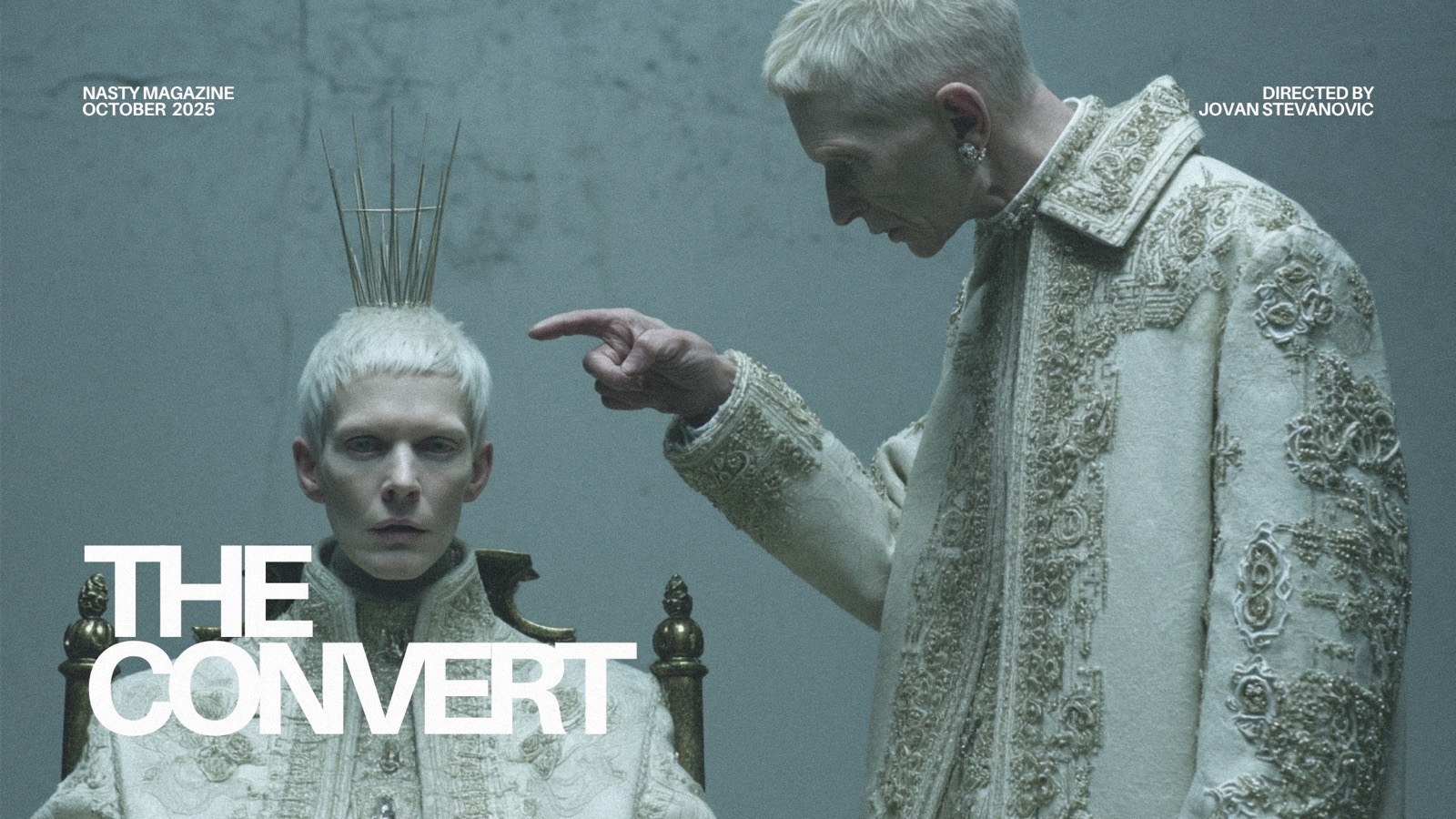
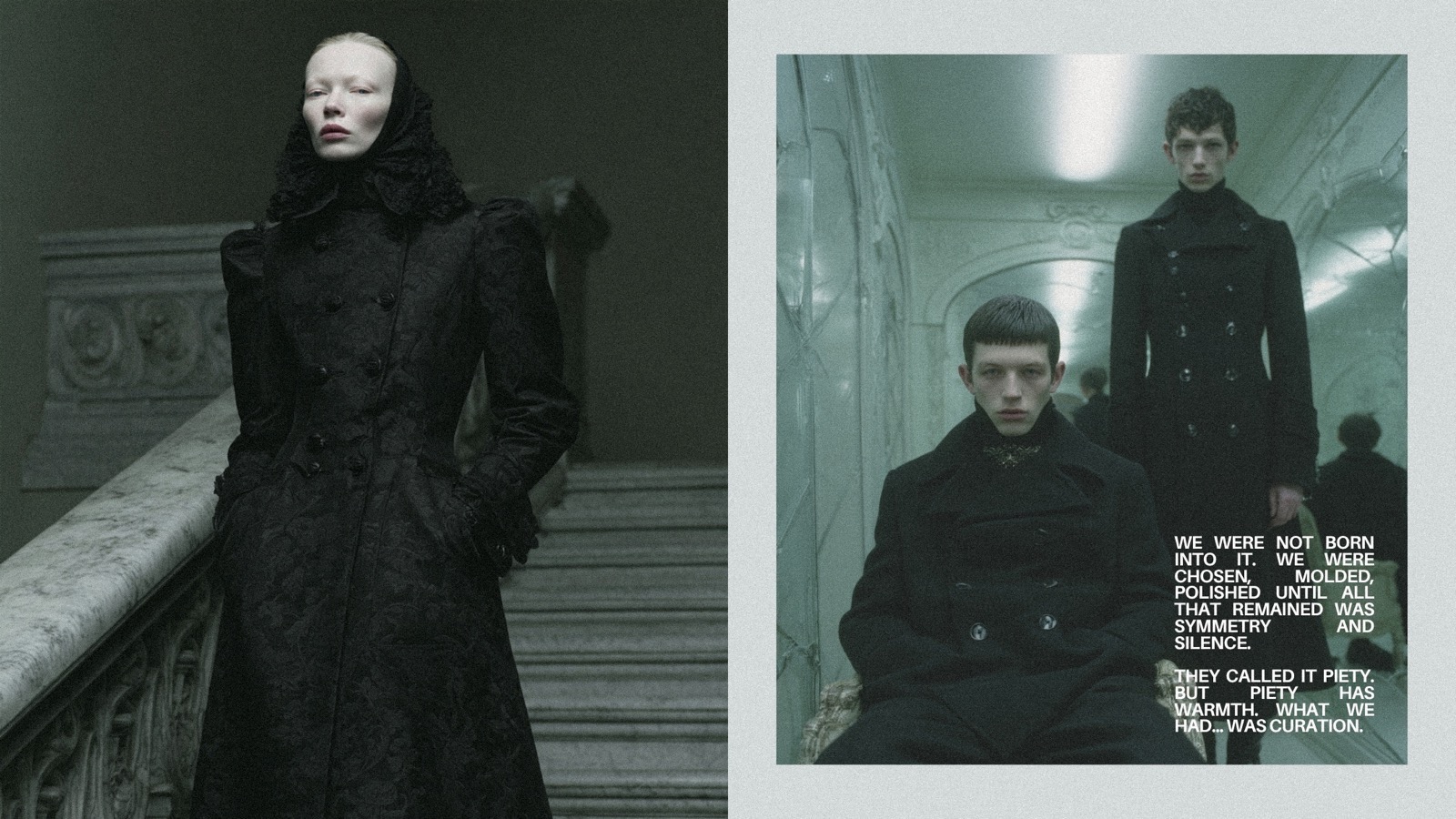
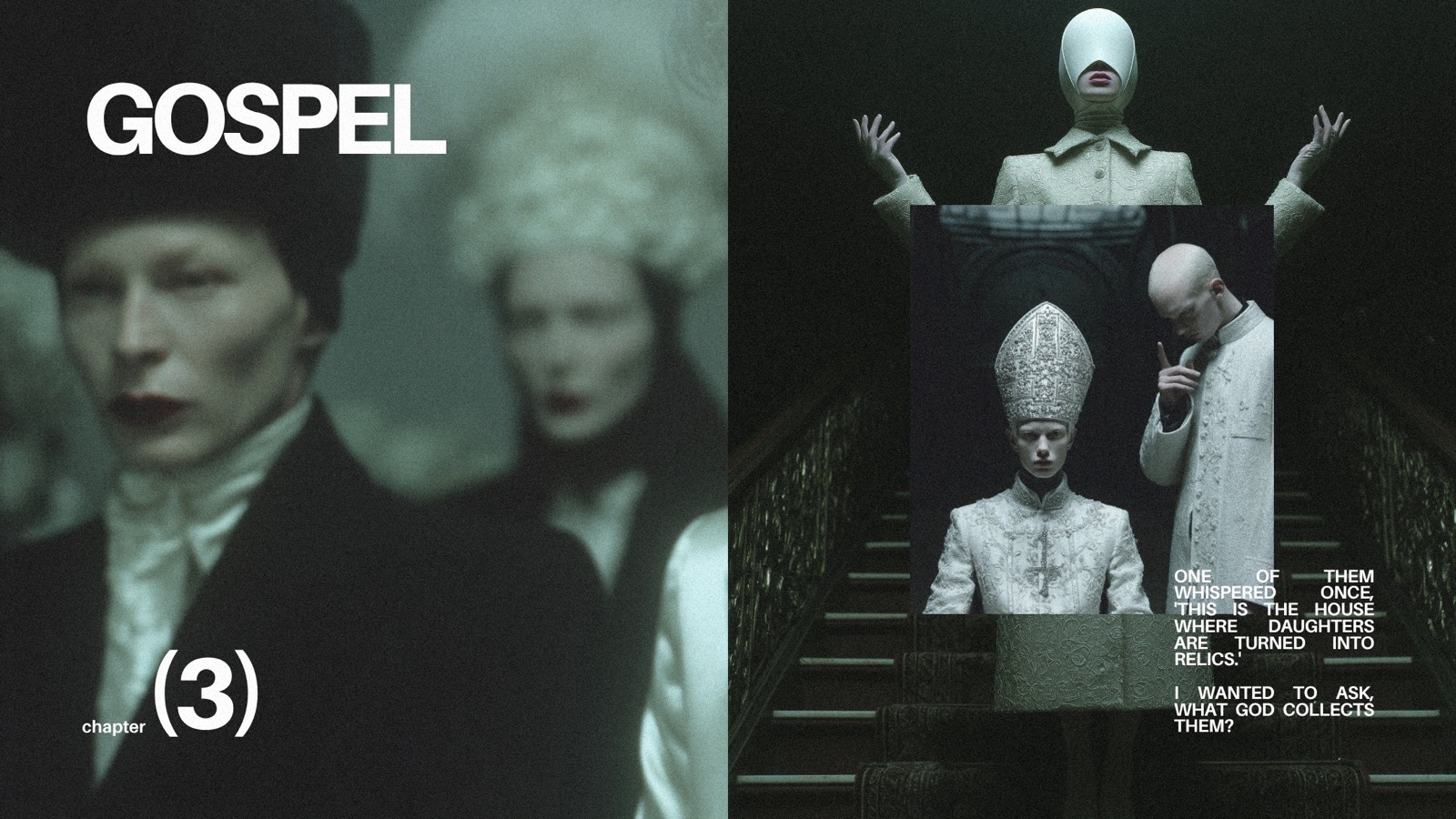
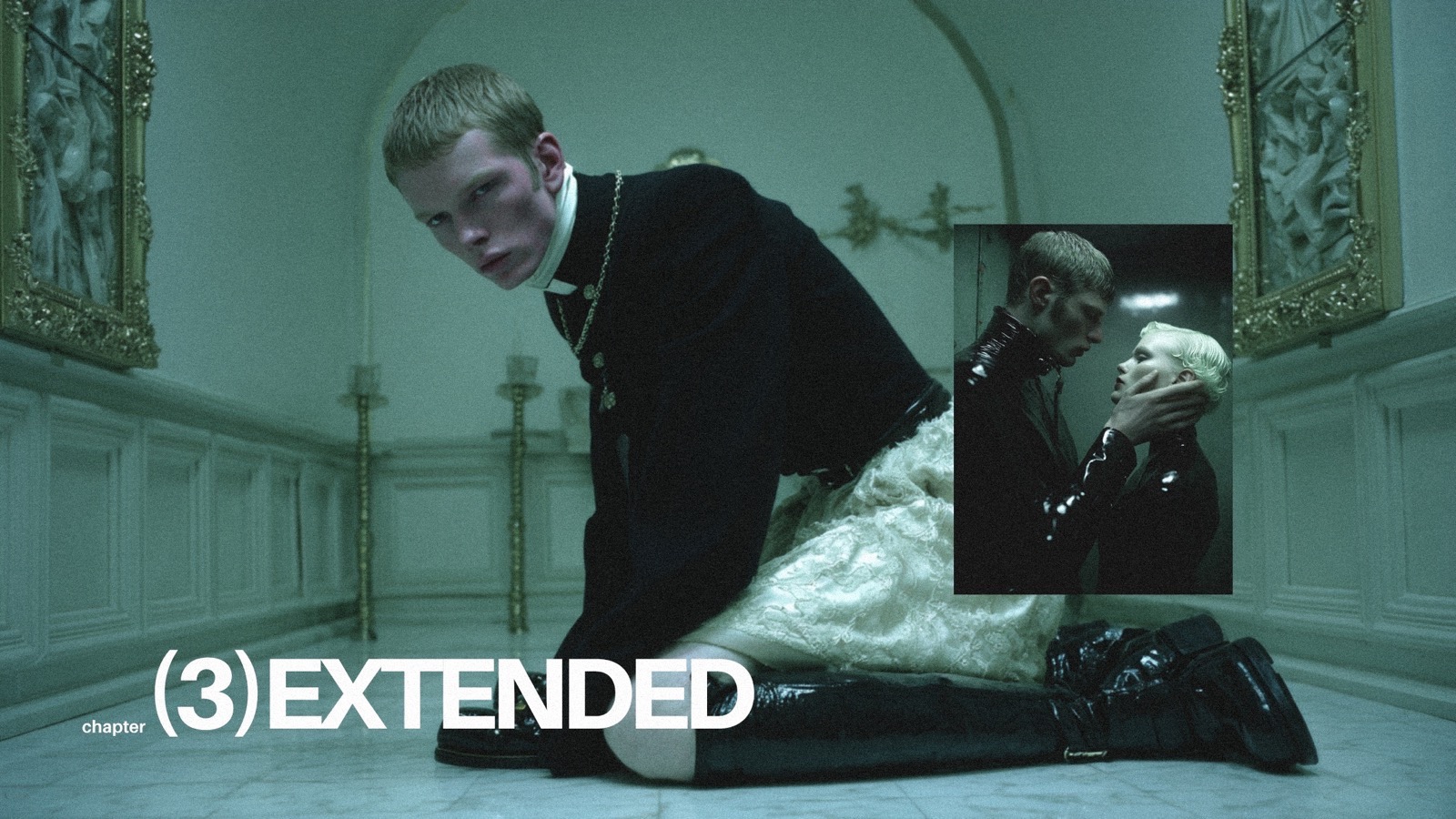
I think it started with the environment I grew up in. Being from Southeastern Europe, you’re surrounded by a certain stillness, cold skies, concrete, and a strangely spiritual atmosphere. That feeling stays with you. Then there are horror movies, which I’ve always been drawn to. For me, the sacred and the surreal exist side by side. That tension is where my work naturally lives.
If you could resurrect one artist to collaborate with, who would you choose, and what would you create together?
Tarkovsky. His work has this quiet power, it’s spiritual, slow, haunting. I think we’d create something atmospheric and layered, maybe a visual experience that unfolds like a dream or a memory you can’t quite place. Not necessarily a film or an editorial, more like a moving ritual.
Which visual symbols or archetypes do you keep returning to, like an addiction you can’t shake?
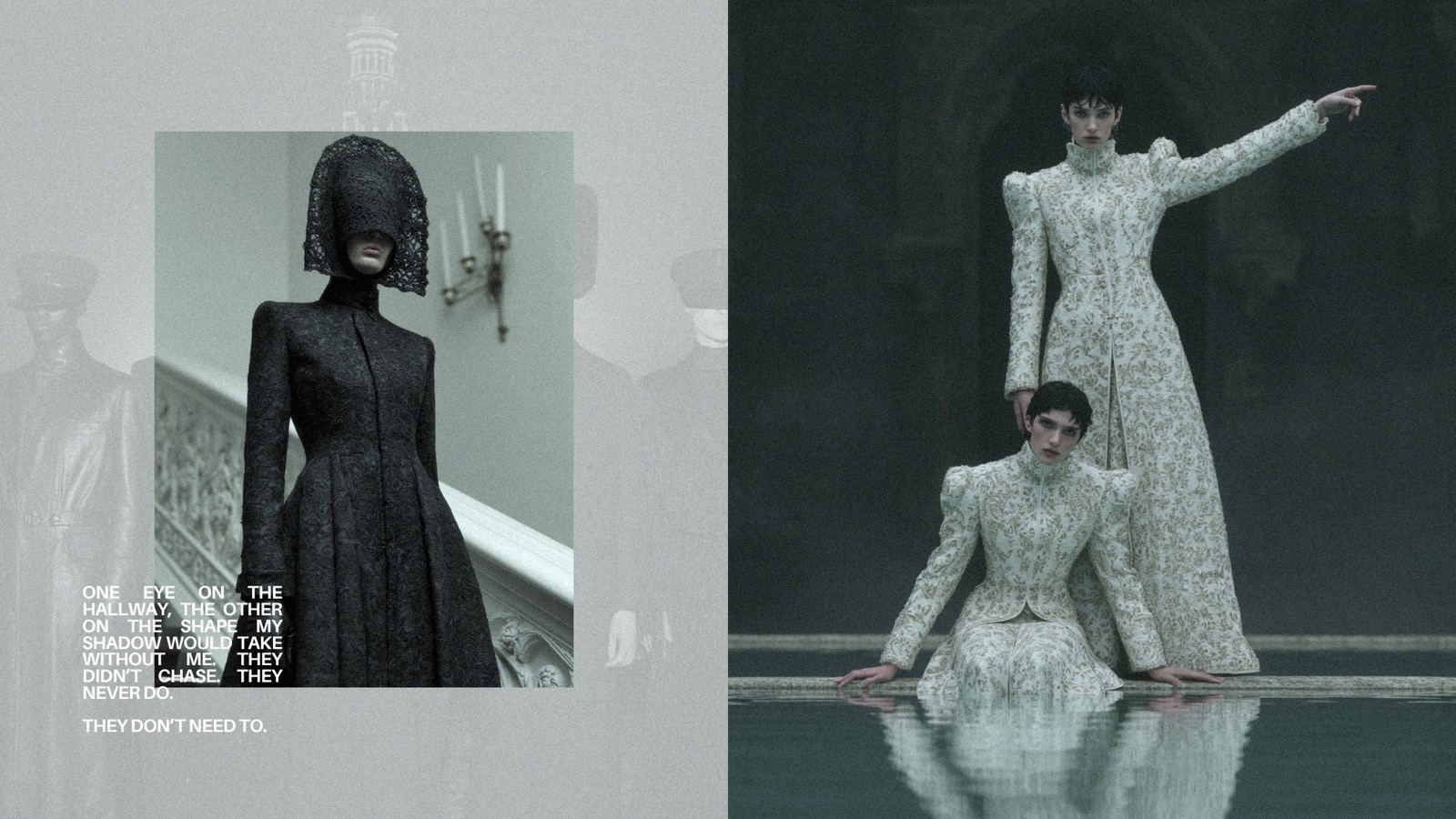
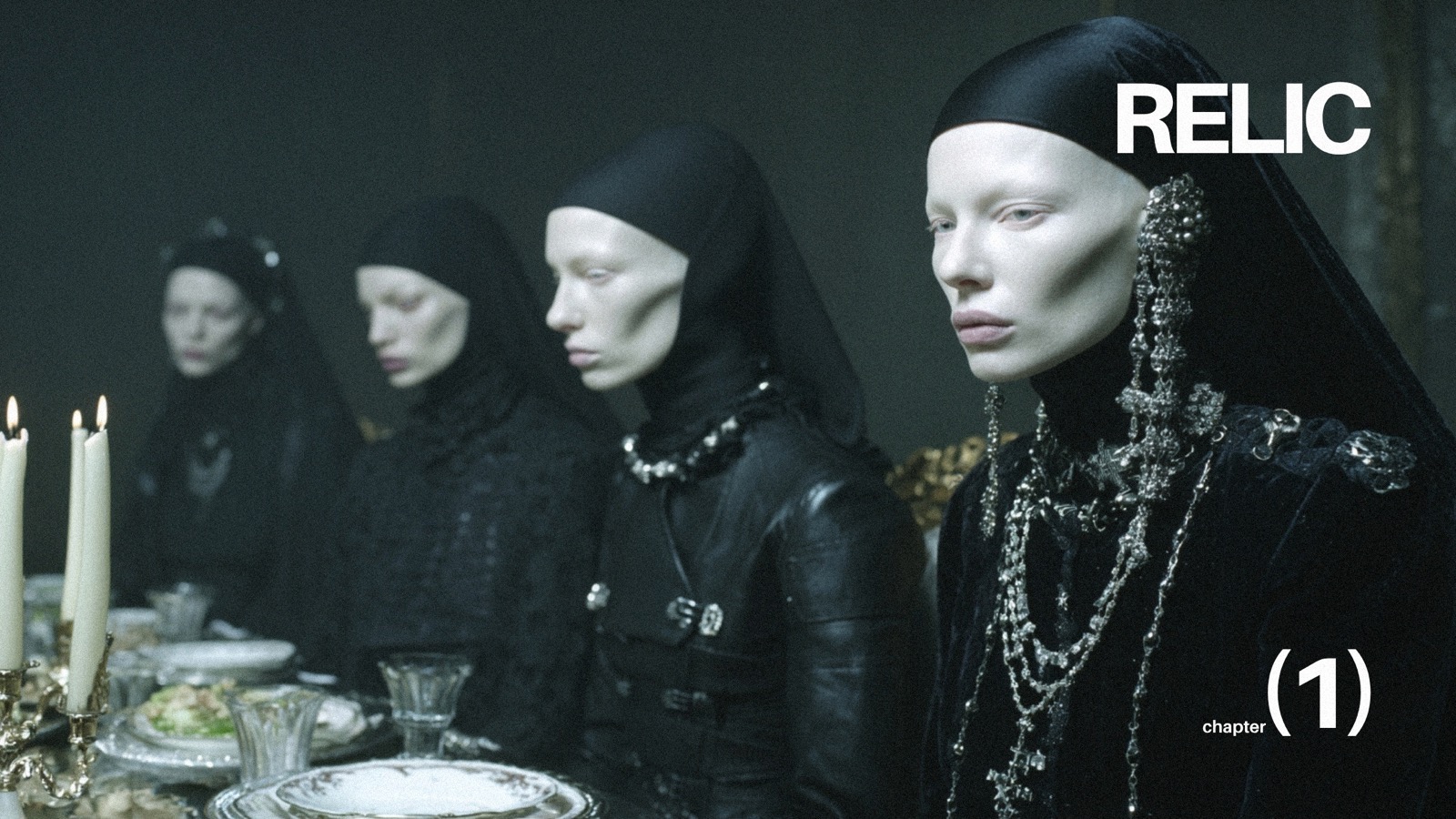
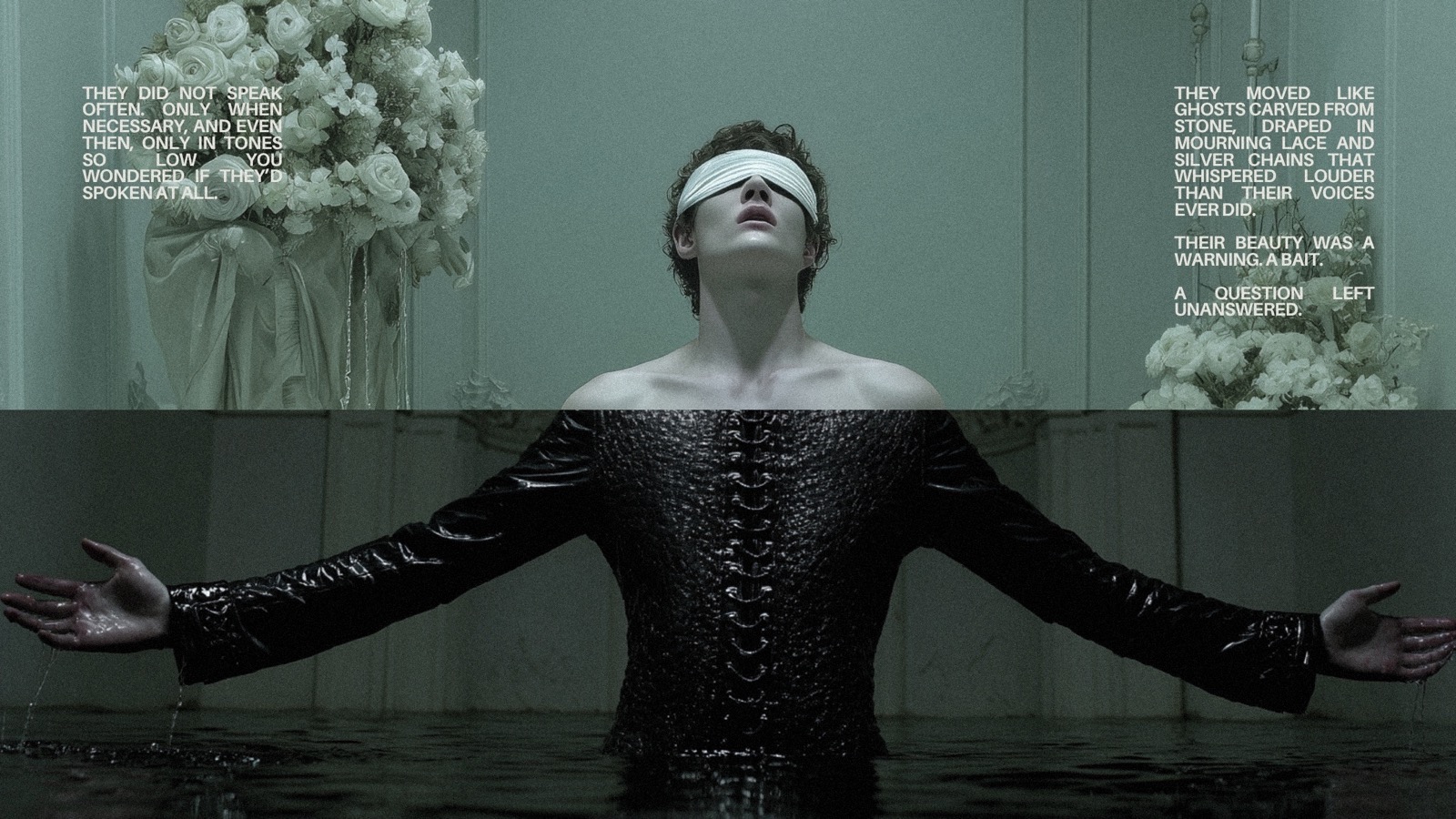
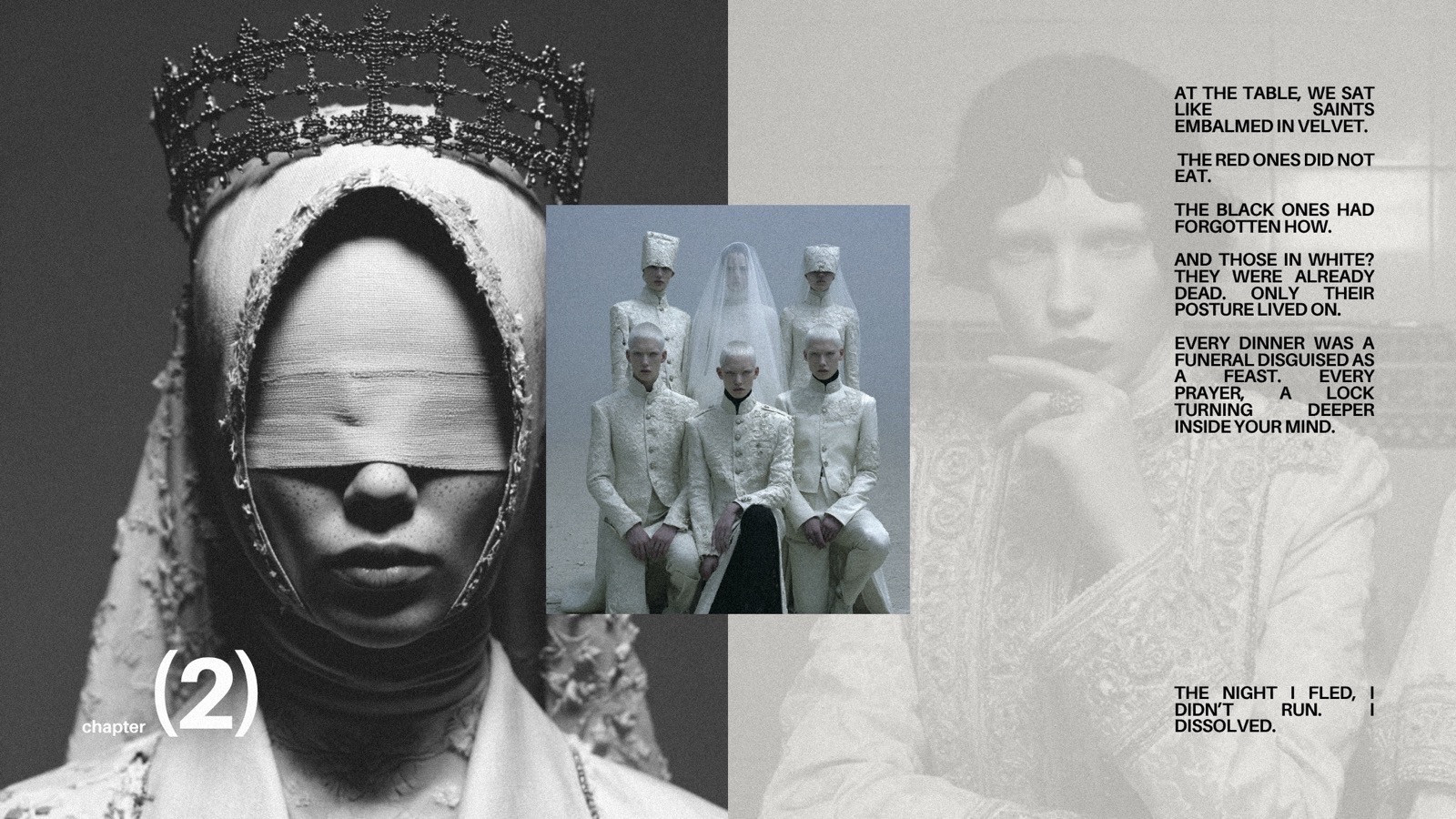
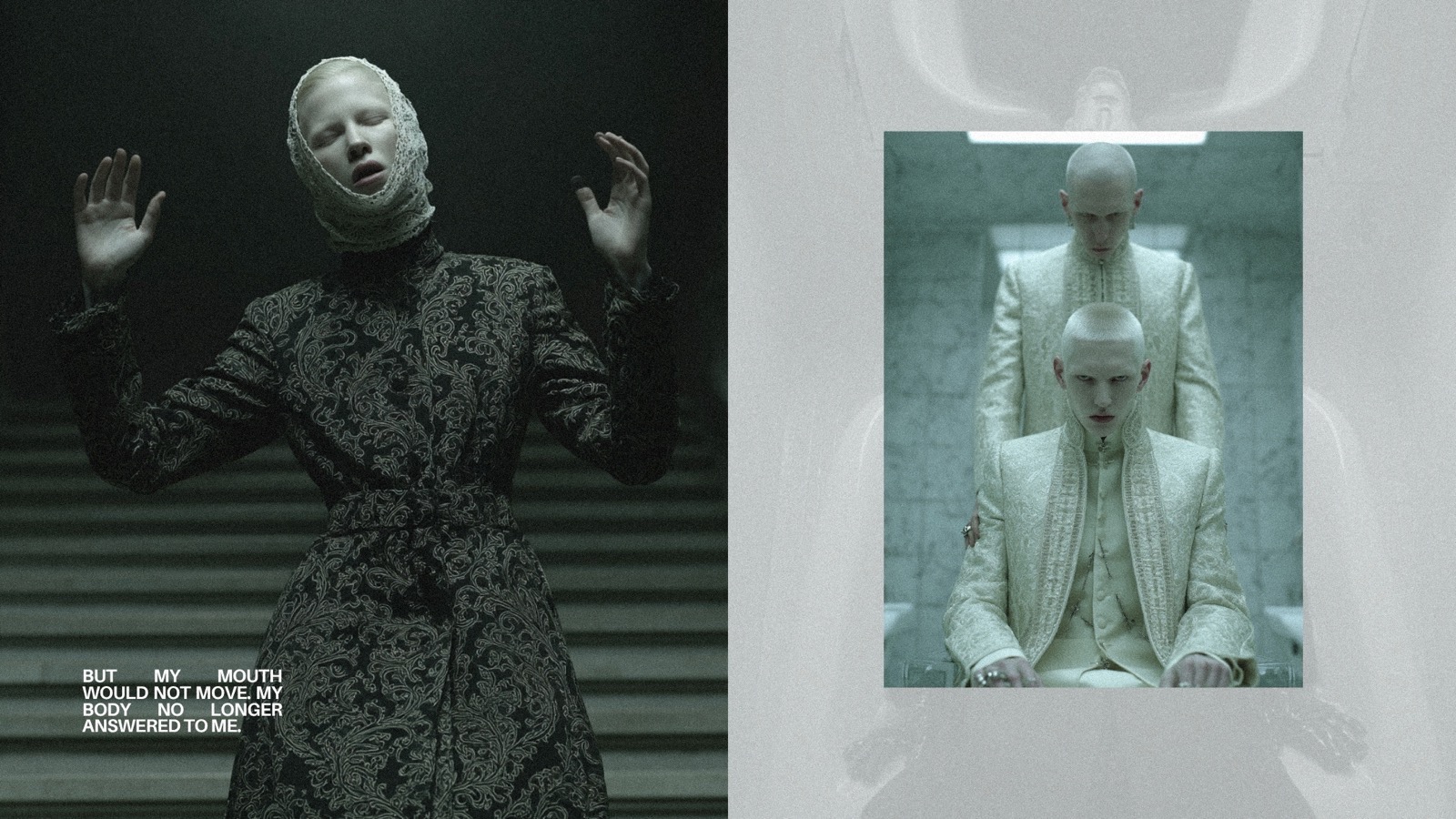
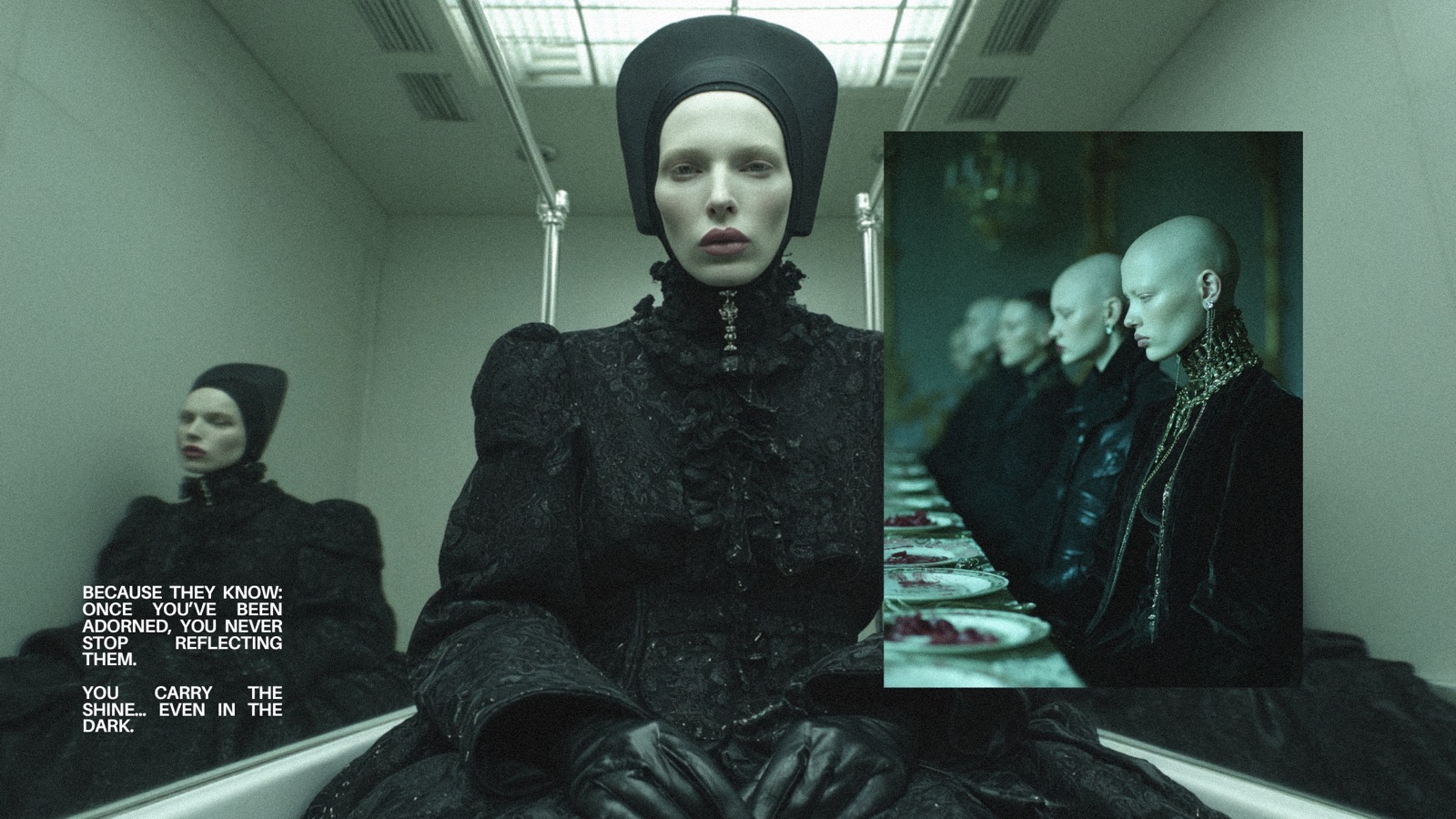
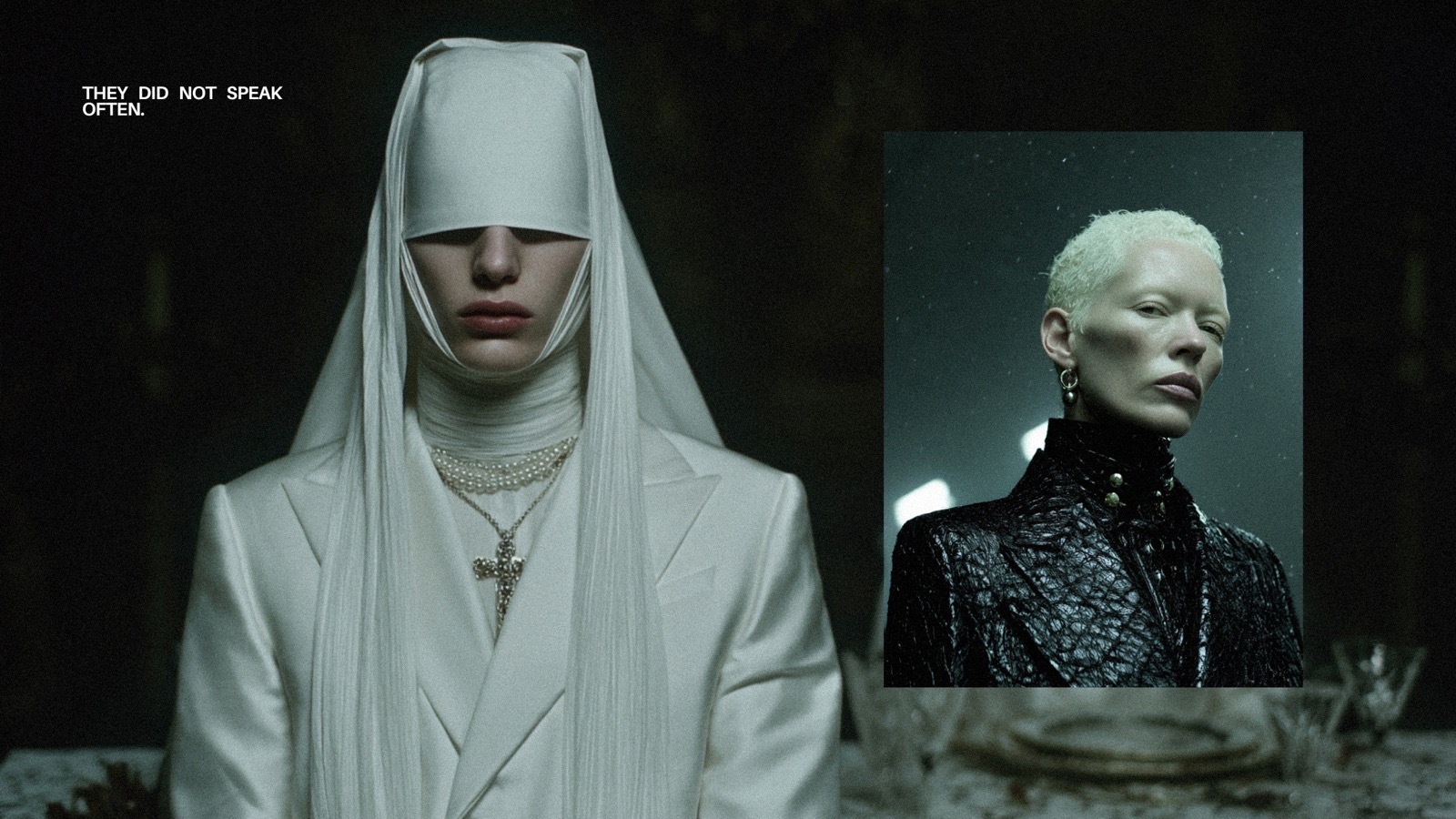
Faces, especially when they’re unique or feel slightly unusual to me. The body too, but in a way that’s fragmented or not entirely human. And pale green light. That cold, heavy aesthetic always finds its way in. There’s something grounding about it, even when the image itself is surreal.
When you look back at your journey so far, what feels like salvation, and what feels like sacrifice?
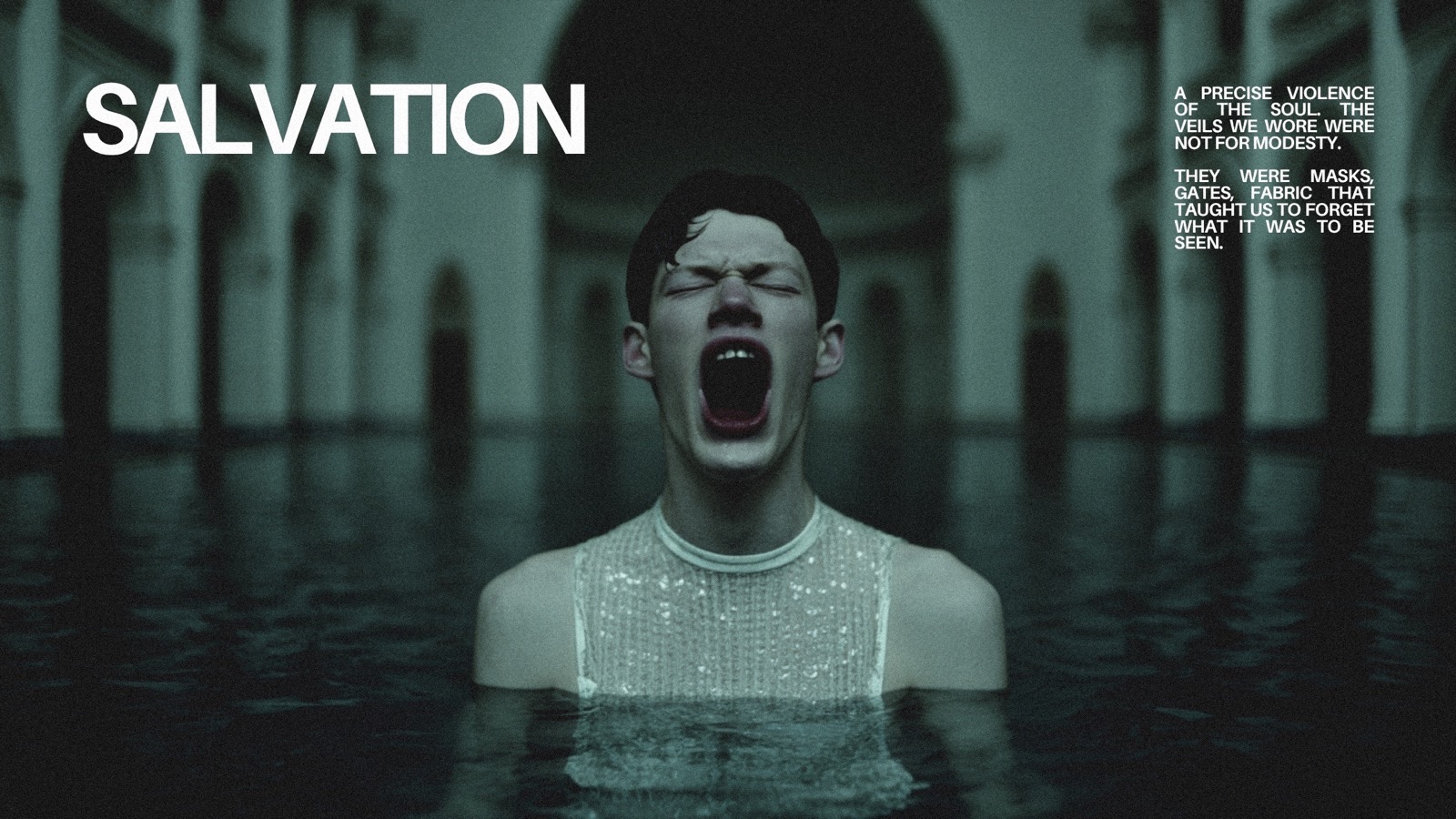
Salvation came through technology, realizing I could create entire worlds without limits, just through 3D and AI. That kind of freedom changed everything. The sacrifice is the emotional weight of constantly creating. You give a lot of yourself to the work, your time, energy, parts of your psyche. And sometimes it’s hard to come back from that.
Do you let emotion guide the story, or do you use story to cage the emotion?
Emotion usually comes first, even if I don’t realize it right away. There’s always a mood or feeling at the core. The story gives it shape, but I never want it to feel too neat or polished. I like when emotion leaks through, in the color, the movement, the atmosphere. That’s where the honesty is.
How do dreams, traumas, and private memories sneak into your visuals? Are they confessions or disguises?
They definitely show up. Sometimes in direct ways, sometimes buried under layers. I think of them less as confessions and more like codes. The viewer doesn’t need to know exactly what’s being said, but they can feel that something personal is there. That space between revealing and hiding is what keeps the work alive.