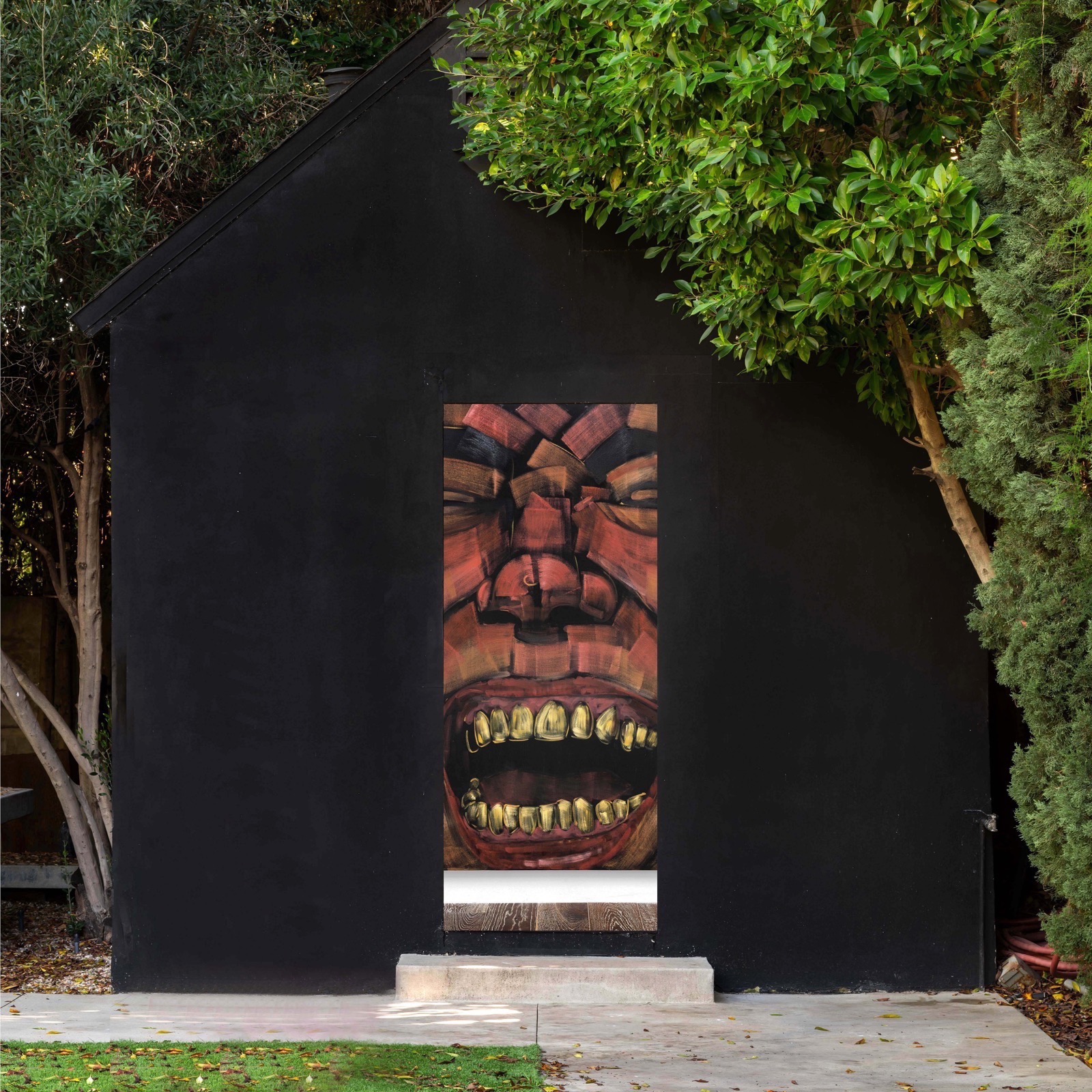
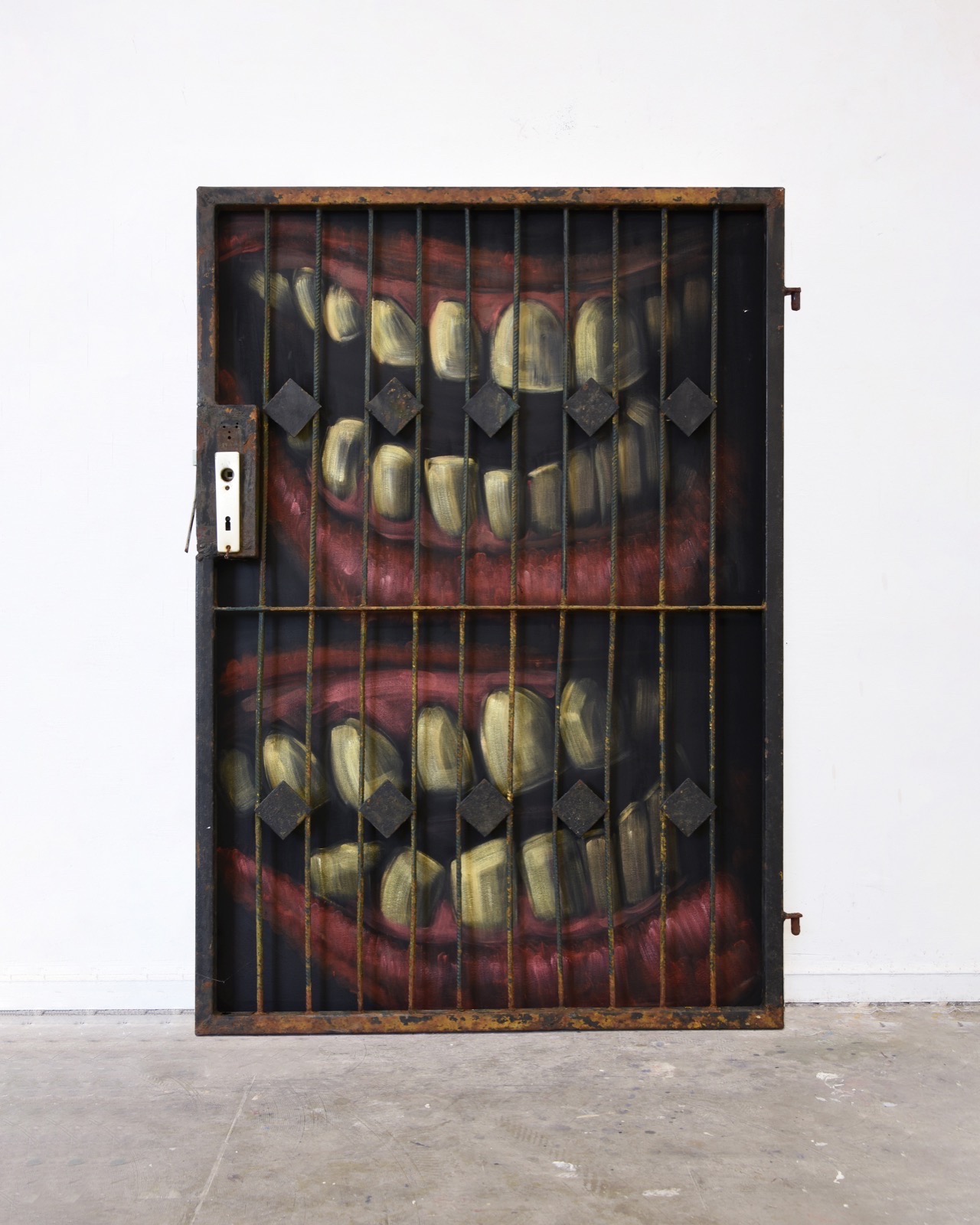
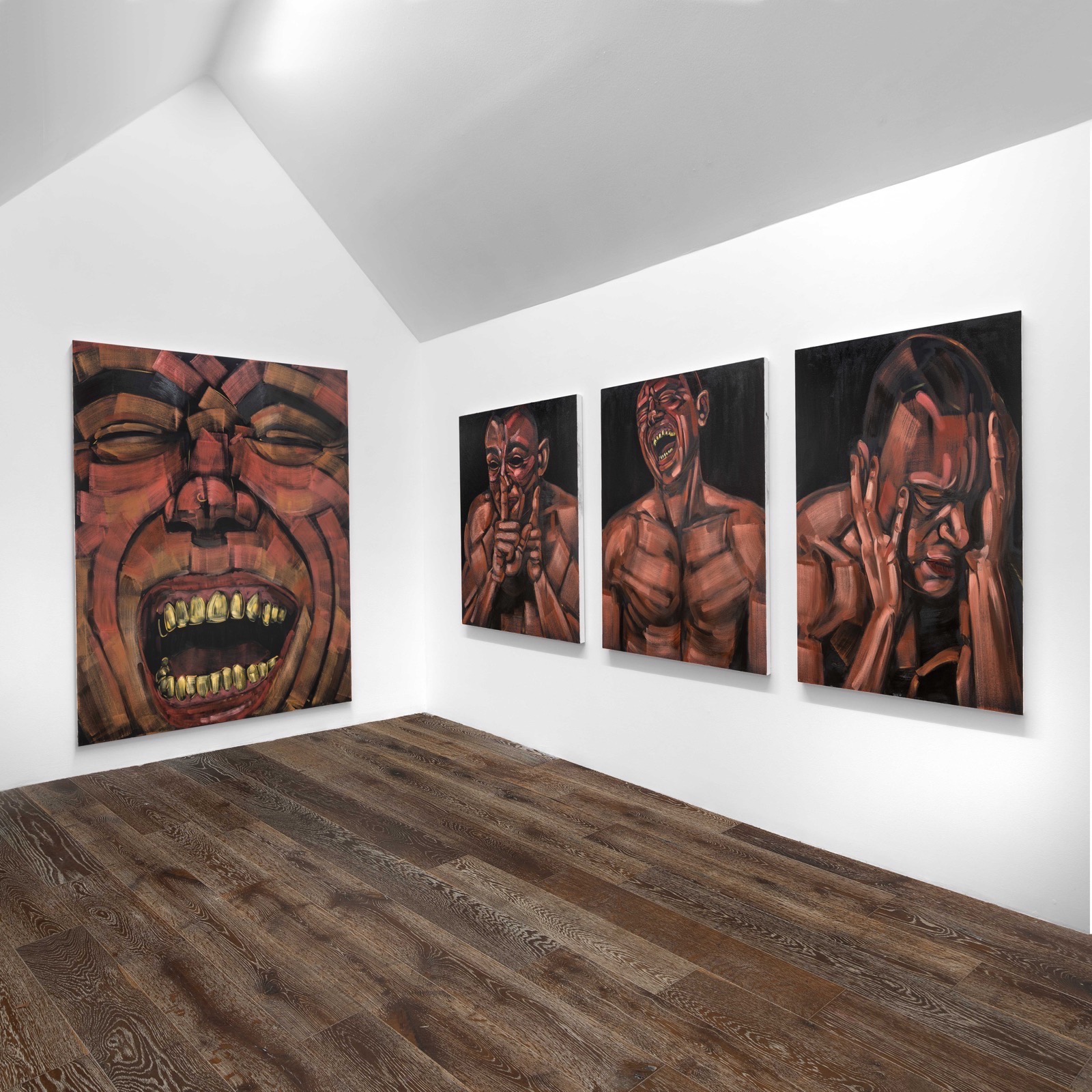
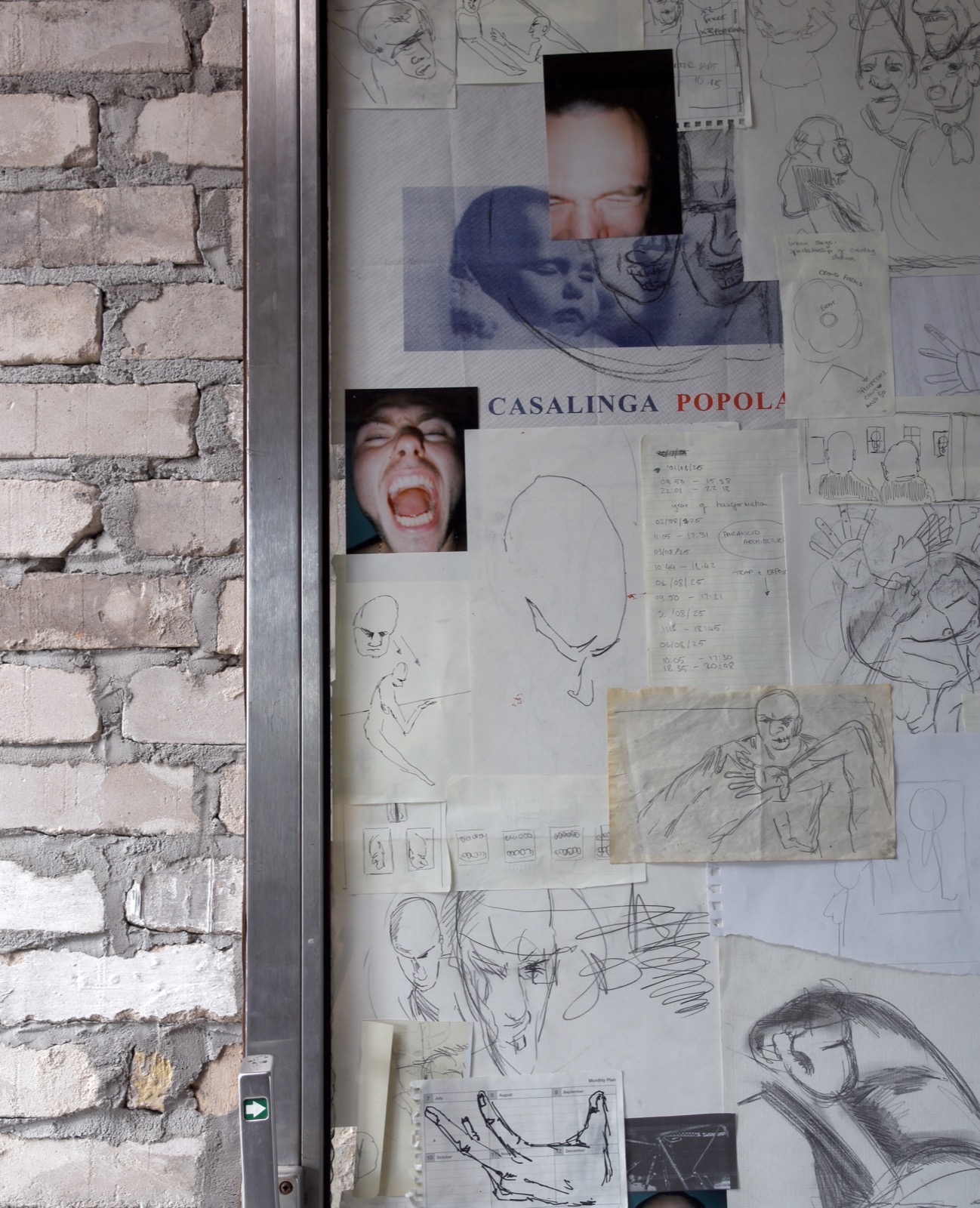
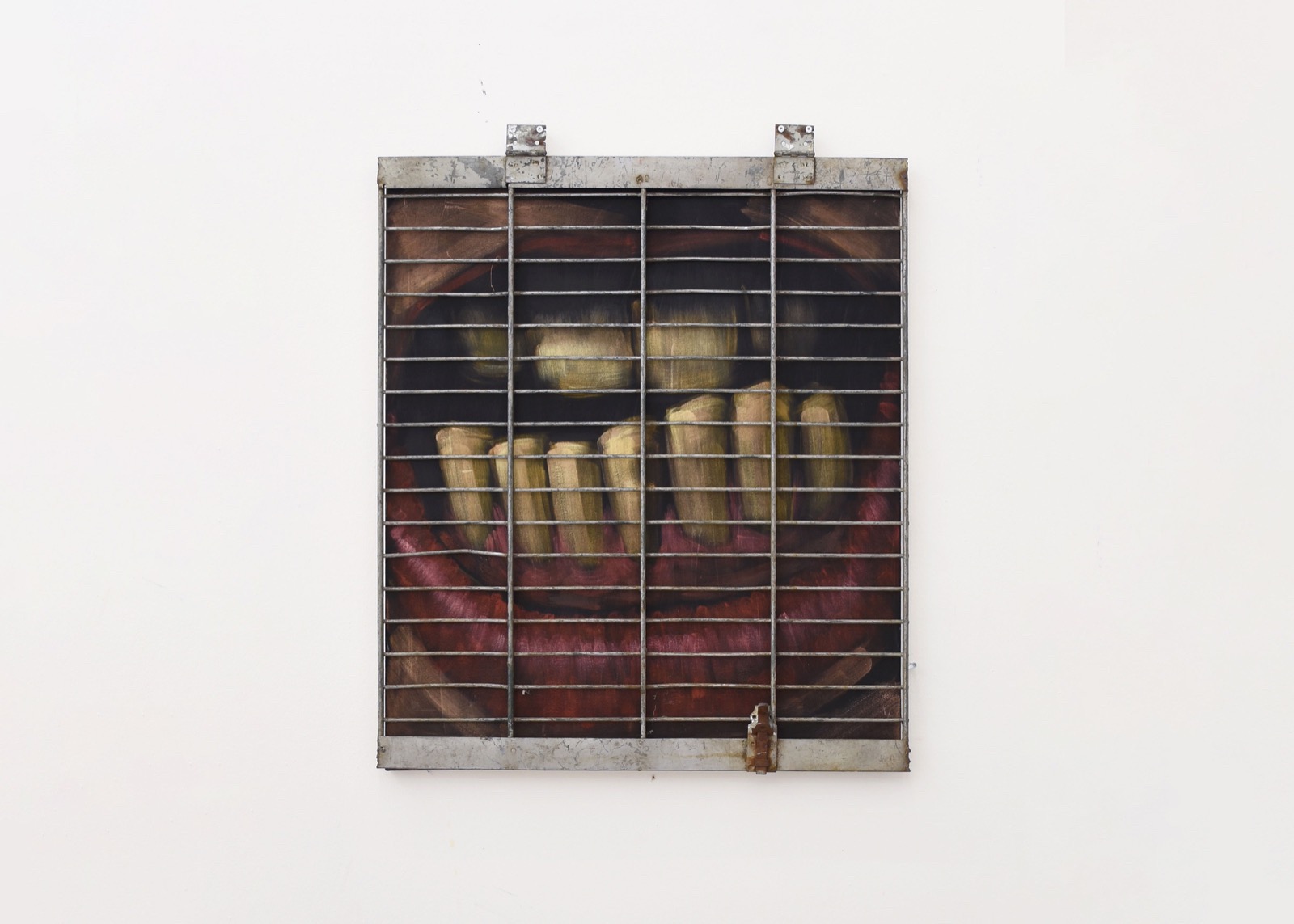
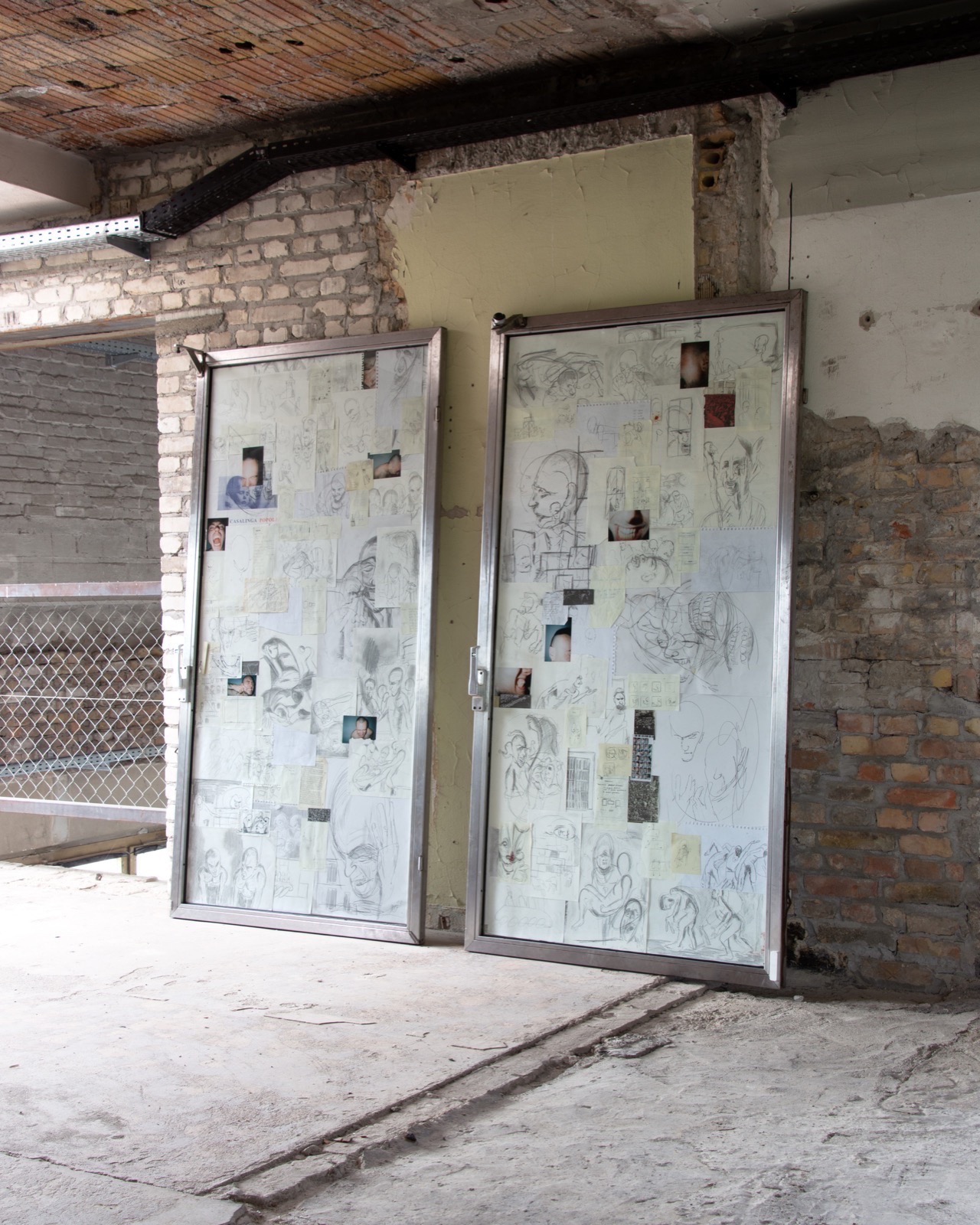
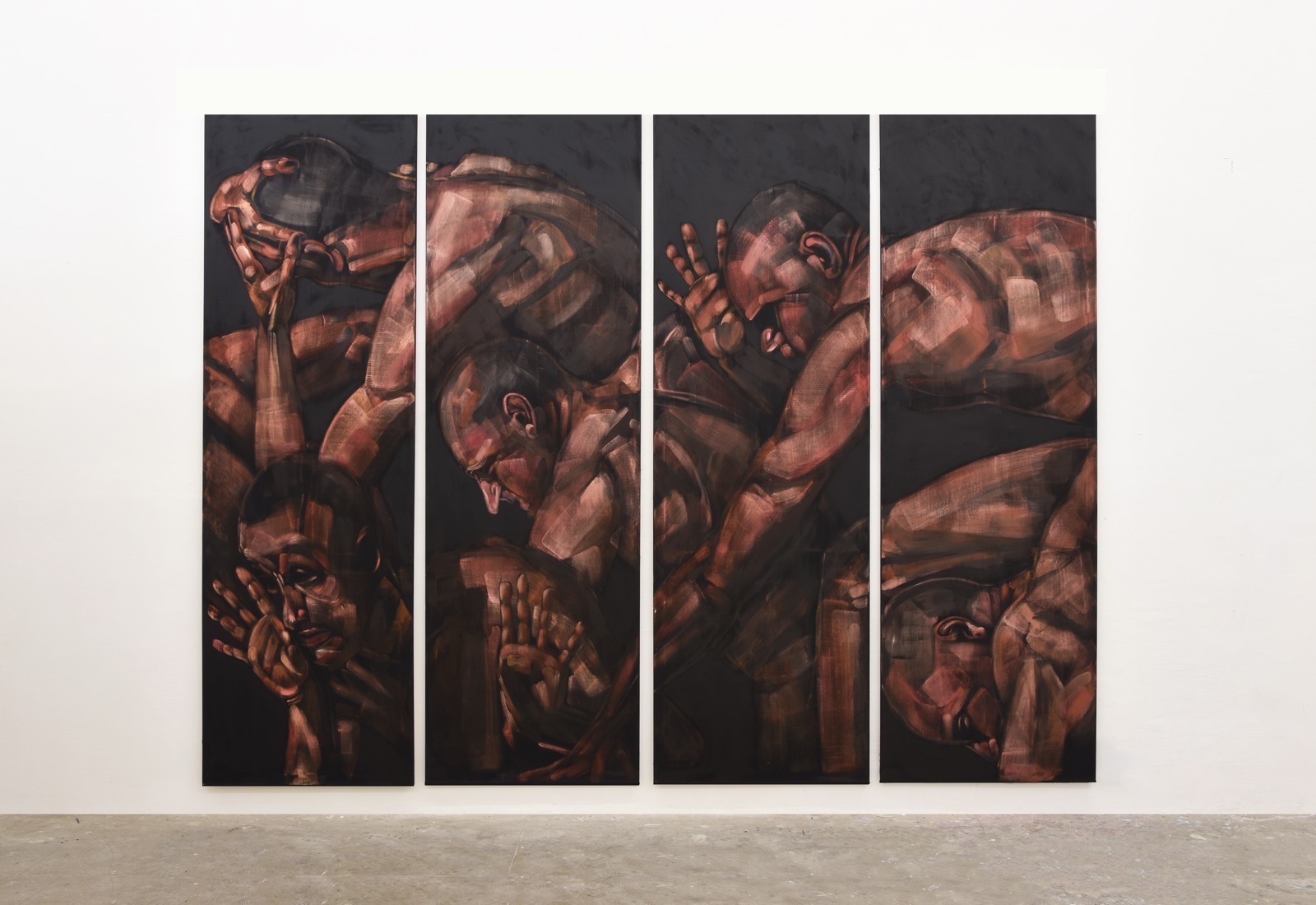
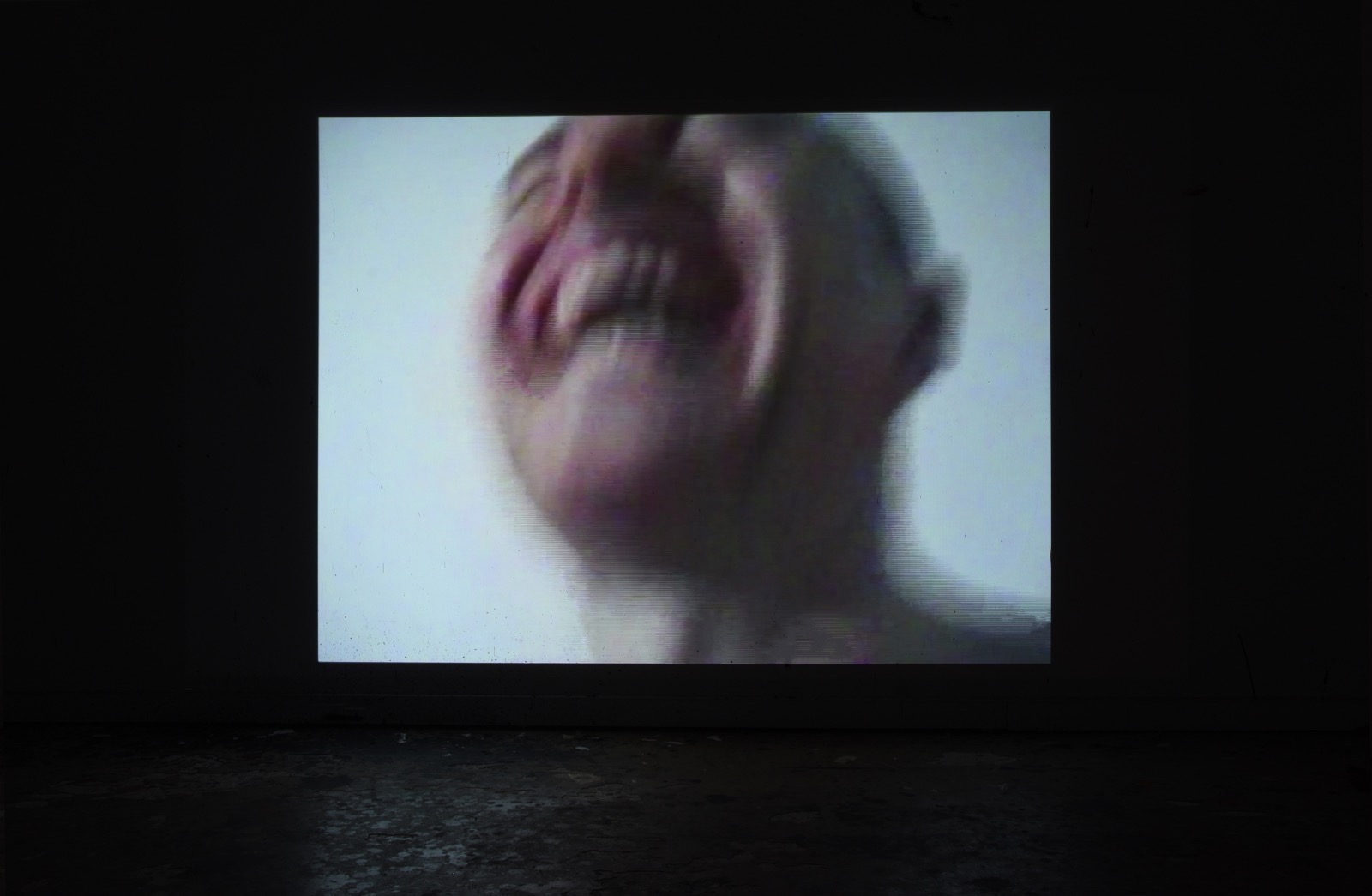
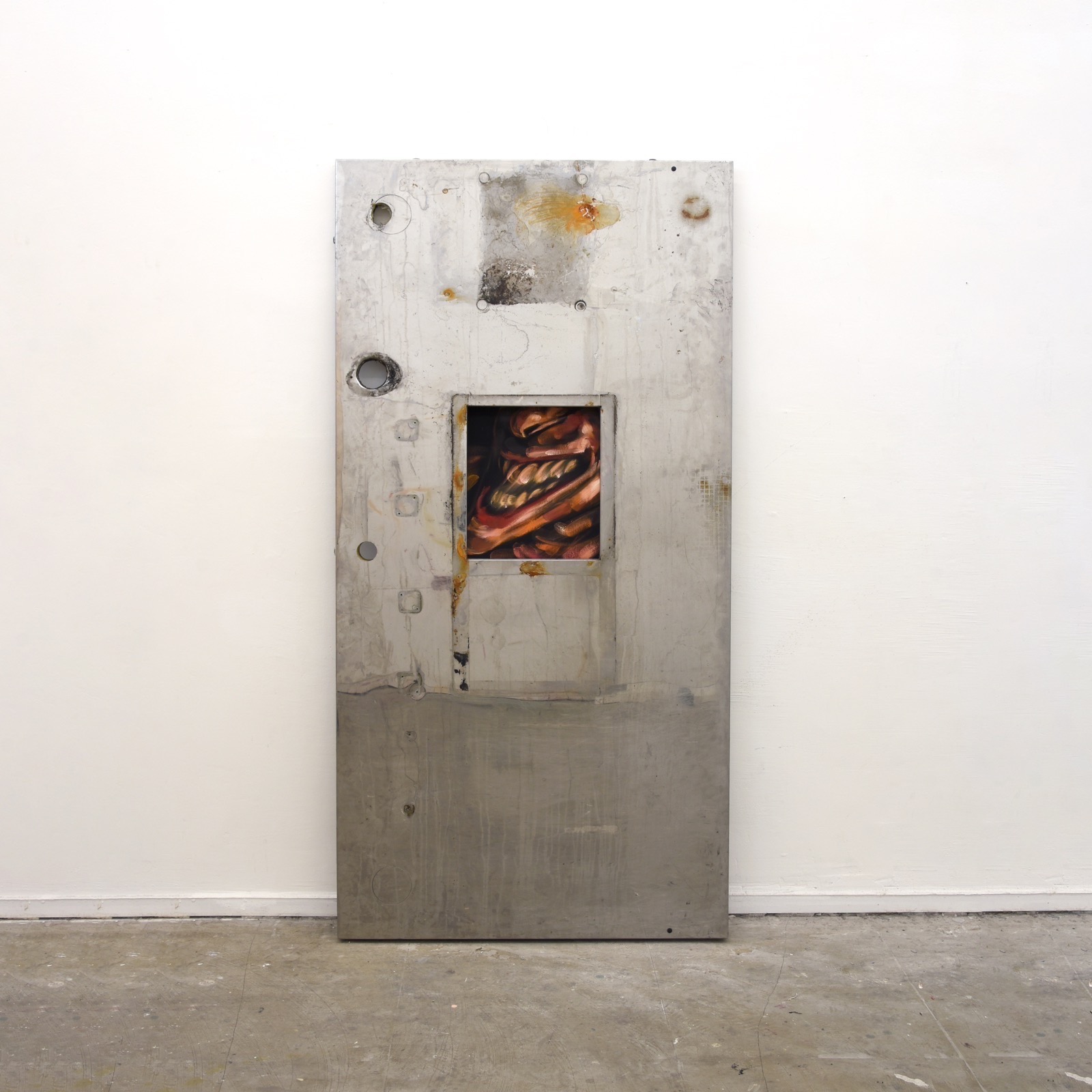
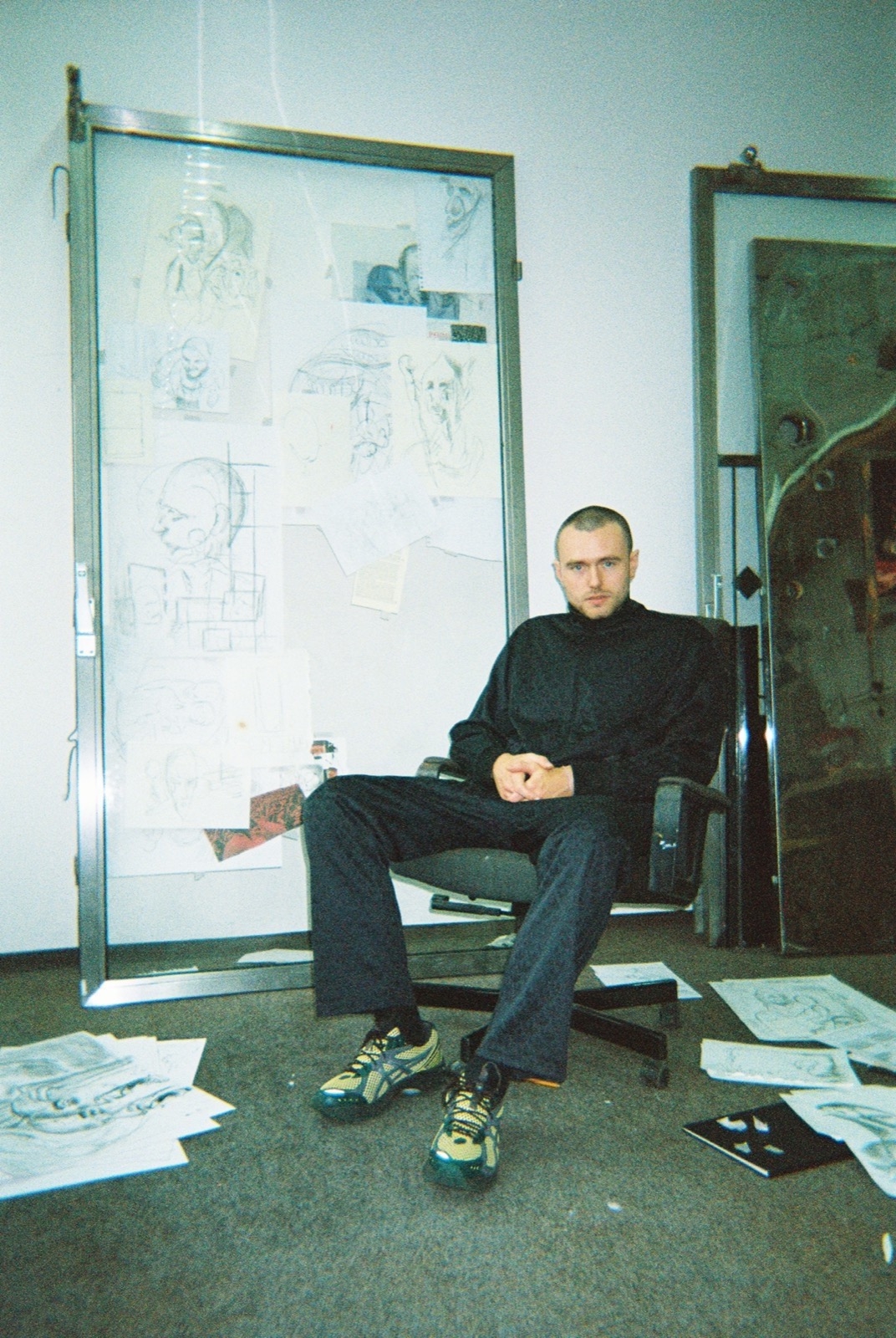
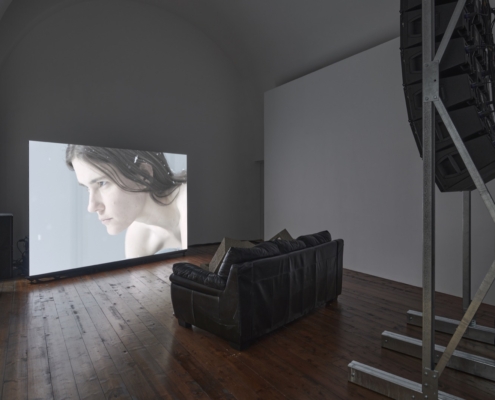
The repression of the darkest areas of the inner self often manifests in contemporary neuroses. Can art take on the role of alcohol poured onto a wound, becoming a tool to touch these lacerations, using disturbing imagery as a form of conscious exposure? In what way does your practice seek to impose itself on the viewer?
I believe that art maintains an important potential in being able to shock the viewer into a heightened sense of reality. When it comes to my own practice, moving the viewer is one of my key aims. I want them to feel the sensation of cold water splashing on their face. I want to displace something within them, so that they can potentially regard themselves and the world around them with fresh eyes.
“Too dark,” “too brutal,” “too realistic” are formulas often used to justify censorship. Yet why are other works, equally explicit but grounded solely in gratuitous disgust, considered acceptable? Is artistic censorship often a refusal to acknowledge and confront real issues?
It is perfectly ok for someone to think something is ‘too dark’ to ‘too brutal’ for them on a subjective level – who am I to tell them otherwise? But what I often find is that these labels are assigned to artworks when there is a lack of effort to truly explore why. When these adjectives are attached to my own practice, I ask –what makes you feel that way? And I find it is less often about the literal depictions in the work than the guttural feeling they emit –reminding the viewer of something they wish to forget. But this is why I believe that more people should support and live with ‘dark’ art, because it is in facing the darkness that I believe one truly learns to appreciate the light in the world. Censorship is an easy way to brush uncomfortable things away, but it ultimately treats the viewer like a child who does not have the capacity to handle difficult subject matter. In the end, censorship never manages to remove a work from public discourse, it just ends up heightening its notoriety and making it even more visible. It is ultimately much better to leave everything in view so that it can be discussed and debated; that way, we can confront real issues.
Your trait breaks the sacral hierarchy between artwork and viewer, transforming the artistic experience into what could be described as a therapeutic space. When did this interdisciplinary fracture become a concrete idea? What principles guide your process today?
My practice has always been therapeutic in a personal sense. I maintain a key interest in exploring emotional landscapes that I feel on a daily basis, but I think these feelings are universal, and as personal as my work is, I also feel it tackles the broader human experience. I am guided by the overall desire to capture an honest expression of this experience.
The encounter with an artwork instinctively generates a neuro-emotional response: disturbance, gratification, resistance, crisis. Can you recall a work or a moment in which a creation struck you in a brutal, destabilising way, yet with a critical resonance?
The last time I was profoundly moved by an artwork was when I saw Rothko’s ‘Seagram Murals’ at the Tate some years ago. I remember standing in front of them for hours, until at one point it seemed as though those deep reds and blacks were vibrating, sucking me into them. I could feel the artist’s acceptance of the abyss in those works, and they seemed to me a farewell, a final cry into the void, before his ultimate decision to leap into it.
This dark psychological inclination, the tendency toward introspection and confrontation with one’s inner demons and those of the world, do you perceive it as an innate disposition, or as the result of an educational path and a context that shaped your gaze over time?
Ever since I was a child, I have always been drawn to the dark. If I saw a dark corner, I wanted to explore it. I believe the struggle against one’s own demons is what ends up making us the heroes or villains of our own stories, and so I have always been drawn to representations of this essential struggle.
How has your art evolved in parallel with your identity transformation? How would you describe the evolution of your life in relation to your visual language, mark-making, and aesthetic choices?
I used to think the more unhappy I was, the more profound my artistic output would be, and I think this is a common thought amongst creatives. But as I have become older and matured more, I have realised that, for me, the opposite is actually true. The more I get wrapped up in my own feelings, the more vengeful I feel like my artwork becomes, and though at times this allows you to be bold, there is ultimately no longevity in this way of making. When I am happy and grounded, I can step into that intense space momentarily and objectively, and then return and enjoy the positive life I have built; it allows me to see things clearly and make the right decisions in the studio. I always think of the saying: “A happy fighter is a dangerous fighter.” And I think, generally, the same is true for artists.
Is the art system still resistant to interdisciplinary practices, especially when art takes on an almost therapeutic function? What barriers do you perceive today in the contemporary attitude, and where do you see its stagnation?
Art is inextricably tied to capitalism, which does inevitably mean that the more digestible a work is, the more likely it is for someone to buy it. Unfortunately, this means that artists making more confronting work often struggle to penetrate the industry, and so they are sometimes forced to tone down their practice so that they can make it more acceptable to a wider audience, and I think this is a shame. We need more collectors and galleries who are willing to support this kind of work, because I believe it is essential to maintain a balanced conversation within the arts.
Is there a demon you still struggle to confront? A disturbance you feel compelled to insist upon through your art in the near future, or one that is already structuring your current work?
My ultimate goal is to confront myself, and in turn, to encourage the viewer to do the same. I am driven by a compulsion to make emotionally honest work, and so I see it as my duty to continue interrogating my own mind.