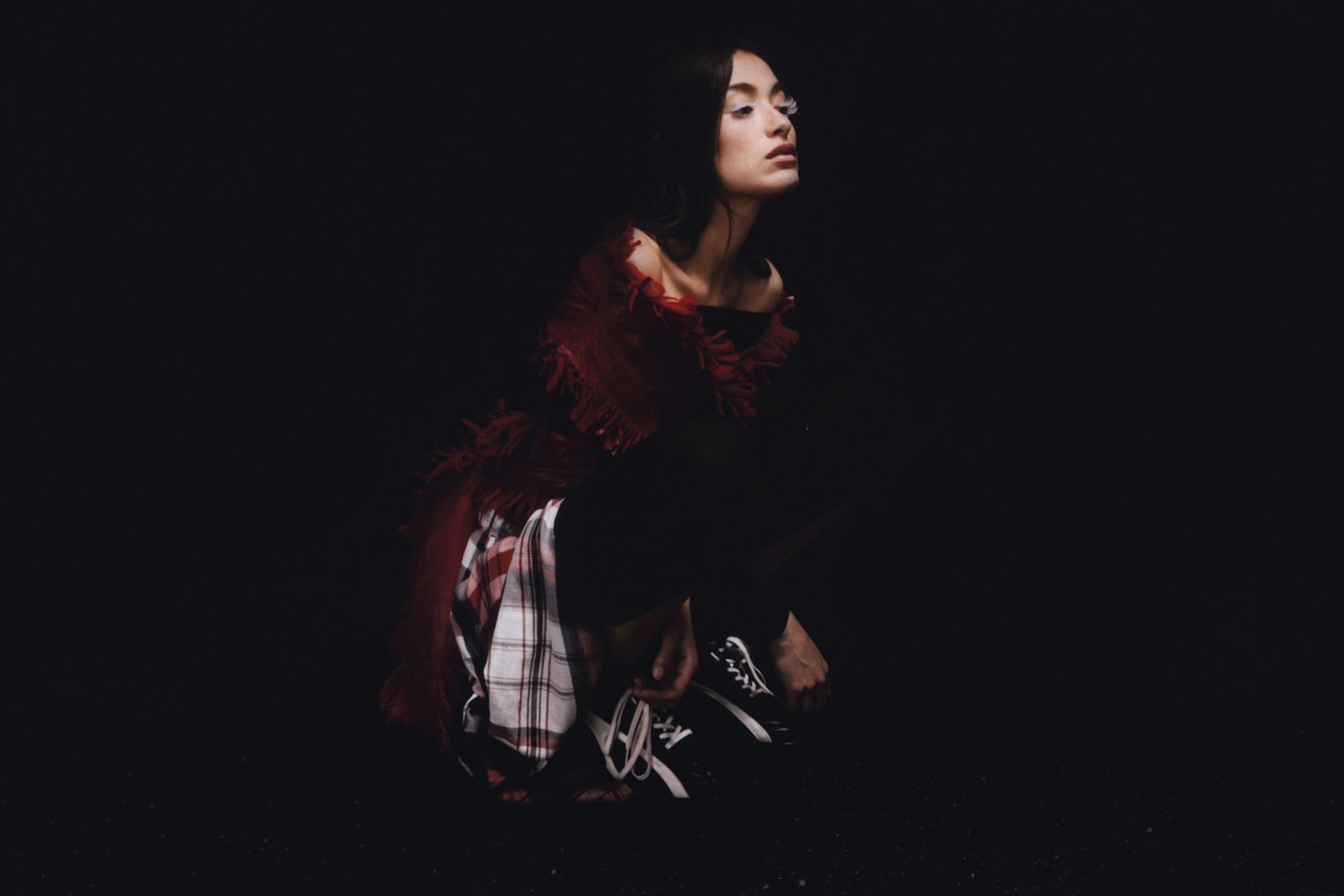
ABOUT THE DESIGNER
What was the initial spark that drew you to fashion design, and how has your vision evolved since then?
The spark was very specific: it was February 20, 2019, the day I read an article about Karl Lagerfeld’s life following his passing. I was a sophomore in high school, trying to figure out my future, and something about his story just hit me. It wasn’t just the designs; it was his relentless passion and the way he dedicated his entire life to his vision. It made me think, what is fashion, and what does fashion mean to me?
That article was a breaking point. I had always loved fashion, styling, and especially making things with my hands—I’ve been drawn to handcrafts since I was little. But I had never seriously considered fashion design because of a deep mental barrier. Growing up in China, there’s a huge emphasis on drawing as the absolute foundation for all art. I wasn’t formally trained in drawing, so I convinced myself it was impossible. I literally thought, maybe in the next life.
Reading about Karl’s life that day, those self-imposed barriers just vanished. I realized my desire to explore this world was stronger than my fear of a skill I didn’t have. I just wanted to do it and see what would happen.
My vision has evolved immensely since then. At first, I was simply happy to have found a dream. But during my BFA at SAIC, I had a second realization: the most exhilarating moment isn’t the illustration; it’s the making. It’s translating an idea into a physical, tangible garment. My passion isn’t the 2D sketch; it’s the 3D construction and the textile work, which connects back to that childhood love of handcrafts. I learned that you don’t just draw fashion—you build it.
Can you describe your design process—from concept to final garment? What does a typical day in your studio look like?
I think of every collection as a journey. The initial concept is just the “ticket”—it gives me a direction, but the exact destination is still unknown.
To start, I set the tone by creating a moodboard and, most importantly, choosing three adjectives to define the collection’s vibe. From there, I move from the abstract to the physical. My process is heavily driven by textile experimentation. You can’t make a garment without materials, so I spend most of my time draping, sourcing, altering, and often making my own textiles.
I create countless samples—testing fabric combinations, technical seam finishes, and stitches. I see these samples as the events you encounter or the people you meet on a journey; they all inform the final outcome. Interestingly, my final illustrations don’t come at the beginning. They come after this physical experimentation. As I work with materials, the designs reveal themselves, and only then do I sketch to define the “destination.” After all the technical problems are solved, I create the final garments.
A typical studio day starts with structure. I check my production schedule and write a detailed list of every task I need to accomplish, including time estimates. Once I start working, I get very focused. If I’m deep into a process, I don’t like to stop. It’s a bit different now that I’ve graduated. At school, my day was broken up by conversations with classmates—sharing concepts, visions, and techniques. I loved that energy. Now I’m in a solo studio, so I’m still learning this new, quieter rhythm.
Which materials, techniques, or cultural influences are central to your current work, and why?
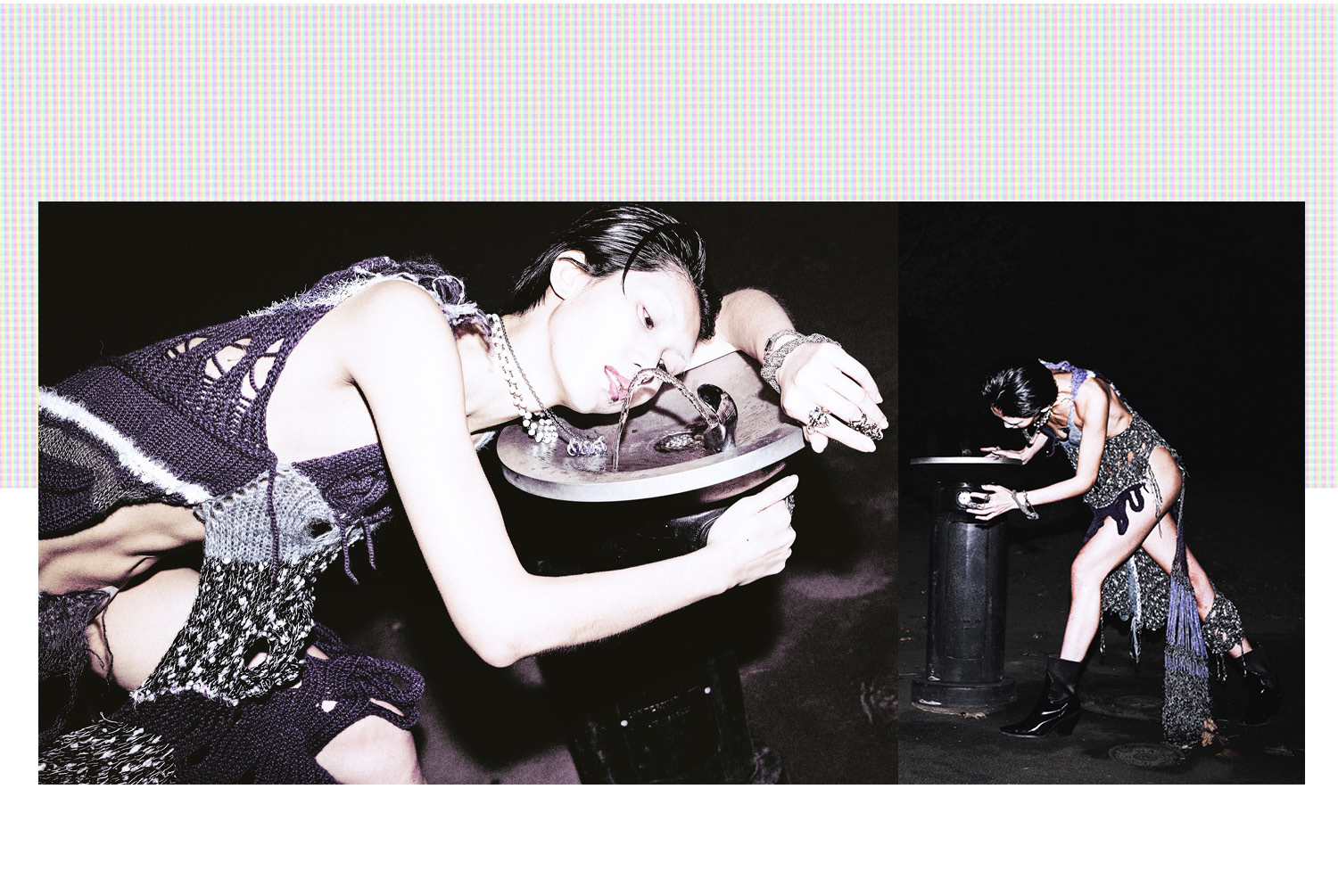
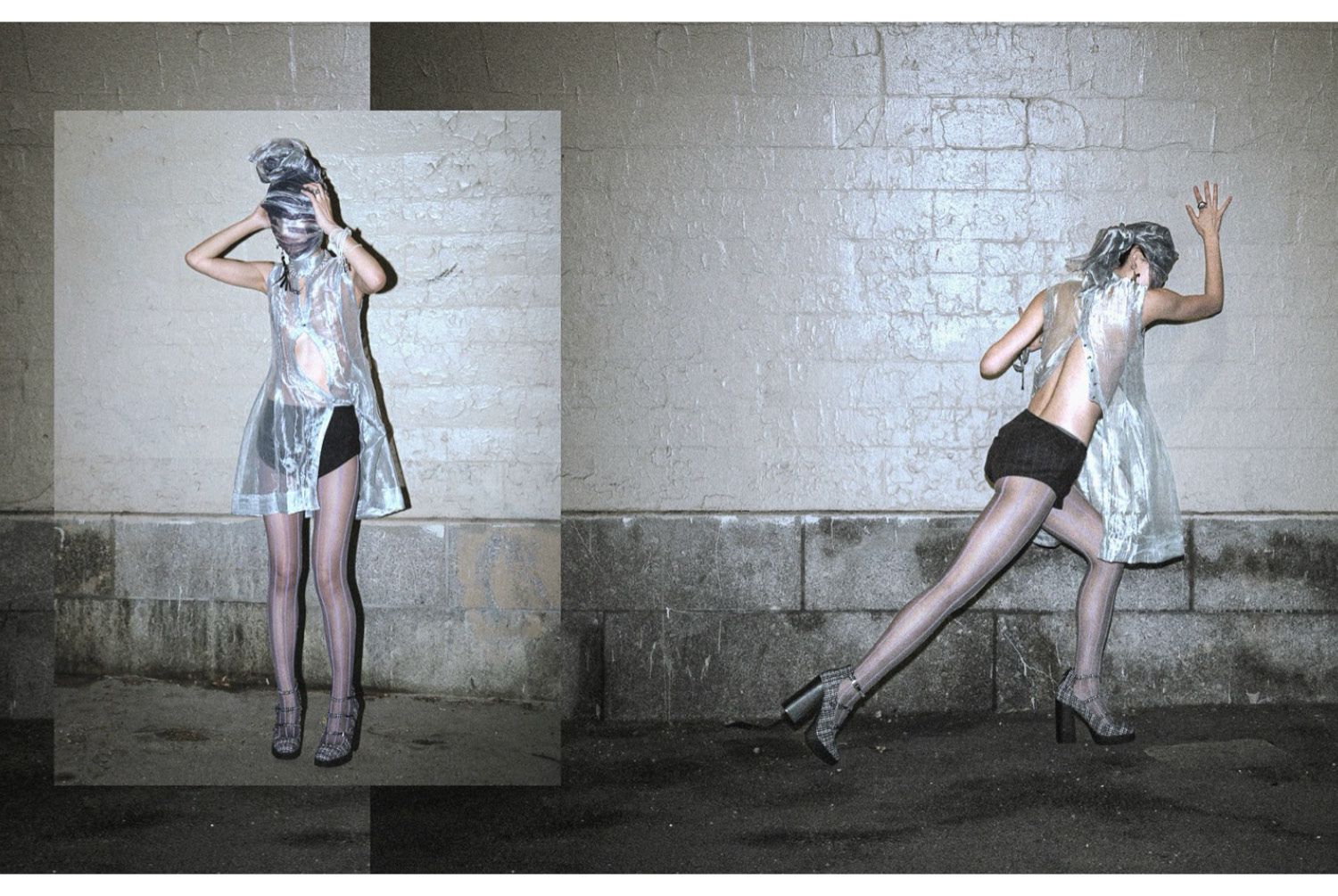
My current work, Subconscious Veil, is a deeply personal excavation. It began with a disorienting sensation many people experience—feeling pulled in conflicting directions. I’d find myself making decisions based on what felt like intuition, yet I couldn’t rationally explain why. This dissonance raised a fundamental question: who is truly at the helm? The collection became a journey into those hidden forces, leading me to research the human psyche and the dynamic between our curated conscious self and the elusive subconscious beneath it.
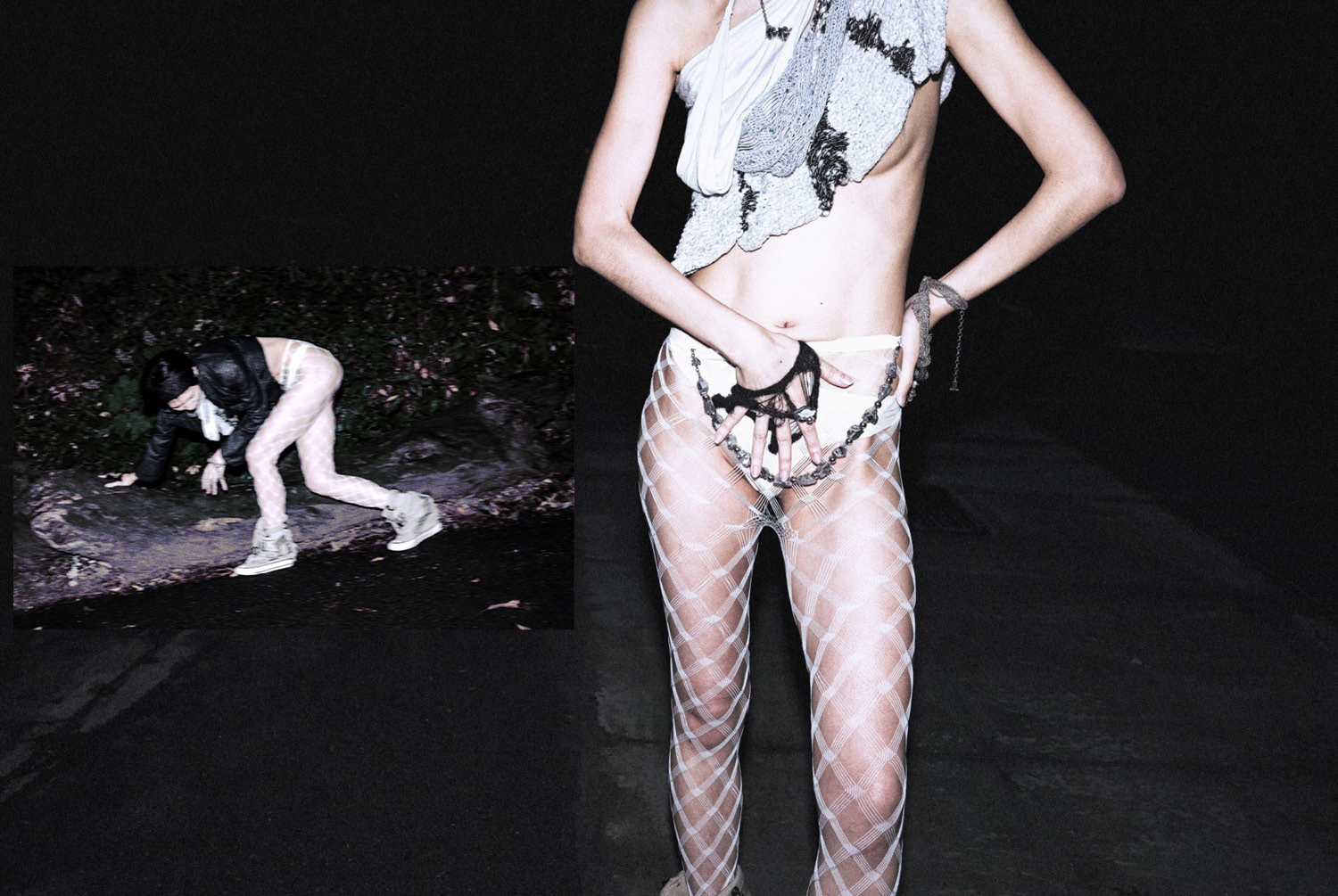
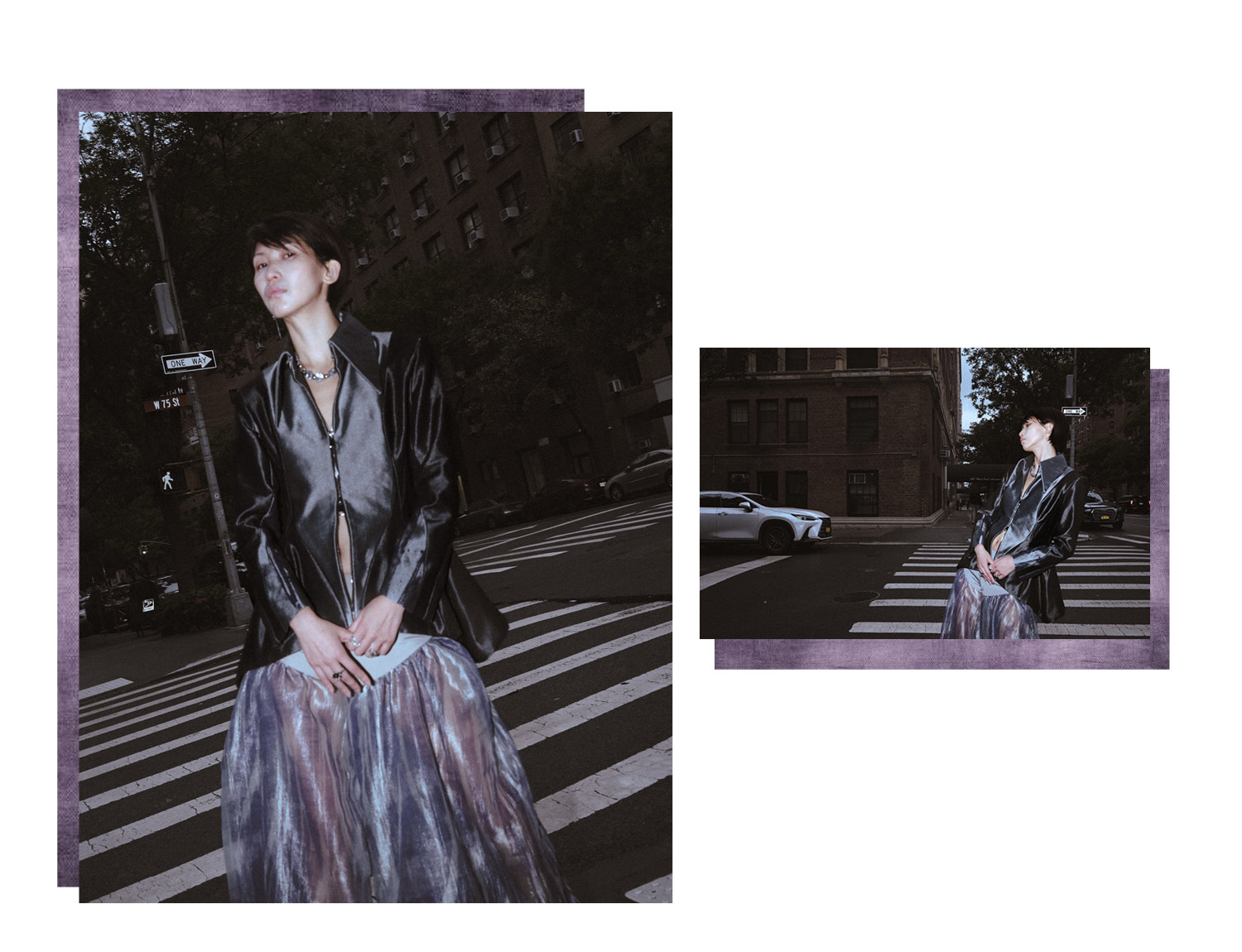
My materials and techniques form the language of this exploration. The entire concept revolves around duality and hidden layers. I pair hard, structured fabrics like metallic denim—representing the “outer self”—with ethereal materials like silver crinkled organza, which becomes the literal “veil.” On one jacket, I use both the right and wrong sides of the metallic denim, contrasting their colors to deepen that sense of duality.
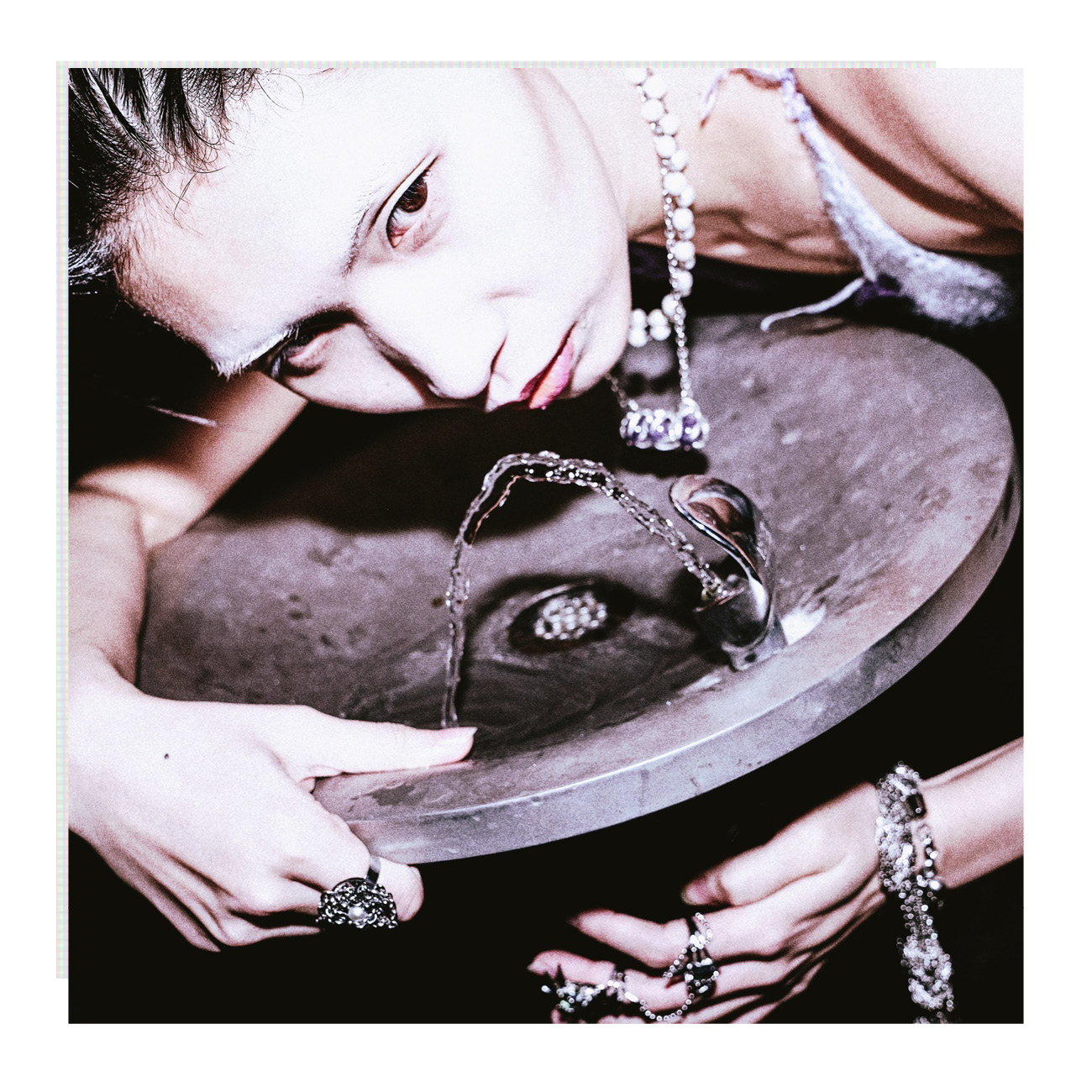
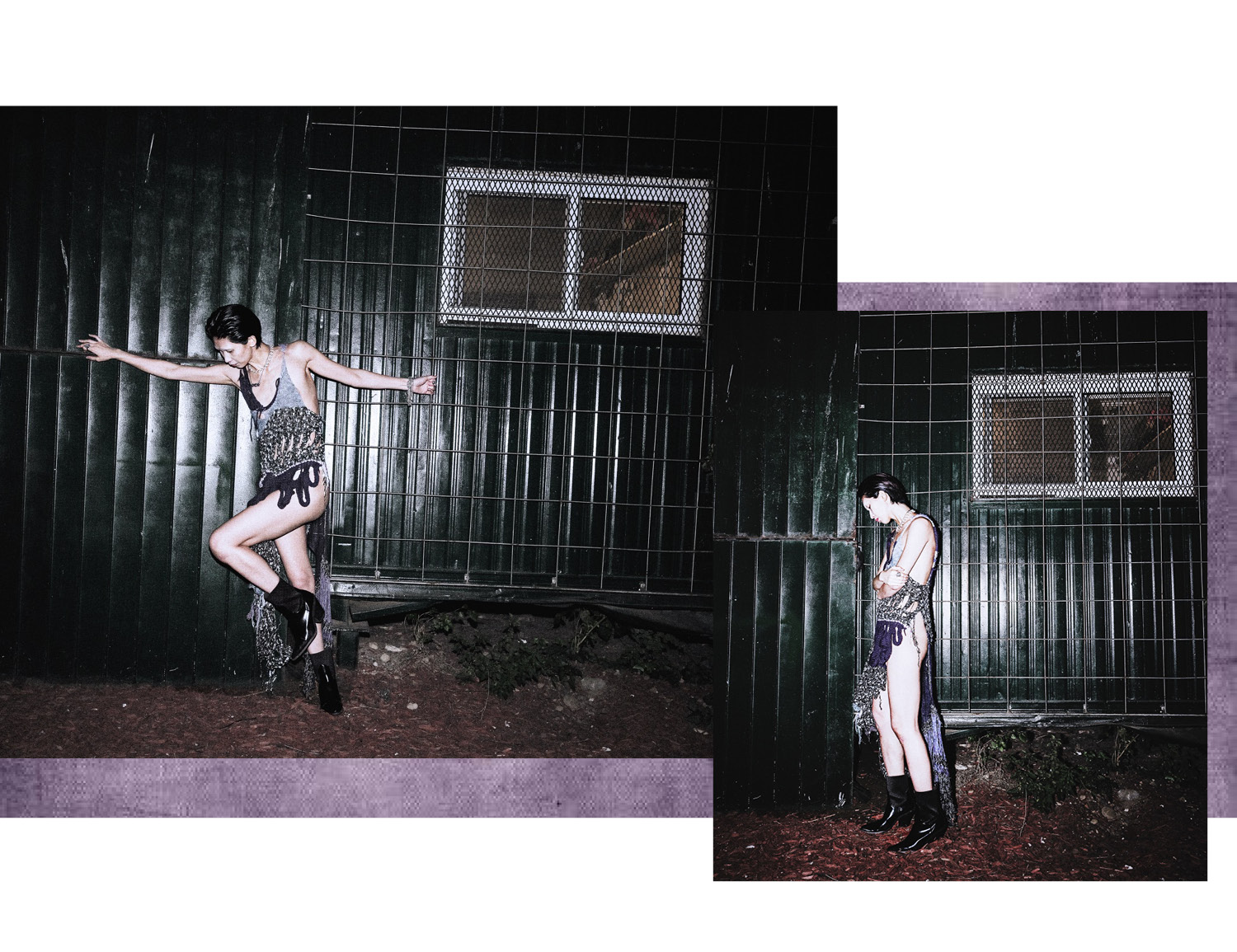
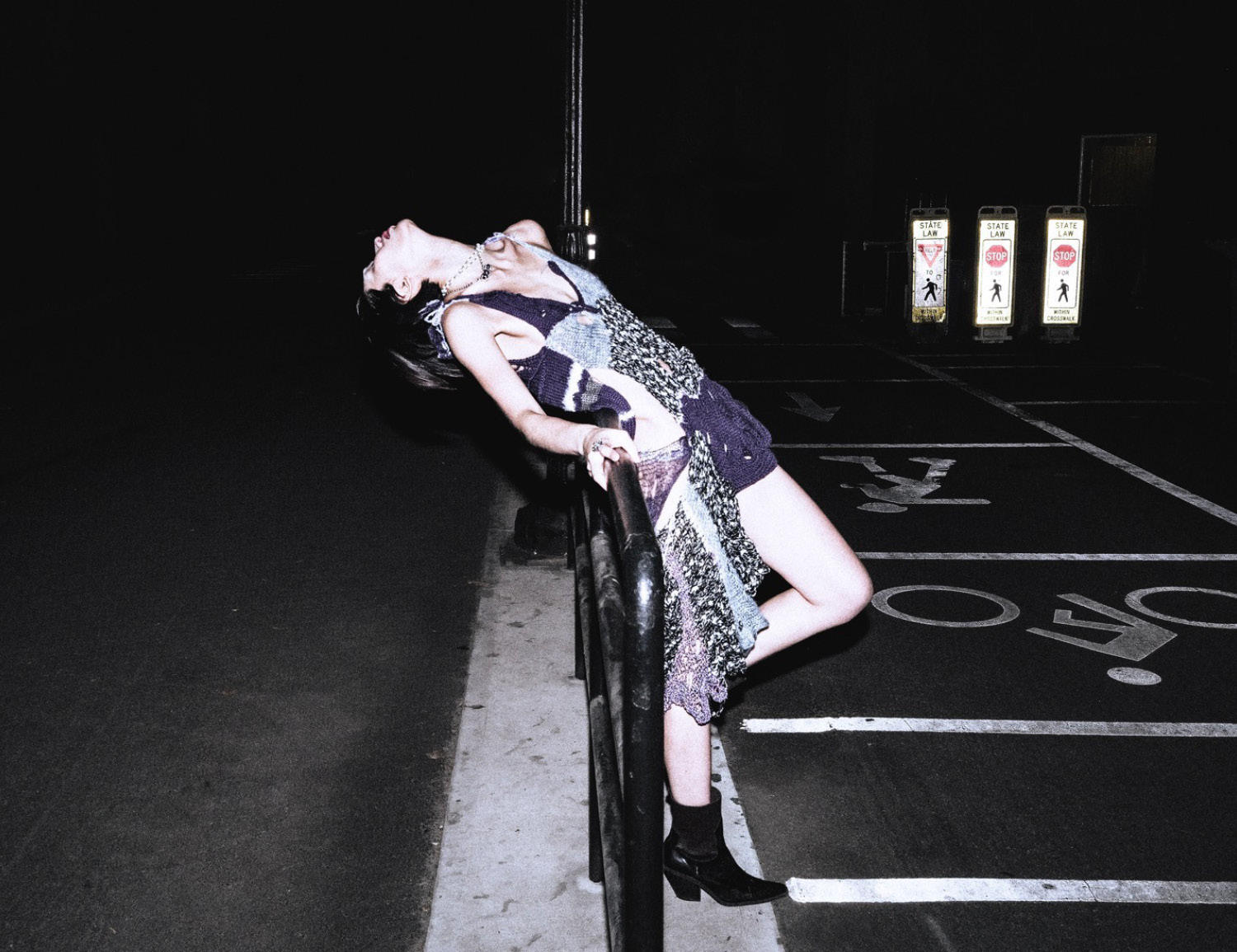
My hands-on techniques are essential. Inspired by the artisanal commitment I saw in Peru, I dove into knitting and screen-printing. My custom knitting shifts from tight stitches to loose, drop-stitch sections that physically cover and obscure other materials. I also use screen-printing to create secret patterns on garment linings—a detail only the wearer knows, symbolizing private, innermost thoughts.
The entire collection explores intuition and mystery, and for me, its narrative is perfectly encapsulated by this verse evoking the High Priestess:
In the quiet of night, she holds the key,
To the mysteries veiled in the depth of the sea.
With wisdom old and secrets untold,
She guides the soul through shadow bold.
Tell us about your rituals—what anchors your process when everything else feels unstable?
I love doing tarot readings for myself. When I feel lost or the path forward seems unstable, I turn to the cards. For me, it’s not about predicting the future; it’s a symbolic language that helps me access and interpret my subconscious, much like the process behind Subconscious Veil.
When I’m feeling that “pull” in conflicting directions, tarot acts as a mirror. It quiets the noise of my rational mind and helps me tune into the intuitive, hidden self—the High Priestess energy. This ritual anchors me because it’s a structured way of doing the same personal excavation that fuels my work. It grounds my creative process by reconnecting me to my innermost thoughts, allowing me to transform instability into clarity and a tangible concept.