https://www.nastymagazine.com/wp-content/uploads/2019/09/Ken-Ngan-City-around-1.jpg
1000
1500
admin
https://www.nastymagazine.com/wp-content/uploads/2015/02/new-logo-basker-WHITE4.png
admin2019-09-18 11:05:522021-04-10 16:45:33City aroundThe fashion industry is one known to be a tad “scandalous”—a place where criticism, judgment and even jealousy seem to drift in the air. Yet the scientific world carries its own storms. What is one recurring experience or judgment within the scientific community that echoes what you’ve witnessed in fashion’s competitive landscape?
Both worlds are fiercely competitive, but the judgment that hits closest is gatekeeping, who “belongs” and who doesn’t. In fashion, it’s usually about the way one looks, connections or fitting a certain aesthetic. In science, I’ve felt it as skepticism toward outsiders, especially someone from fashion or social media. People assume if you’re not a PhD or from a traditional academic background, your voice doesn’t count, even if you’re sticking to facts and trying to amplify the science. But just like in fashion, I truly think that real impact comes from those who dare to try something different, not those who fit the mold.
Considering that a book was the spark that ignited your passion for nuclear science, what literature, places or even pieces of media would you offer to those wishing to step into your world and begin their own journey?
My spark for science overall came after moving to the US, when I accidentally picked up Richard Dawkins’ The Greatest Show on Earth, which opened my eyes to evidence-based thinking. For nuclear specifically, I’d shamelessly plug my own book, Rad Future, as it’s written for newcomers with humor and no jargon. Another great one is Atomic Adventures by James Mahaffey, fun stories from nuclear history that read like thrillers. Media-wise: Oliver Stone’sNuclear Now documentary, my TED Talk or even the classic Disney’s “Our Friend the Atom” episode for some retro optimism. For a physical place, visit EBR-I at Idaho National Laboratory, the world’s first reactor to produce electricity. It’s a free museum open to the public with tours starting in the summer. You can also visit your local nuclear plant, most plants offer free scheduled tours.
What misconceptions have you received from the scientific community about your presence in fashion and on social media? And in turn, what misconceptions or skepticism have you sensed from the fashion community regarding your belonging to the scientific world?
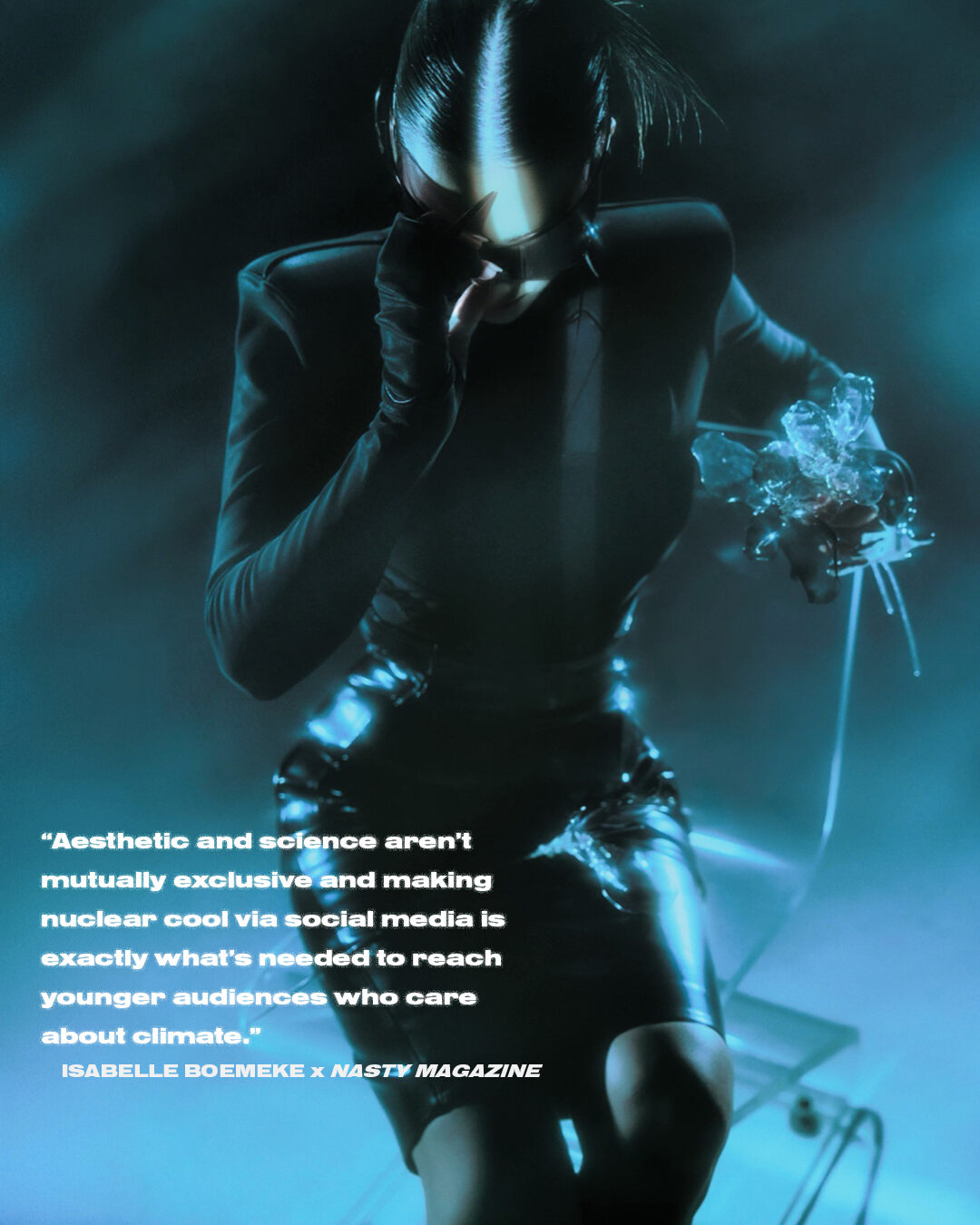
From scientists, some assume I’m superficial or just chasing clout, that a fashion model can’t possibly understand complex topics like lifecycle emissions or reactor physics. As if the random genetic lottery of my facial features somehow dictates how my brain processes and retains information. They’ve questioned if I’m making light of something serious. From fashion, it’s the opposite. They see nuclear as scary, “toxic” or too nerdy and wonder why I’m “ruining” my aesthetic with politics and science. Some agents even told me I was tanking my career. Both sides underestimate how these worlds can intersect: Aesthetic and science aren’t mutually exclusive and making nuclear cool via social media is exactly what’s needed to reach younger audiences who care about climate.
As a Brazilian woman, one of the forces that awakened your hunger for nuclear energy was the devastation of the Amazon fires in 2019. Knowing the intimate and powerful connection Brazilians hold with their homeland, do you feel that emotional pull—this devotion to your pátria—deepened your determination to draw attention to nuclear energy and the preservation of our planet’s resources?
Absolutely, the 2019 fires felt personal, like watching my house burn while the world debated solutions that weren’t scaling fast enough. As a Brazilian, that love for the land and our forests is in our blood. Thankfully, the devastation fueled my climate anxiety into action. Nuclear became my focus because it’s the most land-efficient, reliable and clean energy source we have; it protects nature both by producing massive amounts of carbon-free power and by using the least amount of resources and land. My connection to Brazil also pushes me to advocate for abundance, not scarcity. Having grown up seeing how energy access shapes lives, I know firsthand that when reliable, affordable power reaches more people, quality of life improves dramatically, health, education, opportunity, everything.
In the ever-evolving world of science, once so heavily male-dominated, have you felt a certain loneliness while fighting for this cause? As a Latin woman, someone involved in fashion and exposed to so many people daily, what aspects of your character or mission make you feel most isolated at times?
One thing modeling has blessed me with is a very thick skin. Turns out that being told “no” every day and being called old at the age of 25 can build extreme resilience. Who would’ve thought? Working with creatives worldwide also amplified my extroverted side, so big crowds and new rooms don’t faze me. What isolates me most is the mission’s urgency, watching plants close while emissions rise or battling misinformation alone online. Yet that same determination keeps me going: I know bridging these worlds is rare and someone has to do it.
In an era where influencer and celebrity culture reigns and where admiration often comes swiftly, do you believe that engaging with something greater than oneself—something as vast and historically charged as nuclear energy—imposes a sense of humility or even intimidation? Would you encourage other public figures to engage in these complex conversations, despite the risk of being misinformed or misunderstood? How do you suggest getting over this barrier?
It brings a lot of humility. Nuclear technology’s history, from bombs to accidents, is heavy and the stakes for climate are enormous. It can be intimidating at first, but that’s why it’s worth it: something bigger than likes or trends.
I’d encourage every influencer and celebrity to dive into solutions to problems they feel called to focus on. To avoid sharing misinformation, start by learning from experts (books, scientists on X), admit what you don’t know and focus on facts that are widely accepted. At the end of the day, what is a platform good for if you can’t use it for something truly meaningful?
Your alter ego, “Isodope”, channels both your essence and your sharp wit, giving you access to more saturated forms of media. What other creative outlets or mediums—no matter how “unrealistic”—would you love to see your ideas inhabit?
Isodope gives me the freedom to be more bold and satirical. I’d love a full sci-fi series, video game or movie where she’s a futuristic deity powering a clean-energy utopia. Some other creative dreams: a fashion show at a nuclear waste facility, I can imagine Courrèges or Dior doing something like that. Or a Simpsons episode that flips the script and Mr. Burns is revealed as the unsung hero, who quietly saved the planet from climate catastrophe with his nuclear plant. Anything blending futuristic aesthetic, humor and science to make nuclear even more mainstream.
Some believe that a topic as serious as nuclear energy risks becoming overly glamorized when filtered through influencer culture or that the public might gloss over its true gravity. How do you feel about these concerns? Where do you find your grounding point when navigating them?
I get the concern that glamorizing could trivialize risks. But the risk with nuclear electricity isn’t with the technology itself, which we know from decades of data that is very safe. The bigger risk is fearmongering which has kept us stuck on using more harmful sources of energy. My approach uses aesthetics and humor to draw people in, then hits with facts. I am constantly learning from experts, citing sources and being transparent about what the current scientific understanding is.
Working within a foundation that bridges fashion, science and politics creates a fascinating sociocultural exchange. What do you believe is essential to stay aware of—and careful with—when moving between these three expansive worlds?
It always struck me that people who come from different worlds speak different languages, even if they all technically speak English. Every industry has its own jargon, sayings and quirks. If you want to be able to communicate effectively across different worlds, you must be open minded and constantly thinking of ways to translate your message to different audiences. One thing to be careful with is tribalism, so try to stay aware of biases, media spins, echo chambers. Listen across divides and build bridges.
You’ve expressed admiration for Gwyneth Paltrow, who joined you for the launch of Rad Future. Her work explores wellness, science and spirituality—forces that often coexist in the intricate system of life. Where do you imagine spirituality or notions of the soul brushing against the world of nuclear energy? Do you see an internal, energetic connection between the two?
Gwyneth’s blend of science and wellness inspires me, I am a huge fan of hers and her work. Nuclear electricity, at its core, is harnessing the universe’s fundamental force: Splitting atoms releases the binding energy of life itself. There’s something very cool about the fact that we’ve figured out how to release the energy trapped inside the nucleus of an atom. Spiritually, it’s awe-inspiring and humbling, like tapping into god-like power.
What personal virtues do you feel have helped you rise into recognition and respect as you advocate for this cause? And which virtues do you believe you’ve gained through your deeper involvement in the field?
Curiosity and resilience have helped me endure the journey, from modeling’s rejections to advocacy’s backlash. Open-mindedness helped me shift from climate despair to optimism. Through involvement I developed patience (changing minds takes time), humility (learning from experts) and courage (doing things that seemed impossible).
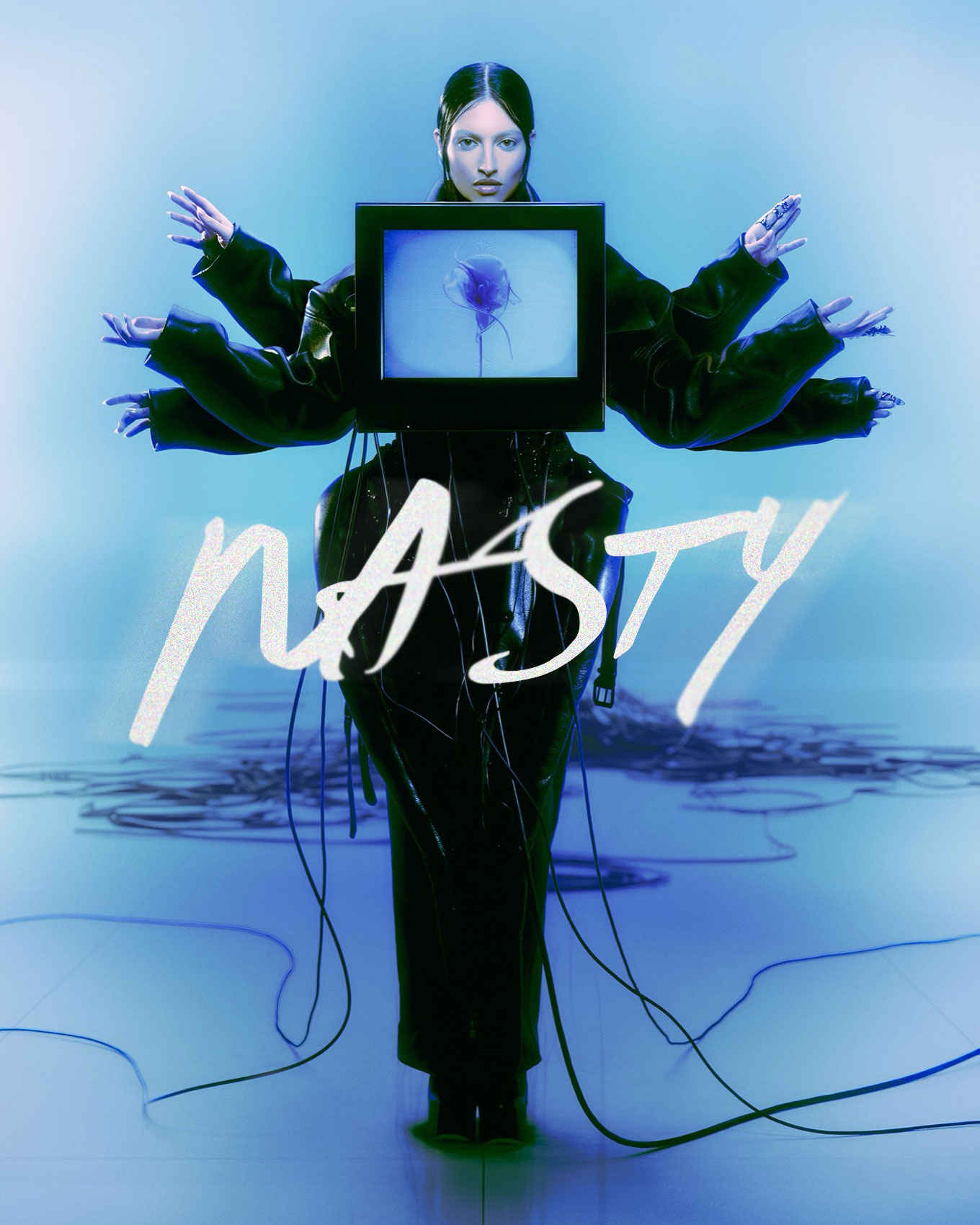
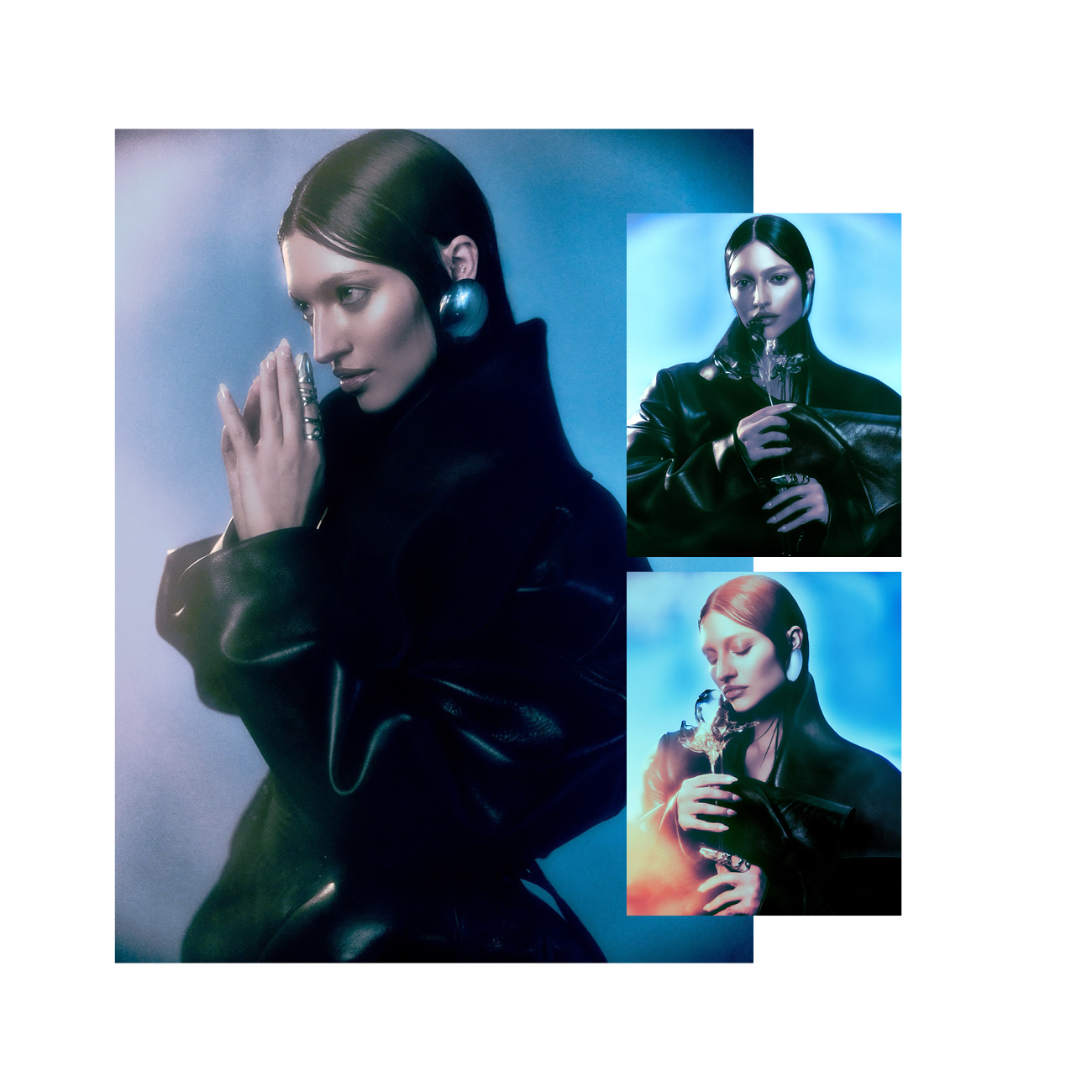
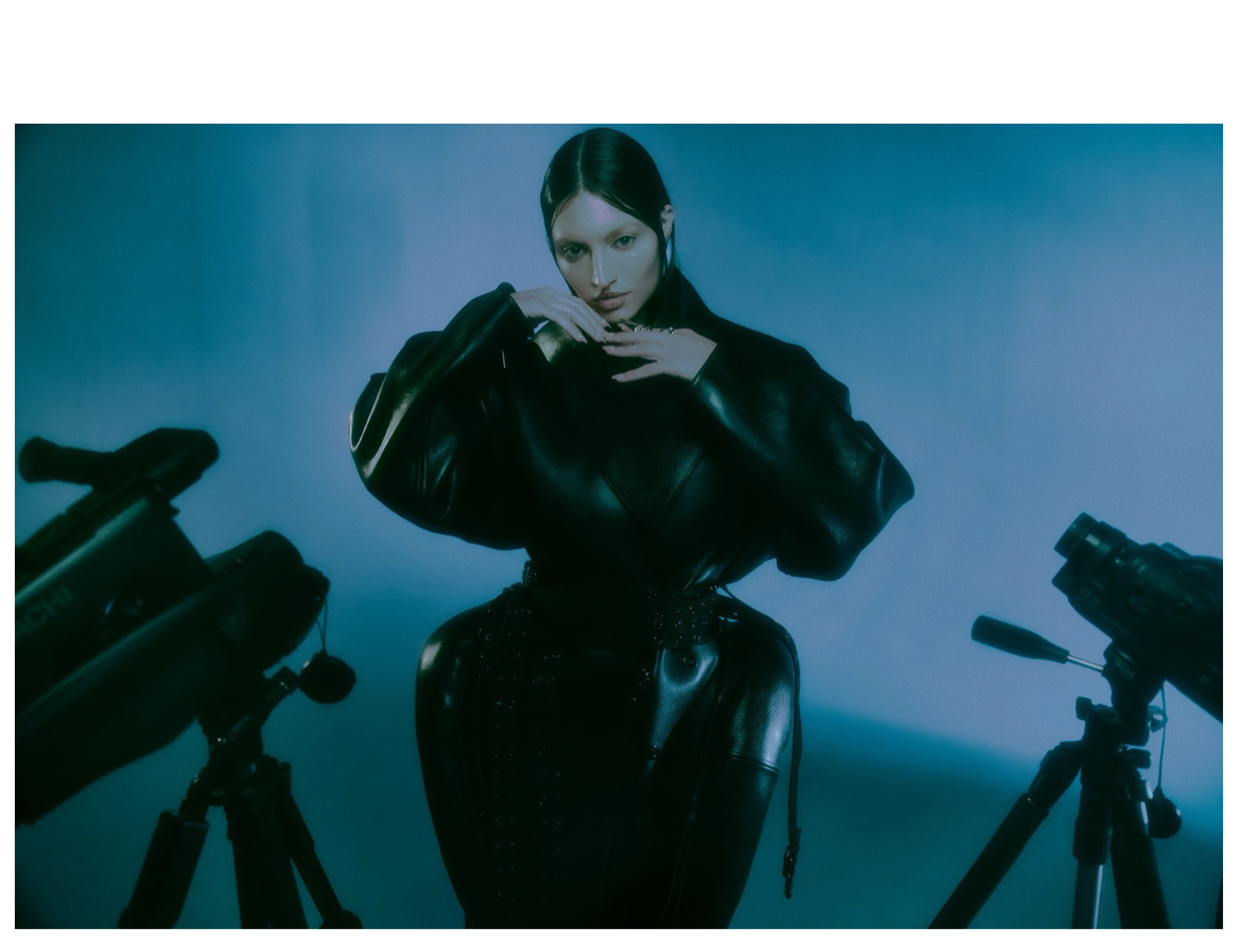
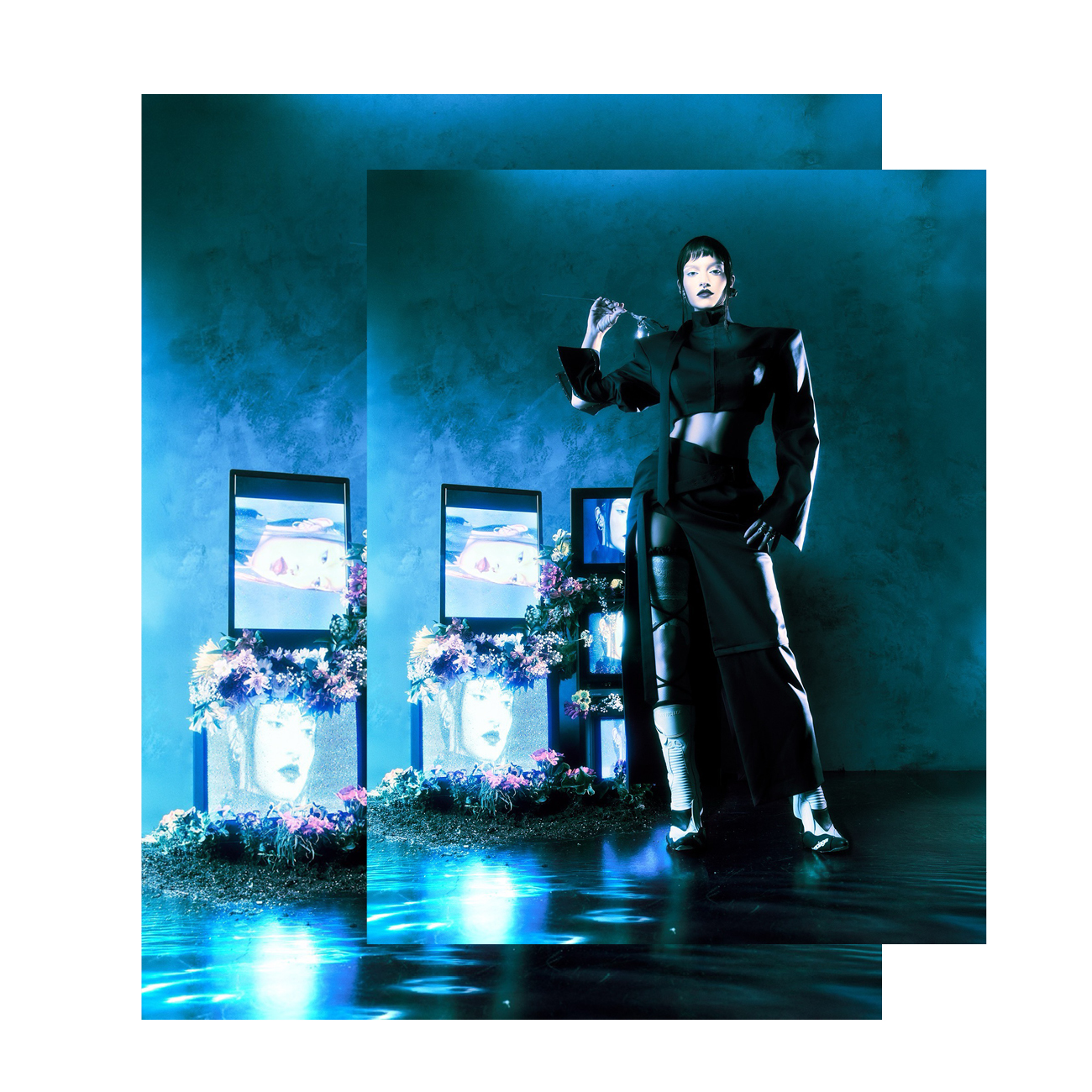
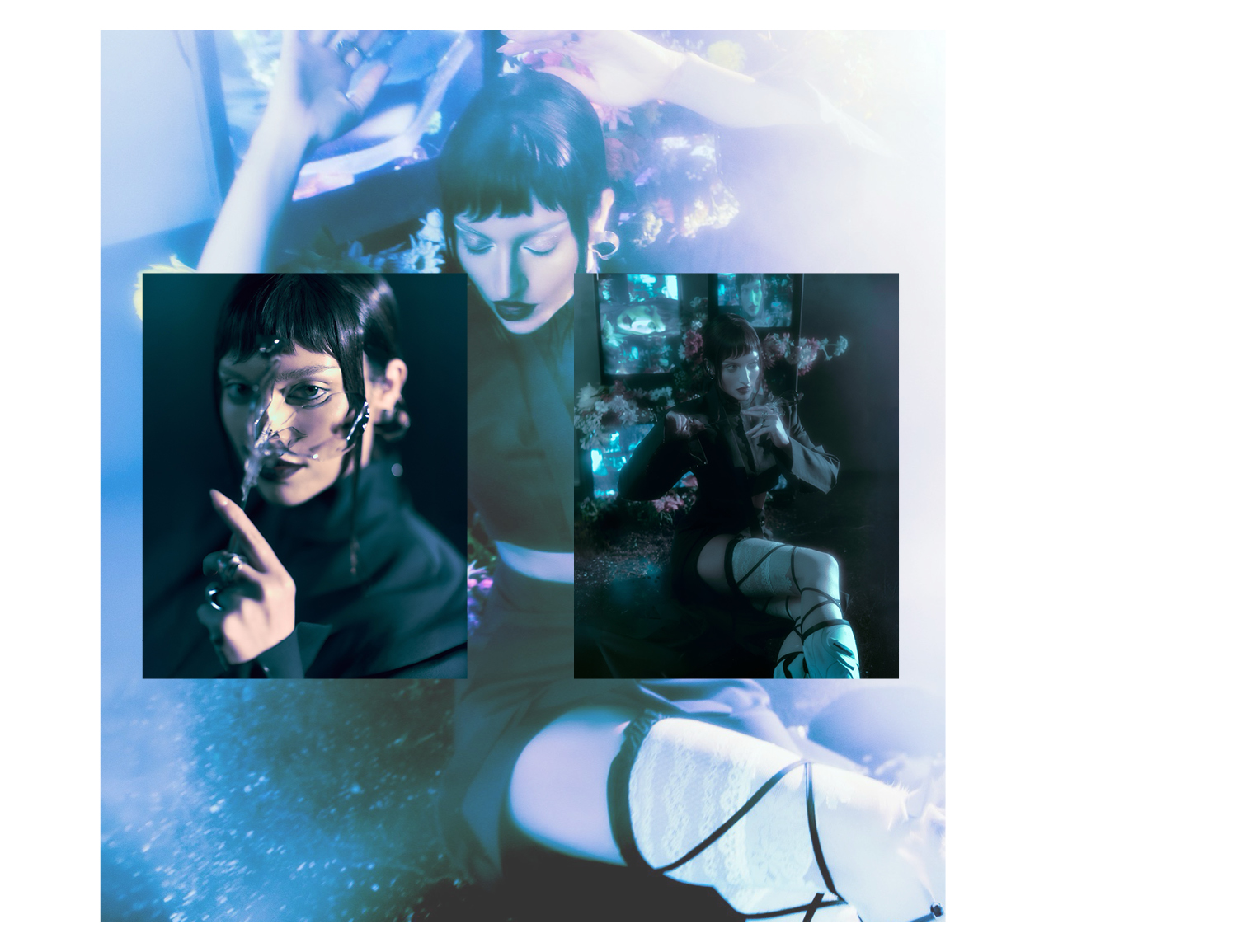
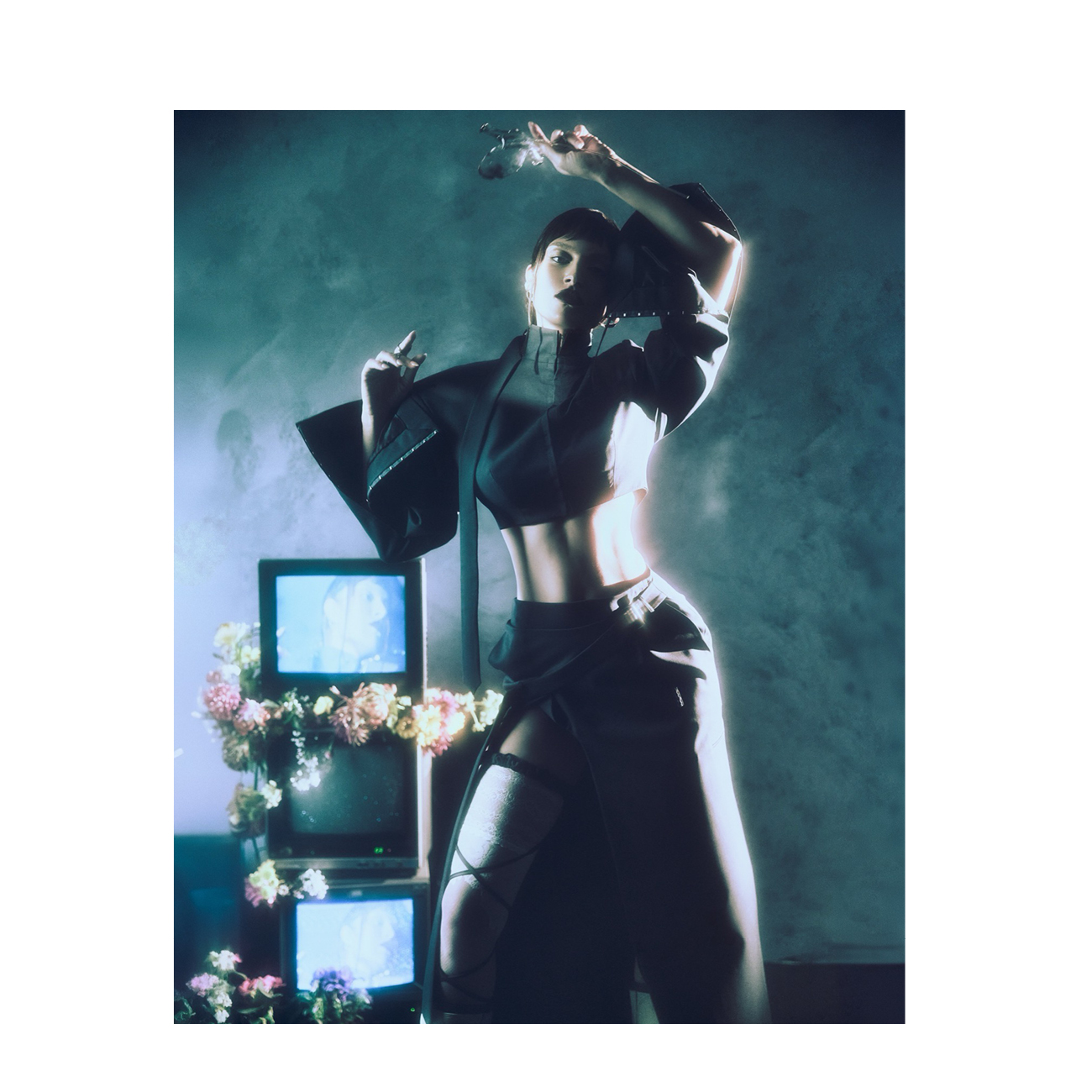
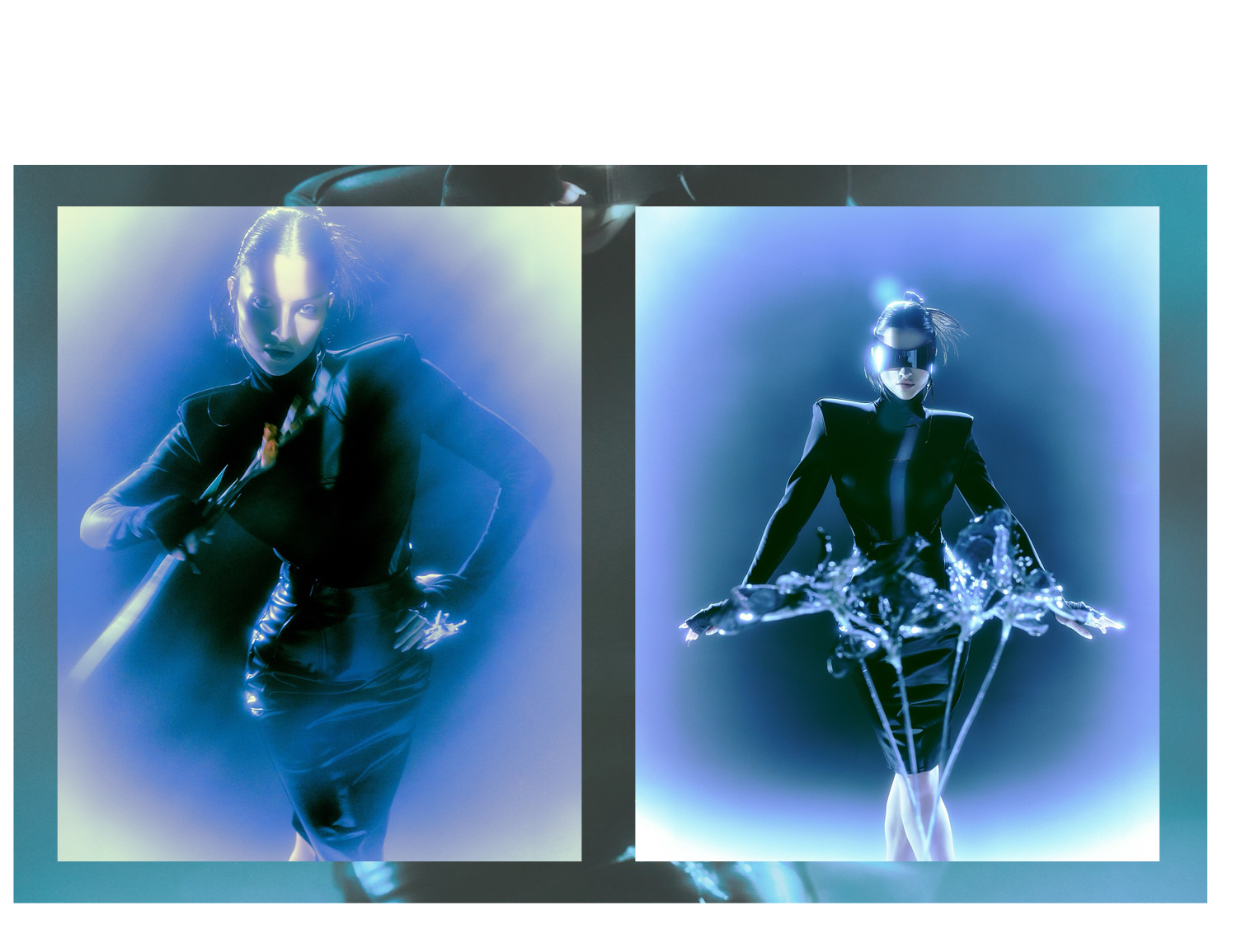
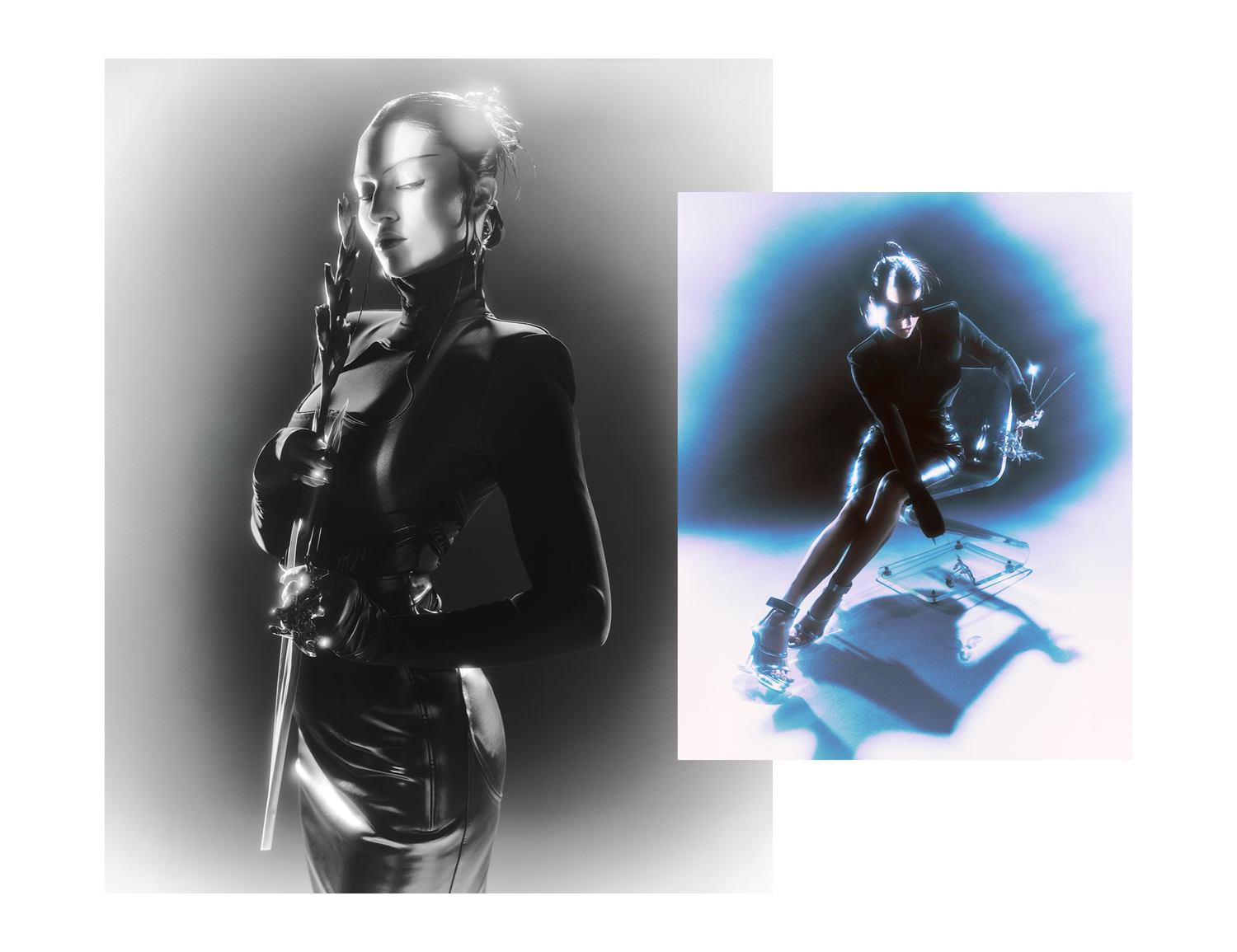
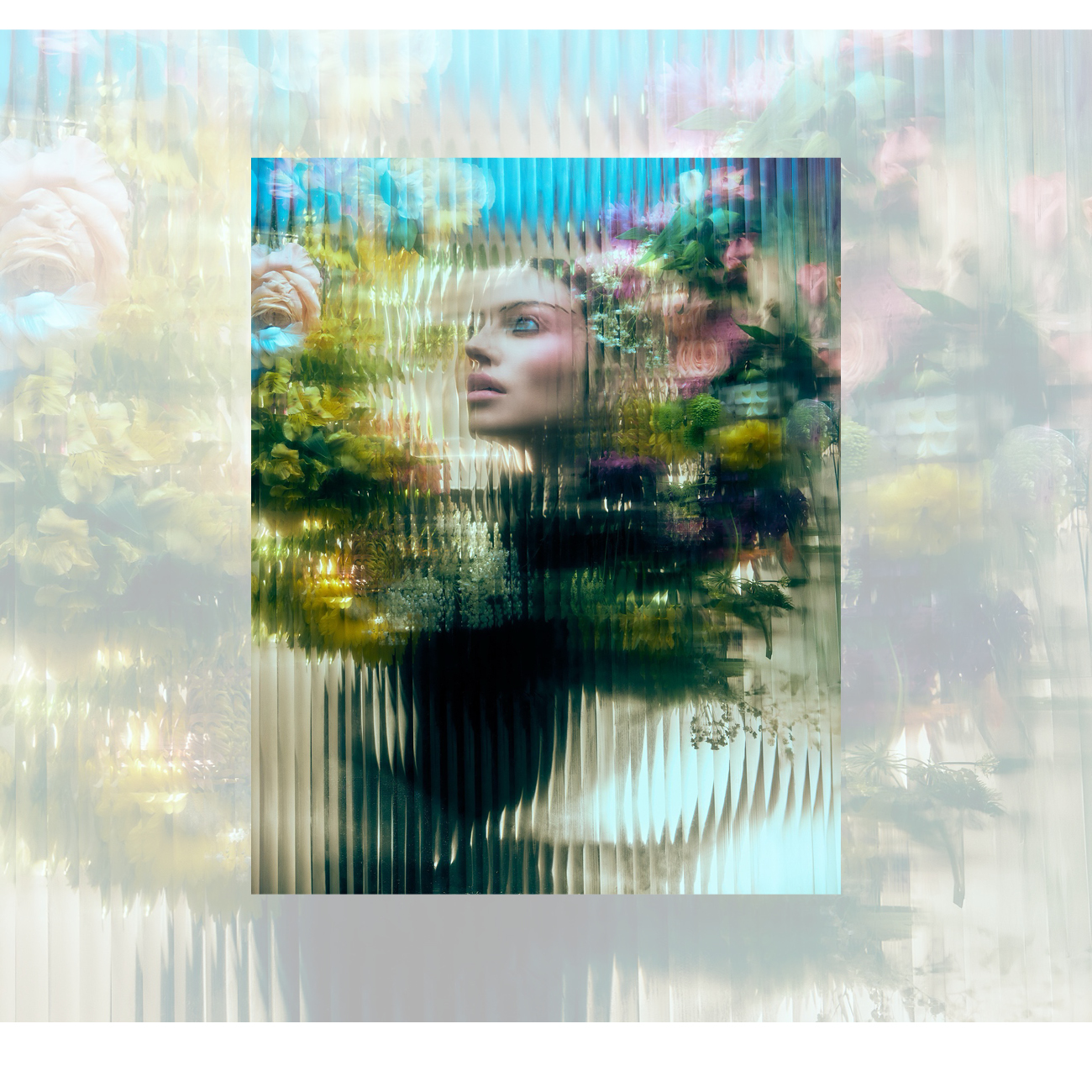
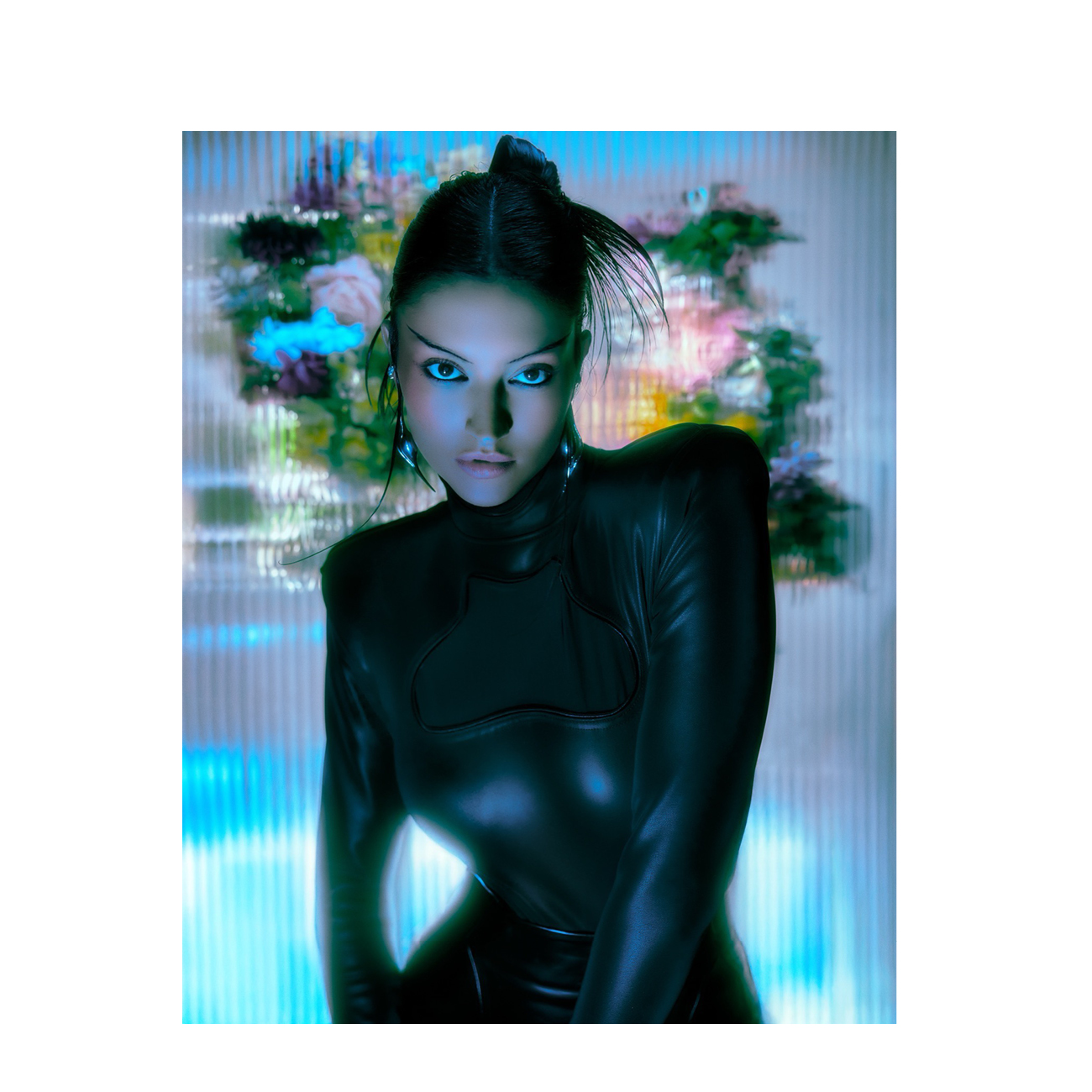
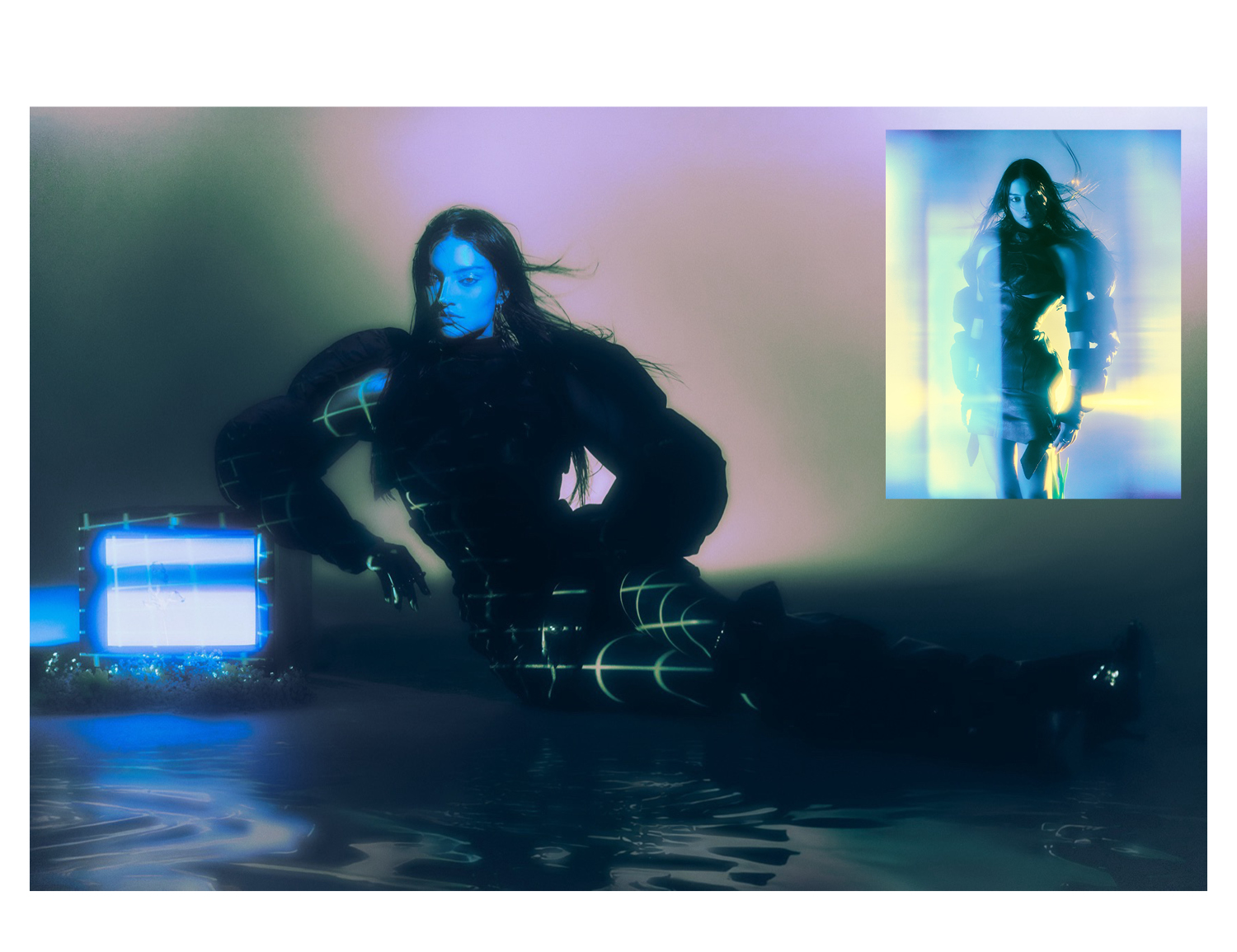
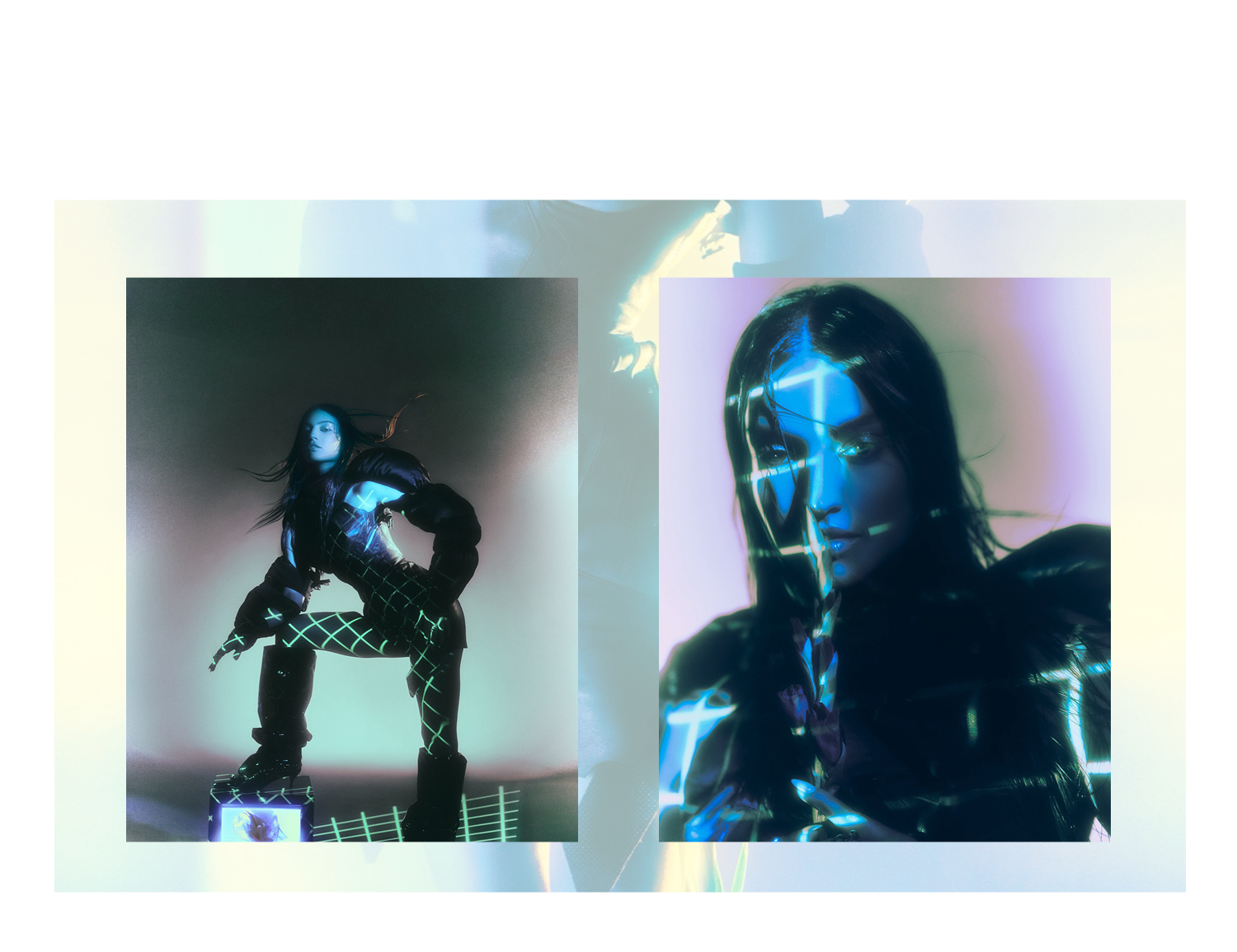
Your recent photoshoot with digital creative Brian Ziff embraced a luminous, almost “sci-fi” imagination that harmonized beautifully with your essence. As a creative yourself, what dialogue or shared vision shaped that collaboration? What were you hoping to express?
I first discovered Brian Ziff’s work through his collaboration with Grimes, there was this unforgettable image of her cradling baby X, a very futuristic Madonna and Child, glowing in soft neon light. That image stuck with me. It was ethereal, otherworldly, yet unmistakably human and deeply beautiful. Then we had the chance to collaborate on a photoshoot. Brian from the beginning understood that this wasn’t just a pretty photoshoot; it was visual advocacy. He is truly the most talented photographer I have worked with and was able to capture the essence of strength, beauty and otherworldliness I wanted to communicate.
As someone who exists in both the arts and the sciences, do you find that your creativity and free-thinking nature also serve as tools in your investigative or experimental processes?
Without a doubt! Fashion taught me to think and express myself visually and unconventionally, which helps break down complex nuclear concepts into memes or videos people actually want to watch. Free-thinking lets me question dogma (like anti-nuclear fears) and experiment with communication: What if a GRWM video can also explain how reactors work? Creativity isn’t separate from science in my mind; it’s the spark that makes investigation fun and accessible. Both worlds thrive on imagination.


coat BENT KAHINA

jacket & skirt SRVC, moto boots BALENCIAGA
top & skirt BENT KAHINA
dress BENT KAHINA, boots BALENCIAGARad Future
Credits:
Photography: Brian Ziff / @brianziff
Styling: Maleeka Moss / @maleeka.moss
Makeup: David Velasquez / @mugopus
Hair: Preston Wada / @prestonwada
Set Design: Rian Calhoun / @riancalhoun
Lighting: Danner Gardner, Max Flick / @dannergardner, @max_flick
Location: Terraform LA / @terraformla
Interview: Ethel Romero / @_bby_ella_
Talent: Isabelle Boemeke / @isabelleboemeke