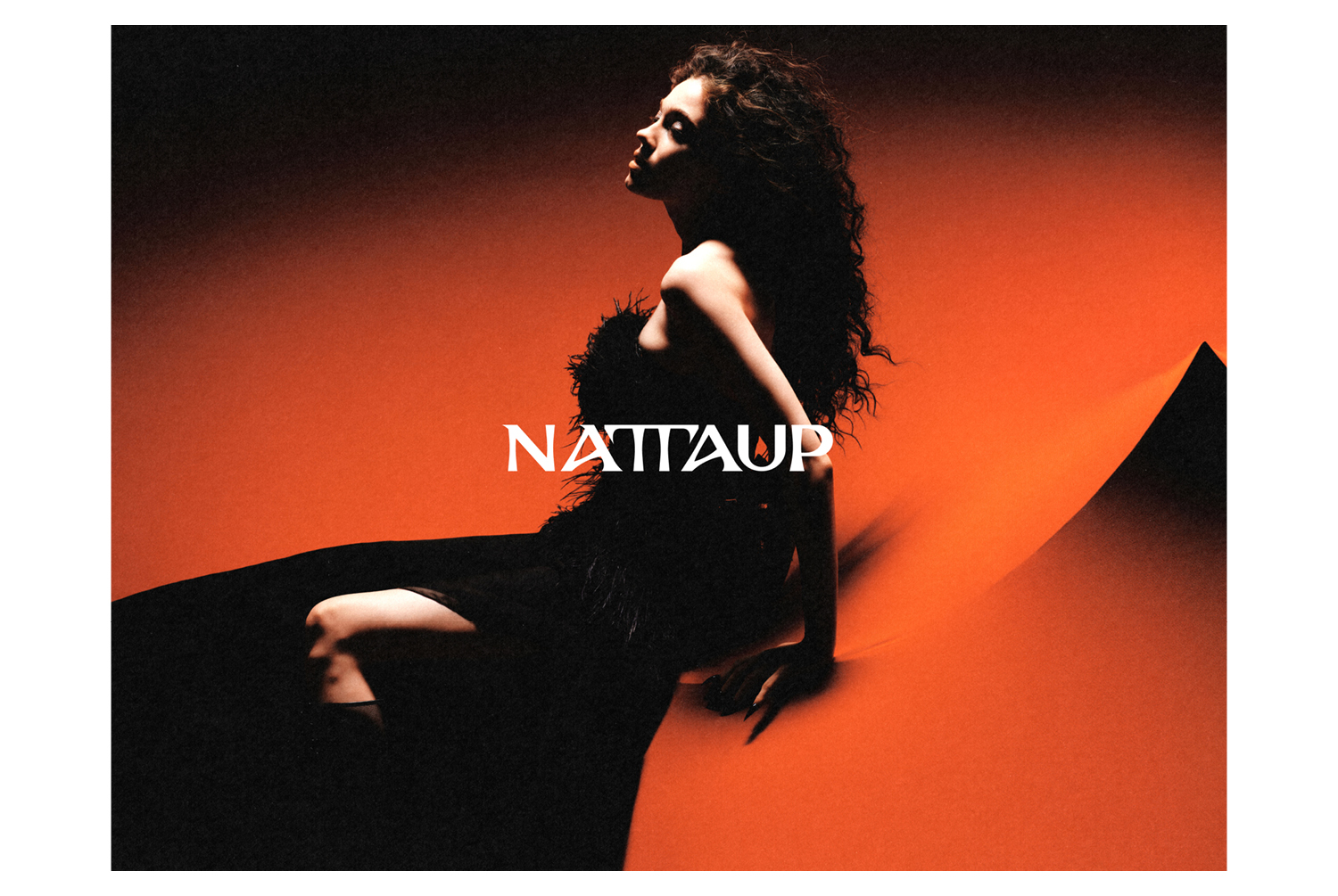
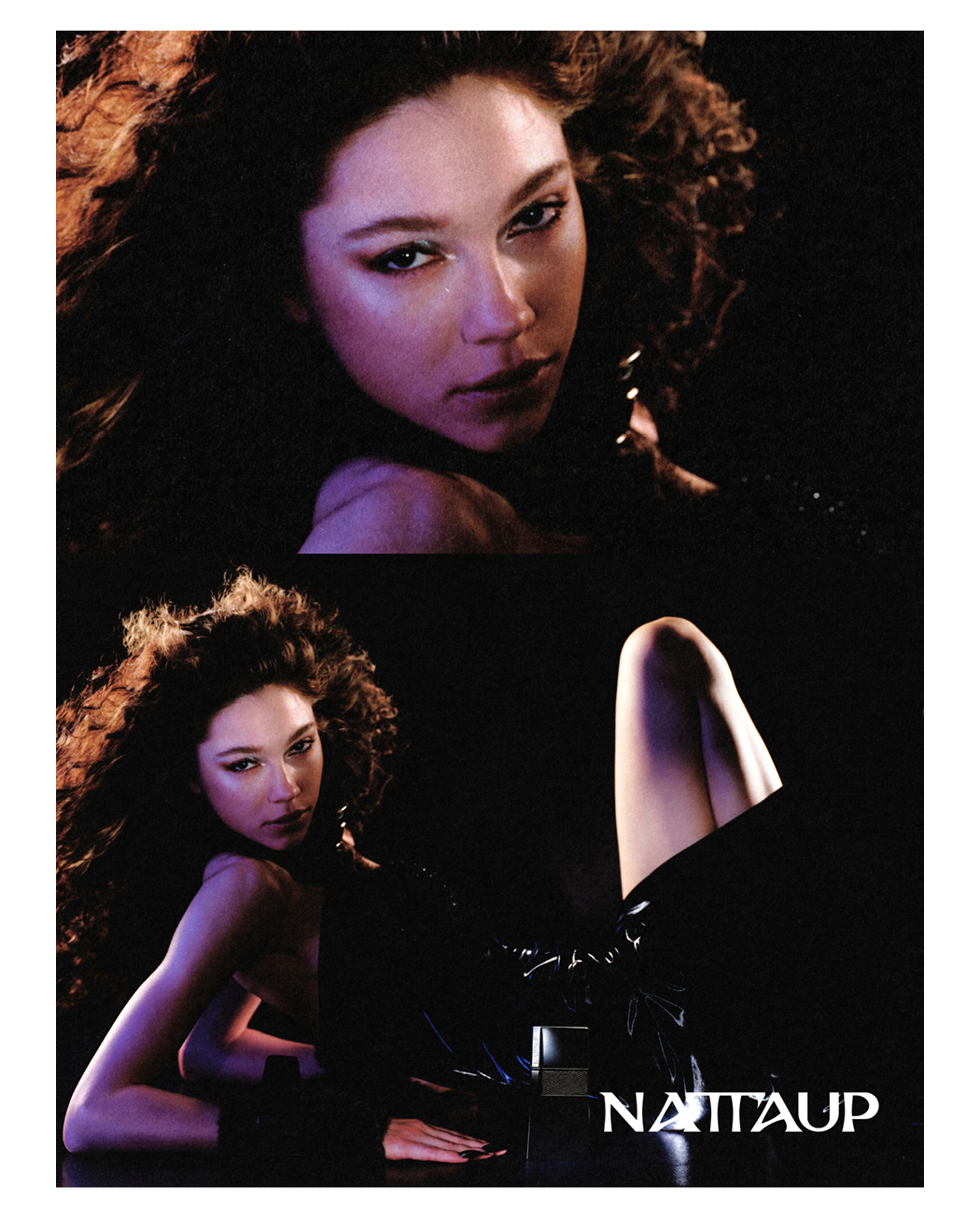
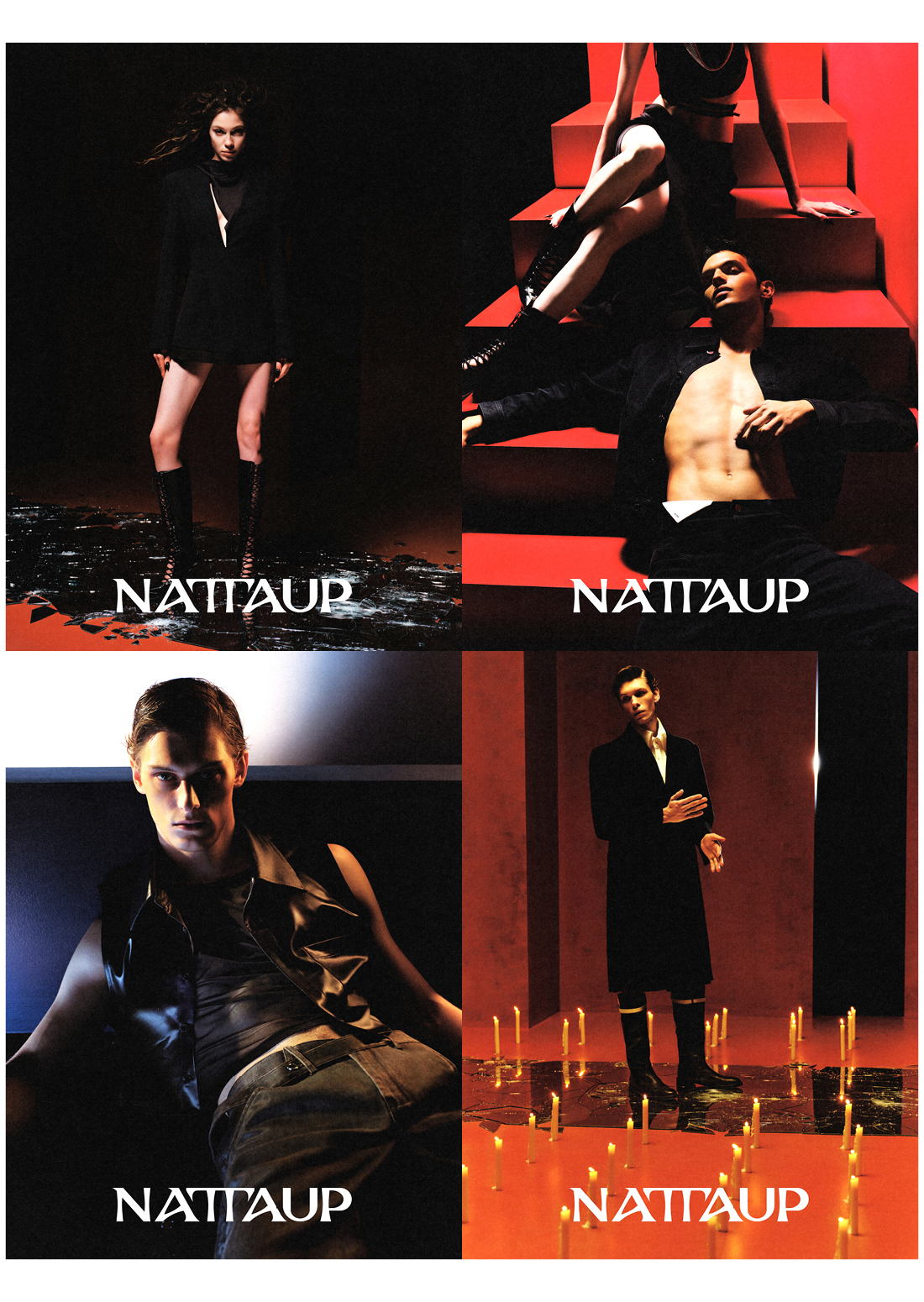
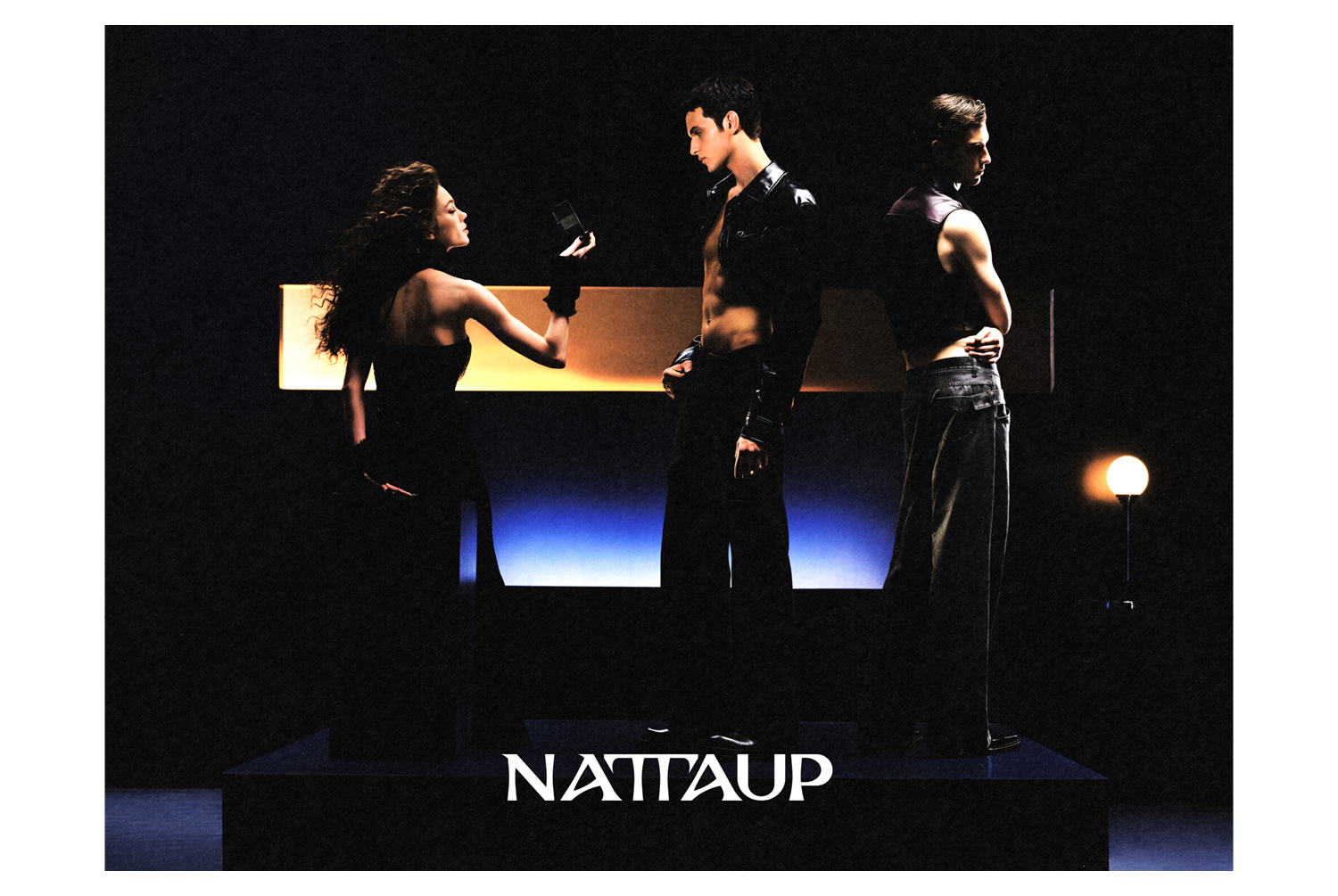
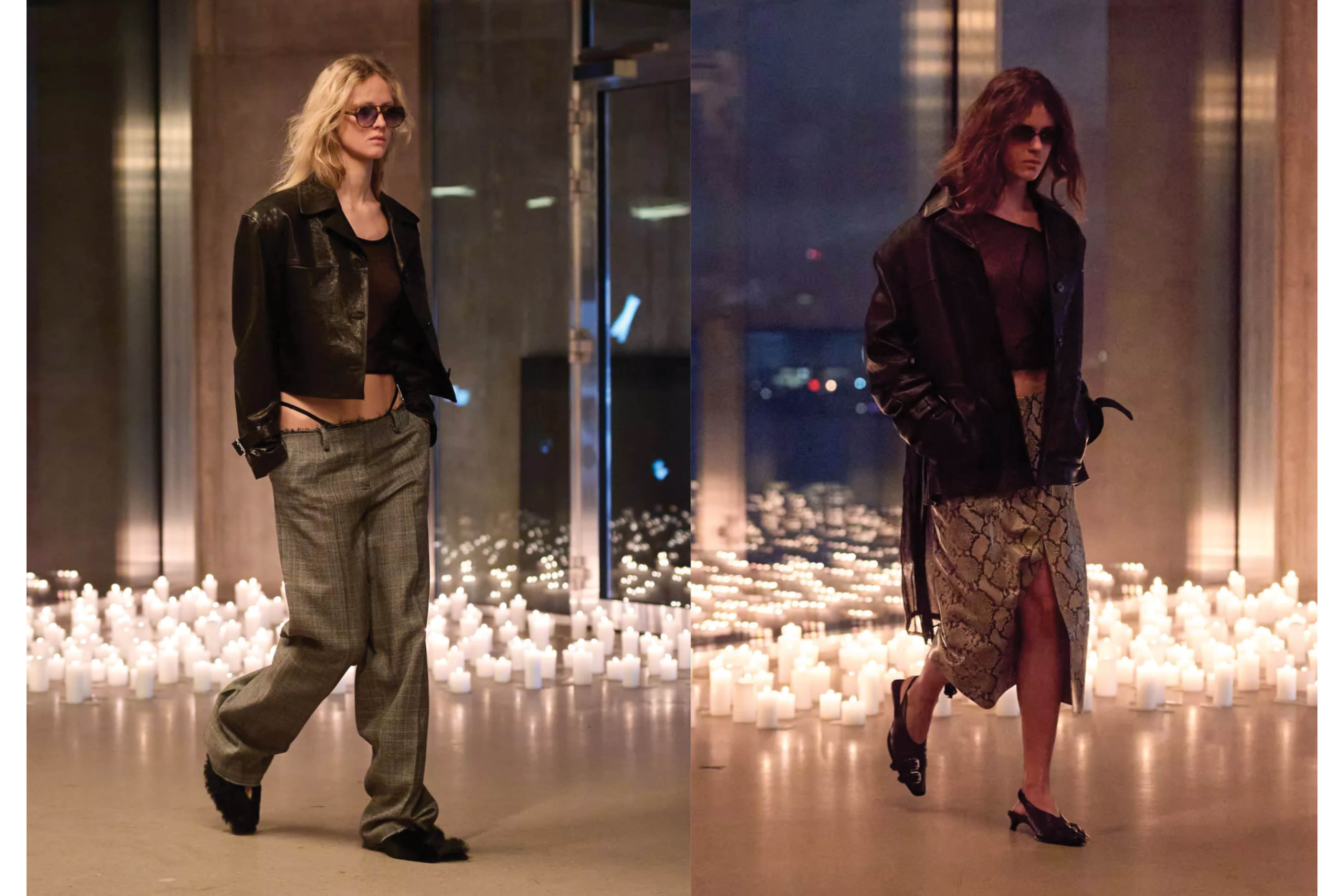
What was the initial spark that drew you to fashion design and how has your vision evolved since then?
In the beginning everything was instinctive. I wasn’t designing for trends I was designing for a feeling: the space where support meets desire where intimacy can exist without being exposed. For me clothing was never decoration. It was containment and it was trust.
Over time that instinct opened into a larger vision. NATTAUP gradually became less about personal expression and more about building a system one that considers community longevity and how garments actually live with people. Gender stopped being a statement and became a given. Sustainability shifted from ideology to practice: designing less but with intention permanence and the ability to evolve over time.
Today I’m less interested in aesthetics alone and more interested in relationships between the body and clothing between individuals and within chosen families. NATTAUP began as a way to exist in between desire vulnerability and control held in the same place. At first it was personal. Now it’s communal. What matters is how clothing supports the way people live connect and define intimacy on their own terms even when it doesn’t fit an existing category.
How do you balance creative expression with commercial viability when developing a new collection?
I don’t treat creativity and commerciality as opposites. For NATTAUP the most commercial pieces are often the ones with the clearest point of view because they’re designed to be lived in not just looked at.
My process starts with a feeling and a function. I ask what does this piece need to hold physically and emotionally. From there I build a system: a few core silhouettes that carry the season’s language then variations in material detail and styling that let the idea travel across price points and different wardrobes.
Commercial viability comes from discipline. We edit hard. We protect the essentials. We test wearability fit and repeat use until the garment earns its place. If a design can’t survive real life it doesn’t belong no matter how beautiful it is. And if a piece sells only because it’s loud it usually fades just as quickly.
So the balance is really about intention: keeping the brand’s charge support and desire restraint and intensity while making choices that respect production margin and the customer’s everyday rhythm. The goal is not to compromise the idea but to refine it until it feels inevitable.
Which materials techniques or cultural influences are central to your current work and why?
Right now NATTAUP is drawn to contradiction and complexity because people are never singular. We’re fascinated by materials and references that carry duality even multiplicity: softness with control exposure with protection lightness with structure.