Let The Music Speak / Roll Dann

In conversation with the Spanish DJ & producer.

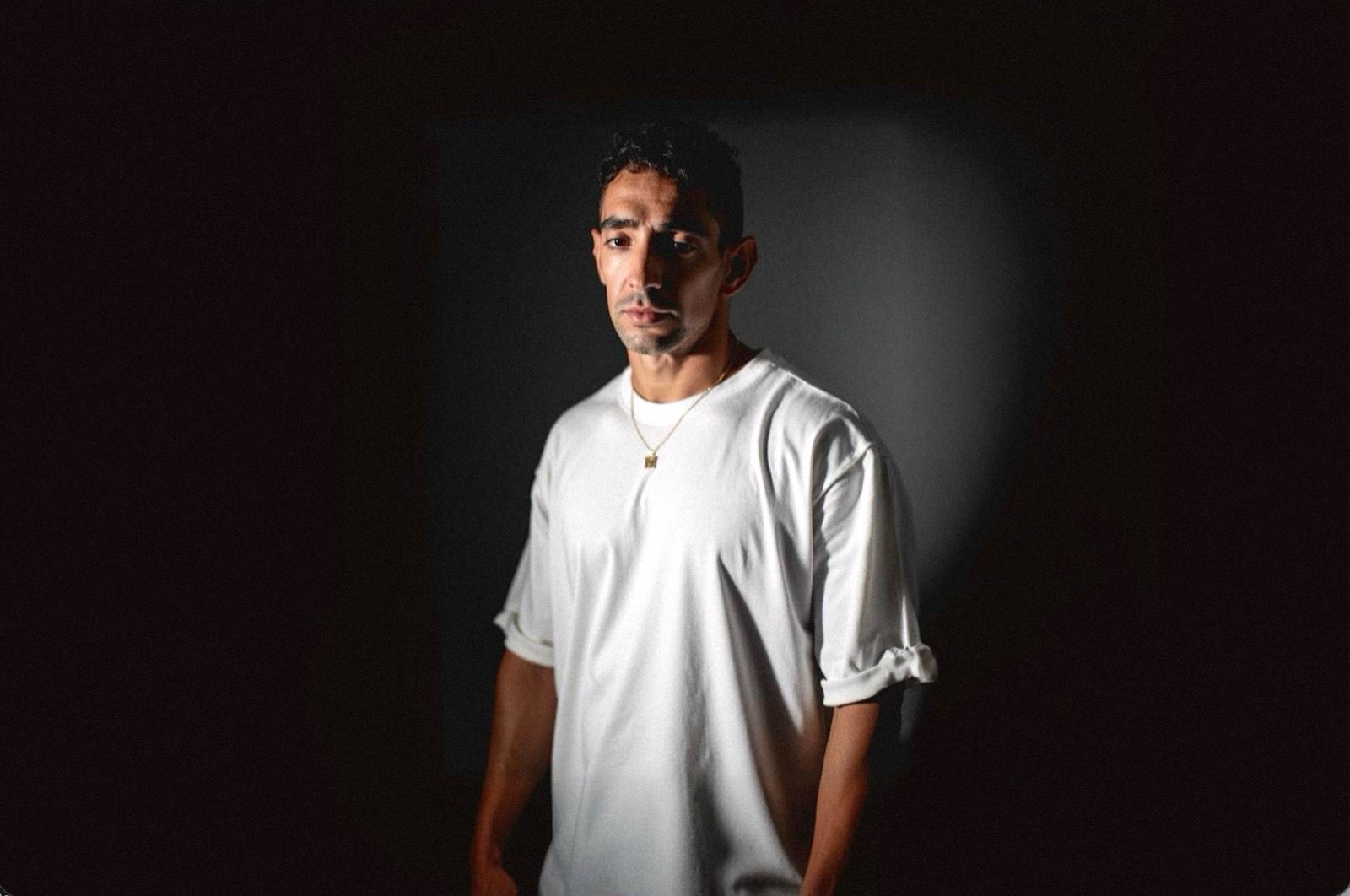
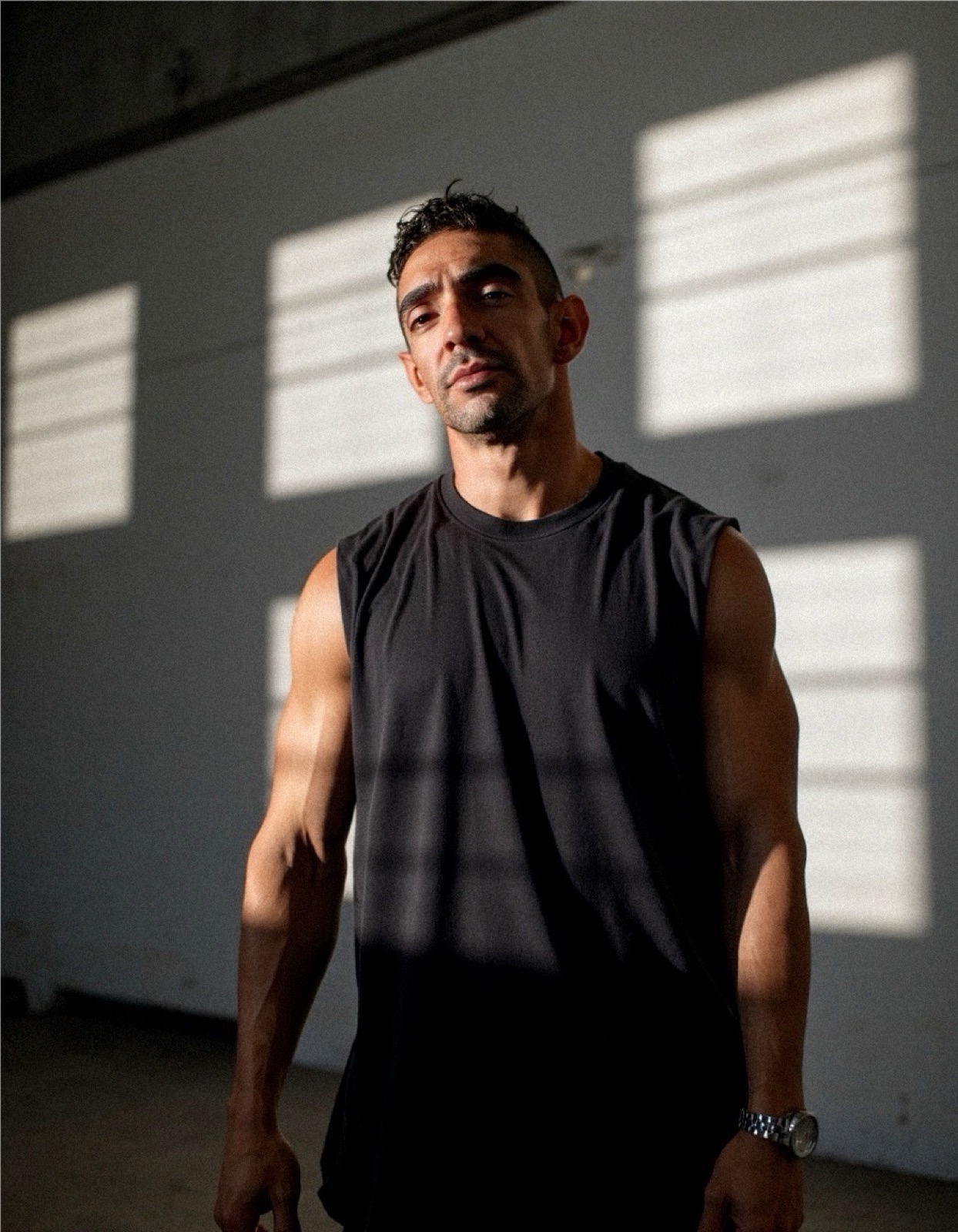
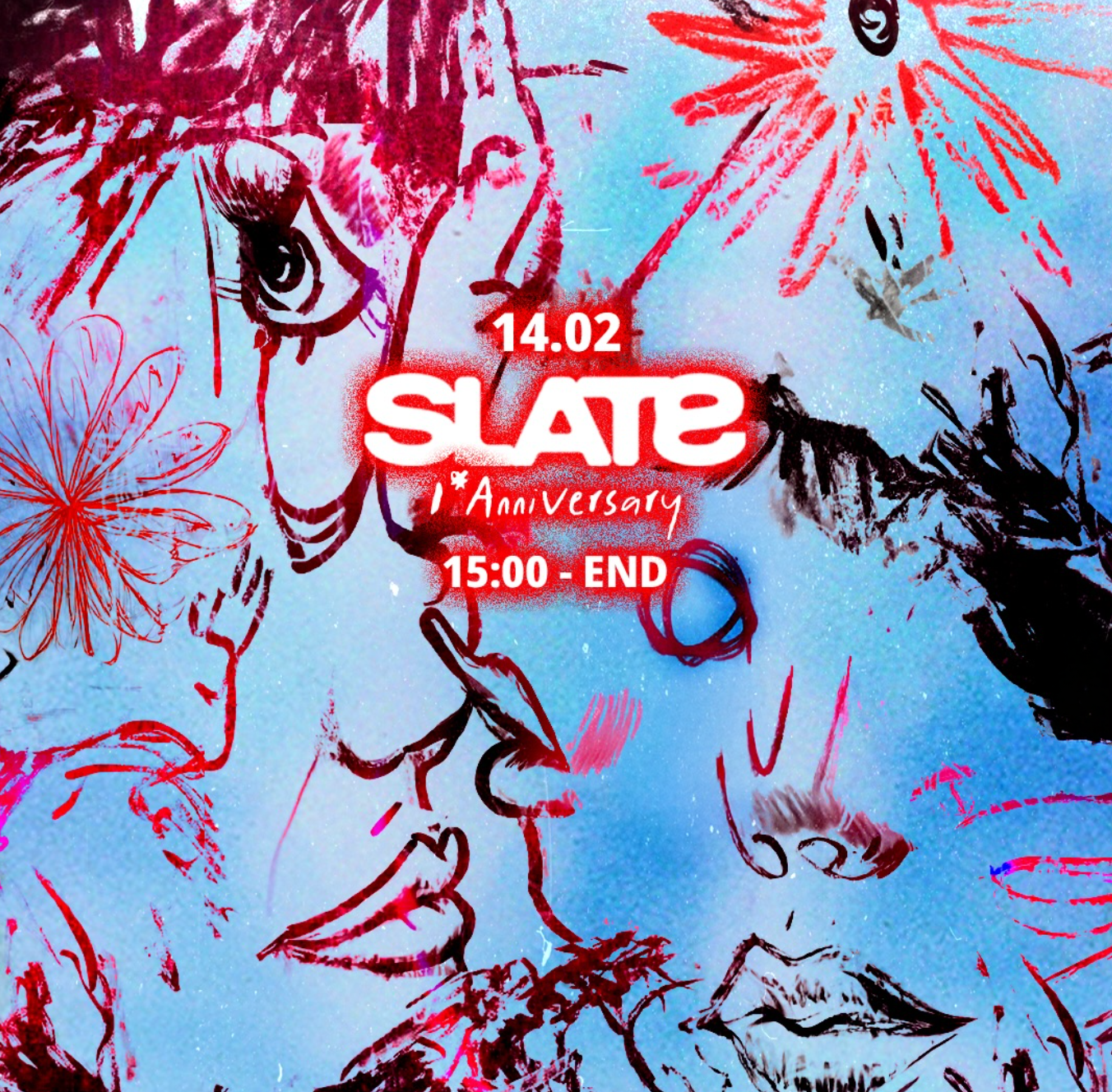
In anticipation of Slate Collective’s first anniversary, set to take place on February 14th at NAMA in Milan, we connected with their headliner Roll Dann for a conversation exploring the layers behind his sound and his journey. Known for a techno approach shaped by physicality, space and restraint, Roll Dann has always kept his personal identity in the background, letting music lead the narrative. From the Spanish rave scene to Berlin’s formative influence, from Laster Club residency to international releases on Klockworks, this exchange unfolds as a portrait of an artist defined not by exposure, but by intention; just days before his Milan debut.

Beyond the releases designed for the dancefloor, the amazing podcasts, intense studio sessions, and memorable sets across Spain and beyond, very little of your personal side comes through; almost as if you are wrapped in a mysterious aura. So, let me start by asking: who is Roll Dann? And where does your stage name come from?


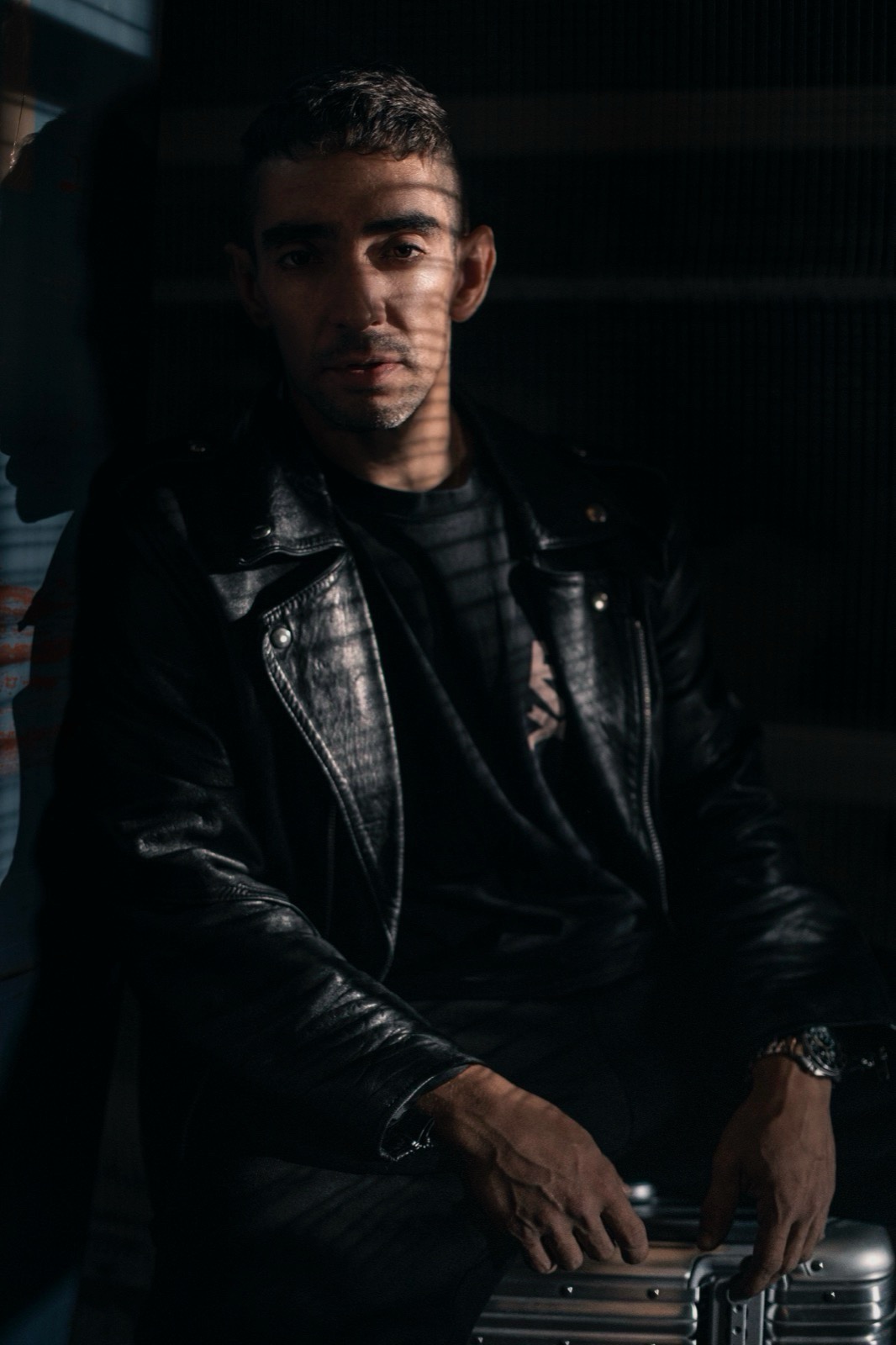
Roll Dann is a guy born in Madrid and currently based in Toledo. I studied Audiovisual Communication and later focused on sound through courses in acoustics, sound physics, studio design, and professional mixing and mastering. That technical background has strongly shaped how I approach techno, always thinking about space, energy, and physical impact. I have never been very open about my personal life. It is not intentional, it just feels natural to let the music speak first. The studio is where I feel most comfortable and where ideas become real. That is where my identity as an artist truly lives.
The name Roll Dann comes from my real surname, Roldán, adapted into a more international form. I wanted to keep a direct connection to who I am, while allowing the project to stand on its own. Roll Dann is not a character, it is simply an extension of my background and my way of understanding music.

From what has been shared, it seems that you fell in love with music when your father bought you your first mixer at the age of 12. What mixer was it? Do you still have it? What do you remember about that moment, and what music were you listening to back then?
 

My father has always been a big music lover, especially classical music. Because of that, I grew up surrounded by sound systems. He was never fully satisfied with them, so he kept upgrading and changing gear, and I ended up inheriting many of those setups. That environment is where my curiosity for sound really started. The first mixer I remember clearly was a Gemini PS 525. I do not have it anymore, but I remember spending hours experimenting with it, trying to understand how sound behaved and how everything connected. At the time, I did not realize how important that moment was.
Back then I was listening mainly to 90s techno, and later I moved deeper into hard techno. Those sounds left a strong mark on me and helped define the energy and direction I still explore today.

Between 2005 and 2010, the Spanish rave scene was more active than ever: from Catalonia to Andalusia, Valencia to Madrid, and even the Basque Country. In this context, Schranz, a hard techno style, emerged and seemed to influence you deeply at the age of 15. What fascinated you about this hard, distorted, hypnotic sound? Do you still attend raves, or do you feel more connected to the clubbing culture?


At that time, that sound was everywhere in Spain. Many Schranz artists who played in big clubs could also be found at raves around Madrid and Toledo. That connection between official venues and illegal spaces made everything feel raw, intense, and very real. It was aggressive but also hypnotic, and it completely caught my attention. When I got my first big sound system, we started organizing our own raves. We created a small collective and threw many parties over several years. It was a very free period, focused on sound, energy, and community rather than structure or rules.
The main styles were Schranz, Hardtek, and Drum & Bass. I still love the freedom of the rave format today. I do not attend many anymore, but I follow the movement closely, and it remains an important part of how I understand electronic music.

Staying on the topic of clubbing, looking back at the early dates of your career, I couldn’t help but notice how often the Family Club in Sonseca appeared, which closed its doors after nearly 30 years in February of last year. What role did this venue play for you, and what does its closure mean to you?

Family Club was the first big club I ever went to, even before I was legally allowed in. We went almost every weekend for more than five years. That was where I discovered many techno styles and saw artists who later became key references for me. When I finally had the chance to debut in the main room, it felt like a dream. It was the place where I truly learned what clubbing meant, surrounded by friends and family, in my own area. Family Club represents a very important chapter of my life, both personally and as an artist.
It is always sad to see clubs outside major cities struggle to survive. They have to fight much harder to stay alive. I hope it can find its place again and that one day I can step back into that booth. It is literally just 100 meters from my studio.

In 2013, you moved to the cradle of European techno: Berlin. There, you were completely absorbed by the uniqueness of its sounds, the marathon sessions in its legendary clubs, and the freedom of expression and artistry of the people who live it. Did all of this help your style evolve? What cultural baggage did you build during your time in the Berlin techno scene?


I spent almost three years in Berlin, and that time completely changed my relationship with music. I was working, helping with event setups, and studying German. It was intense, but it allowed me to experience electronic music culture from the inside, not only as a clubber.
What marked me the most was how knowledge was shared. People constantly talked about new artists, local talent, and ideas. Techno existed beyond the club, in daily life, conversations, and homes. Music was not just about partying, it was identity and expression.
During that time my curiosity shifted. I slowly moved away from faster and harder sounds and began to focus more on techno itself. Berlin taught me patience, groove, and depth, and that influence is still very present in my sound.

I’ve always found it ironic that a dark and difficult period like Covid was, for many artists, a moment of great productivity. In your case, you founded the label Opera2000 with your colleague and friend _Asstnt, launching it with the EP Back from the Morgue (a perfectly fitting title for those times). How did this project come about? What is your vision and mission?


Covid was a very dark period for me. I did not handle it well at first and lost my focus for some time. I let myself drift and missed some important opportunities that could have helped my career. Opera2000 was born during that period together with one of my closest friends, who has been part of my life since we were very young. The idea was simple: to mix work and friendship and create something honest and enjoyable. The first release felt natural for that moment and connected very well.
Today he continues the project on his own, doing exactly what he wants, releasing music digitally and exploring different styles. I really admire his versatility and clarity. Opera2000 was an important chapter for me, focused more on trust, friendship, and creative freedom than on numbers or trends.

Since its opening, the Laster Club in Madrid welcomed you not only as a guest but as a full resident. You’ve opened or closed for DJs such as DVS1, Setaoc Mass, Ben Sims, Alarico, Oscar Mulero, and many more. How has this Spanish techno institution shaped your journey? How would you describe the atmosphere to someone who has never set foot there?


Laster means many things to me, but my connection to the project has one clear name: Luka. Even before Laster existed, she already trusted me and counted on me for another strong project in Madrid. I played there many times, and my debut closing after Kobosil was a key moment for me.
When she decided to start Laster, she counted on me from day one. The club gave me some of the best professional opportunities of my career and helped me grow with confidence and perspective. In many ways, it represents what I am living as an artist right now.
For me, Laster is the reference club in Madrid. The musical level is high, the infrastructure is solid, the international connections are strong, and the atmosphere is special. The crowd is open, respectful, and deeply connected to the music.

Two globally recognised collaborations are Klockworks 35 (2023) and Klockworks 40 (2025), created with Ribè. What caught my attention is the textual symmetry between the tracks: Preludio – Interludio, El vinculo – Tregua, and so on. Can these be considered two chapters of the same book? What was the creative and production process behind them?


Yes, initially it was not conceived as a continuation. The first EP was a standalone release, without the idea of chapters in mind. It was only when we spoke with Ben about doing a second release that we decided to give it that narrative continuity through the track titles.
Once that idea appeared, it felt natural to embrace it. The symmetry between the names helped frame the music as different moments of the same story, without forcing anything conceptually. It was more an intuitive decision than a premeditated plan.
Now that the idea exists, it makes sense to keep developing it. Why not continue with a third chapter if the connection is still there. As long as it feels honest and organic, we are happy to let the story keep evolving.

Looking further into your solo discography, there are two albums: Manifestacion (2018) and The Black Orchard (2025), with a ten-year interval between them. I noticed an evolution in the sound across the two works. Is that correct, or is there still a connecting thread? What influences and experiences shaped the new album compared to the previous one?


They are not albums in the traditional sense, but more like LPs.

Let The Music Speak / Roll Dann

Credits:

Slate Collective / @slate__collective
Artist: Roll Dann / @roll_dann
Interview: Gianmaria Garofalo / @gianmaria.garofalo
Editor: Anca Macavei / @ancamacavei

You may also like

Sacrifice / M’era Luna 2018

Music | Spotlight
A deeper taste of the M’era Luna vibes, including live pictures from our favorite performances and the beautiful people of the festival.

NAKT / Hypnotic raves

Music | Spotlight
Highlights from the latest hypnotic techno parties hosted by the rave wear collective NAKT from Berlin.

Soundscapes vol.19 / Zana Bayne

Music | Soundscapes
A selection by Zana and Todd of Zana Bayne, the Los Angeles based Post-Fetish leather brand. As if David Lynch made a movie about quarantine and this was the soundtrack.