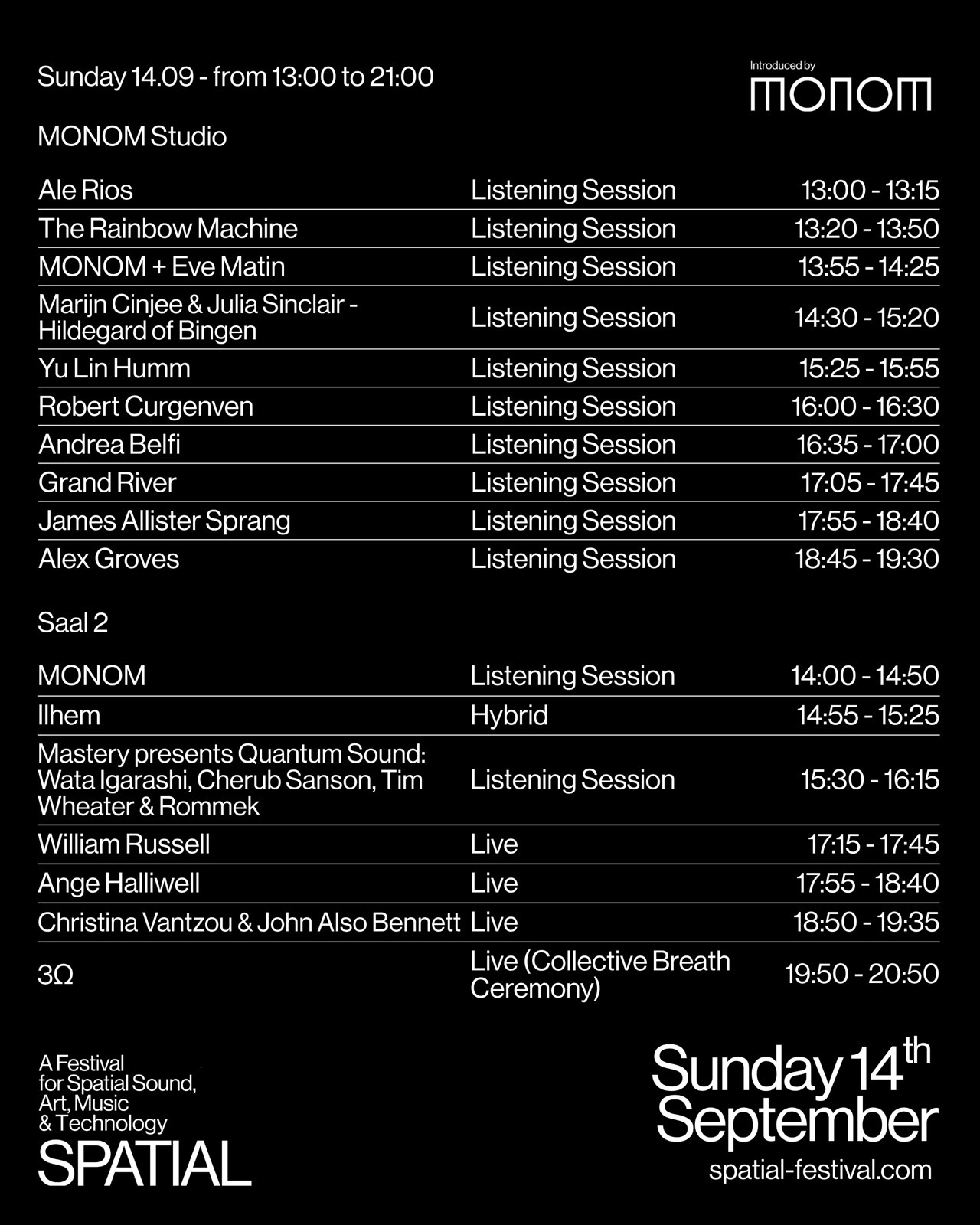
Many of the works emerge from deep relationships with place, including indigenous songlines, environmental field recordings, and psychoacoustic instruments, creating sessions that are at once site-specific and timeless. “Sound can reconnect us to systems beyond the human,” they reflect, “reminding us that we are part of a much larger resonance.”
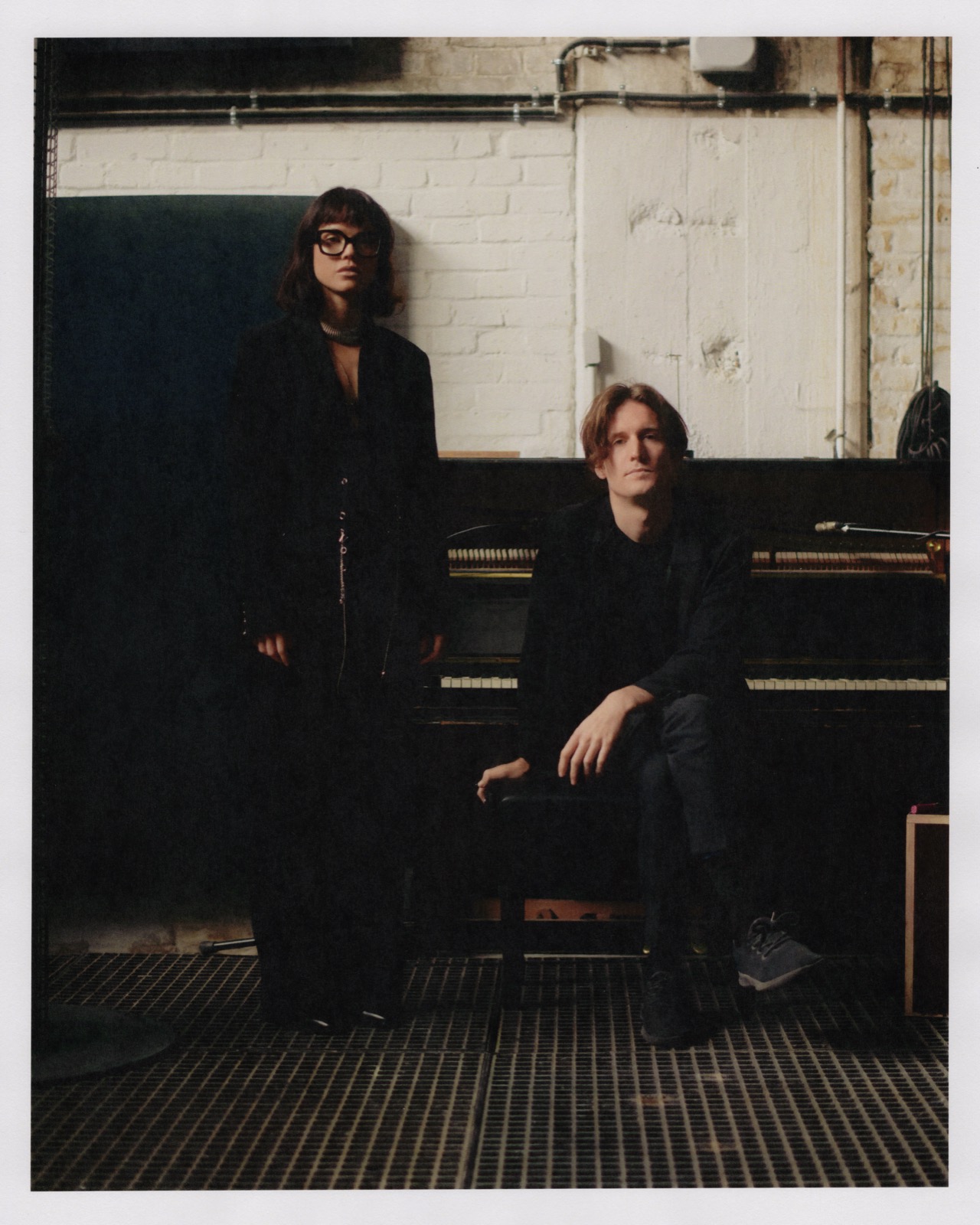
The body is both medium and archive here, receiving vibration, mapping shifting sonic architectures, and carrying traces of the experience long after the room has fallen silent. For Alessandra and William, this kind of listening holds ethical force. It slows the erosion of the senses, counters the acceleration of thought, and opens a space for care, individual and collective. “To listen fully,” they say, “is already a political act. It’s a way of reclaiming time, attention, and the possibility of truly meeting one another.”
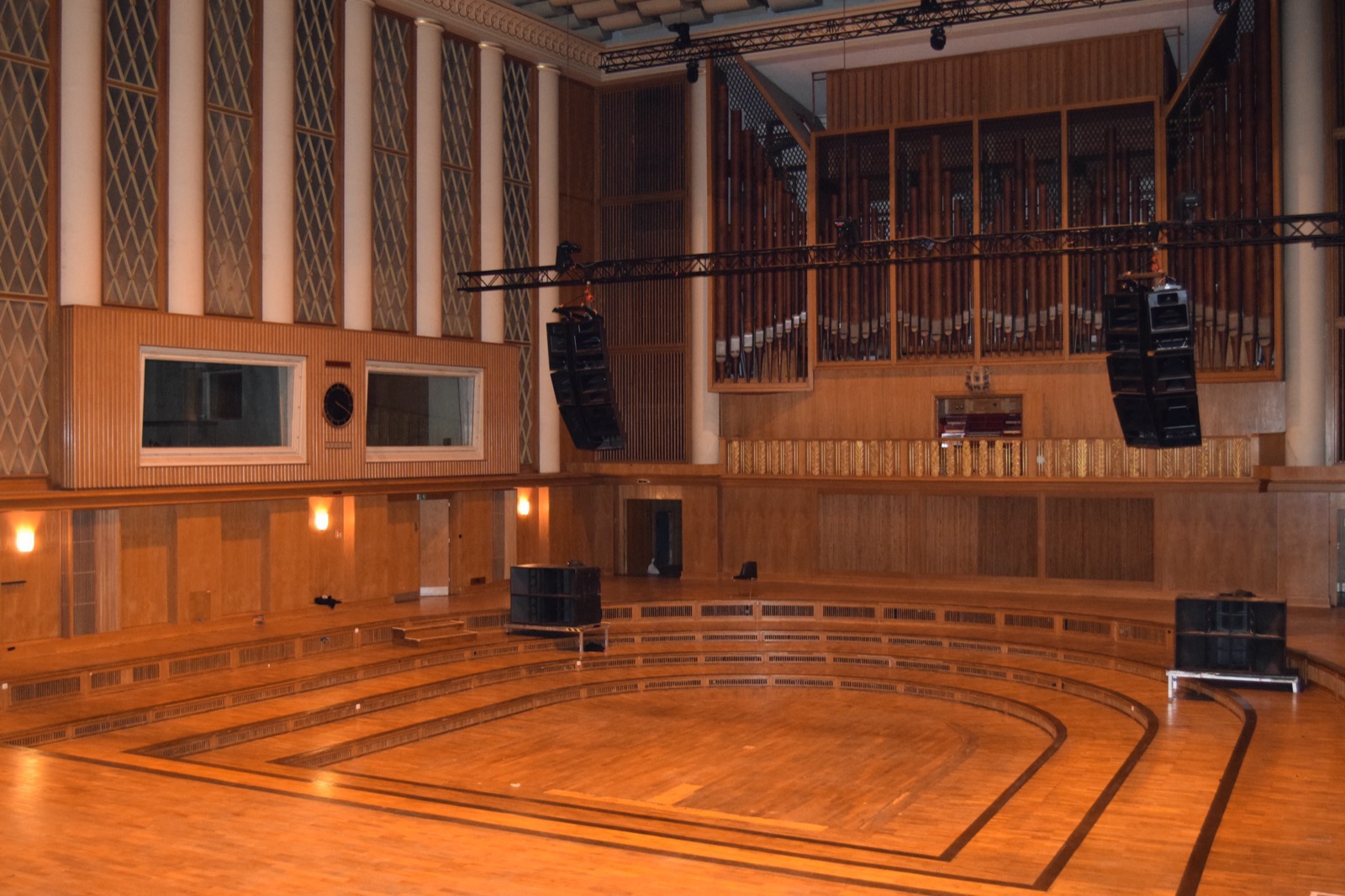
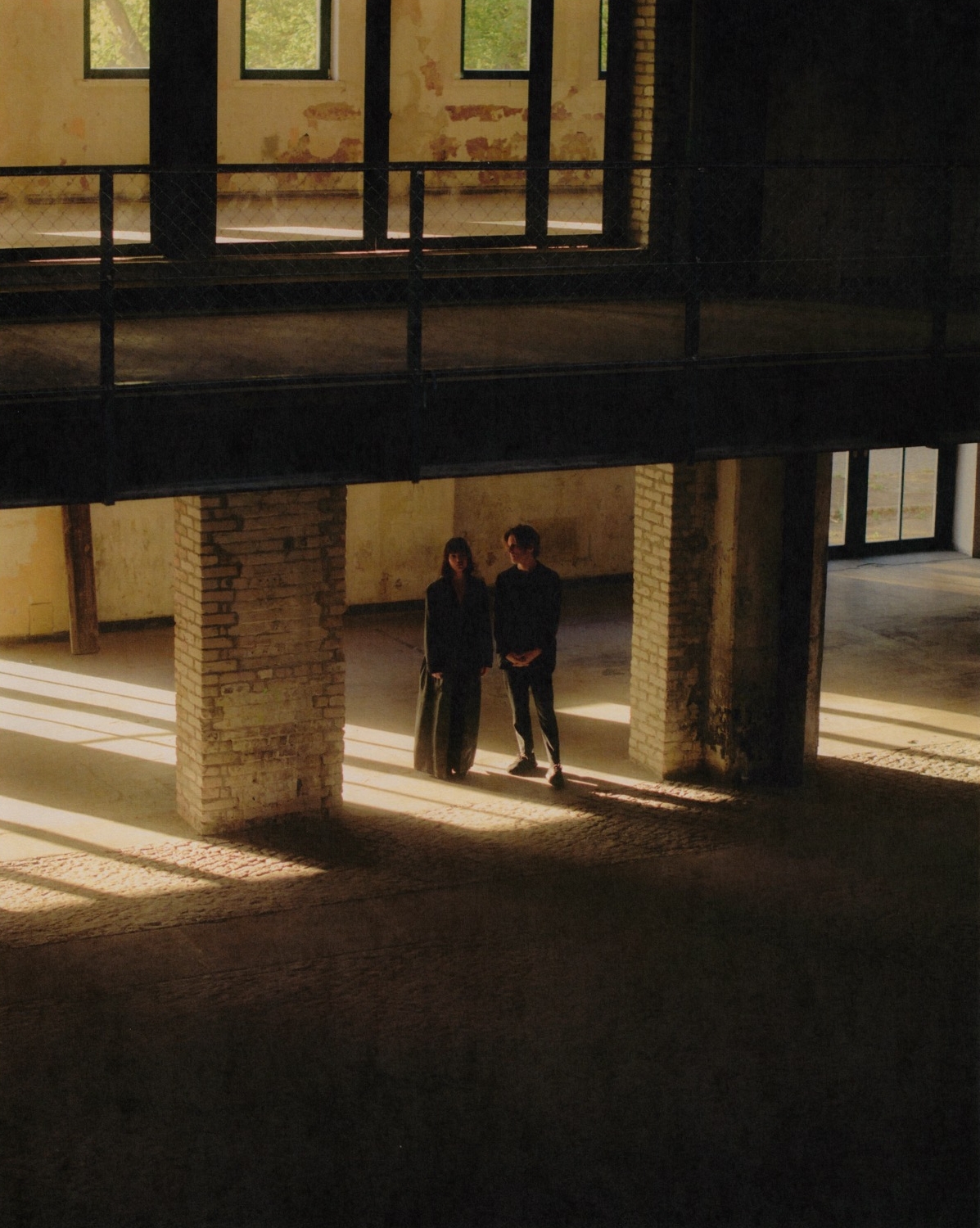
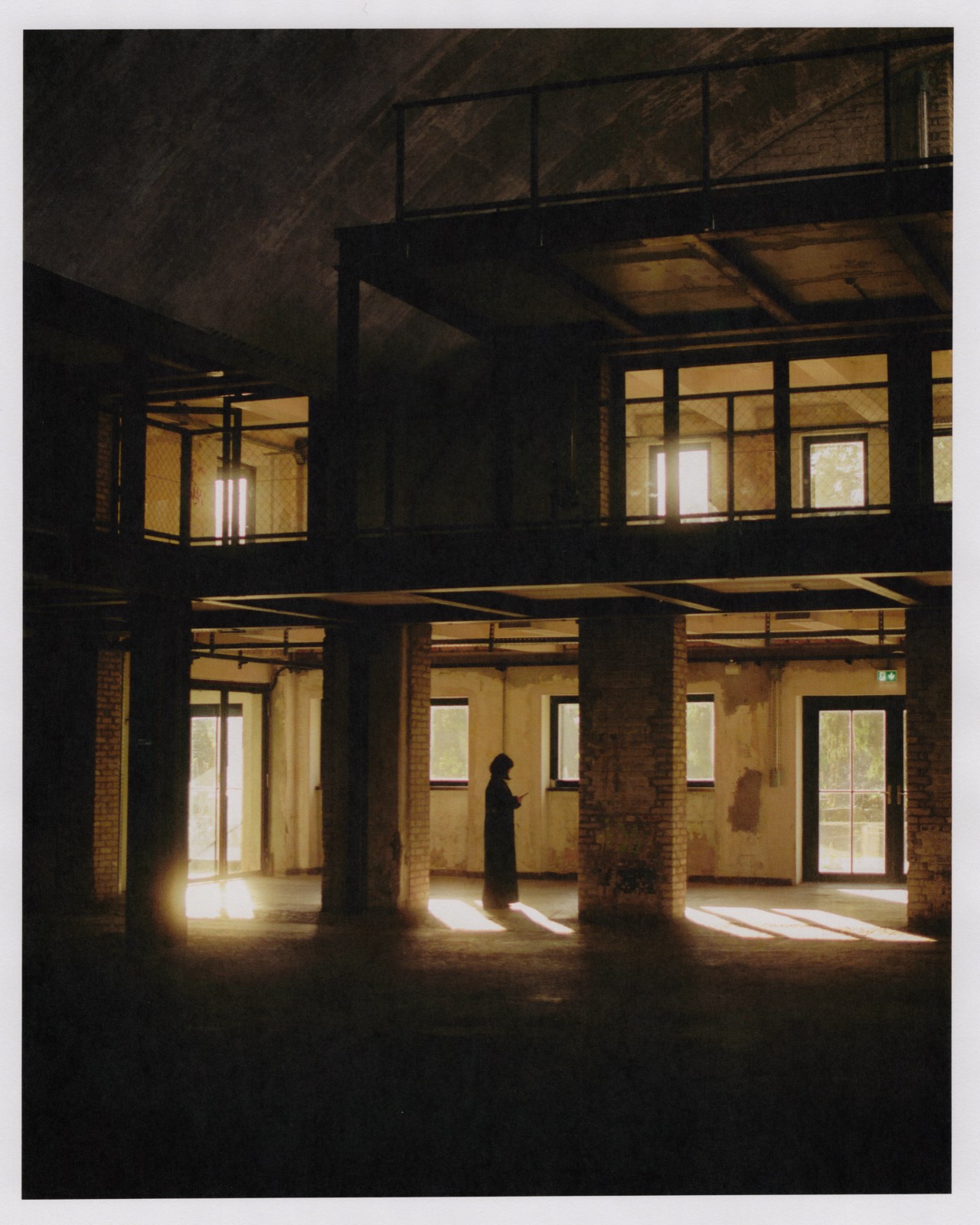
Berlin’s experimental sound culture provides fertile ground for this vision, while the vast, resonant halls of Funkhaus push it into another register, one where performance becomes encounter, where the usual roles of audience and artist blur, and where listening itself might point toward resistance, change, and renewal.