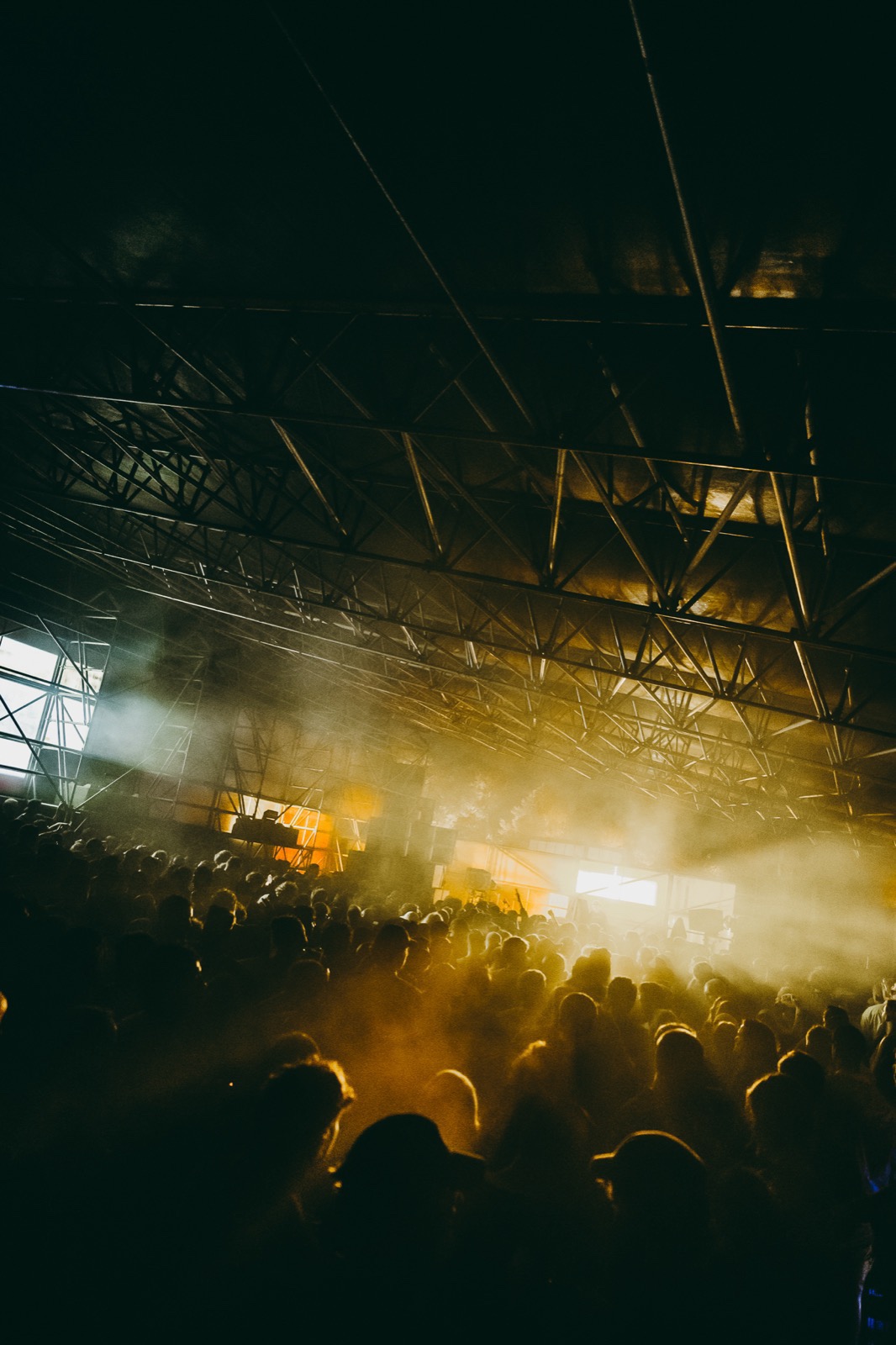
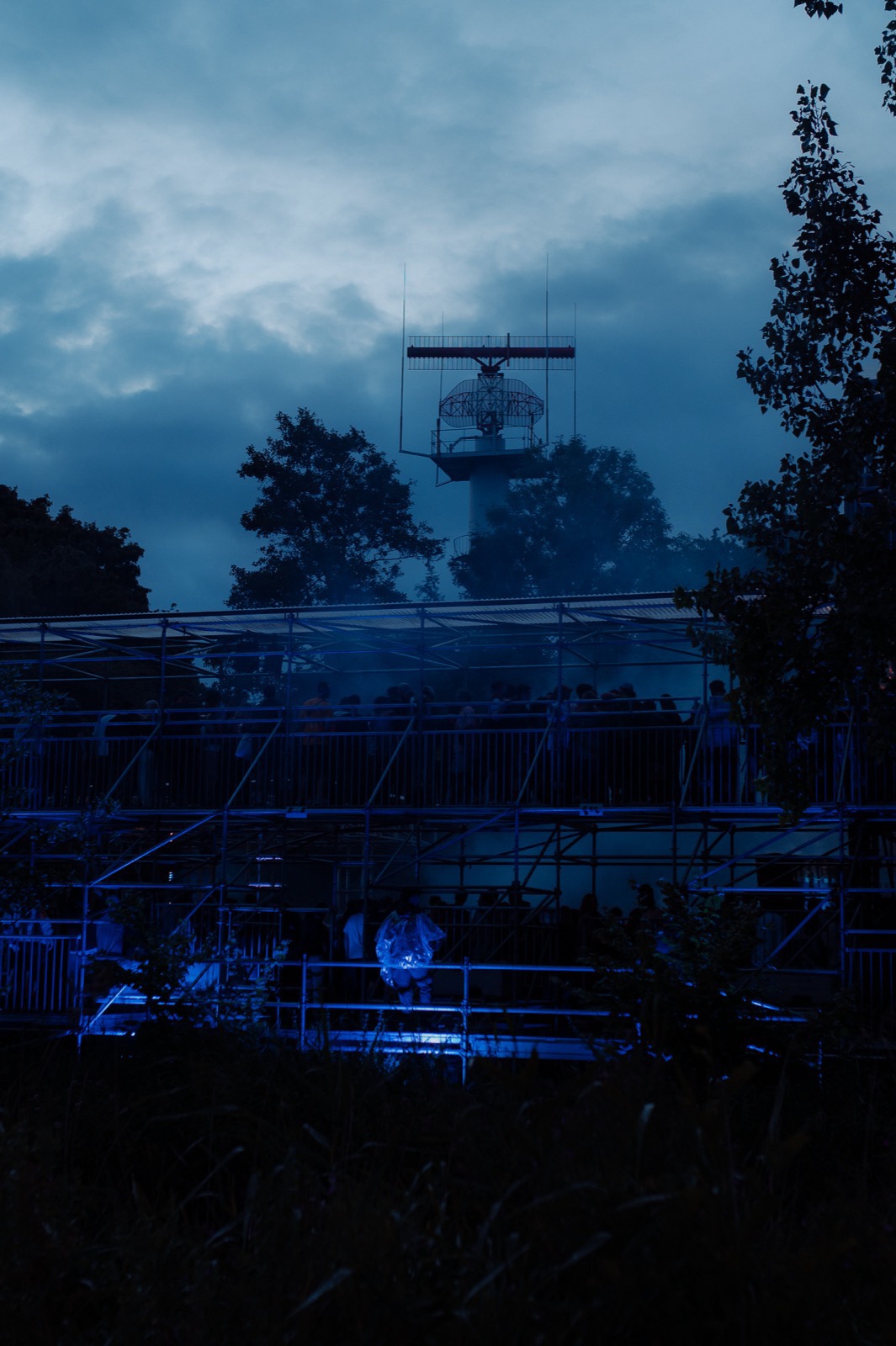
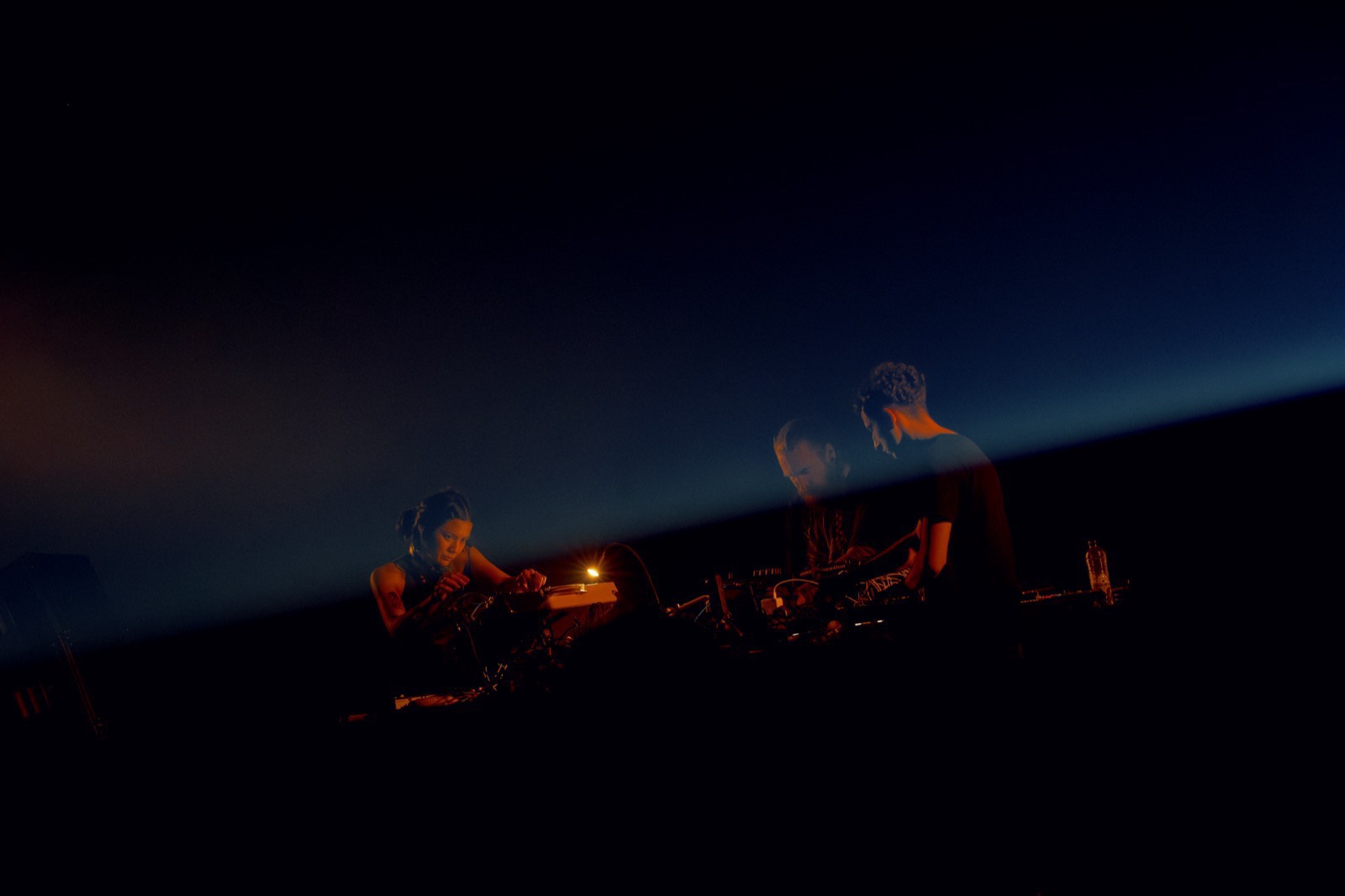
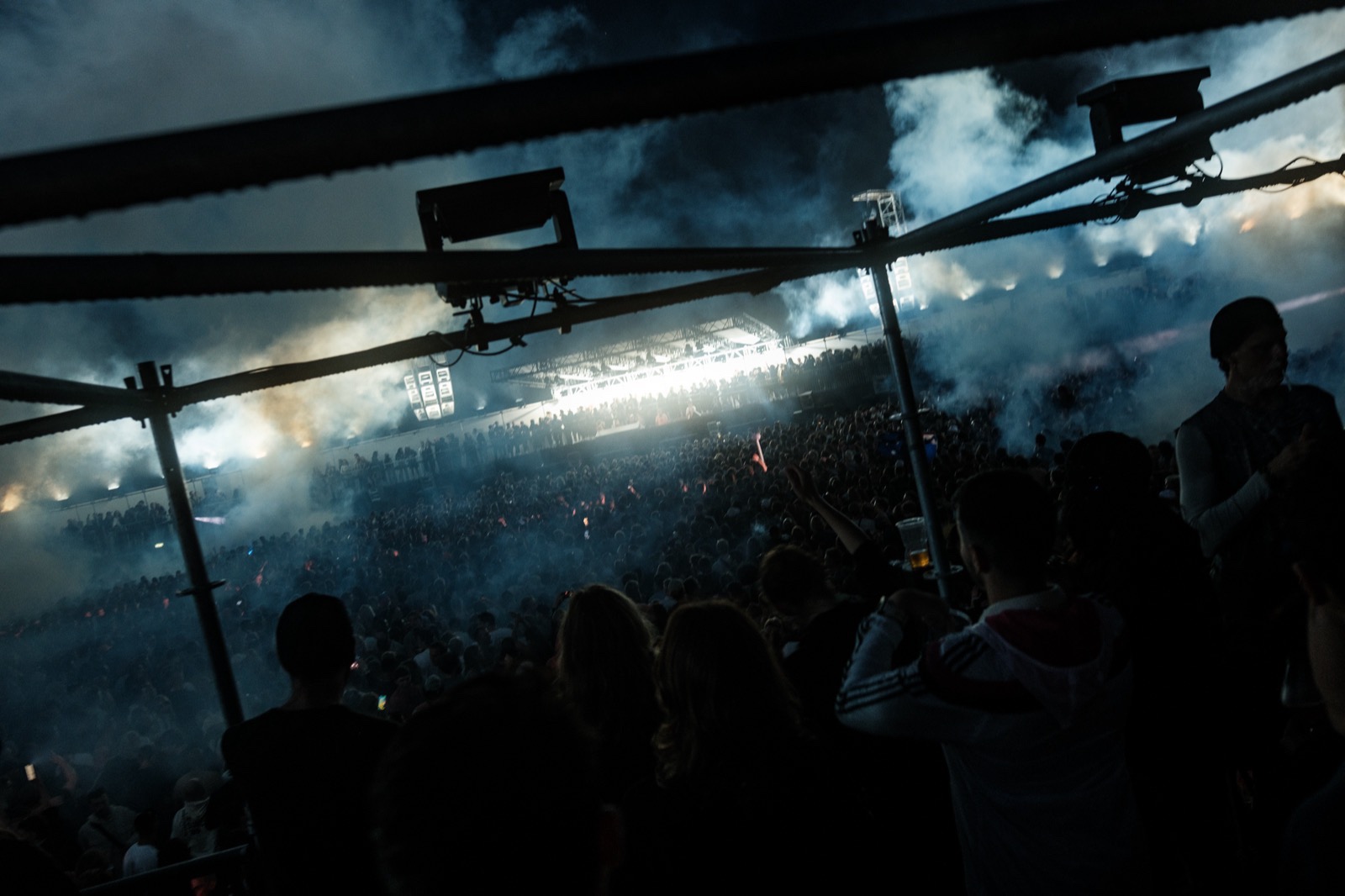
For this first day, DJ and producer Floating Points graced the Greenhouse stage with an all-day set alongside Palm Trax, a moment made even more special by his groundbreaking 8-point sound system baptised Sunflower Soundsystem, allowing for a metaphysical immersion in sound. Dekmantel resident Quelza delivered an energetic, bass-filled set where lyrical elements draped the whole in melodic rhythms, while the Ragga Twins enflamed The Nest by mixing pure jungle with singing and reggae elements, making it impossible not to dance your cardio out on the floor. The day ended with a smooth house set by Ogazón, only interrupted in its capturing groove by capricious rain.
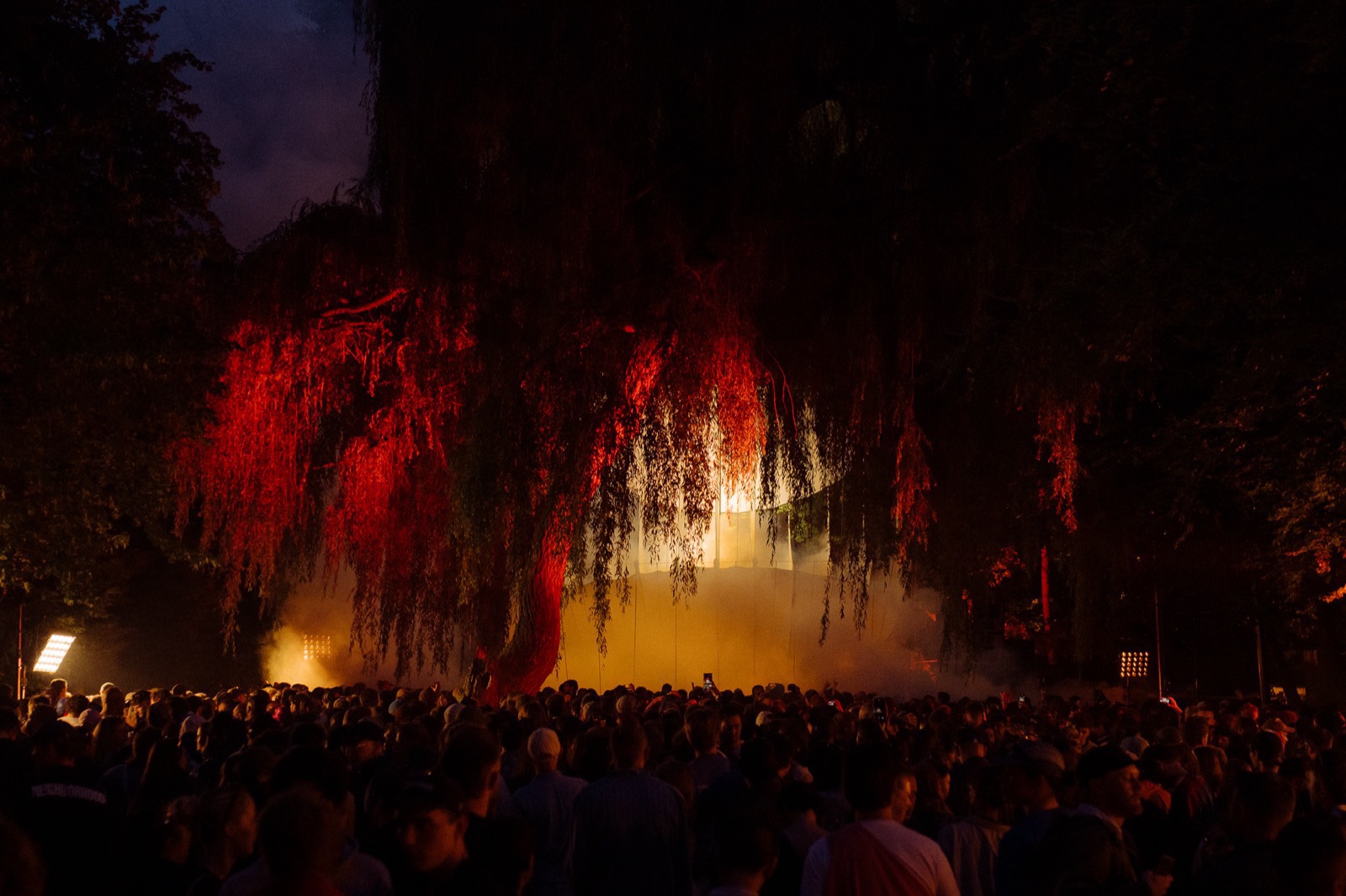
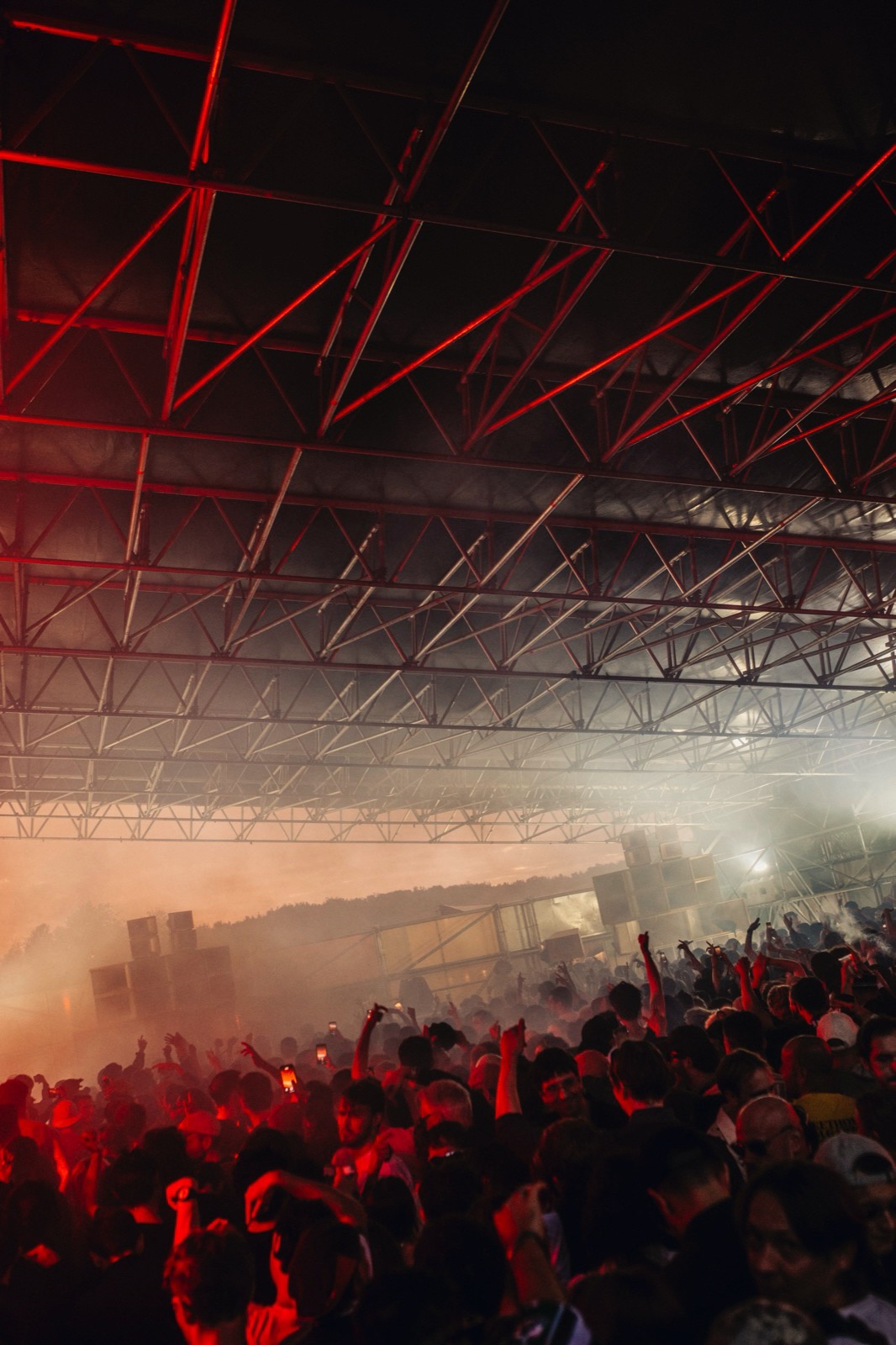
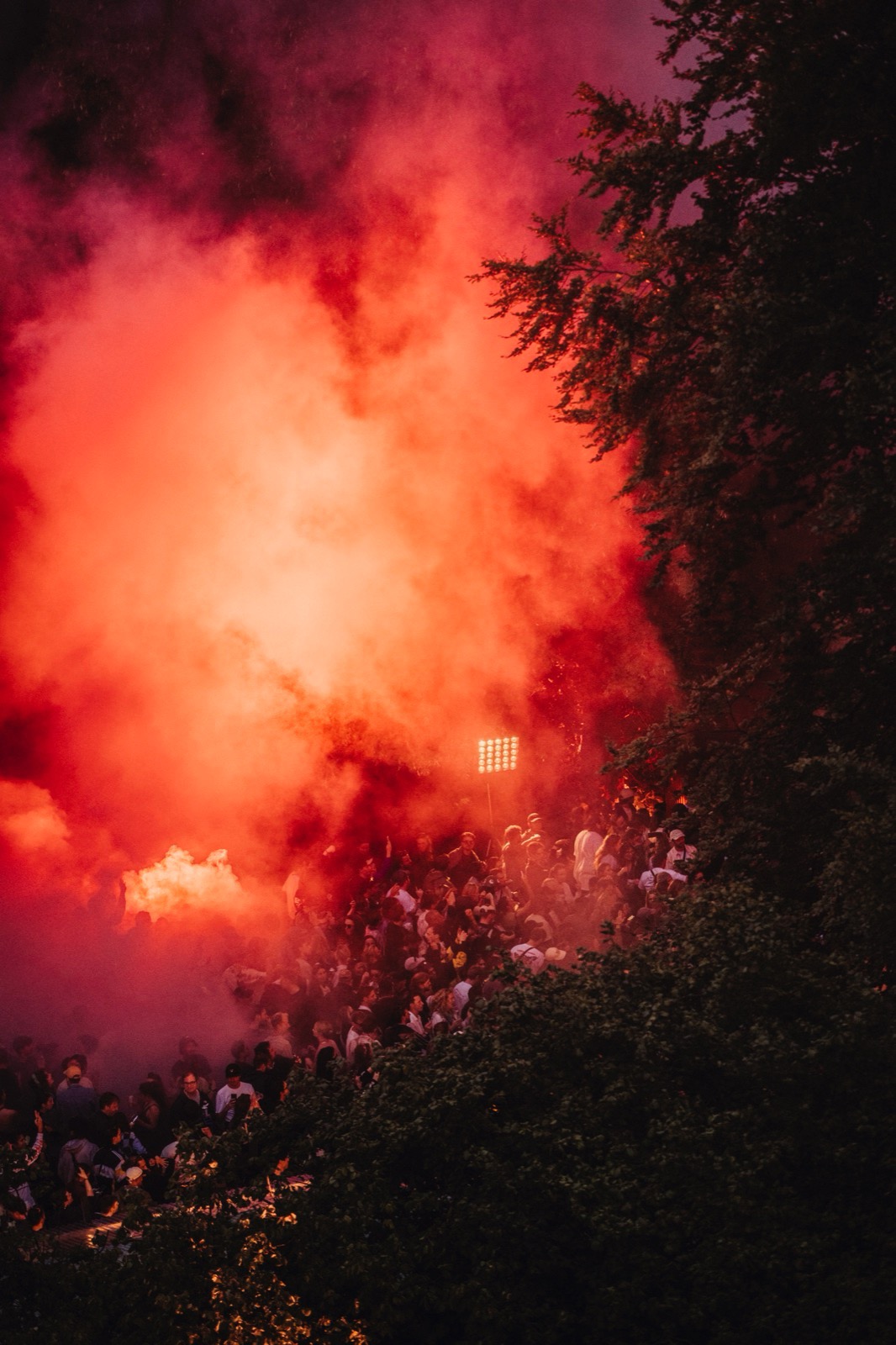
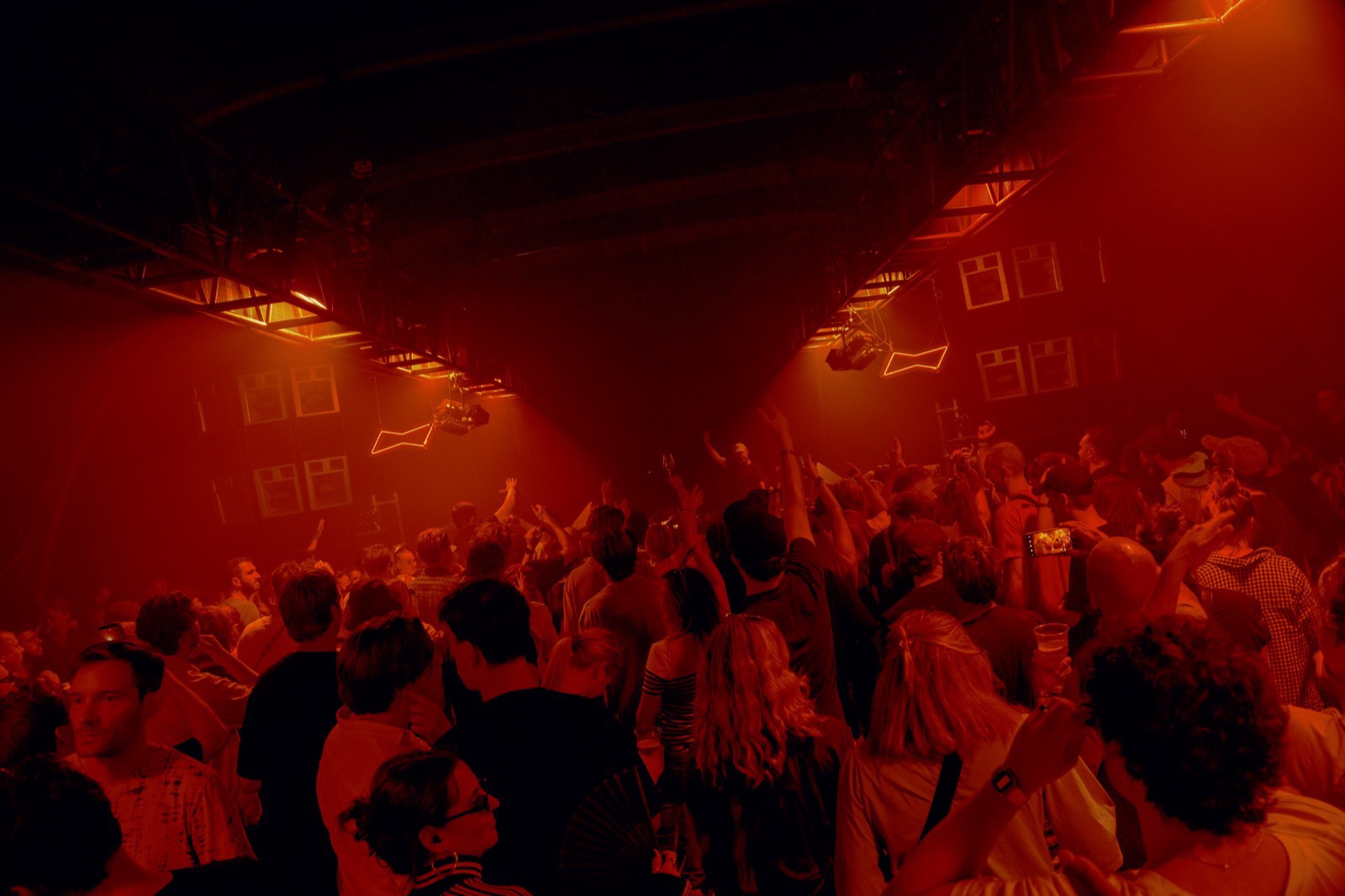
Saturday saw an array of explosive sets take over the festival, following the pulse of the speakers so blissfully that even the century-old trees seemed to join the dance. Shanti Celeste hexed the Selectors stage with whimsical tunes, crafting a pure house experience tinted with enchanting voices. Marrøn took over UFO I to infuse the stage with feet-moving grooves that triggered a sense of eternal galore, followed by hardcore techno’s mastermind Freddy K. Against a backdrop of red light, Freddy K unveiled a set that felt like returning to the origins of techno, letting go of superficial artifices to let the sound express any emotion. The basses were raw and expanded, taking the energy higher with every beat. The day closed with Honey Dijon swooping into The Loop stage, playing tracks inspired by disco legacy and remixing staples to the declining light of the sun.
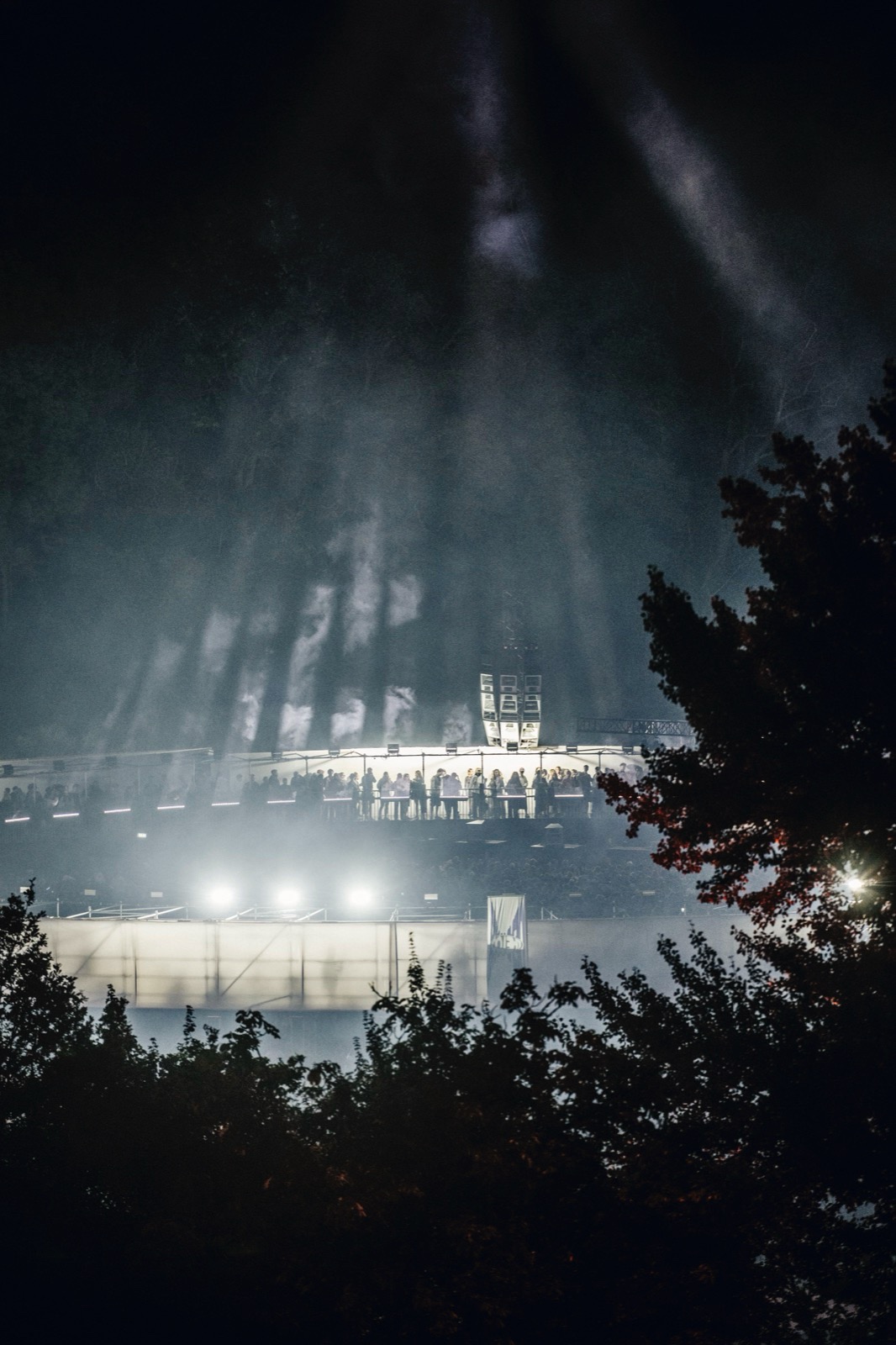
Reaching the end of the race with a heavy heart, the last day of Dekmantel became an encounter, a collision of the unique wraith of the previous four days to finish this cathartic adventure on a high. Satoshi Tomiie revealed his vision shaped by decades of tearing down the limits of musical genres, invoking dub and minimal elements with house’s bouncing tunes. His set transported the crowd to places untouched by humans, sparking nostalgia for times yet to come. UFO I reached its apotheosis with Richie Hawtin’s audiovisual live performance DEX EFX XOX, a thunderous spectacle that kept the stage background hidden throughout the festival for this occasion only. Like the answer to humanity’s eternal questions, Avalon Emerson’s closing set at The Loop threw technical mastery, soul-filled energy, and sensitive exploration at everyone’s feet, uniting the crowd in a sonic communion beyond pain and differences. The final track, Sexy Boy – Vegyn Version by Air, illuminated by thousands of multicolored lights, is forever embedded in the memories of those present.
Biking back to the reassuring brick houses of Amsterdam, it became clear that this enchanted parenthesis was more than an escape from routine for the sound-hungry attendees. Dekmantel is not about dancing your heart out and going home thinking about the next big thing. It marks your soul with a red iron, leaving you dizzy with happiness and almost questioning if everything truly happened. It brings you closer to others and to yourself, revealing that united in sound we are practically invincible, bulletproof to life’s mischiefs. If you were hesitating to book a trip to Amsterdam to witness it for yourself, wait no more.