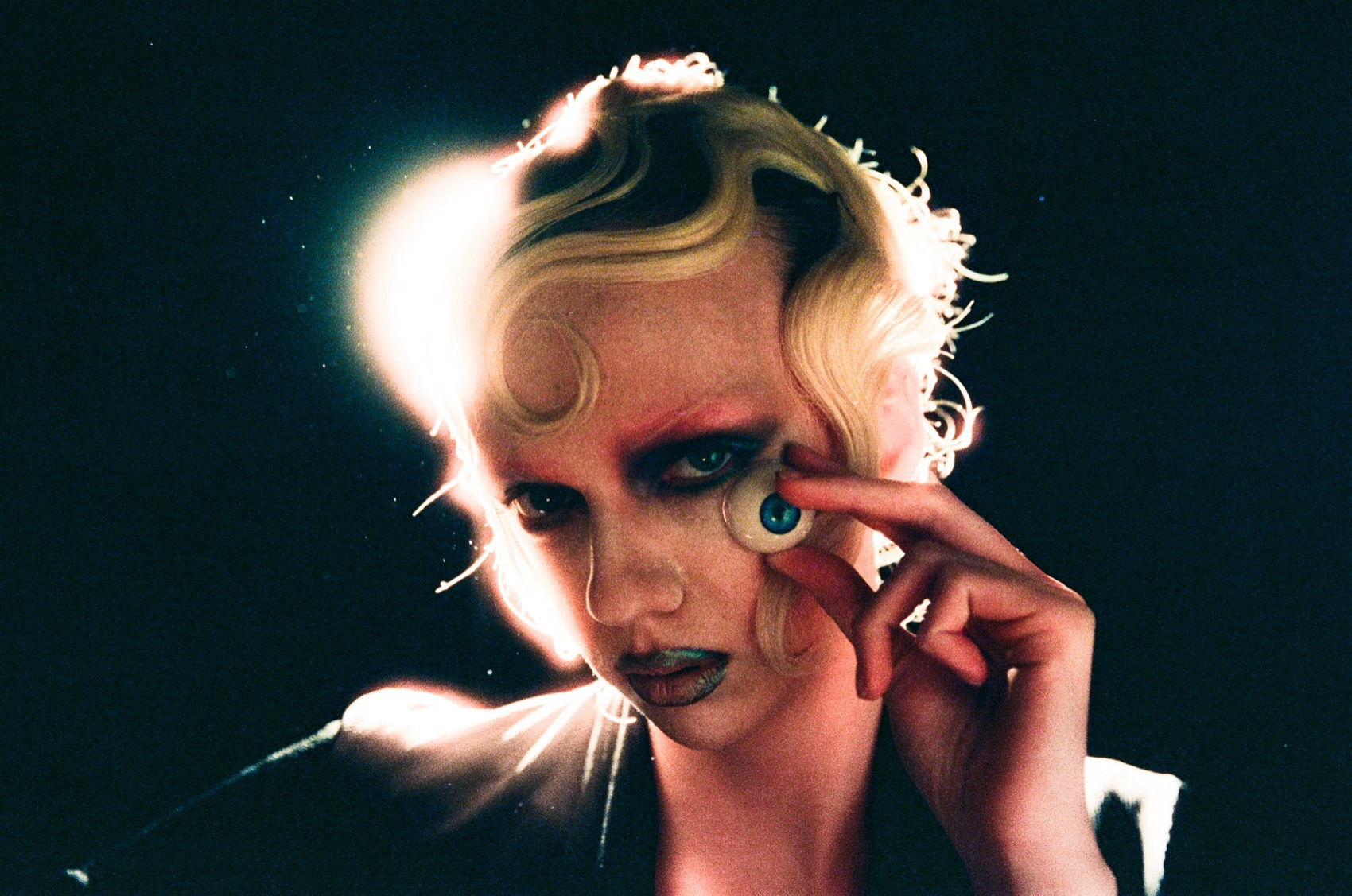
Dear reader, Marco here, the founder of Nasty. Just to give you some context and a real person behind these words, not something generated by an AI. I’m also a photographer and I don’t use AI that much. My subjects are existing people and I still like to take pictures in real life. So basically I’m not an AI fanatic. But when me and my team were discussing whether to include AI generated content in our magazine was a wise choice or not, it wasn’t an easy decision at all.
As you probably have seen, we decided to go for it and this has caused some mixed reactions from art purists.
Most part of our team comes from a cultural background in which many times we’ve heard sentences like “is this art?” “how do you call this music?” “anyone can do it” “what about real paintings?” referred to foundational movements like Dada, industrial music, Nouvelle vague, pop art, body art, etc. These were all expressions of art controversial at their time, even considered unacceptable in most cases. Then with time they entered the critics circuit, became studied in art schools and finally accepted in their rightful artwork status by the masses.
Now it’s the time of AI. And we asked ourselves some questions -with their counter arguments- that guided us in our decisions and I’d like to share them with you.
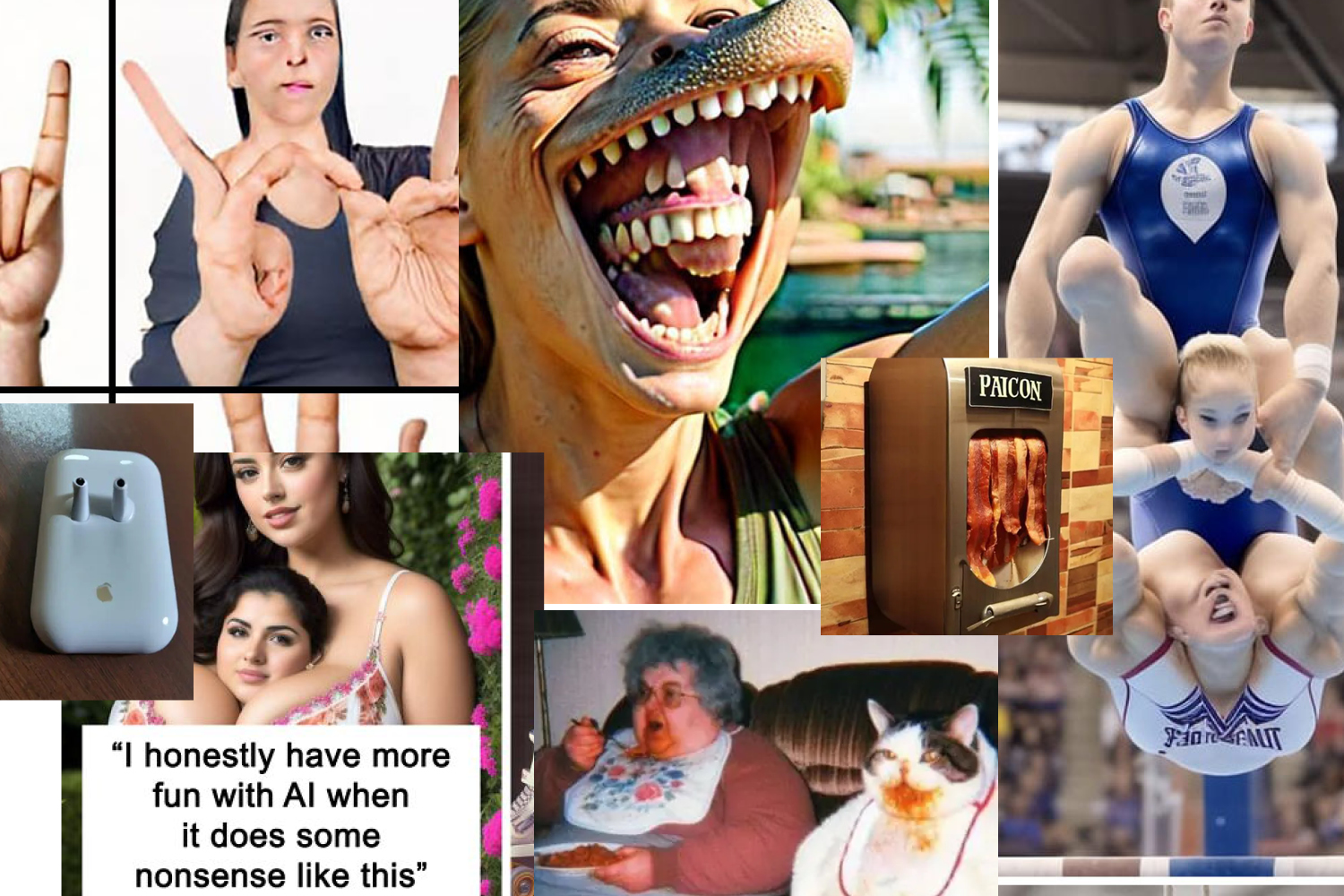
“Is everything a slop?” Now it’s a trend to consider everything generated by a computer “AI slop” (terrible word choice, btw, but it’s important to use this one). But is it? Can’t you see a difference between good content and bad content? The real slop will be, let’s say, about 95%, but why not give credit to the other 5% that matches your personal criteria of composition, originality, intent, message, refinement, or whatever you value?
“Can anyone do it?” It’s easy to generate content this way. Yes, it is indeed. But what about digital photography and video/movie making? In the analog years you had to really master “old” concepts like aperture, exposure latitude, some chemistry, complex lighting etc, that you can bypass with the use of technology, with digital sensors that can catch and process the light almost like the human eye. But has this produced more or less artists? The balance is pretty much intact. There are good photographers and directors and the rest (same 95%) still takes shitty pictures even with the most expensive cameras because it’s the eye and the ideas that create something valuable.
“There is no skill involved.” Is there any particular skill involved in filming a man building a fence in a ranch in New Mexico? Probably no. But is “Setting a Good Corner (Allegory and Metaphor), 1999” by Bruce Nauman one of the most poetic and highest forms of human intellect? For me, yes. So, in some ways, skills can come second when it comes to art expressions.
“Is everything a copy?” Originality and plagiarism move side by side with arts since forever. In every form of art people got inspired and stole ideas from other artists. Again, if you can tell that a piece of content is taken from another artist then it’s bad art. If someone comes up with something original just give them credit. I don’t understand this issue in music either. If someone does AI generated music that people like, where’s the problem? The problem exists only if the outcome of that AI generation is too similar or, even worse, is completely taken from other artists, the same way as if that music was played with instruments. Even in the pre-digital era, how many bands we like were varying the same 4 chords from the Beatles, the feeling of Led Zeppelin and the ideas of Kraftwerk and Throbbing Gristle? The final decision it’s always in the hands of the audience.
There’s a huge margin for discussion about this. Should we hide our heads beneath the sand and pray that the bubble will burst? Should we let the fear of changes or losing our jobs -same fear that humans had when automated machines, cars or computers showed up- win? We just try to stay open and accept what will come in the near future, even if someone now finds this controversial. In the end, the path is recurring. It’s adapt or die. And unfortunately evolution doesn’t care how we feel about it.

 https://www.nastymagazine.com/wp-content/uploads/2025/03/Amelie-Lolie-Skin-Fur-Metal-1.jpg
1100
1500
Editor Nasty
https://www.nastymagazine.com/wp-content/uploads/2015/02/new-logo-basker-WHITE4.png
Editor Nasty2025-03-22 10:56:082025-03-20 12:26:11Skin Fur Metal
https://www.nastymagazine.com/wp-content/uploads/2025/03/Amelie-Lolie-Skin-Fur-Metal-1.jpg
1100
1500
Editor Nasty
https://www.nastymagazine.com/wp-content/uploads/2015/02/new-logo-basker-WHITE4.png
Editor Nasty2025-03-22 10:56:082025-03-20 12:26:11Skin Fur Metal