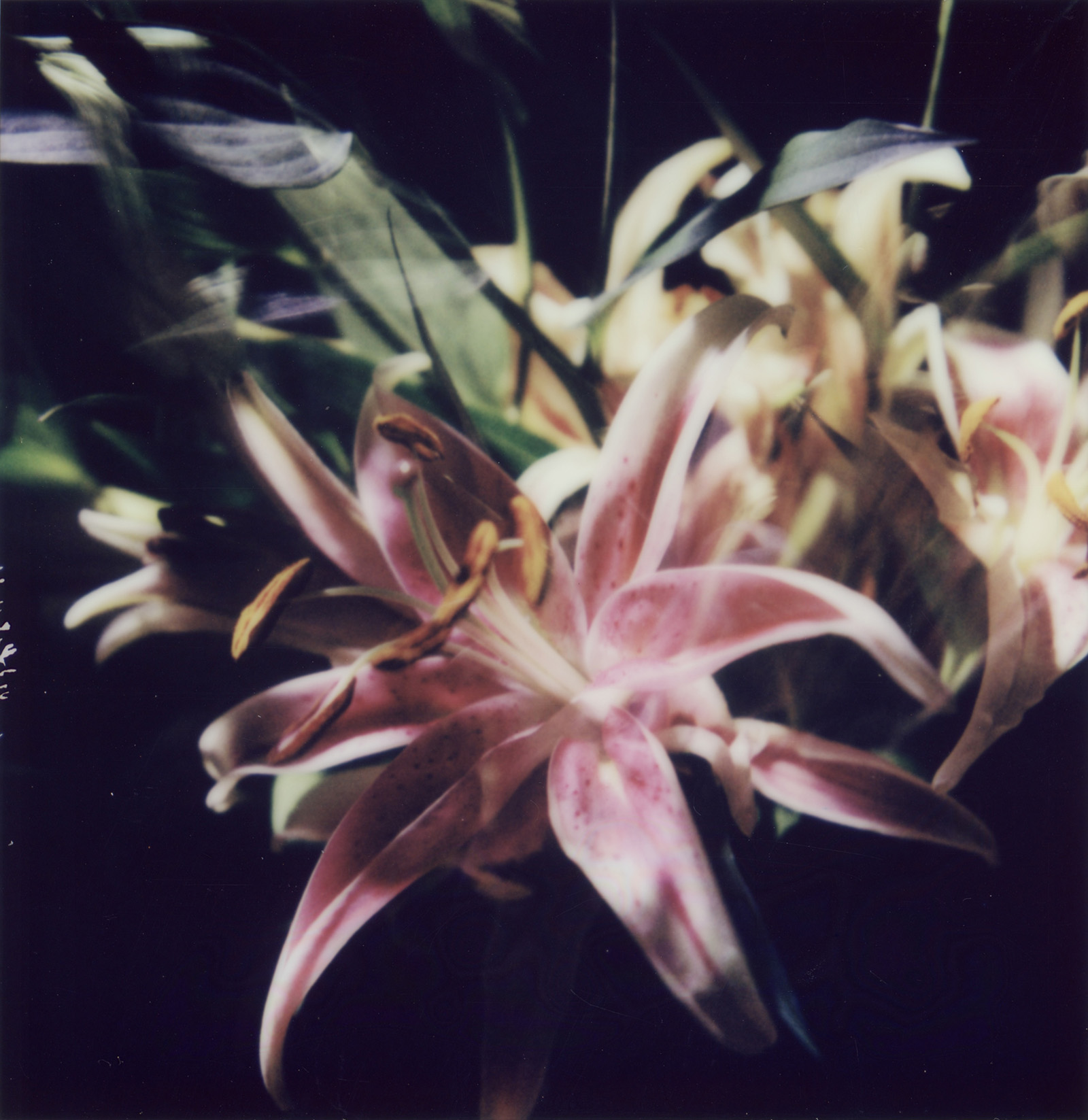
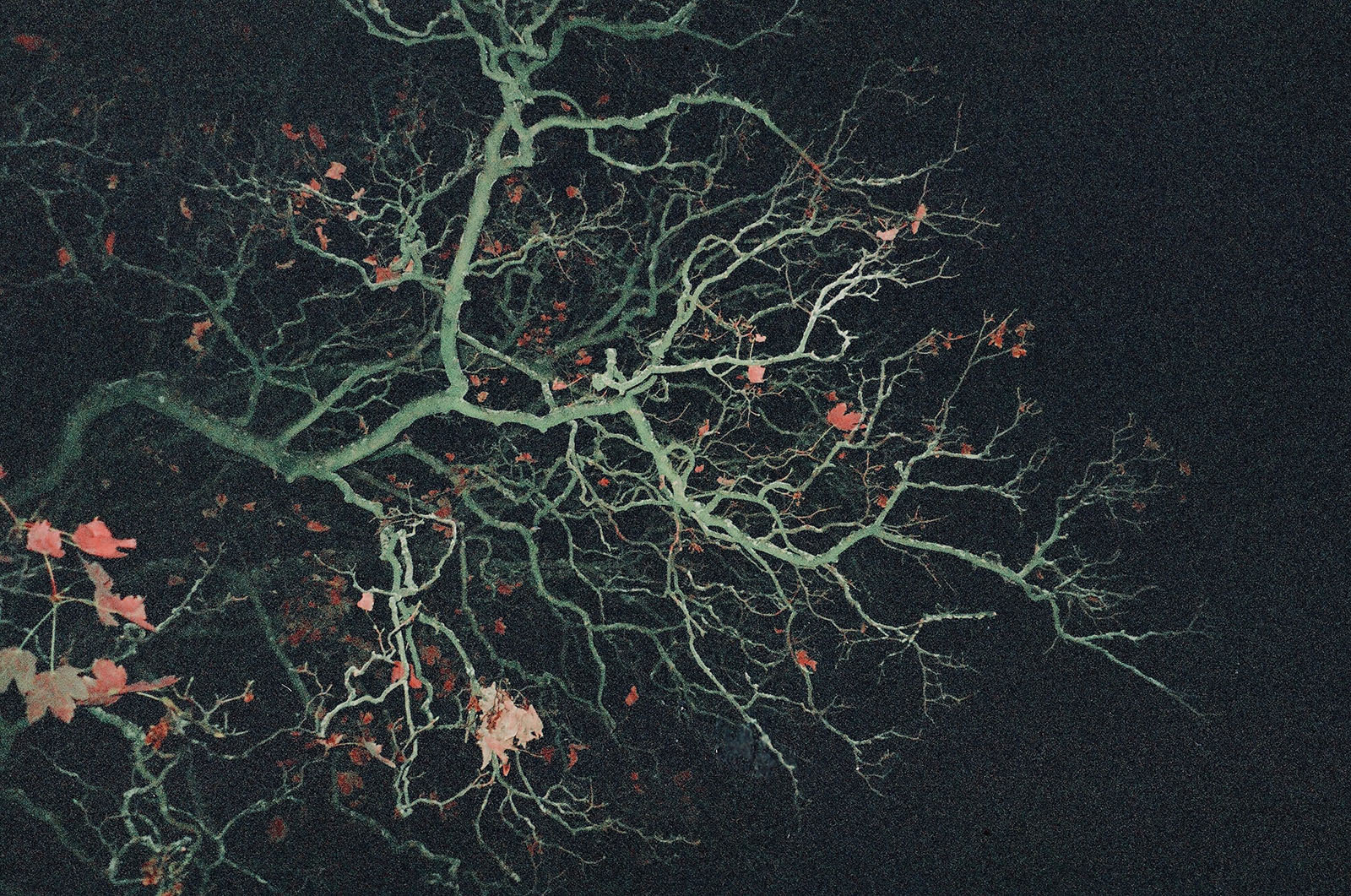
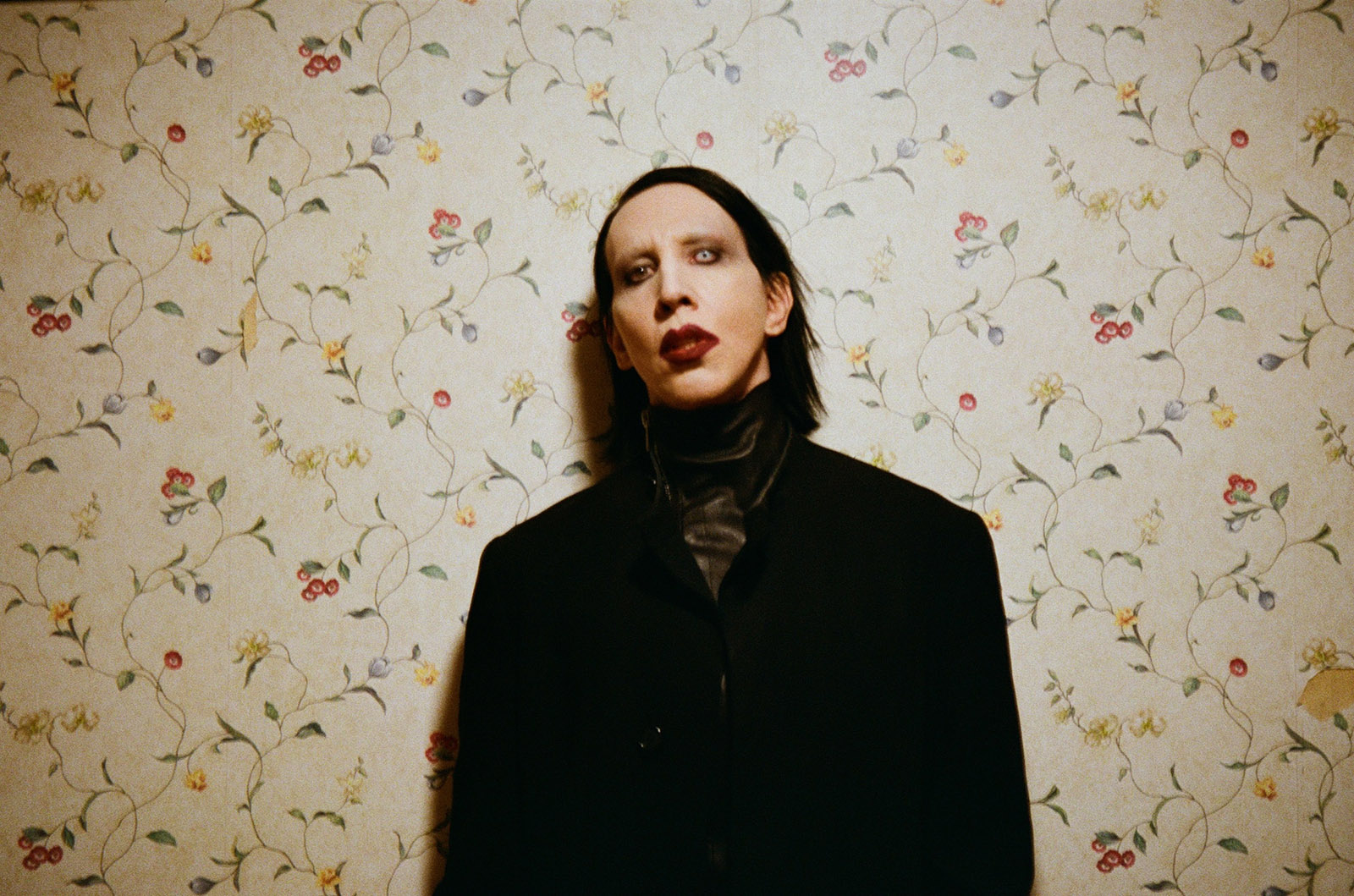
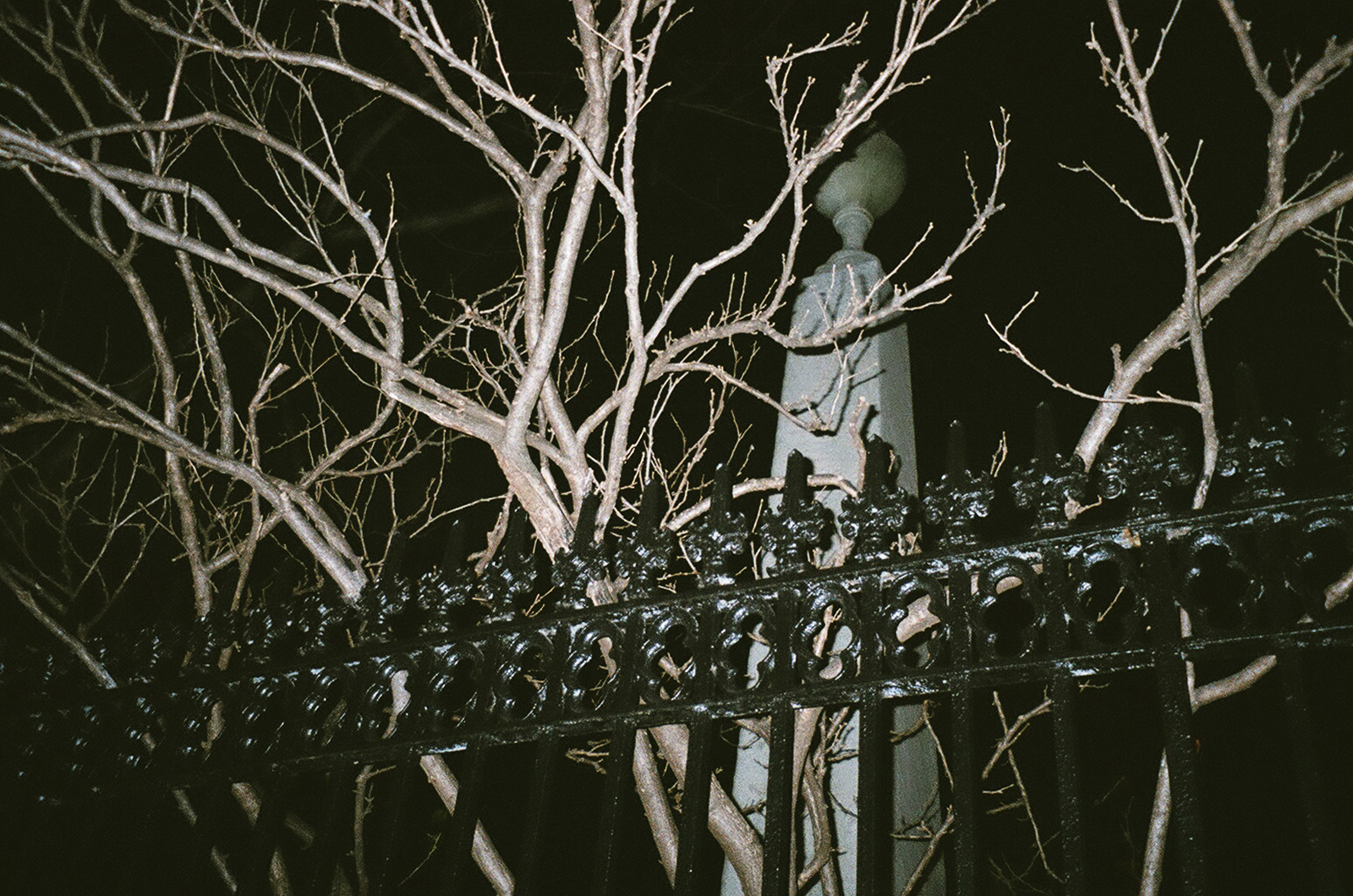
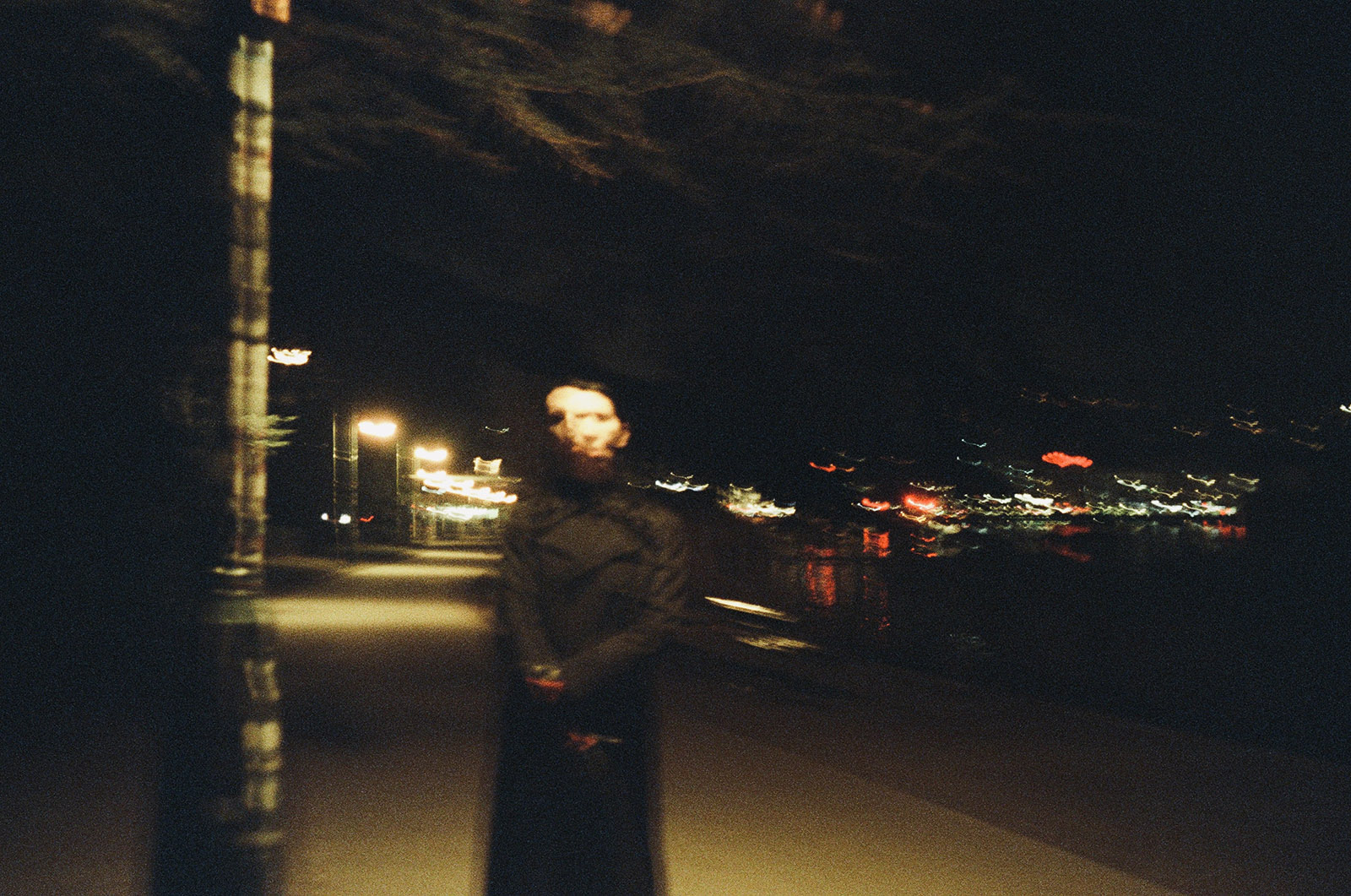
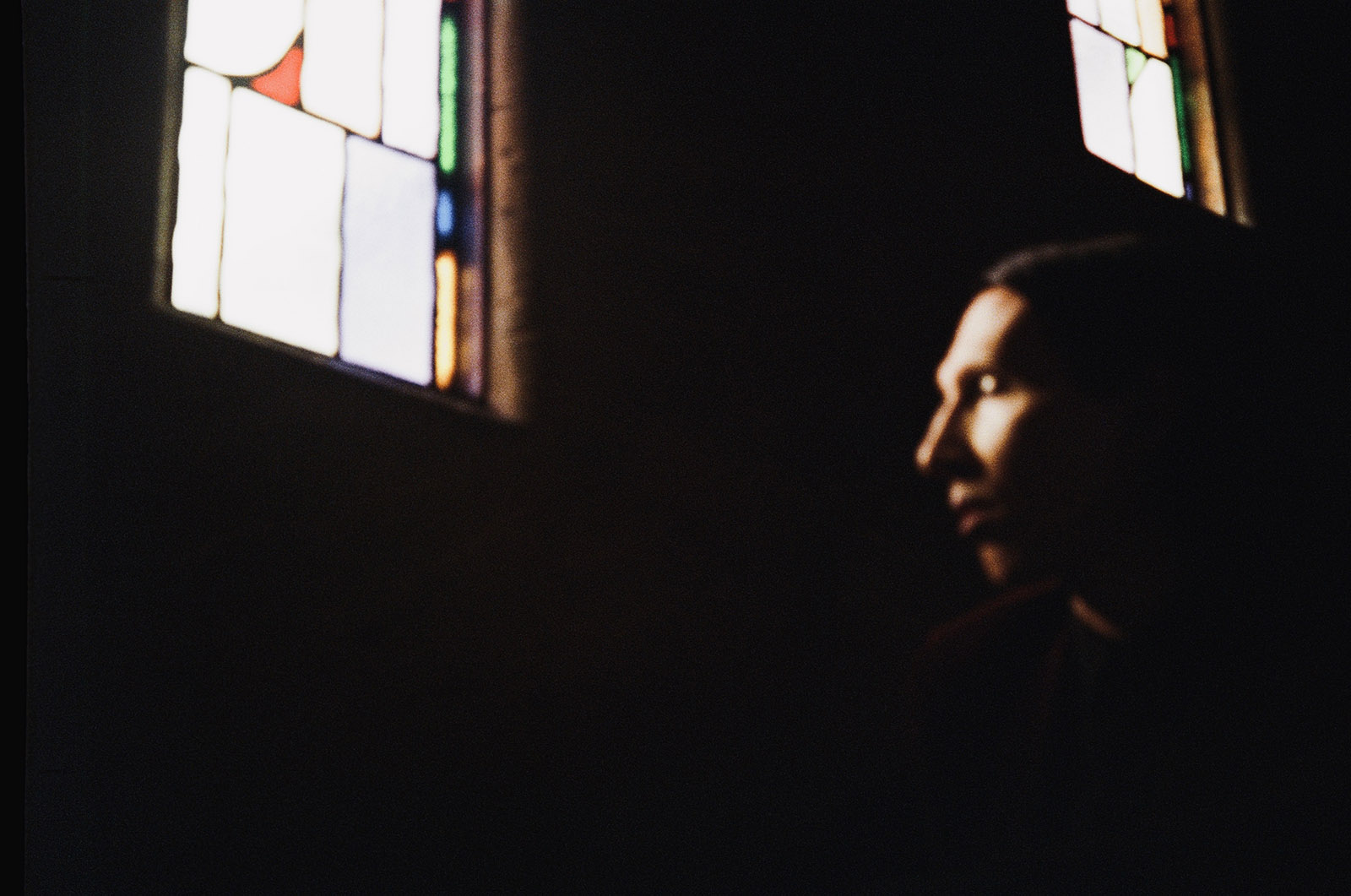
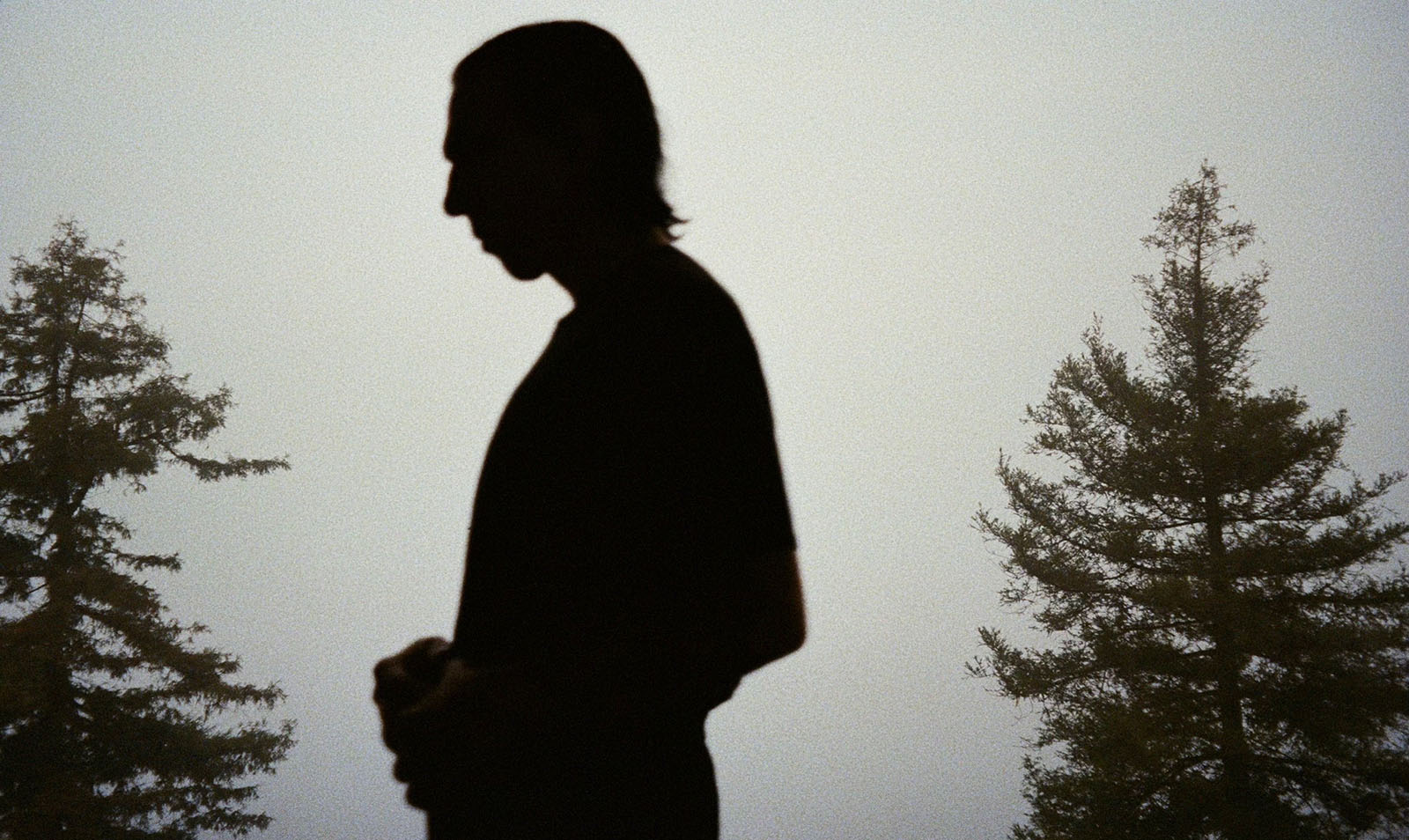
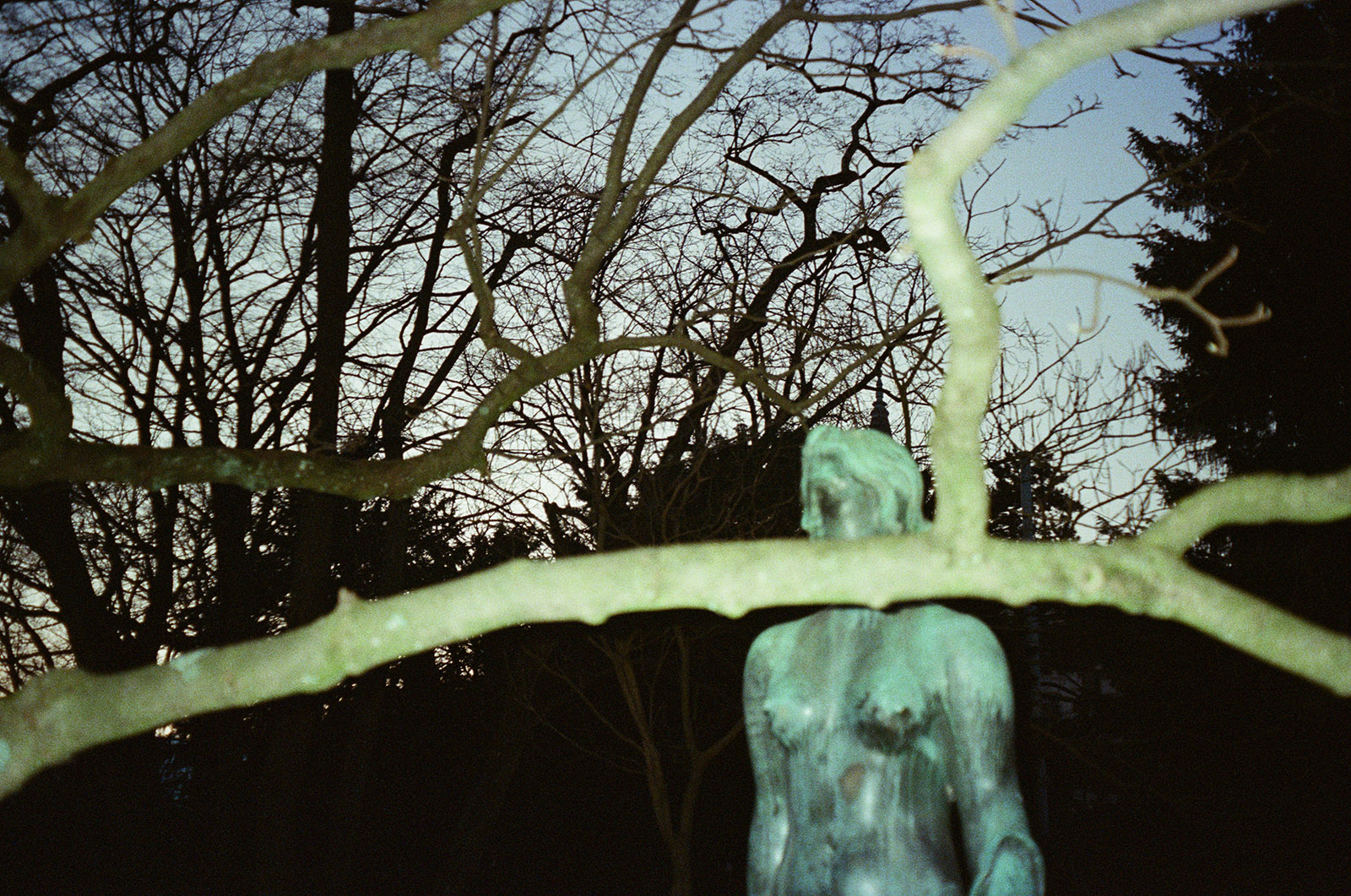
Many photographers say that light is their true subject, yet your work seems to be immersed in a melancholic shadow. What is your relationship with light and darkness, and what does it reveal in your images that perhaps people do not notice at first sight?
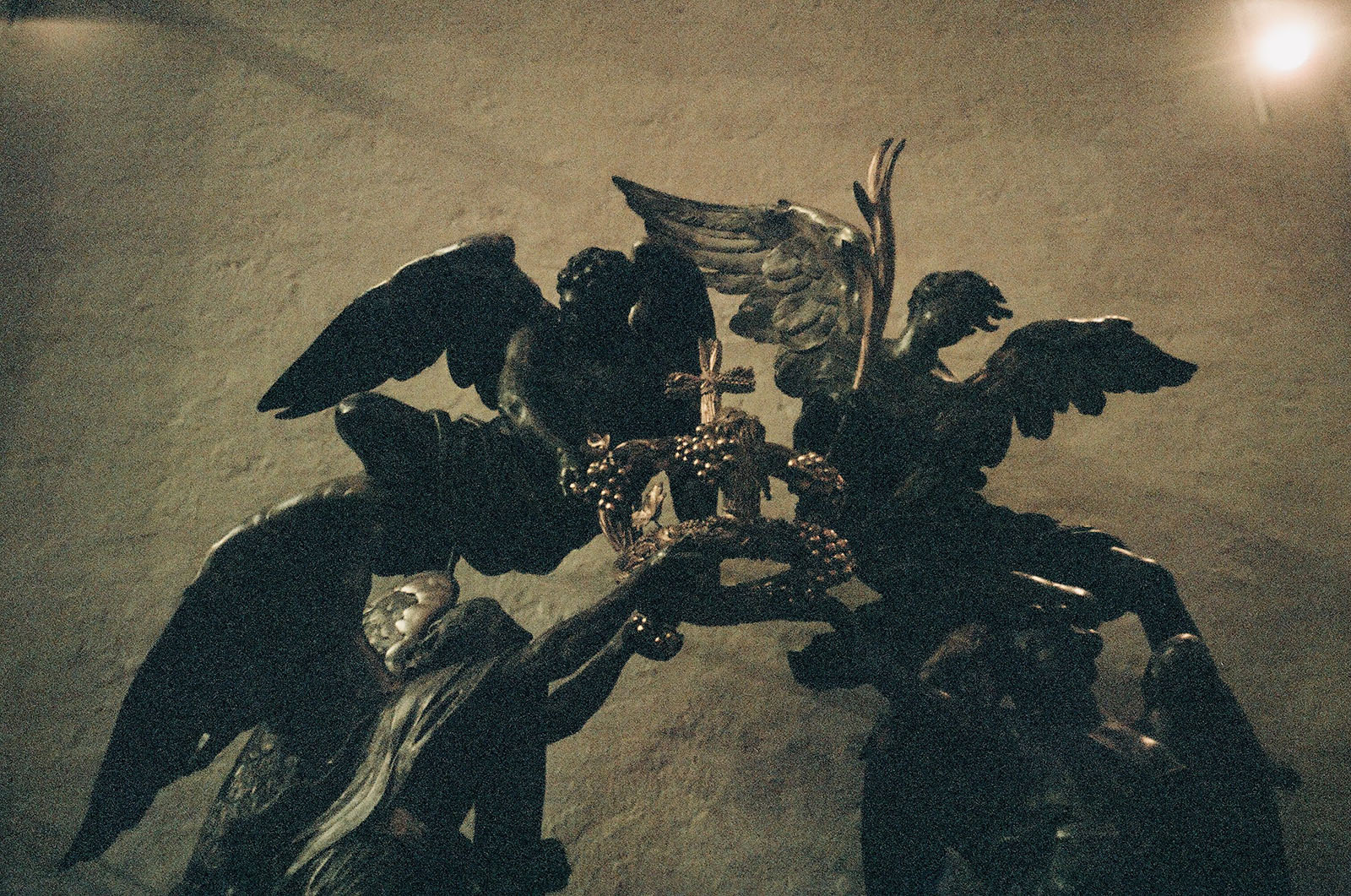
Moonlight, cutting through the darkness of even the blackest night, is simply reflected light from the sun. I think about that a lot.
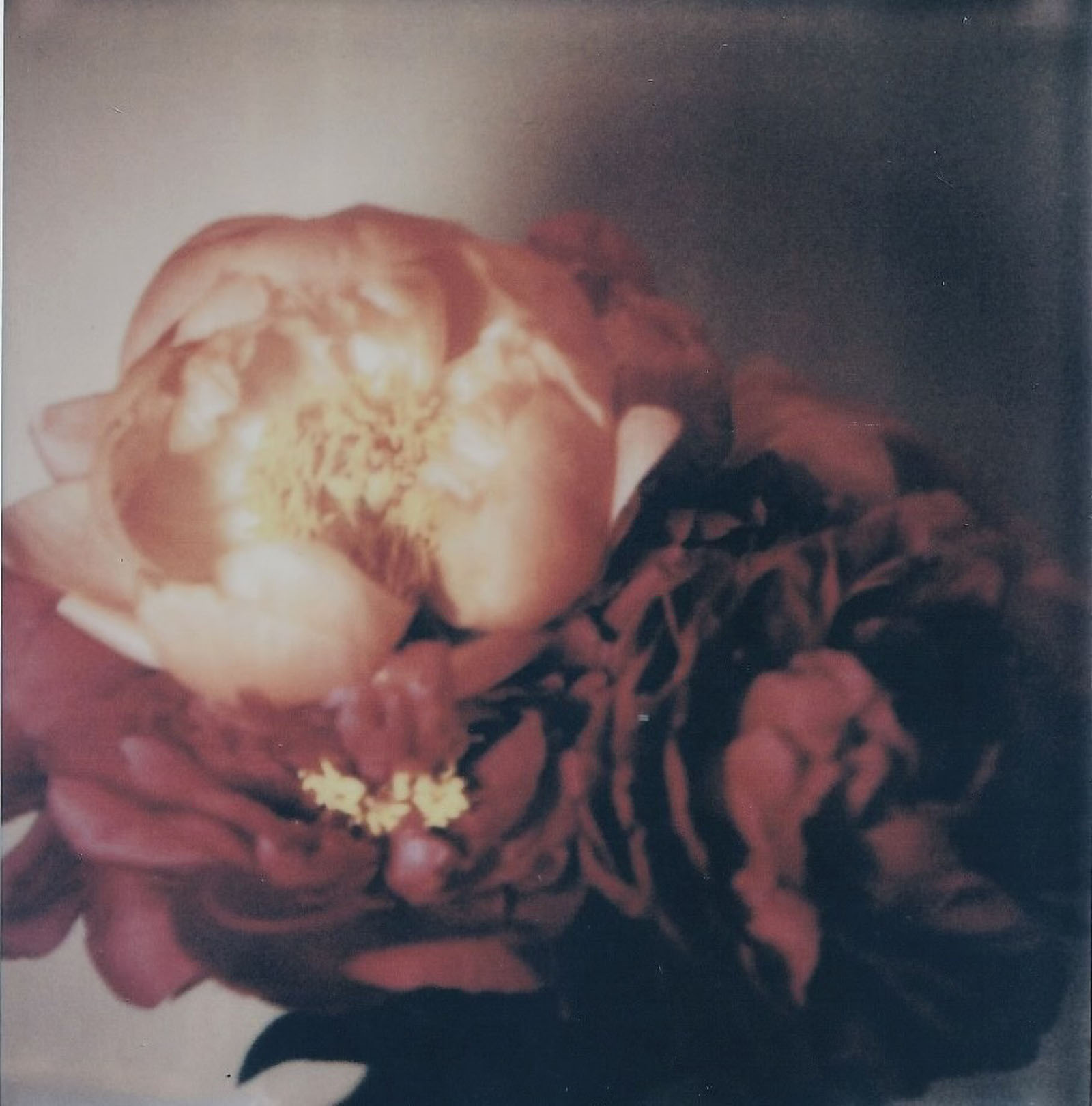
Flowers, interiors, portraits, fragments of daily life. If you look at your subjects as a constellation, what story do you think they tell about you?
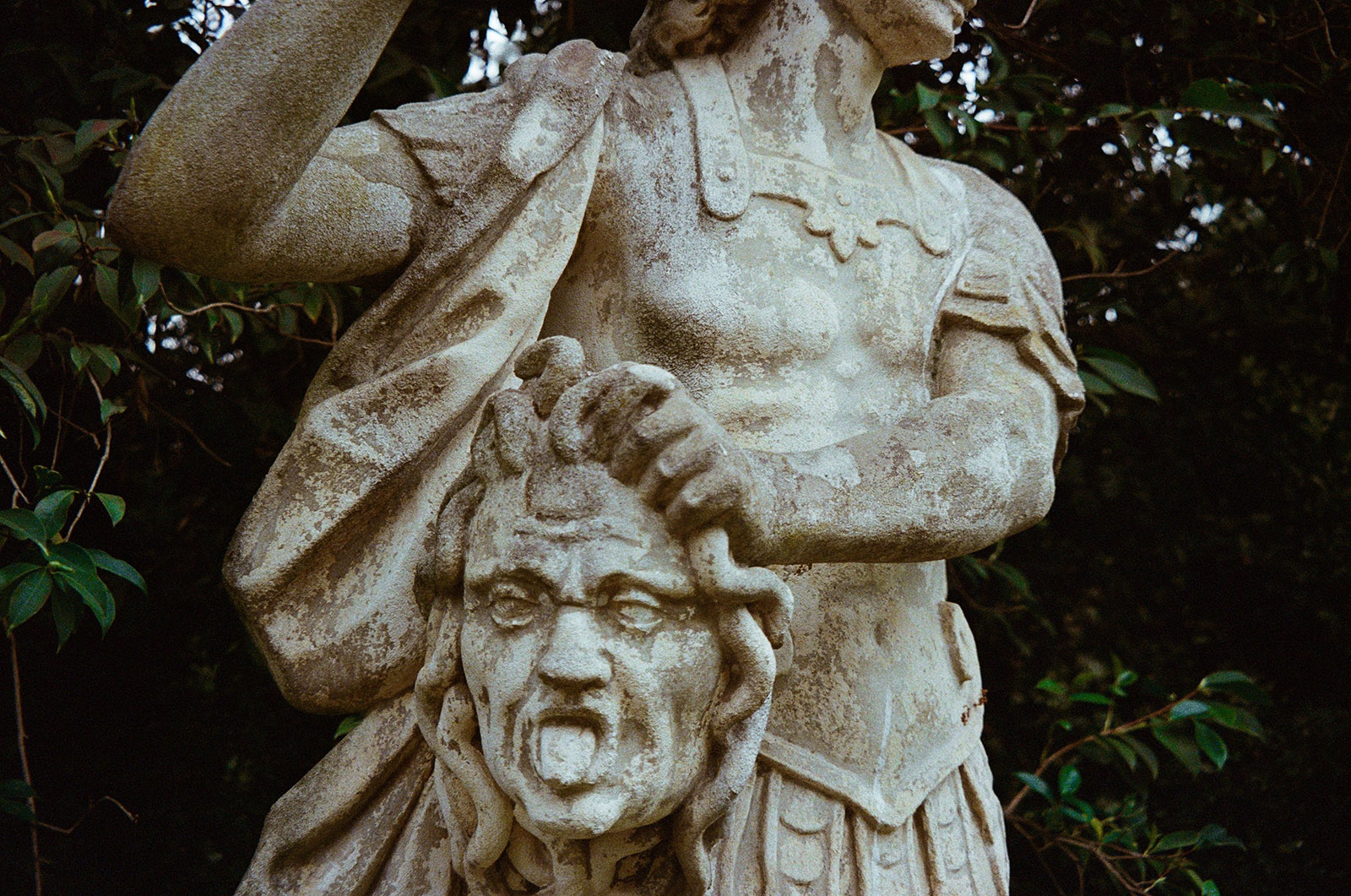
They form a poem of my inner life: one about impermanence, love, the language of nature, sound of the shutter. I have a deep longing to preserve what is fleeting in life, which is everything.
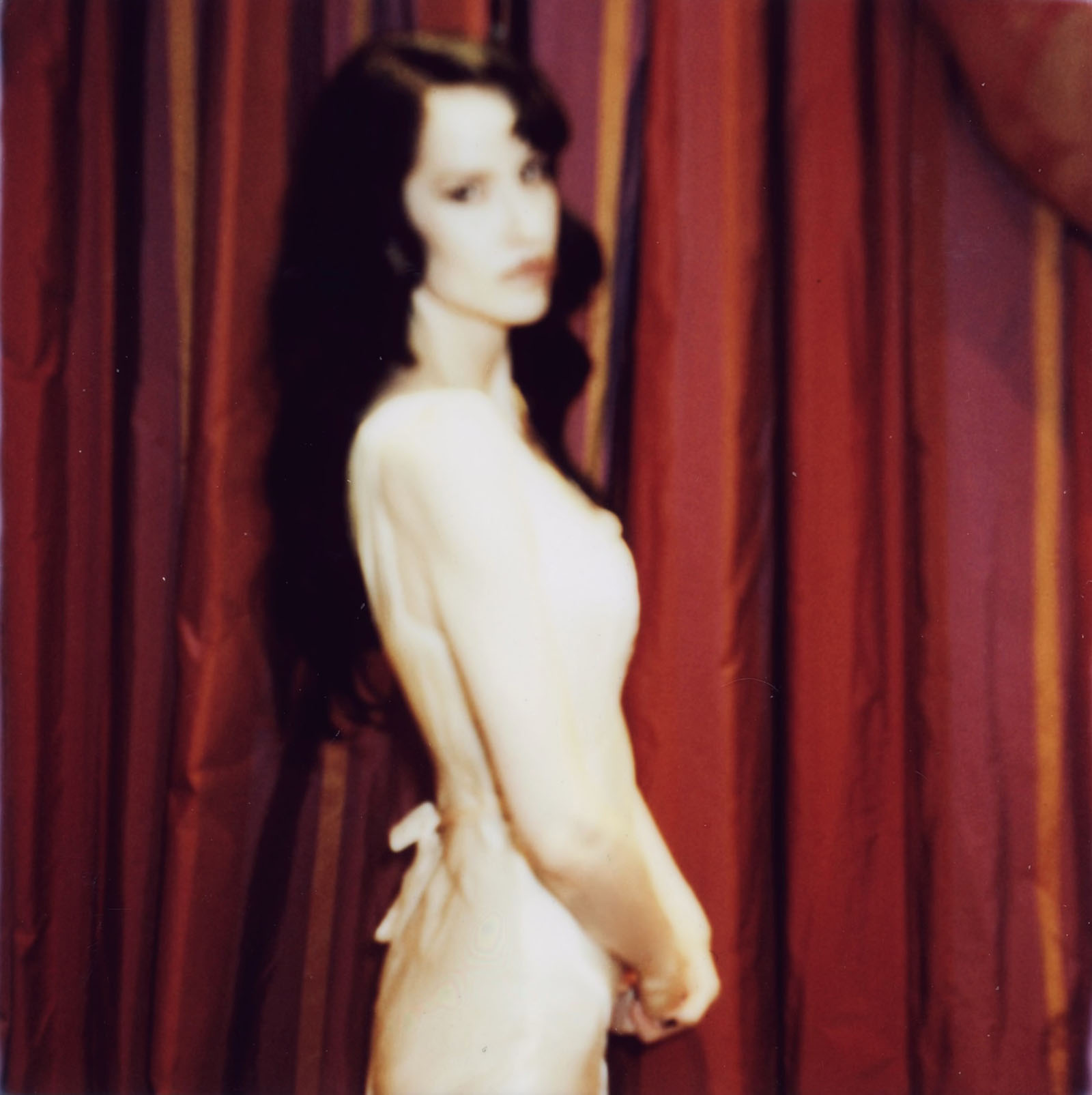
When you photograph people you love, do you feel you are trying to preserve them, understand them, or celebrate them? Or is it something different altogether?
When I photograph the people I love I am letting them speak for themselves through these small photographic moments.
When you look at a series of shots, what guides your selection process? Do you rely more on intuition, on emotional response, or on compositional criteria?
I like to view the photo sets as a whole, then select those which stand out most to me based on a sort of golden ratio composition, balance of light and shadow, overall tone.
What is the role of silence during your creative process? Do you prefer to photograph in quiet settings or in environments filled with sound?
I rarely have any sort of music playing during a shoot, unless it’s requested. There are many nuances to be found in near-silence.
Do you ever return to older photographs of yours to reinterpret them over time? If so, what have you discovered about the way your vision has evolved?
Because my work is a visual diary it is always changing and evolving, so while I do not necessarily go back, I can appreciate and reminisce on where I was before.
How do you navigate the tension between privacy and exposure when your work is rooted in intimate moments yet is sometimes published on your personal Instagram? How do you treat this digital space as an exhibition venue? Does the virtual presence of the viewer influence how you frame vulnerability?
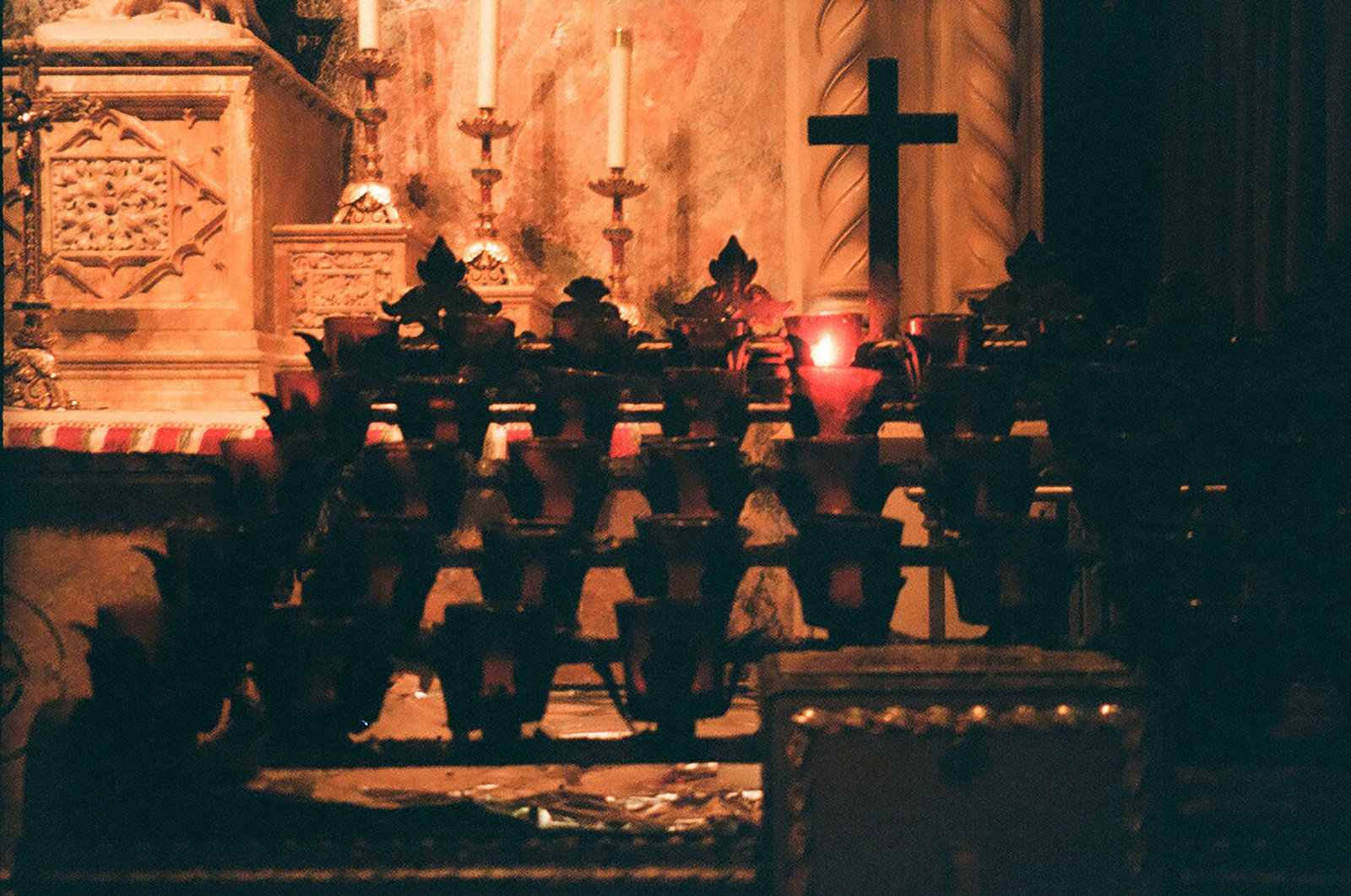
I think often of Clair-obscur, the balance of light and shadow, between what is for posterity and what is private, for myself.