Oleg Dou / Pale, bone-chilling and delicate

Russian artist Oleg Dou in a conversation with Maria Abramenko about his art, concept and future plans.

Pale, bone-chilling and delicate. Russian artist Oleg Dou in a conversation with Maria Abramenko about his art, concept and future plans.

What is your educational background and how did you begin your career as an artist?

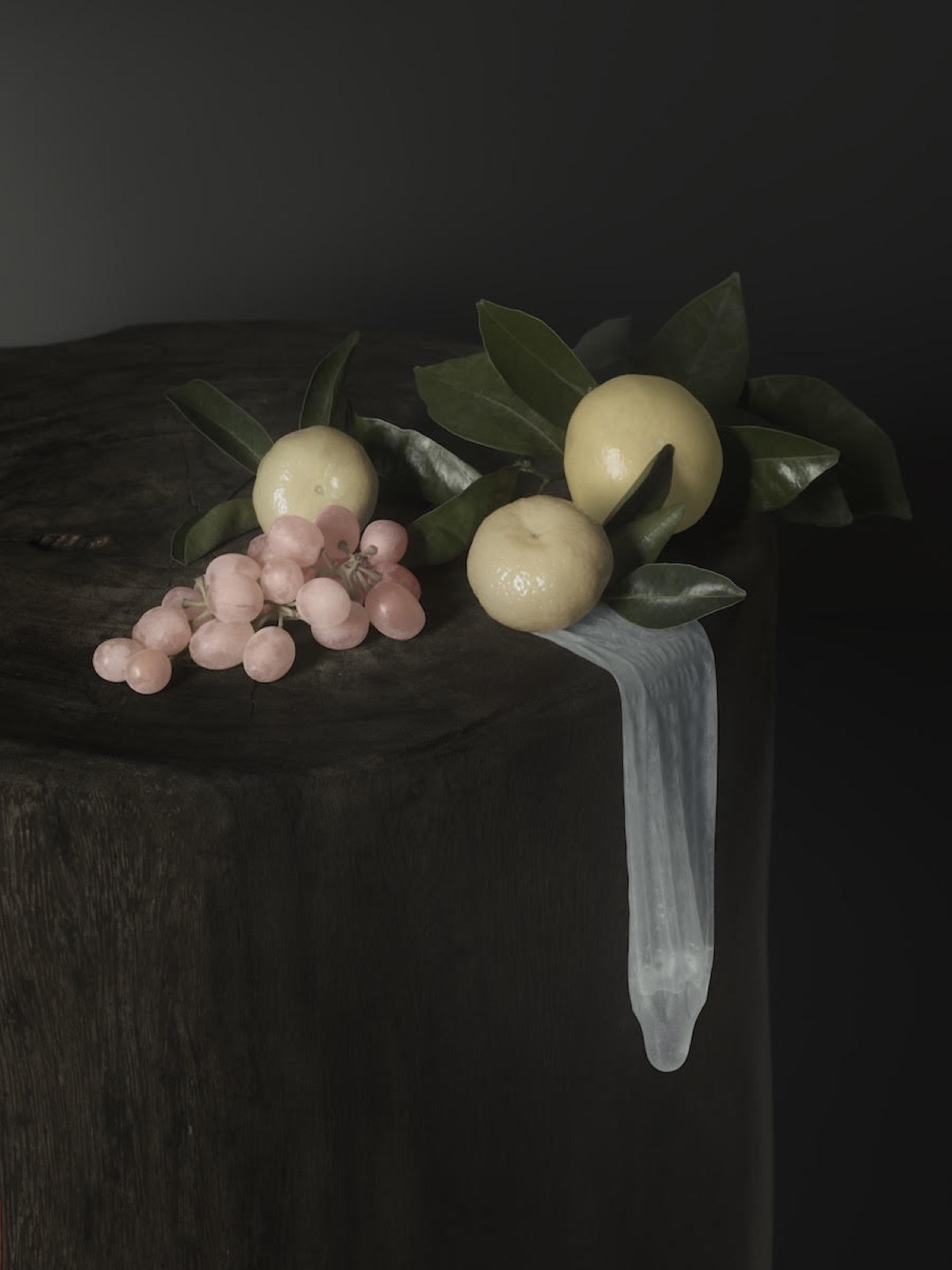
My mother used to be an artist when I was a kid. And I spent lot of time at her studio where she and other artists were creating. I was interested in art from that early times. Later I studied economy, but worked as a graphics designer. I do not have art education, and doing art started as my hobby. In 2005 I bought my first camera and started to do retouched photography. But I do not limit myself to any media, I also do porcelain, sculptures and video.

Can you tell us more about your technique?

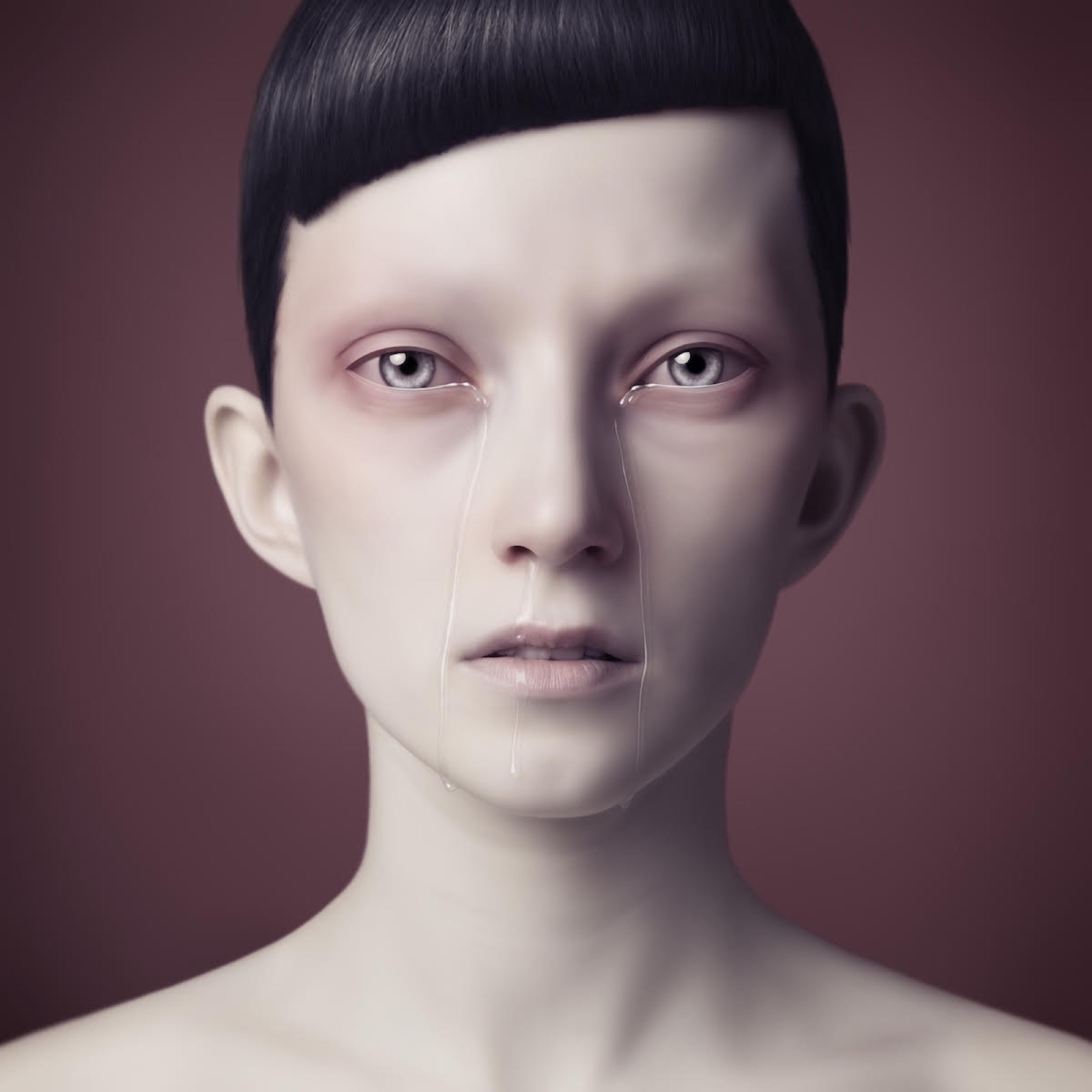
I had one friend with a pale face like in old paintings and I decided to take a shoot. She had no perfect skin and I wanted to retouch it like in a fashion magazine. When I started doing photography in 2005, I was not so good at Photoshop. I was searching the web for some tutorials and tried to retouch her face. But I couldn’t stop at the right moment and did too much retouch, so the skin looked unrealistic smooth and porcelain like. It was made by mistake, however the result was interesting and I developed this effect to my style.

What is your concept of beauty?

It is not easy to explain, but I think beauty is tightly connected to our attitude to the world. The connection of our consciousness with it is expressed exactly by aesthetics.

Can you tell us about your last solo show at Osnova Gallery in Moscow?

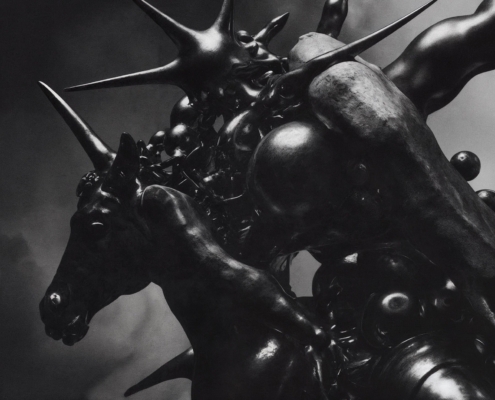
The show name was “Mutant”. I was working for three years to complete it. I was exploring the limits of aesthetics in images and surreal objects that were something between sculpture and furniture. In that case I was asking myself if there is an aesthetic ideal today, whether it is new or old and “resuscitated”.

What are you working on at the moment?

I have some ideas for the next show, but probably I’ll need a few years to complete. But I didn’t start any production yet. All I can tell you so far that it will be about temptation and innocence.

You may also like

One Sun / Alexander Wessely

Art&Culture | Interview
Alexander Wessely moves through sculpture, spatial installations, film and large-scale scenography with monolithic, ceremonial clarity and brutality. Light, body, architecture collide in spaces that feel almost ritualistic. He’s worked with The Weeknd, FKA Twigs, Grimes, Anyma, Arca. Shown at the Royal Dramatic Theatre, Konserthuset. Played with scale at Sphere in Las Vegas and at Madison Square Garden. He was the creative mind behind the 2025 Nobel Prize Ceremony, tracing light from the first spark of dawn. Stark. Precise. Brutal, if you want to call it that. And it works. Every single time. Leaves you altered, mesmerized, lingering, unsettling, like a forgotten memory that presses against the skin of the mind. In this conversation for NASTY, he reflects on perception as constructed, solitude as focus and why meaning in a world of infinite simulation only appears through limits.

Nasty Top 10 2025 / A Must-See List of Art Moments

Art&Culture | Spotlight
We have reached the end of another year, and Nasty Magazine returns with a customary compilation selected by our Art Editor, Maria Abramenko, of unmissable exhibitions of 2025. A collection of projects, initiatives, and cultural acts that too often went unnoticed because they disturb, because they refuse to bow to the logic of the ordinary.

Love Will Tear Us Apart / Ben Frost

Art&Culture | Spotlight
In October 2025, Istanbul ‘74 presented Love Will Tear Us Apart, a new site-specific installation by Ben Frost that transforms a pair of adjoining rooms into a sound study of fractured communication. Using battered foldback monitors salvaged from years of stage use, Frost creates a sonic environment where signals drift, collide and dissolve across a physical divide. The work examines how individuals strain to reach one another, how intimacy is shaped by misalignment, and how even damaged instruments can carry the residue of longing.