Despite the supposed sexual liberation of the 1960s, our sexuality has never been so determined, so filtered, by external forces. We are not living in a completely free and judgment-free condition, but rather within controlled and dilated constraints. Our material body is never fully under our own manipulation; it is an instrument constantly instructed on how to expose itself, when, how, and in what way. “Sexual politics is never purely about personal freedom or individual expression, but always about how those desires are shaped and channelled by political forces” (Žižek, Slavoj).
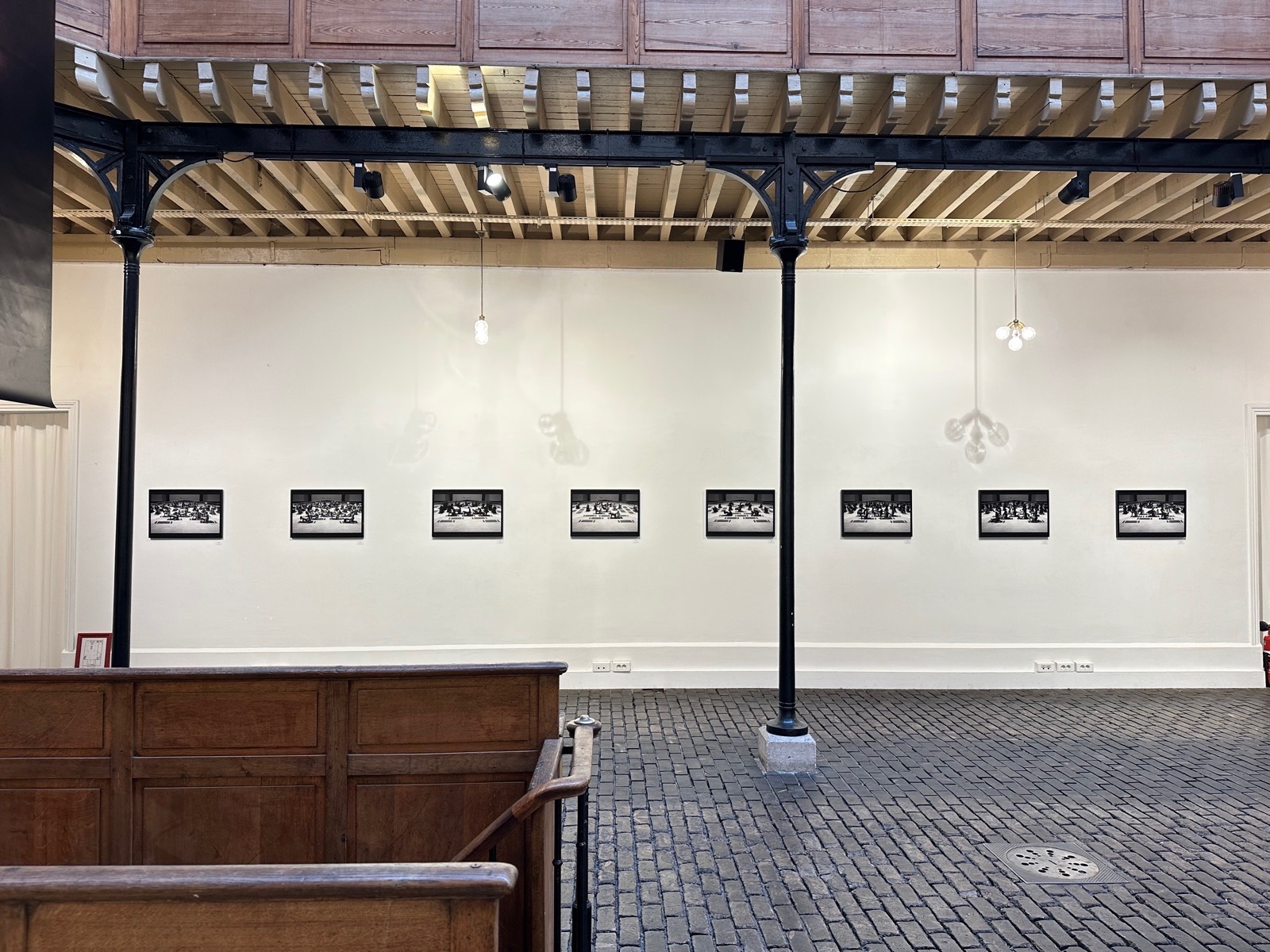
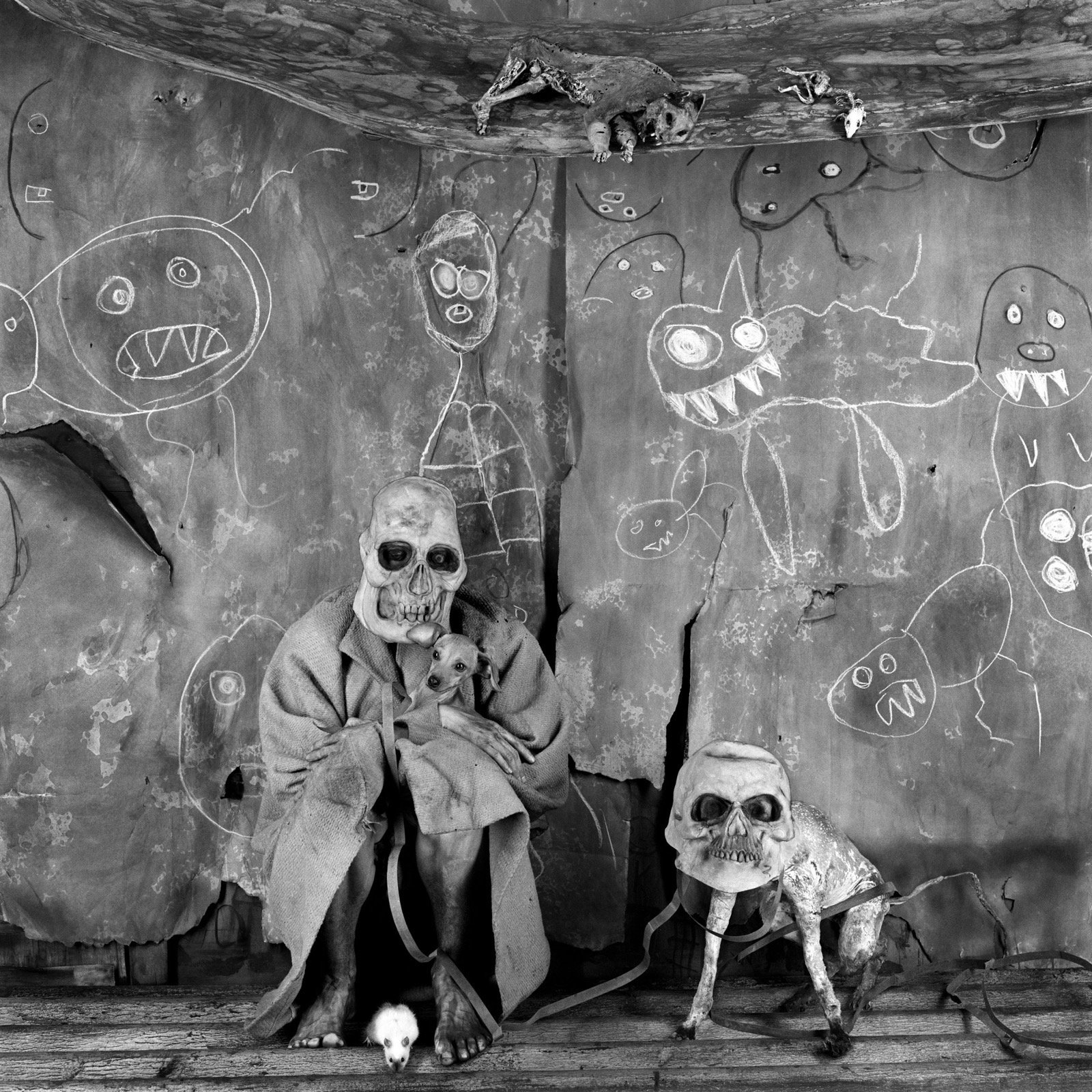
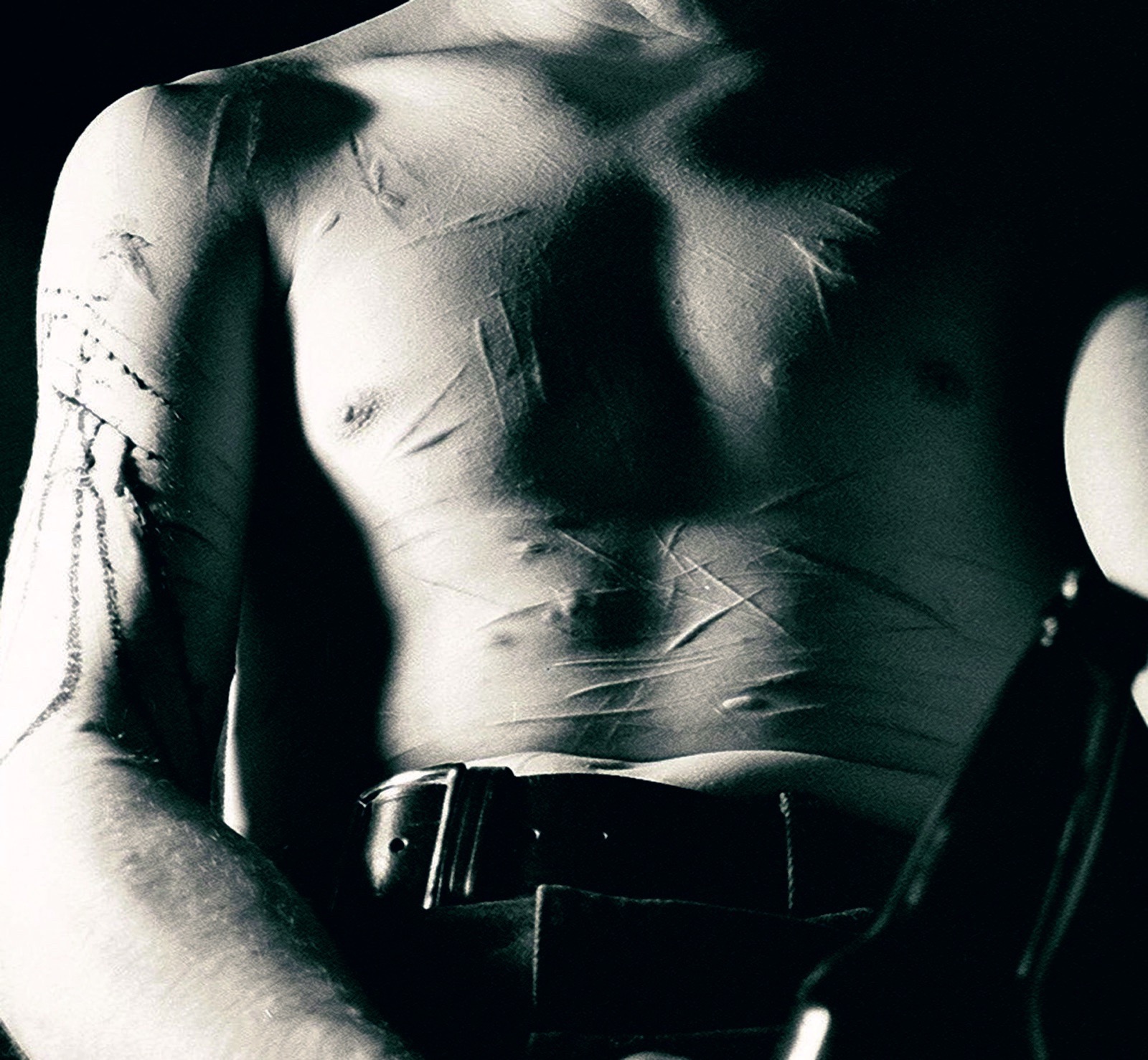
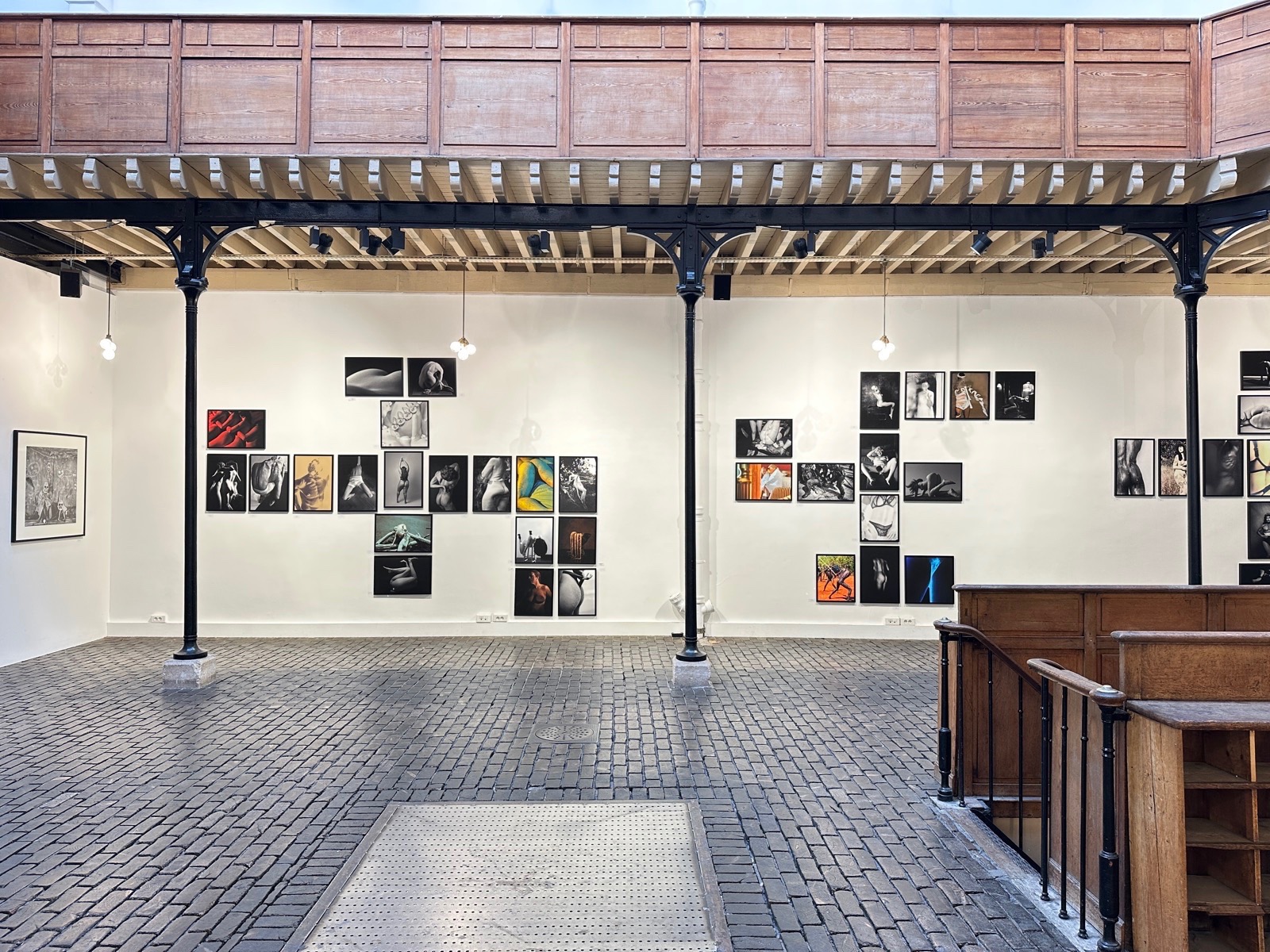
But we do not possess only a flesh-and-skin envelope: we also hold a blank page on which we can write our ideologies, impose our thoughts, and show the external world our idea of art and creativity, standing against the injustices that attempt to mute our voice. Delving into the curatorial approach, the works climb the walls of the building in a heterogeneous balance of shapes and shadows. Three floors unfold into multiple rooms and hidden corners, where every element is governed by a precise tension: the collision between the intimacy of home and the raw exposure of the outside world.
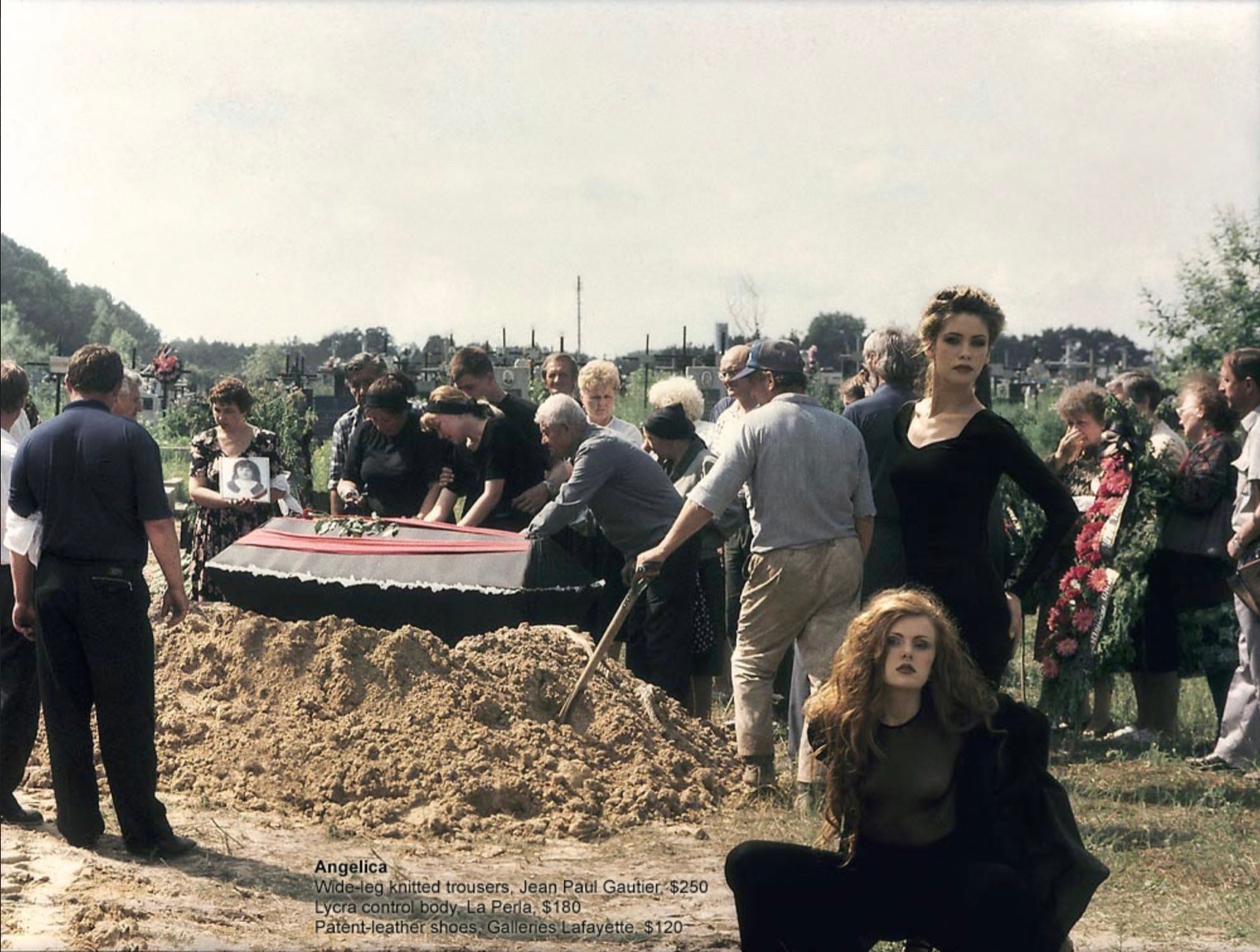
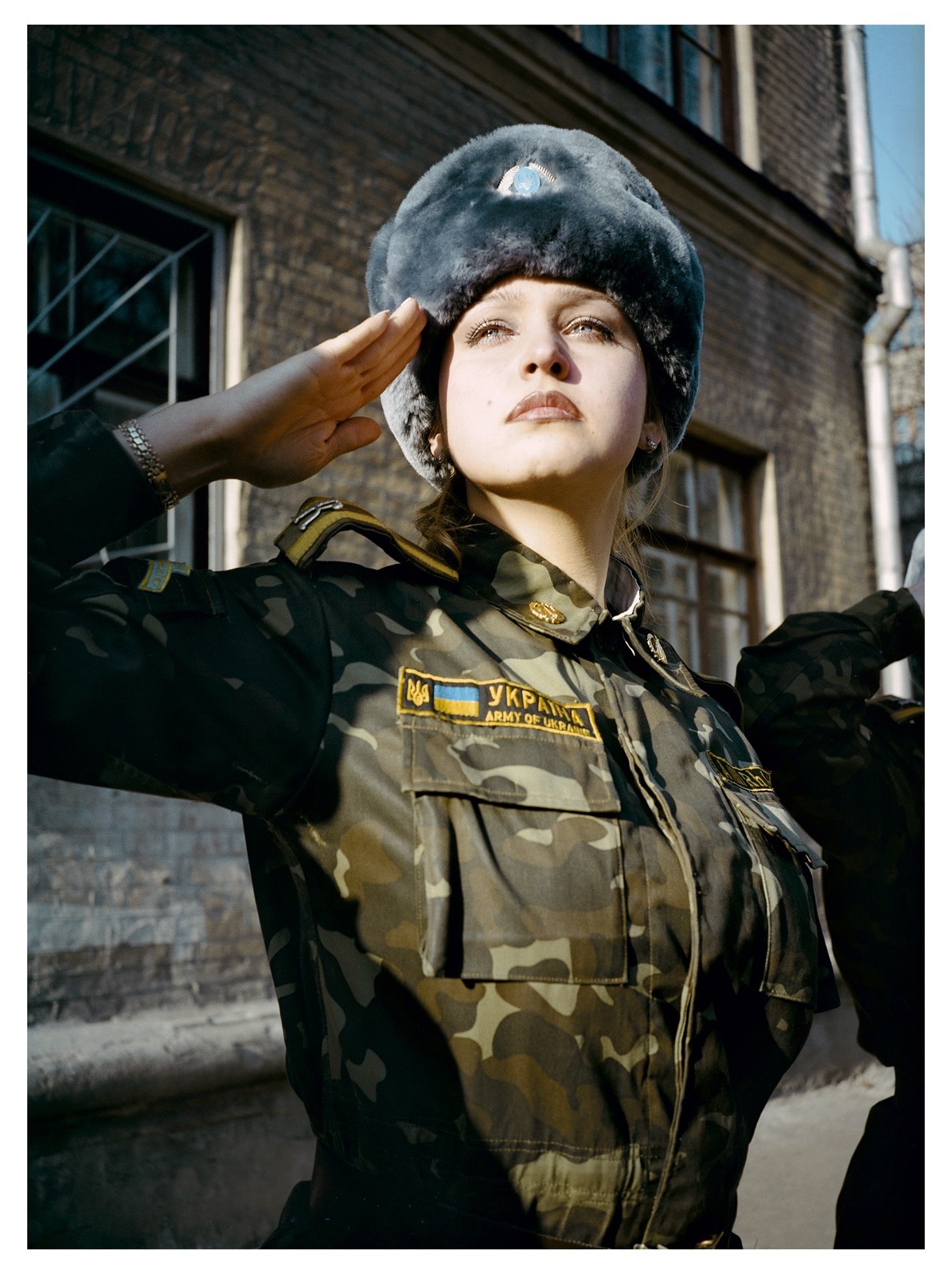
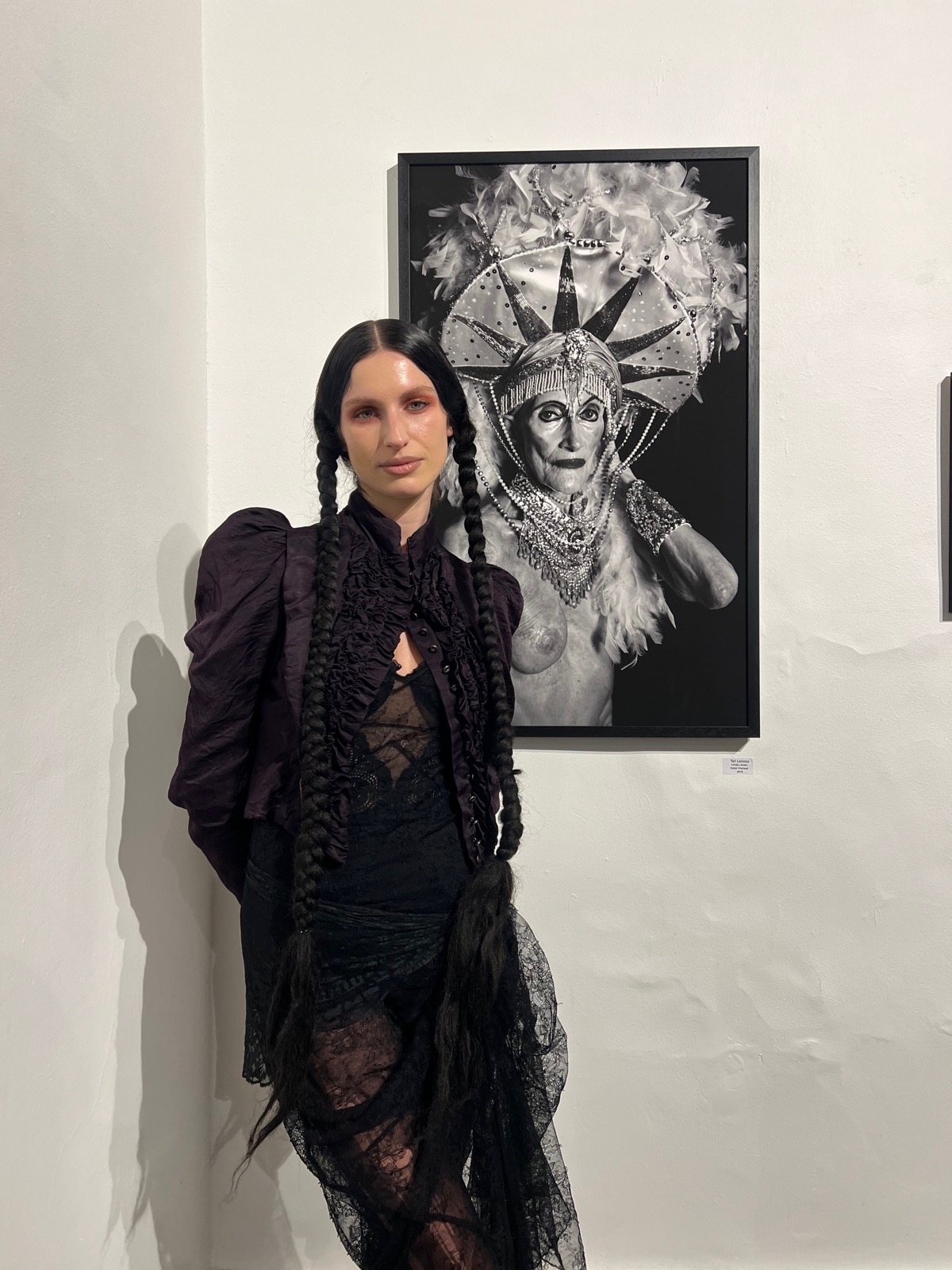
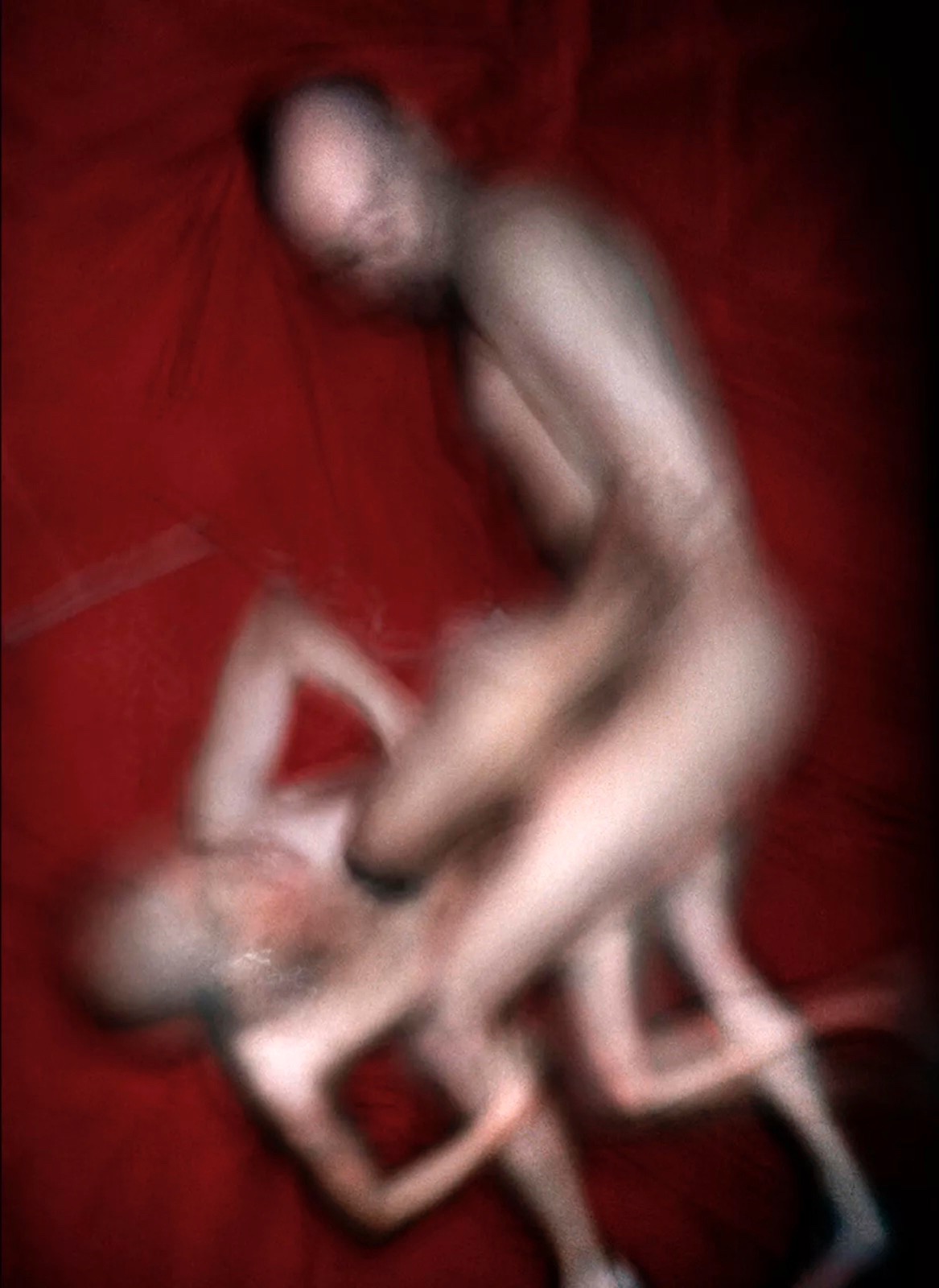
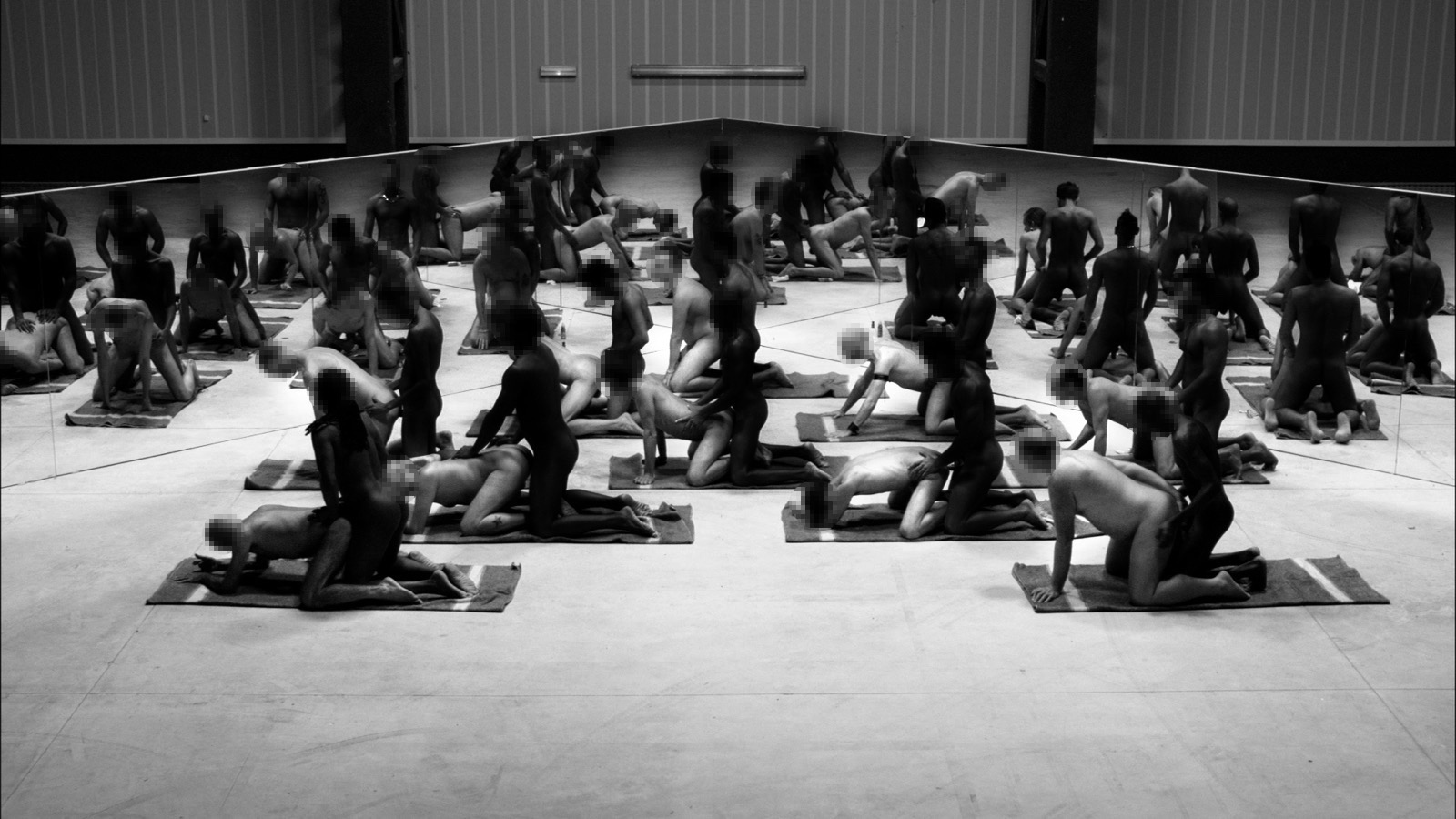
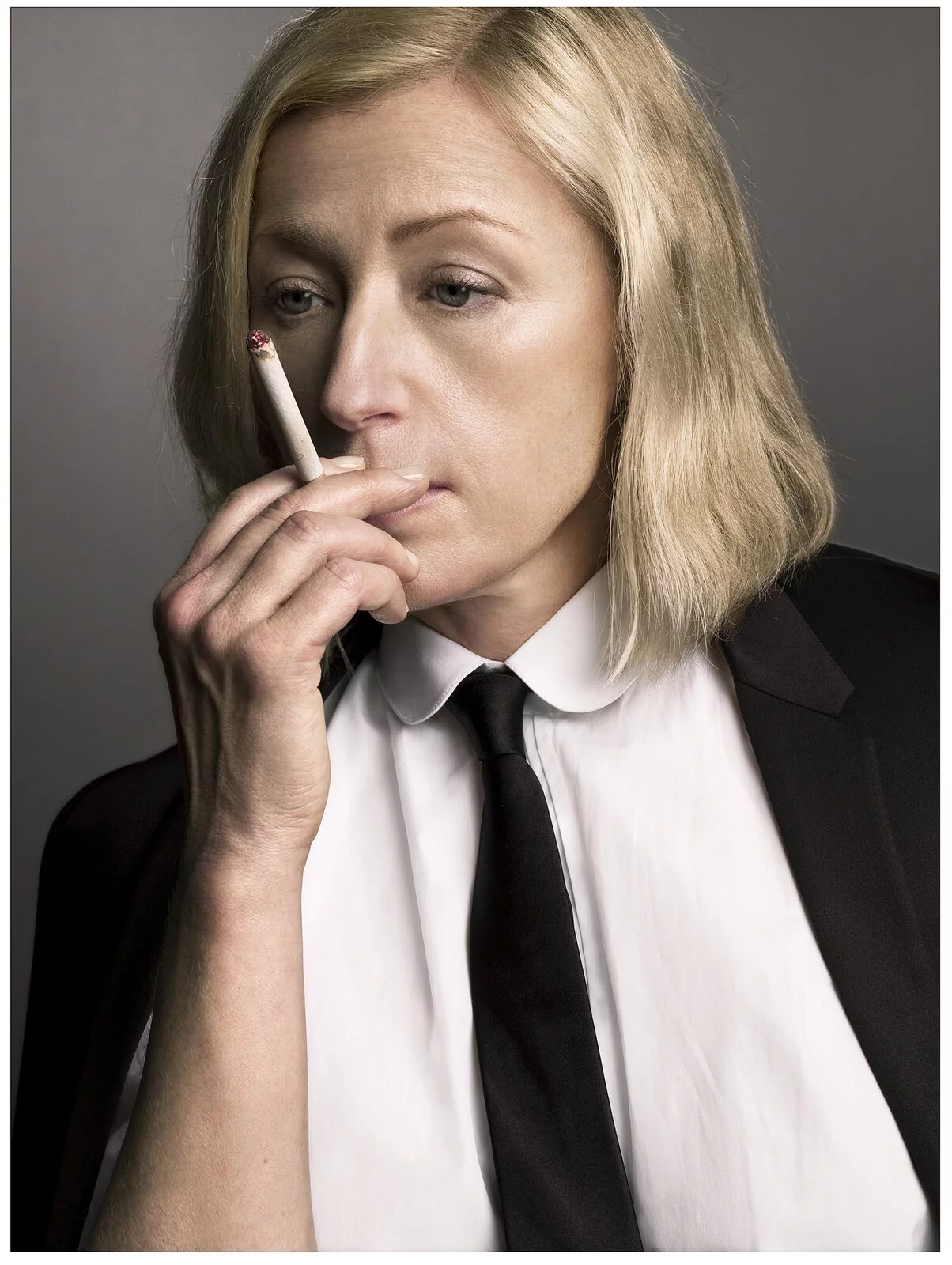
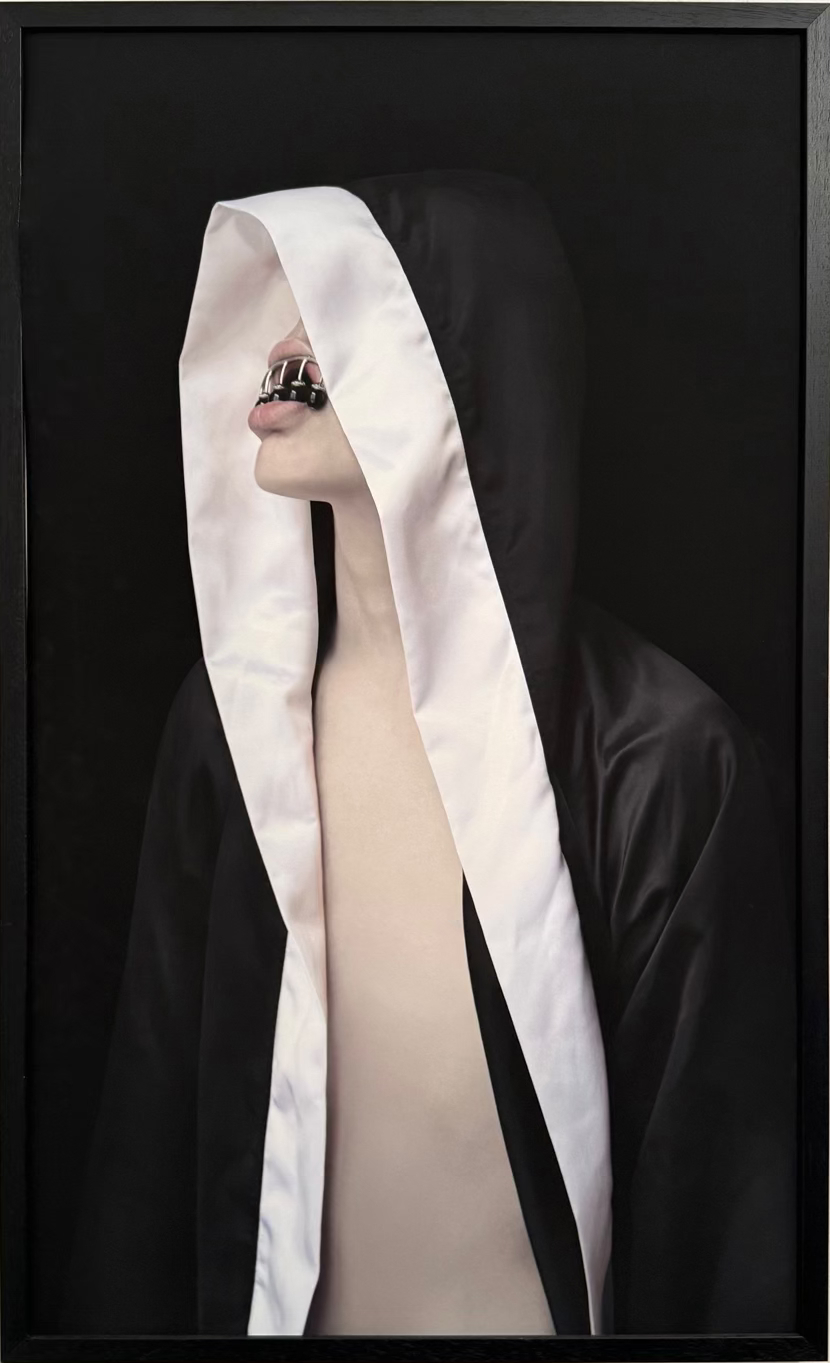
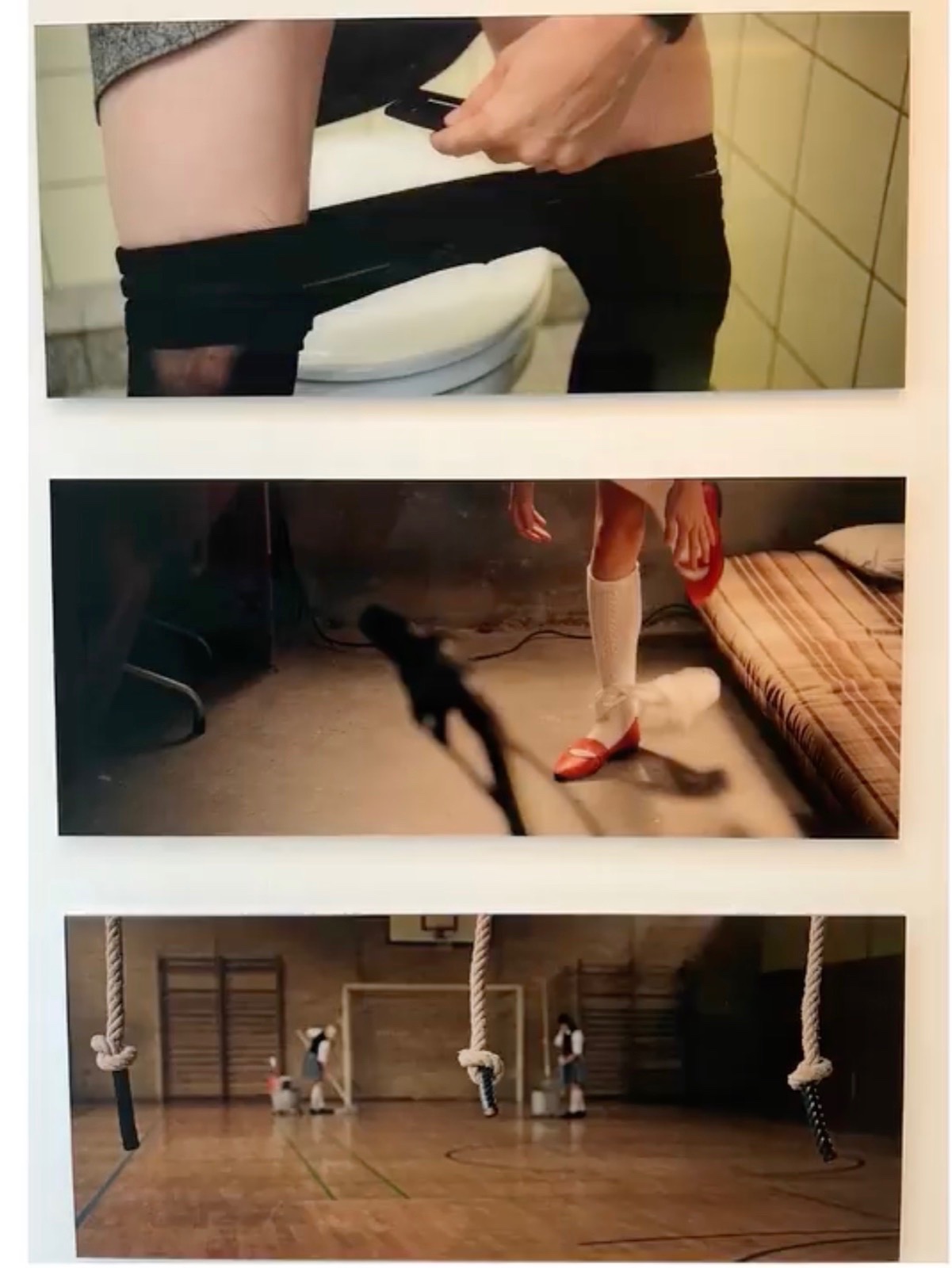
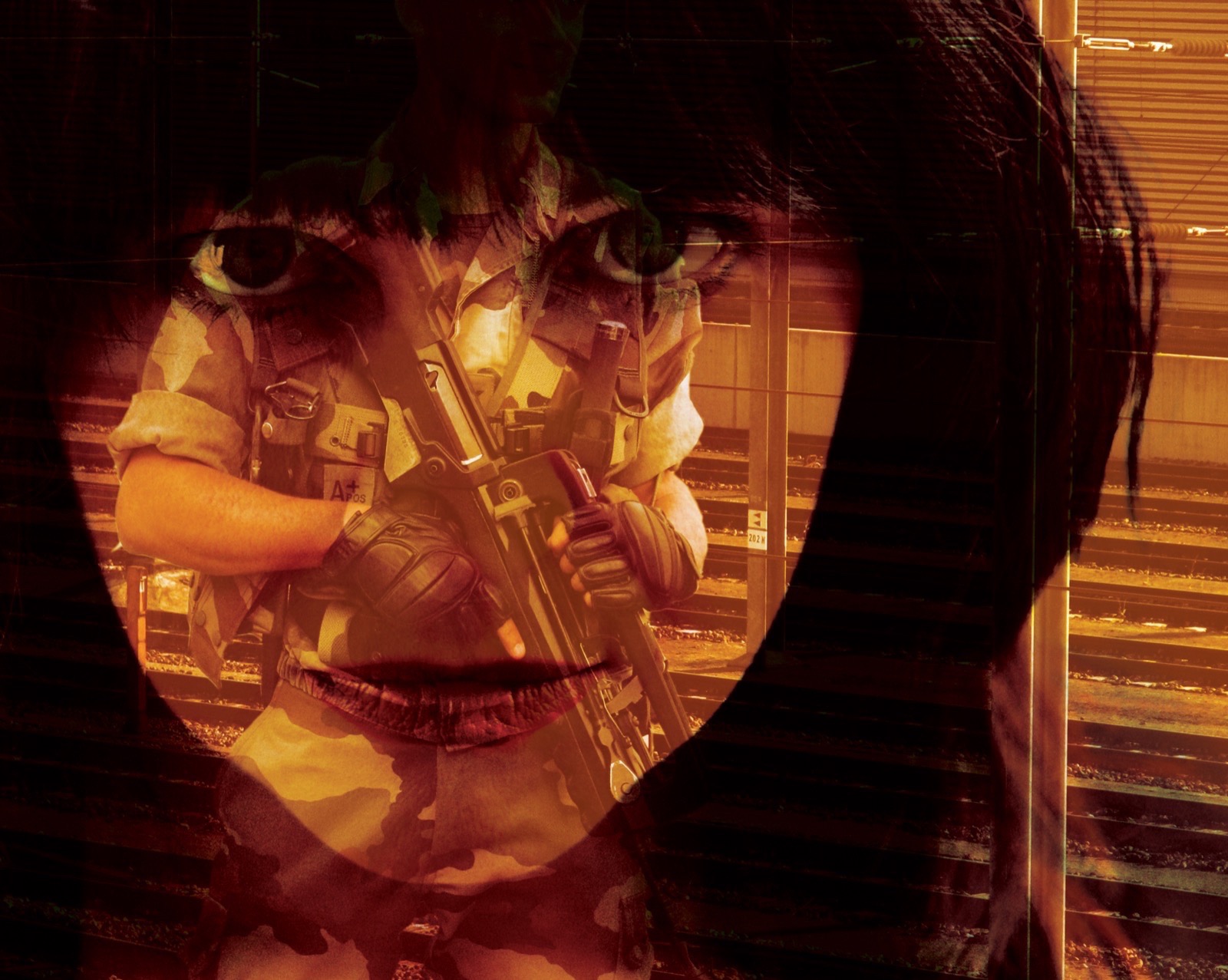
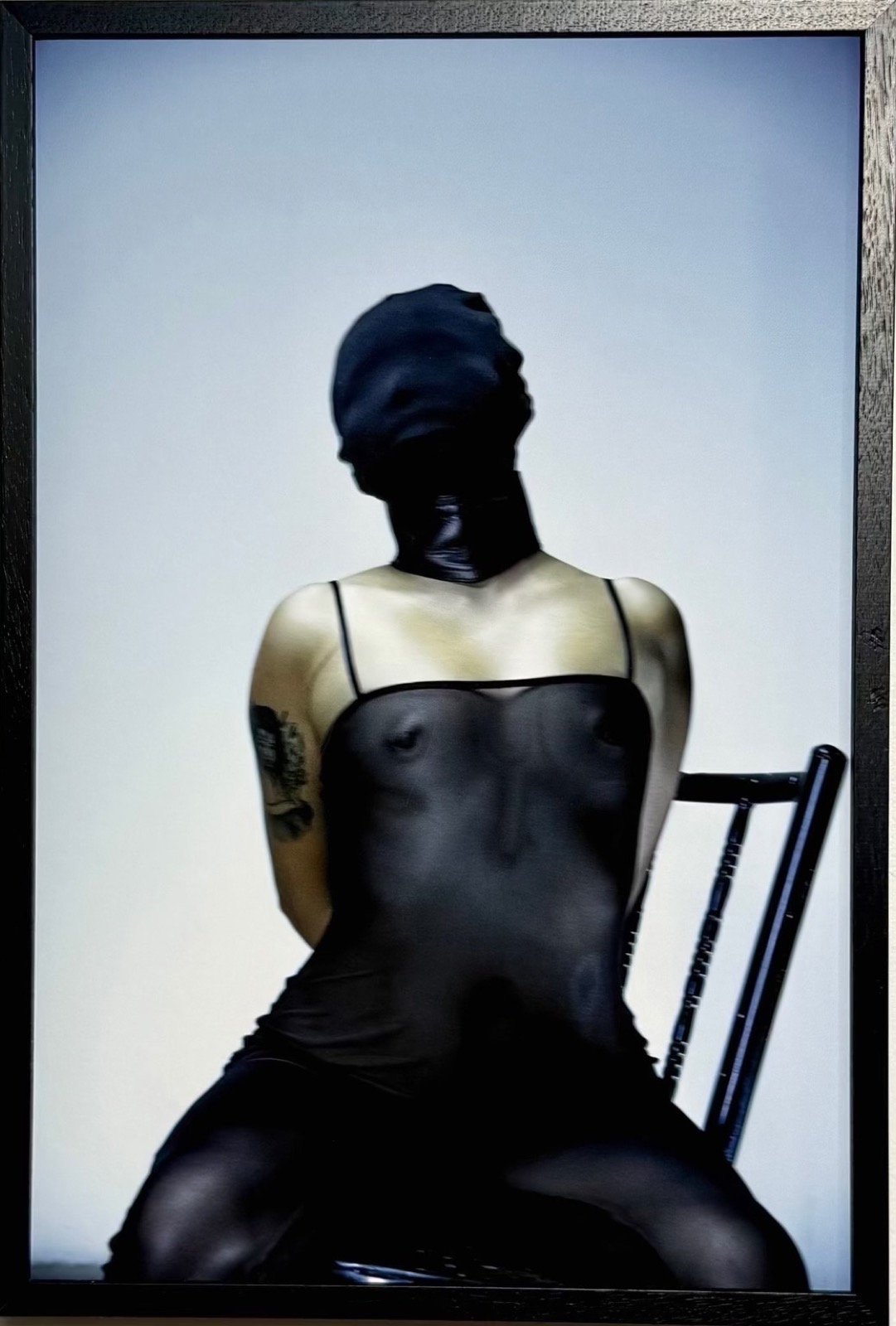
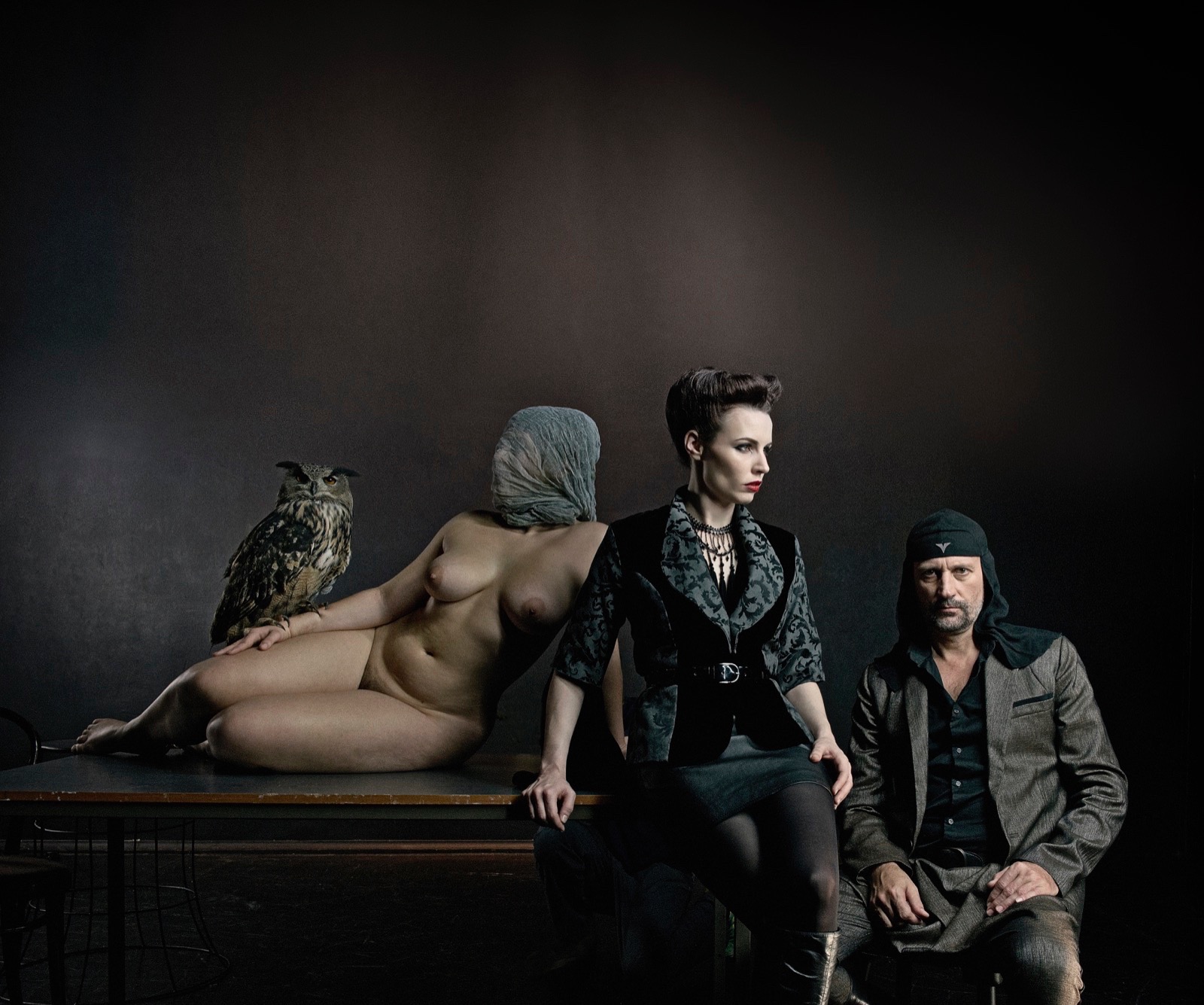
The exhibition does not simply occupy the space, it infiltrates it, inhabits it, unsettling the viewer at every turn. Through different photographic languages and aesthetic strategies, ranging from framed works to large-scale prints, from sharp black-and-white contrasts to picturesque and colourful ruptures, each artist articulates a personal reading of the fragile, volatile relationship between bodily exposure and the social and political structures that shape, restrain, or distort it. What we face is not a mere reflection on the intimate and erotic sphere, but a loud call to action, a correlated force and response, where imposed domination provokes activism