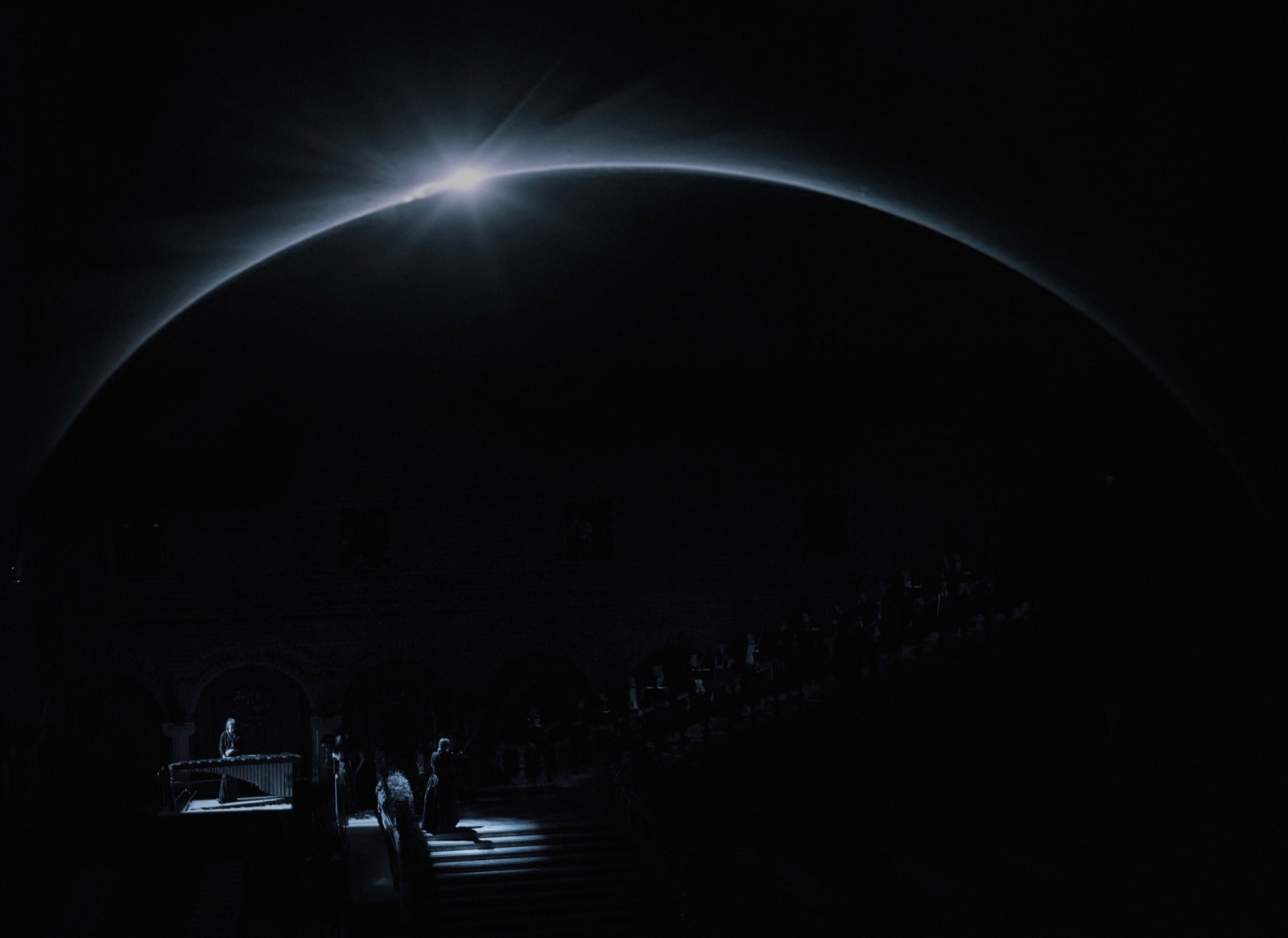
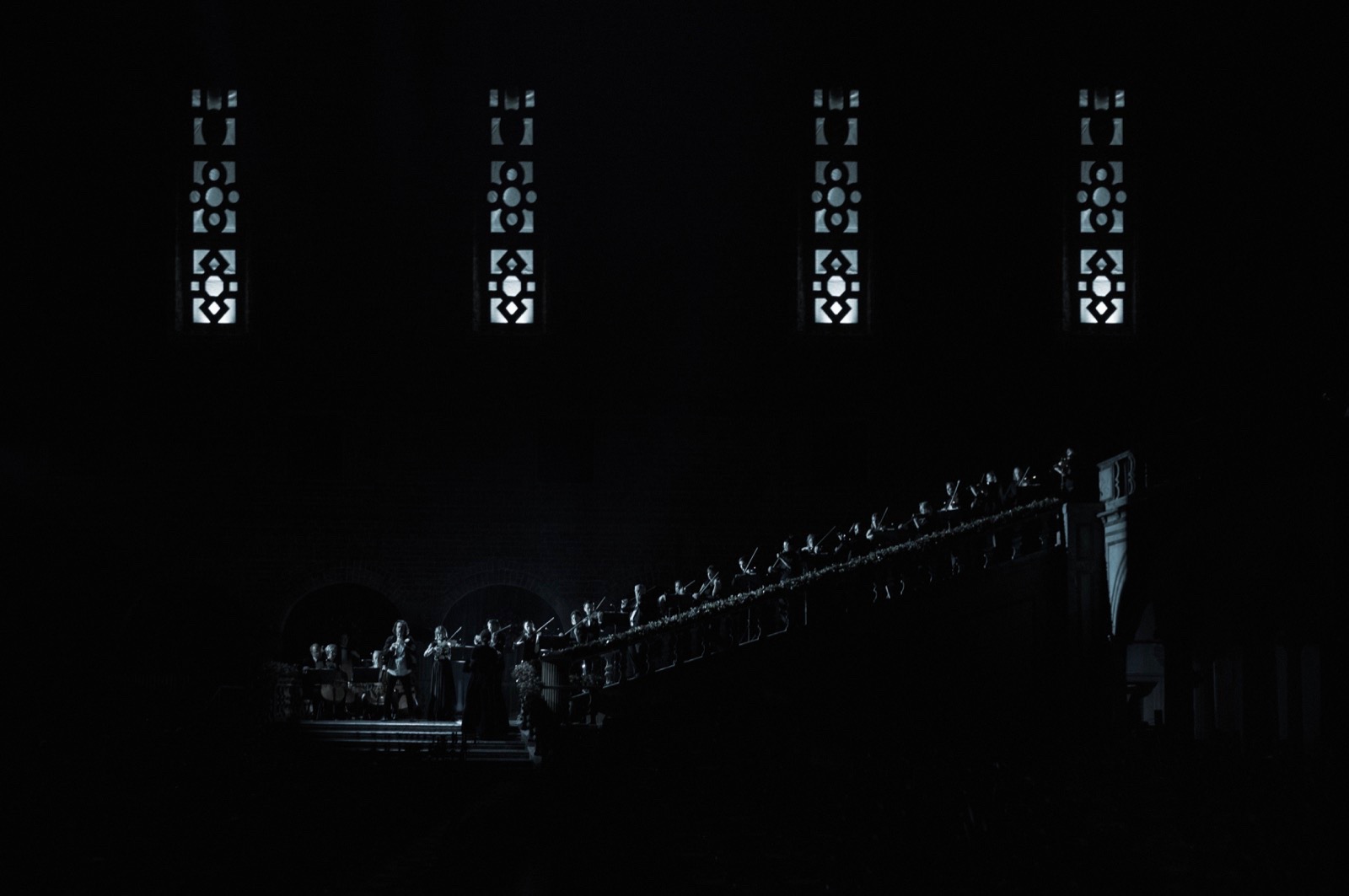
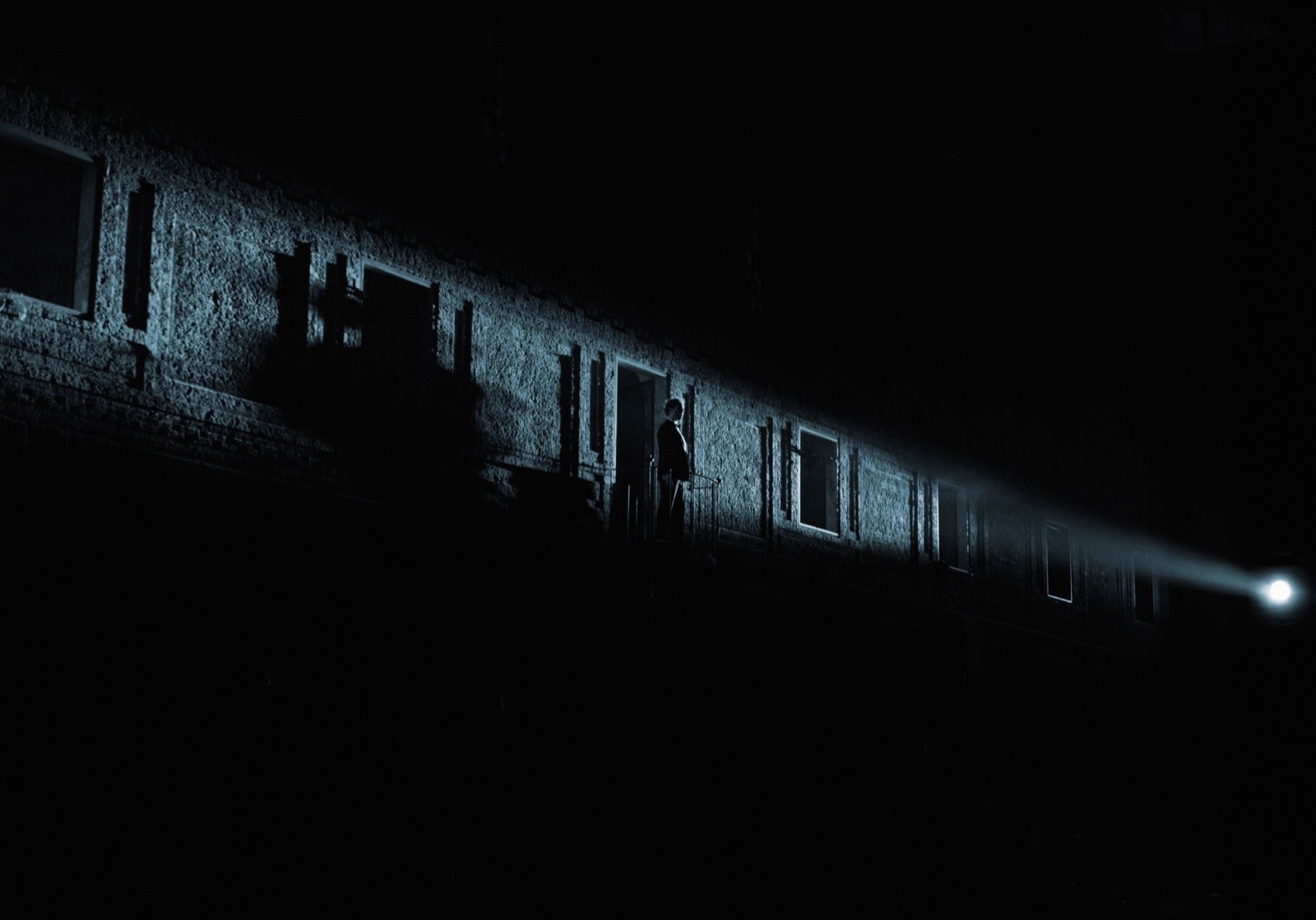
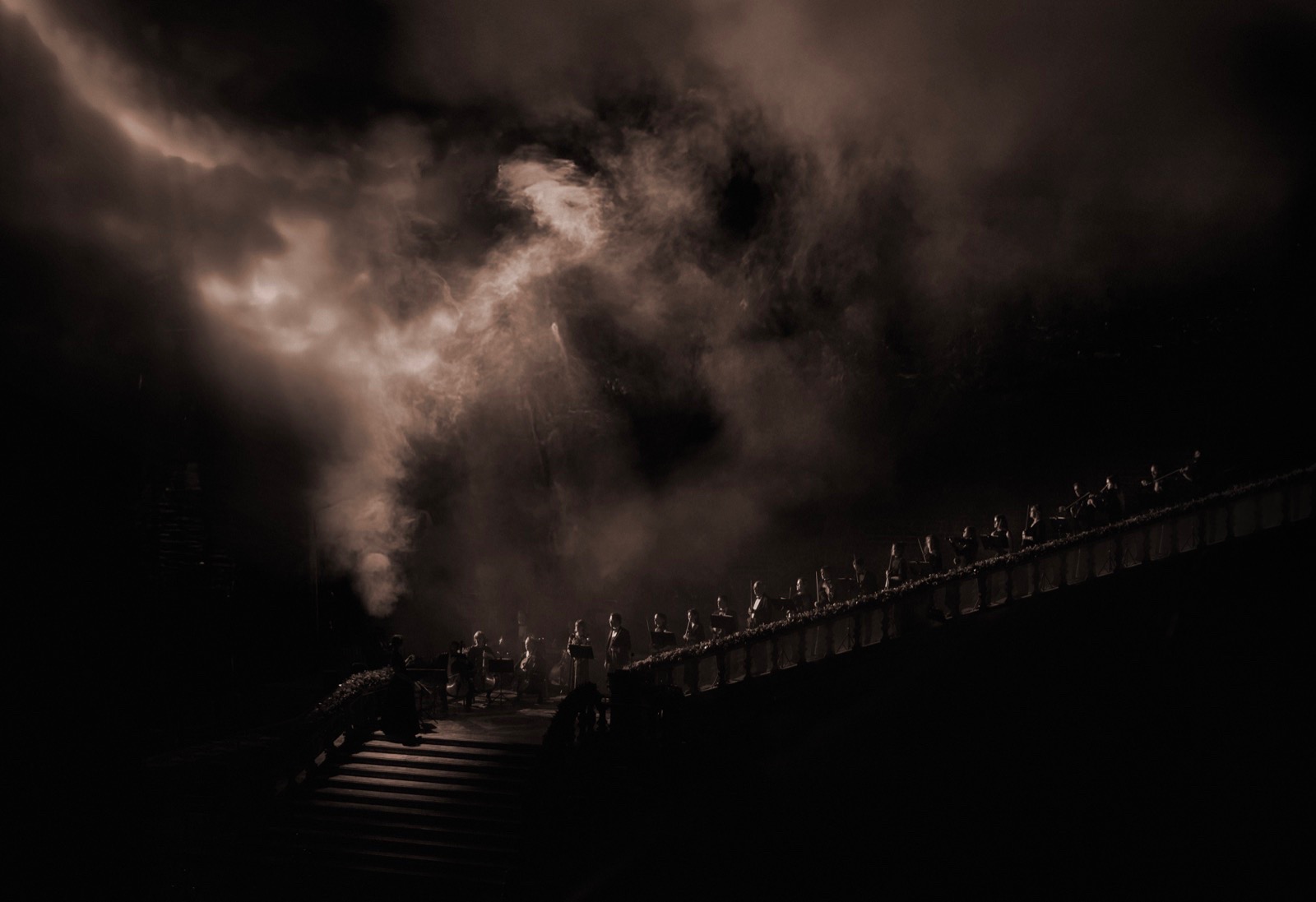
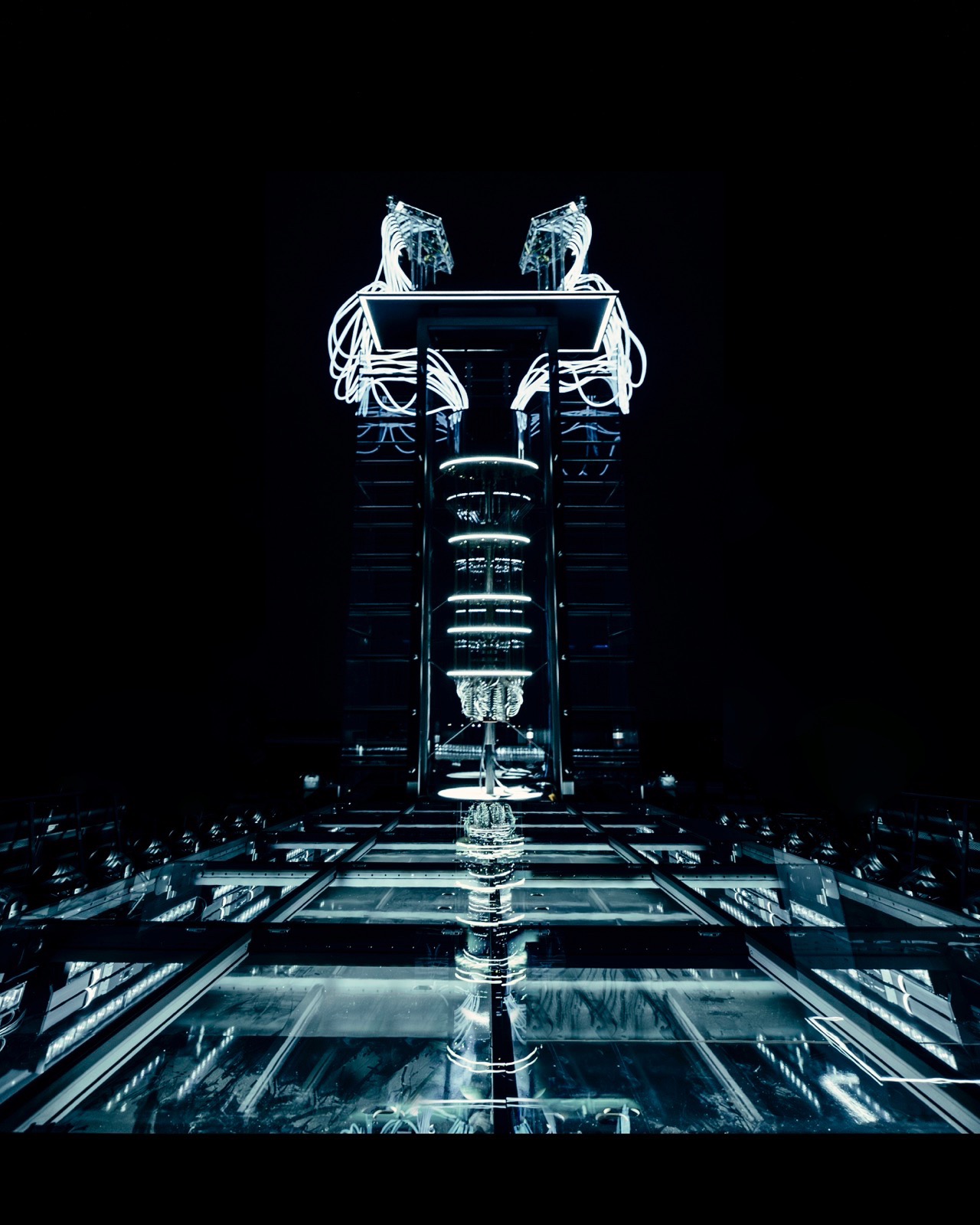
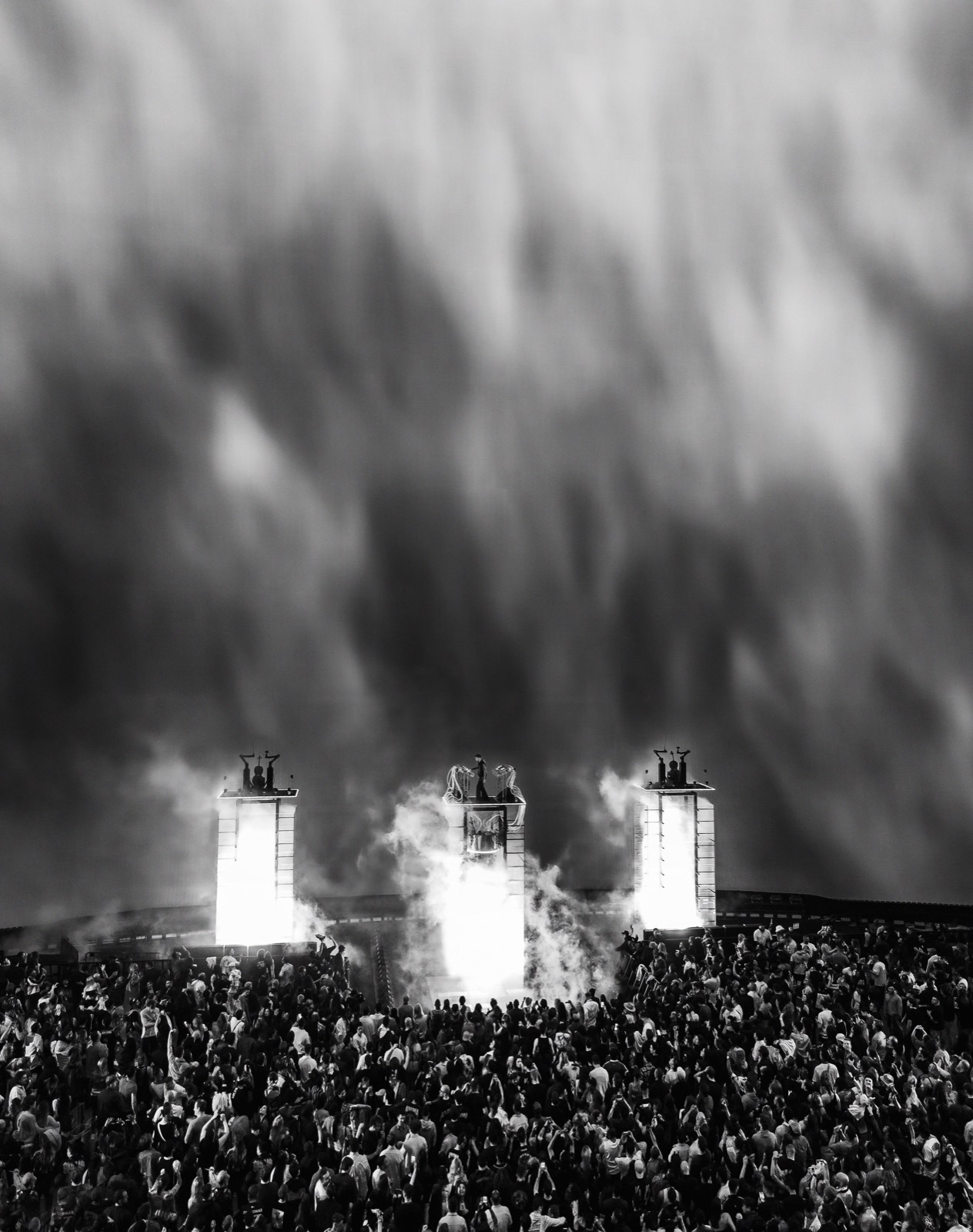
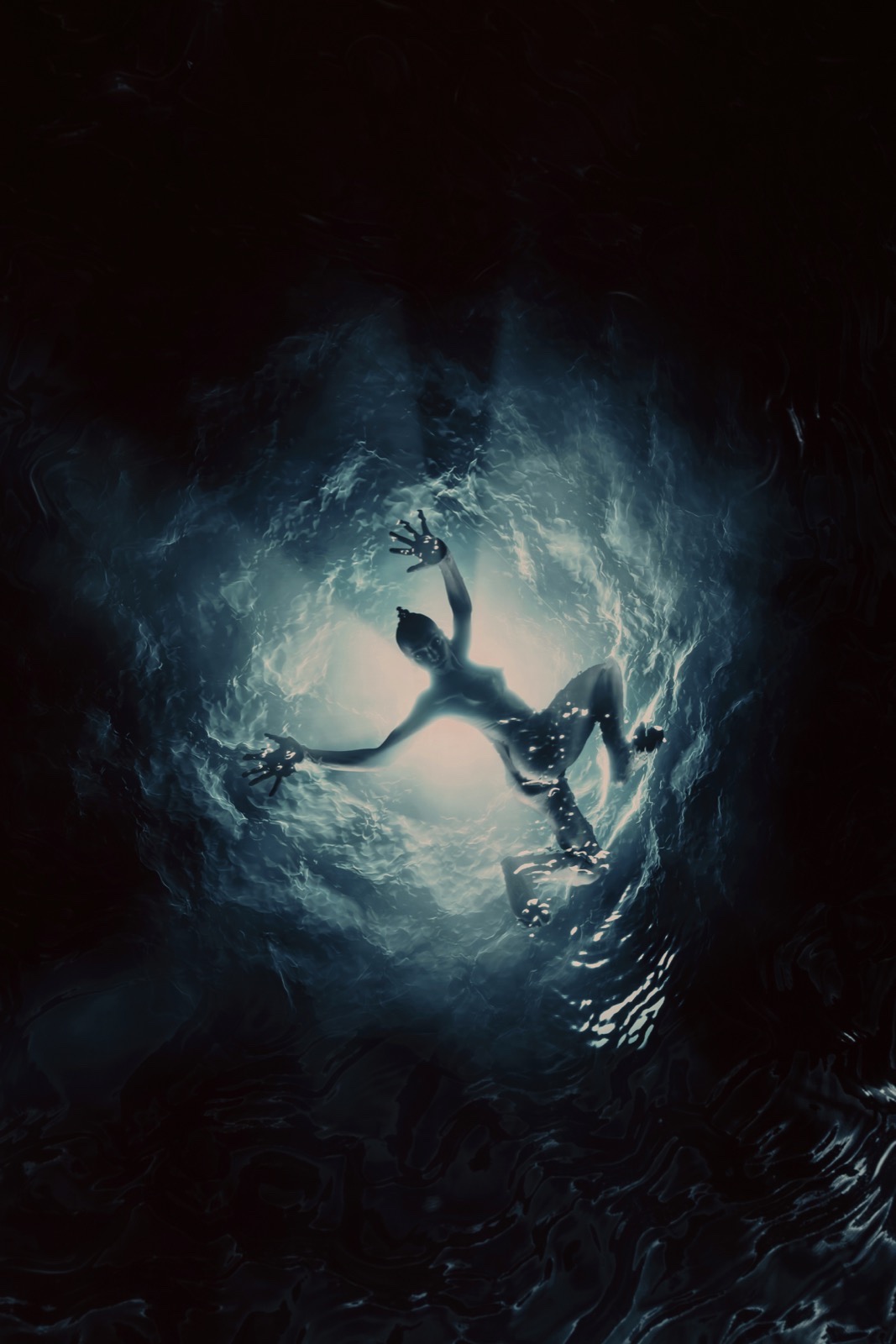
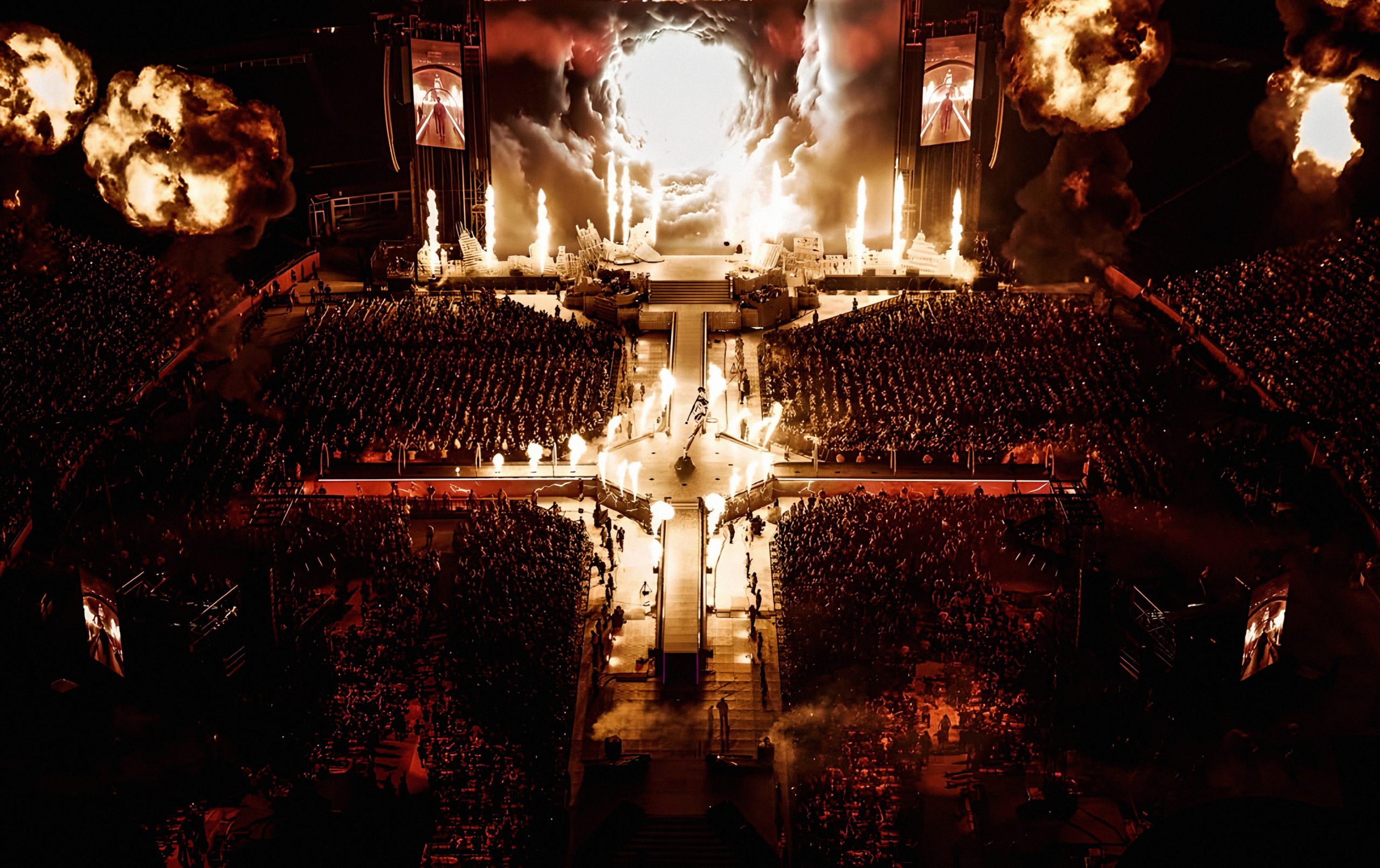
The 2025 Nobel Prize ceremony, under his direction, became a journey of light, sound and space. For the first time, the world’s most revered event felt like a living artwork, where music, architecture and illumination collided. For Wessely, light isn’t explanation, it’s restraint. Between digital realms and physical stages, it moves like a temporal, ethical force, revealing and withholding in equal measure.
You’ve described light as both a physical presence and a metaphor for knowledge in the Nobel project. Practically speaking, how do you translate an abstract intellectual value like “knowledge” into a tangible, timed choreography of light & space?
I never try to translate “knowledge” directly. Knowledge, for me, is not information. It is awareness. Practically, that means working with time, restraint, and sequencing. Light doesn’t explain anything. It reveals something slowly. By withholding light, delaying it, allowing it to arrive in stages, it becomes something you enter rather than consume. Knowledge appears not as clarity, but as presence.
Together with composer Jacob Muhlrad, you traced the evolution of light from the first spark of dawn for the Nobel Prize Ceremony held last December in Stockholm. The piece unfolded in three acts—Dawn, The Monolith, The Pulse—moving from natural to digital light. Can you map the philosophical or scientific references that inspired this arc?
The arc mirrors both human history and scientific progression. Dawn refers to natural light, the sun as our first reference point, biological and shared. The Monolith marks the moment where light becomes constructed, ideological, symbolic, something we design and worship. The Pulse reflects our current state. Light as data, rhythm, signal. It’s less about technology than about how perception accelerates and fragments over time.
The Nobel banquet is rooted in tradition. What boundaries did you feel compelled to respect, and where did you allow yourself to disrupt or reimagine the ceremony?
The boundaries were architectural, ceremonial, and temporal. The room, the tradition, the choreography of the evening. I didn’t want to disrupt those. I wanted to listen to them. The reimagining happens quietly, in how light behaves rather than how it looks. By shifting emphasis, by allowing darkness, by slowing moments that are usually decorative, the ceremony opens rather than breaks.
There is a recurring motif of the individual emerging into light, a solitary figure, a soloist. In an era defined by networks and digital multiplicity, what does solitude mean to you? Is isolation a method, a subject, or a symptom?
Solitude is not isolation. It is concentration. In a networked world, solitude becomes radical because it resists constant exchange. The solitary figure in light is a reminder that experience ultimately collapses into a single body. Even the most collective rituals are entered alone. For me, solitude is both a method and a subject. A way to regain scale.
When a photographer taught you that light could sculpt form, you described it as a moment when an entire world opened. Looking back, what actually changed in you, was it a technical awakening, a spiritual shift, or the realization that perception itself could be engineered?
It wasn’t technical. It was existential.Realizing that light could sculpt form meant realizing that perception itself is constructed. That what we experience as reality is already mediated, by light, by angle, by timing. That realization never left me. Everything since has been about shaping perception responsibly.
You often say “there is never more than one sun” and treat light as a sculptural tool. How has this early revelation shaped the way you build meaning, especially now that digital light can technically multiply the sun infinitely?
“There is never more than one sun” is about hierarchy and restraint. Even if digital light allows infinite multiplication, meaning collapses without a primary source. A single light establishes gravity, direction, consequence. Multiple suns create spectacle. One sun creates belief. That principle still governs how I work.
As your projects have grown in scale and complexity, have you ever felt tempted to abandon this idea of the single light source?
Of course. Scale tempts excess. But every time I abandon the single source, the work loses its spine. Complexity doesn’t come from quantity. It comes from tension. I return to one light not out of nostalgia, but because it remains the strongest structure.
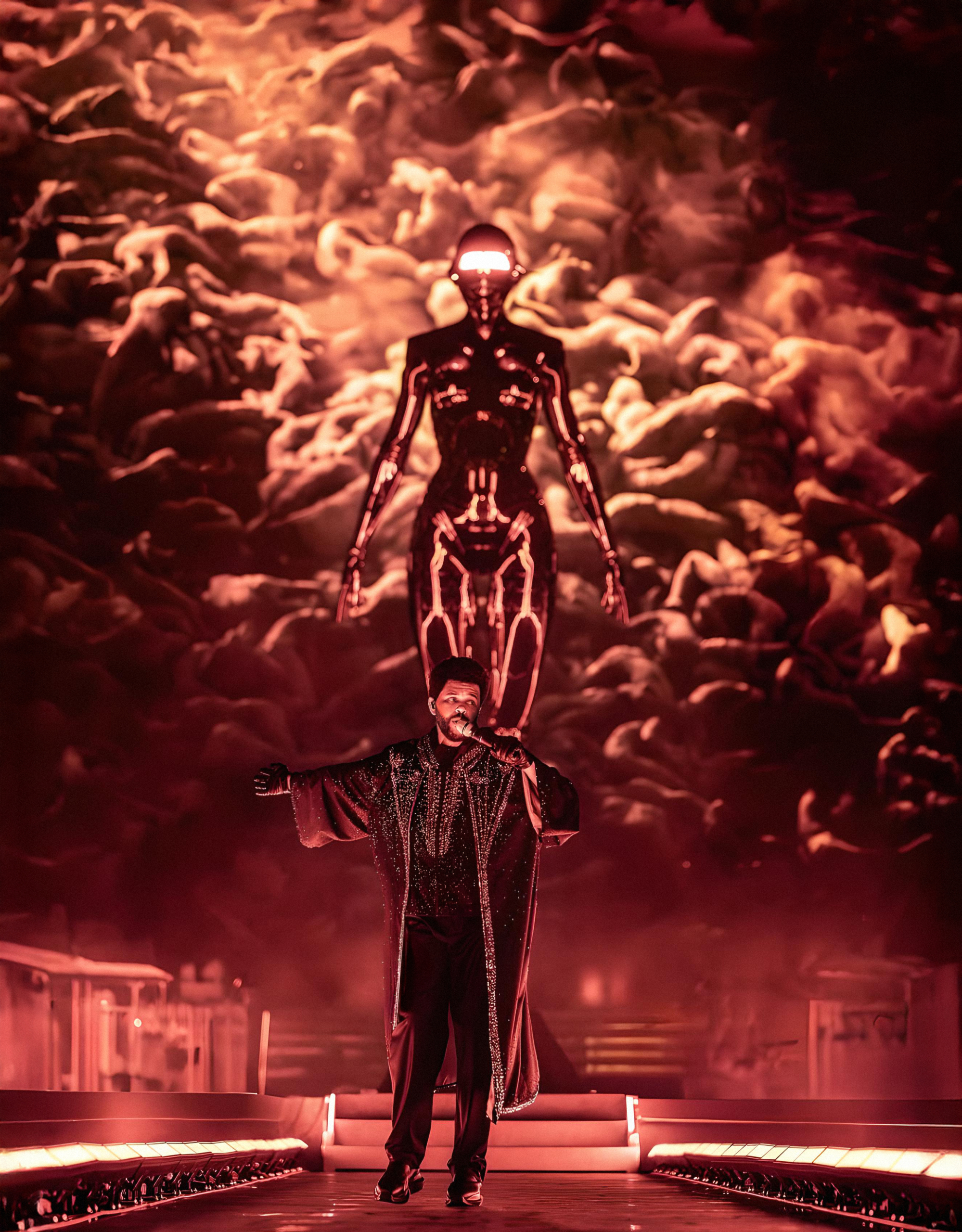
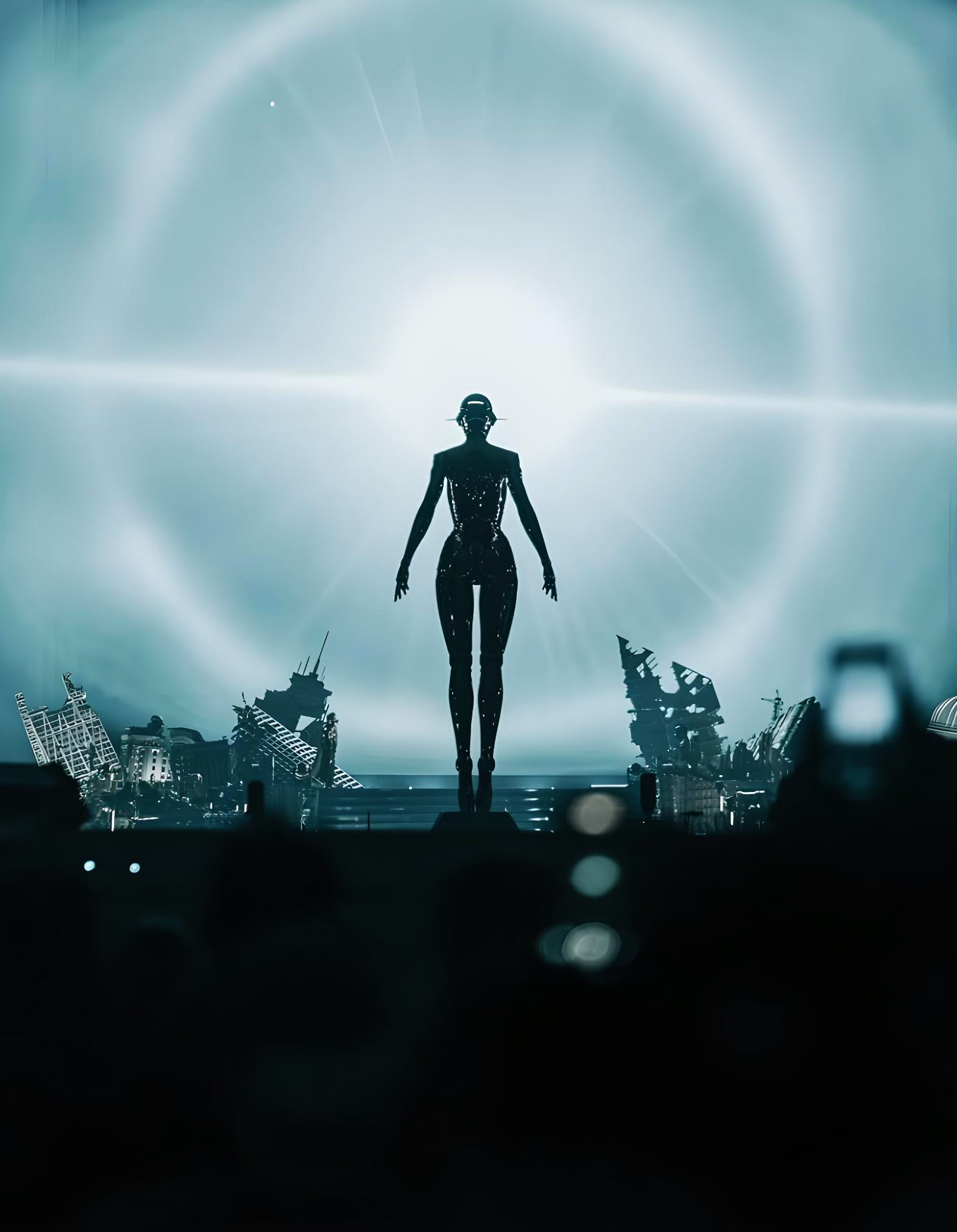
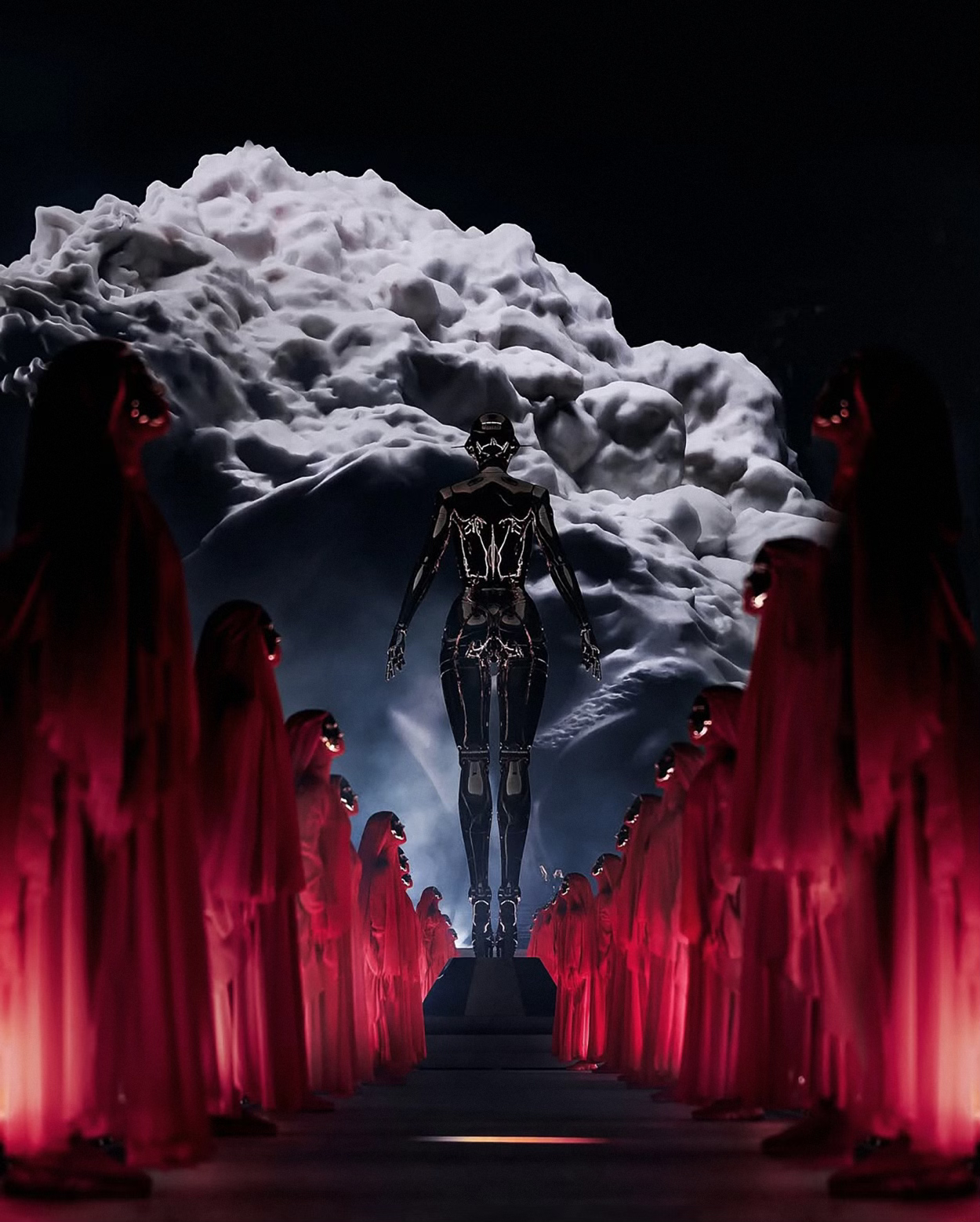
Working with Anyma at The Sphere LA forced you into a space where the real and the digital collapse into each other. What did you “unsee” about perception, illusion, or the body’s relationship to image after working at that scale?
At the Sphere, I unlearned trust in the image. At that scale, the body becomes the measuring instrument again. You feel disoriented, grounded, overwhelmed, sometimes simultaneously. It reminded me that illusion isn’t visual. It’s physiological. The image doesn’t trick the eye. It negotiates with the nervous system.
Do you see the Sphere as a metaphor for where art is heading, a place where physical laws no longer govern experience and artists must grapple with a world that feels simultaneously tangible and simulated?
Yes, but not as a destination. More as a warning. The Sphere shows what happens when physical constraints dissolve. The challenge for artists isn’t to embrace that fully, but to reintroduce friction. Gravity, silence, absence. Without those, experience becomes anesthetic.