Artaud is certainly a surname that rings a bell in relation to the Theatre of Cruelty. What kind of intellectual bond do you share with Antonin? Is there a particular connection between your work and his that you wanted to evoke by adopting this name?
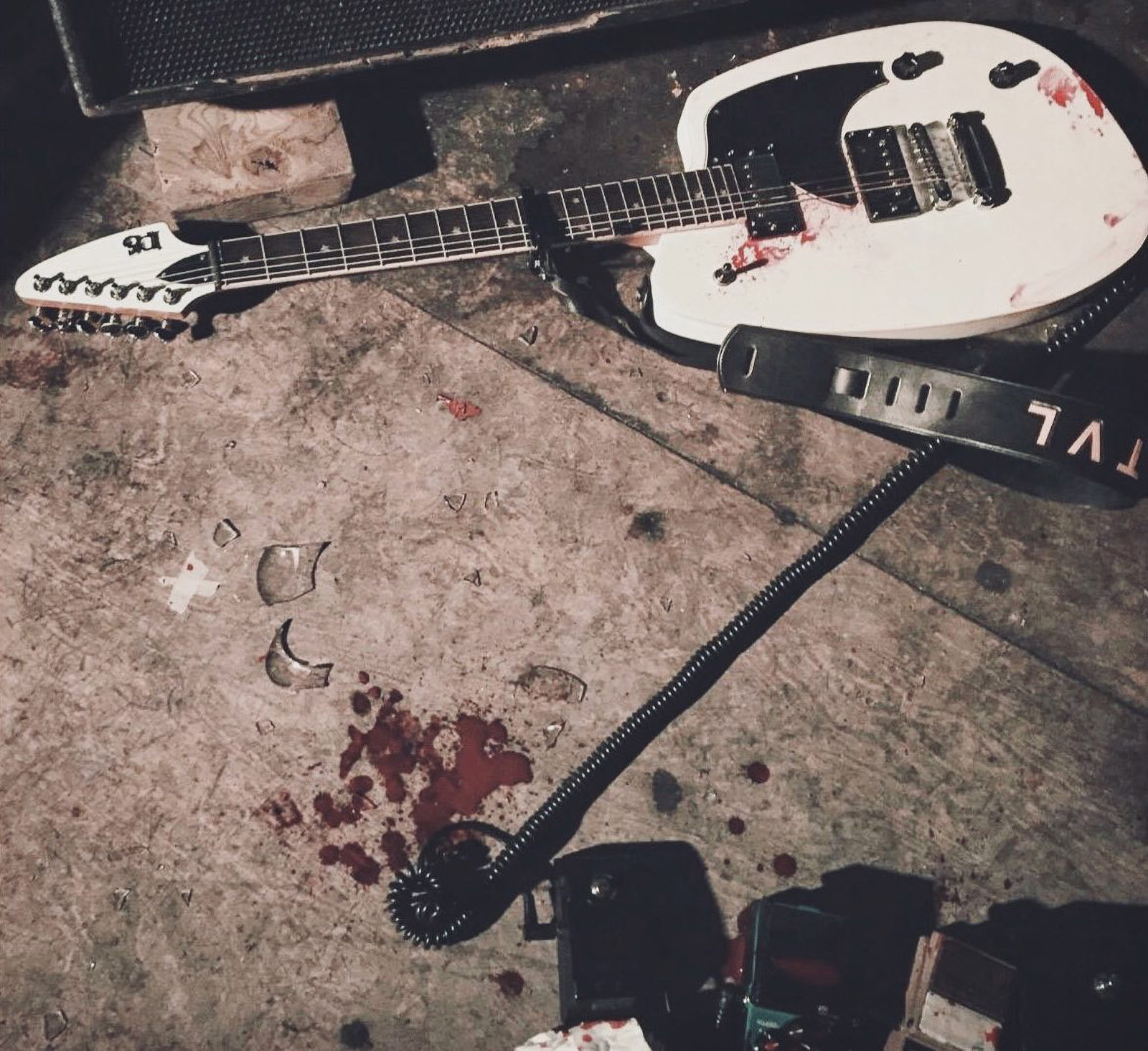
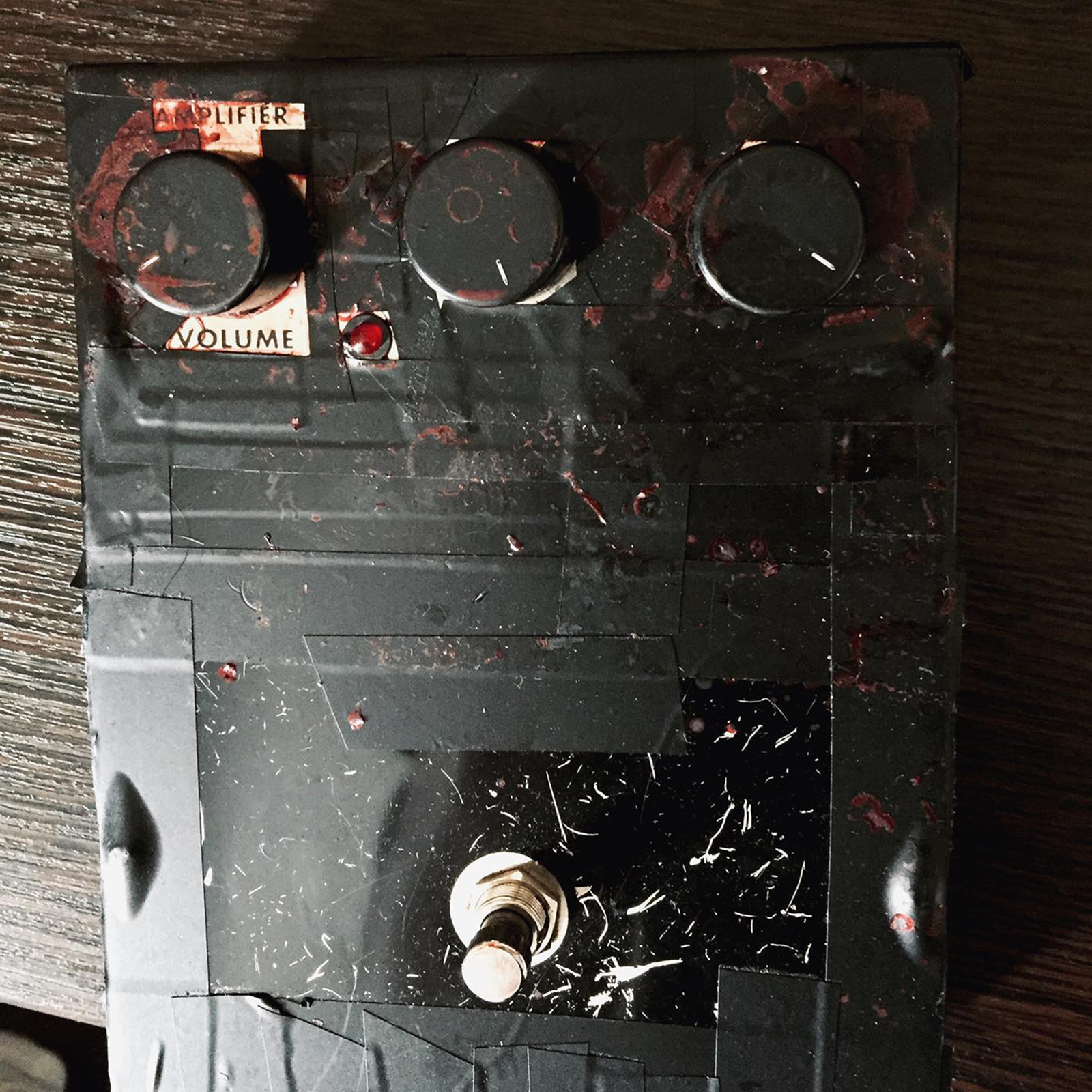
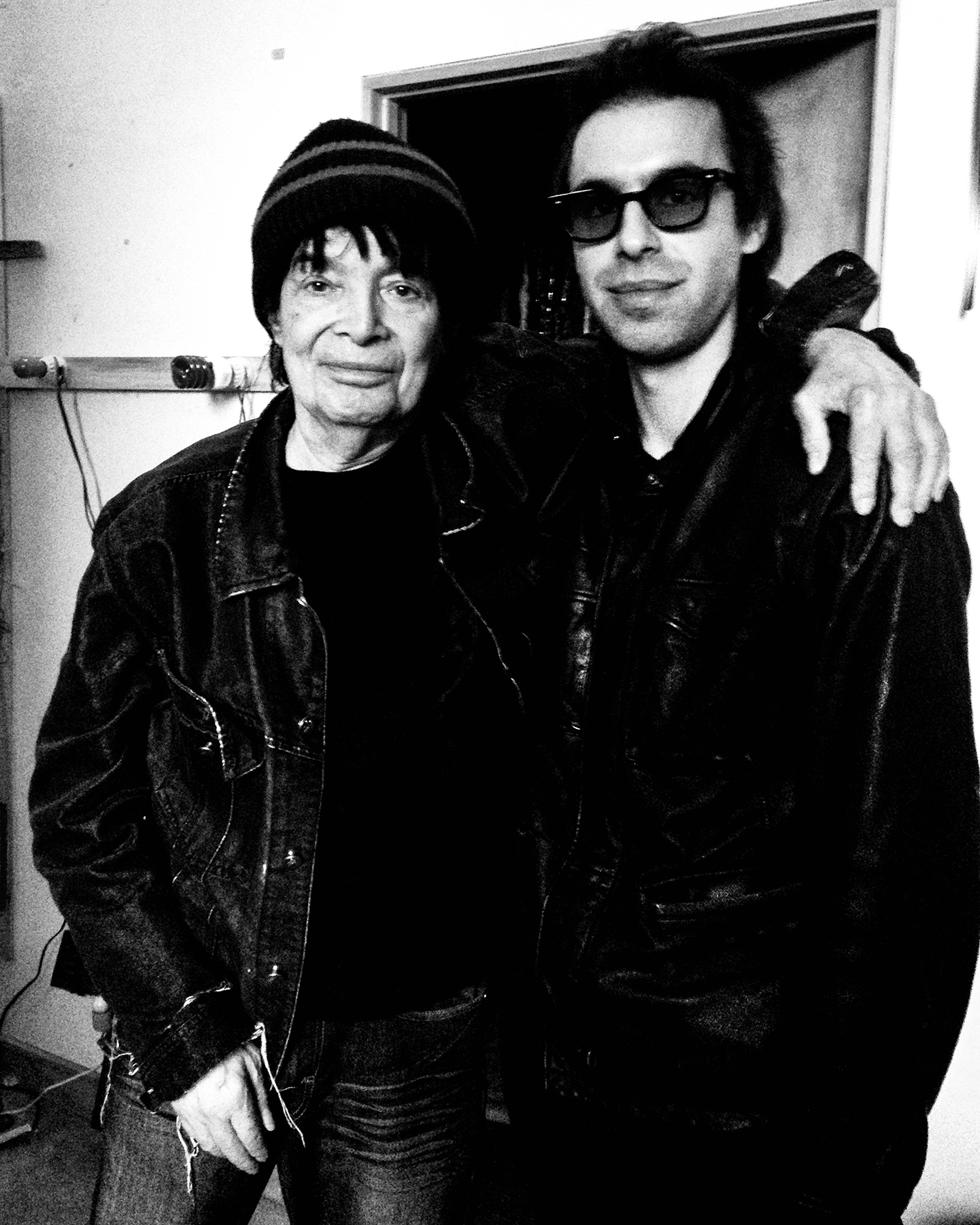
At the time I was starting out I was trying to find my own identity. Changing my last name felt intentional. I was looking for reference points that were anchors. The band name The Vacant Lots came from William Burroughs, so I was already thinking in that same vein of writers when it came to choosing a name. Back then I was reading a lot of 19th and 20th century French writers, particularly the Surrealists. André Breton, Baudelaire, Lautréamont, Paul Éluard. I was obsessed with Maldoror. I liked the way those writers pushed language into a darker psychological zone. When I came across Artaud, something about the intensity of the work resonated with me. I also liked the way the name looked and sounded. I wouldn’t say I was directly influenced by his writing, but the inner landscape he was exploring and the idea of beauty and violence existing together stayed with me. I was interested in how art could take something painful and turn it into something beautiful. I was writing a lot, constantly filling up notebooks with lyrics and ideas, and I began to realize how much the subconscious drives the work. A lot of it seemed to come from somewhere instinctive rather than something I was consciously thinking about. That intensity Artaud was exploring felt connected to the same territory. Over the years it’s been strange seeing how those instincts play out. When The Vacant Lots first started touring my guitar playing was more physical and violent. I’ve broken guitars and glass, and bled on stage. I remember showing Alan Vega photos from a tour where my hands were all cut up and covered in blood from playing, fueled by amphetamines and alcohol, and he just said, “that’s fucking beautiful, man.” He was one of the few people who didn’t think I was crazy. Looking back it all connects now in a way I didn’t understand then. Back then it was mostly intuition. I just wanted a name that had deep roots, something that connected to a lineage of writers and ideas, and also to the lineage of rock ’n’ roll I believed in. I remember one night in Montreal with Brian (MacFadyen), we had taken some biker speed and stayed up all night. At some point, when the sun was coming up, I realized that if you take the first three letters of Arthur and the last three letters of Rimbaud’s name you get Artaud. At that point it felt like some strange cosmic sign.
You founded The Vacant Lots as a project that has always felt immersed in minimal waves. When you started, what was the urgency? What is the driving force behind the project today?
From the beginning it was just me and Brian. As much as we wanted to have a four-piece band like The Velvet Underground or Television, it just never worked out. Instead of adding more people, we added more roles and responsibilities to the two of us. The focus shifted to working within limitations, and from the limitations we imposed on ourselves, we discovered how liberating that could be. We developed this mantra: ‘minimal means maximum effect,’ and it’s stayed with us for fifteen years. At that time I had recently dropped out of college to form a band. It’s all I wanted to do. I had a strong vision for how the band should sound and what the artwork should look like. I was obsessed with the work. The urgency was about trying to find our own sound and fill a void. That idea was part of what the name The Vacant Lots meant to me. When we were making our first album Departure I honestly thought it might be the last record we ever made. Not just because of the pills I was abusing then and my perspective on life, but because I had this strange, haunting feeling that my time was limited. I thought I was going to die. That created a certain pressure to work and create. For me art has always felt like a race against time. It’s about exchanging ideas and executing them in time and space, documenting something that hopefully lasts forever. Now, years later, the drive is still there but the pace is different. We’re more intentional about what we do and when we do it. We’re giving ourselves more time to write the next album. For now, our last record Interiors holds up.
The title of the album Interzone suggests a place between realities, while its naming hints at Joy Division. Do you recognise that lineage, or do you resist it? Decades after their production, what does the interzone represent today?
For Interzone I wanted to go back to Burroughs. But like with a lot of our lyrics there’s usually more than one meaning. That idea of existing between two different zones always resonated with me. At the time I was thinking a lot about the balance between internal and external space. How you navigate the inner world while dealing with reality outside of you, and how you reconcile those internal and external struggles. How do you deal with loss and still find a way to give meaning to your life? The aim was through darkness, light. The Joy Division reference was intentional too. Joy Division is like an archetype now. What always spoke to me about that band is the idea of beauty that comes from darkness or loss. The music is intense and the production on those albums is so atmospheric, but for me the deeper connection is in the spirit of the music and the lyrics, and in the way the lyrics are like poetry. Interzone was an important record for us because it expanded the sound and dynamics of the band. Conceptually it became a kind of bridge that connected where we had been as a band with where we were going. That idea carried forward into Closure and eventually Interiors. In a way those records are all exploring that same territory between the internal and external zones. The challenge now is where the fuck do we go from here, but I have a number of new songs that could work well for the next album, so we’ll see.
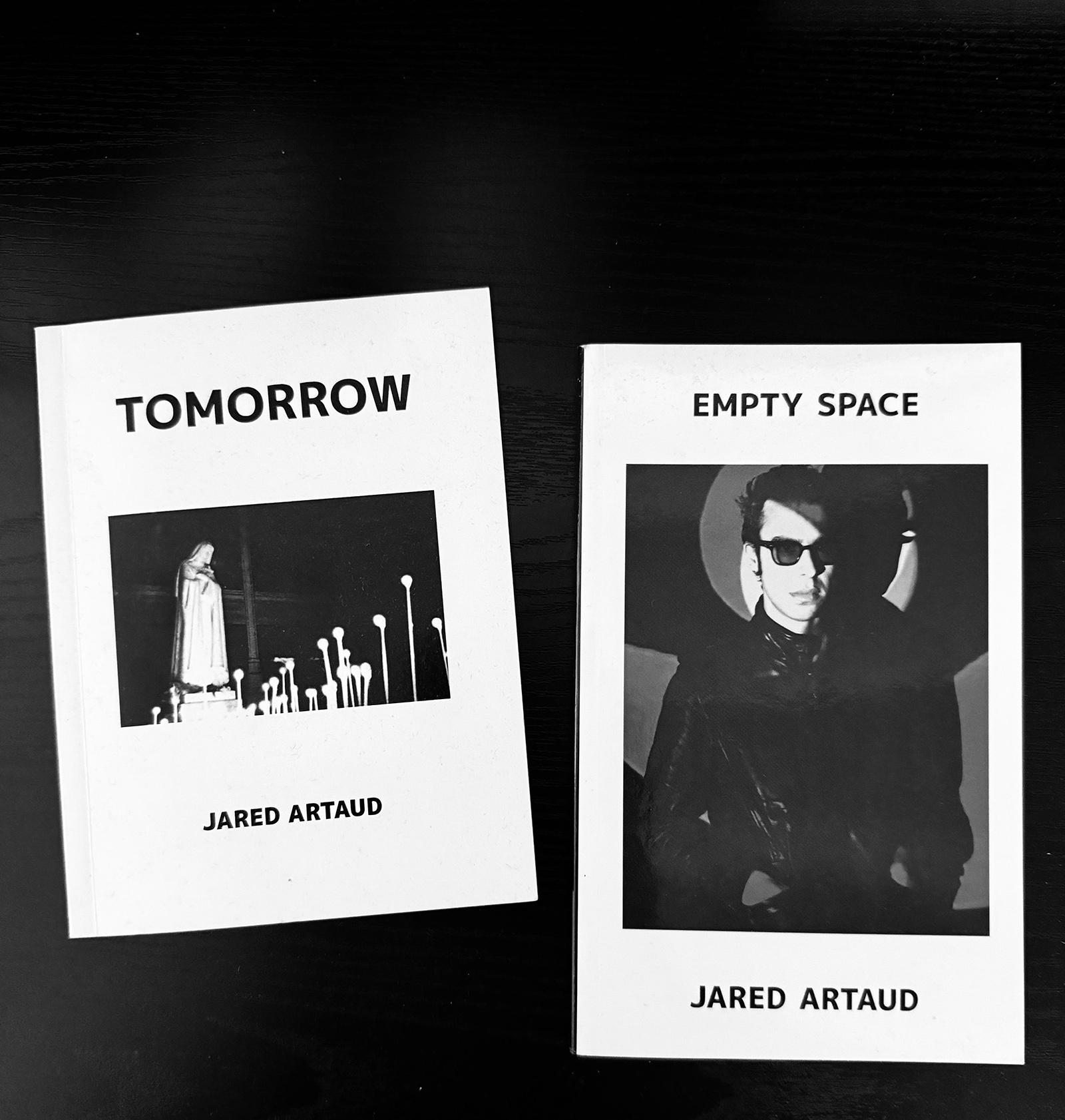
Like many musicians before you, such as Verlaine and Hell, poetry has become part of your language through publications such as Empty Space and Tomorrow. Has writing become a ritual that feeds your music? When you assemble words, are you searching for rhythm in the same way you search for it in sound?
Writing and music have always been a way of trying to get closer to the truth for me. In some ways it’s more of a spiritual process. Poetry actually came first. I was writing from a young age, long before I ever picked up a guitar. I didn’t start playing guitar until I was eighteen. That process hasn’t really changed. For each album I fill up notebooks with ideas, lyrics, and fragments of writing. At the same time I’m working on music and mapping out eight songs.