How To Listen / Rewire 2026

Collective listening is no longer a leisure activity. It is a position.

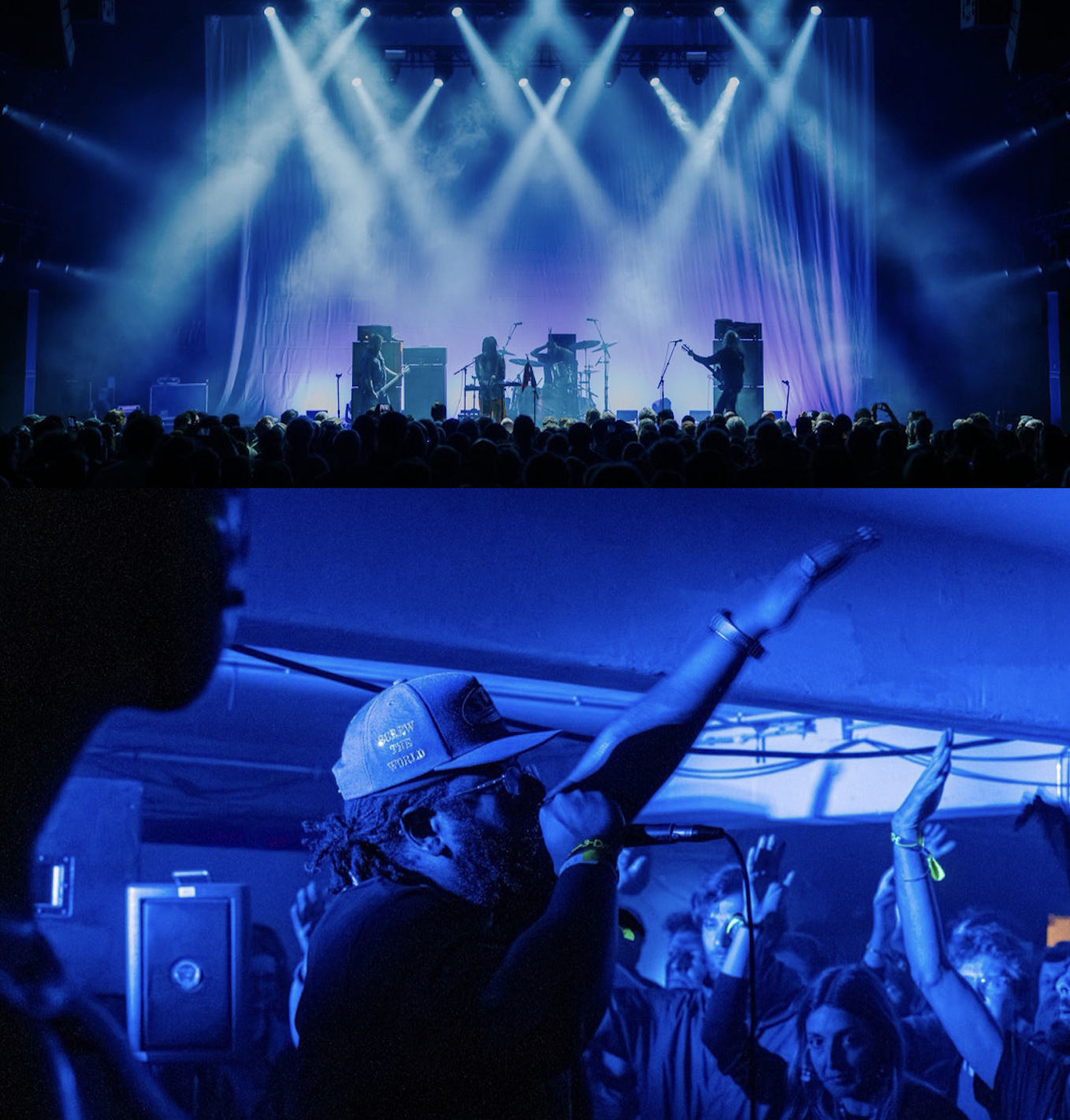
Four days, more than two hundred events, twenty-five venues spread across concert halls, clubs, churches and galleries, and a programme that held Caterina Barbieri, Kim Gordon, Einstürzende Neubauten, Beverly Glenn-Copeland and Mayssa Jallad without flinching at the distance between them. The performances that stayed, the ones that slipped away and the moment a church in The Hague shook.

Rewire is one of those enduring loves. The four days themselves buut also the weeks before, when the lineup drops and the timetable becomes public and it becomes clear, again, that someone somewhere is making curatorial decisions with real care — the kind that holds established names alongside projects nobody has heard of and insists, quietly, that both matter equally.

THURSDAY

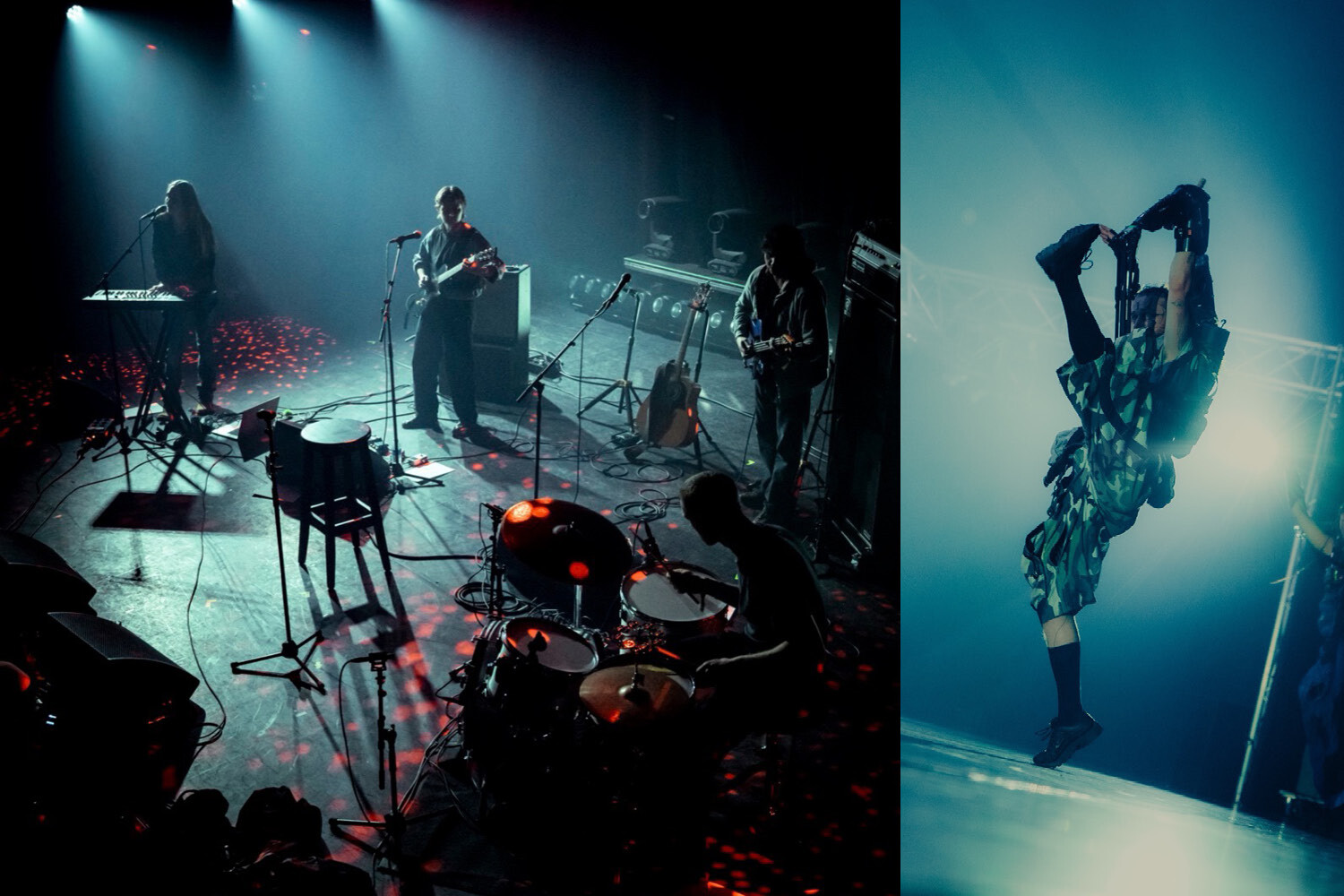
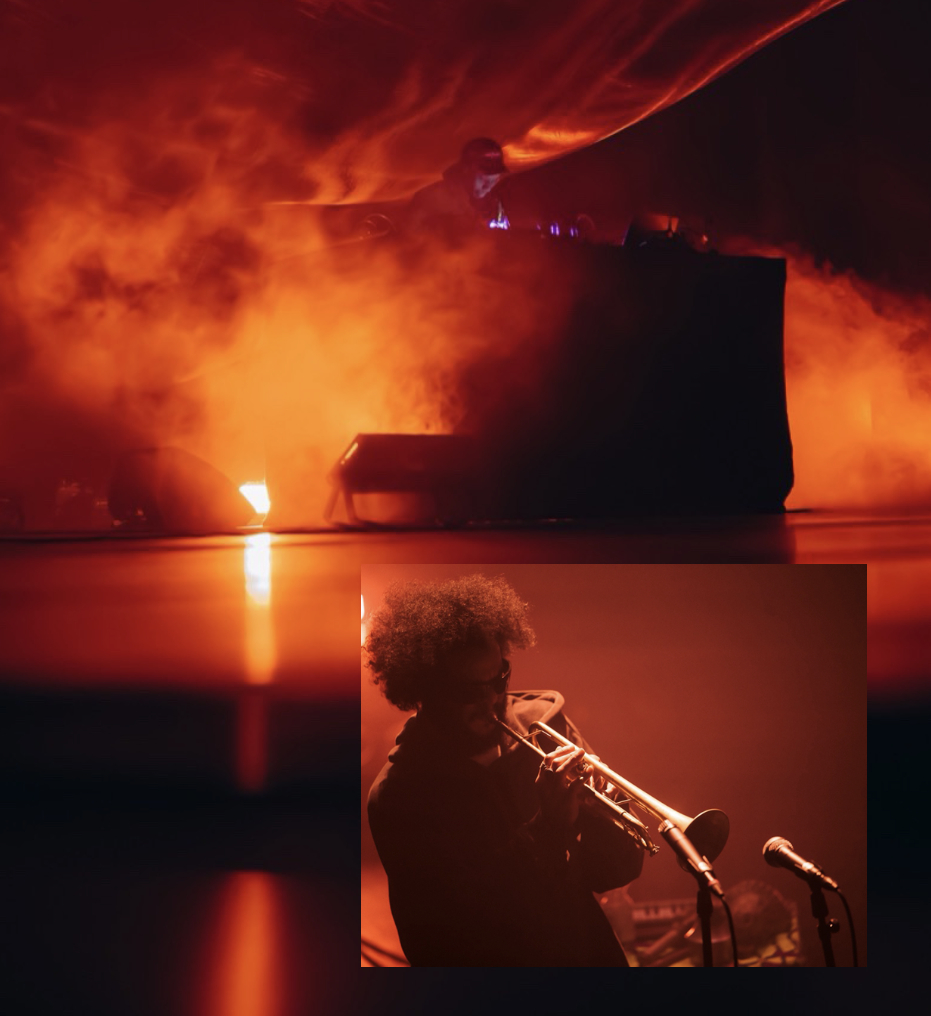
Caterina Barbieri opened with ONCEIM. The stage held instruments and bodies working simultaneously within and apart from each other, each player suspending their own sense of time over a sustained drone. Barbieri stood to one side in a glittering dress. She stayed afterwards for a solo set. The stage emptied, contracted to her, her synthesiser, and MFO‘s light design. Smoke. Beams. A figure dissolving into what she had summoned. Suzanne Ciani and Actress faced each other across the stage. Two rays of light from above, one for each. Actress: deconstructed, metallic, fractured rhythm. Ciani at her Buchla: warm, round, liquid. She does not attack a sound. She allows it. They did not dialogue. They coexisted, each doing their own work, both aware of the other. The tension between those two refusals to merge was the performance.

FRIDAY

Friday started quietly with the conversation between Beverly Glenn-Copeland and Elizabeth Copeland. Everyone in the room wore a mask because of Beverly’s health condition. That small collective gesture completely altered the atmosphere. Festivals rarely feel attentive in this way. The room was silent in a very particular sense: not passive silence, but concentrated listening. Beverly spoke slowly, without performance, moving between memories, music and the strange temporality of records that sometimes disappear for decades before finding their audience. Sitting there, inside a festival so associated with futurism and experimentation, listening to someone whose work had travelled through time almost accidentally felt strangely moving.

After the talk: outside, something to drink, something to eat quickly in the sun, then back into the strange rhythm of the festival. By the second day everyone already seemed to exist inside a parallel routine made of timetables, queues, overstimulation, anticipation. The air was warm, unusually warm for April, moving through hair while people crossed The Hague holding folded timetables already covered in marks and last-minute changes. Everyone looked slightly lost but completely committed to the experience. Running between venues. Missing concerts. Catching fragments of sounds leaking from doors and staircases. The constant feeling that something might be happening two streets away at any given moment.

That collective state of anticipation is the thing that stayed. It grew throughout the day until the entire city started feeling like one endless transition between intimacy and noise. By Friday evening the nervous system already felt completely rewired. Tortoise at Amare. Up in the balcony, the hall full beneath, and they did what they’ve always done: pervaded every available space with that happy melancholy a generation has carried since adolescence. There is nothing like hearing music you grew up with in a room full of people who feel it too.

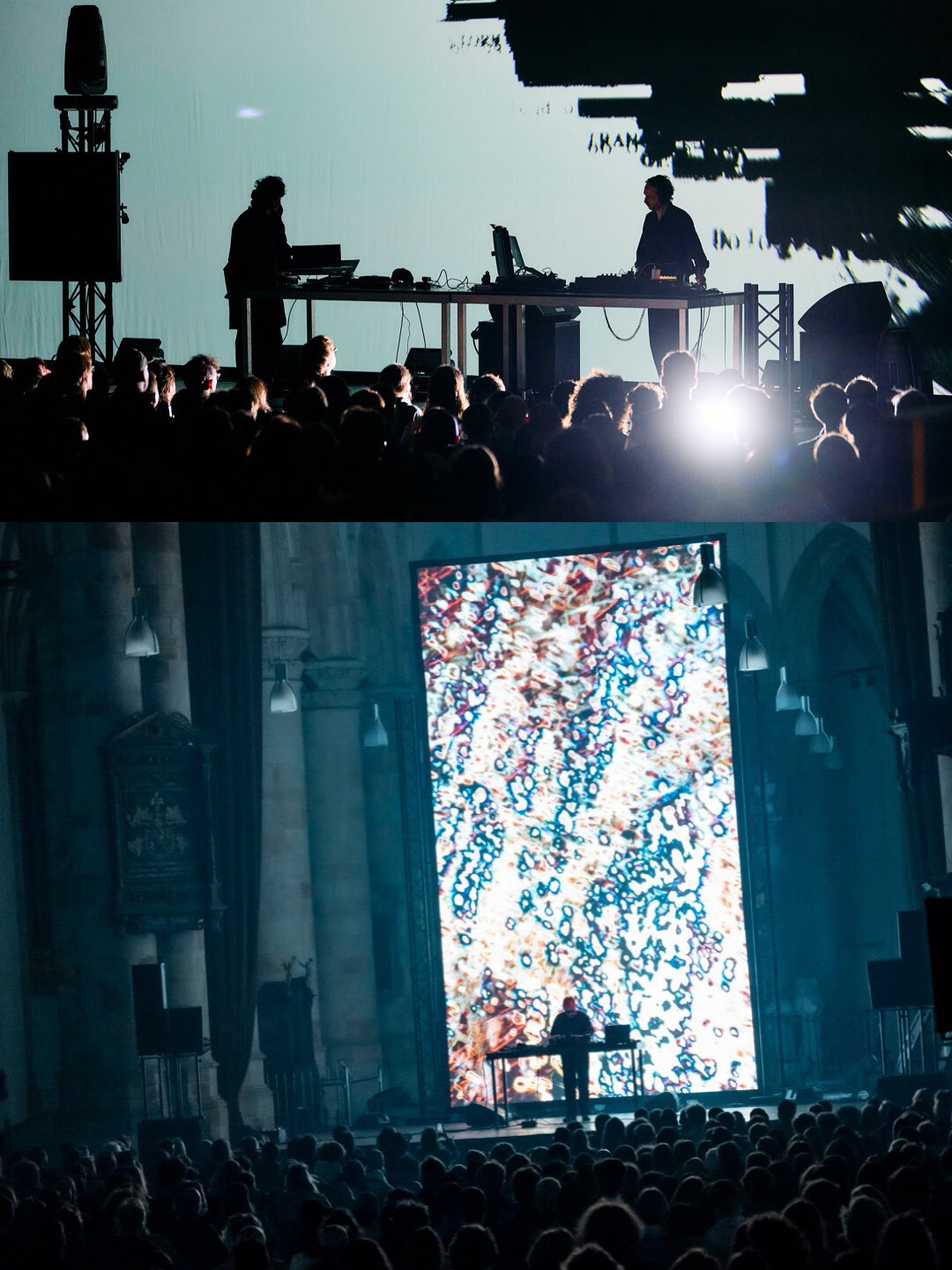
Moritz von Oswald at the Grote Kerk. Purple and green light washing the Gothic arches. A gong to his right, six choristers opposite. The church was already an instrument; he simply knew how to play it. It felt strangely pagan. Not spiritual exactly, but ancient in a way difficult to fully explain. Something ancient and non-devotional happening in a space built for god. Smerz followed. The nicest part was honestly just watching the two of them interact on stage. Everything between them felt extremely instinctive — small looks, timing, movements, moments where one would slightly pull back while the other took over. That became one of the most beautiful recurring things throughout the whole festival: seeing musicians listen and respond to each other instead of trying to dominate the space alone.

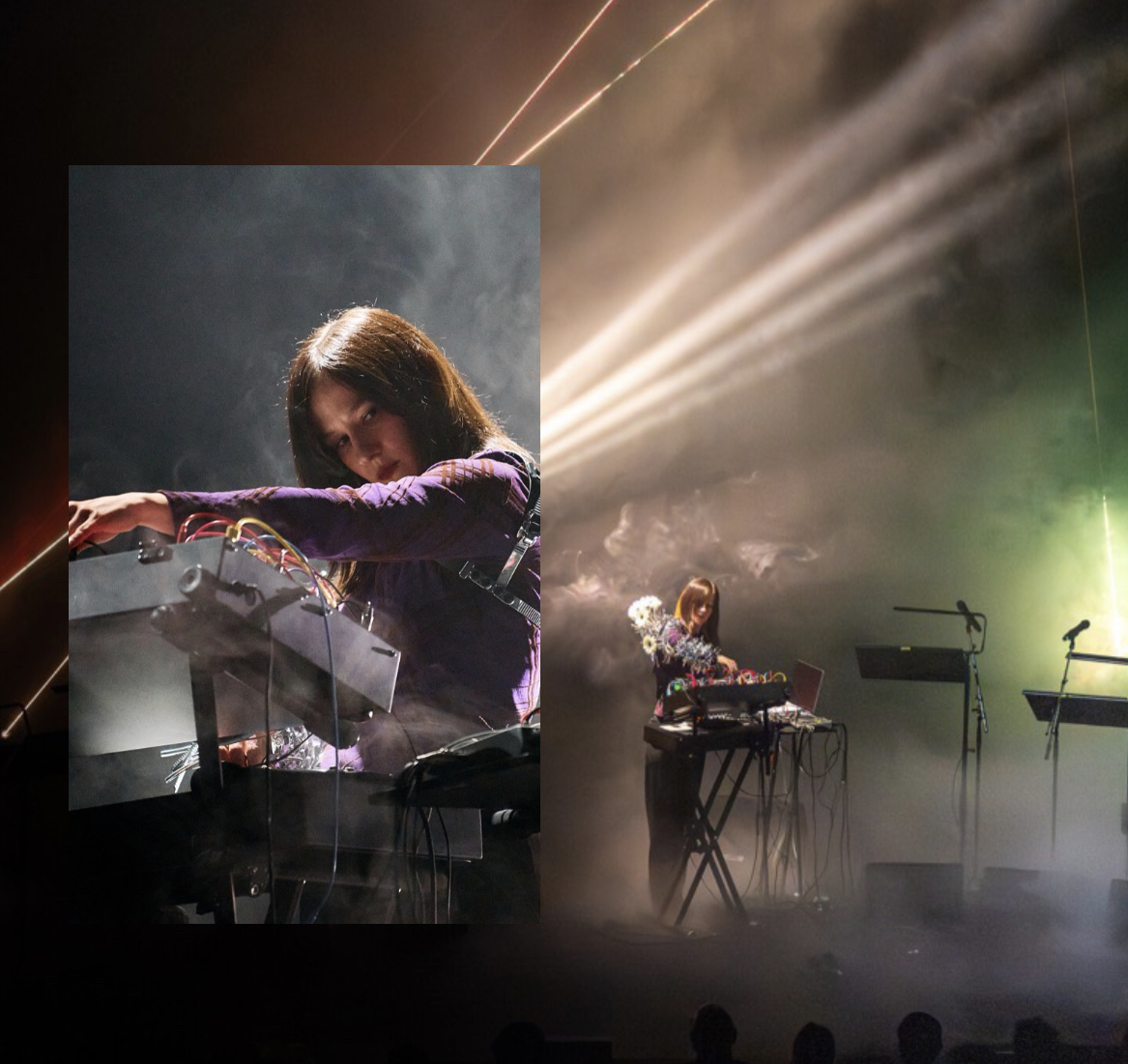
At the Lutherse Kerk, Flur — harpist Miriam Adefris, percussionist Dillon Harriott, Isaac Robertson on saxophone and synthesiser — filled the church with deep synth swells and a voice that worked without translation. Spiritual jazz that owed something to Alice Coltrane and nothing else to anything recognisable. The white light cut through the fog. The space assumed a new face. The whole church felt temporarily detached from ordinary reality. Valentina Magaletti and YPY were probably among the most beautiful performances of the festival. Magaletti almost seemed to have fun breaking the structure of rhythm apart in real time, and watching her do it live with YPY beside her felt completely hypnotic. Together they created a strange tension that stayed in the chest long after the set ended, like a light imaginary weight that wouldn’t entirely lift.

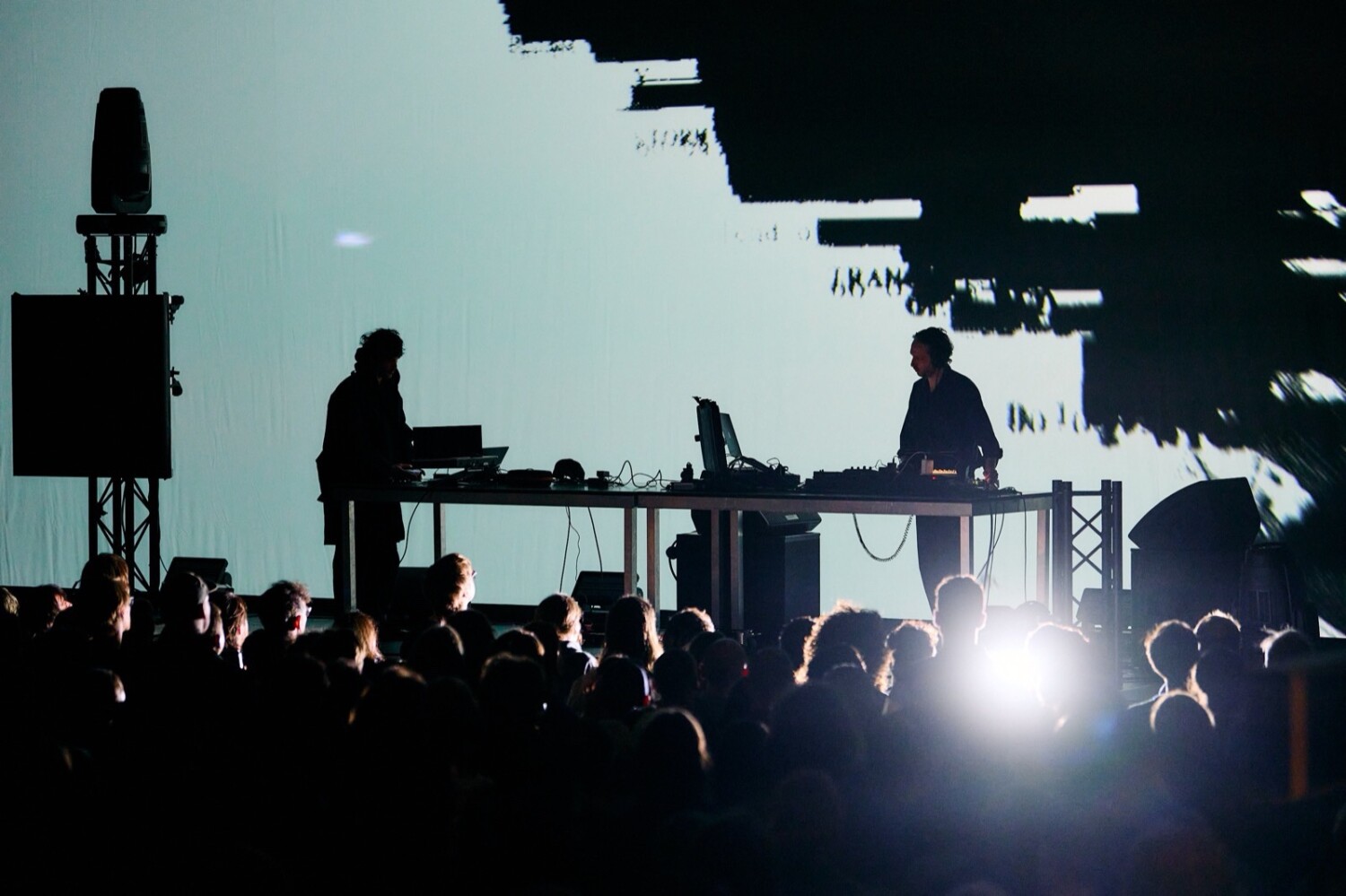
Nihiloxica started incredibly strong. At the beginning it genuinely felt like hearing the earth itself resonate through percussion, something ancient and very physical moving underneath the room. Total immersion at first. Then slowly that feeling started to thin, so eventually it was time to leave and catch Nazar. Nazar: low-fi lyrics in Portuguese, sharp sounds soaked in melancholy, flashes of kuduro and something older beneath it. The kind of set that requires nothing from you except presence. The Kode9 b2b with Deena Abdelwahed was more complicated. Kode9 still sounded completely on point and played some beautiful records, but between the two of them there was never much complementarity. It felt more like two different energies sharing the same booth without fully meeting each other.

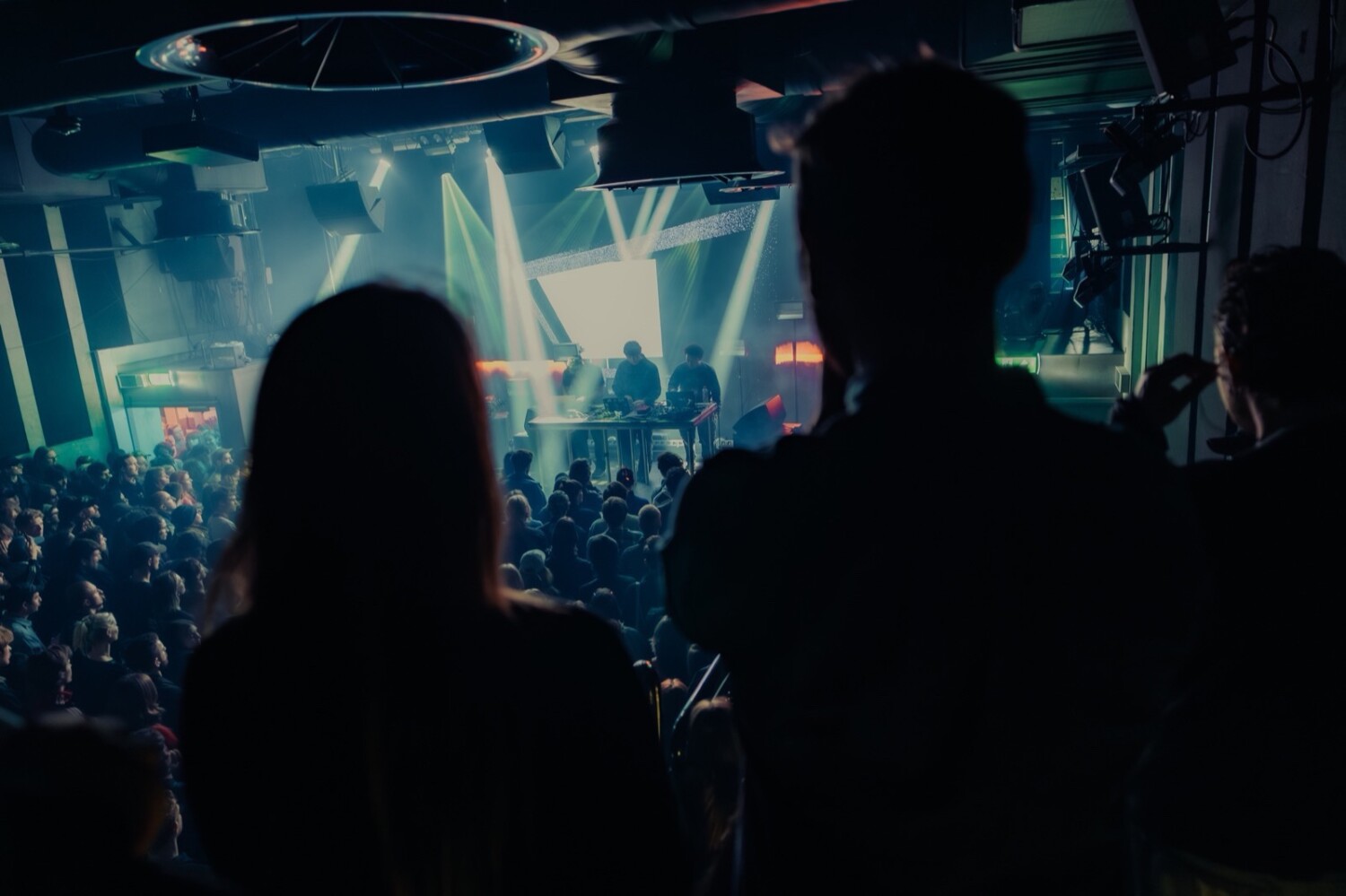
By late night, NVST completely changed the atmosphere. Dub, breakbeat, juke, punk energy, weird rave transitions, she was throwing everything into the set and somehow it all worked. By that point the whole basement was dancing and for a moment it stopped feeling like a festival in The Hague and started feeling more like an old warehouse rave somewhere outside Brussels in the early 2000s. Sweaty, chaotic, slightly messy, but very alive.

SATURDAY

Saturday, another placid spring day in Den Haag. Once again moving through the city already thinking about the performances planned for the day ahead. It’s strange how deeply music can alter your emotional state when it becomes one of the things that actually keeps you alive. Ouri opened Saturday softly. Tender vocals, fragile moments, people standing unusually still for once. After two days of sensory overload it felt good to encounter something so emotionally direct. Aaron Dilloway. Completely raw and genuinely disturbing at times. Harsh noise moving through the room like an intrusive thought you can’t fully shake off once it enters your head. The whole performance felt unstable in the best possible way. Exactly the right thing, honestly. It just should have lasted longer.

Johanne Robertson, without Oliver Coates who didn’t appear, slightly adrift perhaps, but her guitar remains an extension of her mind and that much was still extraordinary. James K followed somewhere between dream and emotional collapse. Fragile but never weak, distant but still strangely intimate. The whole set felt suspended, like time slowing down without fully stopping. And then Kim Gordon. Honestly one of the coolest human beings to ever exist. That same dry, detached, reef stoner energy, completely effortless and somehow even more powerful because of it. Watching her move on stage with that level of control and confidence almost felt unreal at times. The voice still cuts through everything.

SUNDAY

Sunday already carried something emotional from the start. Happiness, obviously, but also slight sadness knowing it was the last day of this beautiful temporary reality that had been holding everyone for four days. By then everyone looked exhausted. Sore feet, overstimulated brains, too little sleep. Yet somehow people still kept spinning around the city like little tops, moving from one venue to another almost automatically, driven more by curiosity and adrenaline than actual physical energy.

Moor Mother at the church completely altered the emotional state of the room. Spatial is probably the only word that comes close. The voice moved through the church like a sermon, a warning and a mourning ritual all at once. At some point the crying had already started without anyone fully understanding when. The whole performance felt suspended outside ordinary time.

Einstürzende Neubauten reminded everyone why they remain one of the most important projects to ever emerge from industrial music. Even after more than four decades their sound still feels unstable, physical and genuinely dangerous at times. Metal, repetition, tension, collapse. Nothing nostalgic about it. Watching them at Rewire somehow felt historically right, like seeing one of the original fractures from which so much experimental music later emerged.

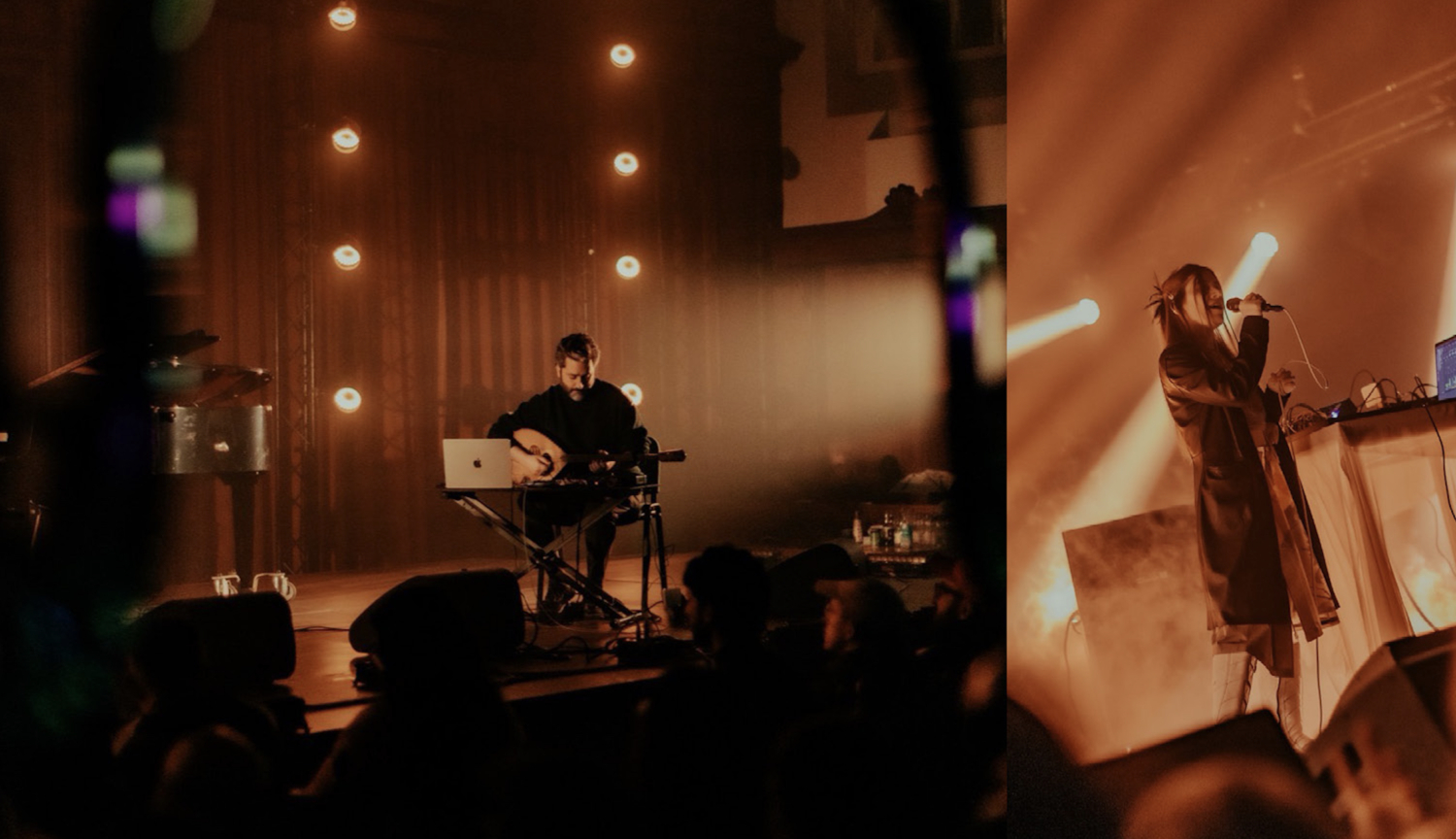
Mark Fell and Okkyung Lee presented a live collaboration that felt like two distinct logics finding an unexpected common language — Fell’s structural rigour, Lee’s cello moving through something more visceral. Beatrice Dillon and Explore Ensemble premiered Where Never, Dillon’s digital synthesis meeting the ensemble’s acoustic instruments, patient and present in a way that made the room feel sealed. KMRU and Nick Verstand‘s As Nature brought field recordings to the edge of abstraction through drones, noise, wafting fabrics manipulated by airflow, lasers, smoke, and, unusually, scent. Liminality made physical and olfactory.

The final act of the afternoon was Civilistjävel! and Mayssa Jallad at the Lutherse Kerk. Jallad, the Lebanese architect and vocalist whose work excavates the buried histories of Beirut’s urban violence, sang alongside Civilistjävel!‘s icy, dubbed-out ambience. At some point she stopped singing and spoke about the irony of performing in The Hague while war criminals moved through the same city with impunity. When she finished with Free Lebanon, Free Palestine, the room shook. Two minutes of sustained noise from the audience, the kind that makes the pews vibrate. The most explicitly political moment of a festival that is, in fact, political in everything it chooses to do and be.

Maybe that is part of why Rewire feels so urgent right now. In a world increasingly organised around destruction, exhaustion and endless acceleration, spending four days moving between sound, architecture and collective listening no longer feels superficial at all. For a brief moment every April, this quiet windy city becomes a place where people still gather simply to listen, feel and pay attention together. Which, lately, feels increasingly uncommon.

Road to Stone Techno Festival / 2025

Rewire 2026 / @rewirefestival
Dates: 9—12 April 2026
Location: Multiple venues, The Hague
Words: Jessy Frascarelli / @j3ssyestremy

You may also like

Sama’ AbdulHadi / Sound Escape

Music | Soundscapes
In conversation with Sama’ AbdulHadi, the Palestinian DJ delves into the controversies about being a global artist and at the same time profoundly attached to her origins, supporting her heritage’s music scene. Coming along with a selection of some of her preferred tracks of the moment by some of her favorite producers for our latest Soundscapes release.

Soundscapes vol.34 / Hante

Music | Soundscapes
Between striking electronics and powerful melodies: a dark yet uplifting selection by Hélène de Thoury, the creative force behind the minimal darkwave band Hante and owner of the Paris based independent record label Synth Religion.

Persona

Photography | Spotlight
Can you be one and the same person at the same time? Portraits of an unquiet sea by Joseph Quevedo.