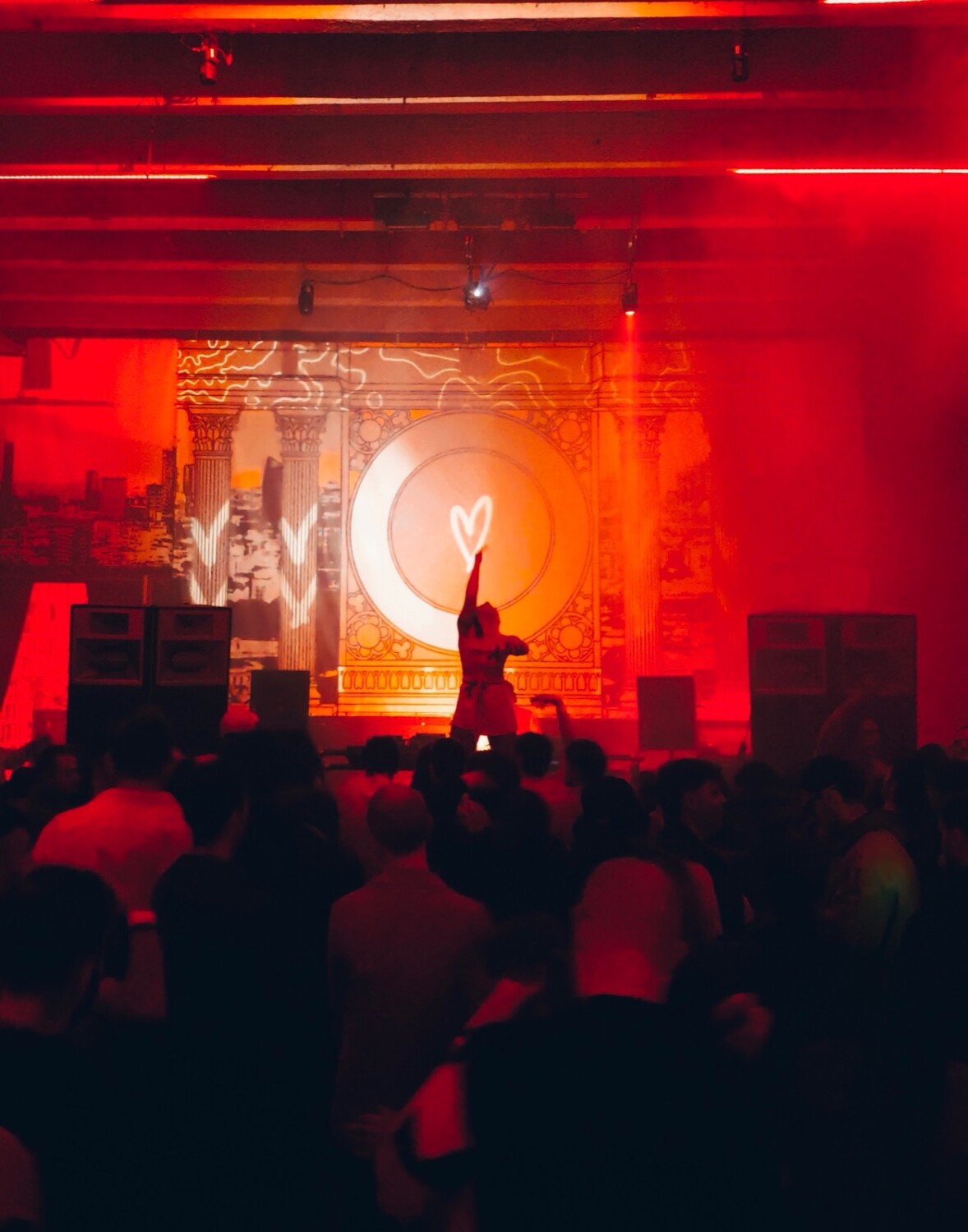
There is a building in Milan, inside a former railway workshop, where the morning after a rave someone is already setting up a mental health desk. The music stops but the building does not. The night does not define the space — the space defines what the night is for. By night, thousands of bodies move to techno. By morning, the same space opens to families, refugees, people with nowhere else to go. This is Tempio del Futuro Perduto (Temple of the Lost Future). And it is asking a question most institutions do not have the courage to ask: what if a club was built to last a hundred years?
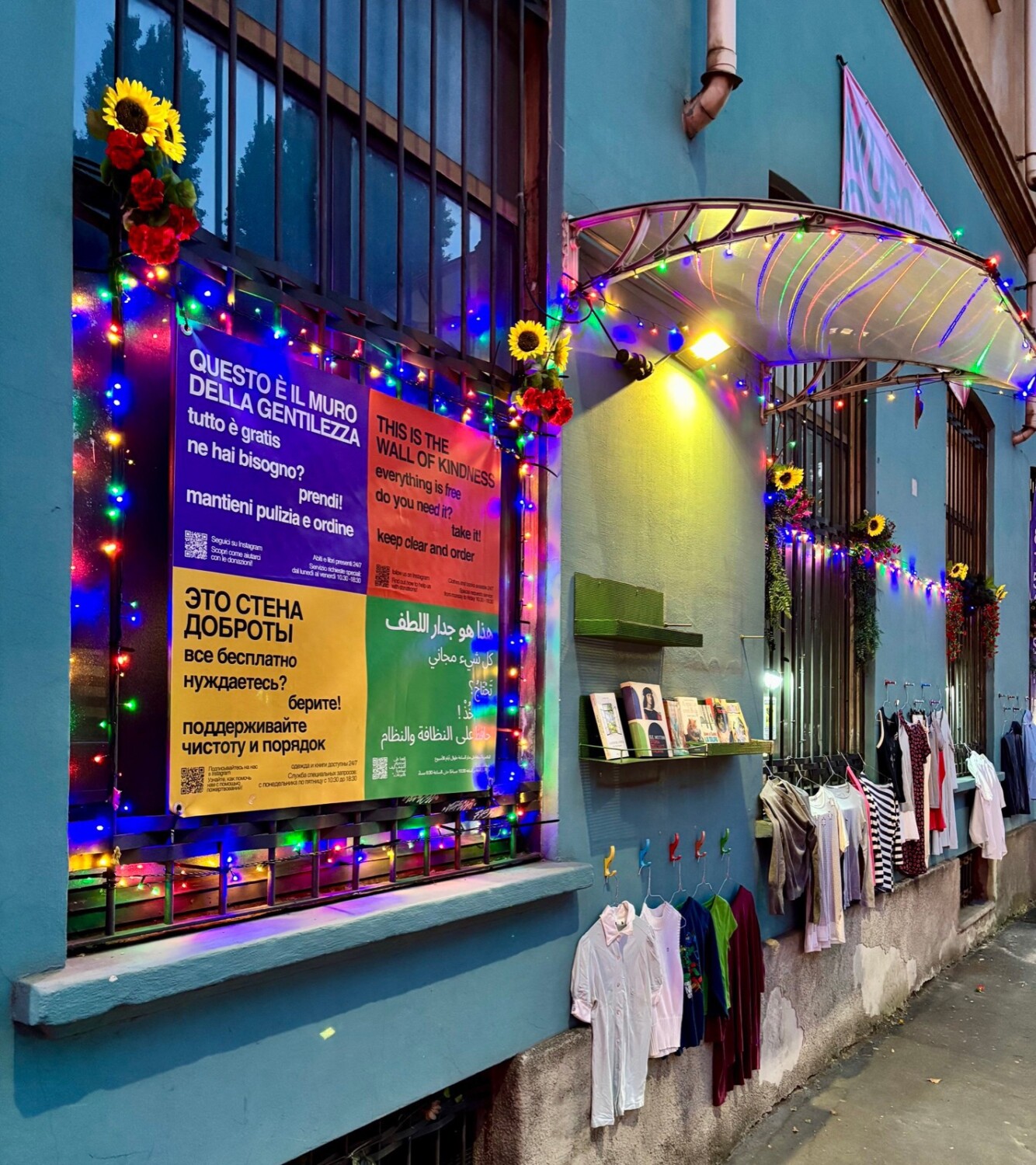
Tempio 2125 is the name of the project. The number is not a metaphor. It is a deadline, a demand, a vision of cultural space as permanent civic infrastructure. In May, Tempio will formally present the proposal to the City of Milan, making it one of the rare moments when an independent cultural space enters institutional dialogue to propose a new framework on its own terms. The story of how they got here matters. Founder Tommaso Dapri walked into an abandoned train factory in 2018 with 350 euros. He used it to buy cleaning products. That was the beginning. With no investors, no corporate sponsors, no public funding, they sent three years of letters to the city council, who stayed silent — which under Italian law meant they had no legal objection. Tempio built itself, rebuilt its neighbourhood, went to court against the council and won after five years of sessions. It was the first case of its kind in Italian legal history and it happened one month before the far-right government came into power. Since then: 1.2 million visitors from 150 countries. Over 700 tonnes of goods redistributed through the Wall of Kindness. A mental health desk for under-35s, many of whom work in the creative field with zero institutional safety net. Employment pathways for former inmates and political refugees. Sex-positive events, disability-inclusive club nights, open-access education. All of it funded by the dancefloor. The club and the community infrastructure are the same organism. One feeds the other. One exists because of the other. And this is precisely what makes Tempio dangerous to a certain idea of how cities should work, and essential to a better one.
Across Europe the picture is stark. Berlin cut its arts and culture budget by 130 million euros as part of its 2025 spending plan — 12% of the entire sector, approved despite weeks of protests. The Clubcommission, representing the city’s venues, reported that 46% of its members were considering closure, and since the early 2000s over 80 Berlin clubs have already gone. Watergate, open for 22 years overlooking the Spree, closed its physical space on New Year’s Eve 2024. It survived, but only by becoming nomadic — an open-air series at a borrowed beach venue, in talks to occupy a space left empty by SchwuZ, Berlin’s oldest queer club, which filed for bankruptcy in 2025 after 50 years. Wilde Renate announced closure, suffered a fire, and secured a last-minute lease extension into 2026. These are the lucky ones. The UK has lost 37% of its nightclubs since 2020. Italy has shed more than 2,100 venues in the past fourteen years, replaced by supermarkets, banks and car parks. The spaces that shaped generations, that held communities together, that often did more genuine social work than official institutions, are disappearing — or surviving only by moving further from where they began, further from the communities they were built for.
What makes Tempio different is its refusal of the logic that independent cultural spaces are inherently temporary, marginal, tolerated at best. That logic is a political choice, and political choices can be reversed. Churches last centuries. Museums last centuries. Parliaments last centuries. The dancefloor lasts until the lease runs out — and that too is a choice.
Tbilisi already proved what happens when a dancefloor decides otherwise. Bassiani, the techno club built inside a disused Soviet-era swimming pool beneath the Dinamo Arena, triggered what became known as the Rave Revolution in 2018, when state forces raided the club at 1am and thousands took to the streets. The protest forced a public apology from the Minister of Internal Affairs. The club reopened a week later. Bassiani became the most fiercely defended public space in Georgia where queer life was possible — where LGBTQ+ communities from Georgia, Armenia, Azerbaijan, Russia and Turkey came to exist freely, even briefly, even under threat.