Present Moment: Community and the Analog Defiance
In a landscape where many of snowboarding’s original brands have been folded into major corporate structures, Nitro stands independently. After decades of distribution partnerships and shared ownership phases, the company returns to a fully rider-led model. Nitro AG is now based in Switzerland, while development and testing remain rooted in the European Alps and in riding scenes across the world.
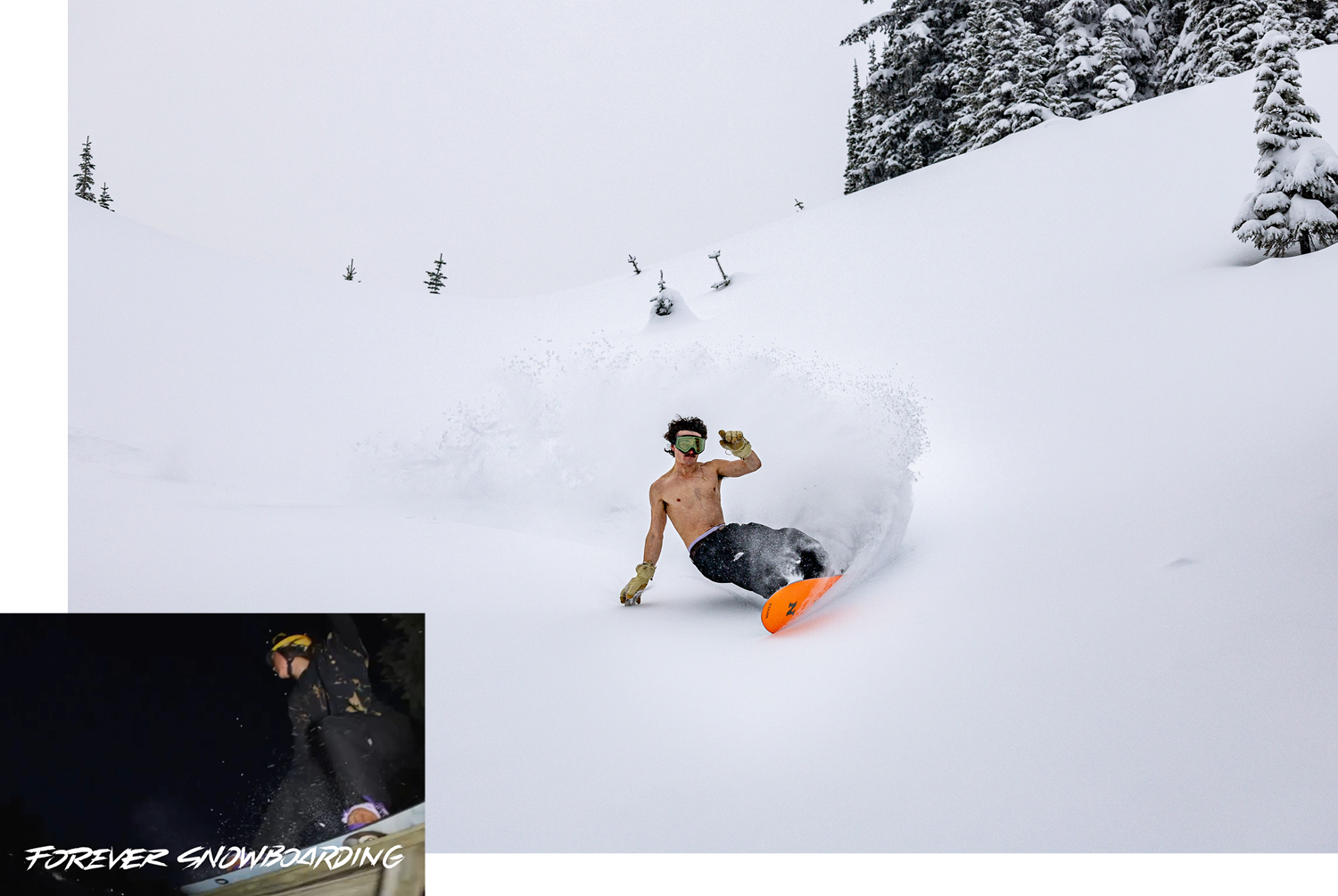
Community becomes the compass of this era. Camp Good Times evolves into a legendary end-of-season gathering where riders, team members, shop owners and friends come together to ride, film and share the culture. Its editions extend to places like China and Japan, transforming it into one of the most influential community-driven snowboard events of today.
Nitro also distinguishes itself also in how it supports retail shops. Rather than leaning entirely into digital direct sales, the brand chooses to preserve long-standing relationships with stores, distributors and local scenes. This commitment becomes its own form of analog defiance, a quiet refusal to let snowboard culture be shaped only by screens, cycles and algorithms.
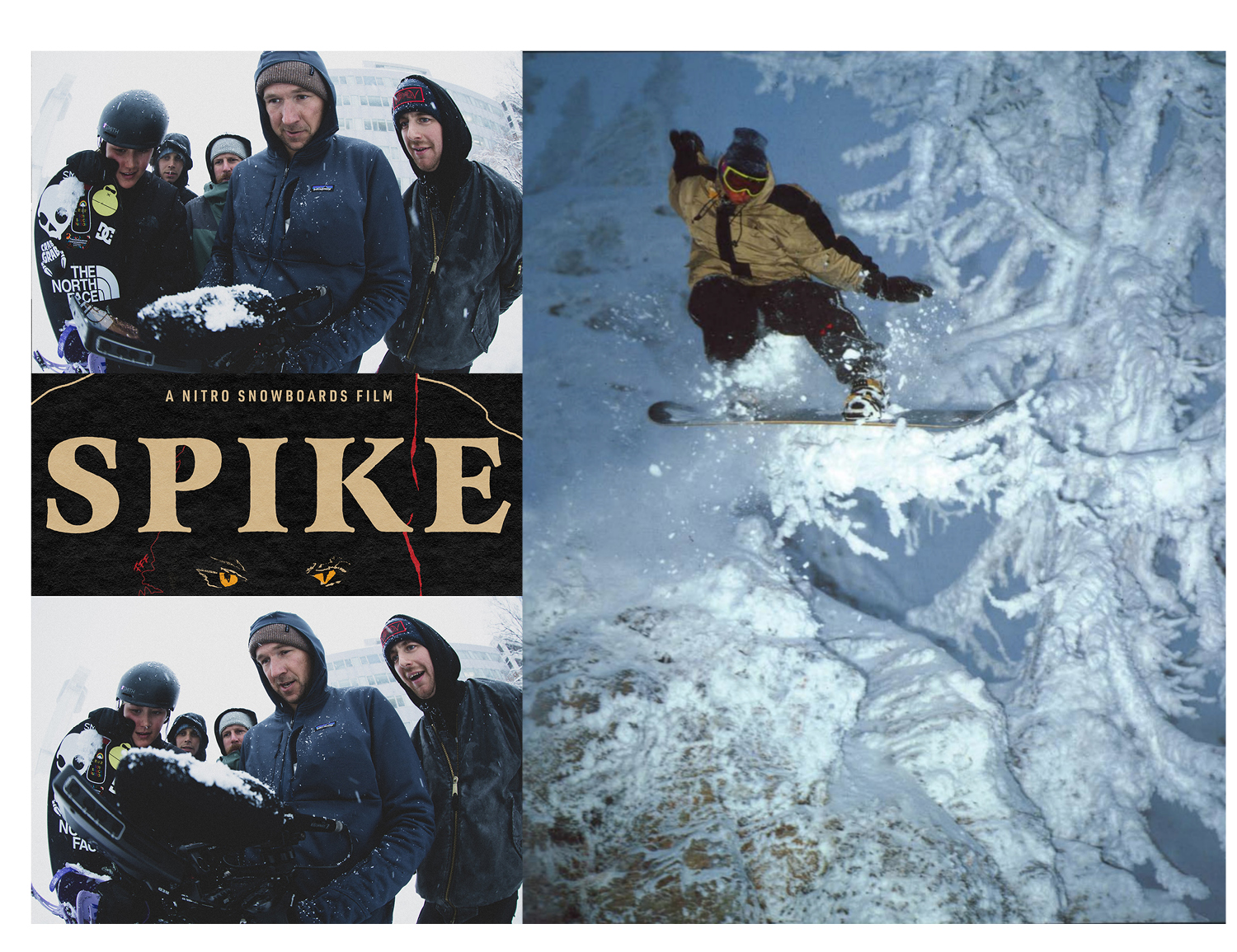
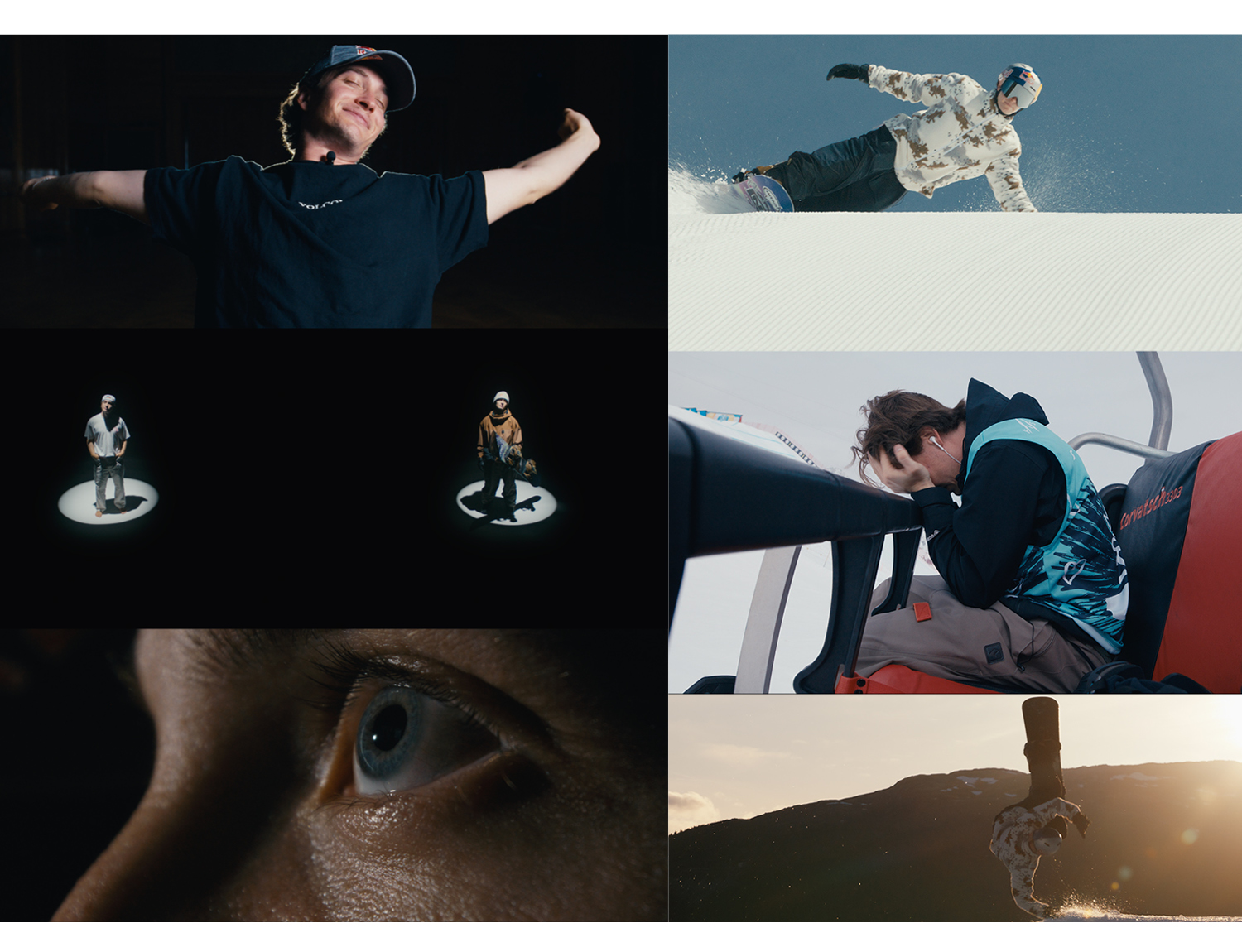
The contemporary film Spike, currently premiering in their stores and set to debut online on November 24th, channels exactly this spirit. It follows Nitro riders set loose without heavy direction, capturing what unfolds when creativity, friendship and instinct guide the ride. The film stands as an expression of culture rather than a piece of promotion, a reflection of how snowboarding feels when it’s lived rather than advertised.
Products as Living Tools: Responsibility in Motion
Nitro treats its equipment as extensions of the moment, never as the story itself. Boards, boots and bindings exist within lived contexts: road trips, camps, films and shared experiences, gaining meaning through the life that unfolds around them. Responsibility runs parallel to this approach. Nitro openly publishes CO₂ data for every snowboard, works toward climate-neutral production and builds many boards in solar-powered facilities using FSC-certified cores, water-based inks and recycled components. Innovation follows the same ethos, expanding access through developments like Step On compatible bindings while staying true to the brand’s design language. Across shapes, cambers and flex, technology evolves not to chase trends, but to serve the experiences that define snowboarding.
Center of Gravity
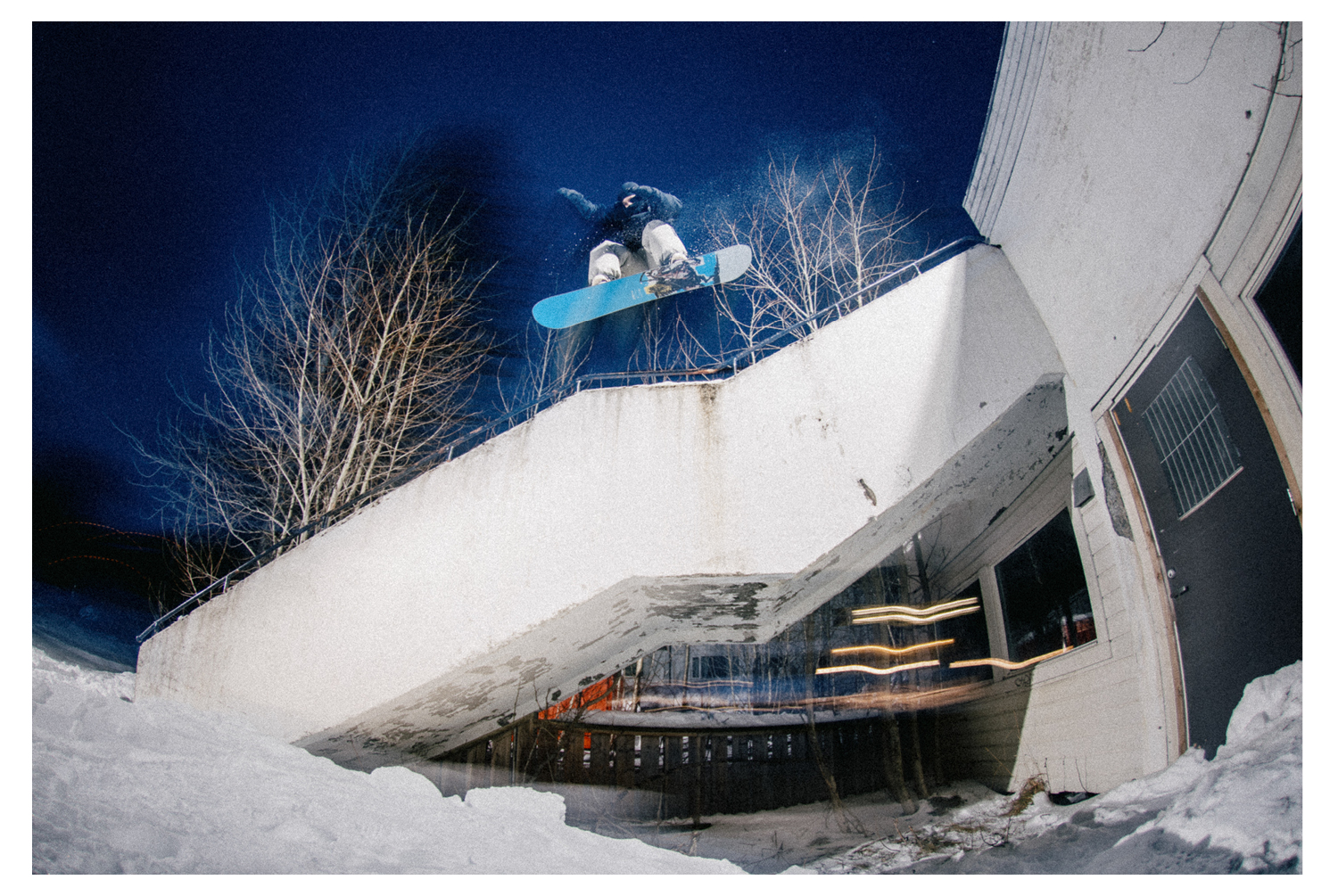
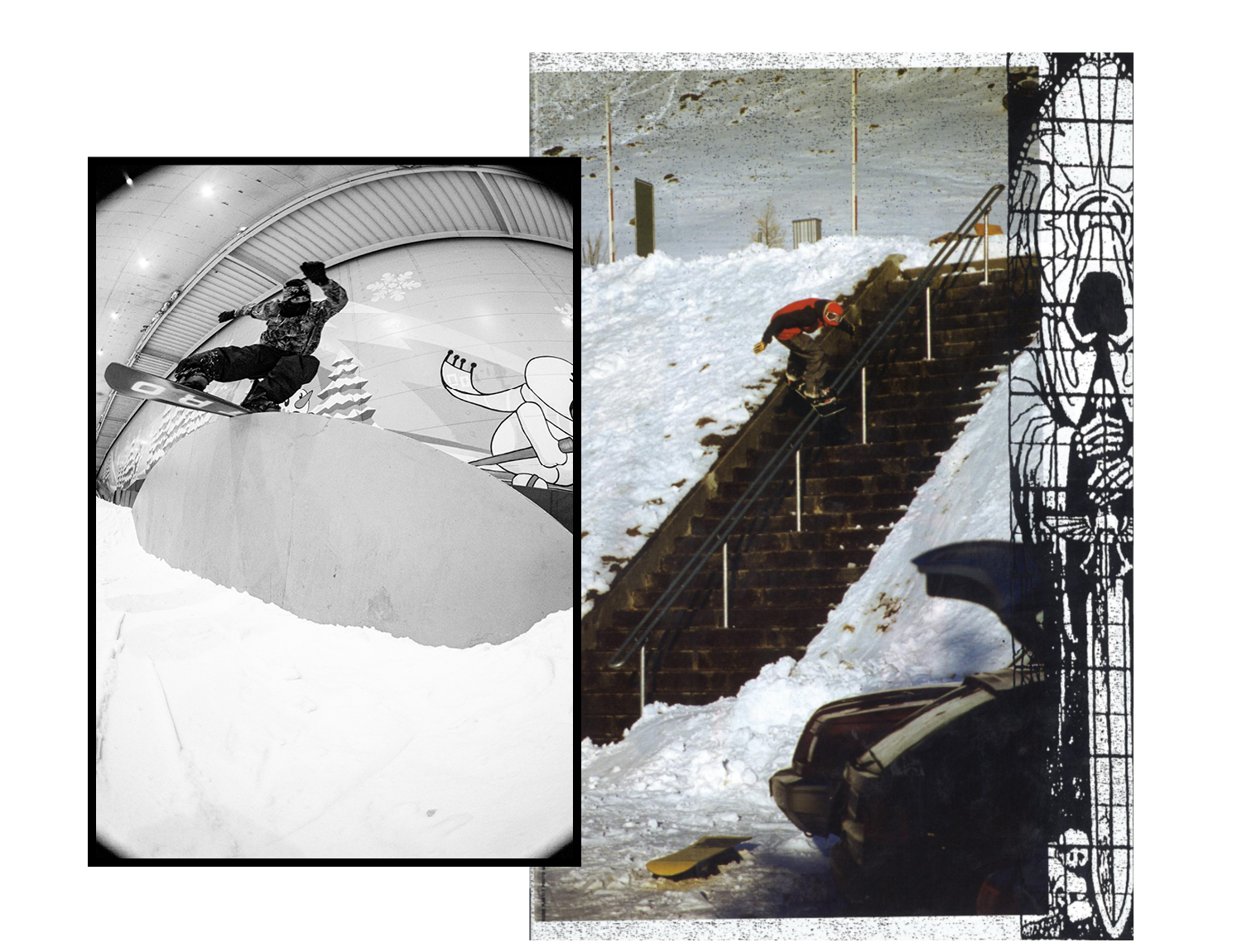
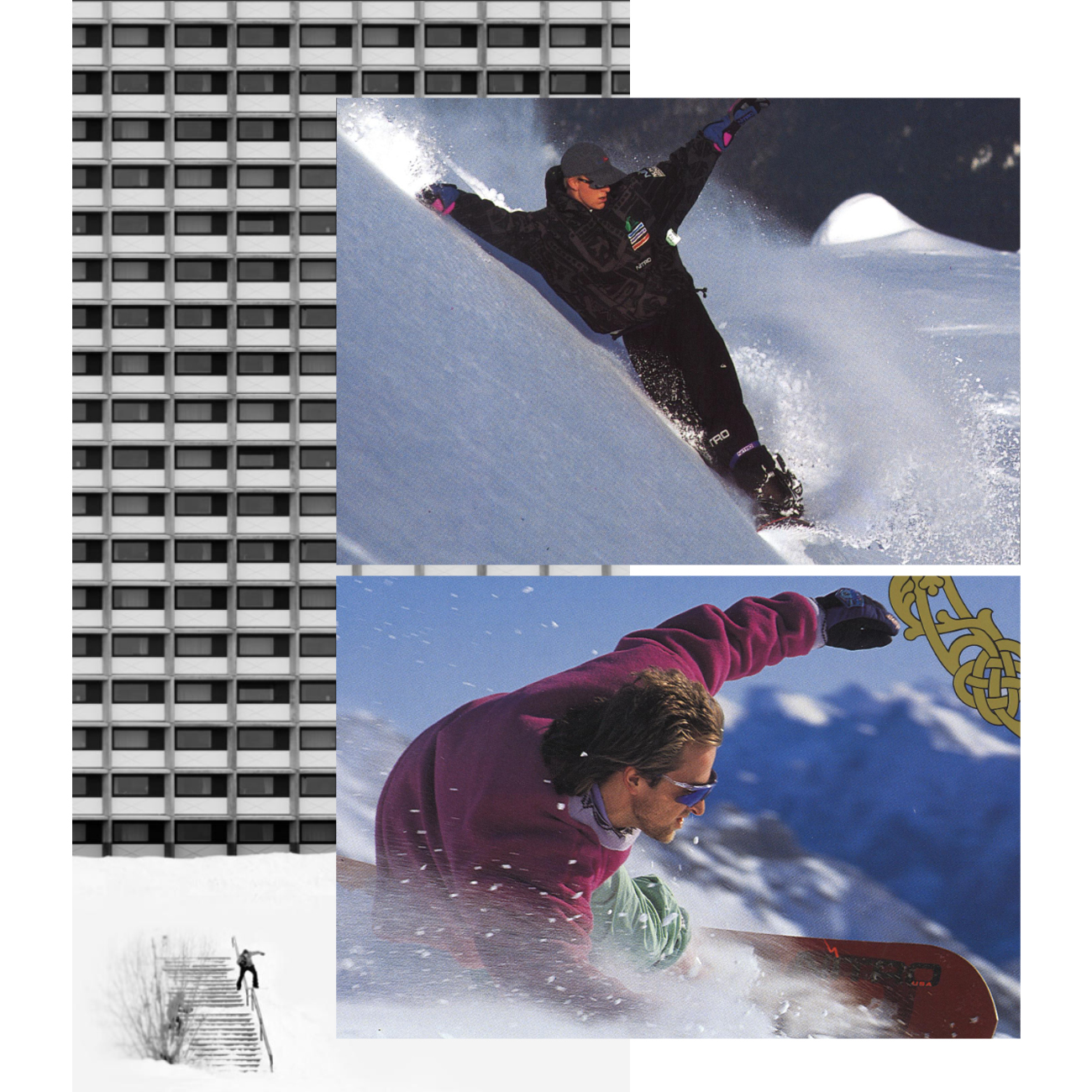
Across three decades, Nitro has preserved a rare continuity. It grows, evolves, and expands, yet never loses touch with the impulse that brought it into being: a group of riders in Seattle crafting boards for themselves. That same ethos continues today: in films, graphics, community gatherings, product design, and in the independent structure that safeguards the culture behind it. In this sense, Nitro embodies an “aura” of authentic creation — a spirit that cannot be reproduced by mere commercial logic.
Nitro is never just a collection of marketing seasons. It is a portrait of snowboarding, shaped by those who live it. The brand shifts with time yet remains anchored to its human core: independence, creativity, community, and the belief that snowboarding is not merely sport, but a lens for engaging with the world and the act of riding becomes a way to perceive, interpret, and inhabit culture.



 https://www.nastymagazine.com/wp-content/uploads/2025/11/atomic-x-nasty-mag.jpg
1000
1500
admin
https://www.nastymagazine.com/wp-content/uploads/2015/02/new-logo-basker-WHITE4.png
admin2025-12-05 11:15:342025-12-05 11:37:23Peak Essence / Atomic
https://www.nastymagazine.com/wp-content/uploads/2025/11/atomic-x-nasty-mag.jpg
1000
1500
admin
https://www.nastymagazine.com/wp-content/uploads/2015/02/new-logo-basker-WHITE4.png
admin2025-12-05 11:15:342025-12-05 11:37:23Peak Essence / Atomic