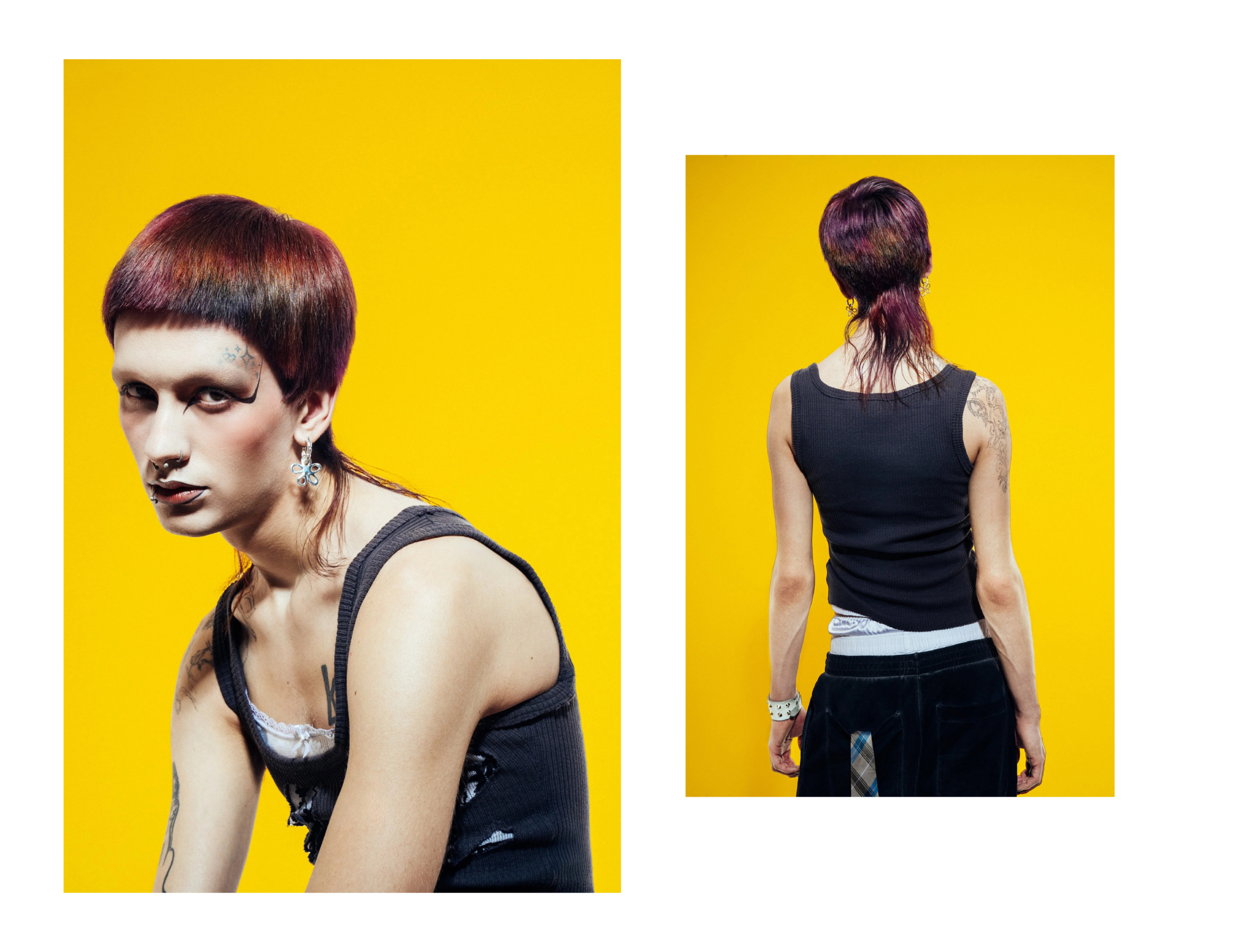
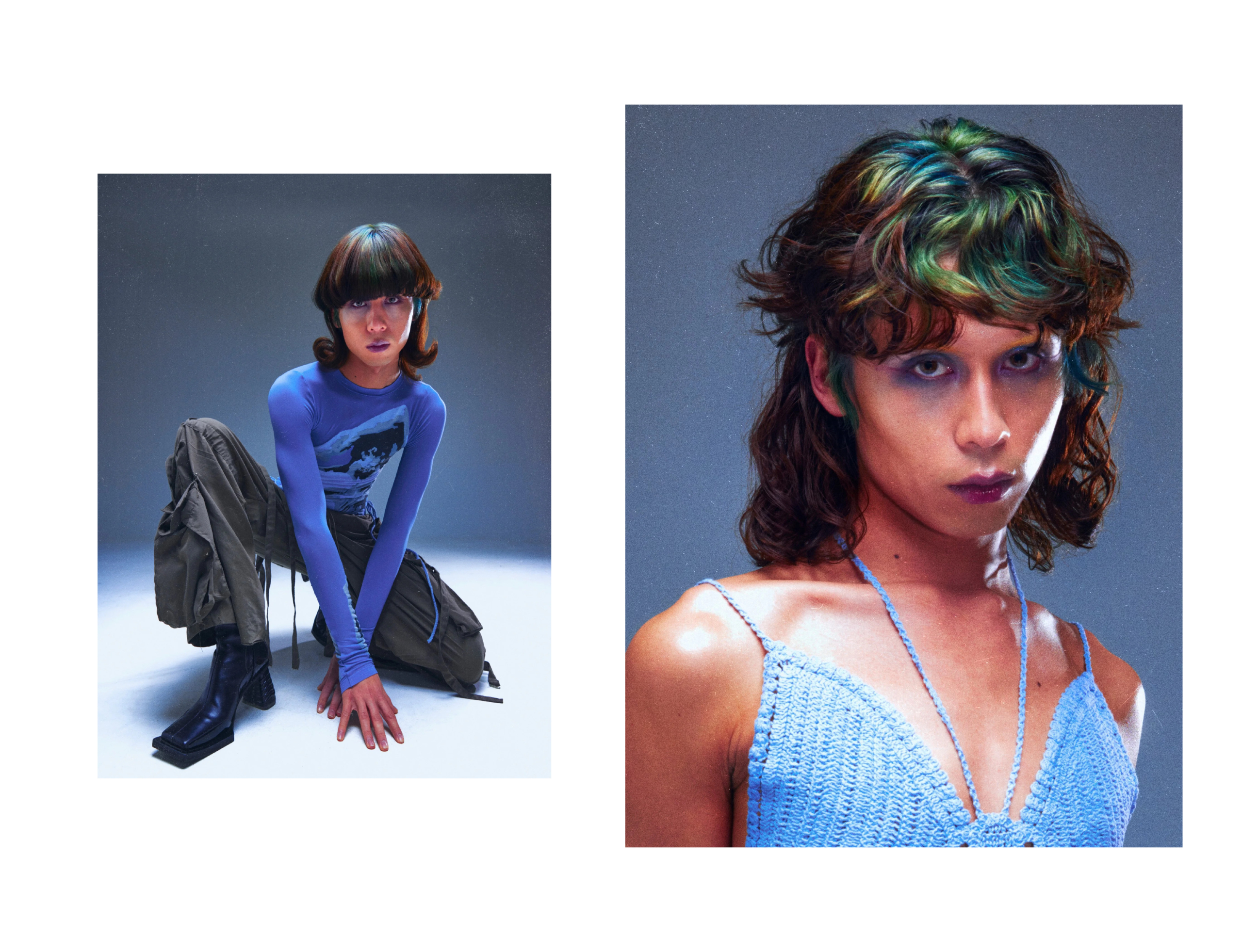
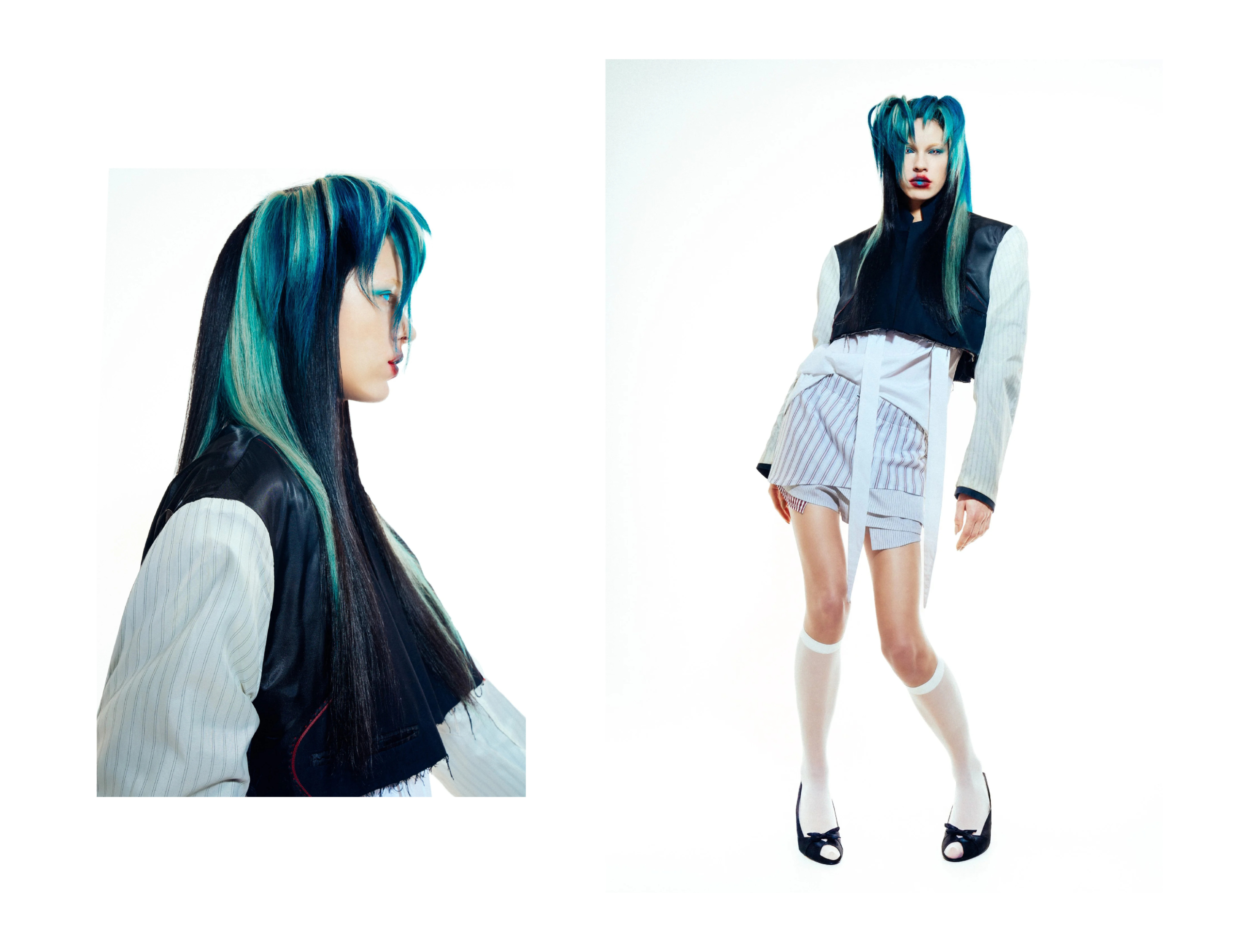
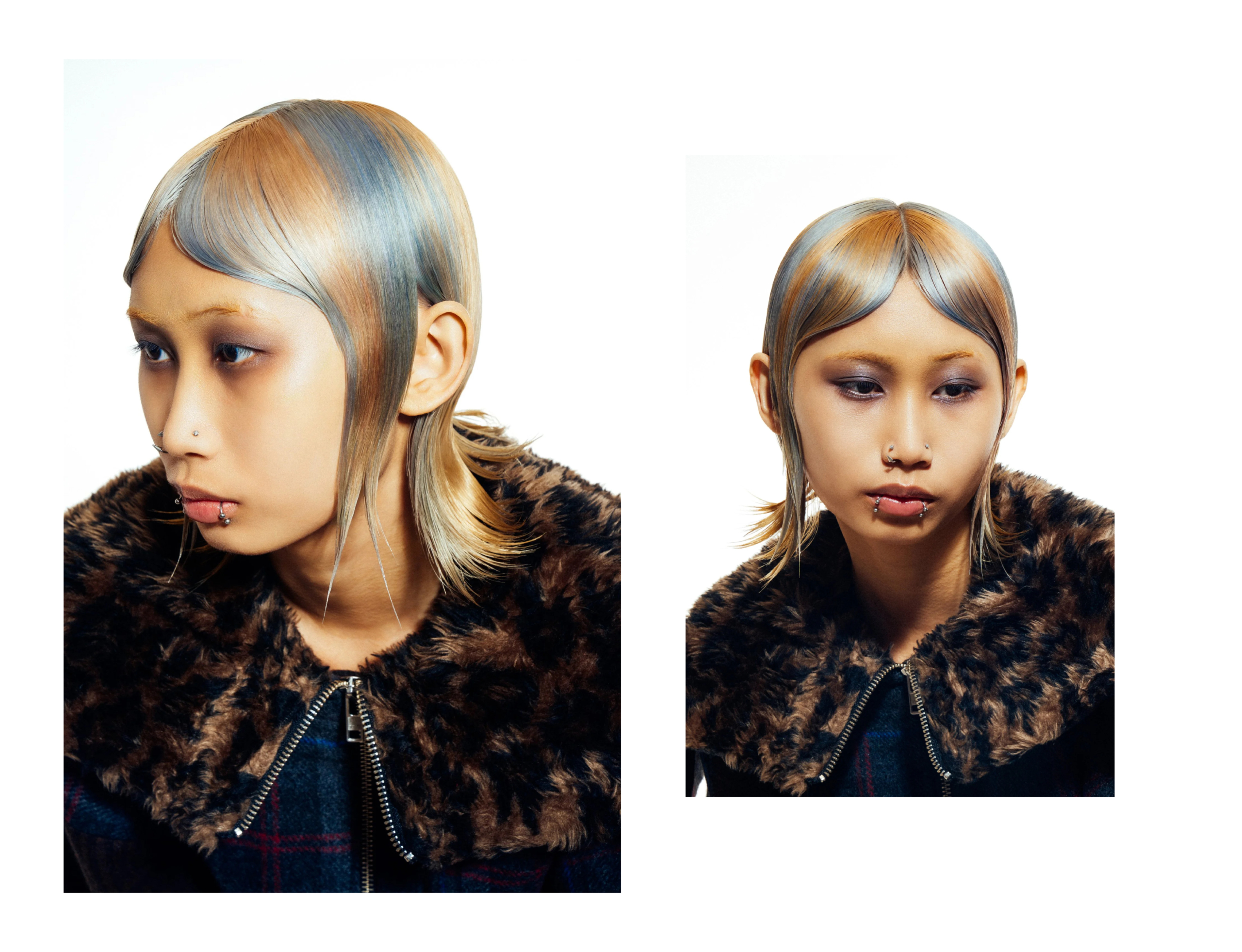
The Primal Gesture / Sofia Geideby

An exploration of hair as a raw, embodied act of identity and imagination.

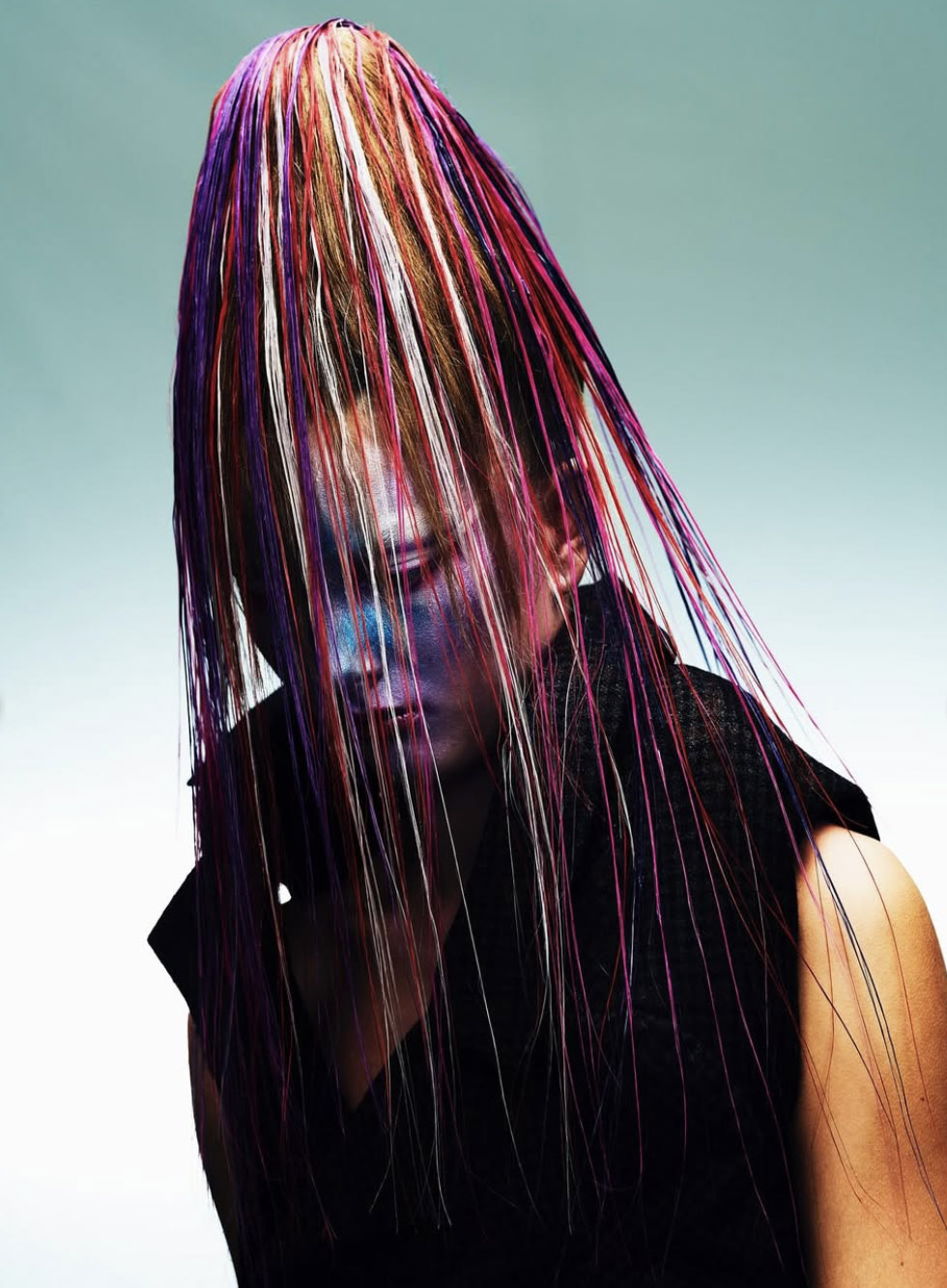
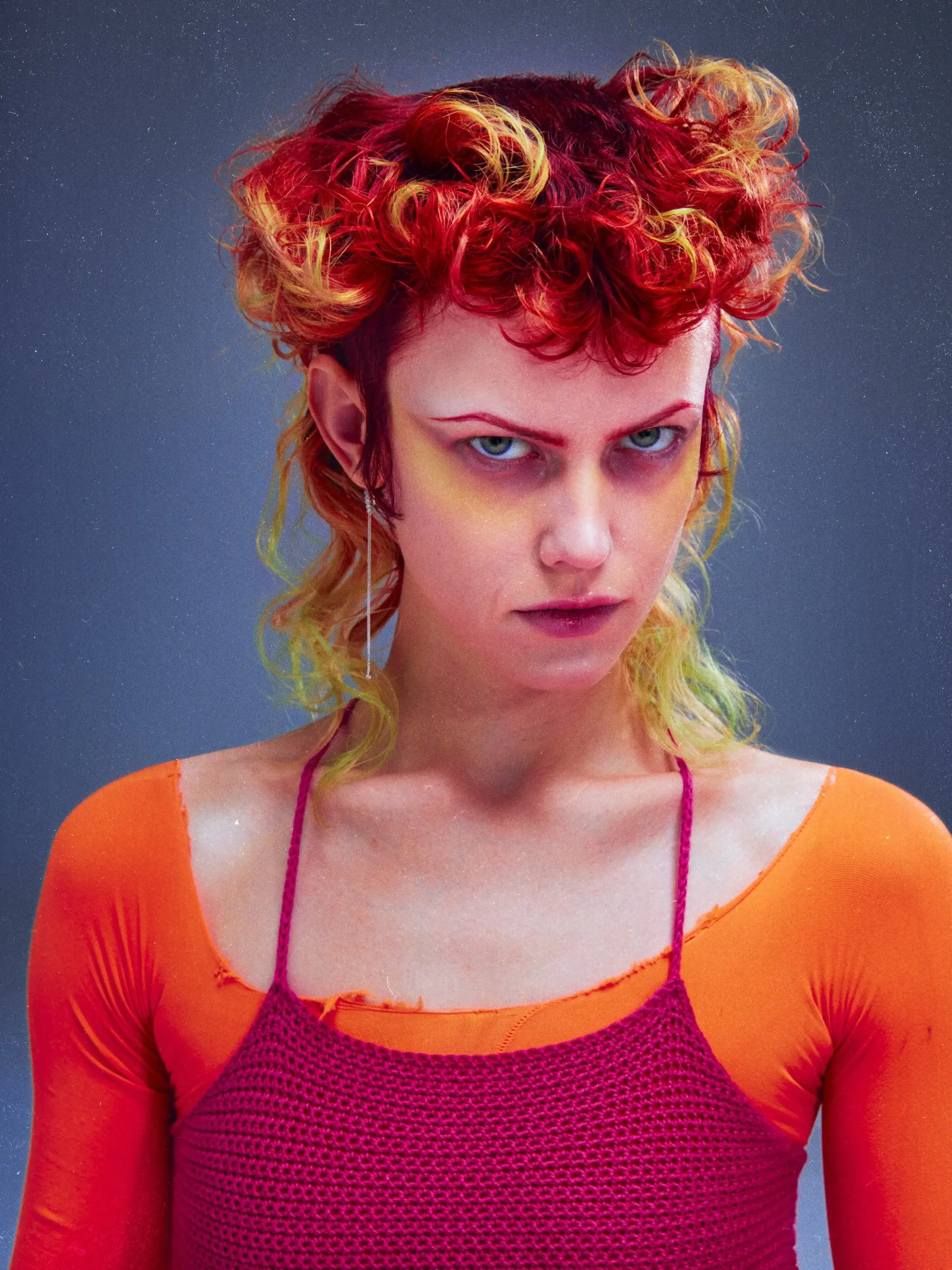
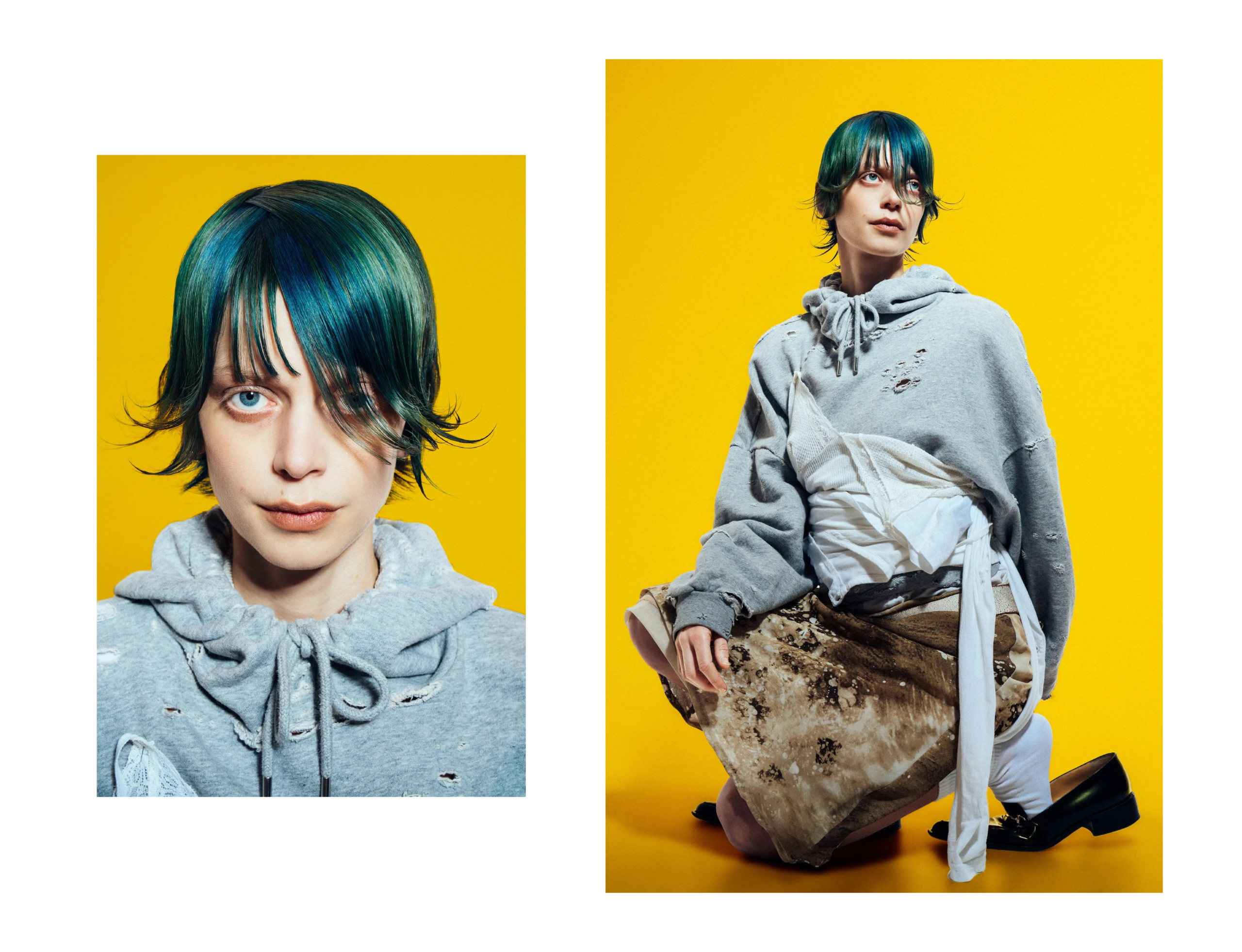
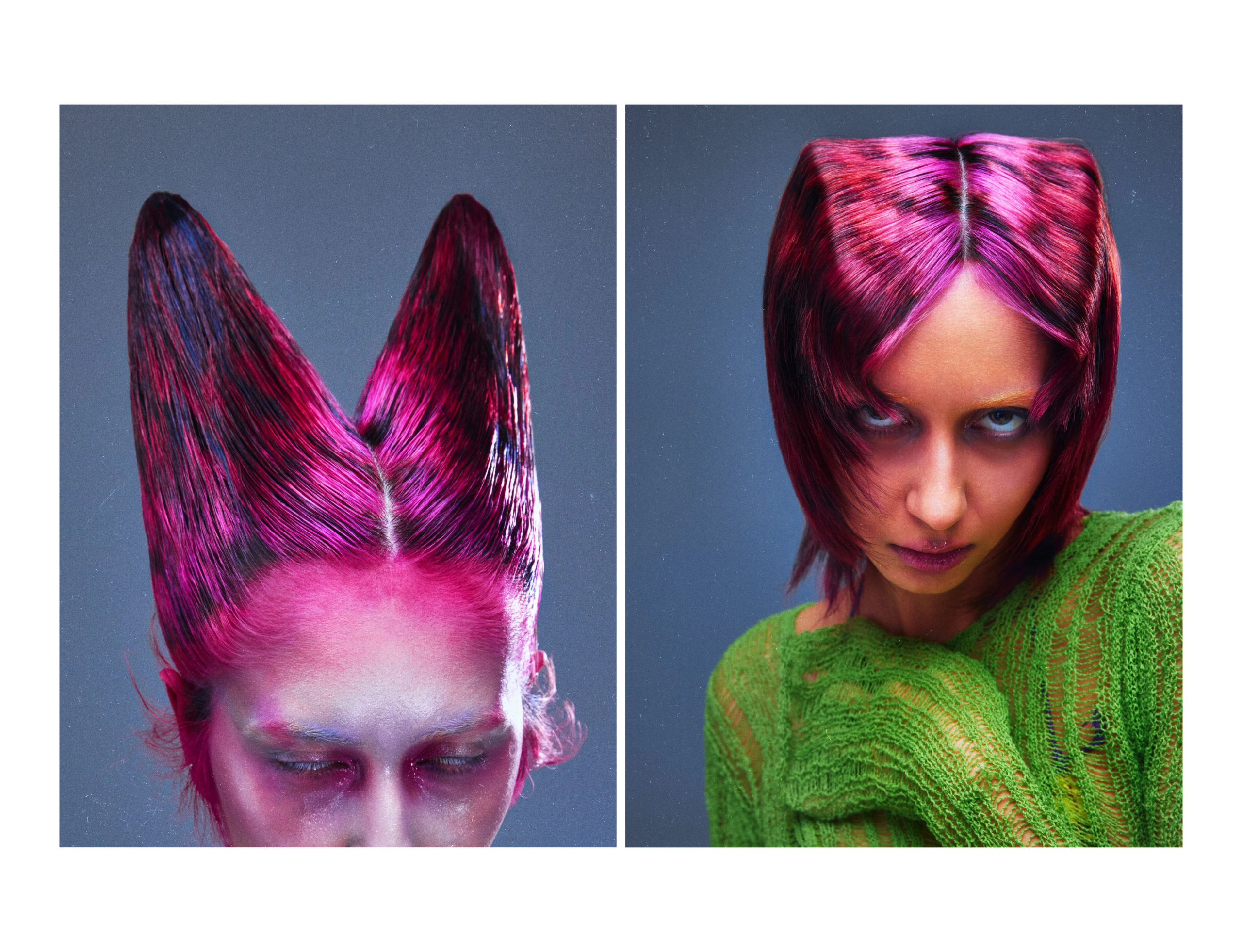
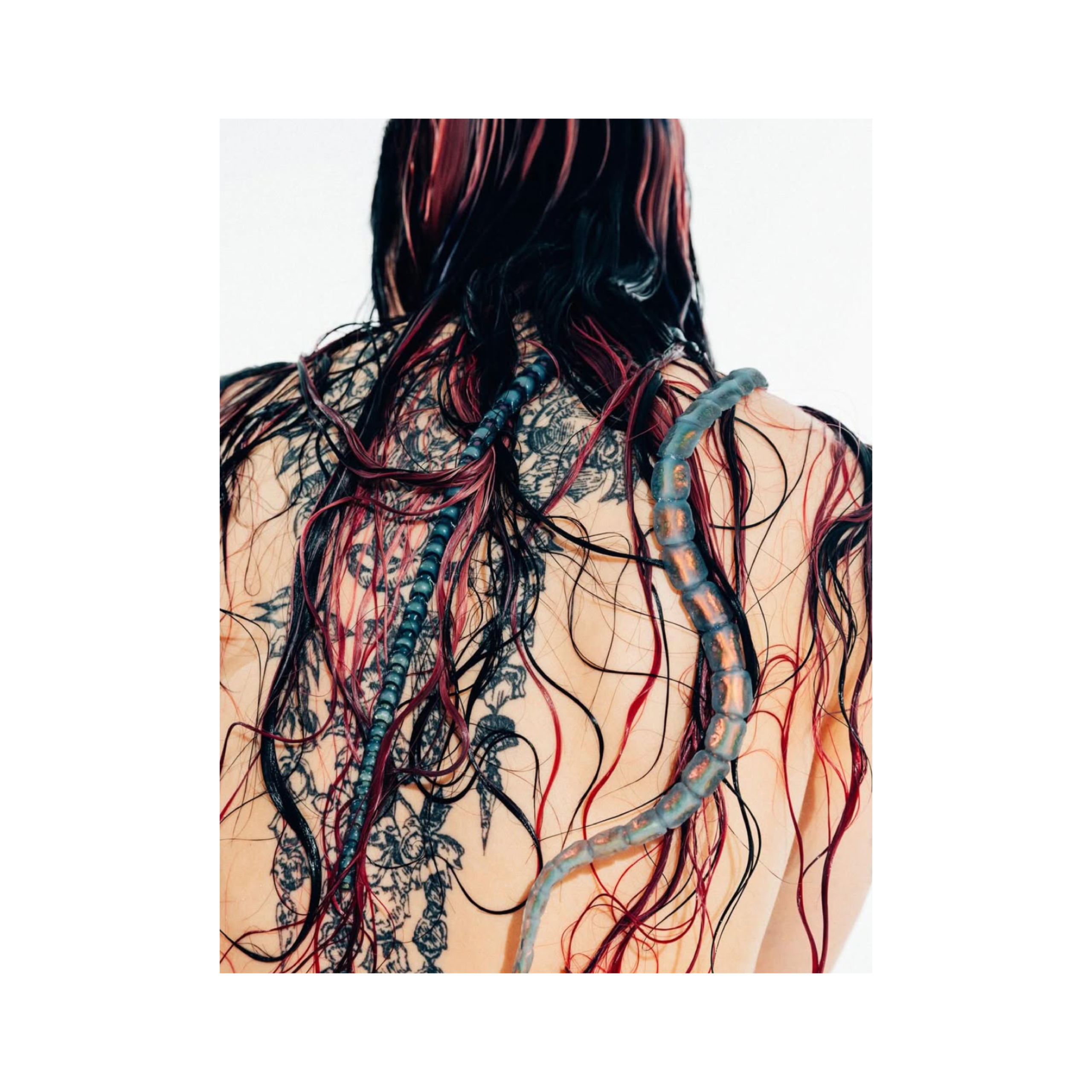
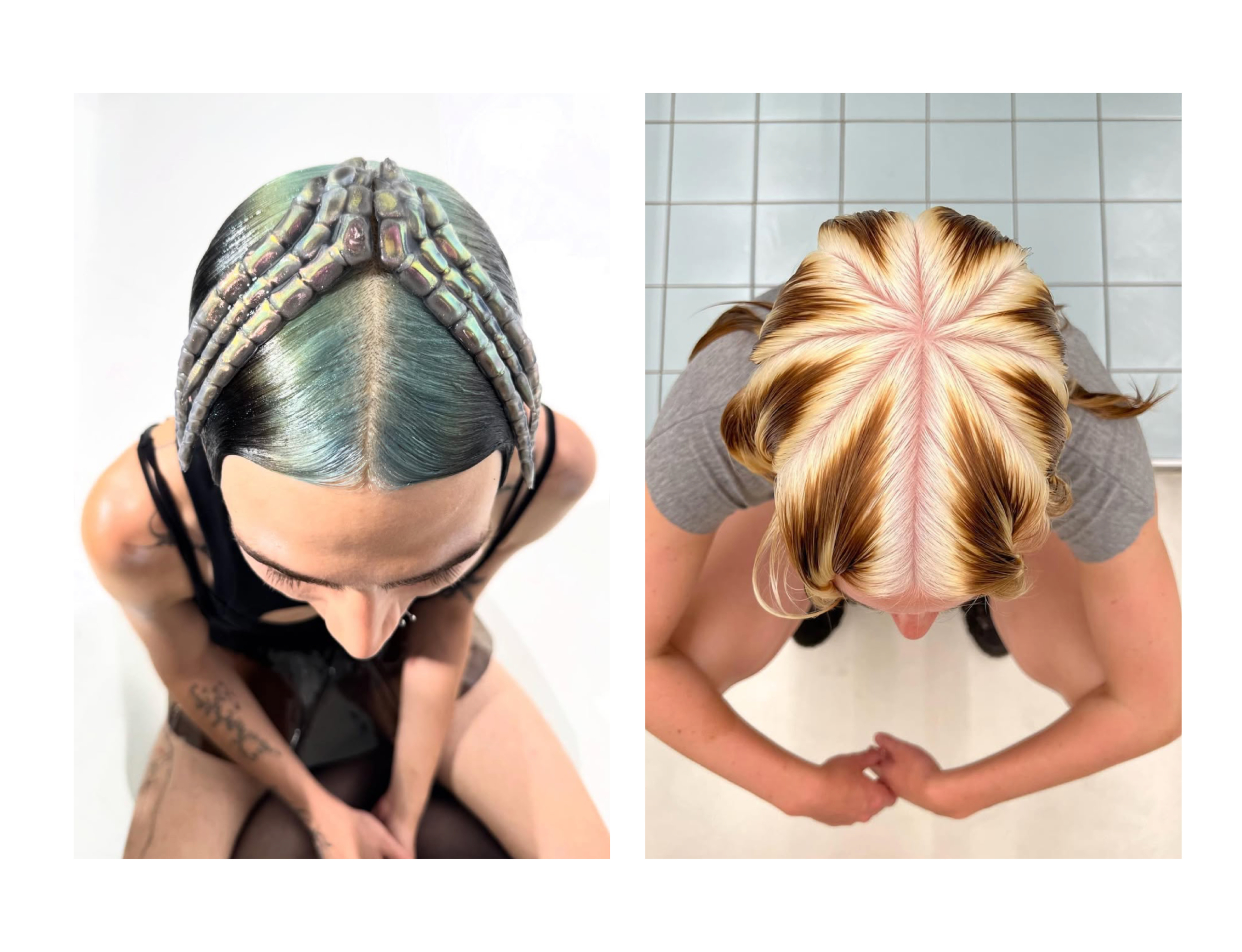
The human body is a subject of inspiration, creation, and innovation. There is nothing we are more alienated from than our own embodied selves. Sofia Geideby, master hair stylist and crowned Hairdresser of the Year 2025 in Sweden, believes in pushing the boundaries of creation and has found a way to express and channel her creativity through an intimate, almost primal, medium: hair. In this interview, we follow her belief system when it comes to her craft, her inspiration, and creative process.

In your trajectory as a hair stylist and creative, what mediums would you consider to be sources of inspiration?

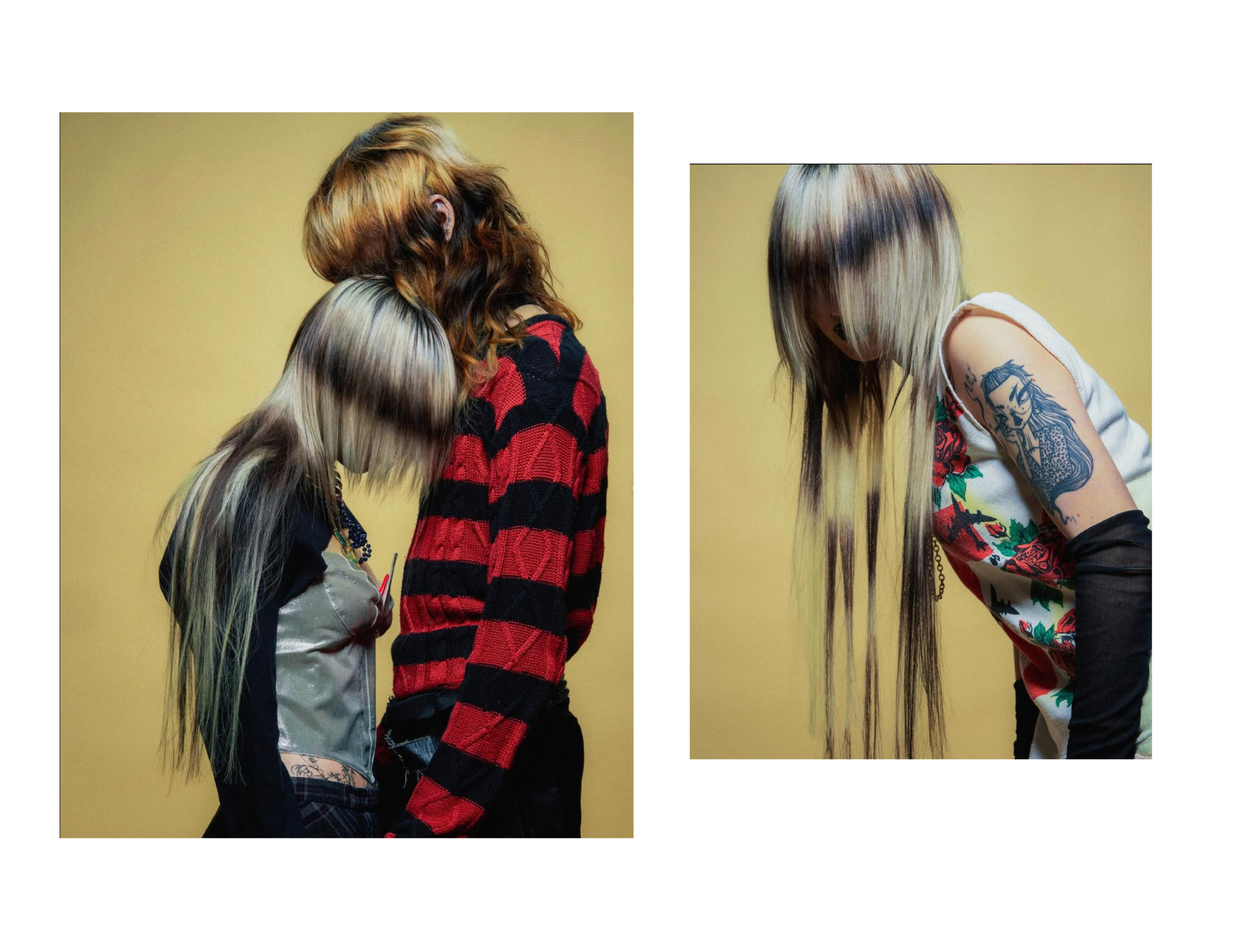
My inspiration comes from many places, but often outside of hair itself. I’m deeply influenced by the human body, movement, fashion, art history, architecture, and materials that age, break, or transform over time. I look a lot at textiles, worn surfaces, scars, patina, and things that carry traces of use. Music and emotional states also play a big role, rhythm, tension, silence. Hair becomes a meeting point where all these references can exist at once.

How did you discover hair as a medium for your creativity? How did you come to find such a strong passion for it?

I didn’t choose hair because it was safe or obvious, I chose it because it was intimate. Early on, I realized that hair sits right at the border between body and identity. It’s physical, emotional, political, and deeply personal. Once I understood that hair could hold all of that, it stopped being a craft alone and became a language. The passion comes from that closeness,from working with something alive, reactive, and constantly changing.

Many people believe in the spiritual value of hair. Do you hold any spiritual beliefs or perspectives when it comes to hair?

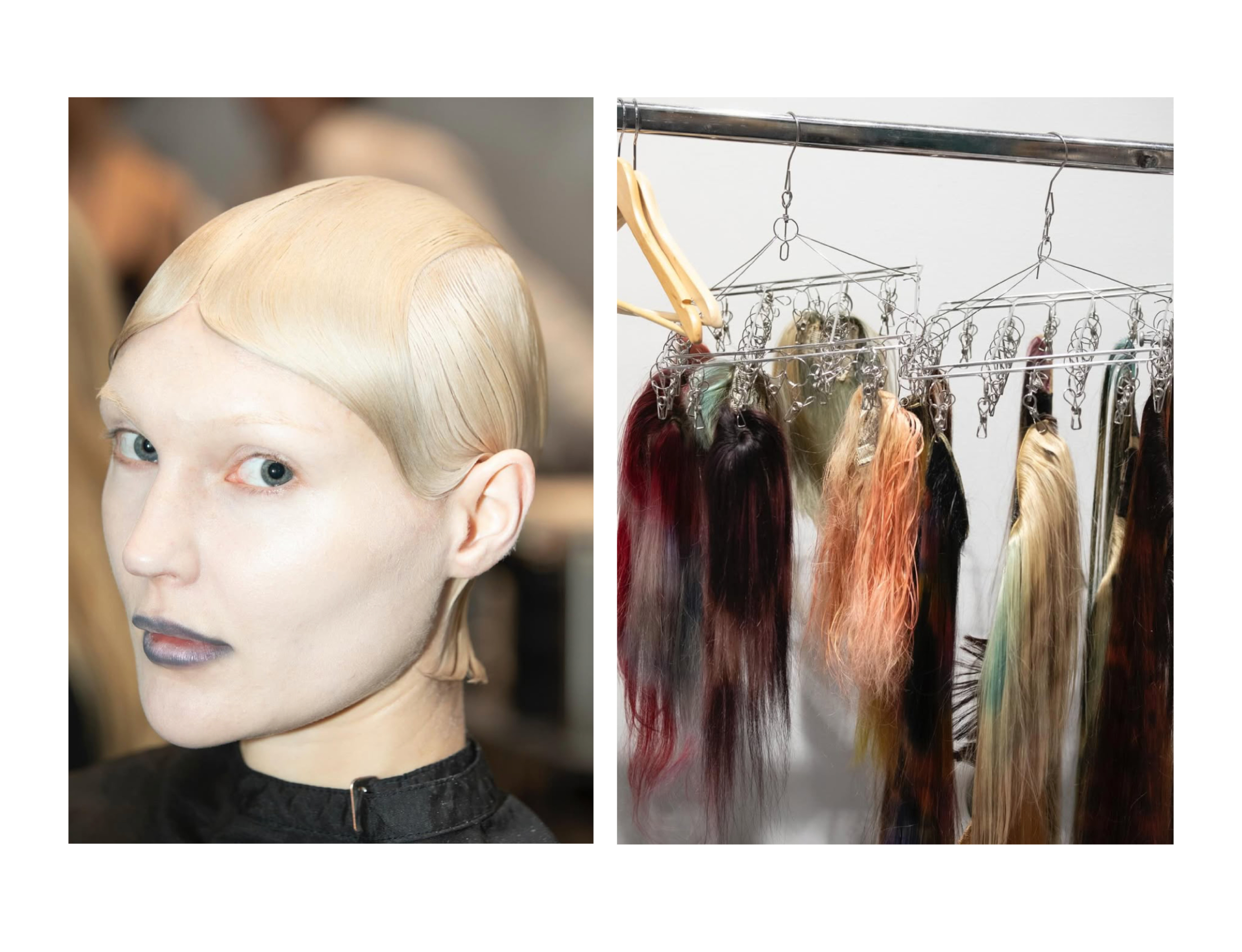
I don’t follow a specific spiritual doctrine, but I absolutely believe hair carries memory and symbolism. Cutting hair can be an ending, a release, or a reset, even if we don’t consciously frame it that way. I experience hair as something charged: it absorbs time, emotion, and experience. When it’s cut or transformed, something shifts. That act can feel ritualistic, even if it’s quiet and unspoken.

What is your personal relationship with your own hair?

My own hair is both personal and experimental. It’s an extension of me, but also something I constantly renegotiate. Sometimes it feels like armor, sometimes like exposure. I use it as a testing ground, emotionally and visually, but I’m also very aware of how tied it is to my sense of self. It’s not just a canvas; it’s a conversation between who I am and who I’m becoming.

Would you consider expanding your craft and experimenting with other disciplines? Which ones?

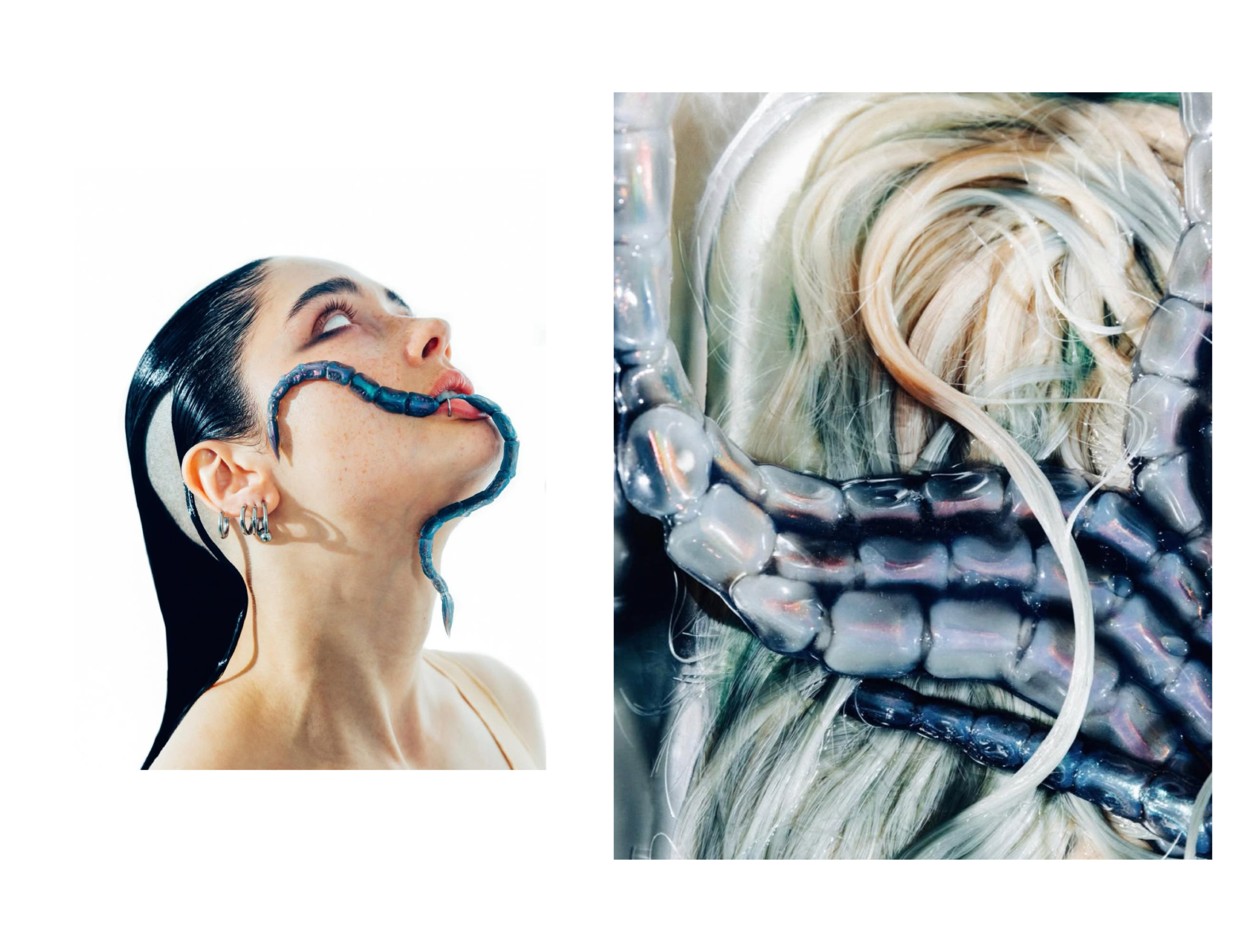
Absolutely. I already see my work as crossing disciplines, but I’m very interested in sculpture, performance, fashion, and installation. I’m drawn to practices where the body is central and where time, decay, or transformation are part of the work. I don’t see hair as limiting, I see it as a portal into other forms.

Collaboration is a very important aspect of your work. How does your team work together?

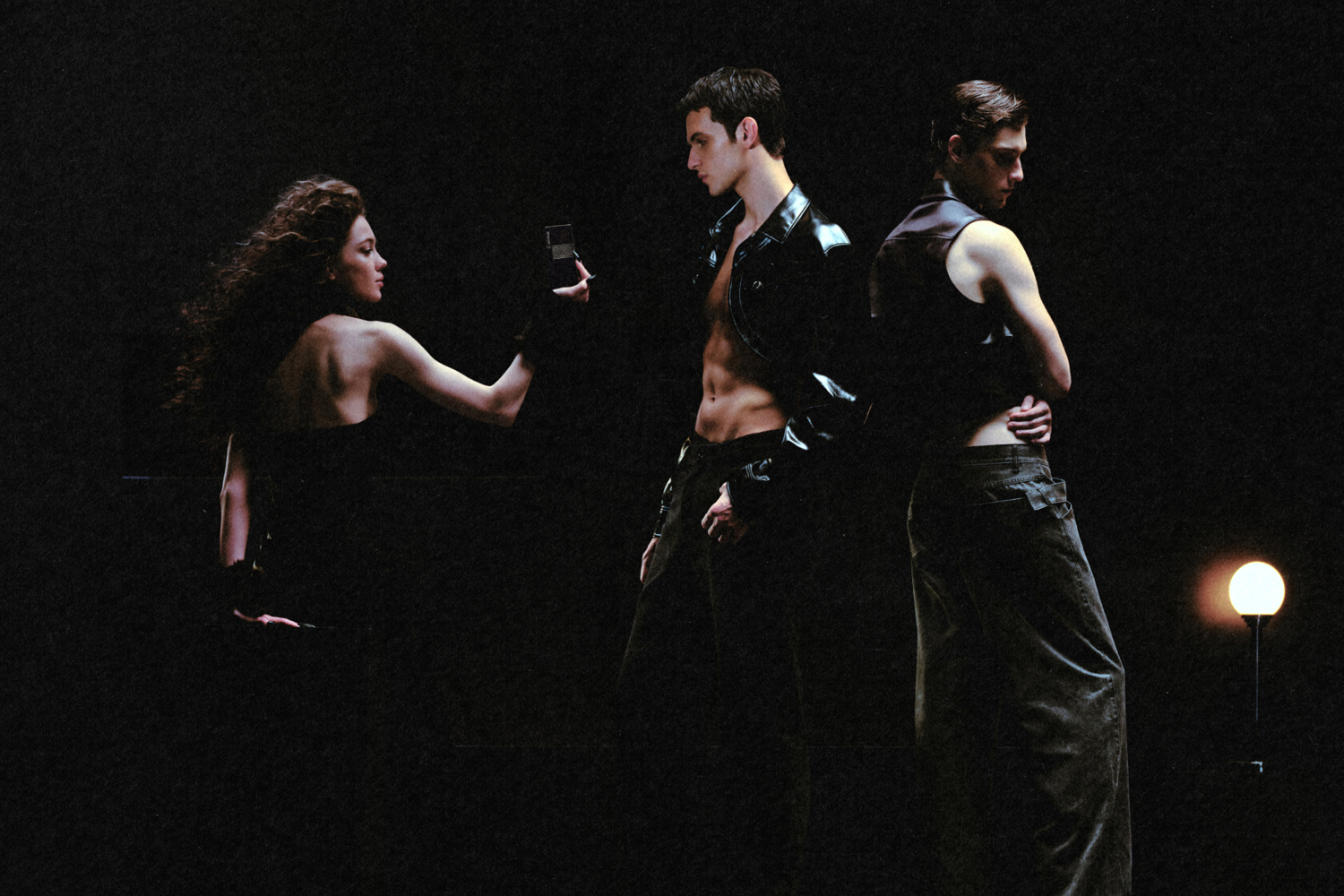
Collaboration is essential. Hair never exists in isolation, it lives in dialogue with photography, styling, makeup, light, and the person wearing it. Communication in my teams is very intuitive but deeply respectful. Everyone brings their authorship, but we listen closely to each other. I value trust over control. The best results come when everyone feels safe enough to push, question, and let go.

When working with something as personal as hair, what kind of connection do you believe you hold with the subject?

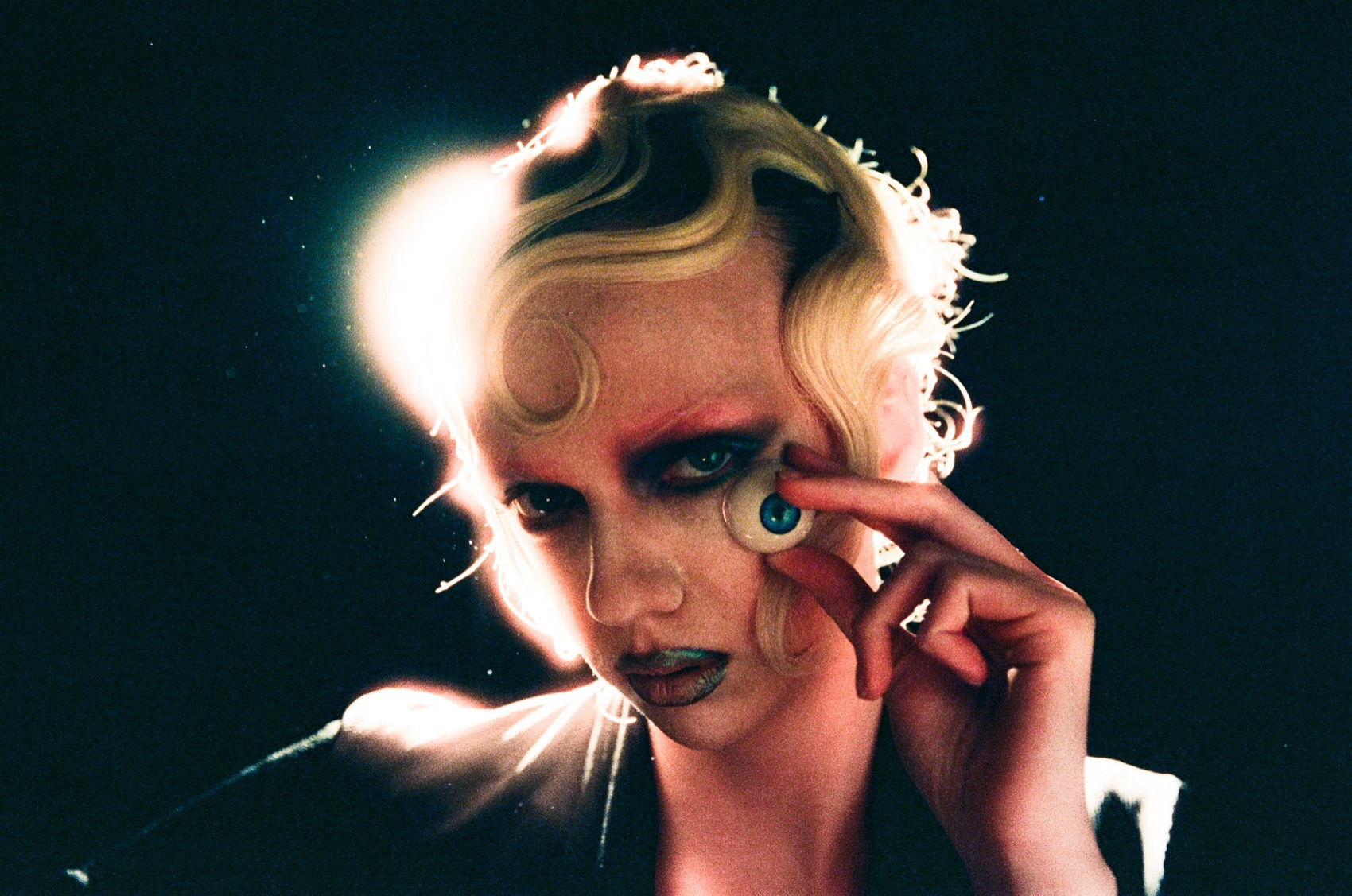
There is always a connection, even when it’s subtle. Working with hair requires proximity, touch, and time. That creates a shared vulnerability. I don’t believe I’m imposing something onto a person — I’m responding to them. Their posture, energy, resistance, and openness all inform the work. It’s a quiet collaboration, even when no words are exchanged.

Do you see your work as being closer to design, sculpture, performance, or ritual?

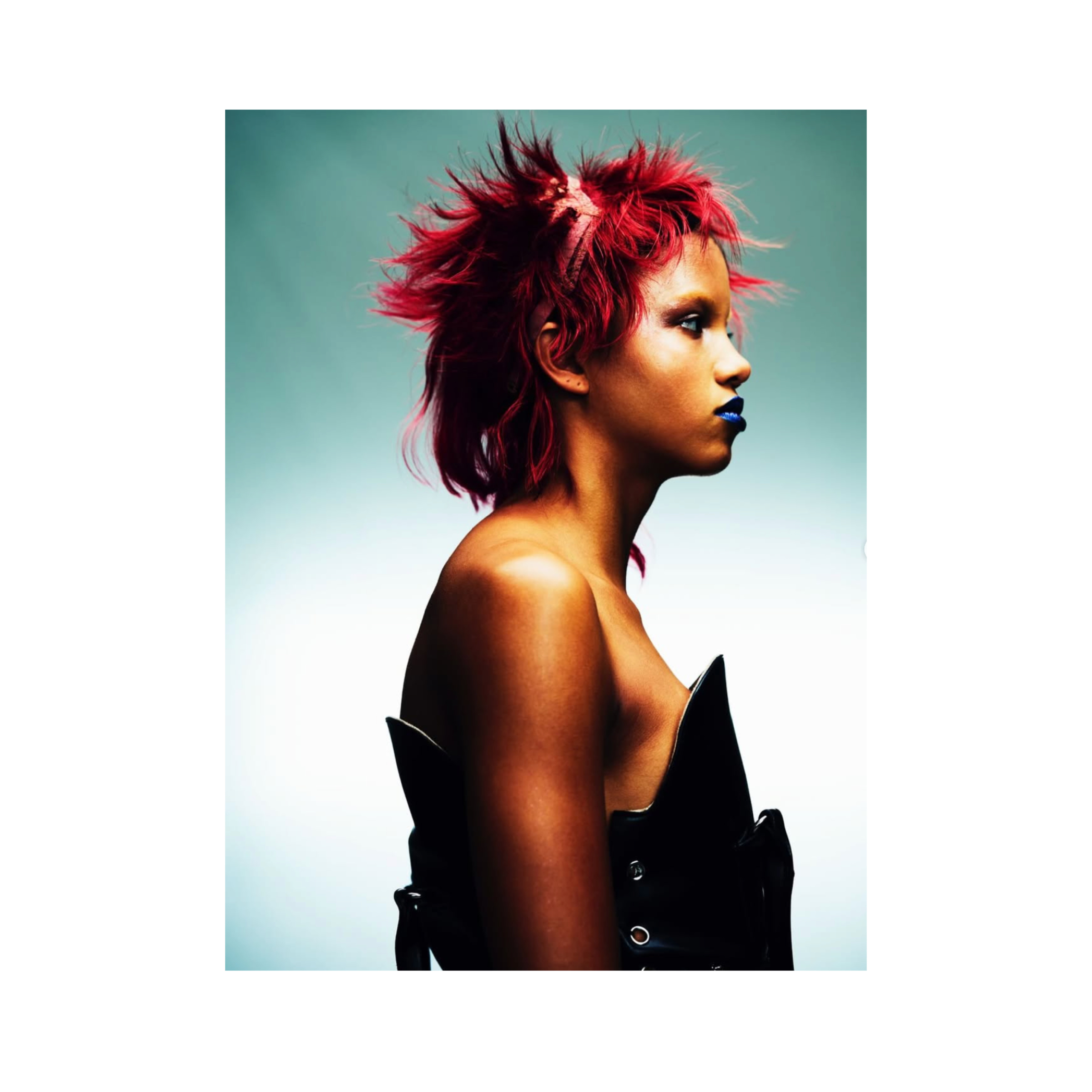
It sits somewhere between all of them. Structurally, it’s close to sculpture. Temporally, it’s performance, hair moves, lives, and eventually disappears. Emotionally, it can feel like ritual. I’m not interested in categorizing it too precisely; I like that it exists in-between, just like hair itself.

Where do you see the line between your authorship and the client’s identity?

That line is fluid and negotiated every time. My role is not to overwrite someone’s identity, but to reveal or amplify something that already exists. Authorship lives in interpretation and intention, not ownership. The hair ultimately belongs to the person wearing it, I’m just temporarily shaping a moment in their ongoing story.

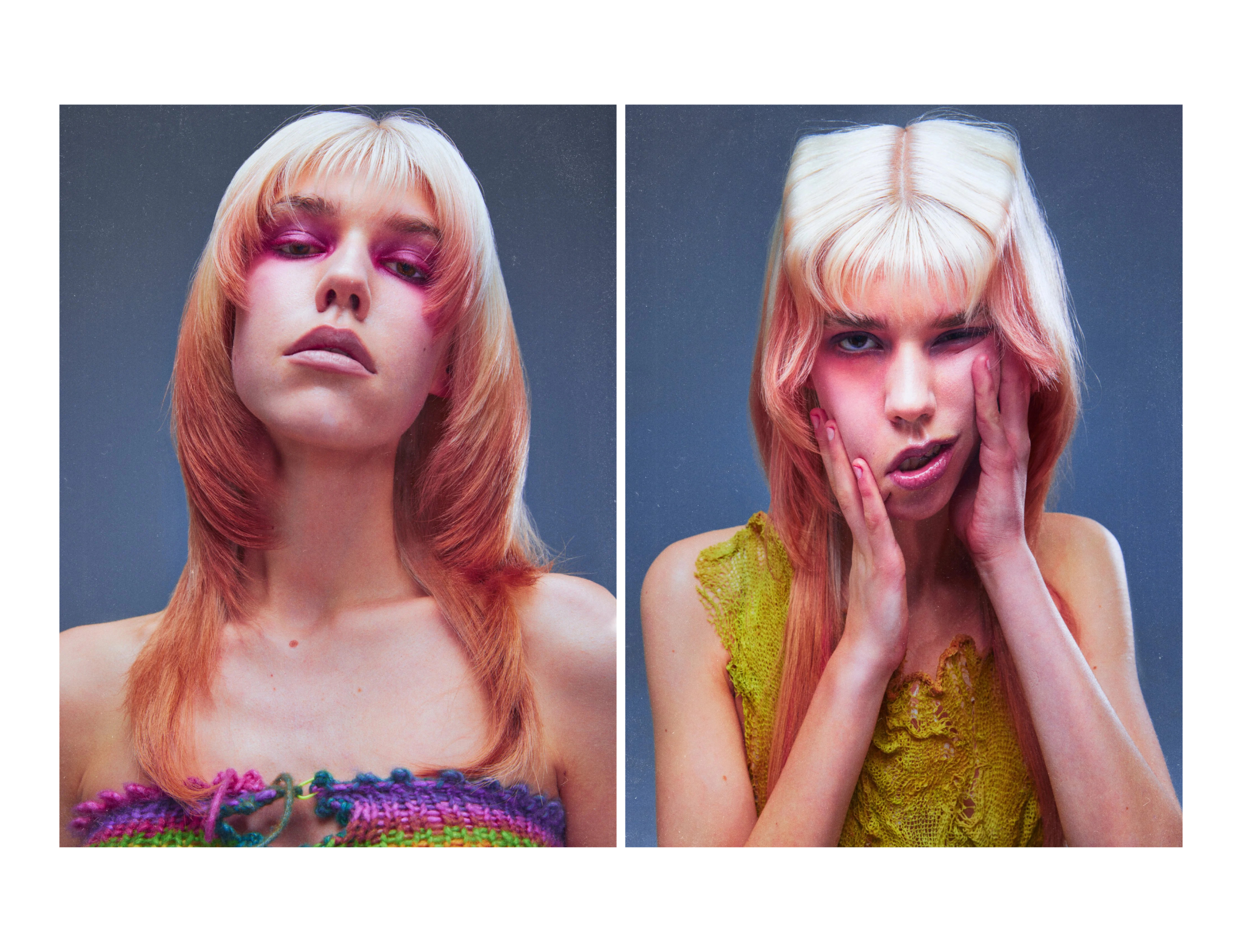
The Primal Gesture / Sofia Geideby

Credits:

Artist: Sofia Gideby / @sofiageideby
Pictures: Aris Akritidis, Ninja Hanna, Lamia Karić, Studio Forgatmigej /
@aris_akritidis, @ninjahanna, @lamiakaric, @studio_forgatmigej
Jewelry artist: Nina Johansson / @ninajohanssonstudio
Interview: Ethel Romero / @_bby_ella

You may also like

Erwin Wurm / Abstract Invocations

Art&Culture | Interview
Erwin Wurm, Austrian artist best known for his unusual depictions of everyday life in conversation with Antoine Schafroth.

Tim Plamper / Depth Dimensions

Art&Culture | Interview
Tim Plamper in a conversation with Maria Abramenko talking about his artistic path, Joy Division and Berlin.

Anetha x Fold London / Quartiers Rouges, Paris

Music | Spotlight
Get ready for a night that fuses cutting-edge techno, magnetic house, and the unique energy of London’s finest nights. On December 27th, a meeting of two visions of nightlife, brought together under one roof at La Machine du Moulin Rouge.