Can you describe your design process, from concept to final garment What does a typical day in your studio look like
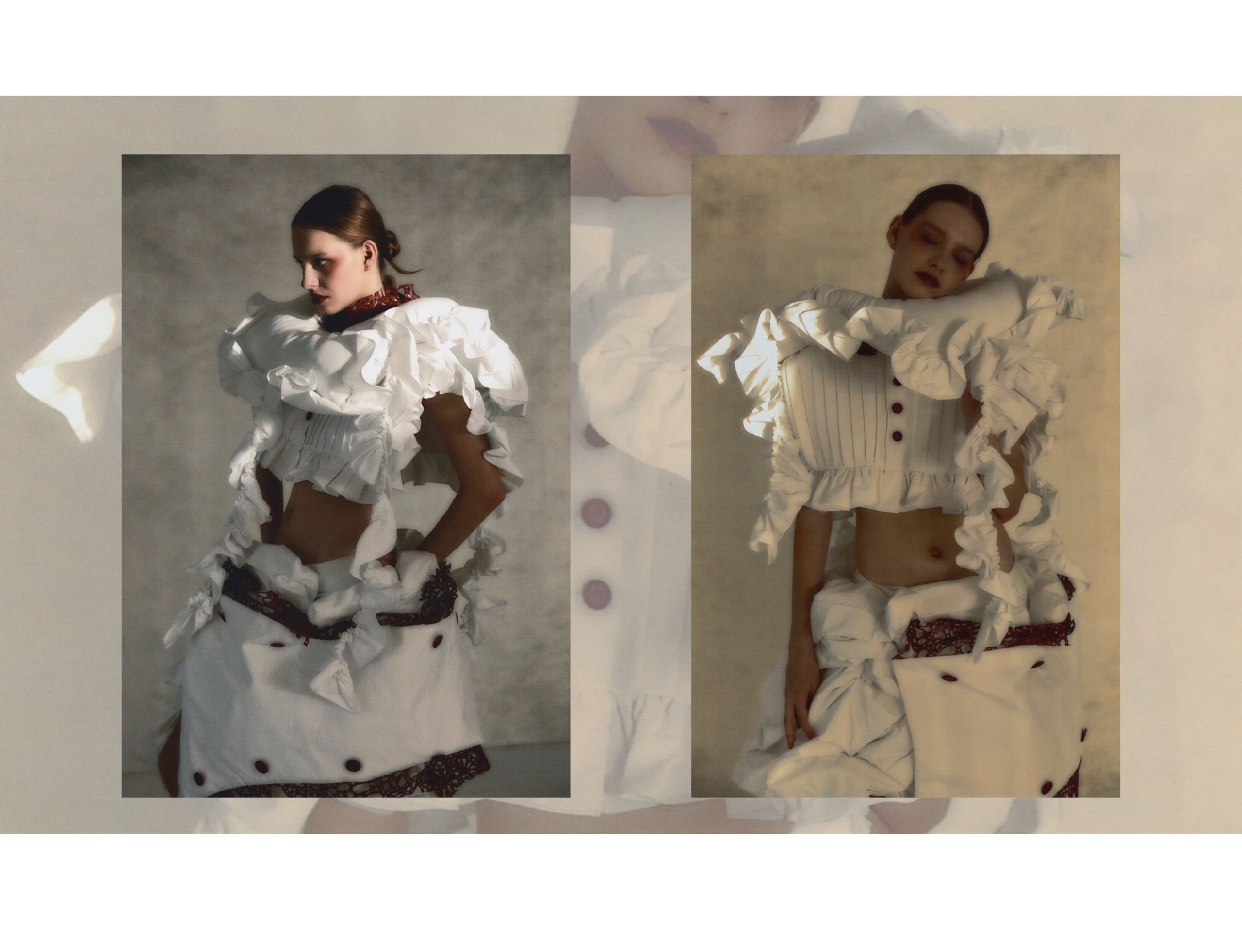
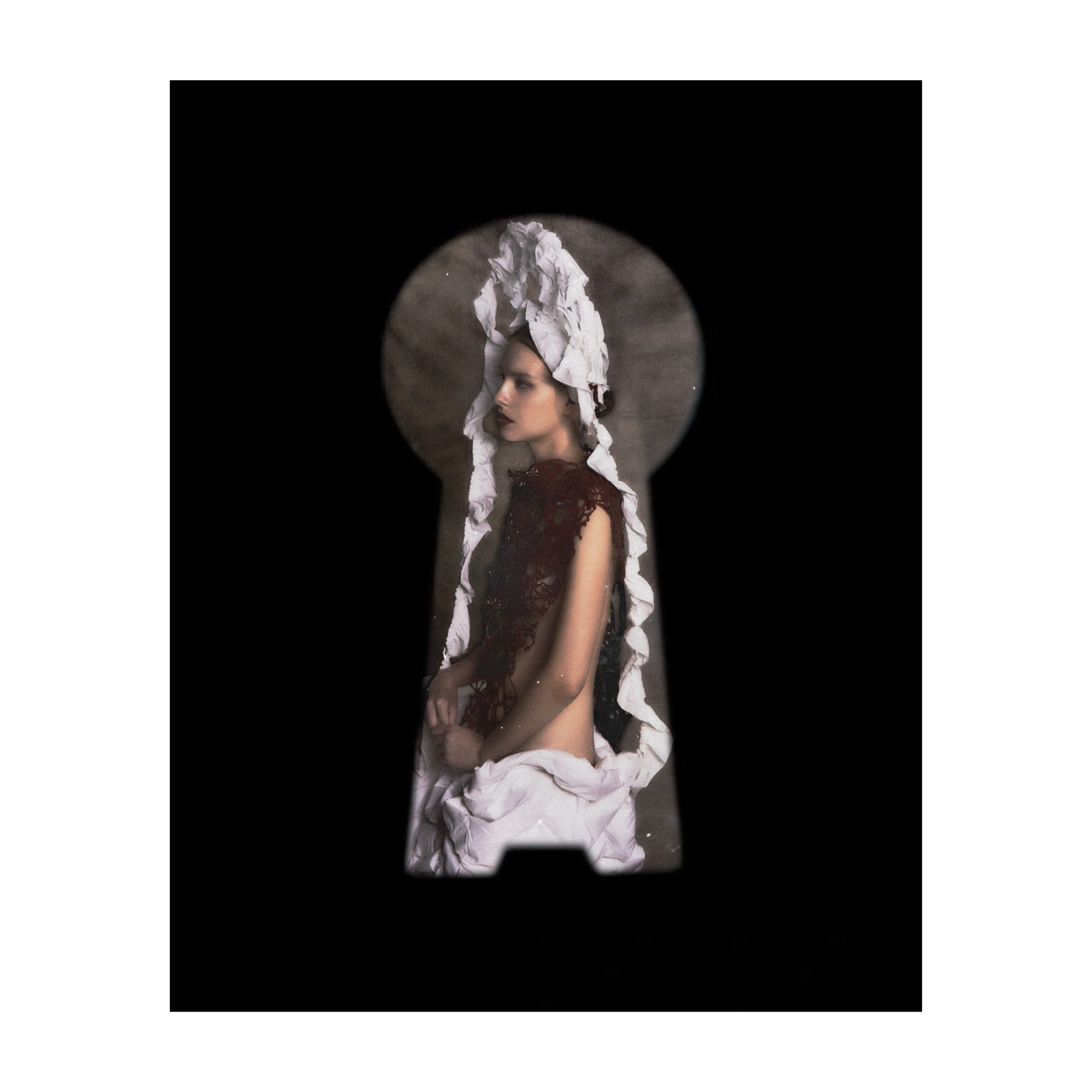
My process begins with lived experience. I collect moments that stay in the body, sleepless thoughts, emotional afterimages, small shifts in perception. I document them obsessively, not only with writing but through fragments of imagery, fabric sensations, and references that feel more like memory than research.
From there, I build collages. Collage is how I translate an internal state into a visual grammar. It lets me hold contradictions, like softness against tension, clarity against distortion etc.
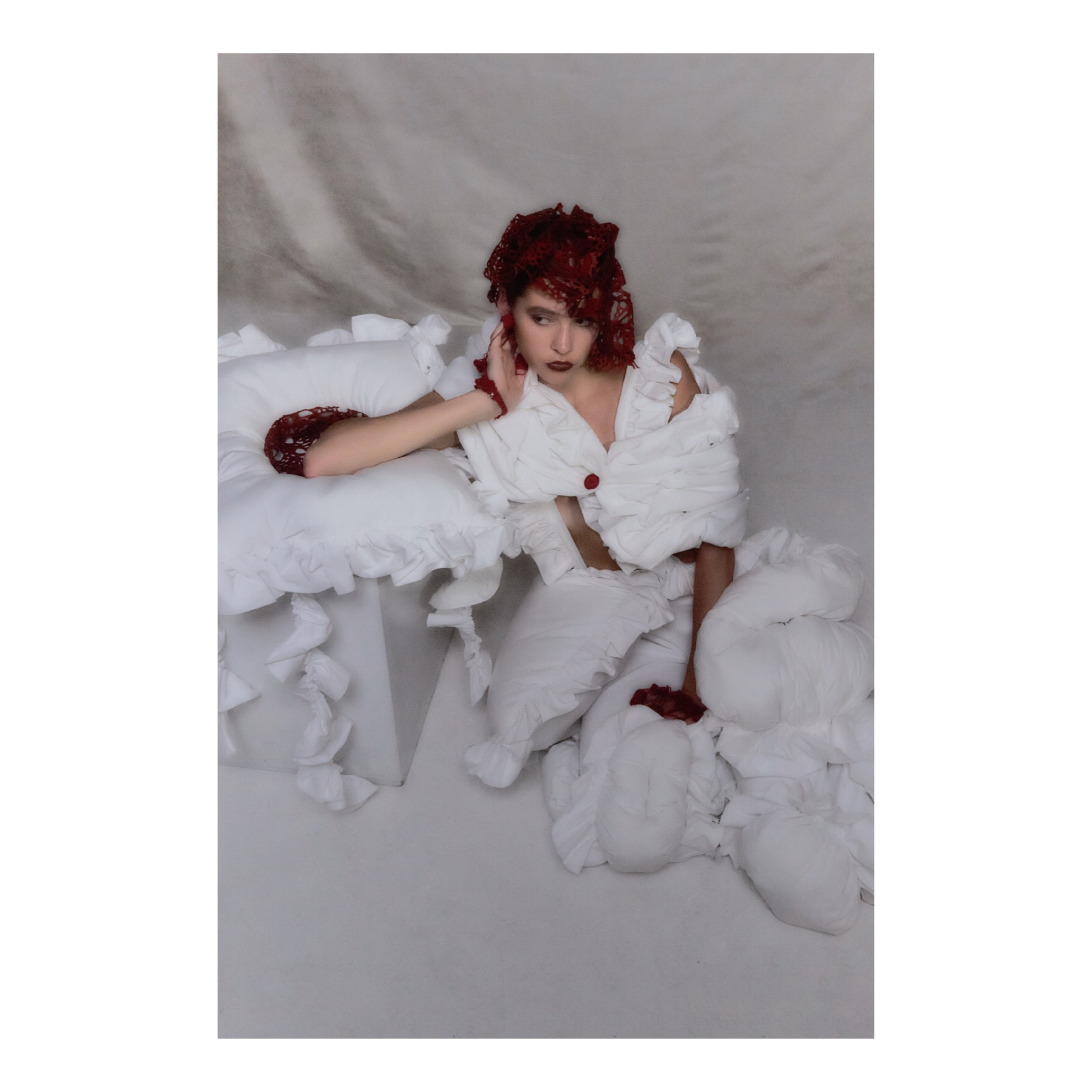
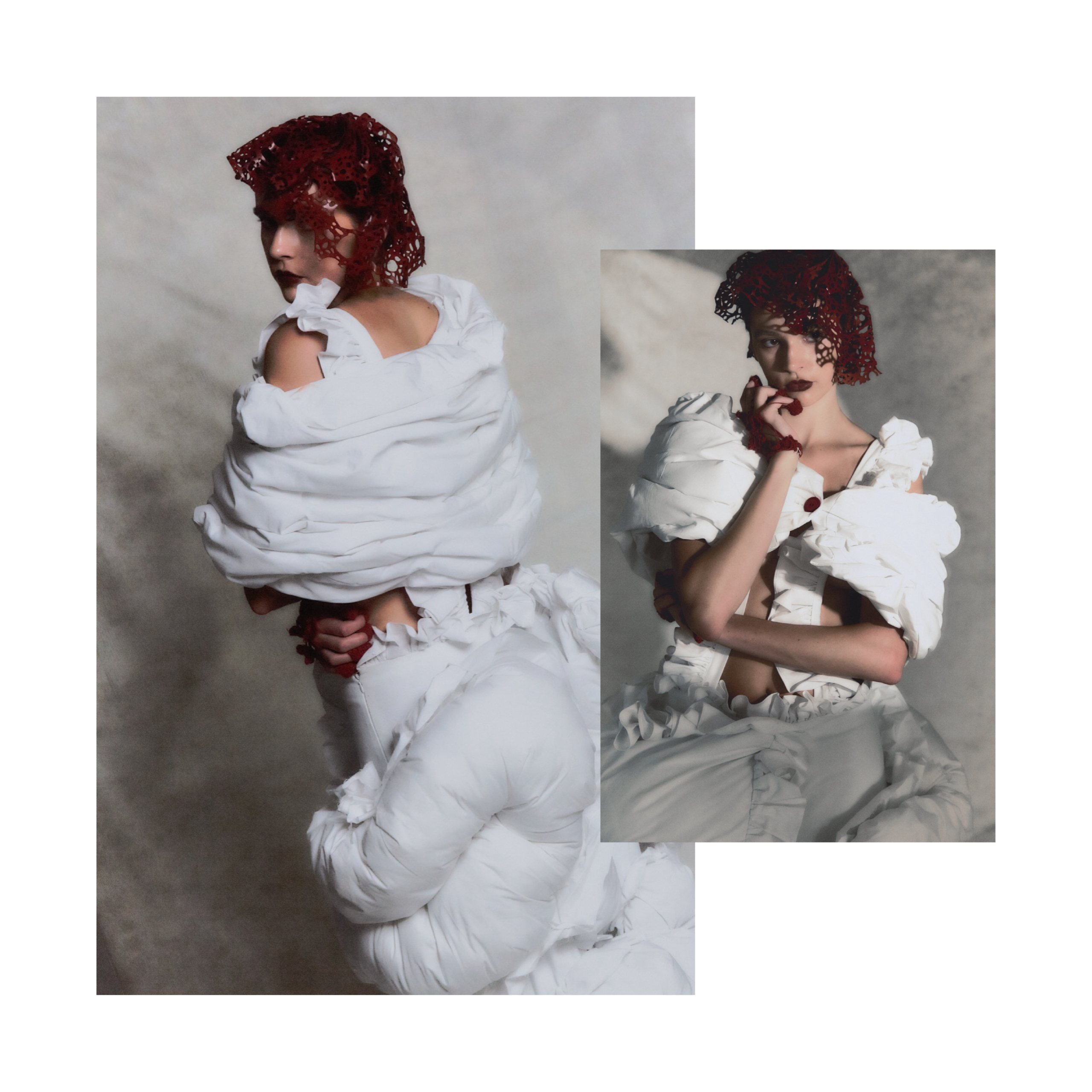
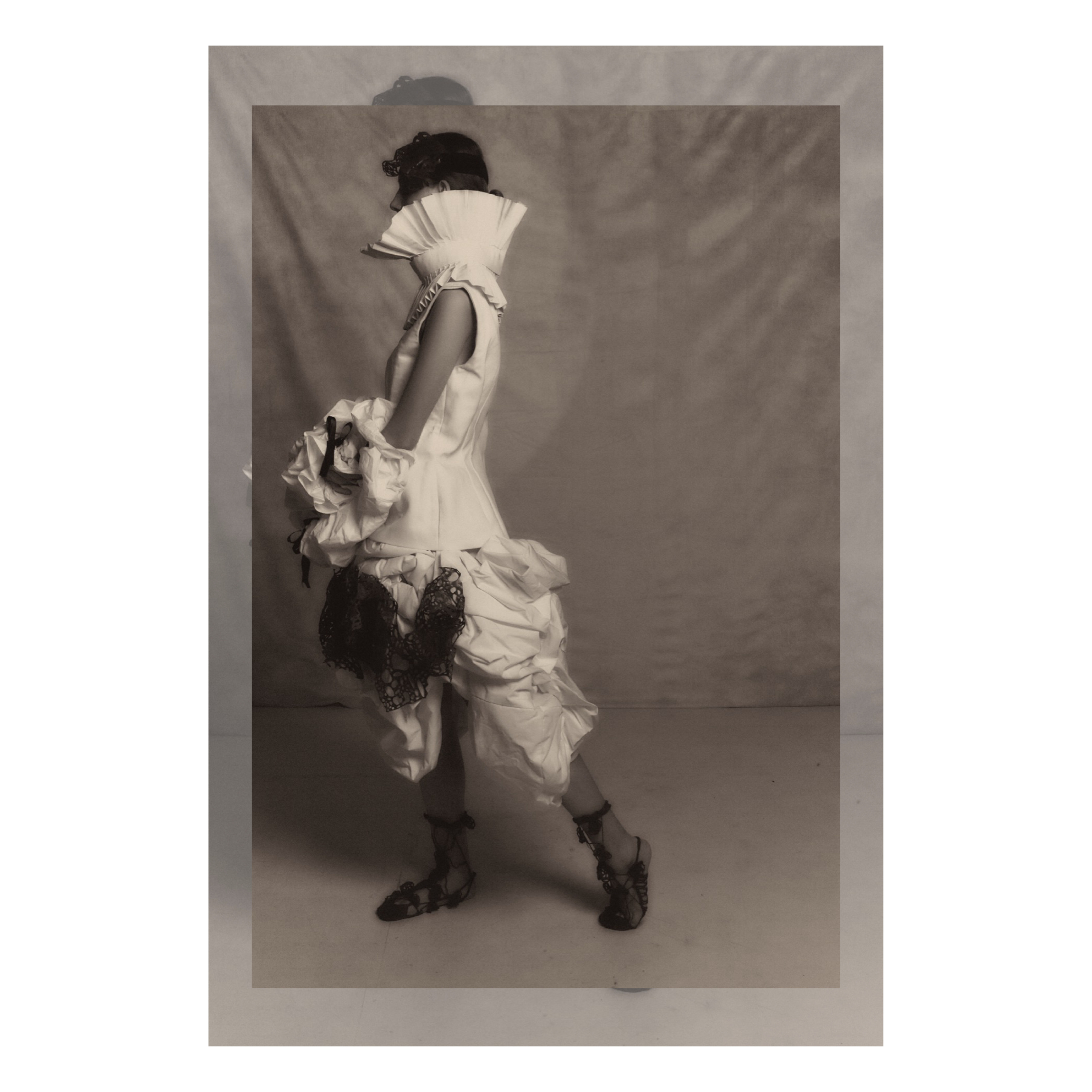
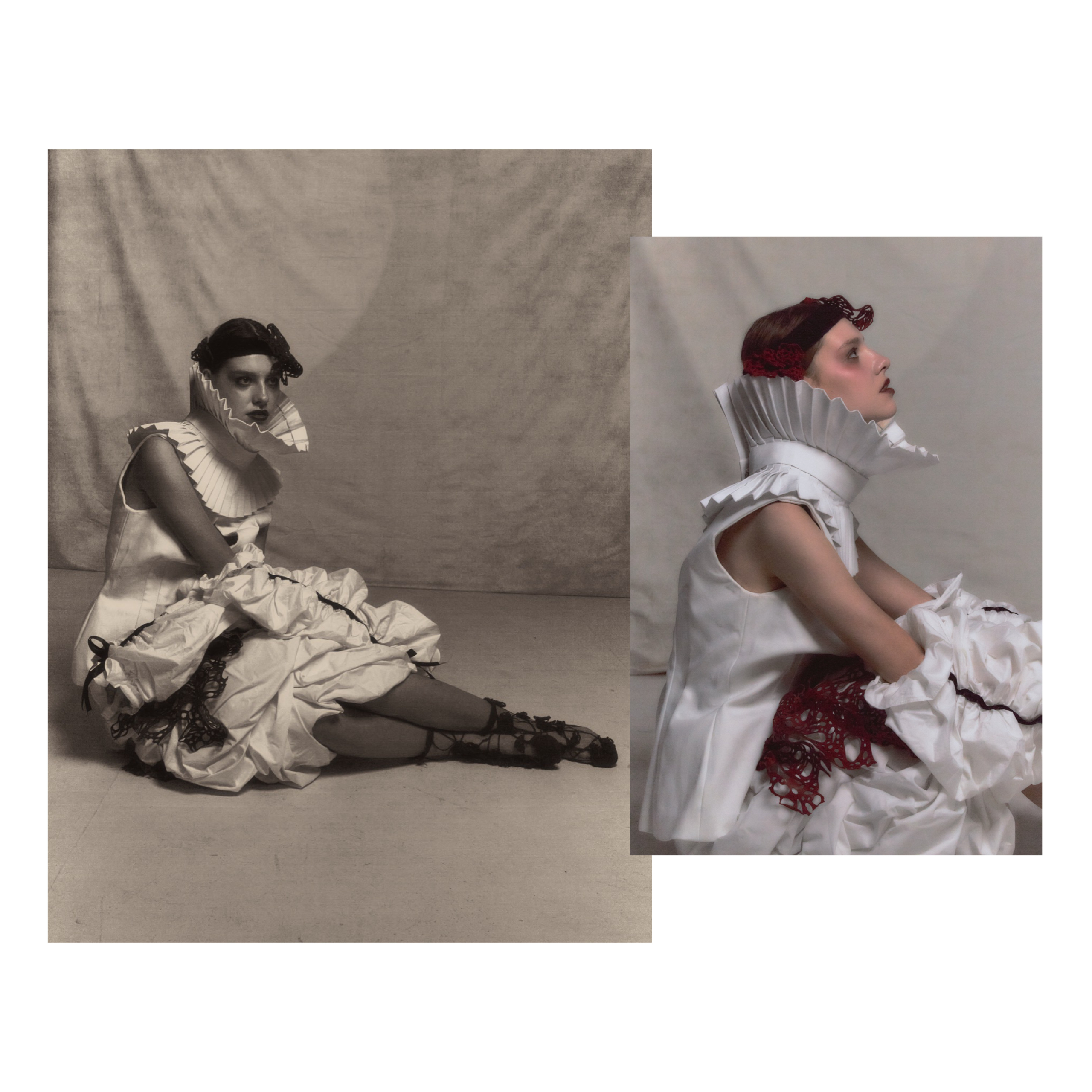
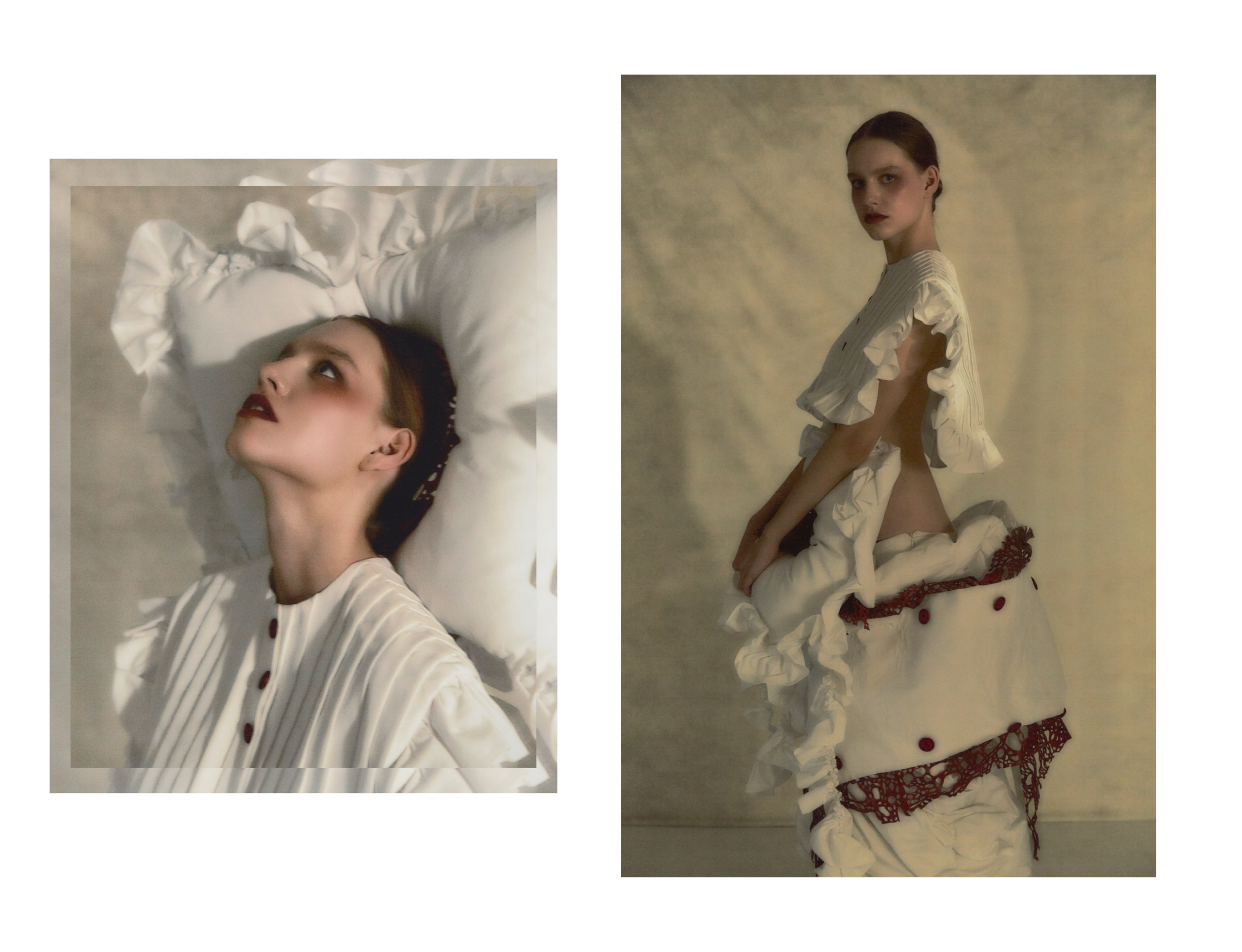
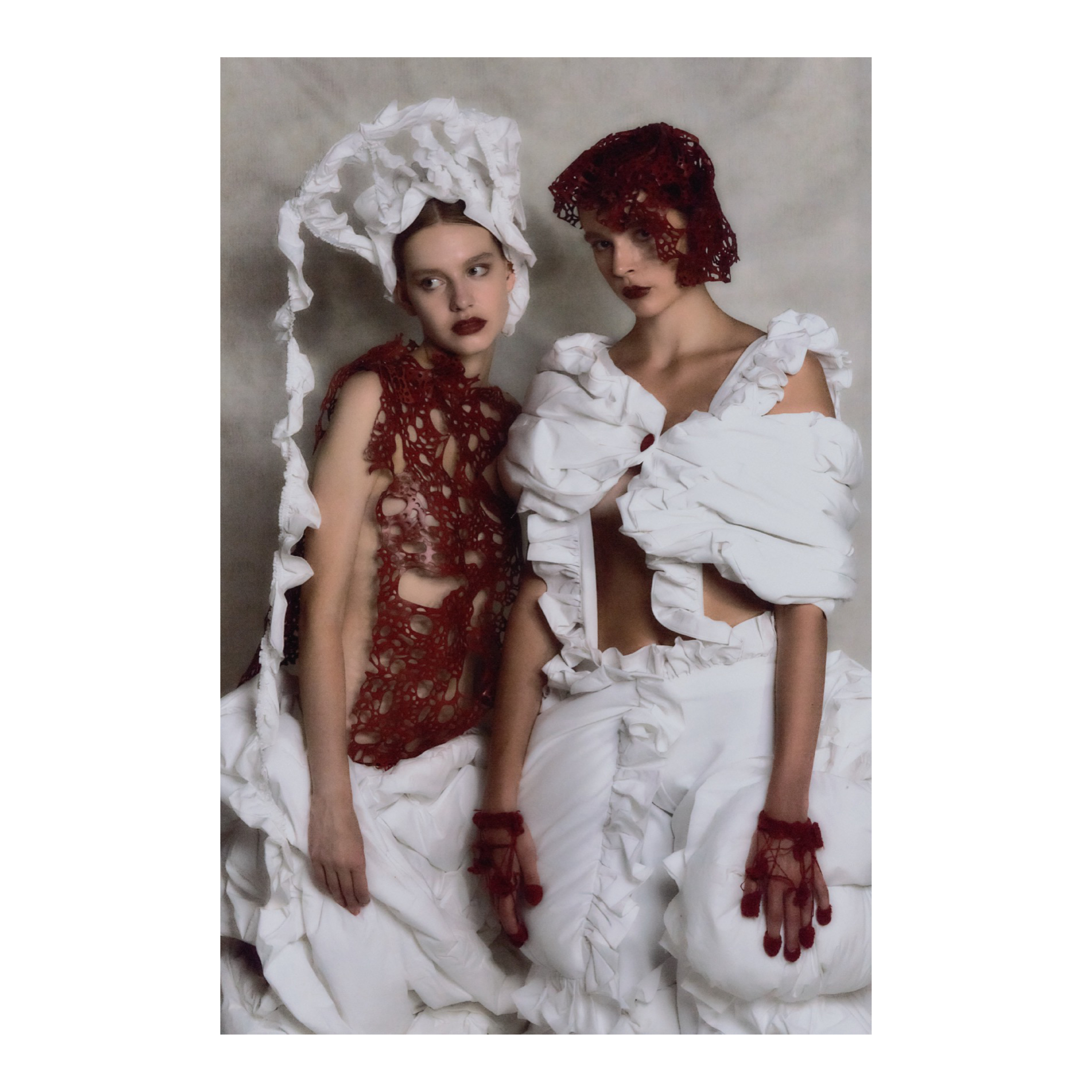
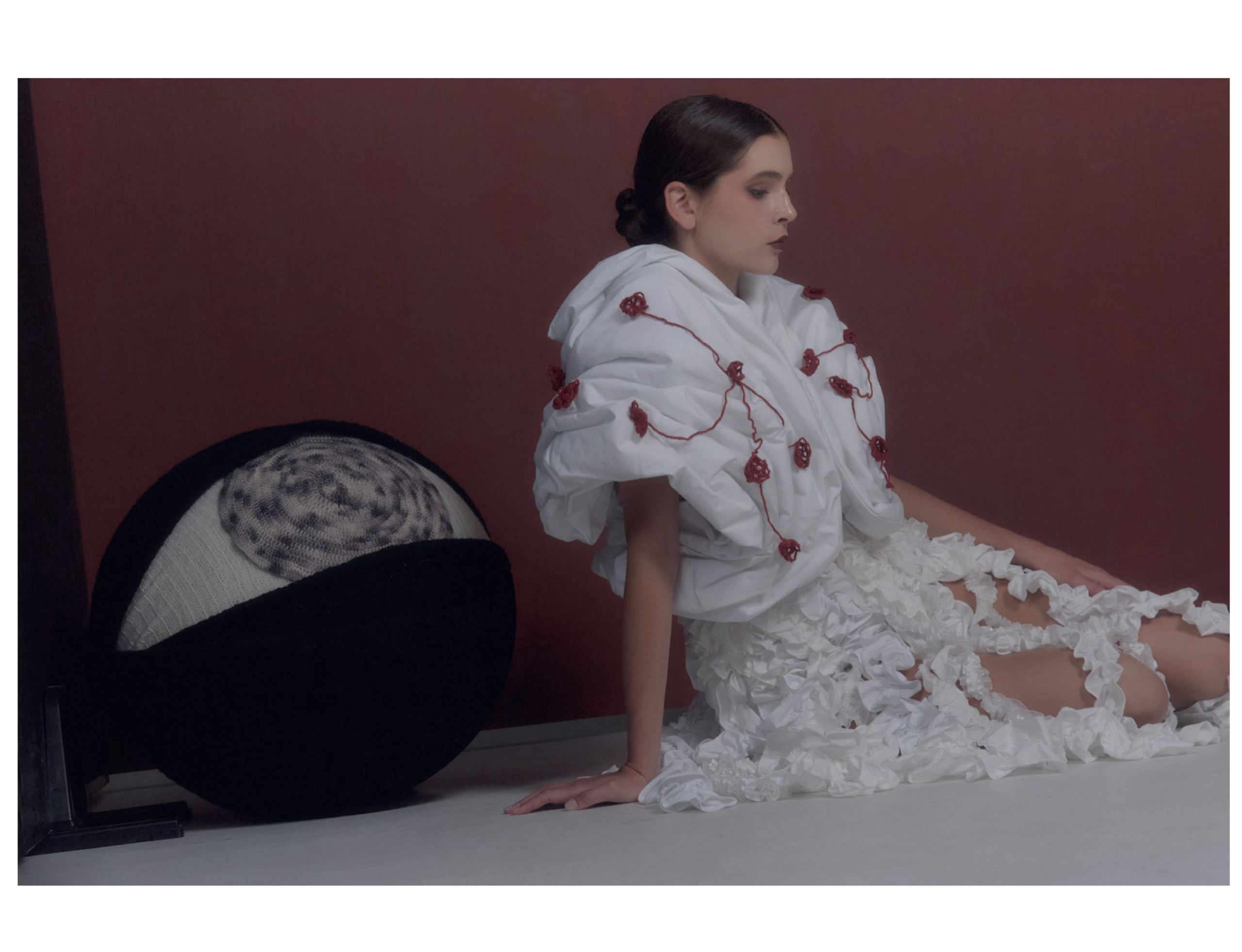
Then I move into draping. Draping is where the work becomes physical and honest. I treat the body as narration, and silhouette becomes the first sentence. Once the silhouette is speaking, I push into material tests and structural details, refining the texture and the hidden architecture until the garment carries the emotional weight it needs.
A typical studio day looks chaotic from the outside. There are notes, half-finished toiles, collage scraps, fabric swatches, and prototypes everywhere. But it is a controlled chaos. I always know where the story is, even when the room looks like it is falling apart.
Which materials, techniques, or cultural influences are central to your current work, and why
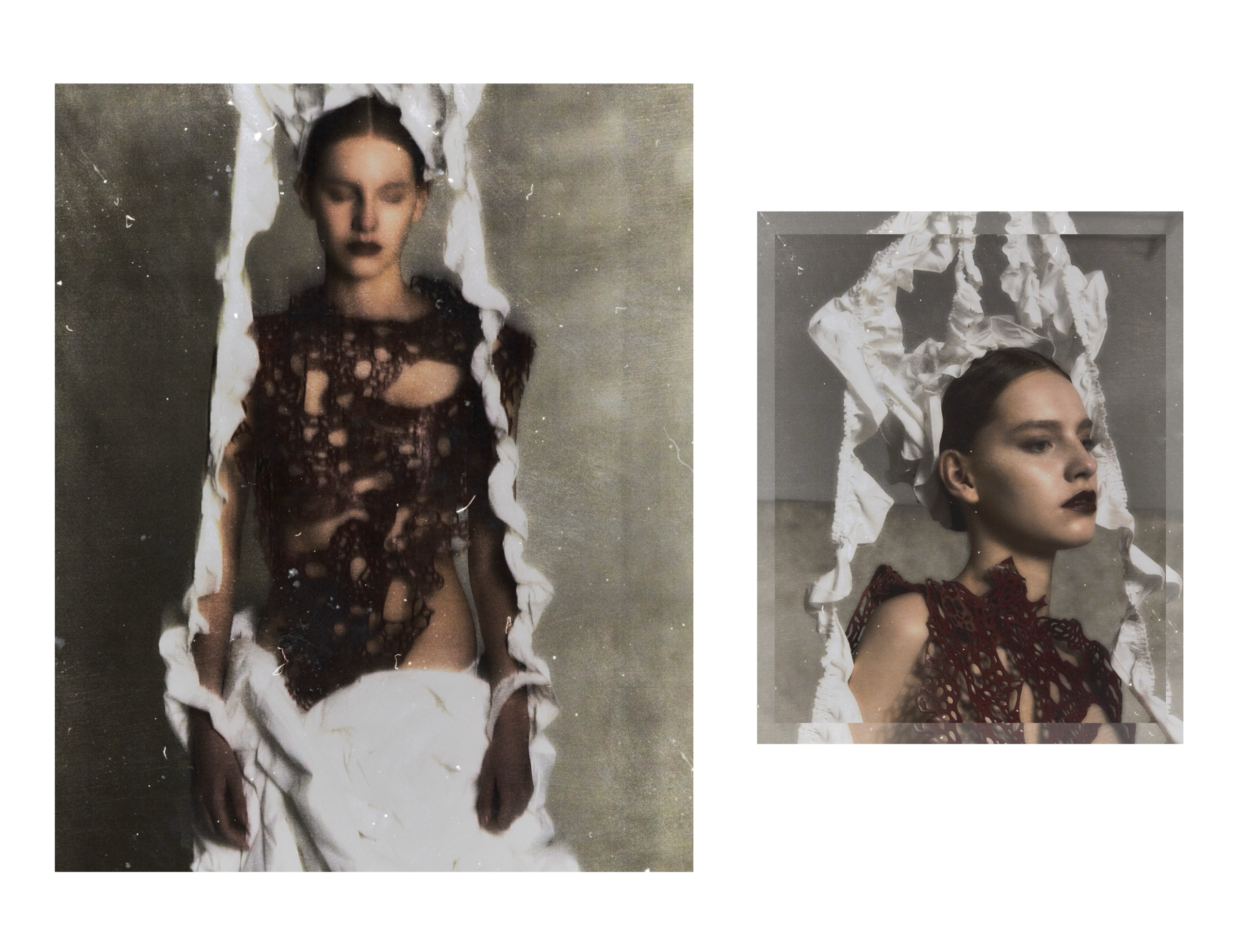
Material is not decoration for me. It is emotional evidence. I return to wool, cashmere, and silk because they hold very specific kinds of feeling. Wool and cashmere carry warmth and density, almost like protection. Silk carries fragility and movement, like a nervous system exposed.
Felting is central to my practice. I love that it sits between control and surrender. Fibers tangle, compress, and become a new surface, and that transformation mirrors the way emotions accumulate, blur, and harden over time. I also use a lot of boning as inner structures. Boning gives the silhouette discipline, but it also creates restraint or a sense of containment. That tension is important to me, especially when I think about insomnia as a psychological space.
Culture in my design is expansive and inclusive. Since my work is driven by storytelling and the psychology of a character, I care more about translating cultural background into silhouette, texture, and construction than presenting culture as a direct visual quote. I am interested in what culture feels like on the body, not only what it looks like.